
5 Tips to Choose a Trailer Coupler
Picking the correct trailer coupler is more than just linking two pieces of equipment; it's also about making sure that your fleet or project is safe, that you're following the rules, and that you're saving money in the long run. A trailer coupler is the mechanical link between your tow vehicle and trailer. It handles shifting loads, vibrations, and weather stresses that can ruin whole shipping operations if it's not chosen correctly. Whether you're looking for parts for city infrastructure projects, making industrial trailers, or shipping equipment to different markets in the region, knowing the technical specs, material science, and supplier capabilities behind this important part has a direct effect on your bottom line and the reliability of your operations.
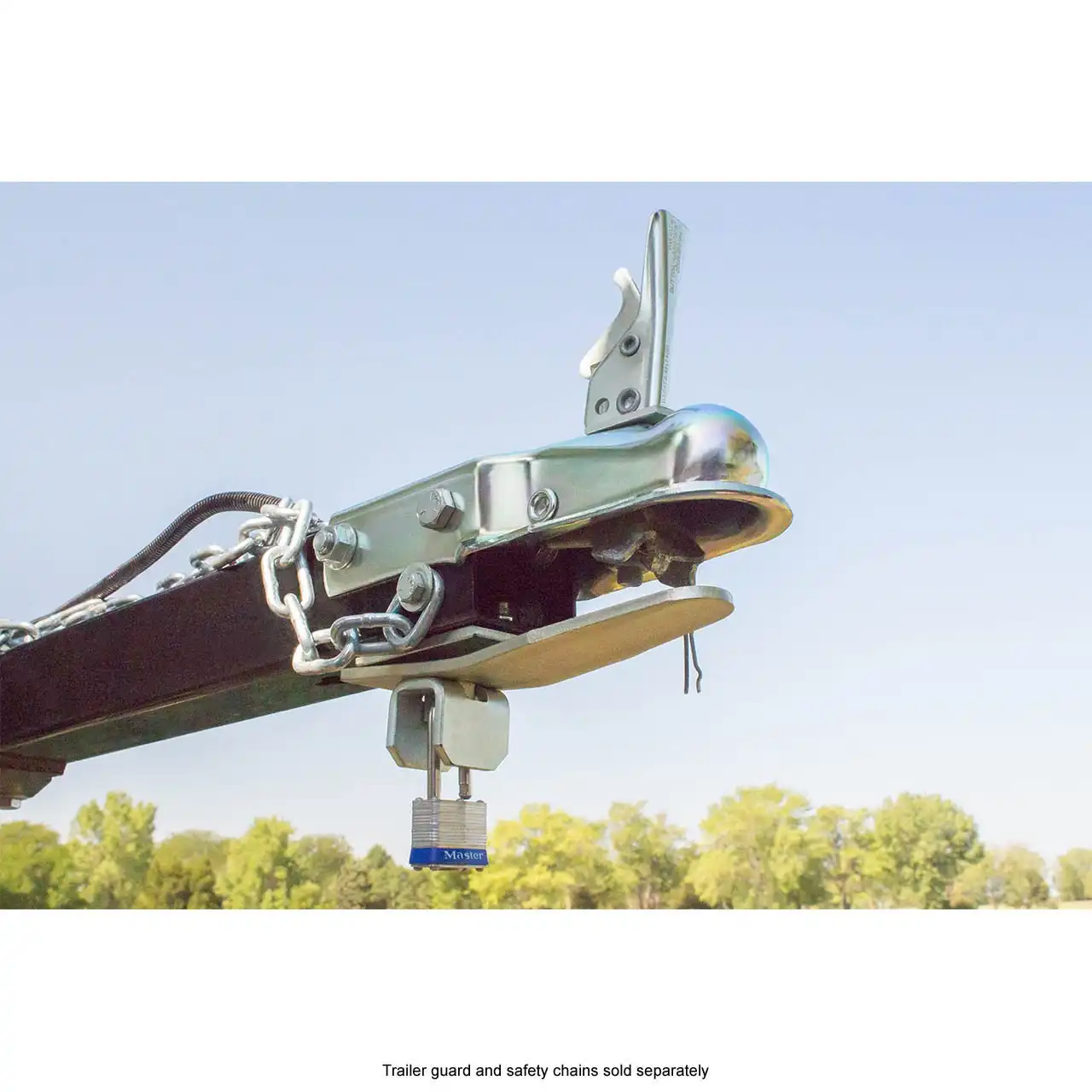
Understand Trailer Coupler Basics and Types
Understanding the basic structure of tow systems is necessary to make smart decisions about what to buy. The coupler mechanism is made up of several parts that rely on each other and work together to keep links safe under different loads.
Core Components and Their Functions
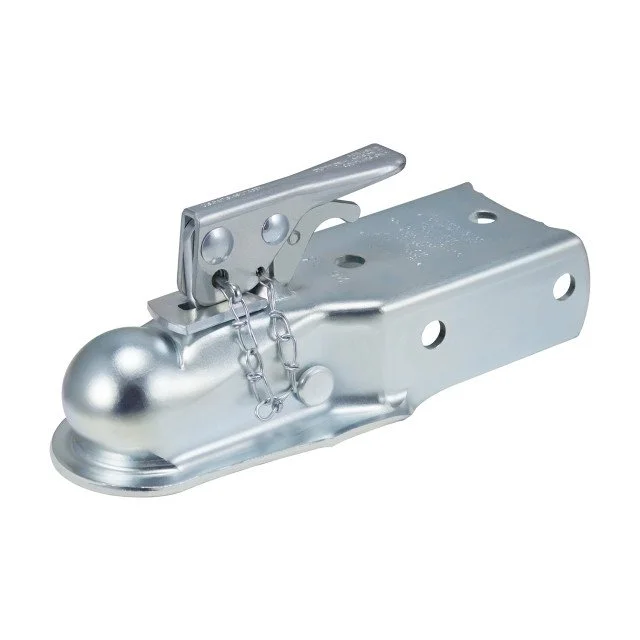
The main point of load transfer is where the ball mount connects to the hitch receiver on the tow car. The coupler channel is locked in place around the hitch ball by latch devices, which can be either hand lever types or hydraulically-actuated types. Attachment points for safety chains offer double security and meet Department of Transportation standards by providing backup retention if the main connection breaks. During operation, each part goes through certain stress cycles. Because of this, choosing the right material and production with great accuracy are essential.
Common Coupler Types and Applications
Different working settings need different coupling methods. Ball couplers are most common in light- to medium-duty uses, such as a trailer coupler for leisure and commercial trailers that weigh between 2,000 and 30,000 pounds gross. Pintle hooks offer better flexibility for off-road situations and military-grade gear that needs to be able to move laterally and connect to rough ground. Gooseneck couplers attach directly to the back axle of a tow vehicle. They spread the weight more evenly for heavy-haul jobs weighing more than 30,000 pounds, which are popular in moving building equipment and farming.
Material Choices and Performance Implications
Steel is still the most common material because it has a high tensile strength and is resistant to pressure. Mild steel is used for low-cost uses, and alloy steel is used for longer-lasting ones. Aluminum options are about 40% lighter than steel alternatives, which saves fuel on long trips but limits the amount of weight that can be carried. Corrosion protection methods, such as hot-dip galvanizing, powder coating, or electroplating, make things last longer in salty sea settings or areas where roads are always salty. This lowers the total cost of ownership after the initial purchase price.
Evaluate Weight Capacity and Safety Features
Load rating compliance is the most important thing for keeping tow activities safe and managing risk. A lot of accidents involving trucks happen because the capacity specs don't match up. This selection criteria is legally and operationally important.
Interpreting Weight Ratings
Gross Trailer Weight (GTW) is the heaviest loaded trailer that the coupler can safely handle. Tongue Weight (TW) is the downward force at the coupling point, which is usually 10 to 15 percent of GTW. 20–25% more than the expected maximum loads are added as safety margins to account for dynamic loading during acceleration, stopping, and guidance on uneven ground. Minimum performance standards are set by regulatory frameworks like SAE J684. Requiring couplers that meet or beat these standards guards against liability while ensuring operating integrity.
Essential Safety Mechanisms
Locking systems keep latches from releasing accidentally. For a trailer coupler, pin-and-clip designs provide basic security, while built-in locking systems that require a key prevent theft and illegal uncoupling. Grade-tested safety chains must match the coupler's capacity, and the crossed-chain installation method keeps the ground from coming into touch with the main coupling if it breaks. Quick-release features make coupling faster without sacrificing security. This is especially helpful in places with a lot of vehicle change, like rental companies or public vehicle pools.
Inspection and Maintenance Protocols
Stress cracks in weld zones, deformation of latch parts, and wear patterns on touch surfaces should all be found during regular visual inspections. Critical measurements, such as the latch opening width and the integrity of the safety chain links, can be measured to get a rough idea of how much service life is left. Regular lubrication with the right anti-seize chemicals stops corrosion bonding and keeps things running smoothly. Keeping track of maintenance tasks helps with guarantee claims and regulatory checks.
Material Quality and Durability Metrics
The types of metals used and how the surfaces of connecting components are treated directly affect how long they last and how much upkeep they need over long periods of time, which can be decades in infrastructure applications.
Steel Grades and Performance Characteristics
High-quality structural steel (ASTM A36 or a similar) has yield forces higher than 36,000 PSI, which is enough safety for most business uses. Adding chromium, molybdenum, or nickel to alloy steels makes them more resistant to wear under cyclic loads, which is very important for high-frequency coupling operations. When compared to hot-rolled steel, cold-rolled steel has better surface finish and tighter measurement standards. This means that mating parts last longer and wear less quickly.
Corrosion Resistance Strategies
When you hot-dip galvanize something, such as a trailer coupler, a zinc covering of about 2 to 3 mils is put on it. This provides cathodic protection that corrodes before the base metal is exposed. Powder coating lets you choose an attractive finish and keeps water out, but damage to the coating's structure by impact speeds up localized rust. Stainless steel construction (Grade 304 or marine-grade 316) removes corrosion issues in chemically or coastally exposed areas, and the cost increases of 200 to 300 percent are justified by the fact that the product doesn't need to be refinished as often.
Balancing Cost and Performance
Instead of just looking at the buy price, procurement teams need to look at the total cost of ownership. A galvanized steel trailer coupler that costs 30% more than a mild steel option may last 5 to 7 years longer in corrosive settings, which means it won't need to be replaced as often and won't cause as much downtime. Suppliers that are certified and follow the ISO 9001 quality management system provide tracking documents and material certifications that help with following the rules and enforcing warranties.
Installation, Adjustment, and Troubleshooting Guidance
If you put something correctly, it won't break down early and will keep working safely for as long as the connection system is in use.
Installation Best Practices
Before installation, it is made sure that the hitch ball's width meets the coupler channel's requirements. In North American markets, these are usually 1-7/8", 2", or 2-5/16". Manufacturers usually suggest torque levels for mounting bolts that are between 250 and 500 ft-lbs, based on the coupler class. Adjusting the height of the trailer to keep it level stops the tongue weight from being distributed unevenly and keeps the coupling and trailer suspension parts from wearing out.
Common Issues and Solutions
Too much play between the ball and the trailer coupler means that the parts are worn out and need to be replaced instead of being adjusted. When latch systems don't fully connect, it's usually because of buildup of debris or worn-out springs. Cleaning and replacing parts fixes the problem. If you hear a strange noise while pulling, it could mean that the trailer coupler isn't properly oiled or that old parts are rubbing against each other. This needs to be checked out right away to avoid failure.
Value of Professional Support
OEM expert support is helpful for complicated installations that use electric or hydraulic motion. This makes sure that the new systems work well with the ones that are already in the car. Downtime can be kept to a minimum by getting new parts through established distribution networks. This is especially important for fleet owners who need parts quickly. Service contracts that include regular checks and part replacements increase operating availability while putting the responsibility for maintenance mistakes on the service providers.
Optimize Procurement: Choosing the Right Supplier and Product
Selecting a strategic provider has effects on the quality of the product, the dependability of delivery, and the long-term value of the relationship that go beyond transactional factors.
Evaluating Supplier Capabilities
Manufacturers that offer OEM customization can work with non-standard specs that are popular in applications that use specialized equipment. Production capacity indicators, like yearly output amounts and lead times, show how well a company can meet its growing purchasing needs or big project orders. Quality certifications, such as ISO standards and industry-specific accreditations, show that a company is committed to using consistent production methods and keeping track of their products.
Pricing and Volume Considerations
Through economies of scale, bulk buying deals for container-level shipments lower the cost per unit while keeping the supply chain stable, including for components like the trailer coupler. When you look at warranties for names like Curt, Reese, Bulldog, and Lippert side by side, you can see that they cover different amounts of time, usually between one and five years. This shows that the companies that make the products are confident in how long they will last. Factory-direct price models get rid of the margins that distributors take, which is especially helpful for large buyers who want to build long-term relationships with suppliers.
Initiating Procurement Partnerships
Requesting samples lets you look at the product in person and make sure it works with other things before committing to large orders, which lowers the risk of design mismatches. With engineering help during design development, you can be sure that the goods you choose will meet the needs of your application and follow the rules in the area where you do business. The technical knowledge of your suppliers acts as an extension of your purchasing team, giving you information about new technologies and ways to improve the efficiency of your operations by tailoring their solutions to your needs.
Conclusion
To choose the right trailer couplers, you need to carefully look at the technical specs, the needs of the business, and the supplier's abilities. The right load rate, long-lasting materials, and precise construction all work together to determine both short-term operating safety and long-term cost efficiency. When procurement professionals take the time to learn about coupler basics, safety standards, and seller qualifications, their companies are better prepared for less upkeep, better compliance with regulations, and the lowest total cost of ownership. Because these choices are so complicated, it's important to work with makers who have a lot of technical knowledge and a history of providing custom solutions.
FAQ
1. What weight capacity should my trailer coupler have?
The rating on your trailer coupler should be at least 20% higher than the heaviest weight you expect your trailer to carry. This safety gap takes into account how the load changes during operation. Make sure that the GTW and tongue weight values are correct for your purpose, and check your local laws for information on how to classify trailers.
2. How often should trailer couplers be inspected?
Visual checks should be done before every use in commercial settings, and more in-depth checks should be done every 30 days or 3,000 miles. Check for cracks, warping, and too much wear. Also, make sure the latch works right. People who use it for fun should check it every season and after pulling something long distance.
3. Can I upgrade to a higher-capacity coupler on my existing trailer?
You can upgrade if your trailer's frame and axle system can handle the extra weight. Check the technical specs to make sure that all of the parts, like the frame welds, axles, and tires, are compatible with the higher coupler rate. If you don't do updates right, you could be sued and/or break the law.
4. What's the difference between manual and electric couplers?
Manual couplers are simple and inexpensive, but they need to have the latch devices physically operated. Electric couplers allow for remote control, which makes high-frequency coupling settings safer and requires less work from the user. Electric versions need wires and power systems that work with electric versions.
Partner With RUIRUI for Custom Trailer Coupler Solutions
We at RUIRUI Machinery know that finding reliable trailer coupler parts takes more than just looking at a catalog. It needs a production partner that has a track record of making precision metal parts and a deep understanding of how tow systems work. Our Qingdao factory makes custom trailer bolts, pins, and coupler parts using advanced CNC machining, laser cutting, and progressive pressing methods that make sure the quality and dimensions are always the same from one production run to the next. We are a reliable provider of trailer couplers that can handle OEM specs and bulk purchasing needs. We have over 15 years of management experience and are ISO 9001 certified. Our customers include infrastructure contractors, equipment makers, and global distributors. Email our tech team at kshdhardware@qdkshd.com to talk about your unique application needs and get samples that show how well we can make things.
References
1. Society of Automotive Engineers. "SAE J684: Trailer Couplings and Hitches - Automotive Type." SAE International Standards, 2020.
2. American Society for Testing and Materials. "ASTM A36/A36M: Standard Specification for Carbon Structural Steel." ASTM International, 2019.
3. National Highway Traffic Safety Administration. "Federal Motor Vehicle Safety Standards: Trailer Hitch Systems and Couplings." U.S. Department of Transportation, 2021.
4. Mechanical Engineering Handbook Editorial Board. "Load Distribution and Stress Analysis in Vehicular Towing Systems." McGraw-Hill Professional Engineering Series, 2018.
5. International Organization for Standardization. "ISO 11407: Road Vehicles - Towing Couplings - 50 mm Ball Couplings." ISO Standards Catalogue, 2017.
6. Materials Science Institute. "Corrosion Resistance of Ferrous Alloys in Transportation Applications." Journal of Applied Metallurgy and Industrial Coatings, Volume 43, 2022.

Send Inquiry
You may like