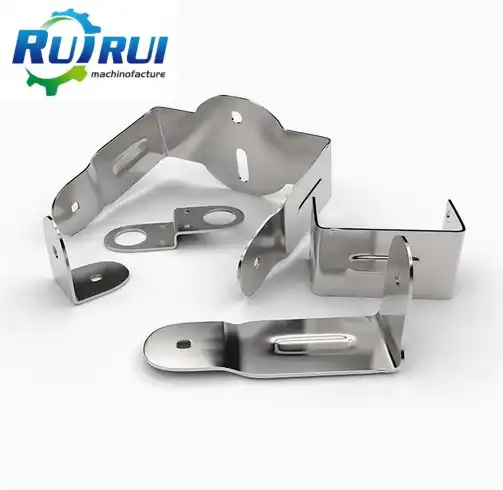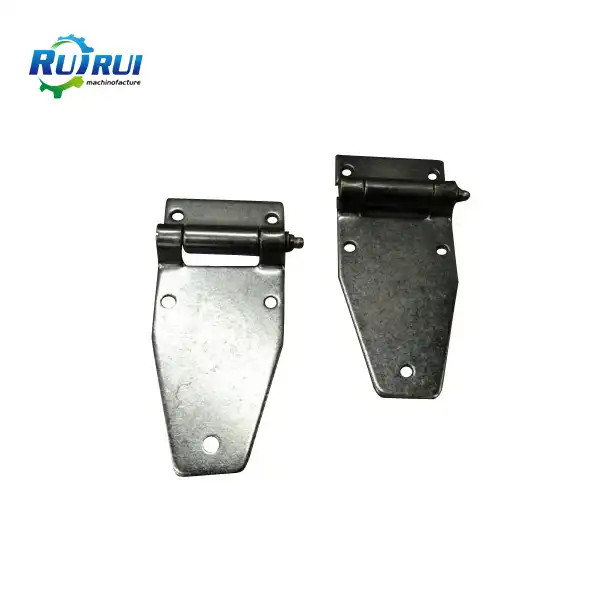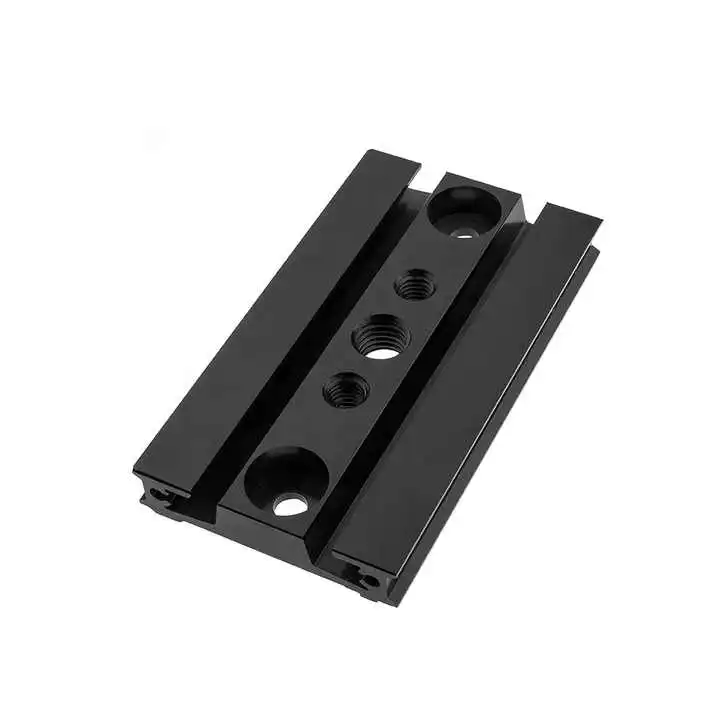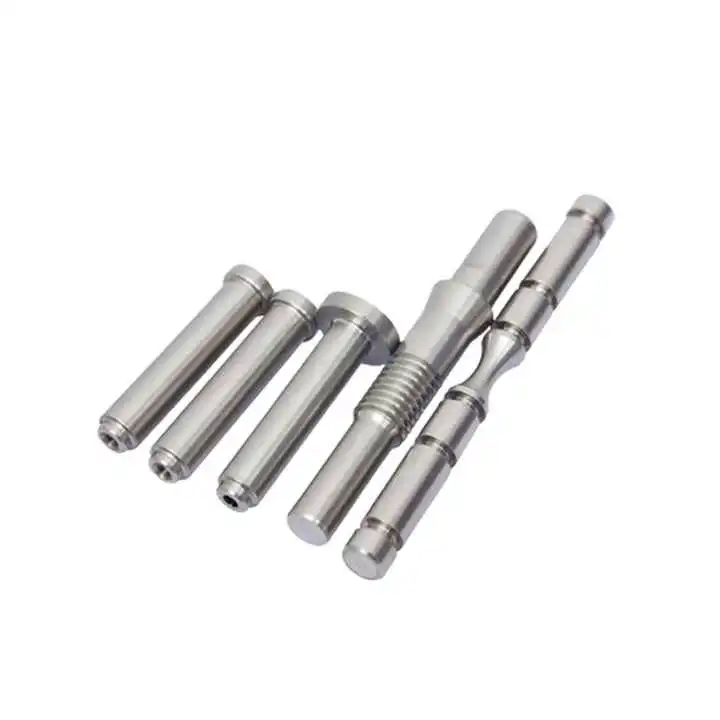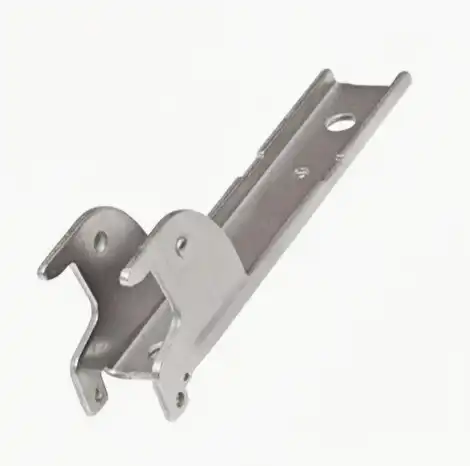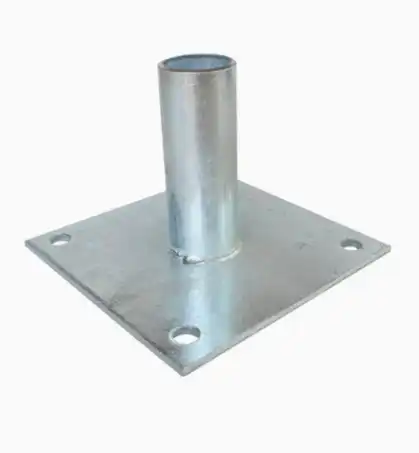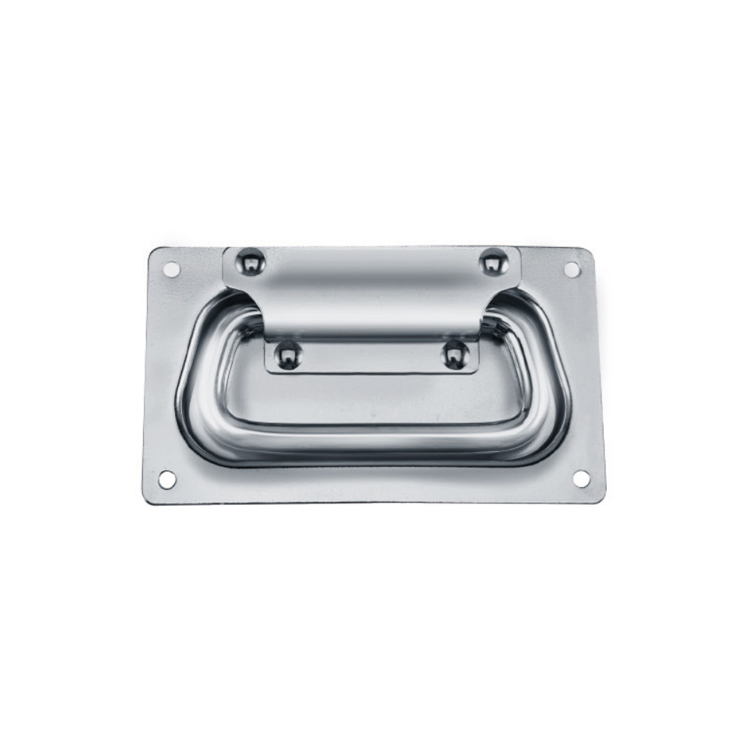
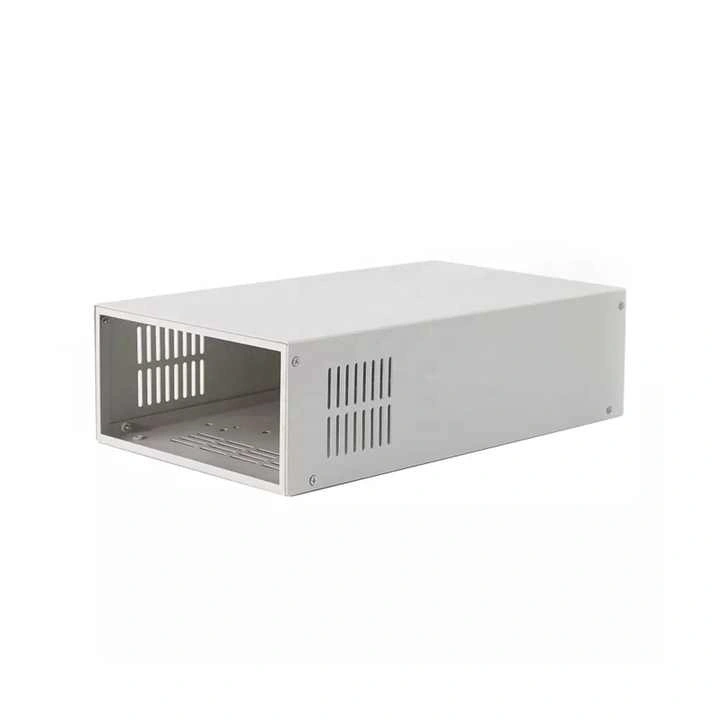
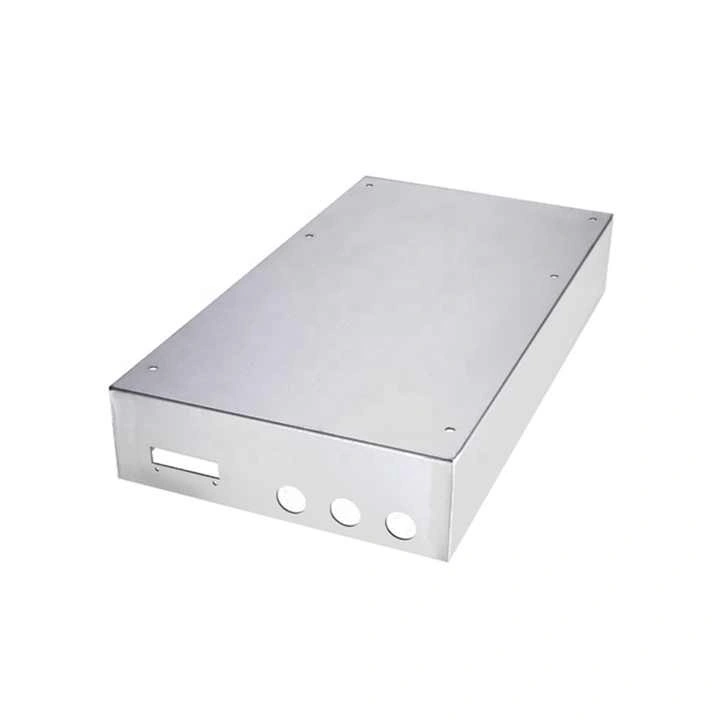
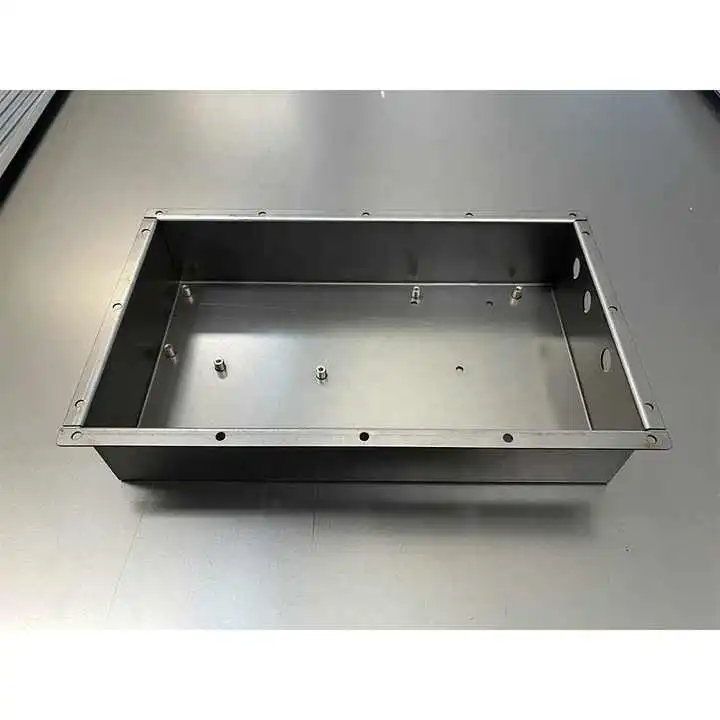
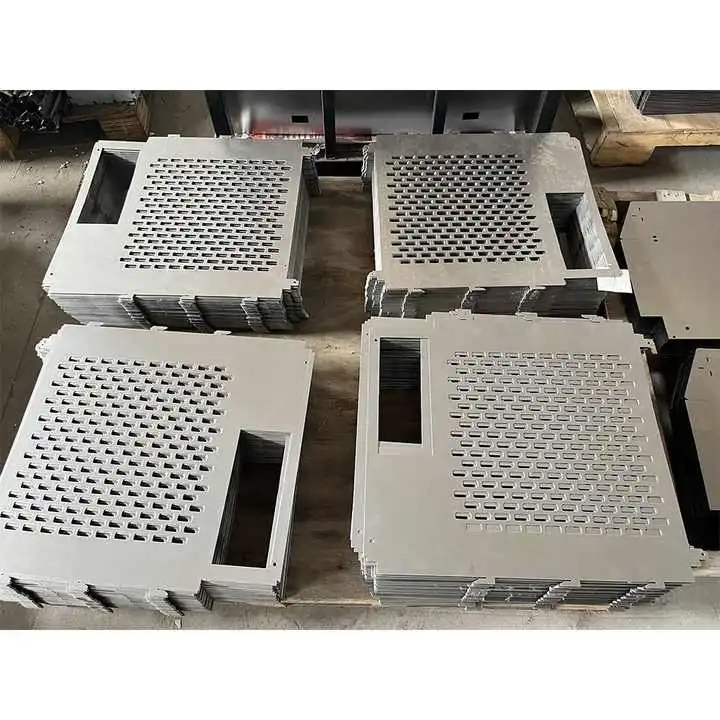
Bend electronic housing parts

- Fast Delievery
- Quality Assurance
- 24/7 Customer Service
Product Introduction
Bend Electronic Housing Parts - Precision Sheet Metal Solutions
Qingdao RuiRui's Bend electronic housing parts deliver enterprise-level performance with ±0.005mm precision tolerances across 20+ CNC machines. Our one-stop fabricating handle combines progressive press brake shaping with multi-axis machining capabilities, guaranteeing electromagnetic impedances (EMI) protecting and warm administration for basic electronic assemblies. With 17+ a long time of OEM/ODM skill and ISO 9001:2015 certification, we give cost-effective arrangements that diminish tooling costs by 20-30% whereas keeping up robotized gathering line compatibility through steady ±0.1mm dimensional accuracy.
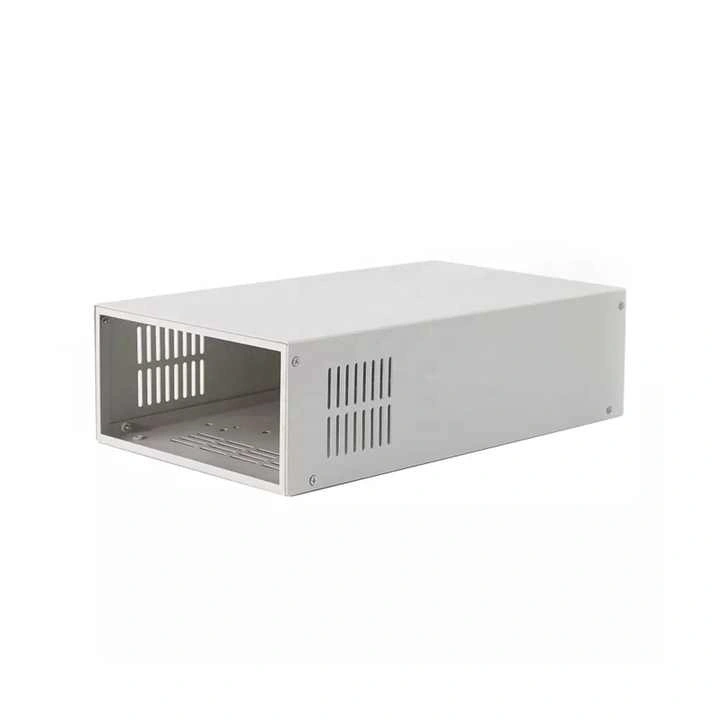
What Are Bend Electronic Housing Parts?
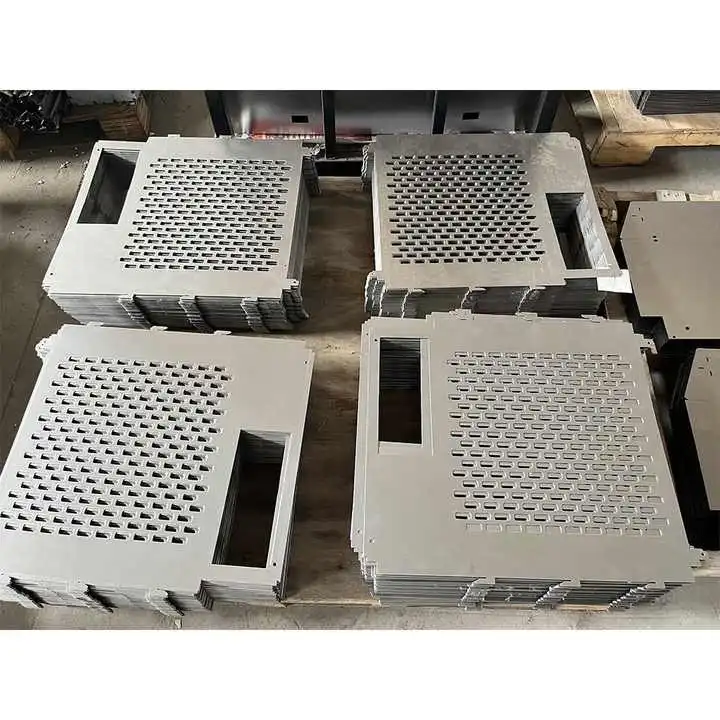
Bend electronic housing parts are precision-engineered sheet metal components designed to enclose, protect, and provide structural support for sensitive electronic assemblies. These specialized enclosures house PCBs, power supplies, and critical connectors in various industrial applications.
Our fabrication process changes level metal sheets into complex three-dimensional walled areas through CNC press brake shaping and stamping. This approach offers noteworthy preferences over machined or cast choices, counting diminished fabric squander and speedier generation cycles.
The essential advantage lies in tending to industry torment points such as tall tooling costs for medium-volume generation and weight diminishment necessities. These components give basic electromagnetic obstructions (EMI) protecting through conductive progression whereas advertising productive warm administration solutions.
Technical Specifications
|
Parameter |
Specification |
|
Material Options |
Aluminum 5052/6061, Stainless Steel 304/316, Cold Rolled Steel |
|
Thickness Range |
0.5mm - 6.0mm |
|
Bend Tolerance |
±0.5° standard, ±0.25° precision |
|
Dimensional Tolerance |
±0.1mm standard, ±0.05mm precision |
|
Maximum Part Size |
2,000 x 1,000 x 600mm |
|
Minimum Flange Length |
4x material thickness |
|
Surface Finish Options |
Anodizing, Powder Coating, Electroplating, Chromate Conversion |
|
Production Capacity |
1-2 weeks prototypes, 4-7 weeks mass production |
Manufacturing Process Excellence
Advanced Press Brake Technology
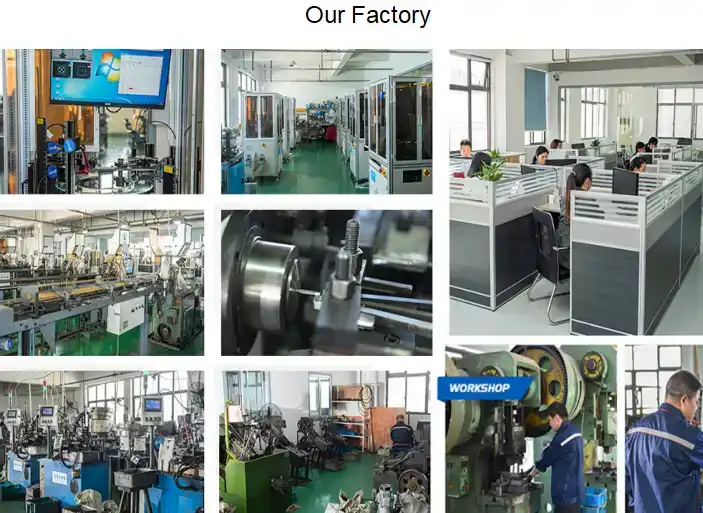
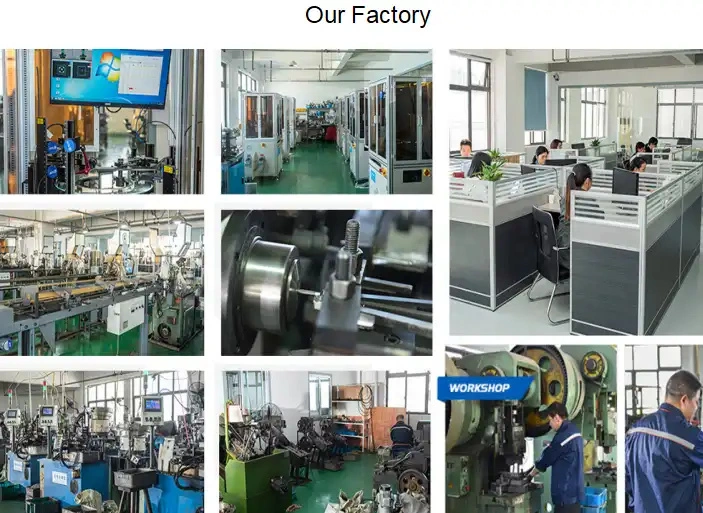
Our office works 20+ accuracy press brakes with computerized back-gauge frameworks. Each machine keeps up steady twist points through real-time constrain observing and versatile control systems.
We utilize specialized tooling outlined for hardware applications, counting fixing kicks the bucket for smooth edges and coining punches for sharp corner definition. This gear guarantees repeatability over high-volume generation runs.
Quality Control Integration
Every items experiences a comprehensive dimensional assessment utilizing facilitate measuring machines (CMM). Our quality framework incorporates to begin with article review (FAI) and batch inspection per AQL standards.
Material certification goes with each shipment, giving full traceability from crude fabric obtainment through last review. This documentation underpins customers' quality administration prerequisites and administrative compliance needs.
Design Optimization Features
EMI Shielding Capabilities
Our lodging plans consolidate nonstop conductive ways basic for electromagnetic compatibility. Covering spines and gasket channels give different protecting adequacy levels, assembly different EMC requirements.
We optimize twist arrangements to keep up fabric grain structure astuteness, avoiding micro-cracks that may compromise protecting execution. Vital situation of mounting highlights guarantees legitimate establishing connections.
Thermal Management Solutions
Integrated warm dissemination highlights incorporate shaped cooling balances, ventilation louvers, and warm interface mounting surfaces. These components are absolutely situated amid the twisting prepare to keep up warm pathway efficiency.
Our designing group analyzes warm exchange necessities amid the plan stage, suggesting ideal fabric determination and surface medicines for upgraded warm conductivity.
Industry Applications
Automotive Electronics
Bend electronic housing parts protect engine control modules, infotainment systems, and sensor assemblies in harsh automotive environments. Our components withstand vibration, temperature cycling, and corrosive exposure while maintaining signal integrity.
We manufacture specialized housings for electric vehicle charging systems, battery management modules, and autonomous driving sensors. These applications require precise dimensional control for connector mating and seal compression.
Industrial Control Systems
Manufacturing automation relies on our precision housings for PLC modules, motor drives, and HMI panels. Consistent mounting hole patterns ensure compatibility with standard DIN rail systems and panel cutouts.
Our designs accommodate cable management requirements, including strain relief features and connector accessibility. Modular housing concepts support system scalability and maintenance accessibility.
Telecommunications Infrastructure
Network equipment housings protect sensitive RF components while providing proper grounding and heat dissipation. Our manufacturing process maintains the tight tolerances required for connector alignment and gasket sealing.
We produce housings for fiber optic equipment, wireless access points, and data center infrastructure. These applications demand exceptional dimensional stability and long-term reliability.
FAQ
Q: How do you mitigate 'springback' when manufacturing products?
A: Springback is controlled by calculating the material's elastoplastic properties and over-bending the angle slightly (e.g., bending to 88° for a 90° target) or using coining techniques to set the metal permanent structure.
Q: What is the minimum flange length required for these parts?
A: To ensure a precise bend angle, the minimum flange length generally needs to be 4x the material thickness. Shorter flanges may slip into the V-die, causing deformed edges and inaccurate dimensions.
Q: How does the grain direction of the metal affect the quality of the part?
A: Bending parallel to the rolling grain can lead to cracking, especially in aluminum. Professional fabrication dictates bending transverse to the grain whenever possible to maximize structural strength and prevent fractures.
Q: Can products be finished before bending?
A: While pre-plated materials exist, we recommend post-bend finishing (anodizing, powder coating, chromate conversion) to ensure that the bend areas are not exposed to corrosion and that tooling marks are concealed.
Q: What tolerances should be specified for cost-effective manufacturing?
A: Standard precision sheet metal tolerances are +/- 0.1mm for hole-to-hole dimensions and +/- 0.5° for bend angles. Demanding tighter tolerances than this increases cost significantly due to the need for specialized fixtures and manual calibration.
Why Choose RuiRui Manufacturing?
Our factory-direct approach eliminates middleman costs, providing 20-30% savings compared to trading companies. With 24/7 production capacity and optimized workflow planning, we deliver 70% of urgent orders on schedule.
Zero minimum order quantities support prototype development and small-batch requirements. Our engineering team provides design-for-manufacturability (DFM) analysis to optimize your products for cost-effective production.
Contact Us
Ready to discuss your Bend electronic housing parts requirements? Contact our engineering team at kshdhardware@qdkshd.com for expert consultation and competitive pricing.
Send Inquiry