
Adjustable Trailer Coupler: Flexibility for Multiple Balls
Have you ever wasted valuable time moving between unsuitable equipment when attempting to connect trailers with varying ball sizes to your towing vehicle? Mismatched trailer coupler systems may cause delays and needless safety hazards while transporting construction materials, leisure vehicles, or agricultural equipment. By accommodating various ball sizes, removing the need to constantly repair fixed couplers, and guaranteeing that you're always prepared to attach any trailer in your fleet with confidence and efficiency, an adjustable trailer coupler offers the best option.
Understanding Adjustable Trailer Coupler Technology
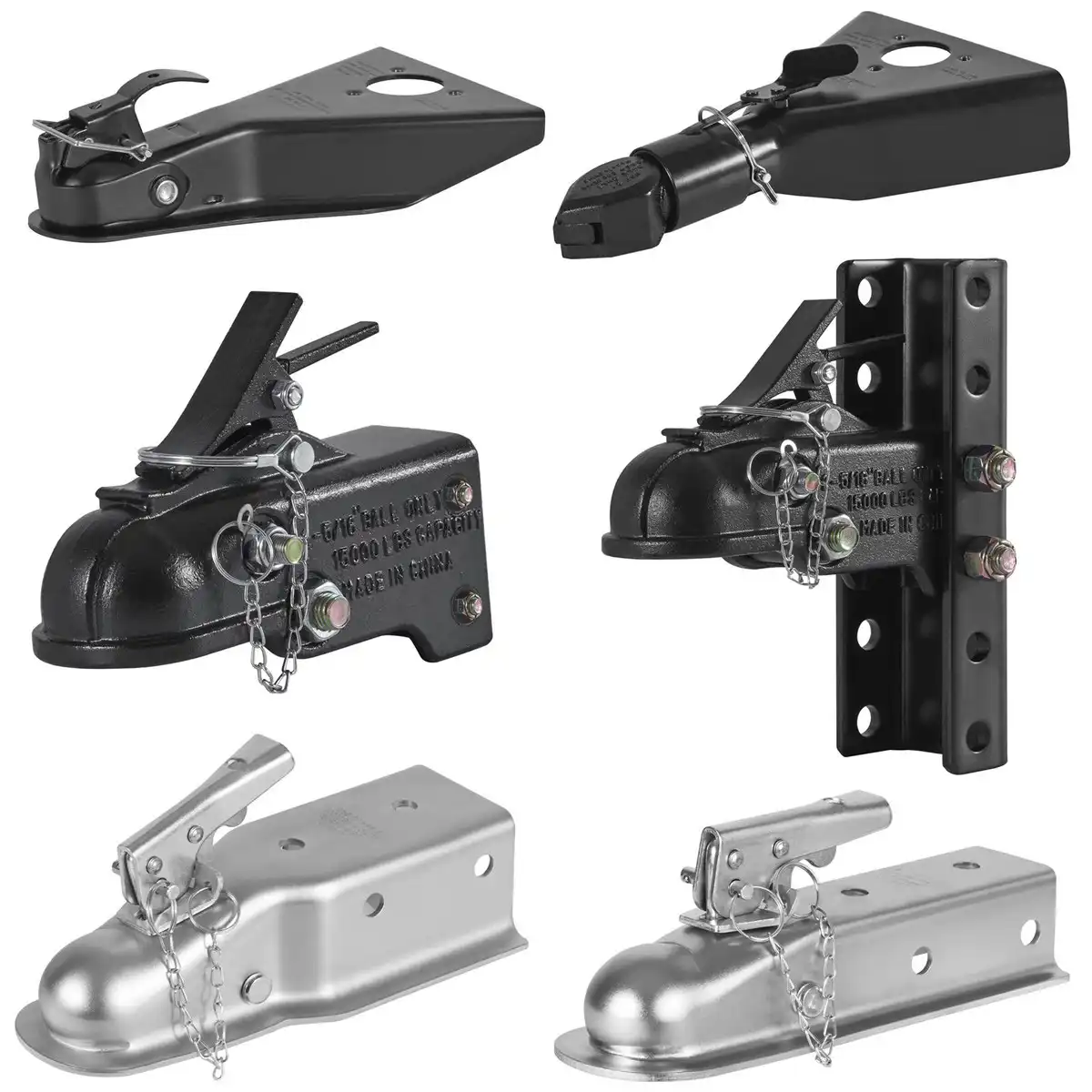
An important development in towing technology is the adjustable trailer coupler, which was created to solve the many problems that fleet managers, commercial operators, and recreational users have while attempting to attach different trailers to their cars. Adjustable variants include novel features that enable users to convert between various ball diameters without removing or changing the whole coupler assembly, in contrast to standard fixed couplers that only support one particular ball size. This adaptability is made possible by carefully thought-out adjustment systems, such as rotating ball mechanisms that can accept two-inch and two-and-five-sixteenths-inch balls, as well as channel-mount designs that use dual-bolt configurations for height customization. The innovation underlying these systems guarantees that the Trailer Coupler maintains safe latching mechanisms, excellent load distribution, and compliance with SAE towing regulations regardless of the ball size you're using. Heavy-duty cast construction, corrosion-resistant coatings, and locking latches are features of contemporary adjustable trailer coupler designs that provide security and comfort throughout transport operations.
Key Components of Modern Adjustable Systems
An adjustable trailer coupler's lifetime and performance in demanding situations are strongly impacted by the quality of its manufacture. High-end versions include integrated stress distribution that keeps them from breaking under severe loads, and their cast steel or cast iron structure offers more strength than stamped counterparts. Usually, a channel-mount system with heavy-duty bolts locking the height position is used as the adjustment mechanism. The Trailer Coupler body glides along a vertical track. Without the need for specialist tools or welding equipment, this design enables operators to simply adjust the connection height to accommodate various towing vehicles. Another crucial part is the latch assembly, which comes in posi-lock, sleeve-lock, and easy-lock designs with differing degrees of ease and security. Modern Trailer Coupler models include anti-rattle technology, which reduces noise and vibration during transportation by keeping the ball securely fastened even when parts deteriorate over time. The coupler's resistance to external elements including road salt, moisture, and UV exposure depends on the finish treatment—powder coating, zinc plating, or electrophoretic coating—that is given to these components.
Capacity Ratings and Load Management
For safe towing operations and regulatory compliance, it is essential to comprehend the weight capacity parameters of your adjustable trailer coupler. These couplers have particular Gross Trailer Weight (GTW) specifications, ranging from 7,000 pounds for light-duty applications to 25,000 pounds for heavy-duty commercial applications. The greatest downward force that a trailer coupler can safely withstand at the connection point is indicated by its Tongue Weight (TW) rating, which is usually computed as ten to fifteen percent of the GTW. It's crucial to confirm that both ratings comfortably surpass your real towing needs when choosing an adjustable model, taking into consideration possible overloading situations and dynamic forces experienced while braking or emergency maneuvers. Larger two-and-five-sixteenths-inch balls often sustain greater weight ratings than two-inch alternatives, indicating a considerable correlation between ball size and capacity. To make sure that every part of your towing system is compatible and won't create a weak link in the safety chain, professional installers and safety experts advise referring to the trailer and trailer coupler ratings as well as the towing capacity standards provided by the vehicle manufacturer.
Installation and Configuration Best Practices
Throughout the equipment's service life, safe and dependable towing performance is established by properly installing your adjustable trailer coupler. To guarantee compatibility with the coupler's mounting arrangement, the installation procedure starts with a precise measurement of the tongue or channel dimensions of your trailer. An A-frame channel or adjustable eye channel that has previously been welded to the trailer tongue is necessary for channel-mount adjustable trailer coupler designs; the most typical internal dimensions are two-and-seven-eighths inches. When attaching the coupler to your main towing vehicle, the installation process entails setting it at the proper height for level towing and fastening it using grade-eight bolts, lock washers, and nylock nuts that prevent vibration-induced loosening. The manufacturer's torque recommendations must be strictly adhered to since too much torque may break cast parts or strip threads, while too little torque permits movement that can wear mounting holes into elongated slots. To confirm correct ball engagement, latch action, and the lack of excessive play or binding in the adjustment mechanism, the Trailer Coupler should be tested under mild load circumstances after first installation.
Height Adjustment for Multiple Vehicles
The ability to customize coupling height for various towing vehicles in your fleet, guaranteeing level trailer orientation that improves stability and tire wear characteristics, is one of the main benefits of an adjustable trailer coupler. Loosening the mounting bolts, moving the coupler up or down in the channel track, and then tightening the fasteners again when the desired position has been reached are the usual steps in the adjustment procedure. The objective is to arrange the trailer so that, when loaded to normal capacity and coupled to the tow vehicle, its bed stays parallel to the ground. This is the ideal height setting. While a rear-tilting orientation lowers tongue weight below acceptable minimums and may result in hazardous trailer wobble, a forward-tilting orientation concentrates weight on the tongue, perhaps exceeding the vehicle's tongue weight capacity and impairing steering responsiveness. In order to facilitate rapid reconfiguration when moving between various trucks or SUVs, many operators keep records of the optimal Trailer Coupler height settings for every vehicle in their fleet. Some customers install numerous channel locations or employ quick-release pin systems, which allow tool-free height adjustment in minutes instead of needing complete bolt removal, for scenarios that require frequent vehicle changes.
Maintenance Requirements for Optimal Performance
Your adjustable trailer coupler's operating lifetime may be increased and unplanned breakdowns that might jeopardize safety or result in expensive delays can be avoided with preventive maintenance. Visual inspection of the coupler body for cracks, distortion, or severe corrosion that might suggest structural concern should be part of routine inspection procedures. Particular care is paid to the ball socket region since, as a result of repeated connection cycles, this high-wear surface progressively enlarges, finally permitting excessive play that affects load stability and produces rattling. In order to restore a tight ball fit without having to replace the coupler entirely, several trailer coupler designs have interchangeable socket inserts that may be replaced when wear surpasses allowable tolerances. In order to prevent improper engagement, the latch mechanism has to be cleaned on a regular basis to get rid of accumulated dirt, oil, and road debris. This is followed by a light lubrication with white lithium grease or other comparable products that won't draw impurities. At least once a year, or after any exceptionally taxing activity like off-road travel or maximum-capacity towing, mounting bolts and adjustment hardware should have their torque checked. To guarantee that smooth height changes are still feasible even after prolonged periods in a fixed position, the adjustment channel tracks benefit from sporadic cleaning and mild coating with rust-preventive materials.
Selecting the Right Adjustable Trailer Coupler
It's important to carefully consider a number of technical aspects and operational needs that affect both short-term performance and long-term satisfaction when selecting an adjustable trailer coupler for your particular application. Matching the coupler's capacity ratings to your real towing requirements—including the highest tongue weight your car can safely hold and the greatest trailer weight you'll experience—is the first thing to take into account. In addition to basic capacity, the ball size compatibility must match the standard sizes used in your industry or leisure activities as well as your current hitch balls. For channel-mount adjustable versions, you must confirm that the tongue arrangement of your trailer has the proper mounting channel or that you are ready to have one properly welded in place. Convenience and security preferences are balanced when choosing a latch type; easy-lock models promote fast connection and disengagement during frequent usage cycles, while posi-lock designs give maximum theft resistance via padlock compatibility. The selection of materials and finishes includes high-end powder-coated cast iron or electrophoretically treated components that justify their higher cost through superior corrosion resistance and extended service life in harsh marine or winter environments where road salt exposure is constant, as well as low-cost zinc-plated steel that is appropriate for occasional use in mild climates.
Comparing Different Adjustment Mechanisms
Within the category of adjustable trailer couplers, the market provides a number of alternative adjustment mechanism designs, each with special benefits and drawbacks that affect their use for various uses. Conventional channel-mount systems provide discrete height adjustments as opposed to limitless adjustment within a range by using a vertical track with several bolt locations separated at regular intervals. Although this method needs tools and several minutes to execute height adjustments between vehicles, it offers great stability and load-carrying capabilities since the coupler is firmly attached at each location. In contrast to discrete-position alternatives, continuous-adjustment designs use sliding mechanisms with single-point locking that enable positioning at any height within the adjustment range, providing greater flexibility for achieving perfectly level towing but occasionally displaying more play or vibration. By simply removing a central bolt, rotating to the required size, and then tightening it again, some sophisticated Trailer Coupler models have rotating ball assemblies with a multi-sided turret that retains varying ball sizes. Users who often move between trailers that need varied ball specs but typically attach to a single tow vehicle may find this setup very useful. Your principal usage patterns, the variety of vehicles and trailers in your regular rotation, and whether your operating tempo requires a minimal changeover time or can support somewhat longer but safer adjustment processes should all be taken into account when assessing various mechanism kinds.
Brand Reputation and Quality Indicators
In the highly competitive trailer coupler manufacturing market, well-known brands with a track record of success usually provide better dependability and customer service than unidentified imports or generic goods that mainly compete on price. Reputable manufacturers publish comprehensive capacity ratings supported by real testing data, make significant investments in technical testing to confirm that their products meet or beyond SAE J684 specifications for trailer couplers, and provide substantial warranty coverage. Thick-section castings with smooth surfaces devoid of cold shuts or porosity, precisely machined bearing surfaces in the ball socket region, and premium fasteners with the proper grade marks rather than unmarked hardware are examples of quality indications that may be seen even before a purchase. Because superior powder coating shows consistent coverage without runs, sags, or bare places that might enable corrosion to begin, the finish quality is another dependability indication. Consumer feedback and expert advice from fabricators, fleet maintenance staff, and trailer dealers provide insightful firsthand accounts of how various Trailer Coupler manufacturers function over long service durations. Compared to imported alternatives, where obtaining replacement parts can involve lengthy delays or prove impossible after the product line is discontinued, products manufactured by companies with domestic production facilities and comprehensive parts availability typically ensure easier warranty service and component replacement.
Safety Considerations and Regulatory Compliance
It is necessary to comprehend both the technical elements that affect connection security and the legal framework that governs trailer towing equipment in your area in order to use an adjustable trailer coupler properly. Before beginning any towing activity, the Trailer Coupler must completely grasp the ball with the latch mechanism correctly engaged and locked, according to the basic safety concept. The most trustworthy way of verification is still visual confirmation, which involves the operator physically checking that the latch has fully closed over the ball and that any additional locking mechanisms, such padlocks or safety pins, are placed correctly. To ensure that the coupler stays firmly linked under strain, an upward lift test is performed once the correct connection has been confirmed. This test entails raising the trailer front a little using the vehicle's hitch. During this test, any sudden separation, excessive play, or strange sounds indicate faulty engagement that has to be fixed before continuing. Additionally, the trailer coupler needs to be compatible with additional safety equipment, such as safety chains or cables that offer a backup connection in the event that the primary coupling fails. Additionally, many jurisdictions require trailers over a certain weight threshold to use particular minimum chain ratings and connection techniques.
Preventing Common Connection Failures
Operators may put preventative measures in place that greatly lower the risk of accidents and equipment damage by being aware of the failure types that might impair Trailer Coupler function. One of the most hazardous situations is improper ball size matching, which happens when a two-inch coupler is pushed onto a one-and-seven-eighths-inch ball or when worn parts let a two-and-five-sixteenths-inch ball to pass through a deteriorated two-inch socket. This imbalance makes the connection unstable and vulnerable to abrupt separation while braking, accelerating, or turning. Failure of the latch mechanism may be caused by defective return springs that are unable to retain contact under vibration, worn parts that are no longer able to grab the ball effectively, or foreign material that prevents complete closure. The most common causes of mounting bolt failure are improper torque used during installation, the use of inferior fasteners, or increasing loosening brought on by insufficient locking mechanisms. When the Trailer Coupler body or mounting channel structurally fails, it usually means that the component has been overloaded beyond its rated capacity or that fatigue cracking has formed as a result of repetitive stress cycles and corrosion weakening. Testing latch spring tension and engagement distance, measuring ball socket wear with precision calipers, checking for cracks using dye penetrant techniques, and confirming mounting bolt torque with calibrated tools are all examples of routine inspection procedures that spot these emerging issues before they lead to connection failure.
Legal Requirements and Standards Compliance
varying nations, states, and provinces have very varying regulations pertaining to trailer coupler equipment. These regulations include standards for capacity marks, safety chain provisions, and routine inspection procedures. In the United States, the Department of Transportation oversees commercial vehicles through Federal Motor Carrier Safety Administration regulations, while the Society of Automotive Engineers upholds the J684 standard, which specifies performance testing protocols and minimum safety factors for trailer coupling devices. Instead of using labels that may fade or be removed, most jurisdictions require that the trailer coupler have permanent markings that indicate its maximum capacity ratings in a place that is easily visible during inspection. These marks are usually cast or stamped into the coupler body. Commercial operators are required to keep documentation attesting to the fact that their trailer equipment, including couplers, undergoes routine safety inspections at intervals determined by relevant rules. These inspections are typically conducted once a year or more often for trucks engaged in interstate commerce. Although owner-operators of recreational trailers often have less onerous paperwork requirements, they are nevertheless legally obligated to make sure their equipment satisfies relevant safety regulations and is kept in functional condition. When trailers and towing vehicles certified under different national standards are combined, international operations or equipment purchases may face additional challenges. This could necessitate engineering certification that the resulting combination satisfies safety requirements in the jurisdiction where operation will take place.
Conclusion
While preserving the structural integrity and safety performance required in both professional and recreational applications, adjustable trailer coupler systems provide crucial flexibility for operations needing compatibility across various ball sizes and towing vehicles. The best long-term performance is ensured by careful selection and appropriate installation.
Cooperate With Qingdao RUIRUI Machinary Co., LTD.
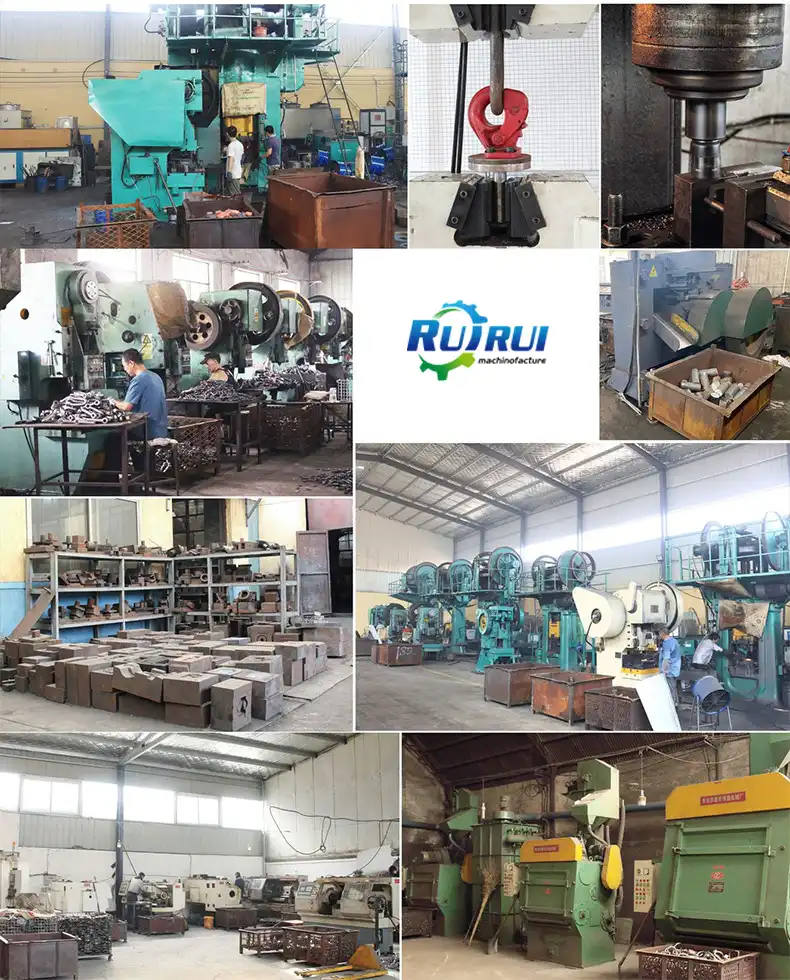
Your best bet for China Trailer Coupler wholesale solutions is Qingdao RUIRUI Machinary Co., LTD. if you're looking for a reputable China Trailer Coupler factory, China Trailer Coupler supplier, or trusted China Trailer Coupler manufacturer. We ensure high quality trailer coupler with our ISO-certified production methods and provide reasonably priced trailer coupler for sale with clear pricing structures. Complete equipment such as progressive stamping, deep drawing, laser cutting, CNC machining, and sophisticated surface treatments including powder coating, anodizing, plating, and electrophoresis are available at our product source facility. We provide skilled OEM assistance with expert packaging for international markets in more than 80 countries thanks to our eight manufacturing lines, more than 15 years of management expertise, and yearly output capacity of 130,000 pieces. Mild steel, stainless steel, copper, brass, aluminum alloys, and more are all covered by our extensive metal stamping capabilities, which are produced with strict quality control that adheres to ISO and IAFT standards. To discuss your unique Trailer Coupler needs and learn how our superior technical support and after-sales service can fortify your supply chain with dependable, reasonably priced solutions that are delivered on schedule, get in touch with our knowledgeable staff at info@qdkshd.com.
References
1. "Trailer Coupling Devices - SAE J684" - Society of Automotive Engineers International, SAE Technical Standards Board
2. "Design and Performance Requirements for Trailer Hitches and Couplers" - American National Standards Institute, ANSI/SAE Standards Committee
3. "Heavy-Duty Trailer Equipment: Engineering and Safety Considerations" - Transportation Research Board, National Academy of Sciences
4. "Metal Fabrication and Coating Technologies for Automotive Towing Components" - ASM International Materials Engineering Society, Manufacturing Technology Division
5. "Commercial Vehicle Towing Systems: Regulatory Compliance and Best Practices" - Federal Motor Carrier Safety Administration, U.S. Department of Transportation

Send Inquiry
Related Industry Knowledge
- Key Insights into High-Toughness Metal Hinge Applications
- How Do Precision Steel Die Forging Parts Achieve Superior Dimensional Accuracy?
- What are the Benefits of Stainless Steel Hinges?
- What materials are Trailer D Pins made from?
- Are there any safety considerations when using trailer safety pins?
- Why is using a trailer safety pin important?
- How to remove paint from cast iron bench?
- What are links in a car?
- How to make a sheet metal box with ip rating?
- How to weld a sheet metal box?