
Best Secure Towing Solutions for Electric Vehicles (EVs)
Are you struggling to find reliable secure towing solutions for your electric vehicle? With EVs becoming increasingly popular for towing caravans, boats, and trailers, many owners face unique challenges that traditional gasoline vehicles never encountered. From concerns about range reduction to worries about damaging sophisticated electric drivetrains, EV owners need specialized towing equipment and strategies that address these modern problems. This comprehensive guide delivers the answers you need to tow safely and confidently with your electric vehicle.
Understanding Secure Towing Solutions for Electric Vehicles
Electric vehicles represent a paradigm shift in automotive technology, and their towing requirements differ significantly from conventional internal combustion engine vehicles. Unlike gasoline-powered cars, EVs are powered by large battery packs typically located at the base of the vehicle, which fundamentally affects weight distribution and handling characteristics during towing operations. This unique architecture demands secure towing solutions specifically engineered to accommodate these differences while protecting the vehicle's sophisticated electrical systems and battery components. The instant torque delivery characteristic of electric motors provides exceptional pulling power, making EVs particularly well-suited for towing when equipped with appropriate hardware. However, this advantage must be balanced against the reality that towing can reduce an EV's range by thirty to fifty percent depending on trailer weight, terrain, and driving conditions. Secure towing solutions for electric vehicles must therefore encompass not only the physical connection hardware but also planning strategies that account for increased energy consumption and charging infrastructure limitations. Modern electric vehicles approved for towing undergo rigorous testing to ensure their braking systems, suspension components, and electrical architecture can safely handle the additional loads associated with pulling trailers. Vehicles like the Kia EV9, Rivian R1T, and Tesla Cybertruck have emerged as leaders in EV towing capability, with maximum towing capacities ranging from five thousand to eleven thousand pounds. Selecting the right secure towing solutions means matching your equipment choices to your specific vehicle's capabilities and your intended towing applications.
Essential Components of Secure EV Towing Equipment
High-Quality Trailer Hitch Systems
The foundation of any secure towing solution begins with a properly rated trailer hitch system designed specifically for your electric vehicle. Unlike aftermarket universal hitches, EV-specific tow bars are engineered to integrate with the vehicle's mounting points and accommodate the unique weight distribution created by heavy battery packs positioned low in the chassis. Many manufacturers require the use of approved hitch systems to maintain warranty coverage, making it essential to verify compatibility before installation. Receiver hitches for electric vehicles must meet or exceed the vehicle's rated towing capacity while providing secure mounting points for ball mounts, pintle hooks, or fifth-wheel adapters depending on your towing needs. The hitch system should include provisions for electrical connections that power trailer lights, brakes, and any auxiliary systems. When selecting secure towing solutions, consider adjustable ball mounts that allow precise height matching between your EV and trailer, ensuring level towing geometry that optimizes stability and reduces stress on both vehicles.
Secure Trailer Pins and Fasteners
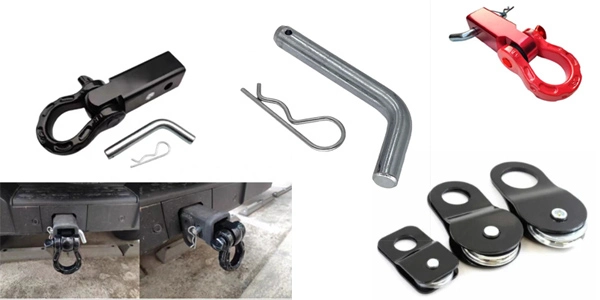
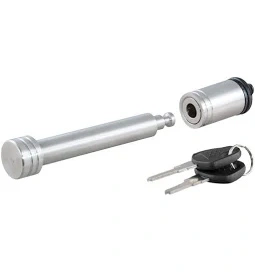
Trailer pins and fasteners represent critical safety components that physically connect your trailer to the towing vehicle. Standard hitch pins feature two-piece designs consisting of a steel pin with an angled handle and a hole drilled at the shank end to accept a locking clip or bridge clip. For enhanced security, locking hitch pins incorporate keyed mechanisms that prevent unauthorized removal, protecting your investment from theft while ensuring the connection remains secure during transit. Secure towing solutions demand fasteners manufactured from high-grade materials capable of withstanding the dynamic forces encountered during towing. Steel pins with zinc plating, chrome finishes, or stainless steel construction resist corrosion while maintaining structural integrity under load. Pin diameters of half-inch serve Class I and II hitches, while five-eighths-inch diameter pins accommodate the heavier-duty Class III, IV, and V receivers commonly found on towing-capable electric trucks and SUVs. Always verify that your fasteners match the weight rating requirements of your specific towing application.
Weight Distribution and Sway Control Systems
Weight distribution hitches represent advanced secure towing solutions that dramatically improve stability and safety when towing with electric vehicles. These systems redistribute the tongue weight from the rear axle across all axles of both the towing vehicle and trailer, reducing rear-end sag, improving steering response, and minimizing trailer sway. For EV owners, proper weight distribution is particularly important because the heavy battery pack already affects the vehicle's center of gravity. Modern weight distribution systems incorporate built-in gauges that display tongue weight readings, allowing drivers to verify proper load distribution before departing. Combined with sway control mechanisms that apply resistance to lateral trailer movement, these secure towing solutions provide confidence-inspiring stability even in crosswind conditions or during emergency lane changes. Electric vehicle owners should select weight distribution equipment rated for their maximum anticipated towing loads while ensuring compatibility with their specific hitch receiver dimensions.
Safety Protocols for EV Towing Operations
Pre-Trip Inspection and Setup Procedures
Implementing comprehensive pre-trip inspection routines forms the cornerstone of secure towing solutions for electric vehicle owners. Before every towing excursion, verify that all hitch connections are properly engaged and secured with appropriate pins and clips. Check the condition of safety chains, ensuring they are crossed beneath the trailer tongue and attached to the tow vehicle with sufficient slack to allow turning while remaining short enough to prevent ground contact if the trailer disconnects. Battery charge level assessment is crucial for EV towing operations since pulling a trailer significantly increases energy consumption. Plan your route to include charging stations accessible to vehicles with trailers attached, recognizing that many public charging facilities lack adequate space for towing configurations. Store approximately sixty percent of your cargo weight toward the front of the trailer near the hitch to create optimal weight distribution that enhances stability. These secure towing solutions extend beyond hardware to encompass the preparation and planning that ensure successful outcomes.
Brake Controller Integration
Electric and electric-over-hydraulic trailer brakes require a brake controller to synchronize trailer braking with your electric vehicle's deceleration. Proportional brake controllers apply braking force based on the tow vehicle's deceleration rate, providing smooth and intuitive stopping characteristics. Time-delayed controllers apply preset braking force after detecting brake engagement, offering simpler operation but less refined performance. Either type of secure towing solution dramatically improves stopping distances and reduces wear on your EV's braking system. Many electric vehicle owners select wireless brake controllers that mount on the trailer tongue and communicate with a handheld unit inside the vehicle. This configuration eliminates the need for permanent in-cabin installations while providing adjustable gain settings and override capabilities for emergency braking situations. Regardless of the specific system chosen, proper brake controller setup and testing should occur before every towing trip as part of your comprehensive secure towing solutions protocol.
Maximizing Range and Efficiency While Towing
Route Planning and Charging Strategy
Electric vehicle owners face unique challenges when towing that require thoughtful route planning as part of their secure towing solutions strategy. Towing reduces EV efficiency substantially, with real-world experience showing range reductions of thirty to fifty percent depending on trailer weight, speed, terrain, and weather conditions. Before departing, calculate your anticipated range based on these factors and identify charging stations along your route that can accommodate a vehicle with a trailer attached. Many experienced EV towers recommend limiting driving segments to one hundred miles between charges when towing heavy loads, providing comfortable margins that account for unexpected detours or efficiency variations. Some campgrounds now offer thirty-amp and fifty-amp electrical service that allows overnight charging using portable Level 2 chargers, effectively eliminating range anxiety for destination camping trips. Incorporating these planning elements into your secure towing solutions ensures you reach your destination without the stress of uncertain charging availability.
Driving Techniques for Optimal Efficiency
Adopting efficient driving techniques extends your towing range while reducing stress on both your electric vehicle and trailer. Maintain consistent speeds in the fifty-five to sixty-five mile-per-hour range, as aerodynamic drag increases exponentially at higher velocities and dramatically impacts energy consumption when towing. Utilize regenerative braking systems to recapture energy during deceleration, though recognize that towing affects regenerative braking behavior and may require adjustment to your driving style. Anticipate traffic conditions and terrain changes to minimize acceleration and braking cycles that consume additional energy. When possible, use dedicated tow modes or driving profiles that optimize motor output and regenerative braking characteristics for towing conditions. These secure towing solutions focused on driving behavior complement your hardware investments by maximizing the practical utility of your electric vehicle's towing capability.
Conclusion
Secure towing solutions for electric vehicles combine specialized hardware, proper planning, and safe driving practices to enable confident towing experiences. By investing in quality equipment and following established protocols, EV owners can enjoy towing adventures while protecting their vehicles.
Cooperate With Qingdao RUIRUI Machinary Co., LTD.
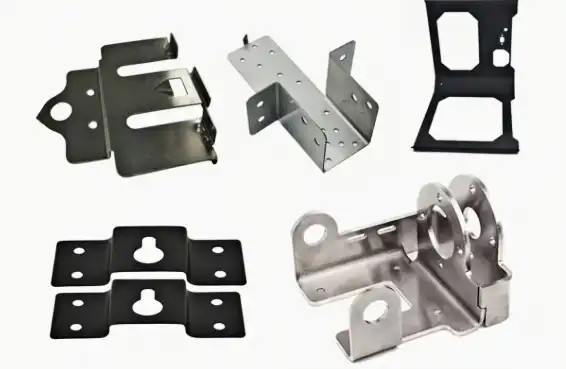
Looking for a China Secure Towing Solutions factory with comprehensive manufacturing capabilities? Qingdao RUIRUI Machinary Co., LTD. is your trusted China Secure Towing Solutions supplier and China Secure Towing Solutions manufacturer specializing in trailer pins, trailer arms, winches, fasteners, and custom metal components. As a leading China Secure Towing Solutions wholesale provider, we offer Secure Towing Solutions for sale with competitive Secure Towing Solutions price points and High Quality Secure Towing Solutions backed by ISO 9001, ISO 14001, and OHSAS 18001 certifications. Our advanced metal stamping, CNC machining, laser cutting, and surface treatment capabilities ensure precision components for demanding towing applications.
With products exported to over 80 countries and OEM support for custom specifications, RUIRUI delivers the quality and reliability your projects demand. Contact us today at info@qdkshd.com for technical support, customization options, and competitive quotations. Bookmark this page for future reference!
References
1. "Electric Vehicle Towing Capacity and Performance Standards" - SAE International, J2807 Performance Standard Documentation
2. "Best Practices for Towing with Battery Electric Vehicles" - Society of Automotive Engineers, Technical Paper Series
3. "Weight Distribution and Trailer Stability Analysis" - National Highway Traffic Safety Administration, Vehicle Research and Test Center
4. "Electric Vehicle Range Optimization Under Load Conditions" - Department of Energy, Vehicle Technologies Office Research Publications
5. "Trailer Hitch Safety Standards and Classifications" - Recreational Vehicle Industry Association, Technical Bulletin Series

Send Inquiry



Related Industry Knowledge
- Top Trailer Coupler Manufacturer Choices for Heavy-Duty Use
- Are Carbon Steel Forged Automobile Brake Pads the Best Option for High-Load Applications?
- Air Conditioner Holder Bracket Engineered for High-Rise Stability
- Top 5 Reasons to Choose Our Air Conditioner Holder Bracket
- What Benefits Do ECE R55 Certified Car Tuning Accessories Towbars Provide?
- Which tire sizes are compatible with Steel Tandem Fender?
- What Design Considerations are Important for Brass Aluminum CNC Milling Parts?
- What materials are trailer safety pins made from?
- How to measure a fold sheet metal part?
- What are links in a car?