
Best Trailer Ball Size for Different Vehicles
It is very important to choose the right trailer ball size for safe and effective pulling of a variety of car platforms. Whether you're in charge of a business fleet or a city's infrastructure project, picking the right tow component has a direct effect on operating safety, legal compliance, and the life of your equipment. Learning how to match towing hardware specs to vehicle types can lower legal risks and make the supply chain more reliable for procurement managers, dealers, and engineers all over the world. The right coupling solution stops trailers from coming off, keeps pulling systems from wearing out too quickly, and makes sure your business meets SAE J684 safety standards. This guide gives workers useful information on how to choose the best towing parts for each type of car and the amount of weight they need to pull. This helps them keep costs low while improving fleet compatibility.
Understanding Trailer Ball Sizes and Their Significance
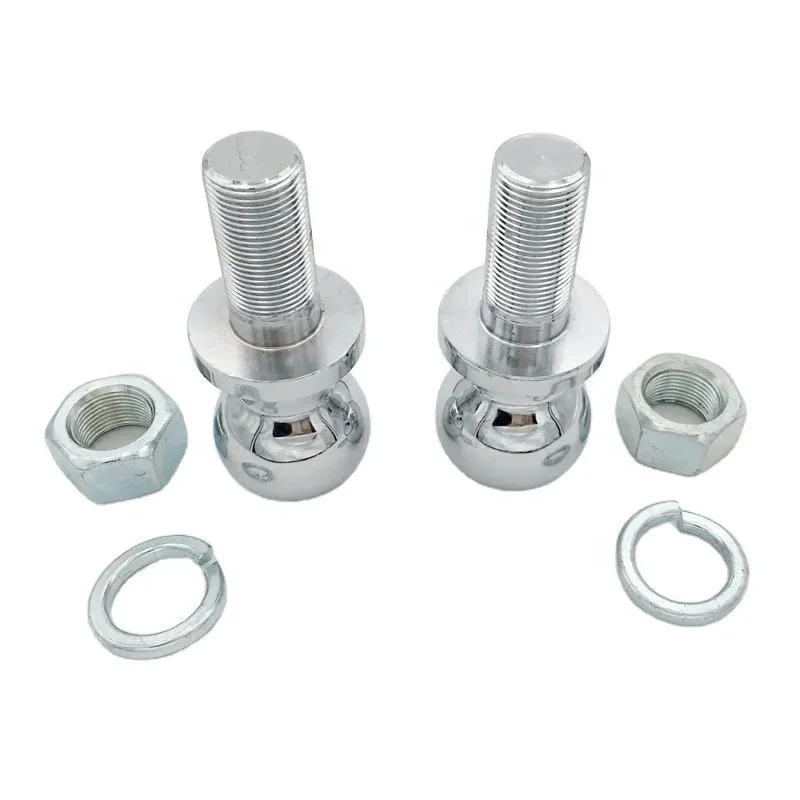
The main mechanical link between your pull vehicle and the trailer coupler is the trailer ball. This circular coupling part passes load forces and lets the vehicle move freely when making turns or going over rough ground. The words "trailer ball" and "hitch ball" are often used to refer to the same piece of towing gear. However, procurement workers should be aware that specs can change based on regional standards and company language.
Standard Sizes and Vehicle Applications
Most business and residential pulling uses three main diameter sizes for the trailer ball: 1-7/8-inch, 2-inch, and 2-5/16-inch. Each size fits a certain range of Gross Trailer Weight and connection requirements. The 1-7/8-inch trailer ball is usually used for light-duty tasks like small utility carts and small boats, and it can hold up to 2,000 pounds. For medium-duty situations involving gardening tools, mid-sized boats, and building trailers, 2-inch trailer balls with a GTW rating of 3,500 to 8,000 pounds are usually needed. Heavy-duty business uses 2-5/16-inch diameter trailer balls that can handle 10,000 to 30,000 pounds, based on the material grade and shank design. Examples of these uses are big equipment haulers, cattle trailers, and industrial transport.
Measurement Essentials for Procurement
For accurate dimensional proof, you need to pay attention to three important details that go beyond the width of the ball. Shank width tells you if it will work with your hitch mount receiver. For coarse threading, it usually runs from 3/4-inch to 1-1/4-inch. The overall length of the shank must be long enough to connect the threads properly and allow for any rise or drop that is needed to keep the pulling geometry level. The height from the base mounting surface to the middle of the ball affects how the coupler is aligned and how the tongue's weight is distributed. When looking at different providers, you should always ask for full technical drawings that show these specs along with the Gross Trailer Weight and Tongue Weight ratings. These show the safest loading limits for both static and moving situations.
Choosing the Best Trailer Ball Size for Different Vehicles
To properly match towing equipment with vehicle types, it is necessary to carefully look at the pulling limits, hitch receiver classes, and practical load profiles of each maker. This method makes sure that the machines work together properly and leaves enough room for error to keep both the machines and the people using them safe. A trailer ball with the correct specifications ensures mechanical longevity and operational safety.
Light Passenger Vehicles and Compact SUVs
Most cars in this group have Class I or Class II receiver hitches that can hold up to 3,500 pounds gross vehicle weight. Most of the time, they are used for weekend fun, small utility carts, or carrying motorcycles. A chrome-plated steel ball with a diameter of 2-inch is strong enough for these occasional load situations and won't rust when stored during the winter. When buying parts for rental fleets or light business use, procurement teams should make sure that the safety factors of the parts they choose are at least 3:1 when compared to the real working loads.
Medium-Duty Trucks and Full-Size SUVs
There are Class III and Class IV hitch systems in this class that can pull up to 10,000 pounds. Landscapers, people who run water transport companies, and people who sell building supplies often work within these limits. At these load levels, the choice of material for the trailer ball becomes more and more important. When it comes to tensile strength, hot-forged carbon steel is better than cast steel, and dual-layer chrome finishing makes it last longer in wet settings. Stainless steel types are the most resistant to rust and are best for use near the coast or in sea environments where saltwater speeds up the breakdown process. When choosing trailer ball parts for business fleets, think about multi-size customizable systems that let you quickly switch between 2-inch and 2-5/16-inch configurations without having to change the whole mount assembly. This cuts down on equipment duplication and increases operational freedom.
Heavy-Duty Commercial and Industrial Vehicles
Heavy trucks and specialized industrial platforms with Class V hitch systems can handle loads that are over 15,000 pounds gross vehicle weight (GVW) and need 2-5/16-inch balls. These situations involve moving heavy machinery, big trailers for animals, and moving industrial materials. If something goes wrong, it can cause more than just instant safety issues; it can also cause major practical problems. When choosing components, they should be made from materials that meet or exceed SAE J684 standards. Heat-treated alloy steel that has been shown to be resistant to pressure and wear is preferred. Surface treatments like industrial chrome plating or electrophoretic deposition covering protect against the elements, which is very important for equipment that is left outside all the time in a range of weather conditions.
Material Considerations for Specialized Applications
In addition to basic chrome-plated steel, current manufacturing techniques allow for customization to meet particular operating needs. Marine-grade 304 and 316 stainless steel alloys don't rust when they come into contact with chloride, which happens when standard finishing fails too soon. Powder coating and electrophoresis finishes are two other ways to protect things that can be used in farming settings where fertilizer is present or in city settings where road salt is present. Specifications for purchases should clearly state how long the surface treatment has to last. For tough business settings, this is usually tested by salt spray tests that last more than 96 hours. By extending the time between replacements and cutting down on repair downtime, these material choices have a direct effect on the total cost of ownership.
Practical Tips for Installation, Maintenance, and Longevity
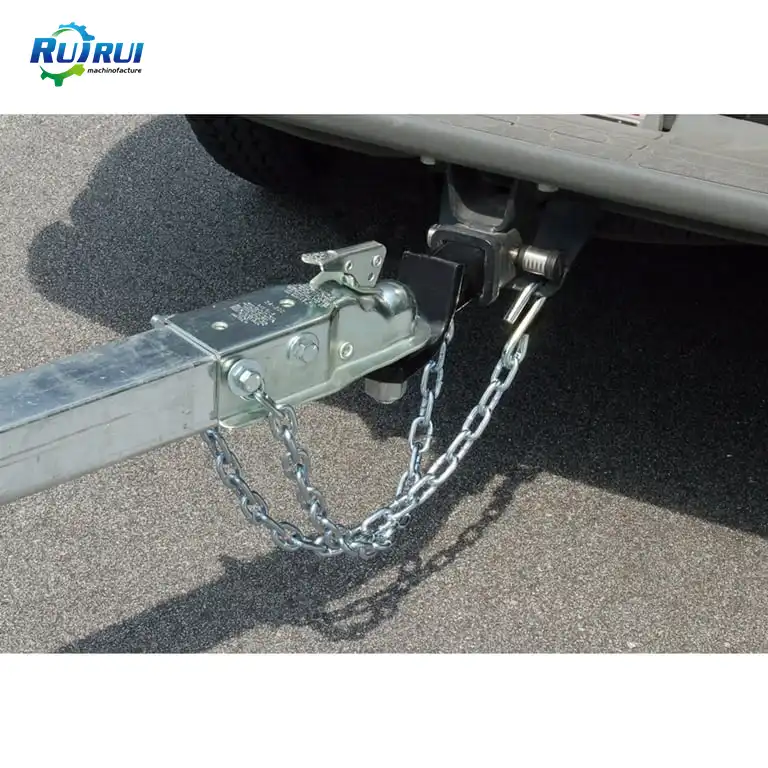
Following the right installation steps and regular maintenance schedules can greatly increase the service life of a component while still meeting safety standards during all operating cycles. Selecting the optimal trailer ball is only the first step in maintaining a reliable towing system.
Installation Protocol and Torque Requirements
To fix something securely, you must first choose the right washer and nut combination for your shank threads. Place the ball through the hole in the hitch mount, making sure that the threads connect properly. Usually, this means that at least five full threads extend past the nut face. Put on the locking washer first, then the retaining nut, and tighten it to the force values given by the maker. Most jobs need between 250 and 450 foot-pounds, which means that precise torque wrenches are needed instead of regular hand tools. If you don't tighten something enough, it could come loose under shaking loads. If you tighten it too much, you could damage the threads and weaken the structure. After the initial fitting, check the torque again after 50 miles of use to make up for the initial setting.
Preventive Maintenance and Inspection Schedule
Setting regular review times keeps unexpected problems from happening during important activities. Before each use, a visual inspection of the trailer ball should reveal any surface cracks, deformations, or worn patterns that indicate repair is needed. If the trailer ball surface has been in a corrosive or road debris-filled area, clean it with water and a light detergent. Do not use petroleum-based chemicals, as they damage protection layers. Put a small layer of grease on the **trailer ball**’s surface to help the coupler move and protect it from wear. But don’t use too much grease, as it can attract dirt. Commercial fleets should have checks every three months that include checking the torque and looking closely under a microscope for stress cracks that can’t be seen with the naked eye.
Replacement Indicators and Service Life
Several signs show that a part is about to fail and needs to be replaced right away. Any cracks that can be seen on the ball or shank must be replaced, no matter how big they are, because these flaws spread quickly when the load is cycled. Any change in the ball's shape from circular to less than 1/16-inch stops the coupler from engaging properly and is a sign of stress or material failure. Damage to the threads or deep rust that affects more than the surface covering also means that the part has to be thrown away. For business uses that see a lot of use, conservative replacement plans say that the gear should be switched over every three years or 50,000 towing miles, whichever comes first, no matter how good the condition looks to keep safety margins at their highest level.
Conclusion
It's important to balance technical specs with daily needs and cost when choosing the right towing parts. Knowing how trailer ball diameter, material make-up, and load ratings affect car classifications helps you make smart purchasing choices that lower safety risks and make tools last longer. The differences between heavy-duty stainless steel and light-duty chrome-plated choices have a direct effect on the total cost of ownership when replacements and upkeep needs are taken into account. Purchasing managers who work with a wide range of customers can benefit from building relationships with makers that offer customization options. This lets them come up with solutions that work with different towing geometry and weather conditions. Setting up routine repair and inspection plans helps you get the most out of your investments while still meeting safety standards in the business.
FAQ
1. What happens if I use the wrong trailer ball size?
Using the wrong width leaves dangerous holes between the trailer ball and coupler, which lets them separate while they're moving. Mismatches of any size lower the touch surface area, which increases stress and speeds up wear. This mismatch can cause a fatal failure during emergency movements or when the road isn't level. Always make sure that the exact width standards match what the coupler needs.
2. How do I determine the weight capacity I need?
Find your trailer's Gross Trailer Weight by adding the weight of the trailer when it's empty to the weight of all the things it can hold. Choose parts that are rated at least 20 percent higher than this estimated value. This will give you a safety window for the dynamic loads you'll be facing when you speed up, slow down, or turn. Tongue Weight is usually 10 to 15 percent of GTW and must be within the limits set by your car.
3. Are locking trailer balls worth the investment for heavy-duty applications?
Locking systems keep valuable trailers and equipment from being stolen. This is especially important for building sites and business yards. When protecting valuables worth more than a few thousand dollars, the extra cost is worth it because of the security benefits. In addition to keeping things from getting stolen, some locking designs make couplings more stable by reducing vertical play. However, this benefit is still less important than making sure the sizes match and the force is right.
Partner with RUIRUI for Your Trailer Ball Manufacturing Needs
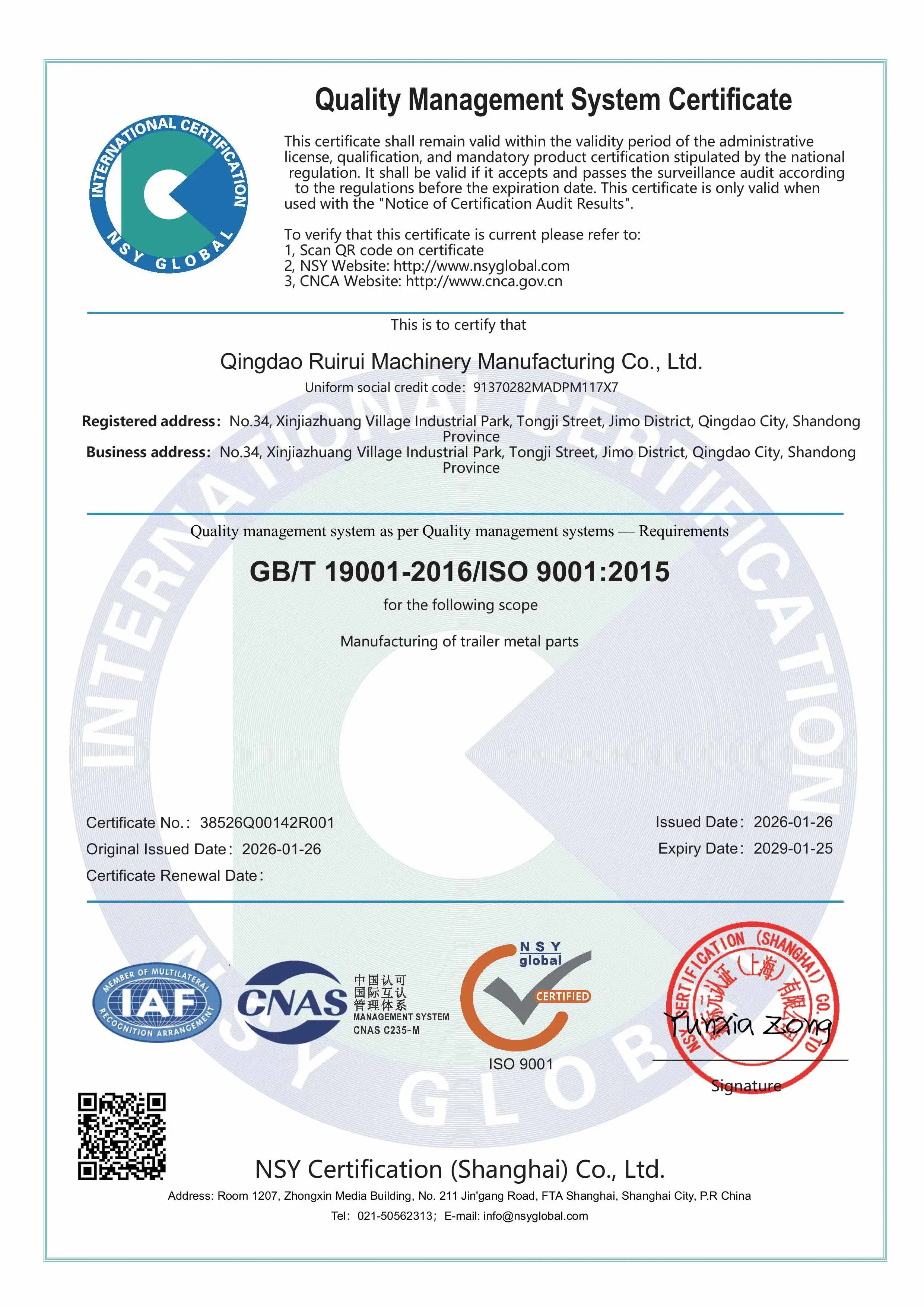
The towing parts market is served by Qingdao RUIRUI Machinery Co., LTD, which has advanced metal production skills and can make a wide range of products using pressing, CNC machining, laser cutting, and special finishing techniques. Our engineering team works with our procurement team to create custom solutions that meet the specific needs of our fleet and solve practical problems that standard catalog goods can't. We keep up the capacity and consistency that global wholesalers and OEM partners need to manage complicated supply chains across multiple markets. Our quality systems are ISO 9001 certified, and we have specialized production lines that make 130,000 units a year.
Our customizable trailer ball accessories that come in multiple sizes give business users the flexibility they need to manage a wide range of equipment. Our expert support team is here to help you through the whole process of specifying and purchasing marine-grade stainless steel for coastal applications, extended shank configurations for specialized towing shapes, or bulk amounts to meet yearly demand cycles. We know that having reliable suppliers is key to running a successful distribution business. That's why we stress open communication, detailed quality paperwork, and flexible order amounts that can handle both large packages and smaller test orders.
Contact our team right away at kshdhardware@qdkshd.com to talk about your unique needs for trailer ball suppliers who can provide engineered solutions instead of standard goods. You can see all of our custom metal manufacturing services for the towing tools and industrial hardware sectors by going to sheetmetalprocessingplant.com. We're ready to show you how working with an experienced maker can help your business be more competitive by giving you better products, more reliable delivery, and quick technical support that builds stronger relationships with your customers.
References
1. Society of Automotive Engineers. (2022). SAE J684: Trailer Couplings and Hitches - Automotive Type. SAE International Standards.
2. National Highway Traffic Safety Administration. (2023). Federal Motor Vehicle Safety Standards for Trailer Hitches and Coupling Devices. U.S. Department of Transportation.
3. American National Standards Institute. (2021). ANSI/SAE J2638: Class V Trailer Hitch Load Distribution Testing Procedures. American National Standards Institute.
4. International Organization for Standardization. (2023). ISO 11407: Road Vehicles - Mechanical Coupling Between Towing Vehicles and Trailers - Performance Requirements. ISO Standards Catalogue.
5. Trailer Safety Coalition. (2024). Best Practices for Commercial Fleet Towing Equipment Maintenance and Inspection. Transportation Research Board Special Report.
6. Materials Engineering Society. (2023). Corrosion Resistance and Surface Treatment Durability for Automotive Towing Components. Journal of Materials Performance and Characterization, Volume 12, Issue 3.

Send Inquiry
You may like