
Best Trailer Coupler for Boat Trailer: Corrosion-Proof vs Coated
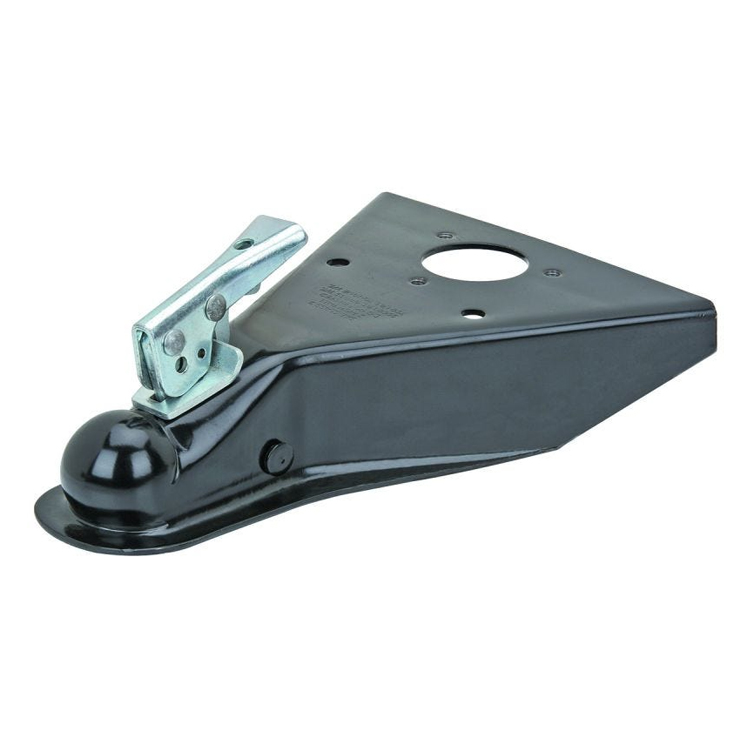
Picture this: you're ready to launch your boat for a perfect day on the water, but as you back down the ramp, you notice your trailer coupler is rusted, stuck, or worse—completely seized. This nightmare scenario happens more often than you'd think, especially with boat trailers constantly exposed to moisture, saltwater, and harsh marine environments. When selecting the Best Trailer Coupler for Boat Trailer applications, the debate between corrosion-proof and coated options becomes critical. The right choice protects your investment, ensures safe towing, and eliminates costly repairs down the road.

Understanding Trailer Coupler Materials and Construction for Marine Applications
The foundation of any reliable Best Trailer Coupler for Boat Trailer starts with understanding material composition and manufacturing processes. Boat trailer couplers face uniquely challenging conditions compared to standard utility trailers. Constant exposure to water during launching and retrieval, combined with saltwater spray in coastal areas, creates an aggressive corrosive environment that tests even the most durable materials. The best manufacturers recognize these challenges and engineer their couplers using high-grade steel alloys or cast iron construction designed specifically for marine duty. Steel remains the most common material for trailer couplers due to its excellent strength-to-weight ratio and cost-effectiveness. However, not all steel is created equal for boat trailer applications. Marine-grade steel couplers undergo specialized heat treatment processes to enhance tensile strength while maintaining flexibility under dynamic towing loads. The manufacturing process matters significantly—precision casting ensures uniform material distribution without weak points that could fail under stress. Advanced stamping techniques create seamless construction that eliminates potential corrosion entry points where moisture could penetrate and cause internal deterioration. Cast iron alternatives offer exceptional durability for heavy-duty boat trailers, particularly those hauling larger vessels. The molecular structure of properly cast iron provides natural corrosion resistance superior to untreated steel. However, weight considerations become important with cast iron couplers, as they typically weigh more than steel equivalents. For boat owners who frequently launch and retrieve their vessels, the added weight might impact handling and fuel efficiency during towing operations.
Corrosion-Proof Trailer Couplers: Technology and Real-World Performance
True corrosion-proof couplers represent the premium tier of the Best Trailer Coupler for Boat Trailer market, utilizing advanced materials and construction methods that fundamentally resist oxidation rather than merely delaying it. Stainless steel couplers lead this category, offering genuine corrosion immunity through their chromium content which forms a passive oxide layer that self-heals when scratched. Marine-grade stainless steel couplers, typically using 316 or 304 alloy specifications, provide the ultimate protection against saltwater exposure and are virtually maintenance-free throughout their service life. The performance advantages of corrosion-proof options become immediately apparent in coastal and freshwater environments alike. Unlike coated couplers that eventually succumb to finish breakdown, stainless steel maintains structural integrity and smooth operation indefinitely. The latching mechanisms remain crisp and responsive even after years of submersion cycles. Boat owners who trailer their vessels weekly find that corrosion-proof couplers eliminate the frustrating experience of sticky latches or seized components that plague lesser options during peak boating season. Galvanized steel represents another corrosion-proof approach, though technically it combines base metal protection with a sacrificial zinc coating. Hot-dip galvanization creates a metallurgical bond between steel and zinc, providing both barrier and cathodic protection. When the zinc coating sustains damage, it sacrifices itself to protect the underlying steel, preventing rust formation. Quality galvanized couplers can deliver decades of reliable service in marine environments, though periodic inspection of high-wear areas ensures the protective zinc layer remains intact. The investment in corrosion-proof technology pays dividends through extended service life and reduced maintenance requirements. While initial costs run higher than coated alternatives, the total cost of ownership typically favors corrosion-proof options for serious boat enthusiasts. The absence of coating failure, rust-related seizure, or premature replacement means boat owners spend less time on maintenance and more time enjoying their vessels on the water.
Coated Trailer Couplers: Protection Methods and Longevity Considerations
Coated couplers constitute the largest segment of the Best Trailer Coupler for Boat Trailer market, offering varying levels of protection through applied surface treatments. Powder coating represents the most common and cost-effective approach, using electrostatically applied polymer powders that cure into durable protective layers. Modern marine-grade powder coatings incorporate UV inhibitors and impact-resistant formulations that withstand the rigors of boat launching environments. Quality powder-coated couplers can provide 500-hour salt spray ratings, indicating substantial corrosion resistance when the coating remains intact. Zinc-plating offers another popular coating method that combines affordability with decent marine protection. The electroplating process deposits a thin zinc layer onto the steel substrate, creating a barrier against moisture while providing some sacrificial protection similar to galvanization. However, zinc-plated finishes typically perform less impressively than hot-dip galvanizing because the coating thickness measures significantly less. Boat owners using zinc-plated couplers in saltwater should implement diligent rinsing protocols after each launch to maximize coating longevity and prevent premature breakthrough corrosion.
Epoxy hammer-tone finishes represent premium coating technology, delivering superior adhesion and impact resistance compared to standard powder coating. These specialized coatings create textured surfaces that hide minor imperfections while providing excellent chemical resistance against fuel, oil, and marine cleaning products. The hammer-tone texture also offers practical benefits by improving grip when manually operating the coupler latch mechanism with wet or gloved hands during launching operations. The critical consideration with any coated Best Trailer Coupler for Boat Trailer involves understanding that protective performance depends entirely on coating integrity. Even microscopic chips, scratches, or abrasion points become corrosion initiation sites where moisture penetrates to the base metal. Once corrosion begins beneath coatings, it spreads laterally unseen until blistering, peeling, or structural compromise becomes evident. Regular inspection of coated couplers should focus on high-wear areas including the ball socket, latch contact points, and mounting bolt locations where coating damage most commonly occurs.
Maintenance Requirements and Operating Environment Factors
Selecting between corrosion-proof and coated options for the Best Trailer Coupler for Boat Trailer depends significantly on your specific operating environment and maintenance commitment. Saltwater boaters face the most aggressive corrosion conditions, where even brief exposure to sea spray accelerates oxidation processes dramatically. For these users, corrosion-proof stainless steel or quality galvanized options deliver peace of mind and eliminate the anxiety of coating failure during critical launching operations. The slightly higher initial investment becomes insignificant when weighed against the catastrophic risk of coupler failure miles from home or during challenging water conditions. Freshwater boat owners enjoy somewhat more forgiving conditions, though corrosion remains a legitimate concern even in non-saline environments. Minerals dissolved in many lake and river systems still promote oxidation, particularly when combined with temperature fluctuations and seasonal storage challenges. Premium coated couplers with robust powder coating or epoxy finishes often provide adequate protection for freshwater applications, provided owners implement basic maintenance protocols including post-use rinsing and periodic lubrication of moving components.
Climate considerations extend beyond water exposure to include humidity, temperature extremes, and seasonal storage conditions. Boat trailers stored outdoors year-round experience accelerated weathering compared to those kept under cover or in climate-controlled storage. Regions with harsh winters face additional challenges from road salt exposure during transport to winter storage facilities or ice fishing destinations. For these environments, corrosion-proof materials offer distinct advantages by eliminating coating breakdown concerns during months of limited use. The maintenance investment required differs substantially between corrosion-proof and coated couplers. Stainless steel and galvanized options demand minimal attention beyond basic cleaning and occasional lubrication of the latching mechanism. Coated couplers require more vigilant care including thorough post-use rinsing, coating inspection for damage, touch-up painting of compromised areas, and more frequent replacement cycles. Boat owners should honestly assess their maintenance habits and available time when choosing the Best Trailer Coupler for Boat Trailer applications—selecting premium corrosion-proof materials makes sense for those who prefer minimal maintenance approaches.

Performance Comparison and Value Analysis for Different Boating Scenarios
The practical performance differences between corrosion-proof and coated Best Trailer Coupler for Boat Trailer options manifest most clearly during actual towing and launching operations. Corrosion-proof couplers maintain consistent latching force and smooth operation throughout their service life, with no degradation in mechanical function even after hundreds of launch cycles. The tactile feedback when operating a stainless steel coupler remains crisp and precise, eliminating any uncertainty about whether the latch has fully engaged the hitch ball. This reliability proves invaluable during solo launching operations where visual confirmation becomes difficult. Coated couplers initially perform identically to corrosion-proof alternatives when new, with smooth latching action and secure ball retention. However, performance characteristics gradually deteriorate as coatings wear and minor corrosion begins affecting moving parts. Latch springs may weaken as rust forms on contact surfaces, requiring increased force to operate the mechanism. The ball socket may develop pitting that creates noise and allows moisture retention, accelerating further degradation. Experienced boat owners recognize these symptoms as indicators that coupler replacement should be scheduled before complete failure occurs.
Weight capacity considerations remain constant across both corrosion-proof and coated options, as structural strength derives from base material properties and design geometry rather than surface treatments. Quality manufacturers engineer their couplers with substantial safety margins above rated capacities, ensuring that a properly maintained unit will never fail due to load-related stress. However, corrosion significantly compromises structural integrity by reducing effective metal thickness and creating stress concentration points. A corroded coated coupler may fail catastrophically well below its nominal rating, while corrosion-proof designs maintain full strength indefinitely. Value analysis for the Best Trailer Coupler for Boat Trailer investment requires examining total cost of ownership rather than simply comparing purchase prices. A premium stainless steel coupler costing three times more than a basic powder-coated alternative might seem expensive initially, but when that stainless unit provides 20-plus years of trouble-free service versus replacing coated couplers every 3-5 years, the economics favor the corrosion-proof option decisively. Factor in the reduced maintenance time, elimination of unexpected failures, and preserved resale value of a well-maintained trailer, and premium materials become the fiscally responsible choice for serious boaters.

Conclusion
Choosing the Best Trailer Coupler for Boat Trailer ultimately depends on balancing initial investment against long-term performance expectations and maintenance commitment. Corrosion-proof options deliver unmatched durability and reliability for serious boaters, particularly those operating in saltwater environments or launching frequently. Coated alternatives provide acceptable performance for casual freshwater use when properly maintained, though they require more attention and shorter replacement cycles to ensure continued safety and reliability throughout the boating season.
Cooperate With Qingdao RUIRUI Machinary Co., LTD.
When searching for a reliable China Best Trailer Coupler for Boat Trailer factory, Qingdao RUIRUI Machinary Co., LTD. stands ready as your trusted China Best Trailer Coupler for Boat Trailer supplier and China Best Trailer Coupler for Boat Trailer manufacturer. Our comprehensive metal fabrication capabilities including progressive stamping, deep drawing, powder coating, and electrophoresis enable us to produce High Quality Best Trailer Coupler for Boat Trailer with superior corrosion resistance. As a leading China Best Trailer Coupler for Boat Trailer wholesale provider, we offer competitive Best Trailer Coupler for Boat Trailer price without compromising quality standards. Our ISO-certified facility produces custom Best Trailer Coupler for Boat Trailer for sale backed by rigorous quality control and 15+ years of manufacturing expertise. Contact us today at info@qdkshd.com to discuss your specific requirements and discover why boat trailer manufacturers worldwide trust RUIRUI for precision components.
References
1. "Marine Trailer Coupler Design and Corrosion Protection Standards" - Society of Automotive Engineers (SAE) J684 Technical Committee
2. "Comparative Analysis of Coating Technologies for Marine Hardware Applications" - National Association of Corrosion Engineers (NACE) International Research Publication
3. "Stainless Steel Selection Guide for Marine Equipment" - American Iron and Steel Institute (AISI) Marine Applications Division
4. "Trailer Coupling Systems: Safety and Performance Requirements" - International Organization for Standardization (ISO) TC22/SC4 Working Group
5. "Galvanic Corrosion Prevention in Trailer Components" - American Society for Testing and Materials (ASTM) Committee G01 on Corrosion of Metals

Send Inquiry
Related Industry Knowledge
- Best Trailer Coupler for Boat Trailer: Corrosion-Proof vs Coated
- Trailer Safety Chains: Your Ultimate 5-Step Guide for Proper Installation & Usage
- The Ultimate Guide to Drop Hitches for Level Towing
- Why Smart Buyers Choose Our Trailer Pin for Heavy-Duty Towing?
- Zero Noise Design: Slim Air Conditioner Bracket Cuts Wind Vibration
- Why Is Stainless Steel Becoming the Preferred Material for Trailer Arm Locker Fasteners Worldwide?
- How Can CNC Sheet Metal Parts Enhance the Performance of Your Products?
- Are Stainless Steel Hinges Better Than Brass or Bronze?
- Can corrugated metal fences be installed on sloped terrain?
- how sheet metal parts are fabricated using nets?