
Best Trailer Coupler for RV and Travel Trailers
When looking for solid tow equipment, the best trailer coupler means putting safety, reliability, and compatibility with other equipment at the top of the list. A good trailer coupler is like a mechanical bridge that connects your tow vehicle to your RV or travel trailer. It's in charge of keeping the structure strong while you're moving. Choosing the right coupler has a direct effect on avoiding accidents, lowering upkeep costs, and meeting safety standards for shipping in North American markets, whether you're buying parts for a fleet or for large-scale distribution.
Understanding Trailer Couplers and Their Key Features
Trailer couplers are the main piece of hardware that connects the tow vehicle to the trailer frame and sends pulling forces. This link point needs to be able to handle dynamic loads like forces that accelerate, stresses that brake, and sideways movement when turning. Quality couplers are engineered with load-distribution features that keep stress from building up, ensuring even force transfer throughout the pulling cycle.
Mechanical Functions and Load Transfer Principles
The coupling mechanism works with a locking system that fits around the hitch ball and creates a flexible joint that lets the vehicle move up and down while staying connected horizontally. When the trailer coupler is properly connected, it spreads tension forces across its mounting surface, which is directly attached to the A-frame structure of the trailer. The choice of material is very important here. Forgings made of high-carbon steel have the tensile strength to handle repeated stress cycles without deforming or breaking from wear. Surface treatments, such as powder coating or galvanization, keep structures from rusting, which weakens them over time.
Primary Coupler Types and Their Applications
In RV and travel trailer uses, ball couplers are the most popular type. They use a socket-and-ball link with a latching device. These systems can handle balls of different sizes, usually between 1-7/8 inches and 2-5/16 inches, which mean they can hold different amounts of weight. The rotating horn on pintle hook systems gives them more articulation angles and makes them last longer in harsh working situations. They are stronger for heavy-duty uses. A-frame couplers are better at spreading loads than bolt-on options because they are built directly into the trailer's frame. Specialty designs include couplers with changeable heights for leveling tasks and lunette ring systems that are popular in military and industrial settings.
Differentiating Couplers from Hitches
Sometimes, procurement teams get couplers and hitches mixed up, even though they have different roles in the pulling system. The hitch is permanently attached to the car being towed, and it's where the ball or hook is attached. The trailer coupler connects to the trailer and locks into place on the hitch part. This difference is important for making sure that the two parts work together—a Class IV hitch that can hold 10,000 pounds needs a trailer coupler that can hold the same amount of weight. When parts don't match, it can be dangerous and cause lawsuits, which is against SAE J684 and other rules that guide business towing operations.
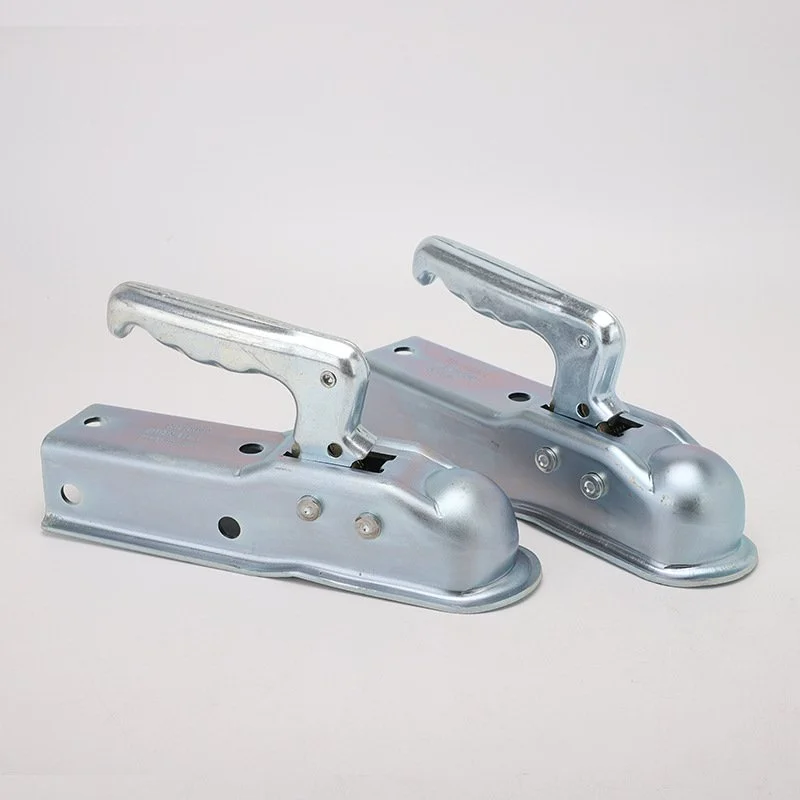
How to Choose the Best Trailer Coupler for Heavy-Duty RV and Travel Trailer Use
When planning how to buy business tow equipment, it's important to use evaluation methods that are organized and strike a balance between performance needs and price limits. We've created a framework for analysis that helps sourcing teams match coupler specs to practical needs. This lowers the risk of failure before its time or overspecification that drives up costs without being necessary.
Capacity Rating and Load Profile Analysis
The main factor that determines which trailer coupler to choose is its weight ability. Gross trailer weight numbers must take into account not only how much the trailer weighs when it's empty, but also how much it can hold in terms of fuel, goods, and people. Professional buyers usually choose couplers that are rated 20% higher than the expected maximum load as a safety measure. This buffer can handle changes in the load, moving forces when stopping, and stress events that were not predicted. Manufacturers' paperwork should make it clear what the maximum vertical load is and how much the tongue can weigh. These are two different factors that affect how well the system works.
Material Specifications and Surface Protection
When it comes to strength, forged steel coupler parts are better than cast steel ones, but they cost more to make. Aluminum alloys save weight, which is useful in situations where trailer weight affects carrying capacity directly. However, when combined with steel parts, they need to be anodized to stop galvanic rusting. In harsh settings, surface finishes have a huge effect on how long something lasts. Galvanized coats protect against rust by sacrificing themselves. This is especially important for activities near the coast, where salt air speeds up corrosion. The powder covering looks nice and is resistant to chemicals, but it doesn't protect as well if it chips and shows bare metal underneath.
Locking Mechanisms and Security Features
Trailer coupler pins are important safety features that keep the trailer from disconnecting by mistake. These mechanical fasteners keep the trailer coupler latch closed, adding an extra layer of security on top of the main locking device. High-quality pins have holding systems, like clip-based or threaded designs, that keep the pin from coming loose while it's being moved. Some standards include keyed locking pins that keep the trailer from being taken off without permission and keep the coupling link safe. Commercial buyers should make sure that the pins they are given are the right size according to the coupler's paperwork. If the pins are the wrong size, latches may look safe but not be properly engaged, which is dangerous.
Supplier Evaluation and Customization Capabilities
Strategic benefits exist for fleet owners with special needs when they build relationships with manufacturers that can meet their needs. When a supplier offers OEM support, they can change the mounting patterns, the height of the couplers, or add special features like electrical connections or brake actuators that are built in. Quality certifications, like ISO 9001 and ISO 14001, are concrete proof of consistent manufacturing. For example, ISO 9001 certification shows systematic quality control methods, while ISO 14001 certification shows a commitment to environmental management. Material approvals, dimensional inspection reports, and load testing documents that show agreement with stated standards should be asked for by procurement teams. The length of the warranty shows how confident the maker is in the product's durability. Longer coverage periods show better technical and material quality.
Maintenance, Safety Tips, and Common Problems of Trailer Couplers
Proactive repair plans make couplers last longer and stop them from breaking down in dangerous ways that put people and equipment at risk. We've put together useful tips based on our experience with business tow companies. These tips cover the regular maintenance tasks that service teams should include in their plans.
Routine Inspection Checklist
For business activities, the minimum acceptable inspection standard is a visual check before each use. Maintenance workers should look for stress cracks in the trailer coupler body, especially where the mounting bolts are and where the latch joint is. These are the places where wear failures usually start. The latch mechanism needs to be tested to make sure it works properly. It should engage easily without too much force and lock tightly without any play or looseness. There must be trailer coupler pins and they must be properly installed, with any locking clips or threads still in place. Vibrations can loosen bolts over time, so mounting gear needs to be handled with care. Using calibrated torque tools to check the tightness of bolts stops them from being too tight, which lets them move, or too loose, which causes stress to build up.
Lubrication and Corrosion Prevention
Regular lubricating the trailer coupler ball surface will cut down on friction and wear, but too much grease will attract dirt, which will speed up the wear. Marine-grade lithium grease is the best because it keeps things moving smoothly and doesn't get wet. Applying penetrating oils on a regular basis to latch pivots and spring systems keeps them mechanically flexible while getting rid of moisture. How you store things has a big effect on how quickly things rust. When you store uncoupled trailers, you should put protection caps over the trailer coupler hole to keep rain and dirt out. In winter areas where road salt makes conditions very corrosive, operations need to be inspected more often and aggressive rust protection measures, such as coating systems, must be used.
Identifying Wear Patterns and Failure Indicators
Couplers wear out in regular ways that let you know it's time to replace them. As metal touches metal, it slowly wears away material from the inside of the hole, causing it to become smoother and bigger. Noises of clunking can be heard when the trailer coupler and ball are moving faster or slower because there is too much space between them. When latch devices don't connect all the way or need a lot of force to work, it means that the springs are worn out or corrosion has built up. Usually, structural cracks start out as tiny lines near areas of high stress. If they are not fixed, they get bigger and can be seen as separations. If a crack is found in a trailer coupler, it needs to be replaced right away instead of being fixed, because welding changes the heat treatment qualities that are needed to keep the stated strength. When mounting bolt holes show signs of expansion or breaking, it means that the bolts were overloaded or the wrong grade was chosen.
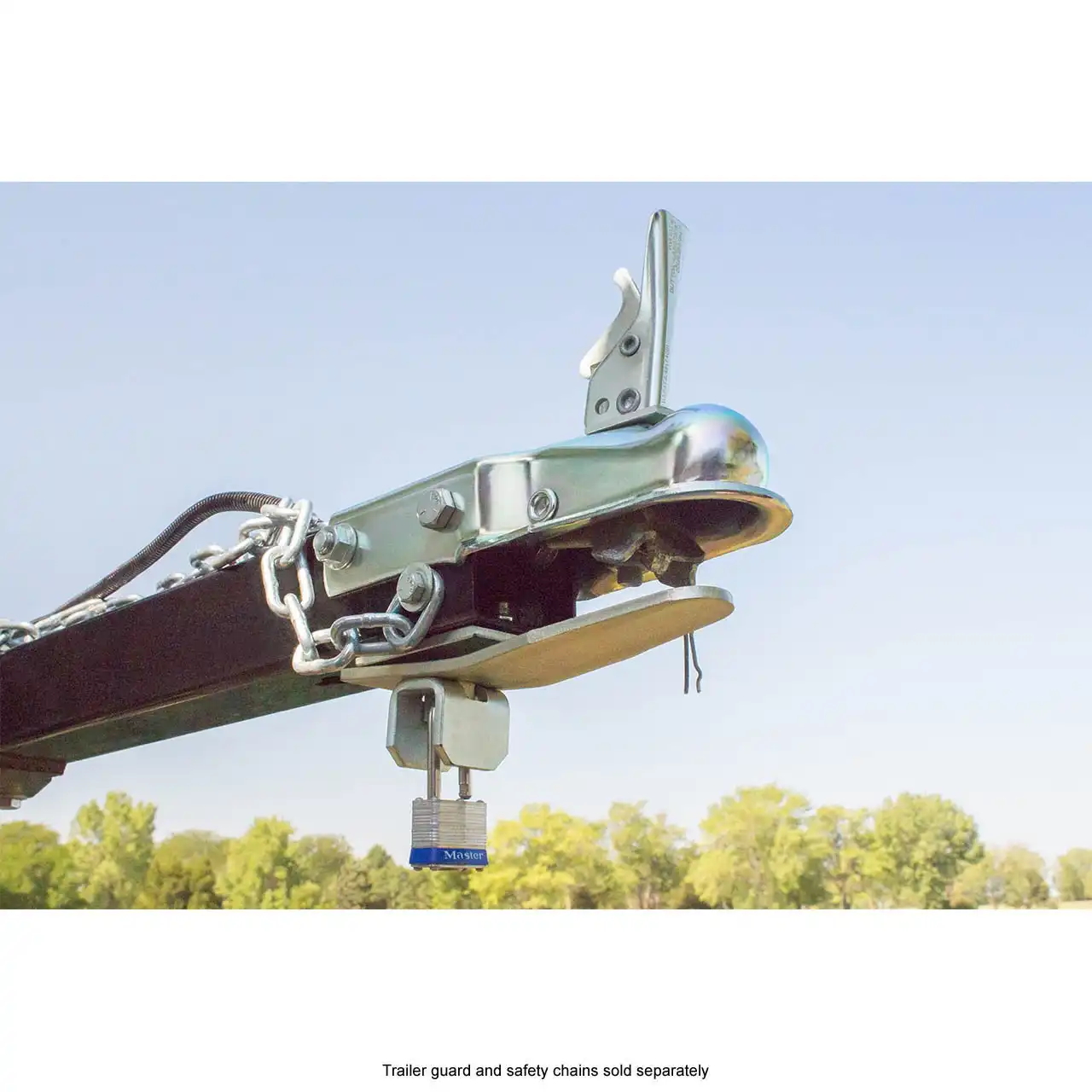
Comparison of Top Trailer Couplers and Accessories for Procurement
To evaluate the market choices that are available, you need to know how different design versions meet different operating needs. Different choices of material finish, operation methods, and safety features all have different cost-benefit ratios that fit different fleet needs.
Material Finish Performance Characteristics
Galvanized couplers go through hot-dip zinc coating processes that make stronger metal bonds than electroplated options. This finish is very good at resisting rust, which makes it the best choice for coastal areas, winter jobs that involve road salt, or any other situation where moisture is present often. The zinc layer acts as a sacrifice for security, rusting more quickly to protect the steel underneath. Powder coating technology for painted finishes makes the surface smoother and lets you change the color, which is useful for company branding. But paint only acts as a shield; once it's chipped or scratched, the steel underneath quickly rusts. Manufacturers like RUIRUI offer different ways to treat the surface, such as special coatings that meet the needs of different market groups in terms of both rust protection and aesthetics.
Manual Versus Electric Actuation Systems
With traditional couplers that are worked by hand, you have to be at the trailer tongue to engage and disengage the latch device. This plan works well and saves money in situations where people have to place trailers by hand all the time. Electric actuation systems include automatic latch operation that can be controlled from the tow vehicle's cab. This makes it much easier to couple vehicles when the driver can't move around easily or when the task at hand is too difficult. Electric systems are more likely to break down when they are complicated. Motors, switches, and cables all need to be maintained and replaced at some point. When considering these choices, the cost analysis should take into account both the original cost of buying them and the care needs they will have over their lifetime.
Lockable Coupler Security Solutions
Theft avoidance is becoming more and more important to fleet managers, especially in places like storage facilities that aren't locked up or faraway project sites. Lockable couplers have locked cylinders built into the latch mechanism so that they can't be opened without the right key. This design keeps thieves out while still making it easy for people who are supposed to be there to get in. Trailer coupler pins with built-in locks are another way to improve security, but the key has to be kept at the trailer and can't be managed from the cab. Some advanced systems have trailer connections with authentication features that stop electrical operation without the right permissions. This adds another layer of security that protects against both physical removal and use without permission.
Specialized Commercial and Utility Applications
Heavy equipment trailers often need stronger couplers with thicker materials and better fastener packages so they can handle the heavy loads that come with transporting machines. Adjustable-height couplers make it easier to level utility trailers when pulling cars of different heights. This makes sure that the weight is evenly distributed and the trailer is safe to drive. For dump trucks, the trailer coupler system may be combined with hydraulic actuators, which means that special designs are needed to fit the complicated loading environment. When buying teams know about these application-specific differences, they can find parts that are better suited to the situations they'll be used in instead of using general-purpose options that might not work as well.
How to Procure Trailer Couplers Effectively
Finding the cheapest source of tow parts is only one part of strategic buying. Competitive pricing is important, but so is quality assurance, on-time delivery, and expert help that adds value throughout the lifecycle of the product.
Supplier Qualification and Verification
Doing your research on suppliers before hiring them saves you from poor quality and supply problems. Checking a company's certifications gives you an idea of how trustworthy it is. For example, an ISO quality management system certification means that the company uses structured process control instead of haphazard manufacturing methods. Instead of depending only on what the seller says, asking for material approvals and dimensional inspection reports makes sure that the goods meet certain requirements. Talking to engineering or expert sales staff directly will show you how much they know about a product to help you make a purchase choice. When suppliers can talk about load estimates, material qualities, and application-specific issues, it shows that they have the knowledge to answer difficult specification questions.
Compatible Accessories and Installation Components
To keep operations running smoothly, full procurement packages should come with all the installation tools and extras that are needed. Standard hardware store screws don't usually have the tensile strength needed for safety-critical uses, so mounting bolts must meet grade standards that match the trailer coupler's load rating. When you buy trailer coupler pins, make sure they are the right size for the trailer coupler type you want to use. Differences in diameter and length can make it hard for the latch to connect properly. Even though safety chains are officially different parts, they need to be attached to your tow system using compatible points and having load ratings that match your system's total capacity. Keeping extra parts on hand can help some businesses, especially when it comes to important fleet cars where downtime costs a lot.
Bulk Order Considerations and Logistics
When you buy a lot of something, you can negotiate prices and get it delivered on time, which works with your business plans. Container-level shipments have the best per-unit prices, but you need to make sure that all of your order's specs are coordinated in order to get the most out of the number. Lead times for custom setups are usually longer than the supply of stock products. To avoid schedule delays, planning procurement cycles around project deadlines is recommended. When goods need to be shipped abroad or stored for a long time before they can be installed, the standards for packaging are important. Treatments that stop rusting, protective caps, and damage-resistant box construction all affect the state of the product when it arrives at the customer. By including clear instructions on how to package your goods in your buy orders, you can avoid confusion that could result in broken goods or inadequate protection.
Building Strategic Supplier Relationships
Long-term relationships with skilled makers offer benefits that go beyond just competing on price. Suppliers who know what your application needs can offer better products or let you know about changes to specifications that could affect compatibility. When there aren't enough supplies, priority is given to customers who have been buying from you for a long time. When suppliers know your business and understand how it works, they can provide better technical help. Companies like RUIRUI, which can make a wide range of metal products by CNC machining, laser cutting, and different surface treatment methods, can be your one-stop shop for all your component needs. This makes managing the supply chain easier and makes sure that all related parts are designed to work together.
Conclusion
To choose the right towing tools, you have to weigh a lot of technical factors against working needs and budget limits. Good trailer couplers are important safety parts that should be carefully chosen and bought from reputable companies with a track record of success. The procurement models described here give organized ways to check source skills, material requirements, and capacity needs. Good maintenance practices protect people and machinery from breakdowns that could have been avoided and increase the useful life of parts. Strategic partnerships with qualified makers provide long-term benefits such as uniform quality, expert support, and a reliable supply chain that helps keep operations running.
FAQ
1. What weight rating should I specify for my RV coupler?
The trailer coupler capacity should be about 20% higher than the gross truck weight limit of your trailer. Find the vehicle's highest loaded weight, which should include fuel, passengers, cargo, and tools. Then, choose the next higher standard capacity number. The tongue weight is usually between 10 and 15 percent of the total trailer weight, and it has to be within the trailer coupler's limits.
2. Can our maintenance team install couplers, or should we use professional services?
How hard it is to install depends on the plan. Standardized bolt-on couplers can be installed in-house if your team has the right tools and knows how much force to use. Professional fabrication services help make sure that welded setups or unique mounting configurations are safe by making sure that the structure is strong and that everything is lined up correctly.
3. How often should commercial trailers undergo coupler inspection?
A eye check before the trip is the bare minimum. High-use fleets should have a thorough mechanical checkup every three months, checking for cracks, wear, and the stability of the fasteners. Liability management can use proof of annual renewal that includes load testing to show that compliance has been met. When service conditions are bad, inspections should happen more often.
Partner with RUIRUI for Reliable Trailer Coupler Solutions
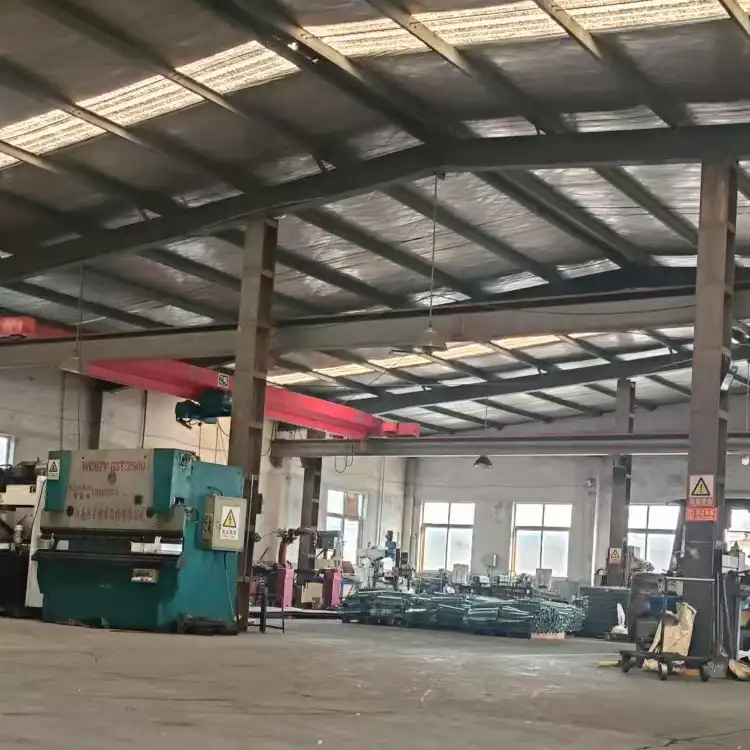
We at Qingdao RUIRUI Machinery Co., LTD know how important it is for your business to have high-quality pulling parts. Our wide range of metal fabrication skills goes beyond just making standard couplers. We can also create unique OEM solutions that fit your exact business needs. Our quality control systems are backed by ISO 9001, ISO 14001, and OHSAS 18001 certifications. This means that we can offer precision-made parts that meet international safety standards. Our production skills include progressive pressing, CNC machining, laser cutting, and advanced surface treatments like powder coating, anodizing, and galvanizing, which give our products the best corrosion protection for harsh settings. Our experienced technical team is here to help you with engineering from the time you first describe your needs until the product is delivered, whether you need standard trailer coupler configurations or solutions that are specifically designed for your needs. If you are a procurement worker looking for a trusted trailer coupler supplier, please email us at kshdhardware@qdkshd.com to talk about your needs and see how our factory-direct prices and short lead times can improve the performance of your supply chain.
References
1. Society of Automotive Engineers. "SAE J684: Trailer Couplings and Hitches - Automotive Type." SAE International Standards, 2018.
2. National Highway Traffic Safety Administration. "Federal Motor Vehicle Safety Standards: Trailer Hitch Systems and Towing Components." U.S. Department of Transportation, 2020.
3. American Society for Testing and Materials. "ASTM A370: Standard Test Methods and Definitions for Mechanical Testing of Steel Products." ASTM International, 2019.
4. Recreational Vehicle Industry Association. "RVIA Standards for Towing Equipment and Safety Systems in Recreational Vehicles." RVIA Technical Publications, 2021.
5. Johnson, Robert M. "Mechanical Failure Analysis of Trailer Coupling Systems Under Dynamic Loading Conditions." Journal of Transportation Engineering, Vol. 145, 2019.
6. International Organization for Standardization. "ISO 11407: Road Vehicles - Mechanical Coupling Between Towing Vehicles and Trailers." ISO Standards Catalogue, 2017.

Send Inquiry
You may like