
Best Trailer Coupler Locks: Theft Prevention Guide
Choosing the right trailer coupler lock can make a big difference in how safe your things are. These mechanical security devices physically stop the coupler latch mechanism from working. This keeps trailers from being stolen after they've been detached. Good locks are made of hardened steel, have coatings that don't rust, and have anti-pick cylinders that can handle cutting tools and bad weather. When looking at your options, you should think about how well they work with your coupler size, how long the materials will last, and whether the lock design makes it hard to get to weak spots. Effective locks keep thieves out, help with insurance compliance, and keep operations running smoothly in logistics, construction, and fleet management.
Understanding Trailer Coupler Locks and Their Importance
What Are Trailer Coupler Locks and How Do They Function?
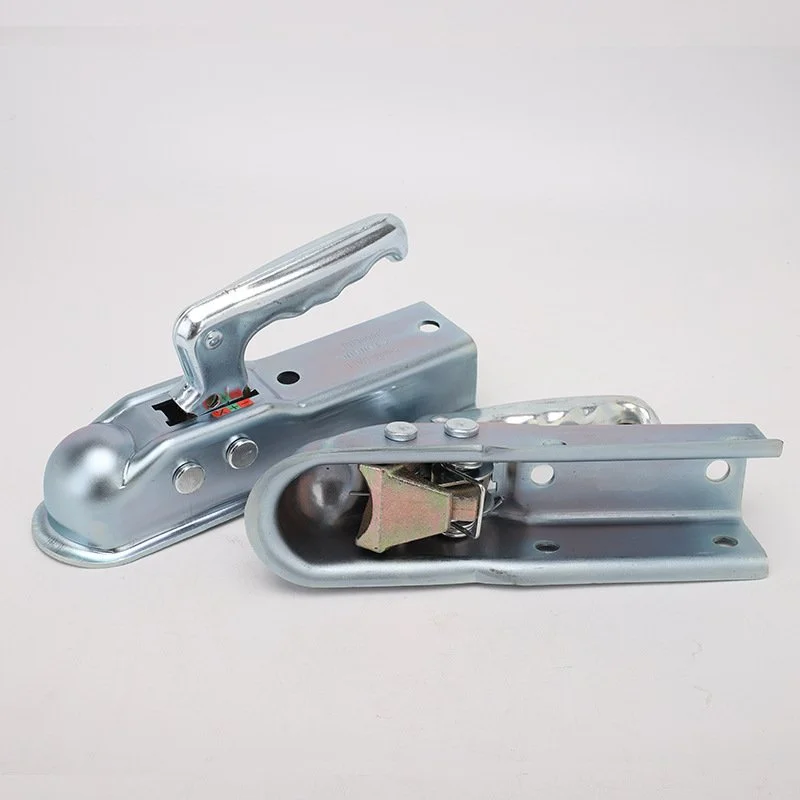
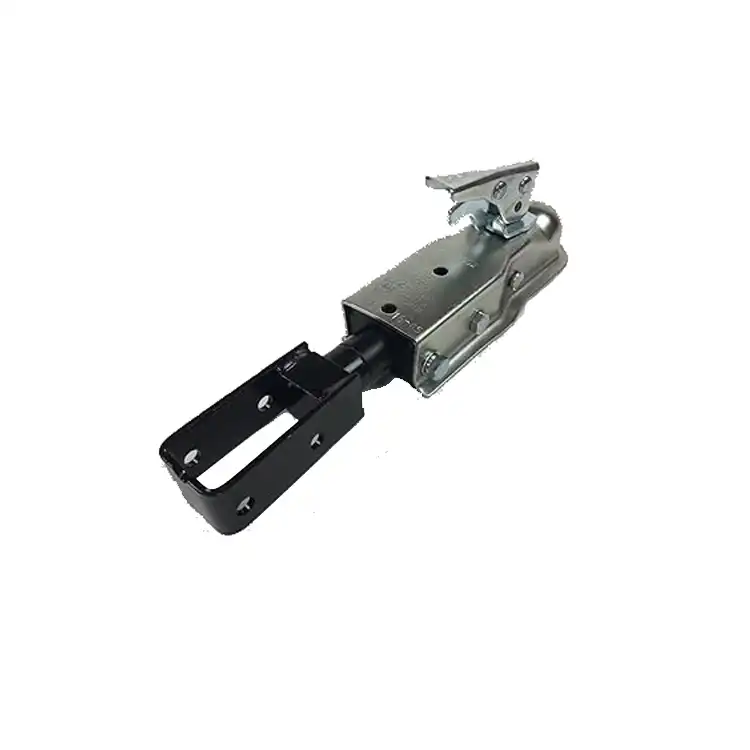
A trailer coupler lock is a special kind of fastener that is designed to keep the coupler latch closed. The coupler grips the hitch ball on the tow vehicle, but road vibrations, uneven ground, and mechanical stress can make latches bounce or open on the way. Coupler locks get rid of this risk by adding a second physical barrier, usually a pin or clamp made of hardened steel, that stops the latch from opening.
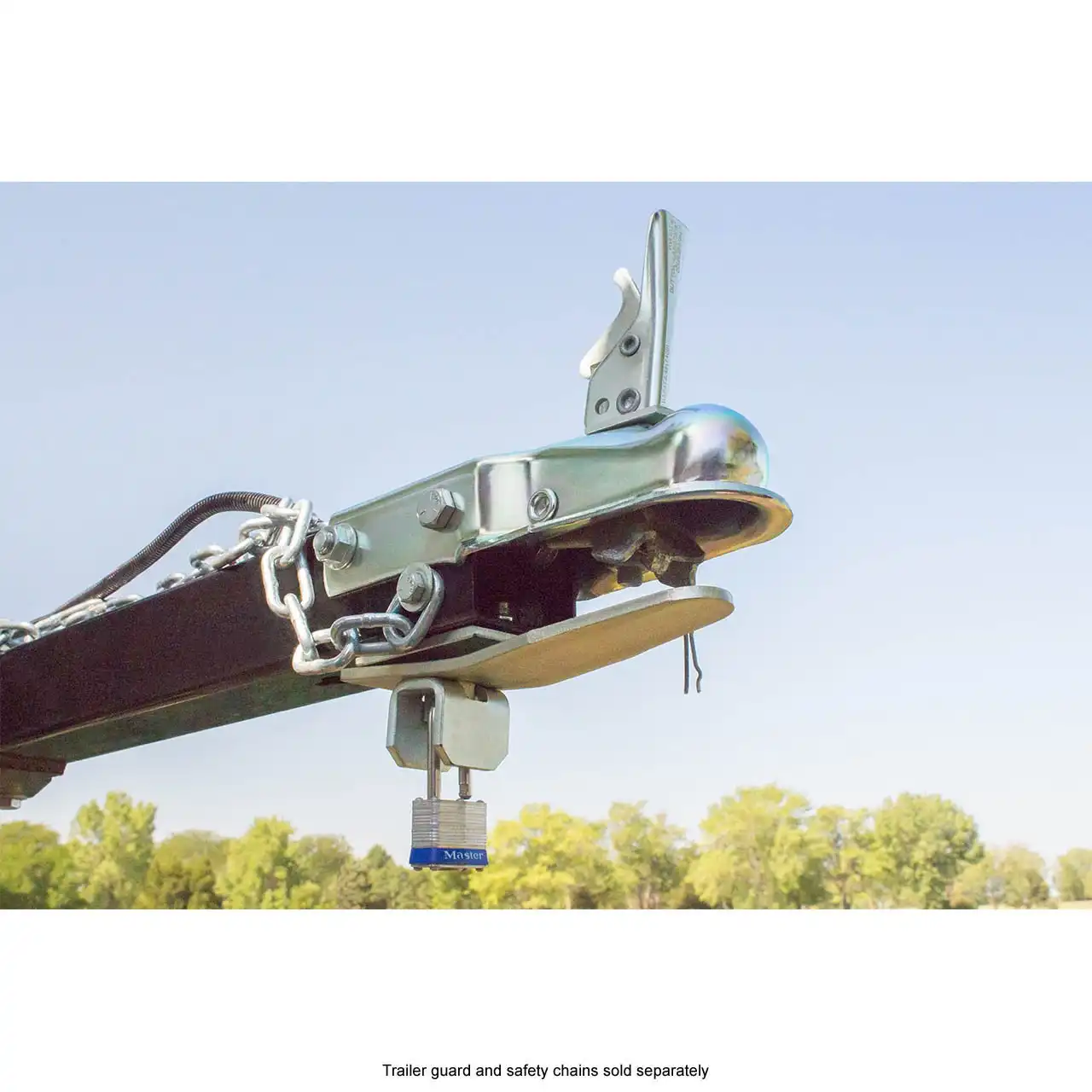
There are different ways to set up these locks. A key turns a cylinder that holds pin-style locks in place through the latch and coupler body. There are clamp designs that go all the way around the coupler assembly and cover the latch completely. When the trailer is parked, ball-style locks go over the hitch ball and stop the coupler from attaching. Each design is made to handle a certain set of security scenarios and compatibility needs.
Why B2B Buyers Prioritize Coupler Lock Quality
Managers in charge of buying things know that coupler locks have real business benefits beyond just keeping thieves away. Insurance companies often need proof of security measures for trailer coverage. Good locks help meet these policy requirements and may even lower premium costs. Companies that are in charge of large fleets like how visible security devices make thieves less likely to try to steal before they get too bad.
Buying decisions are also affected by worries about liability. When a trailer detaches during transport because the latch doesn't work, accidents can happen that have serious legal and financial effects. Installing coupler locks correctly shows that you are taking the time to keep towing safe. Better models have anti-drill plates, hardened shackles, and tamper-evident features that are in line with construction and transportation industry risk management protocols and regulatory compliance standards.
Material and Design Factors That Impact Performance
How well a lock works depends a lot on the engineering and composition of the materials used. Premium units are made of steel alloys that have been heated and have shear strengths of over 10,000 pounds, which means they can't be cut by bolt cutters or portable saws. Stainless steel versions are good for marine and coastal uses where saltwater speeds up corrosion. Surface treatments like electrophoretic deposition or triple-chrome plating make things last longer in places where there is road salt, industrial chemicals, or big changes in temperature.
Picking and bumping attacks can be stopped by the locking mechanism itself. When compared to standard wafer cores, disc-detainer cylinders and tubular key systems have better resistance. Some manufacturers use shrouded designs that make it hard for angle grinders to reach the shackle. This makes thieves work harder and make more noise, which makes it more likely that they will be caught and discourages theft attempts on secured trailers.
How to Choose the Best Trailer Coupler Lock for Enhanced Security?
Evaluating Security Certifications and Material Standards
When buying trailer coupler locks, procurement teams should make sure that the products meet safety standards like SAE J684, which sets performance standards for towing equipment. Locks that have been certified have been tested for mechanical strength, resistance to corrosion, and dependability under dynamic load conditions. Companies that use ISO quality management systems usually keep their production standards and traceability protocols the same.
The details of the material are just as important. Look for locks that say what kind of alloy they are and how hard they are—Rockwell C-scale numbers above 50 mean the right heat treatment. Zinc alloy parts might work for light-duty jobs, but they aren't strong enough against cuts for high-value cargo trailers. Grades of stainless steel like 304 don't rust and keep their shape, so they can be used for equipment that will be exposed to chemicals and weather that are common in industrial and construction settings.
Compatibility Considerations Across Coupler Types and Sizes
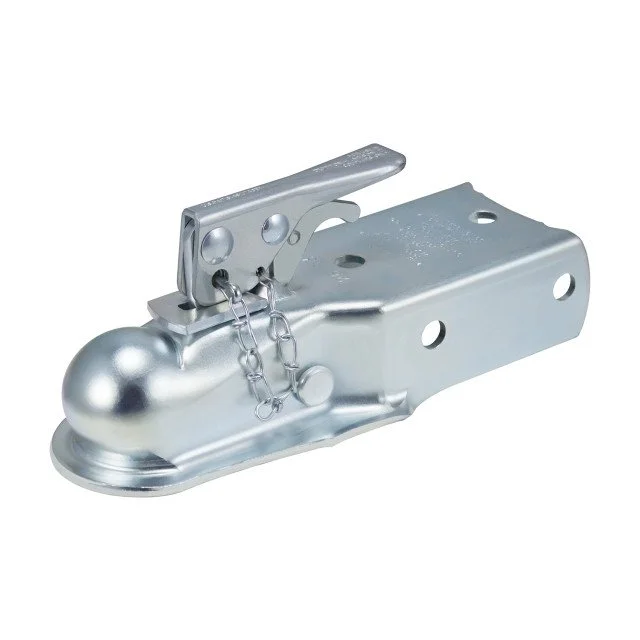
Trailer couplers come in different sizes, weight capacities, and ways to attach. Most ball couplers can fit balls that are 1-7/8 inches, 2 inches, or 2-5/16 inches in diameter. Each of these sizes can support a different gross trailer weight rating. Most utility trailers, boat trailers, and mid-size equipment haulers use 2-inch balls because they can hold between 3,500 and 12,000 pounds. The lock choice must match the coupler's exact dimensions to make sure it fits right and stops people from getting around it through gaps or mounting it incorrectly.
Some trailers use pintle rings, fifth-wheel connections, or gooseneck systems instead of ball-and-socket designs. For each, you need a locking system that is specifically made for that style of attachment. Purchasing managers who are in charge of a variety of fleets should keep track of the different types of couplers they have in stock and look for locks that can fit these different types. Universal locks with adjustable fit mechanisms make SKUs simpler, but they may not be as safe as designs that are precisely matched.
Evaluating the Effectiveness of Trailer Coupler Locks in Theft Prevention
Documented Impact on Theft Rates and Loss Prevention
Industry data shows that visible security measures cut down on thefts by a large amount. According to a study by the National Equipment Register, theft rates were 70% lower in trailers with multiple physical security devices than in units that weren't locked down. trailer coupler locks focus on the attachment mechanism, making thieves work harder to get it off, which increases the chance that they will be seen and caught. Most trailer thefts happen in less than five minutes, but good locks make this time much longer.
Case studies of logistics companies that put in place full lock programs show that the money they spent paid off. One regional freight hauler cut the number of trailer losses they had every year by 65% by giving their fleet commercial-grade coupler locks and making sure they were used. When physical security and operational discipline were put together, they changed the culture so that protecting assets was seen as a shared responsibility instead of something that was done after the fact.
Integrating Locks Within Layered Security Strategies
It's better for coupler locks to be part of a larger security system than to be used on their own. GPS tracking systems let you see where something is at all times and help you get it back if it gets stolen. Video cameras in parking lots deter people from breaking the law and keep records that can be used as evidence. It takes more time and tools to steal something with wheel locks and hitch locks because they add extra barriers that thieves have to get past.
Physical security measures are strengthened by operational policies. The chances of theft are lower in parking lots that are marked as secure and have controlled access, lighting, and regular patrols. Accountability is maintained through documentation protocols that require sign-out procedures and regular inspections. Insurance companies understand these layered approaches because they offer lower rates and more coverage, which turns investments in security into real cost savings and operational benefits.
Common Implementation Pitfalls That Undermine Protection
Despite good intentions, a coupler lock is less effective because of a number of mistakes. Buying locks that don't work with certain coupler sizes leaves gaps that can be used to get around the lock. When you don't do maintenance, parts wear out and break down when they're needed the most. If you only use locks and don't use any other security measures, thieves with cutting tools can easily get to your property.
Bad management of keys is another major weakness. When keys are kept in vehicles or given to too many employees without being tracked, it's hard to keep people from getting in without permission. When some trailers are left unlocked while others are locked, thieves will only go after the ones that aren't protected. This makes the whole security system less effective. To avoid these problems, you need to use good products, follow strict procedures, and give your whole staff regular training that focuses on security awareness.
Procurement Insights: Where and How to Buy Trailer Coupler Locks for B2B Clients
Identifying Trusted Suppliers and Distribution Channels
Instead of only buying from consumer channels, business-to-business buyers should build relationships with suppliers that specialize in commercial security hardware. Industrial distributors like Buyers Products and Hughes Equipment, as well as specialized security vendors, sell in bulk, offer technical support, and have product lines that are made for use in fleets. These suppliers know what is needed for procurement, like trailer coupler lock purchase orders, net payment terms, and the right paperwork to make the buying process go smoothly.
Online platforms are convenient and make prices clear, but you need to carefully evaluate each vendor. Make sure that the suppliers you're considering offer manufacturer warranties, clear return policies, and helpful customer service. Specifications should include full information on the materials used, how much weight they can hold, and whether they are compatible. Suppliers who have worked with business-to-business clients before usually offer application help to match lock designs to specific trailer types and operational needs. This cuts down on mistakes that waste time and resources.
Logistics Considerations for Large-Scale Orders
For container-level shipments, you need to plan ahead for lead times, shipping costs, and customs paperwork. When buying from other countries, you need to think about things like production schedules, quality inspection procedures, and how to move the goods. Popular models are often kept in stock by domestic suppliers, which speeds up replenishment and is useful for quickly adding to fleets or replacing broken locks.
The quality of the packaging affects how the product is when it arrives. Bulk orders should come with clear labels on each lock to keep track of inventory and protect the locks from damage during shipping. Talk about volume pricing that takes into account the size of the order while still maintaining quality standards. Abruptly cutting costs can mean using cheaper materials or taking shortcuts during production. Set up ways to test shipments that have been received to make sure they meet specifications before you send locks to all of your fleet.
Evaluating Supplier Capabilities and Value-Added Services
Leading suppliers set themselves apart by offering services that go beyond just selling products. OEM customization services let you add your own label, make special key arrangements, and change designs to fit your specific needs. Total cost of ownership and operational disruptions are lower when there is technical support, such as installation training, troubleshooting help, and access to replacement parts.
Warranty terms show how confident the maker is in the product's longevity. Check to see if the coverage covers mechanical breakdowns, damage from corrosion, and replacing the key cylinder. When problems happen, suppliers with local service centers can fix them faster. Understanding these aspects that add value helps procurement teams negotiate good deals that give long-term benefits to the partnership that go beyond the initial purchase price.
Conclusion
When trailers carry important business supplies, equipment, and inventory, trailer coupler locks are an important part of protecting those assets in business-to-business settings. To choose the right lock, you need to think about the quality of the material, how well it works with different types of couplers, and how it fits into larger security systems. If you install these devices correctly and keep up with their regular maintenance, they will protect you for a long time. When looking for locks, procurement managers should give more weight to suppliers who can offer technical support, large orders, and quality assurance for their products. When used with other security measures and good operational practices, coupler locks greatly lower the risk of theft and help businesses keep running smoothly, which is important for staying competitive.
FAQ
How do I ensure a coupler lock fits my specific trailer model?
Measure your coupler's ball size and latch configuration before purchasing. Most trailers use 2-inch ball couplers, but check the sizes to make sure they will work. Check to see if the latch body of your coupler has a pin hole in it or if you need a clamp-style lock that goes around the whole thing. Check the manufacturer's instructions that came with your trailer or send photos and measurements to the lock supplier to get help making sure it fits right.
How often should coupler locks be replaced or serviced?
Every three months, check the locks for signs of wear, corrosion, or damage to the mechanism. If you see cracks in the locking pin, trouble turning the keys, or damage to the structure, you should replace it right away. In marine or high-salt environments, inspections should be done once a month instead of every two weeks. In normal situations, locks made of good materials and kept in good shape should last between 3 and 5 years. Keep extra locks on hand to cut down on downtime when replacements are needed.
What additional security measures complement coupler locks effectively?
Using more than one security device at once gives you full protection. Combine trailer coupler locks with wheel locks to stop the trailer from moving, GPS trackers to help with recovery, and surveillance systems to keep track of what's going on in the yard. When you can, park your trailer in a well-lit area with restricted access. If you can, take valuable items out of trailers at night. Set up sign-out procedures to make sure people are responsible, and do regular security checks to find holes in your fleet's operations that need fixing.
Partner With RUIRUI for Custom Trailer Security Solutions
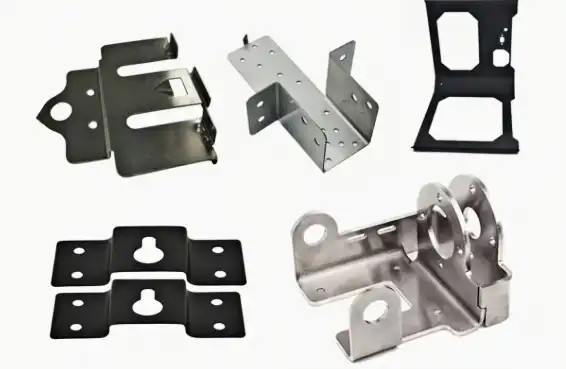
Precision-engineered trailer coupler lock pins, security fasteners, and custom sheet metal security components made for demanding B2B applications are what Qingdao RUIRUI Machinery does best. Our factory has eight automated production lines that can make 130,000 units a year using high-tech methods like CNC milling, laser cutting, progressive stamping, and thermoplastic coating. We work with different kinds of metals, from stainless steel and carbon steel to special alloys. To make the surfaces last longer in harsh environments, we use methods like powder coating, electrophoresis, and galvanizing to stop corrosion. Get in touch with our technical team at kshdhardware@qdkshd.com to talk about bulk orders, special requests, and how RUIRUI's manufacturing skills can help your trailer security program.
References
- National Equipment Register. (2021). Commercial Trailer Theft Trends and Prevention Strategies. Denver: NER Publications.
- Society of Automotive Engineers. (2019). SAE J684: Trailer Couplings and Hitches—Automotive Type. Warrendale: SAE International Standards.
- Thompson, R., & Martinez, J. (2020). Asset Protection in Fleet Management: Security Hardware Performance Analysis. Journal of Transportation Security, 13(2), 45-62.
- Industrial Security Hardware Association. (2022). Best Practices for Trailer and Equipment Security in Commercial Operations. Chicago: ISHA Technical Report.
- Wilson, D. (2021). Material Science in Security Hardware: Corrosion Resistance and Structural Integrity. Materials Engineering Quarterly, 28(4), 112-129.
- American Trucking Associations. (2020). Cargo Theft and Prevention: A Guide for Fleet Managers. Arlington: ATA Safety and Security Council.

Send Inquiry
Related Industry Knowledge
- Best RV Lifting Machinery Jacks for Motorhomes and Trailers
- Top Benefits of Partnering with a Chinese Trailer Accessories Manufacturer
- Best OEM Trailer Ball Coupler Pin Set Supplier for Custom Solutions
- Vehicle-Specific Trailer Coupler: The Key to Safer, Smoother Hauling
- Key Insights into High-Toughness Metal Hinge Applications
- Trailer Hitch Pins | Heavy Duty Lock Pins for Towing
- Why Do 500+ Installers Choose Our Universal AC Mounts?
- Why Trust Custom Precision Milling Parts for High-Quality Aluminum Components?
- how to dimension sheet metal parts?
- How to use a hitch tightener?