
Best Trailer Coupler Types for Heavy-Duty Towing
Selecting the right trailer coupler for heavy-duty towing isn't just about connecting a trailer to your vehicle—it's about ensuring safety, maximizing load capacity, and achieving operational efficiency across demanding industrial applications. When I work with global procurement managers and engineering teams, they often tell me that understanding the nuances of different coupler types directly impacts their fleet's reliability and their company's bottom line. Quality couplers from trusted manufacturers reduce downtime, prevent costly accidents, and streamline supply chain management. This guide draws on industry expertise and supplier insights to help B2B buyers—from infrastructure contractors to OEM clients—make informed decisions that enhance both safety and performance in heavy-duty towing environments.
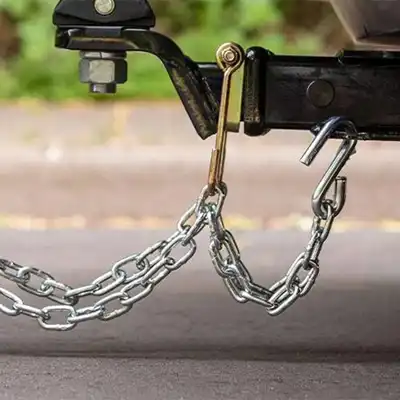
Understanding Heavy-Duty Trailer Couplers
There are several important ways that heavy-duty trailer couplers are different from normal residential types. Compared to normal couplers, which can only handle 2,000 to 5,000 pounds of weight, these industrial-grade parts can handle much more weight, usually between 10,000 and 30,000 pounds of gross trailer weight. When you're in charge of fleets that move building tools, parts of public infrastructure, or bulk industry products, this difference is very important.
Material Construction and Durability Standards
The materials used to make heavy-duty trailer couplers affect how long they last and how well they work when they are under stress. Most of the market is made up of high-grade steel metals, which have tensile strength that can handle being loaded and unloaded many times without deforming. Aluminum versions are lighter and can be used in situations where the tongue weight needs to be lowered, but they are usually used for lighter heavy-duty tasks. Protective coats are just as important. Galvanized finishes that meet ASTM A641 standards keep things from rusting in tough outdoor conditions, and powder coating makes things look better and protects them even more from the elements. These coats make the service life a lot longer, especially for teams that work near the coast or in places where road salt is used a lot in the winter.
Core Components and Locking Mechanisms
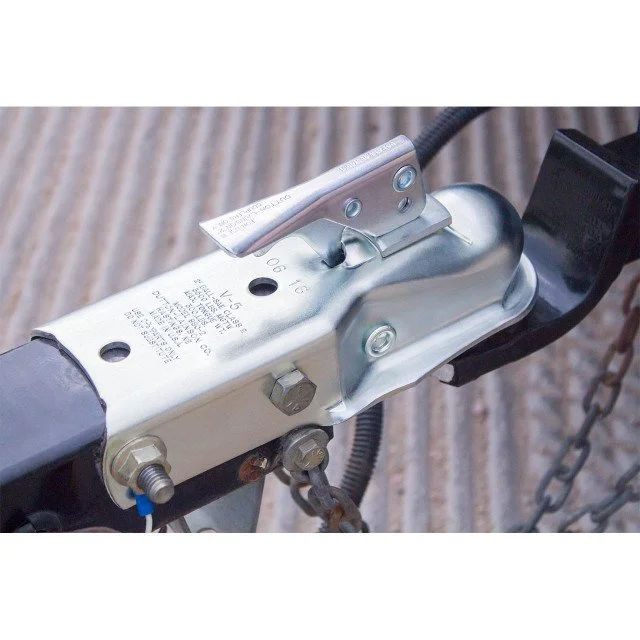
Knowing how a trailer coupler works helps buyers judge its quality and usefulness. The latch that holds around the hitch ball is inside the coupler body, and the coupler tube goes on the trailer tongue. Professional-grade units have stress points that are stronger at these junctions to keep the structure from breaking when it is loaded and unloaded quickly. There are different levels of complexity in locking systems, from simple gravity latches that use weight to keep the link safe to positive-lock designs that need to be opened on purpose. Trailer coupler pins are an extra safety measure that go through the latch to keep it from releasing by accident while the trailer is moving. This extra safety feature fixes a major safety issue that comes up in business settings where vibrations and road frequencies can cause latch bounce.
Sizing and Compatibility Considerations
For safety reasons, you must match the trailer coupler ball size to the hitch ball diameter. There are three common sizes: 1-7/8 inches, 2 inches, and 2-5/16 inches. Each one has a different weight number and trailer classification. 2-inch and 2-5/16-inch sizes are most often used in heavy-duty tasks. The channel size (usually an A-frame width) must also match the way your trailer's tongue is built. Making sure these measures are correct during the buying process avoids costly returns and delays in installation.
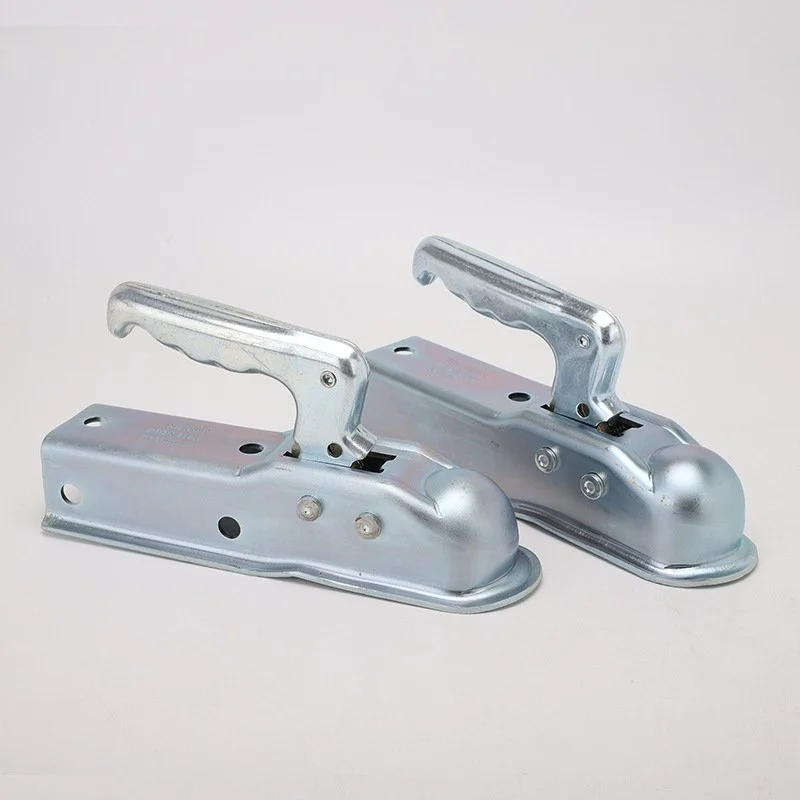
Top Types of Trailer Couplers for Heavy-Duty Applications
To get around the different types of trailer couplers that are out there, you need to know how each one meets different operating needs. Depending on your fleet's needs, security worries, and operational surroundings, each configuration has its own benefits.
Standard Ball Couplers for Versatile Industrial Use
Standard ball trailer couplers are the workhorses of heavy-duty pulling because they work reliably in a wide range of situations. The simple design of these couplers is that the ball socket closes around the hitch ball and locks with a device on the top or side. They are widely used because they have been shown to be reliable and work with all standard hitch balls. Manufacturers of industrial tools like these units because they are simple and easy to maintain, which are very important when you have to manage a big fleet. The design allows for quick connection and uncoupling, which makes operations more efficient when making multiple stops or moving equipment. But the user has to pay close attention to make sure the latches work right, which is why training and standard operating procedures are so important.
Locking Couplers for Enhanced Security
Construction workers and building project managers who leave trailers at work sites overnight are very worried about having their tools stolen. Locking trailer couplers have security features built right into the system for connecting. They have key-operated or combination locks that stop people from taking the trailer off without permission. Some more advanced types have housings that can't be changed because they are made of hardened steel metals that can't be cut with cutting tools. In addition to keeping things from getting stolen, closing devices make sure that everything is set up correctly—the coupler won't lock until it's fully seated on the hitch ball. This feature of the design adds a level of safety that normal couplers don't have. This gives procurement managers peace of mind about both security and operators following safety rules.
Manual Versus Automatic Coupling Systems
Choosing between human and automatic trailer couplers changes how work gets done and how much work needs to be done. With a manual coupler, the operator has to lift the latch, place the coupler over the ball, and then lock the latch. This requires a lot of attention and gives the operator tactile input the whole time. Self-latching or automatic couplers close and lock when the coupler is dropped onto the ball. This saves time and effort and speeds up the coupling process. Fleet managers like this increase in speed, especially in high-volume operations where drivers couple and uncouple several times a day. In exchange, the cost of acquisition is a little higher, and the processes are more complicated and need to be maintained regularly. Checking the interaction frequency of your process can help you figure out which method will give you the most long-term value.
Coupler Shape Influence on Tow Stability
The shape of the channel changes how loads move from the trailer to the tow car. Round channel trailer couplers let the trailer move around some on the vertical line, which is useful for turns but could cause swaying in crosswinds or at highway speeds. This turn is limited by square channel shapes, which make them more stable for loads that are tall or wide. Heavy equipment carriers that are moving excavators or parts of city infrastructure often choose square paths to keep movement to a minimum. The choice relies on the type of loads you usually move and the routes you take. Round channels work best in cities with lots of turns, while square channels are more stable on highways.
How to Choose the Best Trailer Coupler for Heavy Loads
When buying heavy-duty trailer couplers, you need to carefully consider a lot of different things that will affect how well they work and how safe they are. Structured review keeps expensive mismatches between what tools can do and what it needs to do its job.
Evaluating Load Capacity and Frequency
The trailer coupler weight number is a good place to start, but you need to do more research to figure out how that capacity links to your real loads. Gross Trailer Weight (GTW) ratings must be higher than your most likely load by a safe amount, usually 20% more than your largest normal load. This buffer handles changes in how the load is distributed and takes into account how the part will wear out over time. It's also important to look at the job cycle: couplers that are used every day need to be built stronger than ones that are only used sometimes. Distributors who work with shipping companies should look for couplers that are made for high-cycle uses and have premium bearing surfaces that don't break down easily.
Material Selection and Coating Analysis
When tongue weight gets close to the vehicle's weight limits, balancing strength and weight becomes very important. Steel trailer couplers are the most durable for the money. If you heat treat them correctly, they can handle shock loads without permanently changing shape. The galvanizing process doesn't add much weight but makes corrosion protection much better, which is important for teams that work near the coast or in places where chemicals are used to melt snow on the roads. Powder coating is more resistant to impact than liquid paints, so it keeps its protection quality even after small bumps or rough handling. Stainless steel is the best choice because it doesn't rust or corrode at all, but it costs more to buy and is only used for specific tasks in chemical or sea settings.
Compatibility and Installation Considerations
Integration with current tools makes managing a fleet easier and makes inventory less complicated. Making sure that the new trailer couplers you buy match the hitch balls you already have will keep your operations running smoothly. The measurements of the channel must exactly match the building of the trailer tongue. Forcing parts that don't fit together properly weakens the structure and makes it less safe. The difficulty of installation changes a lot between connection types. Some units connect with easy bolt-throughs that can be done by field workers with common tools, while others need to be welded in place. This difference affects not only the cost of the initial operation but also the ability to make changes or fix problems quickly in the future.
Supplier Reliability and Support Services
The company that made the trailer coupler is just as important as the part itself. Suppliers that have been around for a while and have ISO 9001 certification show that they are committed to quality control throughout the whole production process. Warranty terms show that the company behind the product is confident in its durability. Full covering that goes beyond basic defect protection and includes performance promises shows that the engineering is better. When technology questions come up during installation or service, after-sales help is very important. Suppliers who offer engineering advice can help you figure out how to meet your specific needs, and those with helpful technical support teams can keep your business running as smoothly as possible when problems arise. Global distributors should give more weight to makers who have experience with international shipping and can supply at the container level, which fits with strategies for buying in bulk.
Where and How to Procure Heavy-Duty Trailer Couplers
Strategies for sourcing heavy-duty trailer couplers have a big effect on both the cost of purchase and the stability of the supply chain over time. Depending on the size and needs of your business, different ways to buy things will have different benefits.
Evaluating Procurement Channels
Online business-to-business (B2B) tools make it easy to connect with many vendors and quickly compare prices from different trailer coupler providers. But they might not have the technical support that complex custom apps need. For people who buy a lot, having direct ties with manufacturers like Qingdao RUIRUI Machinery has benefits, such as factory-direct price that gets rid of the markups that distributors add. We've seen that makers who can do all kinds of metal manufacturing, like laser cutting, CNC machining, stamping, and welding, can meet special needs that aren't met by normal catalog items. This adaptability is very helpful for OEM clients who want to add couplers to their own designs or for infrastructure builders who need custom setups for specific projects.
Custom Fabrication for Specialized Applications
Most of the time, standard stock trailer couplers work well, but sometimes, specific practical needs call for custom solutions. Customized channel sizes can fit trailer tongues that aren't standard, and special finishes make them last longer in corrosive conditions than standard galvanizing alone. Manufacturers that offer OEM support can add your logo, change the mounting patterns to fit your current gear, or add extra features like sensor mounts for fleet tracking systems. It's important to work with providers who have both the technical know-how to turn your needs into designs that can be made and the production freedom to get you custom units on time.
Understanding Pricing Factors
The choice of material has a big effect on the base price of the trailer coupler. Steel couplers are the cheapest option, while stainless steel versions cost three to four times as much. The price depends on how hard it is to make. Simple cast designs are cheaper than molded and machined ones that are stronger. Adding extra security features that are integrated costs more, but they are worth it because they stop theft and make things safer. Coating methods add to the cost. Basic galvanizing adds the least amount of money, powder coating adds a little more, and specialized finishes like electroplating or anodizing add a lot more. At container-level numbers, volume savings become available. This makes consolidated buying plans financially appealing for distributors and fleet owners with a lot of vehicles.
Warranty, Shipping, and Support Considerations
A full trailer coupler warranty covers your investment against flaws in the making process and failure before its time. Suppliers with a good reputation back up their goods with guarantees that last between one and five years, based on how hard the application is. For big metal parts to be shipped, you need carriers who know how to handle industrial goods. Damage during travel costs time and money. Container-level logistics that serves distributors in North America, Europe, and the Middle East is solid when it comes from manufacturers who have long-term ties with foreign shipping companies. Technical support after the sale is what sets good suppliers apart from average ones. Being able to talk to an expert can help you solve problems with installation or make sure that future orders have the best specs possible.
Conclusion
When choosing the right heavy-duty trailer couplers, you have to weigh a lot of technical factors against business needs and budget limits. Long-term performance and safety are affected by things like the quality of the materials, the load ratings, the locking systems, and how reliable the provider is. Knowing the differences between standard, locked, manual, and automatic designs helps people who buy things for fleets choose parts that meet all of their needs. Proper construction that follows the manufacturer's instructions, along with regular upkeep and strict safety rules, extends the life of the equipment and keeps people and property safe. Strategic relationships with well-known makers that offer custom manufacturing, quality standards, and quick support make the supply chain resilient, which is important for business success.
FAQ
1. How do I match coupler size to my hitch ball?
The size of the trailer coupler must match the width of the hitch ball exactly. Use calipers to get an exact measurement of the diameter of the hitch ball you already have. The three common sizes are 1-7/8 inches, 2 inches, and 2-5/16 inches. For heavy-duty uses, most setups need to be 2 inches or 2-5/16 inches. Do not push a joint that does not fit onto a ball; even small differences in size are very dangerous. Check the hitch ball and coupler's weight ratings to make sure they meet or go beyond the weight of your loaded trailer.
2. What maintenance schedule should commercial fleets follow?
Commercial trailer coupler uses that get a lot of use should have eye checks done once a week to look for cracks, excessive wear, and latch function. Every month, or more often if you are in a dirty or corrosive setting, clean and grease any moving parts. Write down the results of the inspection so that you can find wear patterns that are unique to your business. Replace parts that are deformed, heavily corroded, or have socket wear that is too high compared to the manufacturer's standards. Usually, 1/8 inch of play means that the part needs to be replaced.
3. Can I install heavy-duty couplers without welding?
A lot of good trailer couplers have bolt-through mounting, which means you don't have to connect them. This way of installing things uses grade 8 nuts that are torqued to the manufacturer's specs. This makes a strong connection that can handle tough jobs. Welded systems are the strongest, but they are less adaptable to future changes. Which method works best depends on how your trailer tongue is built and how your connection is designed.
Partner with RUIRUI for Reliable Trailer Coupler Solutions
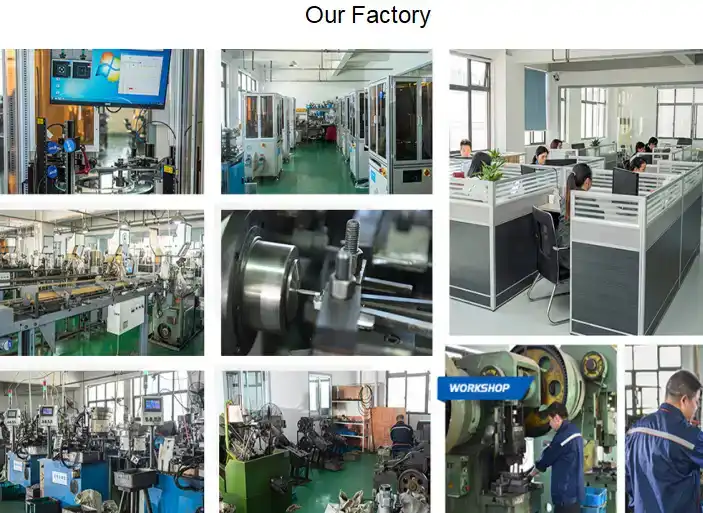
Qingdao RUIRUI Machinery Co., LTD has been making metal products for over 15 years and specializes in helping business-to-business clients who need reliable trailer coupler manufacturing and customization. Our building has eight dedicated production lines that make 130,000 precision parts every year. These lines are backed by fully automated computer systems that make sure that every unit is the same. When standard catalog items don't meet your exact needs, we focus on OEM partnerships. Our engineering team works directly with procurement managers to create custom coupler configurations that meet your size needs, material preferences, and coating requirements.
Our advanced metal manufacturing skills include laser cutting, CNC machining, progressive pressing, and advanced welding. This lets us make trailer couplers from mild steel, stainless steel, aluminum alloys, and other materials that meet the needs of your application. Our ISO 9001, ISO 14001, and OHSAS 18001 certifications show that we care about quality management, being good to the environment, and keeping workers safe during production. We offer factory-direct prices that don't include markups from dealers while still meeting the quality standards needed by infrastructure builders, equipment makers, and global wholesalers.
Whether you need standard heavy-duty trailer couplers shipped by container or custom-engineered solutions for unique city infrastructure projects, RUIRUI can help. They offer short lead times and professional packaging that keeps the products safe during foreign shipping. Our expert support after the sale helps your team with questions about installation and continued use. Get in touch with our engineering team at kshdhardware@qdkshd.com to talk about your trailer coupler needs. We're happy to give qualified trailer coupler suppliers looking for reliable production partners thorough specs, material suggestions, and volume prices.
References
1. Society of Automotive Engineers. (2021). SAE J684: Trailer Couplings and Hitches - Automotive Type. SAE International Standards.
2. American Society for Testing and Materials. (2020). ASTM A641/A641M - Standard Specification for Zinc-Coated (Galvanized) Carbon Steel Wire. ASTM International.
3. National Highway Traffic Safety Administration. (2019). Federal Motor Vehicle Safety Standards: Trailer Hitch Systems and Requirements. U.S. Department of Transportation.
4. Industrial Fasteners Institute. (2022). Torque Specifications and Installation Guidelines for Structural Fasteners in Heavy-Duty Applications. IFI Technical Standards.
5. International Organization for Standardization. (2018). ISO 3584: Road Vehicles - Ball Couplings for Caravans and Light Trailers. ISO Transportation Standards.
6. Miller, R. & Chen, D. (2020). Material Selection in Heavy-Duty Towing Components: Engineering Analysis of Steel Alloys and Protective Coatings. Journal of Industrial Manufacturing Technology, 45(3), 178-195.

Send Inquiry
You may like