
Bolt-on vs. Weld-on: Quick Trailer Fender Replacement Tips
Knowing the difference between bolt-on and weld-on systems is important for operating efficiency when looking at ways to repair trailer fenders. Bolt-on fenders come with mounting holes that are already made and match with existing bracket systems. This makes them easy to install quickly with standard hardware, without the need for any special tools. Weld-on trailer fenders, on the other hand, need to be fused directly to the trailer frame. This makes a lasting structural bond that distributes weight better and is more stable over time. Both methods work in different situations depending on the ability to maintain the fleet, the amount of downtime that can be tolerated, and the need for reliability.
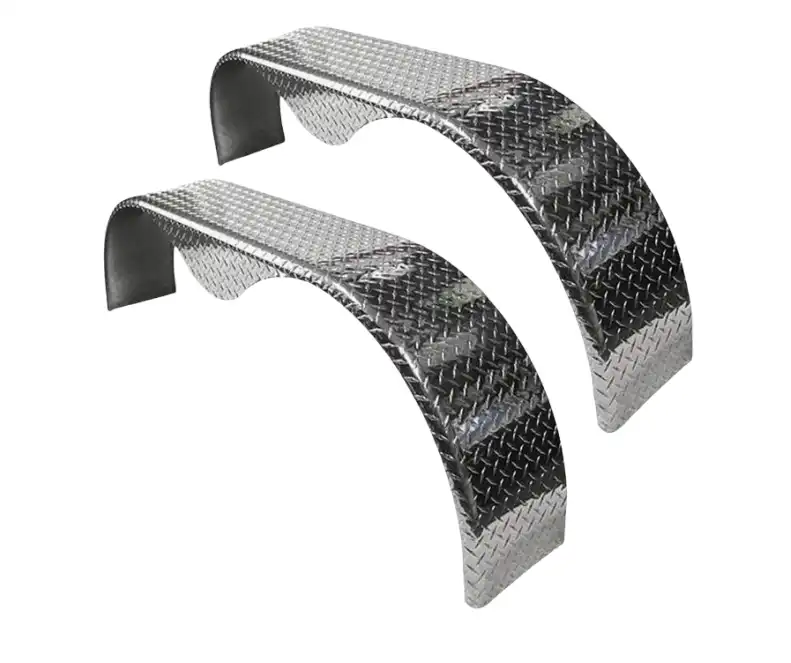
Understanding Trailer Fender Replacement Methods
Choosing between attachment systems has a big effect on how repair is done and how much it costs for all types of transportation companies. Knowing how each method works in certain working settings helps buying teams make sure that the choices they make about parts are in line with the company's overall goals.
Design Characteristics of Bolt-on Systems
Bolt-on trailer fenders are held on by mechanical fasteners, usually zinc-plated or stainless steel bolts that go through strengthened mounting places on both the fender and the frame. This flexible design makes it possible to change parts in the field without knowing how to cut or weld. This cuts down on work costs and downtime. Basic hand tools like socket wrenches and torque drivers are needed for the fitting, so it can be done by general repair staff. This interchangeability is very helpful for fleets that handle different trailer configurations because it makes it easier to keep track of supplies and quickly swap out parts when they need to be serviced.
Structural Advantages of Weld-on Configurations
Weld-on trailer fenders are attached directly to the trailer's metal frame using MIG or TIG welding, so there are no weak mechanical joints. This fusion makes a metal link that doesn't come away from road vibrations, cycles of thermal expansion, and repeated stress loading. Using this method works especially well for heavy-duty uses where the fenders are hit a lot or where frame changes need custom mounting places. Steel trailer fenders with thick walls are very easy to weld, and manufacturers can make full-penetration welds that are as strong as or stronger than the base metal. The RUIRUI steel fender line, which is 145 mm wide, 1050 mm long, and has a 340 mm radius, is an example of this type of product. Its material thickness is perfect for making strong welding ties.
Application Context for Each Method
Bolt-on systems work great in places that need quick return times, like rental companies or businesses that change their routes often and need to rearrange their trailers. Resale value and practical freedom are both maintained by being able to remove and replace fenders without permanently changing the frame. Weld-on installs are used for specific tasks, like custom builds, long-term fleet assets, or situations where maintaining the structure's health is more important than how easy it is to do so. Welded parts are often required in industries like transporting building equipment, moving heavy machinery, and infrastructure project logistics because they can handle rough conditions and long service lives.
Comparing Bolt-on and Weld-on Trailer Fender Installation
The way something is installed has a direct effect on the total cost of ownership, which includes the original labor costs, how easy it is to do upkeep, and how long the parts last. By looking at these factors through the lens of procurement, it becomes clear which method provides the best value for different operating profiles.
Bolt-on Installation Process and Requirements
Before installing a bolt-on trailer fender, the surface needs to be prepared. This means making sure that the mounting areas are clean, flat, and free of rust that could make it harder for the fastener to grip. Technicians line up the pre-drilled holes in the fender with existing bolts or frame fixing points before putting in the hardware. The torque requirements depend on the material of the fender and the diameter of the bolt.
For normal uses, the torque ranges from 25 to 45 foot-pounds. To avoid over-tightening, which can crack the mounting flanges, or under-tightening, which lets the bolts move, calibrated torque tools are needed. Trailer fender installation follows the same torque specifications, and for expert workers, the whole process takes about 30 to 60 minutes per fender, given that they fit correctly without any changes. This speed in time means that vehicles are down for less time, so trucks can get back to making money quickly while still following safety rules.
Weld-on Installation Workflow and Expertise
To weld trailer fender parts together, you need special tools and skills that go beyond basic technical knowledge. The fender has to be exactly placed in relation to the wheel centers and tire openings, and it has to be held in place with tack welds before full seam welds are done along the mounting edges. Certified welders have to take into account the qualities of the material. For example, steel fenders need different choices of amperage, voltage, and filler rods than aluminum ones.
Post-weld treatment includes grinding the weld beads flush, covering exposed metal with a rust inhibitor, and checking joints visually or with dye-penetrant tests for holes or partial fusion. Installation can take anywhere from two to four hours per fender, based on how complicated it is. Finishing the surface and applying protective coats takes more time. This level of labor effort raises the initial costs, but it results in permanent integration that gets rid of the need to check and replace fasteners on a regular basis.
Tool and Infrastructure Considerations
Bolt-on systems don't need a lot of special tools. They only need socket sets, drill bits for making small changes to holes, and torque measurement tools that are common in repair shops. For weld-on setups, you need welding machines with the right output power (at least 150 amps for steel fenders), safety gear like welding helmets and fire suppression systems, a way to get rid of fumes, and testing tools to make sure the weld is good. These financial needs affect purchasing choices, especially for small businesses or businesses that don't already have the ability to make things. When you outsource welding work, it makes it harder to coordinate and move things around. But bolt-on repairs can be done at spread-out maintenance sites with standard tools.
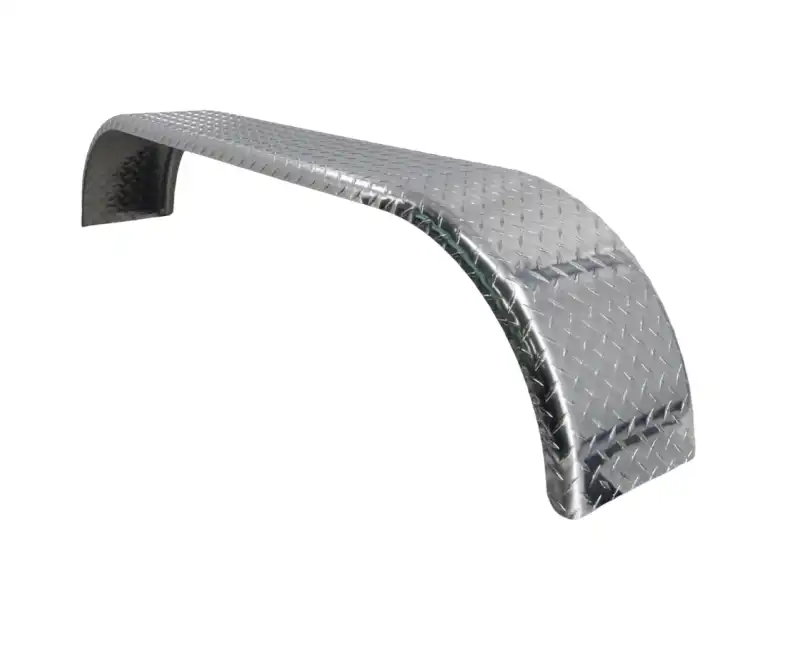
Material and Design Considerations in Fender Replacement
Material selection directly impacts connection method compatibility, environmental performance, and lifetime costs. Knowing how the properties of the substrate affect the installation methods allows for exact design that combines the need for efficiency with the available budget.
Steel Fender Properties and Applications
Due to its good melting properties and high structural strength, steel is still the most common material for weld-on uses. Carbon steel types like 1018 or A36 can withstand impacts and be shaped easily. They can be cold bended and welded without breaking. Specialized steel trailer fenders have thick walls that make them more stiff. This keeps them from bending under load, which could wear out weld joints. Surface treatments like galvanization, powder coating, or e-coating keep things from rusting in hard places like marine ports or places where they are exposed to winter road salt.
When procurement teams look at steel options, they should check the gauge thickness. 14-gauge material (about 1.9 mm) is more resistant to deflection than 16-gauge options (1.5 mm), which is especially important in situations where fenders serve as both step surfaces and load barriers. RUIRUI's steel trailer fender parts go through a lot of quality control steps, such as symmetry checks on surface plates to look for warping, radius template checking to make sure tires have enough room, and salt spray tests to see how they would hold up against long-term exposure to the elements.
Aluminum and Composite Alternatives
Aluminum trailer fender construction is about 40–50% lighter than steel ones, which means they use less gas and can carry more cargo on routes that care about weight. The material naturally creates a protective oxide layer that stops corrosion without any extra covering. This means that it needs less upkeep in wet or marine areas. But aluminum's lower melting point and different thermal expansion coefficient make welding more difficult and need special filler metals and methods.
Because of these things, aluminum is usually a better choice for bolt-on designs where mechanical connections can handle temperature movement without putting too much stress on one area. Composite materials, like strengthened plastics, are lighter and better at resisting chemicals. However, because they aren't very strong when it comes to fitting, they are usually only useful for lighter-duty tasks or bolt-on designs.
Dimensional Specifications and Customization
To make sure the trailer fenders cover enough during operation, the size must take into account the tire width, the distance between the axles, and the suspension movement. Width measurements (usually 145mm to 200mm for normal applications) show how much protection there is on the sides, while length measurements around the radius (1050mm is a popular configuration) show how much protection there is in front and behind. Radius requirements are directly related to tire size.
For example, a 340mm radius works for smaller utility trucks, while curves that fit larger equipment haulers need to be proportionally bigger. When you need non-standard solutions, like tandem axle setups, wide-load trailers, or unique equipment that doesn't have off-the-shelf parts that fit right, customization becomes very important. Manufacturers with flexible production factors can change the sizes, designs of mounting holes, and grades of materials to match specific engineering plans. This helps with both making prototypes and mass production runs.
Procurement Insights: Choosing Between Bolt-on and Weld-on Fender Solutions
Strategic sourcing choices involve more than just the initial purchase price. They also include things like installation costs, upkeep schedules, and downtime that affects operations. A thorough review framework helps buying professionals figure out how much the whole thing will cost and make sure that the parts they choose meet performance standards.
Cost Analysis and Value Proposition
Bolt-on trailer fenders usually cost 15–30% more per unit than similar weld-on models. This is because they require more steps in the manufacturing process to make the fitting flange and add the hardware. When you look at installation labor rates, though, this extra cost is often worth it. For example, a $75 part that needs 45 minutes of repair time at $80 per hour costs $135 to install, while a $50 weld-on unit that needs 3 hours of licensed welder time at $95 per hour costs $335 to install. The amount of maintenance is another factor.
Fasteners in bolt-on systems may need to be inspected and replaced on a regular basis, but parts in weld-on installs don't need to be maintained until they reach the end of their useful life. For businesses that can do their own welding and keep assets for a long time, the weld-on method is the best because it lasts longer and costs less in the long run. On the other hand, bolt-on economics help fleets that value freedom or don't have the means to make their own parts.
Supplier Evaluation and Quality Standards
Reputable makers have strict quality control procedures that include checking the raw materials, making sure the measurements are correct, and trying the performance. Important parts of the inspection process include hardness testing (Rockwell B scale for steel fenders) to make sure the shapeability meets the needs of the stamping die, surface examination to find pits or mill scale that needs to be fixed before finishing, and load deflection testing to measure how stiff the structure is under simulated road loads.
Certification to ISO 9001 standards for quality management, ISO 14001 standards for environmental compliance, and workplace safety frameworks (OHSAS 18001) shows that the company has a mindset of systematic process control and ongoing improvement. Material documents should be required by procurement requirements. These should include details about the steel type, the results of mechanical property tests, and measures of coating thickness for systems that protect against corrosion. Vendors who give engineering support can help with fitting confirmation by giving CAD models for virtual mock-ups and expert advice on the best ways to put things.
Bulk Ordering and Supply Chain Considerations
Talking about buying in bulk can help you get better prices and make sure you can keep getting the parts you need. Container-level orders from overseas makers lower the cost of shipping each unit, but they need careful inventory management to balance the risk of running out of stock with the cost of investing in new equipment. When doing a lead time study, you need to think about when things need to be made, how long it takes to ship things internationally (usually 4 to 6 weeks for ocean freight from Asian sources), and how long it takes to clear customs.
While domestic providers might charge more per unit, they offer shorter replenishment rounds and easier operations. Setting up outline deals with terms that have already been agreed upon makes it easier to make repeated purchases of a trailer fender while still allowing for changes in specifications as the fleet changes. Strategic buyers often check out more than one source to lower the risk of a supply breakdown and take advantage of the way competition works to get better business terms.
Best Practices and Tips for Quick and Effective Trailer Fender Replacement
To have a successful deployment, you need to pay attention to planning, performance, and validation after the installation. Following structured processes cuts down on mistakes and speeds up the completion of a job.
Pre-Installation Measurement and Preparation
Accurately checking the sizes of things keeps expensive fitting problems from being found during installation. Technicians should measure where the trailer fenders are currently mounted and write down the center-to-center lengths between the holes, the edge margins to the frame members, and the tire gaps when the tires are fully compressed. When these measures are compared to the standards for a replacement part, differences are found that need to be fixed before work can begin.
Wire-brushing mounting areas to get rid of rust, adding phosphate conversion coatings to make paint stick better, and masking nearby surfaces to keep them safe from welding spatter or primer overspray are all parts of surface preparation. Preparation includes getting all the necessary parts, making sure that fastener threads are compatible, and making sure that tools are available. This stops delays in the middle of a job that extend downtime.
Common Installation Errors and Avoidance Strategies
Misalignment is the most common fitting mistake that leads to uneven tire clearance or an uneven look. Before final welding or fixing, components are placed correctly using alignment tools or temporary clamps. Cracks appear in mounting flanges when bolts are over-torqued, especially on thinner-gauge materials. This damage can be avoided by following the manufacturer's torque recommendations. Not enough weld penetration makes parts weak and prone to stress failure.
To make sure the parameters are set correctly, test welds on scrap material must be done before committing to the final assembly. If you don't prime bare steel right after welding, flash rust can form, which makes it harder for coatings to stick and speeds up long-term rusting. Consistent joint quality is ensured by keeping the weld zones clean by ensuring proper shielding gas flow and clean storage of filler material.
Maintenance Protocols for Extended Service Life
Routine inspection plans find problems as they start to appear before they become major problems or safety risks. Visual checks done once a month find any problems, like loose bolts, cracked welds, or covering wear that needs fixing. For bolt-on systems, checking the torque every 90 days makes up for weakening caused by shaking. Cleaning off mud, salt, and other buildup on fender surfaces and mounting areas stops rust from starting. Fixing paint chips or scratches within 30 days of finding them helps keep the protection layer in good shape. Writing down what was found during a check makes a maintenance history that can be used to plan future replacements and back up warranty claims when problems show up early.
Conclusion
When deciding between bolt-on and weld-on trailer fender systems, you need to carefully think about your operational responsibilities, your repair infrastructure, and your lifecycle cost goals. Bolt-on configurations allow for quick installation and flexibility, which is good for fleet settings that change often. On the other hand, weld-on designs offer structural stability and durability for specific uses.
Material factors, especially steel's superior weldability and strength compared to aluminum's lighter weight, make the choice matrix even more precise. Comprehensive quality standards, source qualifications, and buying strategies make sure that the parts chosen meet performance requirements while lowering the total cost of ownership. Best practices should be used during measurement, installation, and care to get the most out of an asset's value and dependability.
FAQ
What determines whether bolt-on or weld-on fenders suit my fleet better?
Carefully look at your upkeep skills and how you run your business. Weld-on longevity and lower lifecycle costs are good for fleets that have qualified welders on staff and long-term asset retention plans. Bolt-on systems are flexible and don't require as much skill, so they should be chosen by operations that need quick fixes, frequent reconfigurations, or don't have manufacturing equipment.
Can I switch from weld-on to bolt-on fenders during replacement?
When transitioning, current frame mounting places need to be looked at. Welded fenders that are built into structural sections might need frame modifications to make bolt-on connection points, which will make things more complicated and cost more. Before committing to this method, it is important to look at engineering plans and do a physical check to make sure it is possible.
What quality certifications should I require from fender suppliers?
It is important to have both ISO 9001 certification, which shows that quality management is systematic, and material test results, which show that the steel grade composition and mechanical traits are correct. Ask for proof of the results of the dimensional inspection, surface finish quality checks, and rust resistance tests that meet the needs of your working environment.
Partner with RUIRUI for Reliable Steel Trailer Fender Solutions
To solve your trailer fender replacement challenges, you need a manufacturing partner with both proven construction skills and strict quality assurance processes. RUIRUI makes high-quality steel trailer covers that are meant to weld on perfectly. They have thick walls (145 mm width, 1050 mm length, 340 mm radius) that make sure they bond securely and last a long time. Our ISO-certified factories use cutting-edge testing methods like symmetry verification, radius template checks, and salt spray rust analysis to make sure that all of our parts meet strict international standards.
Our engineering team gives you full technical help throughout the whole procurement process, whether you need standard configurations or specs that are made to fit your special equipment. Email our experts at kshdhardware@qdkshd.com to talk about bulk price, OEM customization choices, and shipping schedules that work with the time frame of your project. Find out why infrastructure builders and global distributors choose RUIRUI as their top provider of steel trailer fenders for tough jobs.
References
1. Johnson, M. & Roberts, T. (2021). Heavy-Duty Trailer Component Selection: Engineering and Procurement Guide. Industrial Press.
2. Anderson, P. (2020). "Comparative Analysis of Mechanical Fastening versus Welded Joints in Transportation Equipment," Journal of Manufacturing Technology, 45(3), 112-128.
3. Williams, S. (2022). Material Selection for Commercial Vehicle Applications: Steel, Aluminum and Composites. SAE International.
4. Chen, L. & Kumar, R. (2023). "Quality Control Methodologies in Metal Stamping and Fabrication Industries," International Journal of Production Research, 61(8), 2456-2471.
5. National Highway Traffic Safety Administration (2022). Federal Motor Vehicle Safety Standards: Trailer Requirements and Component Specifications. U.S. Department of Transportation.
6. Davis, K. (2021). "Total Cost of Ownership Analysis for Fleet Maintenance Strategies," Transportation Research Record, 2675(9), 334-347.

Send Inquiry
You may like