
Bulk Buying Trailer Parts: Balancing Cost and Quality Safety
When buying teams are in charge of truck operations or large-scale transportation projects, they have to find a lot of trailer parts without lowering safety standards. When deciding to buy axles, couplers, suspension units, and brake systems in bulk, there are a lot of complicated trade-offs between saving money up front and making sure the parts will work well in the long run.
Poor quality parts may look good on paper, but they often cause expensive problems, safety issues, and violations of the law. For strategic bulk buying, you need to look at things like material specs, supplier certifications, Total Cost of Ownership calculations, and how well different trailer designs work together. Finding the best mix is important for distributors, building contractors, and original equipment makers (OEMs) all over North America because it keeps operations running smoothly without putting worker safety or legal compliance at risk.
Understanding Trailer Parts and Their Role in Safety and Quality
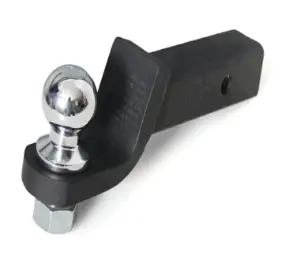
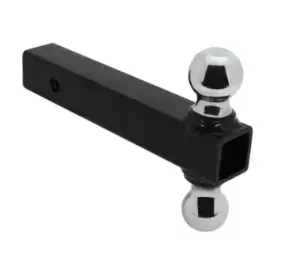
Learn about the parts of a trailer and how they affect quality and safety. Each part that is linked to a trailer's frame has a specific job to do that has an immediate effect on the trailer's roadworthiness. Axles move weight from the trailer frame to the wheels, but they are always under stress from movements from the road and changes in the load. No matter if they are hydraulic, electric, or surge-actuated, brake assemblies must react right away to stop jackknifing or rear-end accidents. Couplers and hitches are the most important parts of the link between a tow vehicle and a trailer. If they break, the trailer and tow vehicle could come apart at high speeds on the highway.
The makeup of a material has a big effect on how well it works. Carbon steel parts from companies like RUIRUI have great tensile strength for heavy-duty uses. This is especially true after being treated with spray coats that protect against sun damage, last a long time, and don't rust. These treatments make things last longer in places where they are exposed to salt on the roads, water, and changes in temperature. Aluminum options are lighter, which saves fuel, but they need to be anodized to match the rust resistance of steel that has been treated.
Identifying Quality Indicators in Metal Components
You can't just look at a suspension spring or wheel and tell if it meets load rates. Reliable providers give Material Test Reports that use X-ray fluorescence research to confirm the alloy's composition. Parts that are meant to be used in businesses should have stamps that say they meet SAE J684 standards for weight capacity. Welds on structural parts need nondestructive testing, like Magnetic Particle Inspection, to find cracks below the surface that can't be seen with the human eye.
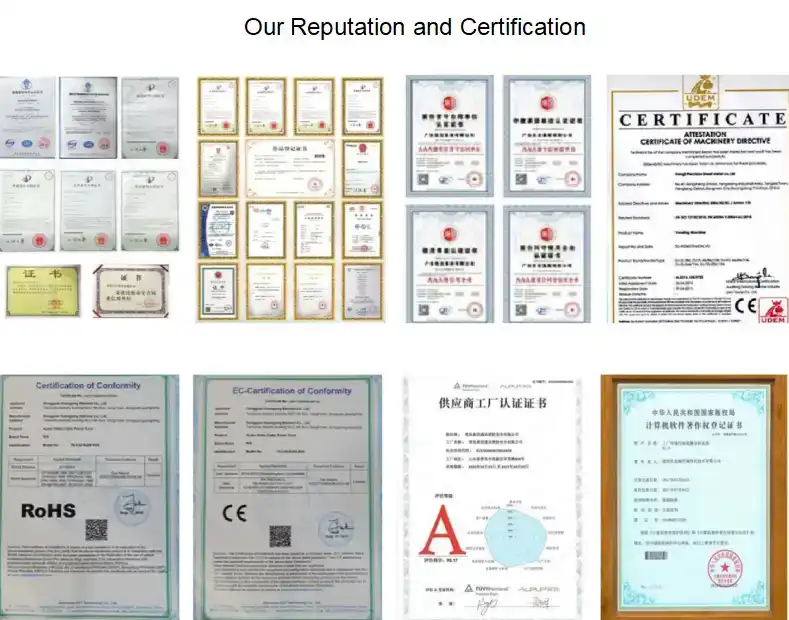
The documentation is just as important as the product itself. ISO 9001 certification shows that a company uses consistent quality control methods, and ISO 14001 certification shows that they have environmental management systems that keep things clean while they are being made. RUIRUI has been certified in a number of management standards. These certifications show that the company has a structured approach to quality assurance, worker safety, and environmentally friendly manufacturing methods that has been developed over 15 years of production experience.
The Cost of Neglecting Maintenance Protocols
Schedules for preventive maintenance have a direct effect on how long brake drums, bearings, and hydraulic lines last. Inspections that are done regularly find wear patterns before parts break. If a bearing race has pits in it, it needs to be replaced right away to keep the wheels from coming apart. When brake pads are worn past the minimum width requirements, they shorten the distance you can stop, which can put you at risk of being sued. Setting up written inspection intervals based on miles or hours of operation turns fixes that are needed on the spot into predictable maintenance funds and cuts down on calls to the emergency services on the side of the road.
Bulk Buying Trailer Parts – Key Considerations for Cost and Quality
When buying a lot of trailer parts, it's important to think about both cost and quality. When you buy in bulk, you get economies of scale that lower the cost per unit. But these saves are quickly lost if defective parts lead to guarantee claims, production delays, or accident investigations. Besides prices, procurement managers have to look at other factors when deciding which providers to work with. Knowing about these things can help you tell the difference between real value and fake economy.
Evaluating Supplier Capabilities and Certifications
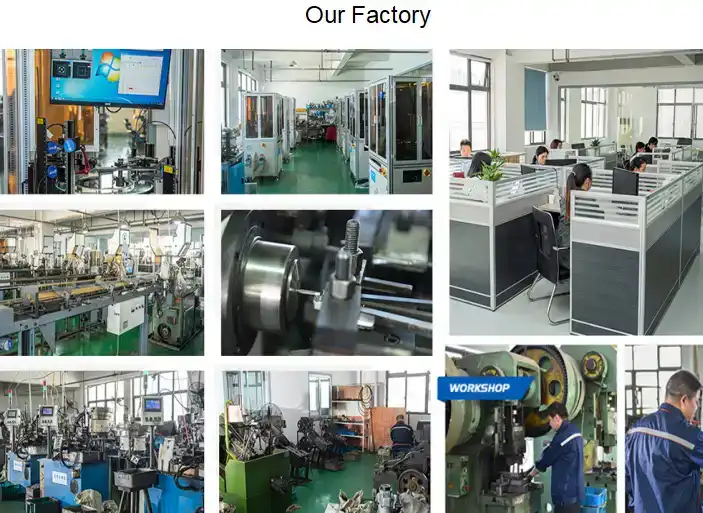
If a supplier can meet tight deadlines for big orders, their manufacturing ability tells you that. RUIRUI has eight production lines that make more than 130,000 pieces a year. These lines are backed by automatic robotic systems and thermoplastic coating processes, along with high‑quality trailer parts that streamline assembly and reduce post‑processing work. This system makes sure that lead times stay the same, even when demand is high. Suppliers who don't have enough capacity may offer delivery dates they can't keep, which can throw off project plans and force buyers to pay more for alternatives.
Portfolios of certifications show how mature a business is. Facilities that have ISO 20000 certification for IT service management show that they have digital systems that work together to track orders and keep records of quality. OHSAS 18001 certification means that there are organized methods to safety at work that lower the chance of accidents stopping work. These qualifications are especially important when making multi-year supply deals, where dependability and consistency are more important than one-time price benefits.
Customization Options and Engineering Support
Catalog parts that are already made work well for many uses, but custom projects often need changes. To fit different chassis designs, OEM makers might need mounting mounts with holes that aren't drilled in the usual way or axles with special offset shapes. Suppliers who can do CNC machining, laser cutting, and welding can change designs so that buyers don't have to work with different suppliers. The technical team at RUIRUI works together on product development, from reviewing the first CAD files to making sure the prototype works. This cuts down on engineering changes and speeds up the time it takes to get the product to market.
Buyers can get the best standards for different settings when they can choose from a variety of materials. Marine uses need screws made of stainless steel that won't rust in sea, while farm trucks need galvanized coatings for storage outside. When suppliers keep a variety of metals in stock, such as mild steel, aluminum, copper, and brass, sourcing teams can choose the right materials without having to worry about minimum order requirements that make them buy too much.
Strategies for Balancing Cost and Quality in Bulk Purchases
To find real value, good buying strategies combine expert review with financial analysis. Short-term saves that come at the cost of safety or longevity will raise the Total Cost of Ownership in the long run through early replacements, higher shipping costs, and lost productivity.
Conducting Total Cost of Ownership Analysis
Invoice prices aren't the only things that go into TCO calculations; installation work, expected service life, and upkeep needs are also taken into account. A brake part that costs 20% less than similar ones might need to be replaced twice as often, which cancels out the initial savings. When maintenance hours for changeouts, disposal fees, and missed work time during fixes are taken into account, it's often clear that premium parts give better financial returns.
Terms of the warranty have a direct effect on TCO estimates. Suppliers who offer extended coverage show that they are confident in the reliability of their products by covering the costs of replacement if they break down too soon. Reviewing the steps for filing a guarantee claim makes sure that the policy actually helps and doesn't just create unnecessary paperwork to stop people from filing claims.
Leveraging Volume Discounts Without Compromising Standards
To negotiate tiered pricing based on order amounts, you have to find a balance between discount levels and your ability to store items and your available capital. When you buy twelve months' worth of inventory, you get the best price cuts, but you also tie up warehouse room and operating capital and run the risk of running out of products if specs change. Orders every three months with agreed-upon prices give you options while still getting big discounts.
Manufacturers' seasonal sales can help budgets if they happen at the right time with buying processes. Coordinating big purchases during slow times in production, when sellers offer benefits to keep workers busy, can save you about 15 to 25 percent compared to prices during the busiest times of the year. By getting to know account managers at companies like RUIRUI, you can find out about future sales and production dates that help you plan when to buy things.
Implementing Rigorous Quality Verification Processes
Protocols for receiving inspections keep low-quality parts from getting into stock. Verification of dimensions with calipers and micrometers shows that important tolerances are within the limits of what is allowed. Sample testing from each production lot finds flaws in the batch before the parts are installed.
This is especially important for things like brake pads or hydraulic fittings, and the same rigorous approach applies to critical trailer parts such as axles, suspension components, and couplers, where even minor deviations can affect road safety. Setting clear criteria for acceptance and processes for rejection makes people responsible and records quality measures for supplier performance reviews.
When the procurement, engineering, and safety teams work together, the specifications are more likely to reflect practical needs than just price goals. Engineers give detailed advice on load rates and the properties of materials, safety managers stress the need to follow rules, and buying teams arrange terms of sale that meet all the needs. With this cross-functional method, buying choices that are made separately don't have unintended effects on other parts of the business.
Practical Guide: How to Procure Bulk Trailer Parts Efficiently
Structured purchase processes cut down on mistakes, speed up decisions, and make things clear for everyone involved. Digital tools make these processes better by automating boring chores and showing the state of orders and supplies in real time.
Demand Forecasting and Order Quantity Determination
Stock-outs and overstocks can be avoided by making accurate predictions about how much will be used. Maintenance management systems that keep track of past uses show seasonal trends and the rate at which different types of trailer parts break down. Plans to grow the fleet and the expected awards of new projects affect the additional demand that changes the basic estimates. Building up a backup stock—usually 10 to 15 percent more than what is expected to be needed—allows for unexpected problems to happen without having to make expensive emergency purchases.
Order sizes can only be as big as the storage space allows. Axle units and brake drums take up a lot of space in the building, but smaller fasteners and electrical plugs are easier to stack. Working together with logistics teams makes sure that large packages don't exceed the number of racks that can hold them and that the material handling equipment can safely move and place heavy parts.
Supplier Sourcing and Evaluation Criteria
There's more to finding suitable providers than just searching online. You can look at production sites and meet technical representatives at trade shows and industry groups. References from current customers show a company's past of success when it comes to on-time delivery, consistent quality, and quick response to problems. International companies like RUIRUI, which is based in Qingdao and sells to more than 80 countries, make sure that their transportation partners and export experience are up to date. This keeps customs delays and freight problems to a minimum.
Lead time promises need to take into account when things are made and how they are shipped. Shipping goods by ocean from China to places in North America usually takes 3–4 weeks, plus time for customs clearance. This adds up to 6–8 weeks from the time the order is placed until it arrives. Suppliers with regional delivery hubs can cut down on the time it takes to restock, but this usually comes at a higher cost. How these trade-offs are judged depends on how much it costs to keep goods on hand versus how much it costs to speed freight when stock runs out.
Leveraging Digital Procurement Platforms
Requisitioning, approval procedures, and making buy orders are all streamlined in cloud-based procurement tools. Automated restock prompts keep an eye on the amount of stock and send out purchase orders when certain levels are reached. Integration with seller systems lets you track orders in real time and get alerts about changes to production or shipping.
Digital catalogs with adjustable search help buyers quickly find parts that work with a lot of different products. By filtering by sizes, types of materials, weight limits, and style choices, you can narrow down your choices without having to manually look things up on different specification sheets. If you want to make changes to a product, you can send CAD files directly through supplier sites like those on sheetmetalprocessingplant.com. This starts the engineering review and quote process without having to go through email chains, which can take a while.
Ensuring Safety Compliance and Performance with Bulk Trailer Parts
Following the rules keeps businesses from being sued and makes sure that trailer parts work as they should when they are under a lot of stress. Documentation and training make compliance methods that are organized and can stand up to audits and inspections.
Verifying DOT and ISO Standards Compliance
Regulations from the Department of Transportation set specific performance standards for parts of vehicles that affect safety. Standards for stopping distance must be met by brake units, photometric output must be within certain ranges for lighting systems, and load certifications for structure parts must match Gross Vehicle Weight Ratings. Suppliers should show documents of approval that show testing for compliance was done by recognized labs.
ISO standards set standards for the quality of materials and production that are known all over the world. If a supplier has ISO 9001 certification, it means that they have documented quality management systems that include regular internal checks and methods for ongoing growth. When buying teams buy from companies like RUIRUI that have multiple ISO certifications, they know that quality controls cover areas like information security, worker health, and environmental management.
Training Personnel on Handling and Storage Protocols
Damage that affects the purity of components before installation can be avoided with proper storage. If you keep hydraulic cylinders on their sides, the seals may deform, and brake pads need to be kept away from water that can cause internal rust. Product quality is maintained throughout the supply chain by teaching handling staff about requirements that are specific to each material. For example, temperature controls for rubber parts and humidity limits for electronics.
How a part is installed has a direct effect on how well it works and how safe it is. Fasteners must be tightened to the exact torque specifications because vibrations can loosen them if they are under-tightened, and stress cracks or thread stripping can happen if they are over-tightened. Giving mechanics up-to-date technical bulletins and installation guides from suppliers makes sure that methods are in line with best practices and any changes to the design that have been made to younger runs of production.
Monitoring Wear and Scheduling Timely Replacements
Inspection checklists make it easy for all repair teams to do the same kind of state reports. Measurements of brake lining thickness, bearing play tests, and coupler wear pattern reviews give numbers that can be used to decide whether to replace something. Setting replacement standards, like replacing brake pads when they are 25% thicker than the original thickness or changing bearings when play exceeds 0.010 inches, makes maintenance schedule more objective and takes the guesswork out of it.
When quality problems show up, emergency reaction procedures for post-delivery defects keep operations safe. Disruption is kept to a minimum by having clear ways to get in touch with seller quality teams, separate suspect parts, and get warranty replacements. Keeping records of events with photos and failure analysis reports strengthens warranty claims and gives makers feedback that helps them make better products.
Conclusion
When buying parts in bulk, it's important to find a mix between short-term cost concerns and long-term efficiency and safety needs. Specifications for materials, approvals for suppliers, the ability to customize, and a Total Cost of Ownership study help people make choices that protect budgets and operating integrity. Structured routines that use digital procurement tools, cross-functional teamwork, and demand forecasts make the buying process faster while still keeping quality standards.
Compliance checks, training for employees, and preventative maintenance all help trailer parts last longer and keep accidents from happening. Companies that build strategic partnerships with certified makers that can provide consistent quality, engineering support, and dependable services set themselves up for long-term business success in competitive markets.
FAQ
What are the benefits of buying in bulk for truck operations?
Ordering in bulk creates product buffers that keep shelves from running out during busy repair times. Keeping enough extra parts on hand cuts down on downtime when unexpected problems happen. This is especially helpful for fleets that are working to tight delivery plans where delays can lead to fines. Consolidated buying also makes managing vendors easier by cutting down on the number of relationships that need to be managed on a regular basis.
How can buyers be sure that extra parts are of good quality?
Asking for Material Test Reports that prove the makeup of the alloy through lab testing gives you clear quality data. Checking for approval marks from well-known testing groups like SAE proves that the product meets industry standards. Looking at a supplier's quality management certifications, like ISO 9001, shows that they have structured rules in place to make sure that all production runs are the same.
Which item is more useful in a variety of situations?
Carbon steel is very strong for heavy-duty uses and doesn't cost a lot, especially when it's spray-coated to guard against rust. Aluminum is heavier than other materials, so it uses more fuel when traveling long distances, but it costs more. Stainless steel works well in marine settings where saltwater contact needs strong corrosion protection. Material selection is best based on the load ability, environmental conditions, and budget limitations of the particular application.
Partner with RUIRUI for Your Trailer Component Supply Needs
When you choose a trustworthy maker and seller, buying in bulk goes from being a transactional necessity to a strategic benefit. RUIRUI has been skilled in manufacturing for 15 years and can do a wide range of metal production tasks, such as CNC machining, laser cutting, progressive stamping, and advanced surface treatments. Our carbon steel parts have a spray coating that protects them from the sun, makes them last longer, and stops corrosion. This makes them perfect for harsh conditions in the transportation, building, and construction industries.
From reviewing the initial specifications to making sure the trailer parts work properly in production, our engineering team is there to help you with any technical questions. They make sure the parts meet all of your exact size and performance needs. Our ISO 9001, ISO 14001, and OHSAS 18001 certifications show that we care about quality control, being good to the environment, and keeping workers safe. We have the capacity and dependability that large-scale projects need. Our eight automatic production lines make 130,000 units a year, and our transportation partnerships serve over 80 countries.
Email our buying gurus at kshdhardware@qdkshd.com to talk about your specific needs and look into ways to make your fleet more unique. You can look through our full list of products and ask for detailed technical specs by going to sheetmetalprocessingplant.com. Let us help you find the best mix between lower costs and safe operations by working with you as a strategic partner and delivering top-notch products.
References
1. Anderson, M. (2021). Quality Assurance in Heavy Equipment Manufacturing: Standards and Best Practices. Industrial Press.
2. Chen, L., & Rodriguez, P. (2022). Total Cost of Ownership Analysis for Fleet Procurement Managers. Transportation Research Publications.
3. Department of Transportation. (2020). Federal Motor Vehicle Safety Standards: Trailer Component Requirements. Government Printing Office.
4. Harrison, T. (2023). Strategic Sourcing in Global Supply Chains: Managing Quality and Cost Trade-offs. Business Expert Press.
5. International Organization for Standardization. (2019). ISO 9001:2015 Quality Management Systems: Guidelines for Manufacturing Sectors. ISO Publications.
6. Williams, K., & Zhang, H. (2022). Materials Engineering for Transportation Components: Selection and Performance Optimization. Engineering Materials Publishing.

Send Inquiry
You may like