
Bulk Trailer Hardware for Semi Trailer Repair and Assembly
Maintenance managers have to make a tough choice when they need to buy trailer hardware for their fleets: which parts are the most durable, compatible, and cost-effective? When buying a lot of semi trailer bolts, latches, hinges, and other metal parts, it's important to think about the quality of the materials, the supplier's skills, and the standards for long-term performance. Whether you're in charge of a regional transportation company or a large-scale infrastructure project, knowing the technical specs and buying strategies for these important parts has a direct effect on how well the project runs and how safe it is. Working with industrial buyers all over North America has taught us that buying high-quality trailer parts in large quantities can cut down on repair times by 30 to 40 percent while also lowering the cost per unit through volume deals.
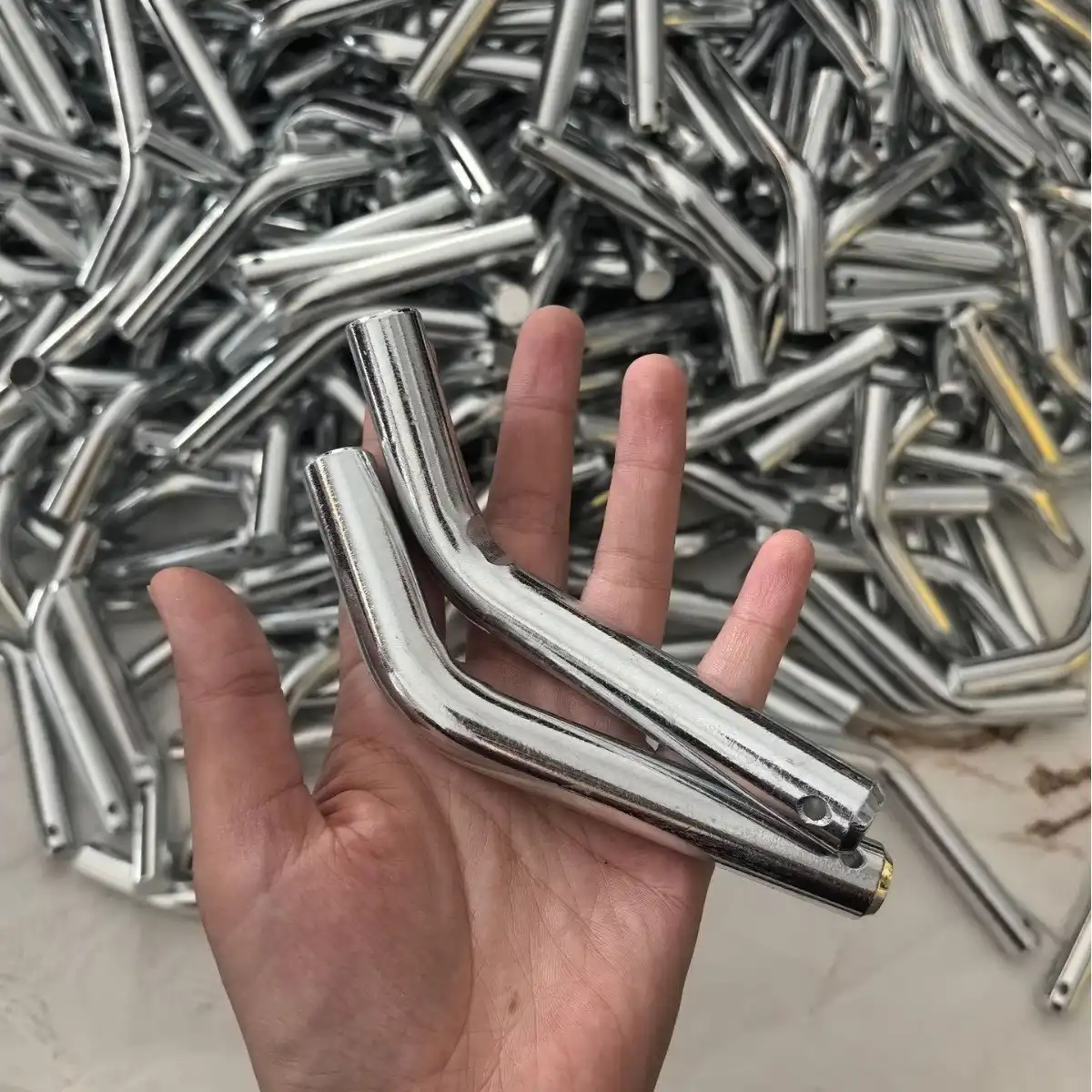
Understanding Trailer Hardware and Its Role in Semi Trailer Maintenance
The technical backbone of every semi trailer is its trailer hardware, which includes important parts that keep the structure strong and the trailer working properly. These parts are not at all like artistic ornaments; they are designed locking systems, hinge assemblies, and securing devices that have to work with constant vibration, high temperatures, and heavy loads.
Core Components and Their Functions
A standard semi trailer depends on a lot of different types of hardware. Doors can move with the help of hinges, which can hold more than 200 pounds per panel. Latching systems keep cargo doors closed by using multiple locking points that stop them from opening by mistake while the vehicle is in motion. Bolts, clips, and special pins are used as fasteners to connect frame pieces, floor systems, and chassis parts. Weatherproof walls are kept up around door edges and panel joints by sealing hardware. This keeps cargo safe from the elements.
Material Specifications and Compatibility Standards
The choice of material directly affects how long a part lasts and how often it needs to be serviced. Zinc coats that meet ASTM A153 standards give galvanized steel 5-8 years of outdoor toughness and make it resistant to corrosion in dry climates. Grades 304 and 316 stainless steel work better in coastal or high-moisture settings because they can handle salt spray that breaks down other materials. Trailer hardware made of aluminum metal is lighter while still being strong. This is especially helpful for uses that need to save weight and have a high payload capacity. It is important to make sure that each material is compatible with the others. Mixing different metals without isolating them properly can cause galvanic rust, which weakens the joint within 18 to 24 months.
Recognizing Wear Patterns and Failure Indicators
Maintenance teams should keep an eye on certain signs of wear and tear. Surface pitting on zinc parts means that the layer is wearing off and needs to be replaced before the base metal is exposed. When hinge pins wear out, the door sags or sticks more. This usually happens after 80,000 to 100,000 door rotations. When spring tension drops or hitting plates get wear grooves, the latch doesn't always connect properly. Fasteners that come loose even though they are torqued properly usually mean that the threads are damaged or the closing systems aren't working right. Taking care of these signs during regular checks keeps fleets from having breakdowns on the side of the road, which cost them between $450 and $800 per incident in downtime and fixes.
How to Effectively Select Bulk Trailer Hardware for Semi Trailer Repair and Assembly
To strategically buy bulk trailer hardware, you need to make sure that the technical requirements match the needs of the business while also lowering costs by buying in bulk. Procurement managers have to weigh the need for quick repairs against long-term planning for inventory, making sure that the gear they choose meets both the needs of the current fleet and the needs of future growth.
Defining Application Requirements and Volume Calculations
Assessment starts with a look at the fleet. Use repair records to figure out how much you use each year. For example, a 50-unit fleet needs 200–300 hinge replacements, 150–200 latch parts, and 2,000–3,000 different types of fasteners each year. Sort uses by trailer type; for example, dry vans need different gear than flatbeds or refrigerated units. Environment plays a big role. Operations in the north need materials that can withstand temperatures as low as -40°F, while lines in the south benefit from coatings that can fight UV light. As a way to avoid extra costs and take advantage of bulk prices, volume commitments should match up with usage forecasts for the next six to twelve months.
Quality Metrics and Material Performance Analysis
To judge the quality of tools, including trailer hardware, you need to pay attention to specifics that can be measured. Tensile strength numbers show how much weight something can hold. For structural uses, quality bolts should meet or beat SAE Grade 5 standards, which require a minimum tensile strength of 120,000 PSI. Corrosion resistance tests using ASTM B117 salt spray methods shows that protective coatings are long-lasting. For example, premium galvanized goods can last for 500 hours or more without developing red rust. Load cycle testing shows that hinges last a long time; commercial-grade systems can handle 100,000 processes or more without breaking. The quality of the thread engagement affects how reliable a fastener is. Class 2A precision-cut threads ensure uniform pressure retention across temperature changes.
Comparing materials shows that they have different performance qualities. Hot-dipped galvanized steel is a cheap way to protect against corrosion that works well for normal dry freight uses and saves you 40 to 60 percent compared to stainless steel options. Grade 304 stainless steel is more durable in moderately corrosive settings than coated choices, making them last 200 to 300 percent longer. Marine-grade 316 stainless steel is more expensive, but it is worth it for activities near the coast or chemical transport where the climate speeds up material degradation.
Supplier Evaluation and Procurement Strategy
Supplier decision is more than just choosing a price per unit. Verification of manufacturing capacity ensures a steady supply—partners should show that they can produce more than your quarterly needs by 50–75% to account for changes in demand. Quality standards, like ISO 9001, show that there are structured process controls that make sure that the specifications stay the same from one production run to the next. Engineering support features let you make changes for non-standard uses, which is especially helpful when upgrading older trailer models or making design changes.
There are usually multiple discounts for bulk purchases. For example, if you buy 500 units, you can expect a 15-20% discount, if you buy 2,000 units, you can save 25-30%, and if you buy 5,000 units or more, you can discuss the price. The length of the warranty shows how confident the maker is in the product: warranties that cover everything for 24 to 36 months show that the quality is guaranteed, while shorter warranties show that there may be performance gaps. Lead time agreements affect inventory planning. For example, local suppliers usually deliver within two to four weeks, but foreign sellers need eight to twelve weeks of planning time plus extra time for customs clearance.
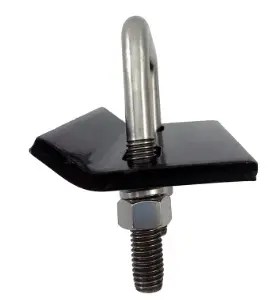
Step-by-Step Guide to Installing and Maintaining Trailer Hardware on Semi Trailers
Proper fitting and regular repair keep trailer hardware working longer and stop them from breaking down too soon, which can stop activities. Standardized processes help maintenance teams make sure that all of the assets in the company get the same results.
Installation Protocols and Tool Requirements
When installing hinges, they need to be perfectly lined up. Place mounting plates using pilot holes and make sure they are vertically aligned within a 1/16-inch range before drilling in the final bolt sites. Apply thread-locking compound to the threads of the bolts and torque the screws to the manufacturer's specs. For 3/8-inch mounting bolts, this is usually 35 to 45 foot-pounds. Check the door's full range of motion to make sure there is enough space and that it can move freely without getting stuck.
Maintenance Best Practices and Inspection Schedules
Regularly applying lubricant stops trailer hardware wear from speeding up. Apply lithium-based grease to the pivot points of hinges every three months and clean them off before applying the grease again. Latch systems need dry lubricants, like graphite powder or PTFE sprays, that won’t attract dust and make contact less reliable. During pre-trip checks, calibrated torque tools should be used to check that important structural links are properly tightened on the fasteners. Protecting against corrosion greatly increases the useful life of trailer hardware parts. Every six months, use a light detergent solution to clean the trailer hardware’s visible areas, getting rid of salt deposits and organic matter. When scratches show the base metal, touch up galvanized coats on trailer hardware with a zinc-rich filler. Passivation processes help stainless steel trailer hardware parts by putting back on protective metal layers that were worn away by wear and tear.
Troubleshooting Common Installation Issues
Misaligned doors are usually caused by frame distortion or bad hinge placement. Check the vertical frame measurements. Differences bigger than 1/2-inch show structural problems that need to be fixed before the hardware can be adjusted. Striker plate setting is often to blame for latch contact issues; the adjustment range should allow for 1/4-inch door movement without compromising security. Fastener loosening even though the force is right means that the threads are not properly engaged. Check that the minimum diameter thread depth is 1.5 times and think about upgrading to locking fasteners for places where vibrations are likely to happen.
Comparing Bulk Trailer Hardware Solutions: Brands, Materials, and Kits
A study of the market shows that there are many trailer hardware seller choices, and each one has its own benefits that are best for different business needs. When buying teams know about these differences, they can make smart choices that balance performance standards with budget limits.
Leading Supplier Landscape
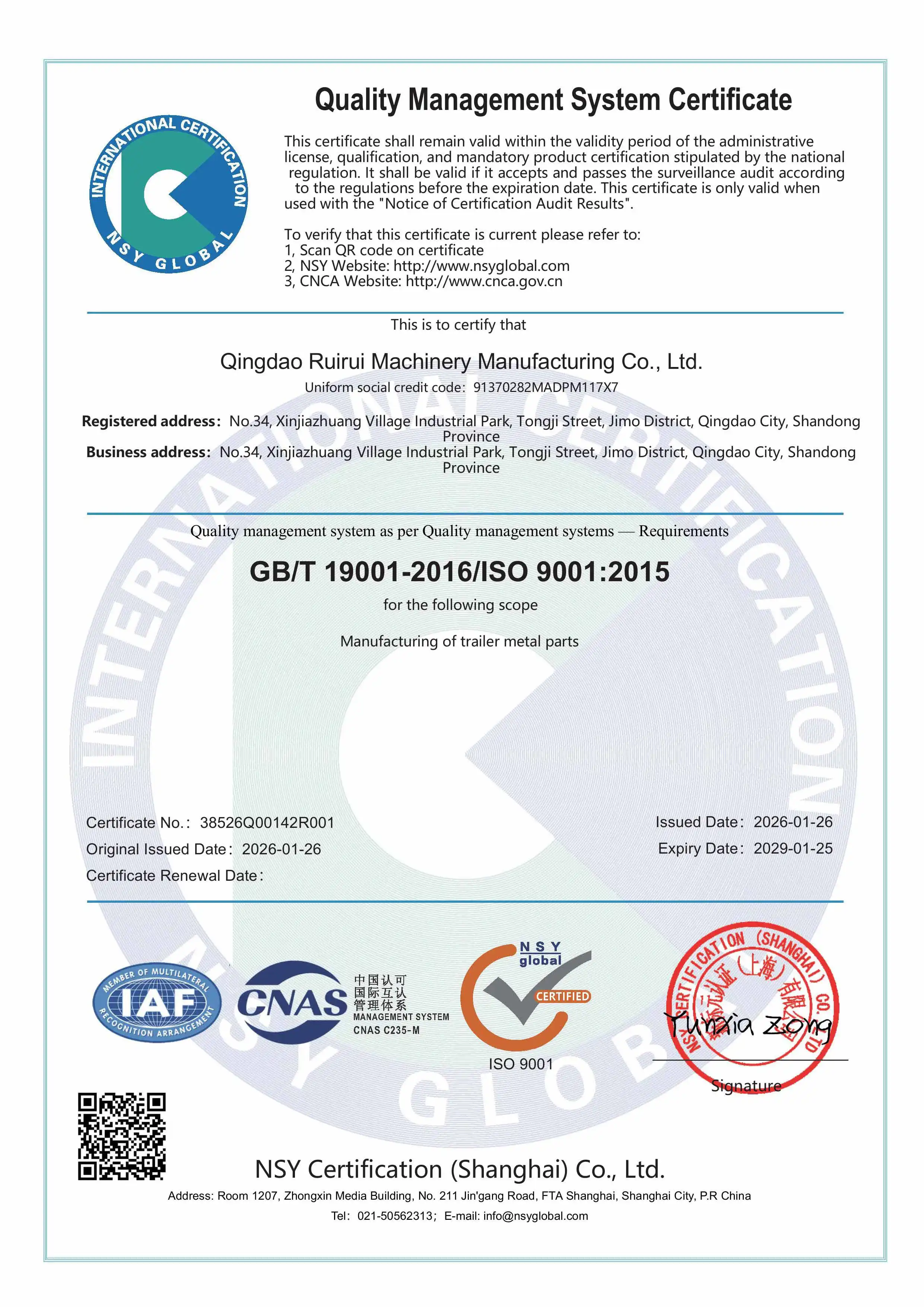
In North America, well-known names like etrailer and UFP (Ultra Fab Products) rule the market with wide ranges of products and large networks of dealers. These providers keep a lot of stock on hand, which lets them complete orders quickly, but the prices are usually high because the brands are seen as premium. Regional makers often offer affordable choices that offer quick customer service and a range of customization options. OEM partnerships with makers like RUIRUI offer direct-source benefits, such as not having to pay markups to distributors and being able to get technical help for changing specifications. Our factory has eight production lines that make trailer parts and special sheet metal assemblies. Together, they make 130,000 units a year using automated production methods and quality systems that are approved to ISO 9001 standards.
Material Selection Guidance
Galvanized steel hardware works well in everyday situations where a low level of corrosion protection is enough to meet operating needs. The thickness of the coating is important. Class 50 galvanization (0.50 oz/ft² zinc) is the basic level of protection, while Class 100 offers 2.5 times rust resistance for an extra 20–25% cost. For trailer hardware, aluminum alloy parts make the trailer lighter, which helps operations maximize payload capacity. However, the higher cost of the materials and lower impact strength limit their use to non-structural mounting jobs.
If you want an answer that will last, stainless steel is the best choice. Grade 304 is good for general-purpose uses because it has good mechanical qualities and protection to rust. Marine settings need Grade 316 with molybdenum added to make it resistant to chloride attack. This is important for activities near the coast or chemical shipping where exposure speeds up the breakdown of regular materials. Total ownership costs should be taken into account when analyzing costs. For example, stainless hardware that costs 200–300% more than galvanized options often lasts three to five times longer, which lowers the number of replacements needed and the work costs that come with them.
Bulk Hardware Kit Evaluation
Complete hardware kits make buying things and keeping track of supplies easier. Premium kits come with matched sets of parts, like hinges with mounting hardware, seals, and alignment spacers that go with them. Verifying compatibility makes sure that parts work with the requirements set by certain trailer makers. The amount of content should match the frequency of maintenance needs. For example, a 100-piece door hardware kit can take care of 8–10 full door panels, while fastener assortments with 500–1,000 pieces can support medium-sized teams' quarterly maintenance cycles. Kit packaging that splits parts by type and size speeds up installation by getting rid of the need to sort things out during repairs.
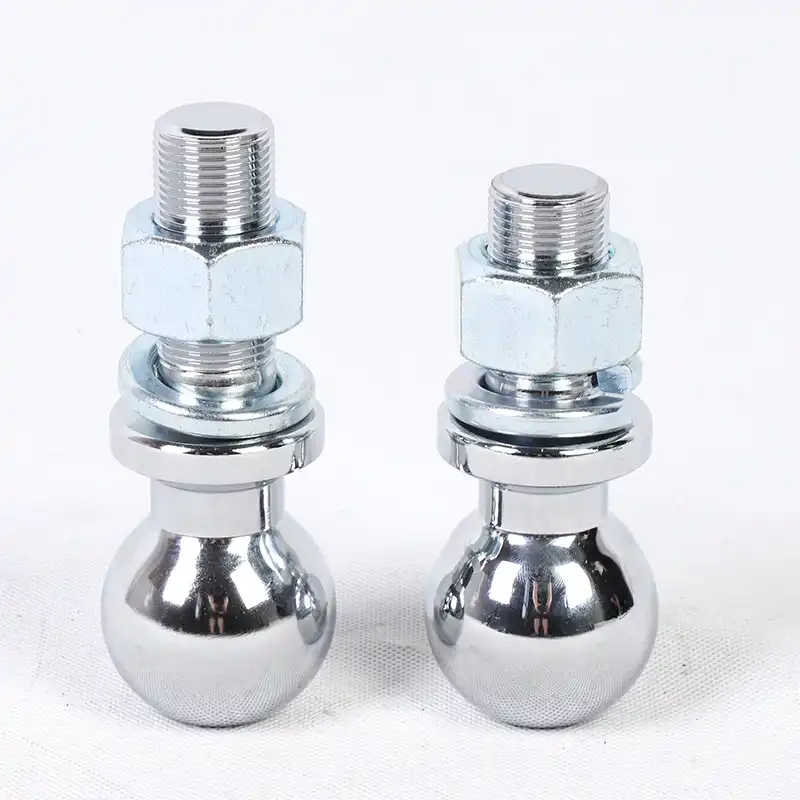
Procuring Bulk Trailer Hardware: Best Practices and Transaction Tips
To buy in bulk efficiently, you need to have smart relationships with your suppliers and handle your trailer hardware inventory in a way that balances lowering costs with keeping your business running. When compared to reactive purchasing methods, procurement managers who master these factors cut costs by 20 to 35 percent overall.
Source Identification and Supplier Verification
There are several types of wholesale outlets. Industrial wholesalers keep a wide range of products in stock and have well-established transportation networks that make things easy and affordable. By cutting out middlemen and their markups, direct relationships with manufacturers lower prices—you can save 15% to 25% when you buy from production sites. Online sites make it easy to compare prices and see what's available, but they may not offer as much technical help as dedicated account management.
Verification of the supplier's trustworthiness guards against low-quality goods. Ask for material certificates that list the alloy's composition and its mechanical qualities. Quality system certifications, like ISO 9001, show that a process is mature and that the result is reliable. Checking references with current clients shows real-life performance data, such as how reliable delivery is, how quickly technical help responds, and how consistent the product is over long-term supply relationships.
Negotiation Strategies and Contract Terms
When you commit to buying a lot, you can get better prices, including for trailer hardware. When compared to buying on the spot, annual purchase deals usually get discounts of 10 to 15 percent, and yearly sales goals cause extra rebates. Custom manufacturing adds value to more than just stock items. Differentiating features like custom sizes, coatings, or combined assembly services set capable providers apart. Lead time promises should include penalties for late orders to keep your business running smoothly even if supplies are interrupted.
Shipping costs have a big effect on the total landing costs. When buying from other countries, combine orders into container-load amounts. Shipping items in 20-foot containers cuts the cost of freight by 40–60% compared to shipping items in small loads. Domestic providers can restock more quickly, but each unit costs more. You should weigh these factors based on how much it costs to keep supplies and how predictable demand is. Payment terms are important. Net-30 or net-60 deals help you handle your cash flow better than the usual prepayment requirements that come with buying from abroad.
Inventory Management and Reorder Optimization
When you handle your stock well, you can avoid both shortages and overcommitting your cash. Set a basic amount of stock that will cover 60 to 90 days of usage, depending on the lead time and how demand changes. For things that are used a lot, set up two-bin systems. When the first bin runs out, reorder while drawing from backup stock. Track patterns of consumption every three months and change par levels seasonally if the need for repair changes with the level of activity.
With vendor-managed inventory programs, suppliers keep agreed-upon stock amounts at your site and are in charge of monitoring them. This method makes things more available while reducing the amount of work that needs to be done by administrators, but it usually needs minimum annual volume agreements. Digital procurement platforms make it easier to reorder by using automatic benchmark alerts and streamlined approval processes to cut the time it takes to make a purchase by 50 to 70%.
Conclusion
When you strategically buy bulk trailer hardware based on your technical knowledge and a thorough review of suppliers, you can see real practical and financial benefits. Choosing materials that are good for the environment, buying in bulk at times that work with how much people use, and following set care rules can all help parts last longer and cost less to own. When purchasing managers build relationships with suppliers that offer technical support, consistent quality systems, and quick logistics, their companies gain a long-term competitive edge through fleet reliability and lower upkeep costs.
FAQ
1. What distinguishes trailer hardware from accessories in procurement specifications?
Hinges, latches, fastening systems, and securing devices are all examples of structural and functional trailer hardware that directly affects operating safety and performance. Accessories are things that aren't necessary, like extra lights, artistic trim, or features that make life easier. Hardware needs technical specs, load rates, and material certifications, while items are more about looks or extra functions. Hardware quality should be a top priority in procurement funds because it has a direct effect on safety compliance and operating reliability.
2. How often should safety checks be done on large trailer hardware to keep up with standards?
How often you inspect relies on how busy your business is and how exposed you are to the surroundings. Fleets that drive more than 5,000 miles a month can benefit from thorough checks of all gear systems every three months. Operations with moderate use can stretch the time between reviews to every six months. Environmental factors speed up plans; for example, activities near the coast or winter road salt exposure need more care. Pay special attention to parts that are under a lot of stress, like door hinges, latch systems, and structure bolts. If these fail, they could put people in danger or stop work from happening.
3. Can different metal types be mixed during trailer hardware assembly without compromising performance?
When you mix metals that are not the same, you need to think carefully about the galvanic rusting possibility. When aluminum and steel come into direct touch with water, electrochemical processes happen that weaken the materials. Corrosion can be avoided by using non-conductive gaps, special coats, or dielectric walls to separate things properly. In most situations, stainless steel and coated steel can be joined together immediately. Consulting an engineer helps you compare different pairings based on exposure conditions and projected service life, making sure that they work well together and last a long time.
Partner with RUIRUI for Your Bulk Trailer Hardware Solutions
Qingdao RUIRUI Machinery Co., LTD makes custom sheet metal parts and precise trailer hardware using advanced techniques such as CNC machining, laser cutting, progressive stamping, and different finishing choices. Our ISO-certified quality systems and ability to produce 130,000 units per year make us a reliable provider of trailer hardware for infrastructure builders and industrial shippers who need consistent specs and the ability to make changes as needed. We offer lower prices because we deal directly with the plant, and we also offer technical help for OEM applications and bulk order delivery to markets in North America. You can email our team at kshdhardware@qdkshd.com to talk about your specific needs, get technical specs, or set up a sample review that shows how committed we are to providing long-lasting, low-cost solutions for your trailer repair and assembly programs.
References
1. Anderson, M. (2023). Heavy-Duty Trailer Maintenance: Engineering Standards and Best Practices. Transportation Industry Press.
2. Bennett, R., & Crawford, S. (2024). Corrosion Protection in Commercial Vehicle Hardware: Material Selection and Coating Technologies. Materials Engineering Quarterly, 47(2), 112-128.
3. Commercial Vehicle Safety Alliance. (2023). Inspection Criteria for Trailer Structural Components and Fastening Systems. CVSA Standards Manual, 8th Edition.
4. Hayes, D. (2024). Bulk Procurement Strategies for Fleet Maintenance Operations. Supply Chain Management Review, 18(3), 34-49.
5. National Institute for Automotive Service Excellence. (2023). Trailer Service and Repair: Technical Specifications and Component Standards. ASE Publication Series.
6. Thompson, L. (2024). Metallurgical Performance of Galvanized and Stainless Steel in Transportation Applications. Journal of Industrial Materials Science, 39(1), 67-84.

Send Inquiry
You may like