
Bulk Trailer Hardware Supplier for Commercial and Utility Trailers
Finding a trusted bulk trailer hardware provider is important if you need parts for business and utility trucks. If you don't, your fleet could have costly downtime. Trailer hardware includes many different parts, like pins, latches, hinges, bolts, brackets, and arms, that keep goods safe, allow movement, and keep the structure strong. These carefully made parts have to be able to handle heavy loads, harsh conditions, and constant use in a wide range of situations, from logistics teams to city utility vans. When you work with a maker that has both advanced manufacturing skills and strict quality standards, buying goes from being a transactional job to a strategic benefit.
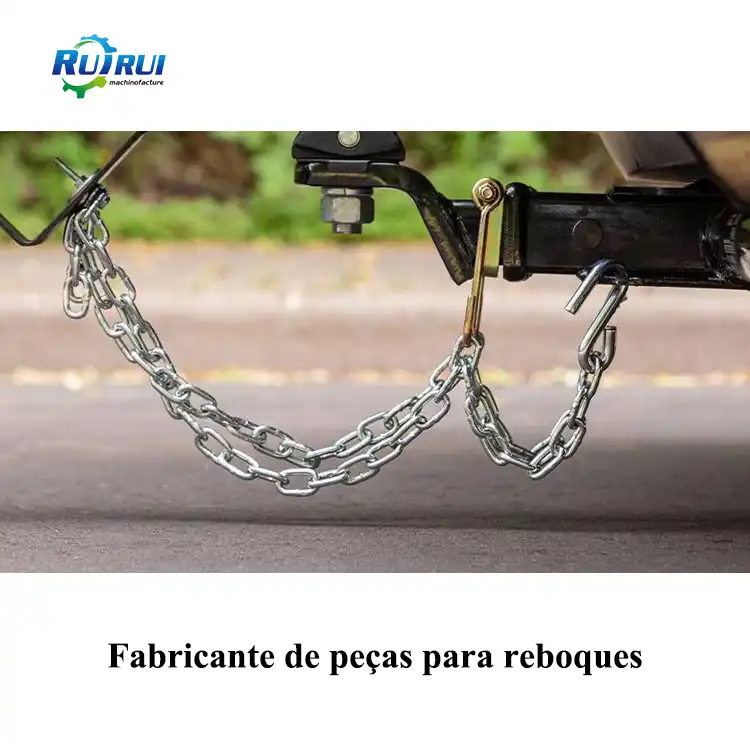
Understanding Trailer Hardware for Commercial and Utility Trailers
Trailer hardware is what holds the frames, gates, ramps, and storage systems together. Each part has a specific job to do. For example, hinges let the tailgates and doors move in a controlled way, latches keep the doors and tailgates closed even when the vehicle is moving, pins let the parts join quickly, and screws keep the structure together when loads change.
Key Components and Their Roles
Heavy-duty trailer hardware that can take weights of more than 10,000 pounds and thousands of operating rounds is needed for commercial trailers. Pins and clips hold hitch systems together, and winches and arms make it easier to move loads. Utility trucks need trailer hardware that is both strong and easy to install because they are often lighter and more flexible. The sizes are very different. For example, business hitch pins usually have a width of 5/8-inch to 1 inch, while utility trailer fasteners may use smaller gauges that work better with aluminum or lighter steel frames.
Materials Driving Performance
Material choice has a direct effect on how long something lasts and how much it costs to maintain. Hot-dip methods that meet ASTM A153 standards make galvanized steel the most popular choice for large orders because it is strong and doesn't rust. The zinc layer acts as a sacrifice for protection, which extends the product's useful life in damp places. Stainless steel trailer hardware, especially Grades 304 and 316, is very resistant to chloride exposure. This makes it perfect for use near the coast or on trucks that carry corrosive materials. Aluminum alloys reduce weight without weakening the structure, which is very important for long-haul business uses that need to save fuel.
Knowing these technical differences helps buying teams match trailer hardware specs with working conditions, whether they are in the north, where it freezes and thaws often, or the south, where it's humid.
How to Choose the Right Bulk Trailer Hardware Supplier
To choose a provider, you need to do more than just compare prices. It's important to find a partner that consistently provides high quality, follows all regulations, and can adapt to changing buying needs.
Assessing Core Procurement Requirements
First, figure out how much amount you need for your fleet or project flow. Large wholesalers benefit from sources that can ship in containers and have reliable lead times, which are usually between 4 and 6 weeks for custom orders and 1 to 2 weeks for standard parts. Quality control must be in line with industry standards. Look for ISO 9001 certification, which guarantees organized quality management, and use mill test records to make sure that materials can be tracked back to their source. Different types of applications have different safety standards. For example, DOT rules control parts that affect road safety, while ABYC rules must be followed for marine-grade trucks.
Supplier Evaluation Metrics
Deliveries that are made on time and quick responses to technical questions show reliability. A seller that does CNC machining, laser cutting, and stamping in-house can meet unique needs, including trailer hardware, without having to wait for delays in outsourcing. To check the quality of the material, you should test its tensile strength and measure the thickness of its coating. Reliable sellers will give you test certificates that are specific to each batch. Competitive pricing includes more than just unit cost. It also includes bulk prices, which are usually set up in levels, with 5–10% off at 500 units and 15–20% off at 2,000 units. Logistics effectiveness includes both good packaging that keeps items from getting damaged in travel and shipping terms that are open enough to handle both LCL and FCL orders.
Comparing Supplier Models
OEM makers give fleets direct access to production experts and the freedom to make changes, which is great for fleets that need special sizes or branded parts. Third-party distributors offer a wider range of products and faster shipping for common things, but they don't offer as much technical help. Managing inventory is easier with trailer hardware kits because they include parts that go well together, like pins, clips, and fasteners. However, buying parts separately gives you more options for maintenance tasks like changing old parts. Think about how you run your business. Companies that make new trailers benefit from complete kits, while fleet repair offices care more about having individual parts available.
A useful list should ensure that the factory can be audited, that the minimum order quantity matches your rate of consumption, that engineering support is available for custom drawings, and that the payment terms are flexible enough to handle foreign transactions.
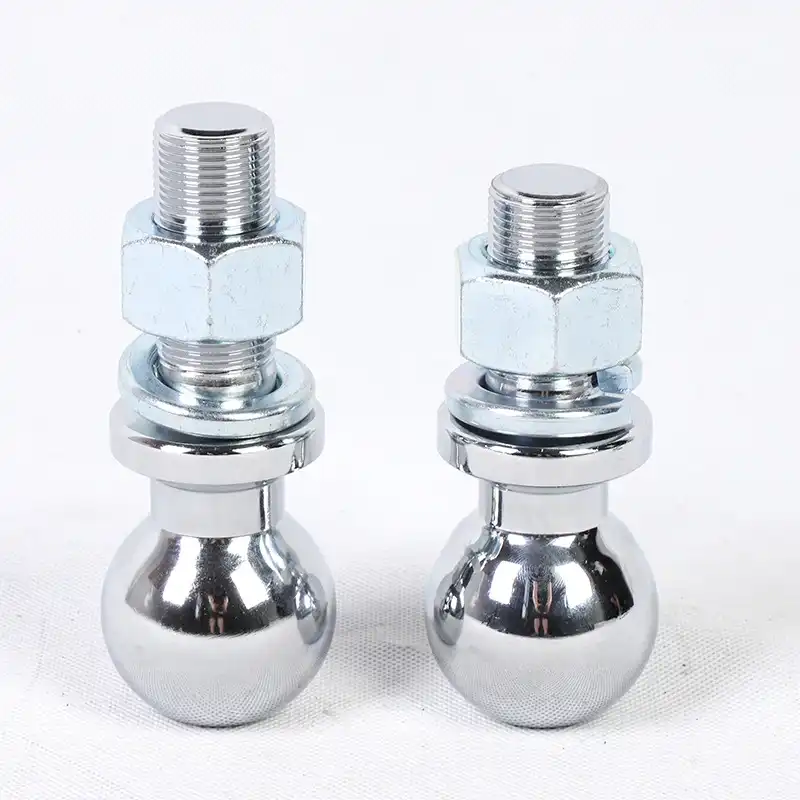
Installation and Maintenance Tips for Trailer Hardware
Proper installation and regular upkeep make trailer hardware last longer and keep it from breaking down in terrible ways while it's being used.
Installation Best Practices
Problems that often happen are hitch pins not being inserted correctly and bolts being over-torqued, which damages the threads, along with trailer hardware issues. When putting hinge parts together, make sure the mounting areas are clean and flat. Surface flaws concentrate stress, which speeds up wear. Use torque tools that have been measured for important fasteners (70 to 100 ft-lbs for 5/8-inch grade 8 bolts, for example), and put thread-locking compounds on fasteners that are likely to vibrate. Using anti-seize oil when installing galvanized parts keeps them from galling and protects them from rust. Place clips and holding rings in the right way; installing them backwards can lower the retention force by up to 40%.
Routine Maintenance Protocols
Plan checks every three months to look for obvious signs of wear, such as rust on the surface that goes beyond the top layer of oxidation, hairline cracks near stress points, and pins or clips that have deformed. Depending on the location, trailers that work in dusty or wet conditions need to be oiled every month, while climate-controlled settings only need to be oiled every three months. For general use, use lithium-based greases. For seaside work, use marine-grade formulas. Check for paint or dirt buildup on the hinges that are sticking; clean them with wire brushes and re-grease them. It is better to replace screws with damaged threads than to try to use them again, since weak threads can make the holding force drop in unpredictable ways.
A regional logistics company saw a 34% drop in breakdowns on the side of the road after putting their 120-trailer fleet through eye checks every two weeks and lubrication once a month. This shows that regular maintenance can pay off.
Comparison of Trailer Hardware Options: Materials and Brands
When choosing materials and brands strategically, the total cost of ownership is minimized across all purchase processes.
Material Performance Analysis
Stainless steel trailer hardware costs more than galvanized trailer hardware (usually 2.5 to 3 times as much), but it doesn't need to be replaced as often in places that are toxic. In coastal settings, Grade 316 doesn't get chloride pits, while Grade 304 is fine for general outdoor use. Galvanized steel is cheap to buy in bulk and works well for inland activities. Hot-dip methods give coatings that are 85–100 microns thick, while electro-galvanized coatings are only 8–12 microns thick, which means that galvanized steel will last 10-15 years compared to electro-galvanized steel which will only last 3–5 years. Including replacement regularity and staff costs in lifecycle cost estimates can often show stainless steel's long-term value, even if it costs more at first.
Brand Considerations and Product Range
Well-known names offer a lot of application data and tech help for trailer hardware. Smaller makers may have lower prices and be more flexible with customization, but the quality of their trailer hardware products needs to be carefully checked. Before agreeing to large orders, when reviewing suppliers, ask for sample packages of trailer hardware to be sent for destructive testing, such as checking the tensile strength and coating adhesion.
Kit Strategy vs. Individual Component Strategy
Trailer hardware kits make it easier to buy parts and make sure they work with each other, which is especially helpful when putting together a new trailer. Individual parts are good for repair tasks where certain parts need to be replaced because they are worn out. Hybrid methods keep high-wear things in stock one at a time while also keeping kits on hand for full assembly projects. This balances the efficiency of inventory with the flexibility of operations.
Bulk Purchasing and Logistics: How to Buy Trailer Hardware Online Efficiently
To do online shopping efficiently, you need to know how prices work and set up clear ways to communicate with sellers.
Pricing Structures and Negotiation
Tiered pricing takes into account economies of scale: orders of 500 units usually get 8–12% off small-quantity price, while orders of 2,000 units or more get 18–25% off. When you sign an annual contract with a volume promise, you usually get extra 5-8% off and priority schedule for production. Talk about payment terms that work with your cash flow—net 60 terms are usual for established accounts—and make sure you understand who is responsible for the currency risk in foreign transactions.
Order Management Best Practices
Include packaging needs in buy orders, such as trailer hardware. For example, individual bagging keeps parts from mixing, and the way a pallet is set up affects how much space is used for each container. Reliable sellers keep you up to date on the production schedule and send you shipping documents ahead of time. For container shipping, FOB terms make it clear who is responsible for what, while CIF terms include insurance and freight to make figuring out the landing cost easier.
Custom Solutions and OEM Capabilities
Suppliers who offer design engineering services turn abstract needs into specs that can be manufactured. Send in detailed sketches that show the required tolerances, material grades, and finish. Modern companies use progressive pressing for complicated shapes and CNC machining for features with very tight tolerances. They can handle both small sample numbers and large production volumes. Set up clear review methods for inspecting the first item and making sure the measurements are correct before letting the production start.
Effective relationships with suppliers are built on open conversation about expected demand, quality standards, and delivery times. This turns transactions into partnerships where both parties work together.
Conclusion
Strategic relationships with suppliers can help you get reliable trailer hardware, which has a direct effect on business efficiency and fleet safety. The buying process includes more than just comparing prices. It also includes choosing materials that are safe for the environment, making sure that suppliers can do what they say they can do through certifications and production checks, and coordinating operations to make sure deliveries happen on time. Knowing the technical details, like galvanization norms and tensile strength needs, helps you make smart buying choices. Systematic maintenance routines extend the life of trailer hardware, and online purchasing processes that work well take advantage of big savings and the ability to make changes. Trailer hardware sourcing can be turned from a practical necessity into a competitive edge by working with makers that offer full fabrication services, quality assurance systems, and engineering support.
FAQ
1. What safety standards apply to commercial trailer hardware?
For road safety reasons, commercial trailer parts must follow DOT FMCSA rules. This is especially true for parts that affect connection and structural stability. The grade guidelines for fasteners should be SAE J429, and the standards for protecting against rust should be ASTM A153 for galvanizing and B633 for zinc plating. For European markets, international packages may need to have the CE mark on them.
2. How do I ensure consistent quality across large orders?
Ask for material certificates and dimensional inspection records that are specific to the batch. Set acceptance standards in buy orders by stating the minimum coating thickness and the range of allowed tolerances. Before taking full orders, check sample amounts from each production batch to make sure they are the right size, hardness, and quality of the finish.
3. Can I mix stainless steel and galvanized components in assemblies?
To stop galvanic rusting, don't let metals that aren't the same touch each other directly. At places where two or more materials touch, use insulating washers or coats. In general, keep the consistency of the materials in structures, especially in uses that are subject to moisture and where electrochemical reactions speed up deterioration.
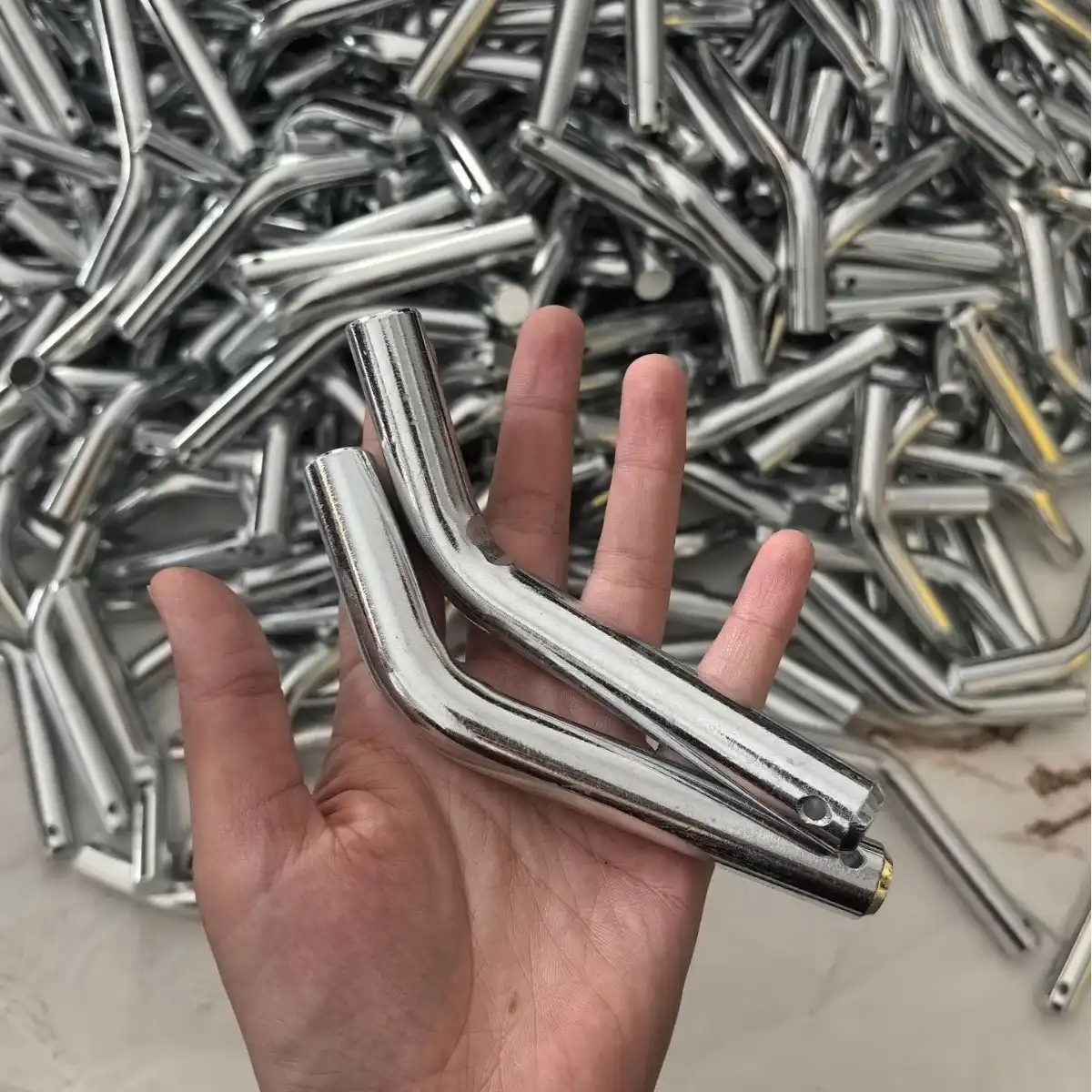
Partner with RUIRUI for Your Trailer Hardware Supplier Needs
With 15 years of production experience and ISO 9001 approval, Qingdao RUIRUI Machinery makes precision trailer hardware for industrial and utility uses. They offer pins, fasteners, winches, and custom sheet metal parts. Every year, our eight automatic production lines make 130,000 pieces of uniform quality. They do this by progressive pressing, CNC machining, laser cutting, and advanced surface finishing methods like hot-dip galvanizing and powder coating. We help OEMs customize their products with technical support, we can handle large orders with cheap tiered pricing, and we make sure deliveries are on time with professional logistics management. You can email our team at kshdhardware@qdkshd.com with your requirements and get detailed prices for your fleet needs. You can also visit sheetmetalprocessingplant.com to learn more about our full range of manufacturing services and quality control methods.
References
1. American Society for Testing and Materials. "ASTM A153: Standard Specification for Zinc Coating (Hot-Dip) on Iron and Steel Hardware." ASTM International Standards, 2020.
2. Federal Motor Carrier Safety Administration. "Part 393: Parts and Accessories Necessary for Safe Operation." U.S. Department of Transportation Regulations, 2022.
3. Society of Automotive Engineers. "SAE J429: Mechanical and Material Requirements for Externally Threaded Fasteners." SAE Technical Standards, 2019.
4. National Association of Trailer Manufacturers. "Guidelines for Commercial Trailer Component Selection and Maintenance." Industry Best Practices Report, 2021.
5. International Organization for Standardization. "ISO 1461: Hot Dip Galvanized Coatings on Fabricated Iron and Steel Articles." ISO Quality Standards, 2022.
6. Trailer Equipment Association. "Bulk Procurement Strategies for Fleet Operations: Material Selection and Supplier Evaluation." Commercial Transport Industry White Paper, 2023.

Send Inquiry
You may like