
Complete Guide to Trailer Hitch Systems Explained
The hitch system on a trailer is more than just a way for cars and cargo to join. The receiver trailer hitch pin is the most important mechanical device that holds ball mounts, cargo carriers, and extra shanks in place inside the receiver tube. This special part stops the coupling from coming loose by mistake while pulling, and it can handle strong shear forces and lateral strain. When procurement managers, fleet operators, and infrastructure contractors understand trailer hitch systems, especially the role of trailer hitch pin units, they can make decisions that improve operational safety, cut down on downtime, and protect valuable equipment investments in the logistics and transportation sectors.
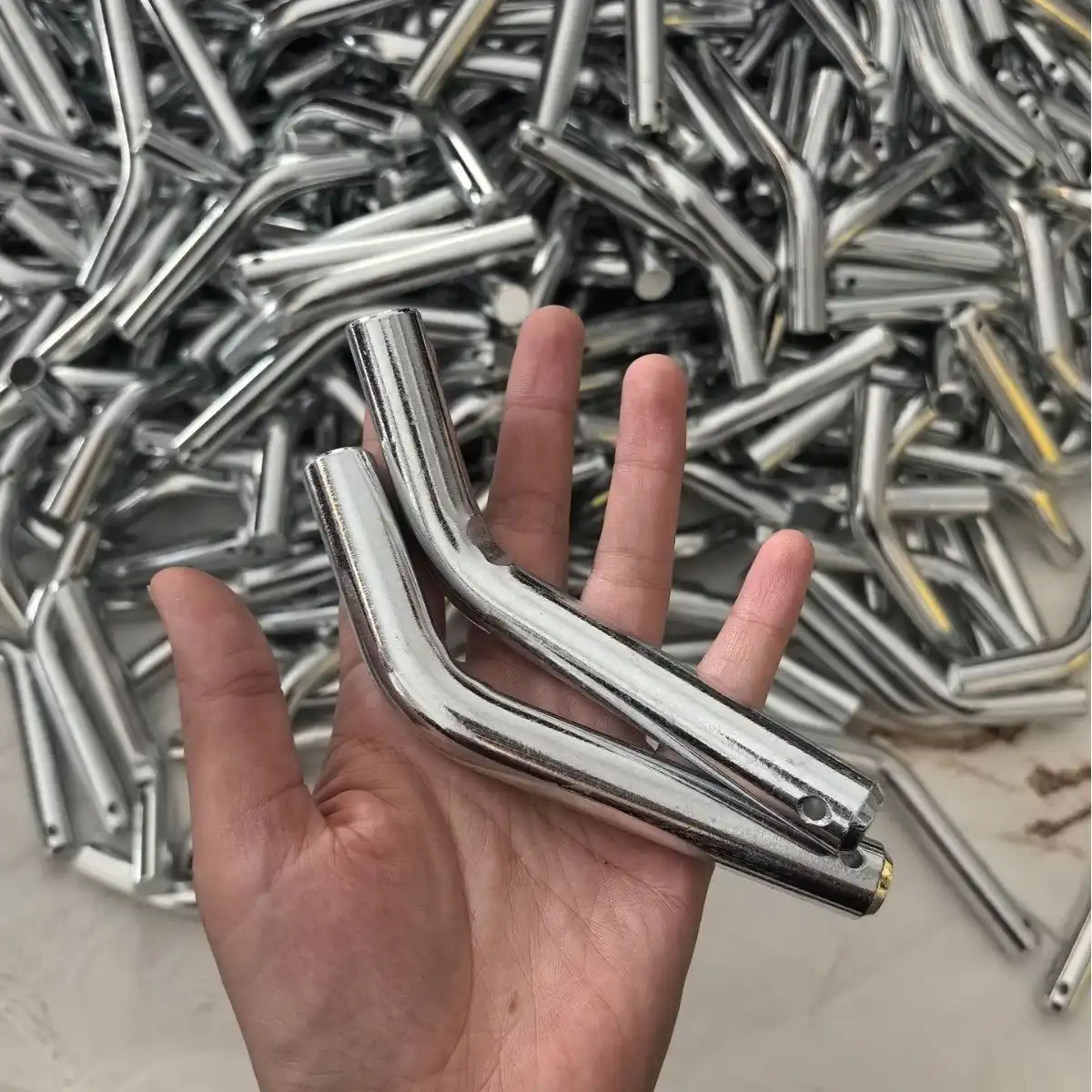
Understanding Trailer Hitch Pins: Basics and Essentials
What Is a Receiver Trailer Hitch Pin
In both car and industrial towing systems, a receiver trailer hitch pin is the main device that holds the trailer in place. This strong bolt slides through holes that are lined up in both the receiver tube and the ball mount or extra shank that is inserted. This makes a strong mechanical lock. Unlike normal electronics, these trailer hitch pin options have to be able to handle the high dynamic loads that come from speeding on the highway, stopping quickly in an emergency, and driving on rough terrain. The engineering standards that control these parts, like the SAE J684 specifications, say that the trailer hitch pin is necessary to keep tow vehicles and trucks or attached equipment from coming apart in a terrible way.
Types of Trailer Hitch Pins Available
Different practical needs call for different trailer hitch pin layouts. Standard slide-through designs make it easy to connect and disconnect parts quickly. They are good for light-duty uses where theft is not likely to happen. Locking trailer hitch pin models have key-operated or combination devices that keep expensive goods carriers and ball mounts from being taken off of job sites or public parking lots without permission. Clevis designs have a cross-hole form that can hold cotter pins or split rings, which gives building and farming tools extra support. Threaded trailer hitch pin products that stop rattles work like nuts, pressing the shank against the receiver wall automatically to stop noise and movement while transporting fragile goods.
Material Selection: Stainless Steel vs Zinc-Plated Options
The choice of material has a direct effect on how long something works and how much upkeep it needs. The tensile strength of heat-treated carbon steel with zinc covering is very high, which makes it perfect for Class IV and V hitches that carry weights of more than 10,000 pounds. The zinc covering protects against corrosion to a modest degree, making it good for activities in inland waters. Stainless steel trailer hitch pin options are better at resisting saltwater, which stops the "rust welding" process that can forever lock hardware inside receiver tubes after launching a marine trailer. Teams in charge of buying things should make sure that the stainless steel choices they are considering meet certain weight class rates. This is because some austenitic types give up hardness to prevent corrosion.
Sizing Guide for Proper Pin Selection
The needed trailer hitch pin diameter is based on the receiver tube's measurements. Hardware with a width of 1/2 inch is usually needed for Class I and II hitches with receiver holes that are 1.25 inches wide. Class III, IV, and V systems with 2-inch, 2.5-inch, or 3-inch receivers need 5/8-inch trailer hitch pin units to safely spread shear loads over a large enough cross-sectional area. If you use hardware that is too small, it could break completely when loaded. For a clip or lock connection, the trailer hitch pin length needs to be long enough to fit the thickness of the receiver wall and the width of the shank. Accurate measurements keep procurement mistakes from happening, which can risk safety and slow projects.
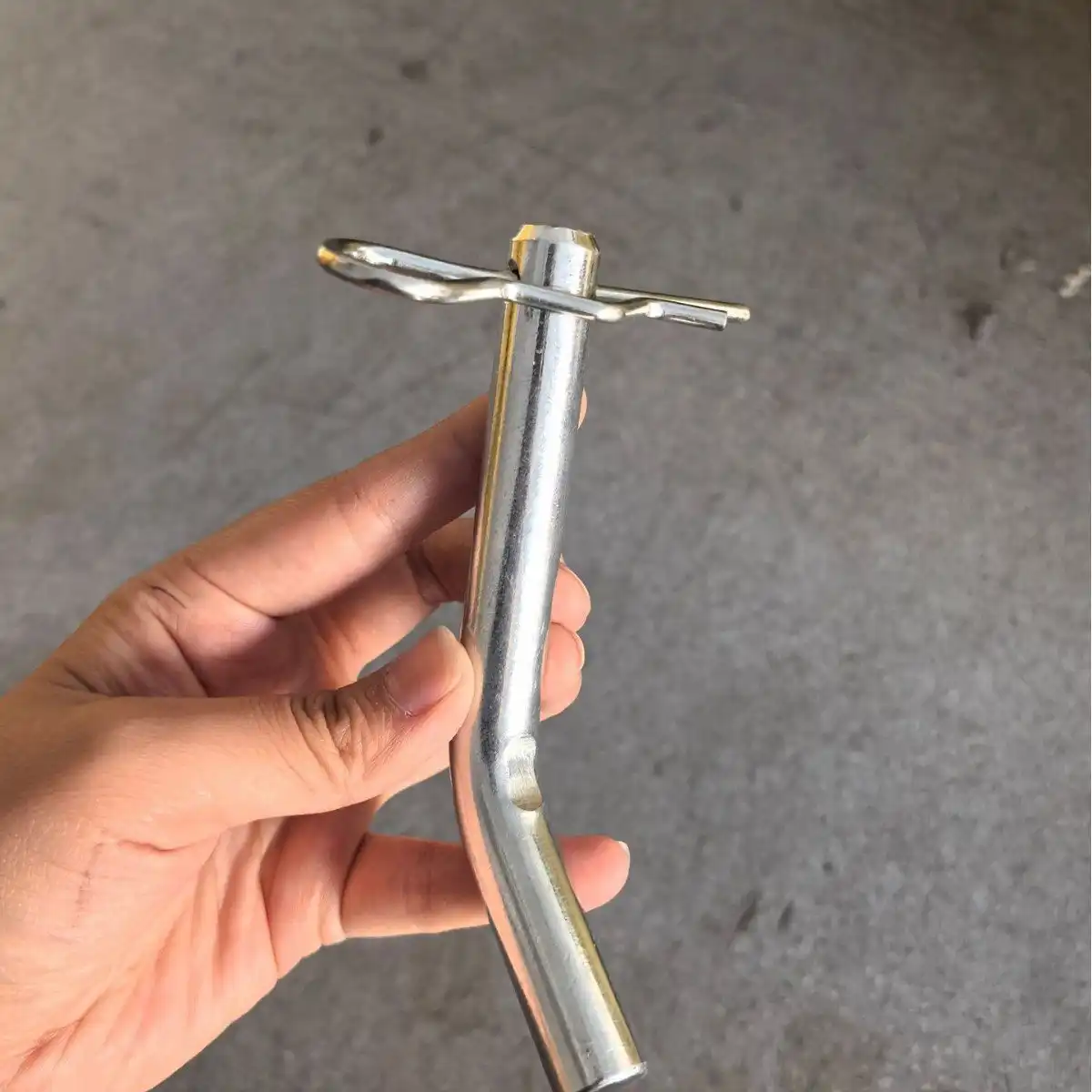
Selecting the Best Trailer Hitch Pins for Your Application
Load Capacity and Structural Requirements
By matching trailer hitch pin strength to practical needs, you can keep your tools from breaking down and your liability from growing. When commercial fleets pull building equipment, farm tools, or boats, the trailer hitch pin needs to be designed to hold the highest gross trailer weight plus a safety margin that accounts for dynamic surge loads. The shear strength number must be higher than the forces that are created when the vehicle suddenly slows down or turns off-camber. Documentation of load rates and material approvals is needed for fleet managers to stay in line with DOT rules and meet insurance requirements.
Environmental Resistance Considerations
Material requirements are set by the operating surroundings. Fleets that serve seaside areas, cities that use road salt, or businesses that are close to chemical processing plants need trailer hitch pin choices that don't rust so they don't break down too soon. Regular contact with water, high temperatures, and pollution speeds up the breakdown of materials. Stainless steel trailer hitch pin models are worth the extra money because they last longer and need to be replaced less often. High-strength zinc-plated carbon steel may be the best choice for inland activities in dry areas, as long as maintenance plans include regular checks and protective lubrication.
Security Features for Asset Protection
It costs business teams and infrastructure companies a lot of money to keep track of stolen expensive ball mounts, cargo carriers, and other equipment. Thieves are less likely to steal from job sites, rest stops, and equipment yards that have locking trailer hitch pin units with hardened steel chains and pick-resistant cylinder designs. Companies that manage teams that are spread out or that work in places with a lot of crime can see their security investment pay off. Keyed-alike systems make it easy for fleet managers to keep security high while standardizing the closing hardware on multiple vehicles.
Comparing Standard Pins with Anti-Rattle Designs
Moving the receiver tubes and companion shanks around too much makes noise, speeds up wear, and can damage fragile goods. Tolerances in manufacturing leave spaces that let vibrations cause rattling during shipping. Standard trailer hitch pin designs allow this movement, which is fine for moving large amounts of material or other situations where a little sway doesn't affect the structure of the goods. Anti-rattle threaded trailer hitch pin units get rid of this problem by pushing down on the link and stopping it from moving. Anti-rattle designs that improve ride quality and protect goods are very helpful for moving precise equipment, leisure vehicles with extended cargo carriers, or work that needs to be done on rough terrain.
How to Install, Measure, and Replace Trailer Hitch Pins Correctly
Step-by-Step Installation Process
To install a trailer hitch pin correctly, you must first line up the ball mount or extension shank inside the receiver tube so that the mounting holes line up perfectly. Before putting the trailer hitch pin in, check both the receiver and shank holes for anything that might get in the way, like dirt, rust, or deformation. Move the hardware all the way through both the receiver and the shank walls until it sticks out evenly on both sides. Attach the locking mechanism or the holding clip and make sure it fully fits to stop vibrations from making it come loose. Use mild tension to make sure the link stays rigid and doesn't move up or down or side to side.
Accurate Measurement Techniques
To make sure safety and compatibility, measuring for a new trailer hitch pin needs to be done very precisely. Use digital calipers to get the exact hole width and receiving tube size. To find the minimum trailer hitch pin length, add up the thickness of the receiving sides and the width of the shank. Add an extra 1/2 inch to the receiver's outside measurement to account for the extra length needed for clip connection or lock engagement. Write down these specs so that purchasing all of the fleet's equipment is done the same way and so that buying trailer hitch pin units in the future is easier.
Recognizing Wear Patterns and Replacement Indicators
Protocols for regular inspections make parts last longer and stop them from breaking. Check the trailer hitch pin for obvious bends, surface cracks, or too much material wear that makes the width smaller. Corrosion pitting that goes deeper than surface oxidation weakens the structure. Having trouble putting or taking out the trailer hitch pin indicates that a hole has become deformed in either the receiver or the shank, which needs to be looked into right away. When locking systems don't work smoothly anymore, it means that internal parts are worn out or dirty and need to be replaced. Setting replacement times based on how often the trailer hitch pin is used ensures proactive care instead of a reactive failure reaction.
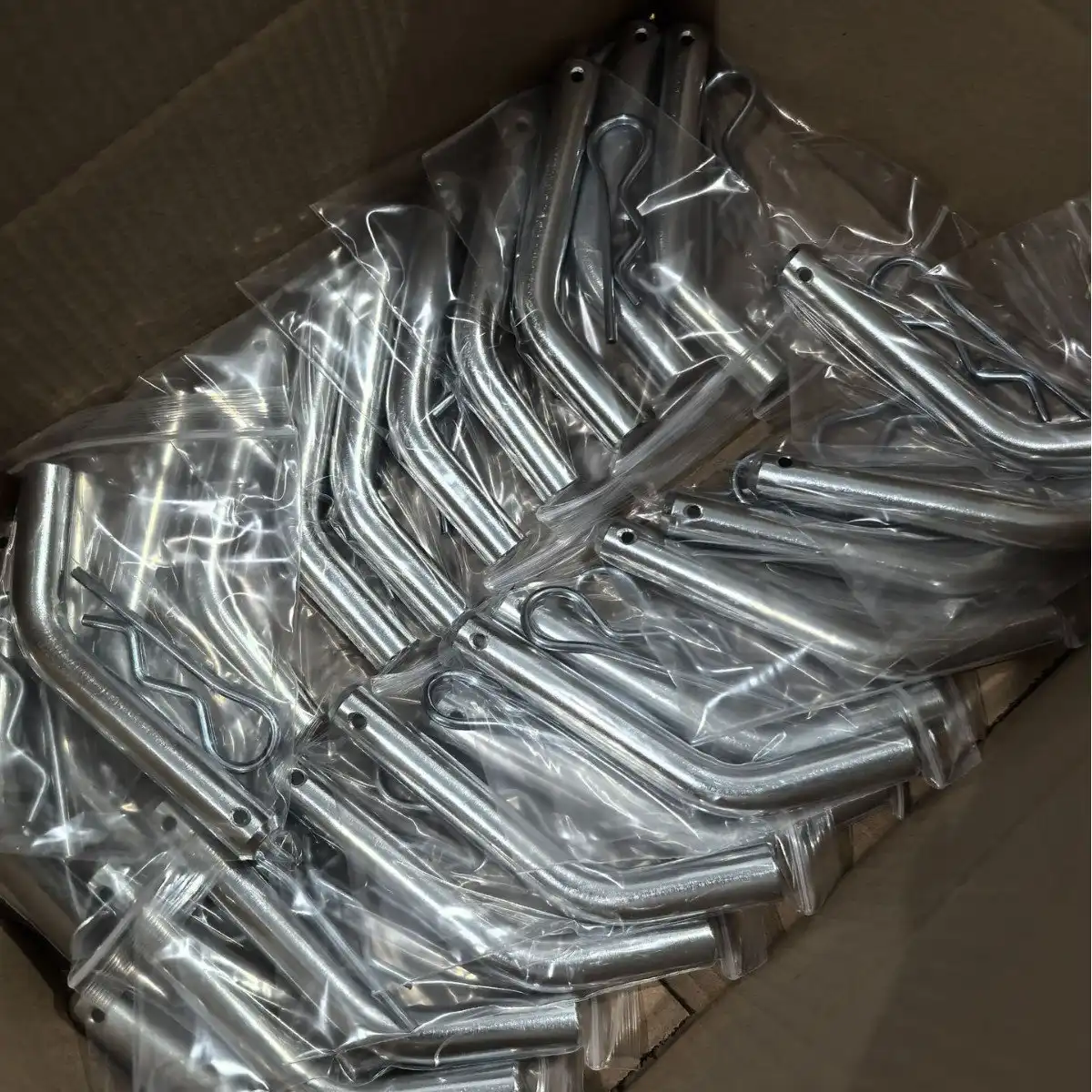
Procurement Insights: Buying Trailer Hitch Pins for Business Needs
Evaluating Supplier Credentials and Certifications
To choose trusted suppliers, you need to check their quality processes and production skills. Suppliers should show that they are certified by ISO 9001, which confirms that they follow set quality management rules during production. Proof that each trailer hitch pin meets performance standards is provided by material certifications and load testing results that are written down. Suppliers who have a lot of experience with both car and commercial pulling know how important these trailer hitch pin components are for safety. Asking for a sample to be tested before placing a large order lets buying teams check the accuracy of the measurements, the quality of the finish, and the functionality under real-world circumstances.
Navigating Bulk Orders and Volume Pricing
Large-scale procurement can help you save money while keeping the supply chain running smoothly. Setting up framework deals with qualified providers guarantees stable prices and the right amount of output capacity. A lot of the time, promises to buy trailer hitch pin units in bulk open up tiered price systems that make projects more cost-effective without lowering quality. Comparing the minimum order amounts to the expected yearly usage levels out the costs of keeping inventory and the savings per unit. Suppliers who can handle consignment goods or set up just-in-time shipping rules help procurement teams keep business readiness while optimizing working capital.
Balancing Cost Considerations with Quality Requirements
When there is competition bidding, price factors make people want to find the cheapest options. When it comes to safety-critical parts like the trailer hitch pin, this method isn't very good. The costs of component failure, such as damaged equipment, lost cargo, accident risk, and lost work time, are much higher than the small material savings. Quality-focused buying looks at the total cost of ownership, which includes how long the trailer hitch pin is expected to last, how much upkeep it needs, and the chance that it will break down. Reputable makers can charge slightly higher prices because they have success records, full guarantees, and helpful technical support.
Understanding Lead Times and Logistics
When you buy trailer hitch pin units from specialized makers in other countries, you need to plan your supply chain carefully. Standard catalogue items usually ship within a few days, but items made to order may need weeks to be made and quality checked. Container-level exports lower the cost of shipping each unit, but they need accurate demand forecasts to avoid having too much inventory. When procurement teams build relationships with providers that offer flexible manufacturing, they can balance restocking with custom orders for unique trailer hitch pin uses. Clear communication about shipping procedures, quality hold points, and production plans helps with accurate project planning and avoids costly delays.
Conclusion
To make sure they work safely and reliably in business, industrial, and infrastructure settings, trailer hitch systems depend on trailer hitch pin units that are properly specified and kept. Knowing the technical differences between standard, locking, and anti-rattle designs helps sourcing workers choose parts that meet the needs of the operation. When choosing materials, finding the right balance between power and resistance to corrosion is important for both long-term value and meeting environmental issues. Accurate measurements, correct installation, and proactive repair procedures all help to stretch the life of services and keep them from breaking down. Strategic relationships with suppliers based on quality standards, clear pricing, and transportation knowledge create buying benefits that improve operating efficiency and risk management.
FAQ
1. How Do I Determine the Correct Pin Diameter?
The minimum trailer hitch pin width is based on the size of the receiver tube. Instead of depending on hitch class labels alone, use calipers to get an accurate reading of the hole diameter. Class I and II systems with receivers that are 1.25 inches in diameter usually use 1/2-inch trailer hitch pin units. Class III through V systems with receivers that are 2 inches or bigger need 5/8-inch diameter trailer hitch pin hardware. When you use smaller pins in holes that are too big for them, you create dangerous shear stress concentrations that can lead to catastrophic failure under load.
2. What Happens If I Use a Pin Without a Locking Mechanism?
Standard trailer hitch pin units that don't have locks can still be stolen, and if the holding clip fails or comes off, the hardware may shake loose on rough ground. Businesses should figure out the risk of theft by looking at where they park and how much their equipment is worth. For operations that need to couple and uncouple things a lot, non-locking trailer hitch pin options may be more convenient. In these cases, different security measures like locked equipment yards or controlled parking may be used.
3. How Often Should Pins Be Inspected and Replaced?
The amount of use and external contact should determine how often inspections are done. Fleets that work every day in rough conditions need eye checks every month and full exams for each trailer hitch pin once a year. Occasional-use tools may need to be inspected every three months instead of every six months. If there is any deformation, breaking, or major rust, the hardware needs to be replaced right away. Unexpected failures during vital operations can be avoided by replacing parts before they wear out based on recorded service hours.
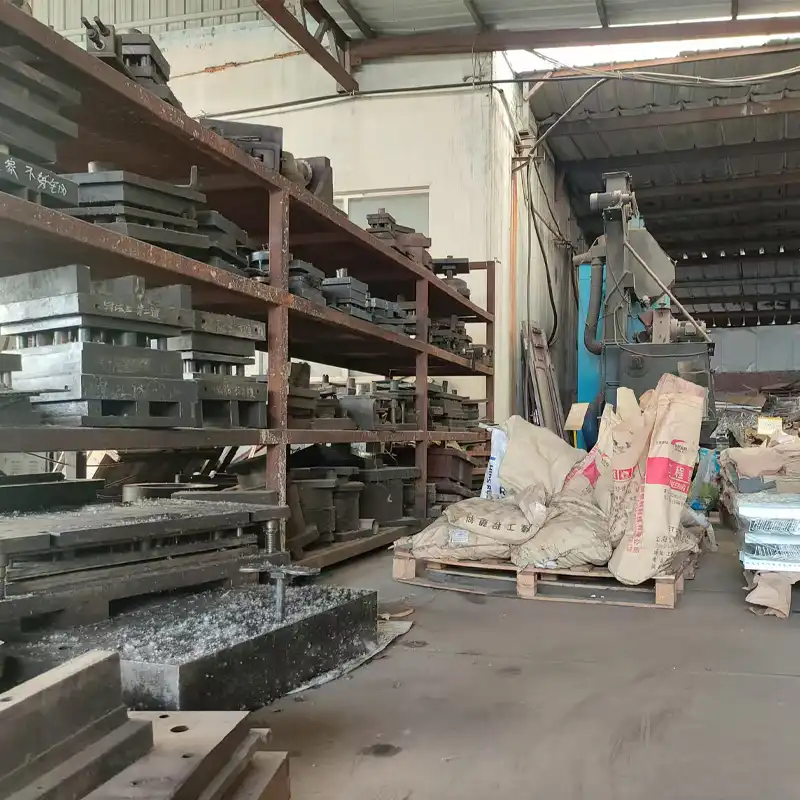
Partner with RUIRUI: Your Trusted Trailer Hitch Pin Manufacturer
The precision-engineered trailer hitch pin units that RUIRUI Machinery makes are produced using advanced casting, CNC cutting, and quality-controlled finishing methods. Our ISO-certified facility makes heavy-duty pins out of high-quality carbon steel, stainless steel, and special alloys that are made for tough business uses. We know how hard it is for B2B buyers to find the best balance between price and dependability, as well as to handle foreign logistics and make sure that the quality of big orders stays the same. Our OEM customization options can be tailored to specific needs, and our container-level production capacity can meet high-volume needs at prices that are competitive with factory-direct prices. Email our engineering team at kshdhardware@qdkshd.com to talk about your unique trailer hitch pin needs, get technical specs, or set up a sample review. Find out why building builders and equipment distributors all over North America choose RUIRUI as their main provider of trailer hitch pin solutions.
References
1. Society of Automotive Engineers. (2019). "SAE J684: Trailer Couplings and Hitches—Automotive Type." SAE International Standards Publications.
2. National Highway Traffic Safety Administration. (2021). "Federal Motor Vehicle Safety Standards: Trailer Hitch Installation and Performance Requirements." U.S. Department of Transportation Technical Report.
3. American Society for Testing and Materials. (2020). "ASTM F1575: Standard Test Method for Evaluating Shear Strength of Trailer Hitch Components." ASTM International Standards Database.
4. Industrial Fasteners Institute. (2018). "Engineering Guidelines for Safety-Critical Fastener Applications in Transportation Systems." IFI Technical Handbook, 4th Edition.
5. Materials Performance Journal. (2022). "Corrosion Resistance Comparison of Stainless Steel and Zinc-Plated Carbon Steel in Marine Towing Applications." NACE International Research Publication.
6. International Organization for Standardization. (2020). "ISO 6489: Road Vehicles—Mechanical Coupling Between Towing Vehicles and Trailers—Part 1: Dimensions." ISO Technical Standards Documentation.

Send Inquiry
You may like