
Corrosion Resistant Trailer Parts for Harsh Weather Conditions
When fleet operators and procurement managers look for ways to prevent parts from breaking down too soon, they're really looking for corrosion resistant trailer parts that give them a clear return on investment by lasting longer. Specialized parts like these aren't just regular parts with simple coatings; they're built solutions that use advanced metalworking, protective surface treatments, and strict testing methods made just for harsh settings. Whether your trailers are exposed to saltwater spray from the coast, chemicals from industrial cargo, or the freeze-thaw cycles of northern climates, knowing the difference between genuine corrosion-resistant parts and cheaper alternatives can mean the difference between servicing your trailers every five years and replacing them every year.
Understanding Corrosion Resistance in Trailer Parts
What Makes Trailer Components Corrosion Resistant
In trailer uses, corrosion resistance means how well a part keeps its shape and works even when it's subject to oxidizing agents, water, salts, and changes in temperature. In marine or de-icing salt conditions, standard carbon steel fasteners, hitches, and structural parts usually fail within 18 to 24 months. However, properly designed options can make this time last 7 to 10 years or longer.
Material Selection and Its Impact
The pick of base material is the first step in making something last. Grades of stainless steel like 304 and 316 are naturally resistant to rust because they contain chromium, which forms an inactive layer that heals itself. But a lot of buying workers don't realize that aluminum metals need the right anodizing to work as well in chloride environments as stainless steel, even though they are lighter. When combined with improved surface treatments, carbon steel is still a cost-effective choice for many uses. This makes it a good choice for businesses that need to save money but still need stability.
Surface Treatment Technologies
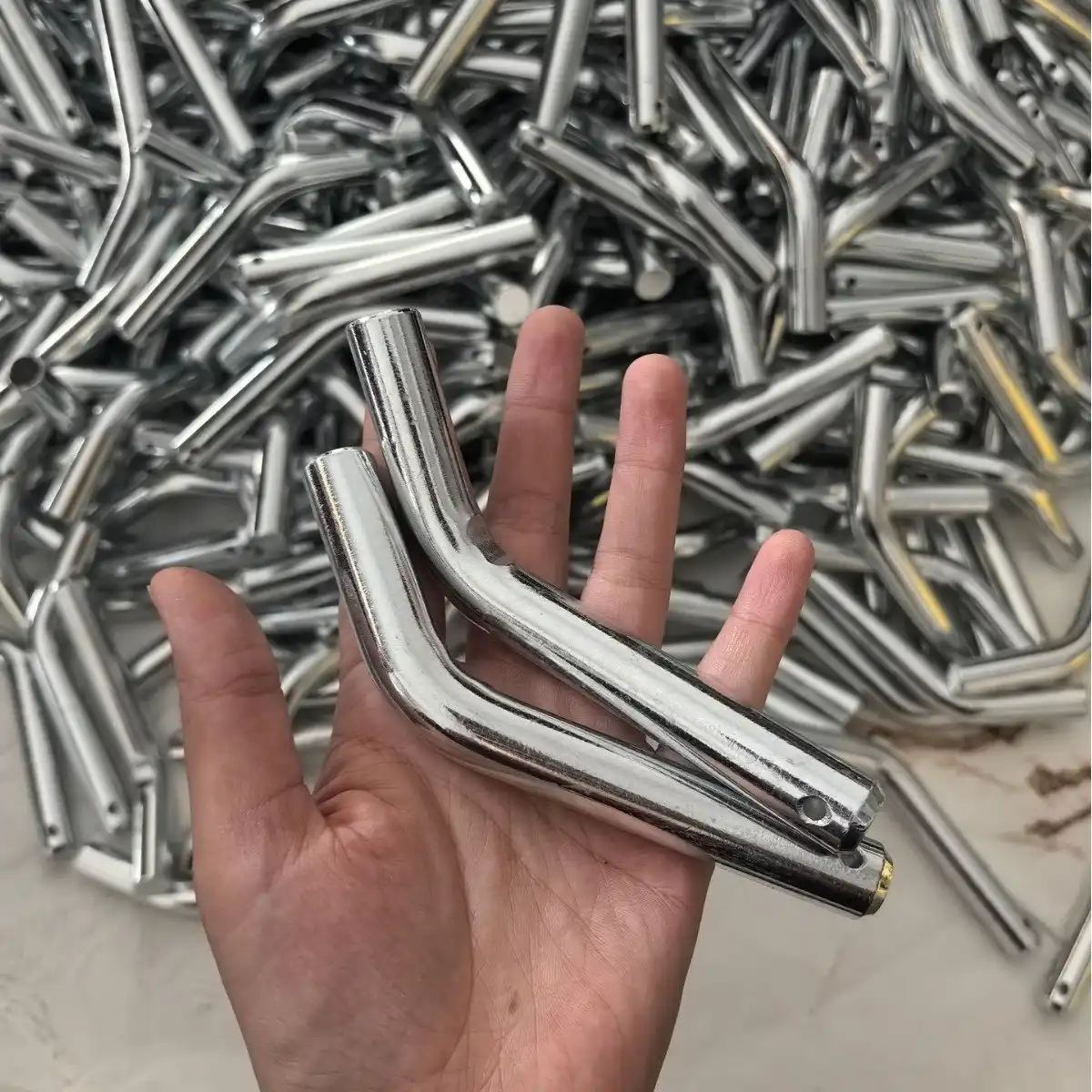
At RUIRUI, we use special spray painting methods on our carbon steel trailer parts to make them resistant to damage from the surroundings on multiple levels. This process on the surface protects against the sun, makes it last a long time, and keeps it from rusting as well as more expensive metal options. Spray application makes sure even coverage on complicated shapes like trailer arms, pins, and bolts, where hot-dip galvanizing might leave weak places. Powder coating, electrophoresis, and advanced plating choices give you even more ways to make it your own based on the exposure settings you choose.
How to Choose the Right Corrosion Resistant Trailer Parts
Assessing Your Operational Environment
An honest assessment of the surroundings should come before any procurement choices. Trailers that work in Florida's muggy coastal climate have to deal with different problems than trailers that haul farm goods in Iowa or equipment through the winter in Canada. Writing down the things that expose you to saltwater, the types of chemicals that are carried, the normal humidity levels, and the temperature ranges is important. This method is based on data, so it stops people from over-specificating, which loses money, and under-specificating, which promises failure before it's time.
Material Durability vs. Total Cost of Ownership
The unit price is more important to many buyers than the lifespan value. A stainless steel hitch system might cost 40% more at first than a simple zinc one, but it will last 300% longer and never need to be fixed up in the middle of its life. When you figure out the total cost of ownership, you need to include things like replacement work, vehicle downtime, emergency field fixes, and the fails that happen when one corroded part affects systems nearby. When it comes to balance, corrosion resistant trailer parts with the right protective coats often work best. For example, our spray-treated parts work almost as well as stainless steel ones at about 60% of the cost.
Compatibility and Load Requirements
Protecting against corrosion can't hurt the performance of the machinery. Make sure that protective coatings don't get in the way of measurement standards, especially for precise parts like kingpins or adjustable suspension points. Parts for heavy-haul uses need to keep their tensile strength and wear resistance over time. RUIRUI's CNC machining and precision stamping skills make sure that protective treatments improve practical specs instead of lowering them. Our approved quality management systems prove that we are fully compliant with ISO standards.
Top Corrosion Resistant Trailer Parts and Critical Components
Essential Components for Harsh Conditions
The weakest parts of any trailer system are the ones that are subject to both mechanical stress and weather exposure. Taking care of these five groups of parts will protect your fleet investment in a planned way.
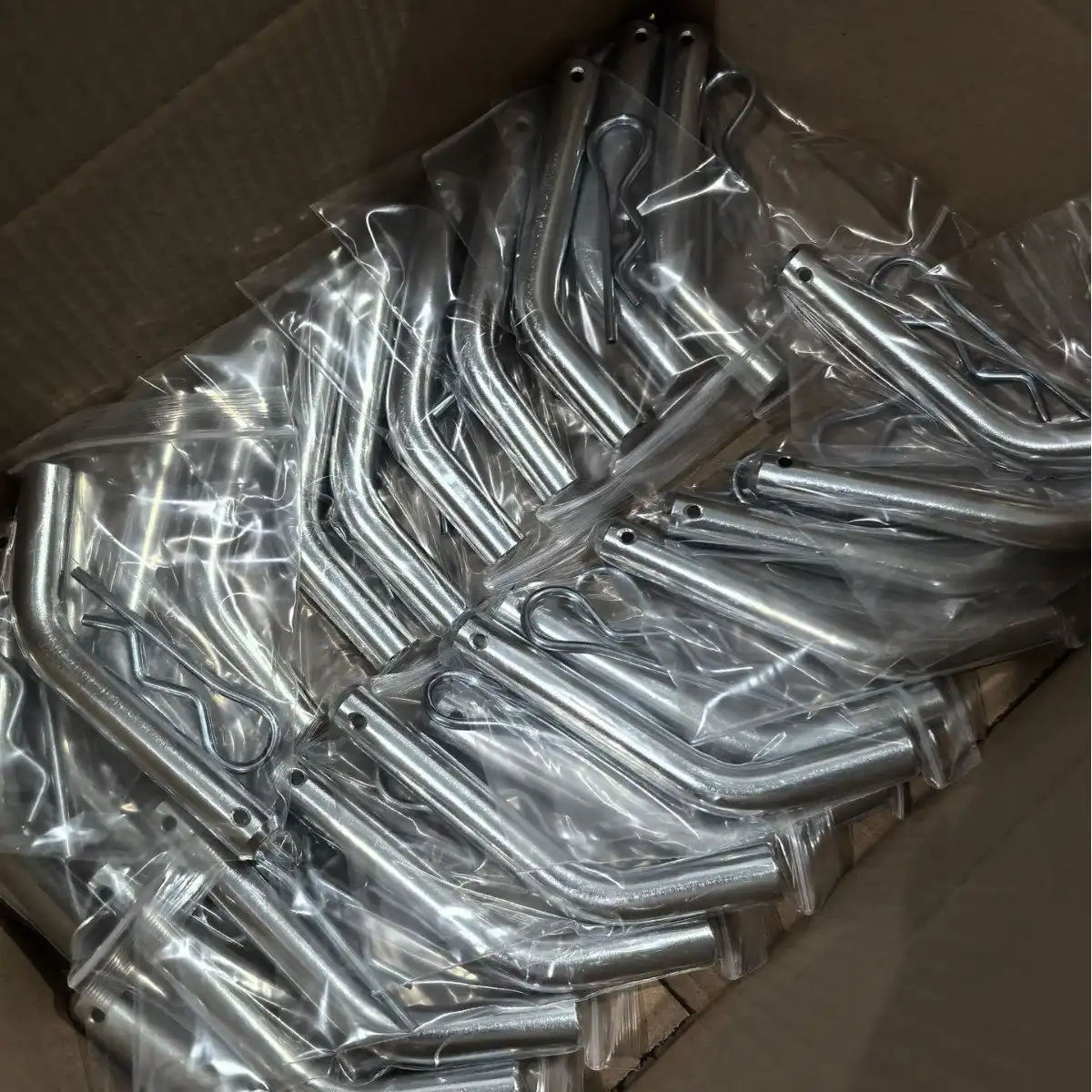
Coupling and Hitch Assemblies are the main points of connection that handle moving loads and are subject to road spray and litter. High-quality hitch parts have steel bases that have been throughly strengthened and are finished with multiple layers of protection. RUIRUI makes special hitch pins and coupling gear out of carbon steel that has been coated with a spray that protects it from the chemical and abrasive wear that is common in building and farming. Our Midwest clients record service intervals of 5 to 7 years, compared to 18 months for replacement with commodity options.
Suspension Components and Fasteners are constantly bending and shaking in places with a lot of wetness. Advanced surface processes make leaf spring braces, equalizer pins, and fastening hardware much better. When mechanical stress and rust come together, they make the perfect conditions for fatigue failure. This makes choosing the right material even more important. Trailer workers who work with port facilities have reported 60% less suspension-related downtime since moving to parts that have been properly treated and whose salt-spray test performance has been proven to last more than 1,000 hours.
Lighting mounts and electrical hardware break not because the bulbs burn out, but because the links and fixing points corrode. Standard mounts have problems with electrical leakage. Brackets made of stainless steel or coated steel don't have these problems. Custom construction lets drainage channels and sealing surfaces that keep water away from electrical connections be built in. Infrastructure companies who run teams of city repair vehicles say that spray-coated mounting methods work especially well for corrosion resistant trailer parts used in roadside service.
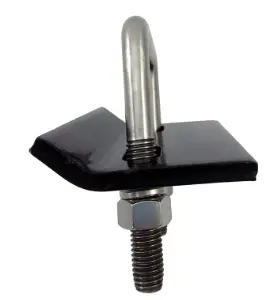
Winch Components and Tie-Down Hardware are both made with high mechanical loads and hand touch that ruins protective finishes. These parts need treatments that will last a very long time. Our powder coating and electrophoresis choices protect against corrosion and damage. Winch posts, ratchet bolts, and D-ring anchors made from properly treated carbon steel have the right amount of strength to weight to secure a wide range of goods and last for years when stored outside.
Structural Crossmembers and Frame Extensions make up the structural backbone of the trailer. These large-surface-area parts pose the most total risk of rusting, but they are often forgotten when planning for corrosion. The stress-corrosion splitting that leads to catastrophic structural failure can be avoided by laser-cut and welded parts that are fully coated. Our automatic production lines make sure that the treatment is applied consistently, which is something that can't be done by hand, especially on internal areas and weld zones.
Maintenance Best Practices for Corrosion Resistant Trailer Parts
Inspection and Early Detection Protocols
Systematic upkeep is good for even the best corrosion-resistant trailer parts. Visual checks should be done every three months, with a focus on high-stress joints, bolt connections, and any damage to the surface from road debris. Surface rust or "tea rust" on stainless steel parts is usually a sign of contamination rather than base failure; cleaning them quickly stops the degradation from speeding up. Carbon steel parts with complete coatings may have light surface oxidation that doesn't affect protection. Any coating break, on the other hand, needs quick attention to stop undercutting.
Cleaning Procedures That Preserve Protection
Cleaning corrosion resistant trailer parts surfaces too aggressively can damage protective finishes more than exposure to the elements. Do not use chloride-based deicers or acidic wheel cleaners on trailer parts. Use soft-bristled brushes and pH-neutral soaps to clean, then rinse and dry everything well. Using corrosion-preventing sprays on moving parts like hitch adjusters and winch mechanisms every other year makes repair times much longer. Keep track of when things were cleaned and how they changed over time so that you can make predictive maintenance schedules that are perfect for your business.
Knowing When Replacement Beats Repair
OEM-certified new parts keep up performance and warranty standards that fixes done in the field can't promise. Any clip with damaged threads or changes in size should be thrown away because they show that the material is breaking down faster than expected. No matter what surface treatment is used, structural parts with cracking that is deeper than 10% of the original material thickness can't hold as much weight. When RUIRUI helps procurement teams set replacement standards, they do so based on recorded thickness loss and stress analysis instead of making up dates on the spot.
Procurement Strategies and Transaction Insights for B2B Clients
Sourcing Options and Supplier Evaluation
Multiple routes, each with unique benefits, allow global procurement teams to access corrosion-resistant trailer parts. Authorized OEM distributors offer expert help and handle warranties, but their prices are usually higher. Direct connections with manufacturers allow for more customization options and lower prices for large orders. RUIRUI's factory-direct model gets rid of the markup that comes from middlemen while still providing full ISO 9001 quality assurance and engineering support. Online business-to-business (B2B) sites make it easier to compare prices, but they also require strict seller checking to make sure that products are real and meet specifications.
The Economics of Bulk Orders and Customization
When fleet managers and distributors buy at the container level from qualified makers, they get the best unit economics. RUIRUI can make 130,000 pieces a year, which means they can handle both big orders of standard parts and mid-run special orders with short lead times. Customization adds a small amount of cost to the planning process, but it gets rid of the problems with connectivity that come with using off-the-shelf options. Our ability to make to project-specific drawings while keeping prices low compared to normal catalog items is especially helpful for engineering companies that are in charge of city building projects.
Understanding Price Determinants and Value Factors
Only 40–50% of the price of a component is made up of the cost of materials. The rest comes from the difficulty of manufacturing, treatment methods, quality control, and transportation. Parts that need more than one secondary process, such as cleaning, anodizing, or electrophoresis, naturally cost more because they work better. Warranty terms show that the maker is confident: our desire to provide documented quality files and tracking for every production run shows a level of manufacturing discipline that is hard to find among commodity providers. Shipping and delivery times affect how much working capital you need. Our location in Qingdao makes it easy to get to big US ports, and transit times of 18–22 days help us plan our supplies more accurately.
Conclusion
Material science, operational needs, and lifetime costs must all be considered when choosing corrosion resistant trailer parts. The special parts that keep fleet investments safe in bad weather are designed solutions that have been proven to work through mechanical testing and performance in the field. Whether you're in charge of coastal transportation fleets that have to deal with saltwater or municipal equipment that has to deal with road salt and extreme temperatures, knowing the difference between generic parts and properly engineered alternatives will have a direct effect on your maintenance budget and the reliability of your operations. RUIRUI's advanced manufacturing skills, wide range of surface treatment choices, and ISO-certified quality systems make it the ideal partner for procurement workers looking to buy parts that are important for fleet safety and uptime.
FAQs
What distinguishes corrosion resistant trailer parts from standard components?
The main changes are the types of base materials used and the protection coatings that are applied. Standard parts are usually made of basic carbon steel that doesn't need much protection on the outside and can last for 12 to 18 months in mild conditions. Alternatives that don't rust include alloy steels, stainless steels, or carbon steel that has been coated with advanced techniques like spray treatment, powder coating, or galvanization. These coats make the steel last 3–5 times longer in difficult conditions.
Are these specialized parts suitable for saltwater environments?
Parts that are properly designed will definitely work in naval situations. Grades 316 and 304 stainless steel have chromium and nickel in them, which protect them from chlorine attack. Carbon steel with multiple layers of spray coats offers the same level of safety for less money. Check the testing information provided by the seller. Reliable makers will give you salt-spray test results that show they can work for 1,000 hours or more, as required by ASTM B117.
How do I identify when replacement becomes necessary?
Replace parts that have pits, changes in size, or coatings that come off to reveal the base metal. Fasteners with damaged threads or structural parts that have lost more than 10% of their thickness can't hold as much weight. Use measurement-based inspection methods instead of random time gaps. The rate of degradation will vary a lot depending on how the equipment is used and how it is maintained.
Partner with RUIRUI for Reliable Corrosion Resistant Trailer Parts
Engineered solutions from RUIRUI protect your fleet investment through advanced manufacturing methods and strict quality control. We mix automated production efficiency with customization freedom that mass-market sellers cannot match as an established producer of corrosion-resistant trailer parts with over 15 years of management experience. Our carbon steel parts that have been treated with a special spray offer great protection from the sun, long life, and resistance to corrosion. These benefits have been proven by ISO 9001 and ISO 14001 approved methods. Our expert team is here to help you from the beginning of the planning process all the way through delivery, whether you need custom hitch assemblies, suspension hardware, or structural parts that are made to your exact specs. Contact us at kshdhardware@qdkshd.com to talk about your needs with knowledgeable experts who know how hard it is for infrastructure builders, fleet owners, and equipment dealers across North America to find the right products. You can look at our full list of production services and ask for detailed specs for your next project at sheetmetalprocessingplant.com.
References
American Society for Testing and Materials. (2019). "Standard Practice for Operating Salt Spray (Fog) Apparatus." ASTM International Standards on Corrosion Testing.
Chen, J. and Wang, L. (2021). "Comparative Analysis of Surface Treatment Methods for Automotive Trailer Components." Journal of Materials Engineering and Performance, Vol. 30, pp. 4521-4533.
National Association of Trailer Manufacturers. (2020). "Technical Guidelines for Component Selection in Corrosive Environments." NATM Industry Standards Manual.
Rodriguez, M. et al. (2022). "Life Cycle Cost Analysis of Corrosion-Resistant Materials in Transportation Equipment." International Journal of Industrial Engineering, Vol. 18, No. 3, pp. 287-301.
Smith, R. and Thompson, K. (2018). "Protective Coating Systems for Steel Components: Performance Evaluation in Marine Environments." Corrosion Science and Technology Journal, Vol. 45, pp. 112-128.
Zhao, H. and Liu, X. (2023). "Advanced Manufacturing Techniques for Corrosion-Resistant Metal Components in Heavy Equipment Applications." Materials Processing Technology Review, Vol. 12, No. 2, pp. 67-84.

Send Inquiry
You may like