
Cost vs Quality: Heavy Duty Trailer Parts Buying Guide
Imagine being stranded on the side of the road with thousands of dollars' worth of product in danger because your trailer axle breaks during an important delivery. This concern is realized by many fleet managers who take a risk on cheap heavy-duty trailer parts to save initial costs. Choosing between cost and quality these days is about more than just your wallet; it's about protecting your investment, ensuring your security, and avoiding catastrophic failures that might cost you much more in lost revenue, emergency repairs, and damage to your reputation. When purchasing Heavy Duty Trailer Parts, this complete guide will offer you the knowledge you need to make well-informed choices that strike a balance between short-term budgetary limits and long-term operational success.
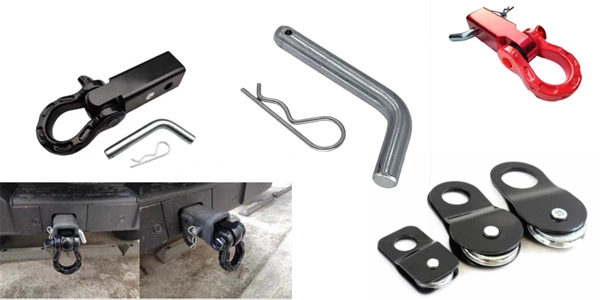
Understanding the True Cost of Heavy Duty Trailer Parts
When evaluating heavy-duty trailer parts, the sticker price only accounts for a tiny percentage of the total cost. Many buyers make the costly mistake of focusing just on the initial purchase price without considering all subsequent lifetime expenditures. In reality, less costly components typically need more frequent replacements, require more maintenance, and may result in cascade failures that damage other trailer systems. When a low-quality axle bearing breaks down after just twelve months instead of five, the true cost includes labor costs, vehicle downtime, potential cargo delays, and safety incidents in addition to replacement parts. At first glance, a low-quality axle bearing that is thirty dollars less expensive than a high-end one might seem appealing. Purchasing high-quality heavy-duty trailer parts reduces maintenance intervals, increases component longevity, and minimizes unplanned failures that disrupt operations and result in emergency repair costs that can exceed several thousand dollars per incident, according to fleet managers who regularly track their total cost of ownership.
Initial Purchase Price Considerations
Depending on manufacturing quality, material composition, technical accuracy, and brand recognition, the initial cost of heavy-duty trailer parts might vary significantly. Because entry-level components are manufactured using subpar materials and less quality control processes, they appeal to customers on a tight budget. However, these apparent savings often mask significant compromises in structural integrity, metallurgical properties, surface treatments, and dimensional tolerances. Premium heavy-duty trailer components have higher beginning prices because manufacturers invest in superior raw materials, state-of-the-art production techniques, rigorous testing protocols, and elaborate quality assurance systems that ensure consistent performance under harsh operating conditions. When comparing prices from different suppliers, consumers need to look beyond the numbers to comprehend the factors that influence cost variations, such as whether parts are made from facilities with certified quality management systems that ensure product authenticity and performance reliability, meet industry standards, carry manufacturer warranties, and include the necessary documentation.
Long-Term Maintenance and Replacement Expenses
The real economic effect of component selection is often determined by the prolonged operating expenses of heavy-duty trailer parts, which can dwarf initial purchase prices. Budget-focused parts usually ask for earlier replacement cycles, more frequent inspections, and more preventative maintenance procedures that use up operational resources and labor hours. When it comes to suspension components, high-end leaf springs made of high-carbon steel and properly heat-treated may last eight to ten years, whilst less expensive equivalents made of subpar materials could need to be replaced every two to three years. Inadequate Heavy Duty Trailer Parts provide collateral costs in addition to direct replacement costs. These include higher inventory carrying costs for backup parts, increased downtime frequency, quicker wear on adjacent components, and poorer fuel economy owing to increased rolling resistance. Fleet operators who maintain comprehensive maintenance records consistently demonstrate that quality components reduce total maintenance expenditures by twenty to forty percent over a five-year ownership period, even after accounting for higher initial acquisition costs. This is because quality components break the cycle of emergency repairs and premature failures that plague operations using substandard parts.
Hidden Costs of Component Failure
Failing to fix heavy-duty trailer components might lead to disastrous costs that could ruin operations budgets and business relationships. Crucial component failure during active operations may have immediate consequences, such as lost output from immobilized equipment, higher parts transportation costs, higher labor costs for repairs performed after hours, and emergency towing fees that might exceed $500. More importantly, cargo delays damage customer relations, result in contractual penalties, interfere with delivery schedules, and erode the reputation for reliability that drives business growth. A braking system failure may result in tens of thousands of dollars in legal fees, insurance claims, safety fines, accident responsibility, and regulatory violations in addition to requiring replacement brake components. In a similar vein, wheel bearing issues that go unnoticed may destroy hubs, shatter axle spindles, and need a complete axle replacement as opposed to only a bearing repair.Superior materials, safety margins, and tried-and-true designs are all features of high-quality heavy-duty trailer parts that significantly lower the likelihood of failure and shield operators from these crippling hidden expenses that often accompany low-cost component selection choices.
Critical Quality Factors in Heavy Duty Trailer Parts
Understanding the important quality qualities that determine long-term performance, reliability, and safety is vital to identify between excellent and inferior heavy-duty trailer components. Many buyers find it challenging to evaluate component quality since external appearance often provides little information about metallurgical attributes, manufacturing correctness, or engineering integrity. However, a number of crucial features consistently set premium components apart from their less costly equivalents and have a major impact on operational performance. Material composition is the cornerstone of component quality with premium Heavy Duty Trailer Parts that use appropriately graded steel alloys, heat-treated forgings, and corrosion-resistant coatings that can withstand the extreme forces, environmental exposure, and cyclic loading inherent in trailer operations. Manufacturing precision guarantees appropriate dimensional tolerances, smooth surface finishes, and exact geometries that promote optimal load distribution and avoid stress concentrations. Quality assurance processes verify that every component meets predefined performance standards via systematic testing, inspection, and documentation. When buyers are aware of these quality attributes, they are better able to evaluate supplier claims, pose intelligent questions, and choose Heavy Duty Trailer Parts that satisfy the requirements of demanding applications in terms of dependability, durability, and safety.
Material Grade and Metallurgical Properties
The selection of raw materials and metallurgical processing, which establishes structural integrity, fatigue resistance, and operational lifetime, are the first steps in determining the basic quality of heavy-duty trailer parts. High-end steel alloys with regulated carbon content, alloying components, and microstructure that provide the best combinations of strength, toughness, and ductility for certain applications are specified by premium producers. For example, axle components need to be made of materials that can sustain bending loads, stop fatigue cracks from spreading, and keep their dimensions stable during cyclic stress. Lower-grade materials that satisfy minimal thickness standards but lack the metallurgical qualities required for longer service life are often substituted for budget components. Heat treatment techniques including quenching, tempering, and stress release further enhance material properties by optimizing grain structure and residual stress distribution. Surface hardening methods that provide wear-resistant surfaces while maintaining robust cores that can tolerate impact damage include induction hardening and case carburizing. Corrosion prevention by galvanizing, powder coating, or electroplating extends component life by preventing rust growth that compromises structural integrity. When evaluating heavy-duty trailer parts, buyers should check for material certifications, inquire about heat treatment methods, and make sure surface treatments meet industry standards for the designated operating environment and load parameters.
Manufacturing Precision and Quality Control
To differentiate exceptional Heavy Duty Trailer Parts from inferior alternatives, production excellence employs manufacturing procedures that ensure dimensional accuracy, surface quality, and structural integrity. Advanced fabrication processes, such as automated welding, precision stamping, and CNC machining, provide components with tight tolerances that guarantee proper fit, optimal load transfer, and extended service life. Stress concentrations, gaps, and misalignments caused by inadequate manufacturing tolerances accelerate wear and promote early failure. Surface finish quality affects component performance via friction characteristics, corrosion resistance, and fatigue strength; rough surfaces create stress risers that initiate the formation of fractures. Quality control methods, such as statistical process control, in-process inspection, and final validation testing, guarantee that every Heavy Duty Trailer Parts item meets requirements before delivery. Comprehensive quality management systems that adhere to ISO 9001 standards are used by reputable manufacturers. These systems document processes, keep track of nonconformances, and encourage ongoing development. Buyers should verify that manufacturers have modern inspection equipment and skilled quality personnel that ensure consistent product excellence across production runs, in addition to asking process capability data and evaluating supplier quality credentials.
Engineering Design and Performance Testing
Sophisticated engineering analysis and extensive validation testing that verifies performance under practical operating situations provide superior heavy-duty trailer parts. To maximize component design, material usage, and load-carrying capability, quality manufacturers engage in stress simulation, fatigue modeling, and finite element analysis. This technical field produces designs that maximize strength-to-weight ratios, eliminate unnecessary material, and include significant safety measures to prevent overload failures. Prototype testing methods subject components to extreme stress conditions, environmental exposure, and accelerated life cycles prior to production release in order to verify design adequacy and identify potential failure causes. Road testing confirms performance under actual operating circumstances, such as impact, temperature swings, vibration, and exposure to contaminants. Documentation of test results, failure analysis, and design modifications demonstrates the manufacturer's commitment to quality and reassures consumers about the component's reliability. When selecting heavy-duty trailer components, operators should look for test data, inquire about engineering resources, and give priority to suppliers that participate in product development rather than just copying pre-existing designs without validation or improvement.
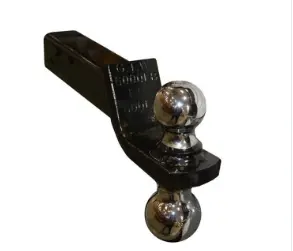
Evaluating Suppliers and Manufacturers of Heavy Duty Trailer Parts
Selecting the right supplier is an important decision that involves more than just picking certain elements, such as supply chain reliability, long-term relationship value, and technical support capability. There are many different suppliers in the heavy-duty trailer parts industry, including distributors of aftermarket goods, overseas manufacturers, and producers of original equipment and specialized components. Each supplier group has distinct advantages and disadvantages in terms of product quality, pricing structure, inventory availability, technical know-how, and customer service. Well-known manufacturers with strong industry reputations often provide superior product quality, significant technical support, and extensive warranties, although frequently charging higher rates. Although they may provide a wide range of products and affordable prices, aftermarket providers differ greatly in terms of service capabilities and quality requirements. International producers often provide competitive prices, but there may be issues with lead times, communication, product consistency, and after-sale assistance. Purchasing heavy-duty trailer parts successfully necessitates a methodical supplier evaluation that takes into account not only price but also quality credentials, industry experience, customer references, warranty terms, technical resources, and long-term business stability that guarantees continuous parts availability and support throughout component service life.
Certification Standards and Quality Credentials
By taking part in recognized certification programs and upholding industry compliance, which validates production capacity and management systems, reliable suppliers of heavy-duty trailer components demonstrate their commitment to quality. The ISO 9001 certification attests to the fact that suppliers respect established quality management systems with specified standards for customer satisfaction, process control, and continuous growth. Although it does not guarantee superior products, this certification demonstrates systematic approaches to quality that reduce variability and encourage consistent performance. Superior quality capabilities appropriate for demanding applications are indicated by industry-specific certifications, such as AS9100 for aerospace manufacturers or IATF 16949 for automotive suppliers. Environmental management certifications, like ISO 14001, demonstrate moral manufacturing practices that promote corporate sustainability objectives. Certifications for occupational health and safety, such as ISO 45001 or OHSAS 18001, demonstrate safe working conditions that support superior productivity. In addition to management system certifications, buyers should verify that Heavy Duty Trailer Parts comply with relevant product standards, such as SAE specifications, FMVSS regulations, and DOT rules that specify minimum performance parameters. Strong quality certifications often encourage client audits that verify expertise and compliance, maintain traceability systems, and create proof with ease.
Manufacturing Capabilities and Production Technology
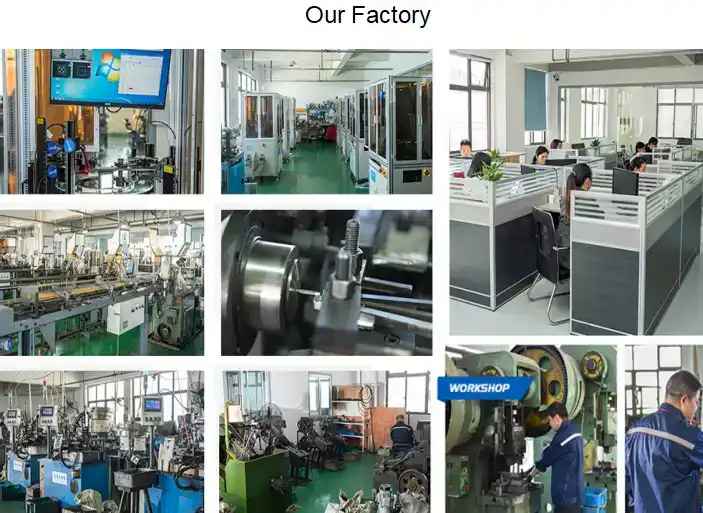
Product quality, consistency, and cost competitiveness are directly impacted by the complexity of manufacturing facilities and production technology used by suppliers of heavy-duty trailer parts. Modern facilities with robotic welding systems, automated stamping presses, CNC machining centers, and integrated production lines that optimize accuracy and reduce human error are run by advanced manufacturers. Automated procedures provide larger production volumes and cheaper per-unit costs while producing components with better surface quality and dimensional consistency than human operations. Investing in manufacturing technology demonstrates a manufacturer's dedication to competitiveness and excellence. Supplier capabilities, such as equipment types, manufacturing capacity, process controls, and maintenance plans that guarantee reliable operation, should be assessed by buyers. By offering comprehensive solutions rather than necessitating collaboration among many suppliers, secondary processing skills including heat treatment, surface finishing, assembly, and testing increase supplier value. Customization, prototype production, and quick response are all made possible by flexible manufacturing systems that serve changing client needs. Requesting site visits, examining equipment inventories, and comprehending manufacturing procedures all give information about capacity and quality potential that affects supplier selection judgments when evaluating Heavy Duty Trailer Parts suppliers.
Customer Service and Technical Support Resources
Outstanding Heavy Duty Trailer Parts suppliers set themselves apart not just with high-quality products but also with extensive technical support, prompt customer service, and value-added services that streamline procurement and maximize component performance. Skilled application engineers help clients get the best outcomes by offering component selection, installation advice, troubleshooting support, and failure analysis. Proper component use is supported by comprehensive technical documentation that includes installation guidelines, maintenance protocols, and performance requirements. In order to reduce operational interruptions, responsive customer service teams effectively process orders, give precise delivery information, and immediately address difficulties. A supplier's dedication to customer satisfaction is shown by after-sales service, which includes handling warranties, processing returns, and resolving complaints. Supply chain processes may be streamlined and administrative burden reduced with additional services including vendor-managed inventory systems, inventory management programs, and personalized packaging. Buyers should consider technical expertise, communication responsiveness, problem-solving skills, and willingness to invest in customer relationships that go beyond transactional interactions to genuine partnerships that promote mutual success and ongoing improvement when assessing Heavy Duty Trailer Parts suppliers.
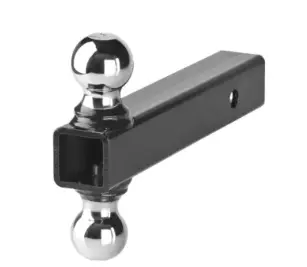
Making Strategic Purchasing Decisions for Heavy Duty Trailer Parts
Effective procurement of Heavy Duty Trailer Parts demands strategic methods that reconcile current budget restrictions with long-term operational goals, risk management, and overall cost optimization. Many businesses depend on reactive buying, which reacts to short-term setbacks without taking longer-term effects into account, rather than structured procurement policies for trailer components. Inconsistent quality, supply chain interruptions, increased overall costs, and lost chances for standardization and volume leverage are the usual outcomes of this strategy. Effective fleet operators create all-encompassing parts strategies that define quality standards, build relationships with preferred suppliers, put in place methodical evaluation procedures, and match purchasing choices with operational priorities like maintenance budgets, uptime goals, and safety regulations. Beyond unit cost, supplier dependability, warranty coverage, parts availability, technical assistance, and compatibility with current inventory are all taken into account in strategic buying. Reduced downtime, lower total cost of ownership, enhanced safety performance, and stronger supplier relationships that provide competitive advantages and operational excellence are just a few of the superior results that organizations that invest in structured procurement approaches for heavy-duty trailer parts consistently achieve.
Total Cost of Ownership Analysis
Purchasing choices for sophisticated heavy-duty trailer parts use total cost of ownership approaches, which measure all costs related to component purchase, installation, operation, maintenance, and ultimate replacement across full service lifecycles. This thorough financial analysis shows the actual economic effect of component selections and often shows that premium parts provide better value even if their initial prices are greater. In order to compute lifespan costs that allow for meaningful comparisons between options, total cost models take into account purchase price, installation labor, estimated service life, maintenance needs, failure probability, downtime costs, and disposal charges. When comparing two axle assemblies, for instance, it is necessary to analyze not only purchase prices but also predicted lifespans expressed in miles or years, bearing service intervals and costs, the frequency of seal replacement, and the likelihood of early failure necessitating whole axle replacement. Sensitivity analysis determines which cost variables have the most effects on overall costs and where quality enhancements are most beneficial. Even though premium parts initially cost fifty to one hundred percent more, organizations using total cost approaches for Heavy Duty Trailer Parts procurement usually find that investing in top-quartile quality components reduces overall expenses by fifteen to thirty percent compared to bottom-quartile alternatives.
Risk Assessment and Mitigation Strategies
Purchasing heavy-duty trailer parts effectively involves a methodical risk assessment that finds possible failure modes, evaluates the severity of the consequences, and puts in place suitable mitigation strategies to keep operations from being disrupted. Based on replacement difficulty, failure mode severity, and failure likelihood, different components provide different risk profiles. Brake assemblies, axle spindles, and fifth-wheel couplers are examples of critical parts that need top quality selection since malfunctions result in immediate safety risks, legal infractions, and significant liability exposure. Cosmetic trim, auxiliary lighting, and small accessories are examples of non-critical things that may support economic options in situations when malfunctions have little effect on operations. In order to determine the proper quality investment levels, risk assessment takes into account failure implications such as safety dangers, cargo damage, environmental discharges, regulatory violations, customer effect, and financial losses. Maintaining vital spare inventories, building partnerships with backup suppliers, putting preventative maintenance plans into place, and setting up condition monitoring systems that provide failure alerts are examples of mitigation techniques. Component criticality classifications are strategically developed by organizations that manage heavy-duty trailer parts. These classifications serve as a guide for quality specifications, inventory policies, and maintenance plans that are in line with risk tolerance and operational priorities that strike a balance between cost effectiveness and reliability requirements.
Standardization and Inventory Optimization
Heavy Duty Trailer Parts standardization lowers inventory complexity, streamlines maintenance processes, and increases buying leverage, all of which provide fleet managers overseeing several trailers with substantial operational and financial advantages. Inventory consolidation, bulk purchase reductions, and streamlined technician training are made possible by standardization initiatives, which identify common components across fleet equipment wherever feasible. Standardized fleets use common platforms that significantly minimize parts variation instead of keeping separate brake assemblies, bearing packages, and suspension components for various trailer types. By focusing demand on fewer SKUs, this strategy lowers obsolescence risk, decreases inventory investment, and increases components availability. By enabling workers to gain proficiency with uniform components rather than supporting a variety of systems, standardization also streamlines maintenance operations. Operators should prioritize vendors with wide application ranges that support standardization goals, assess chances for adapting older units to current standards, and take compatibility across fleet equipment into account when selecting Heavy Duty Trailer Parts. across the fleet lifespan, procurement strategies should negotiate volume agreements that guarantee advantageous price and uniform quality across the standardized component portfolio, resulting in cost benefits and operational efficiency.
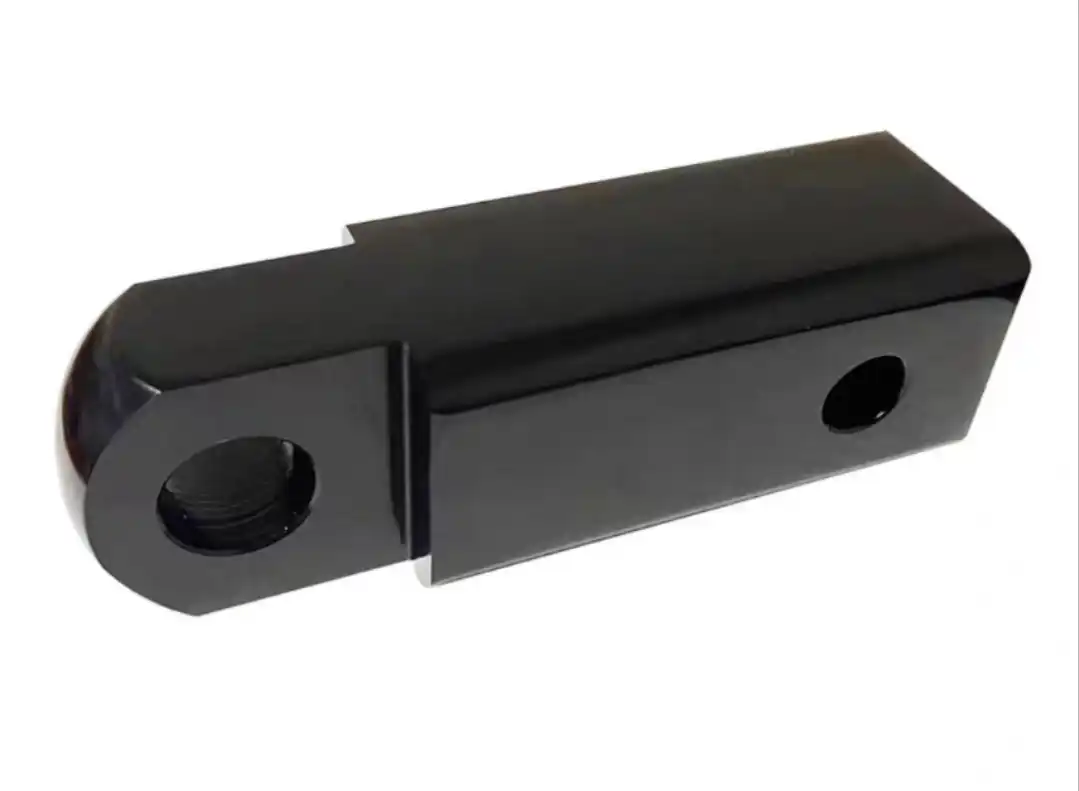
Conclusion
Beyond the first price comparison, a thorough examination is necessary to navigate the cost vs quality choice for heavy-duty trailer parts. Premium components provide higher long-term value via longer service life, lower maintenance costs, and fewer operational interruptions that safeguard profitability and reputation, according to strategic purchasers.
Cooperate With Qingdao RUIRUI Machinary Co., LTD.
Qingdao RUIRUI Machinary Co., LTD. combines cutting-edge production skills with strict quality standards to give outstanding value as a top China Heavy Duty Trailer Parts manufacturer and reliable China Heavy Duty Trailer Parts supplier. We are able to provide affordable China Heavy Duty Trailer Parts wholesale prices without sacrificing the High Quality Heavy Duty Trailer Parts required by demanding applications since we are a leading producer of these parts. We provide full solutions for your trailer component requirements with our extensive metal fabrication capabilities, which include progressive stamping, CNC machining, laser cutting, and sophisticated surface treatments for materials ranging from mild steel to stainless steel and aluminum alloys. Our affordable Heavy Duty Trailer Parts pricing reflects effective manufacturing and direct manufacturer sourcing, and our ISO 9001, ISO 14001, and OHSAS 18001 certifications guarantee that every Heavy Duty Trailer Parts for sale satisfies strict quality requirements. We provide the knowledge, dependability, and innovation that discriminating customers want, with products shipped to more than 80 countries and broad OEM support supported by skilled R&D teams. Get in touch with us at info@qdkshd.com to talk about your needs for heavy-duty trailer parts and learn how our specialized solutions, expert packaging, and all-encompassing technical assistance can improve your business.
References
1. "Materials Selection in Mechanical Design" by Michael F. Ashby - Comprehensive guide to material properties and selection criteria for engineering applications including trailer components.
2. "Failure Analysis and Prevention" by ASM International Handbook Committee - Detailed examination of component failure modes, root cause analysis, and prevention strategies for mechanical systems.
3. "Total Cost of Ownership: Applications to Manufacturing" by Society of Manufacturing Engineers - Methodologies for calculating and applying lifecycle cost analysis in industrial procurement decisions.
4. "Quality Management Systems: Requirements for Automotive Suppliers" by International Automotive Task Force - Standards and best practices for supplier quality management in demanding applications.
5. "Fatigue of Materials" by Suresh Subramanyan - Technical analysis of material fatigue behavior, testing methods, and design considerations for cyclically loaded components.

Send Inquiry
Related Industry Knowledge
- How to Choose Custom Trailer Parts for Your Trailer
- Best Trailer Ball Manufacturer China for Export & Global Markets
- How a Custom-Sized Hitch Pin Enhances Equipment Compatibility and Safety?
- What Materials Are Commonly Used in Fabricating Small Sheet Metal Boxes?
- What Materials Are Steel Tandem Teardrop Fenders Made From?
- What Are Utility Pole Clamps Used For?
- How to Choose the Best Air Conditioner Support Stand for Outdoor Units?
- How to install hitch pin and clip?
- Where are hydraulic rising bollards used?
- Can Zinc Plating be customized?