
Coupler Lock vs Hitch Lock: What's the Difference?
What's the difference between a hitch lock and a coupler lock? This will help you keep your trailers safe in dangerous places like construction sites and supply yards. If you don't, thieves could take a lot of your money. When you press the coupler lock, the ball socket or latch on the trailer coupler stops moving. If you don't let them, no one else can connect it to a pull car. But a hitch lock makes sure that the ball mount or hitch receiver stays on the tow car and can't be used or taken off without being asked. Coupler lock keep the trailer from moving while hitch locks protect the parts of the pull car. That way, people in charge of buying things, providing services, and security can choose the best choice for their needs. There will be less theft, people will be more likely to follow the rules, and tools will last longer.
Understanding the Basics: What Are Coupler Locks and Hitch Locks
Defining the Coupler Lock
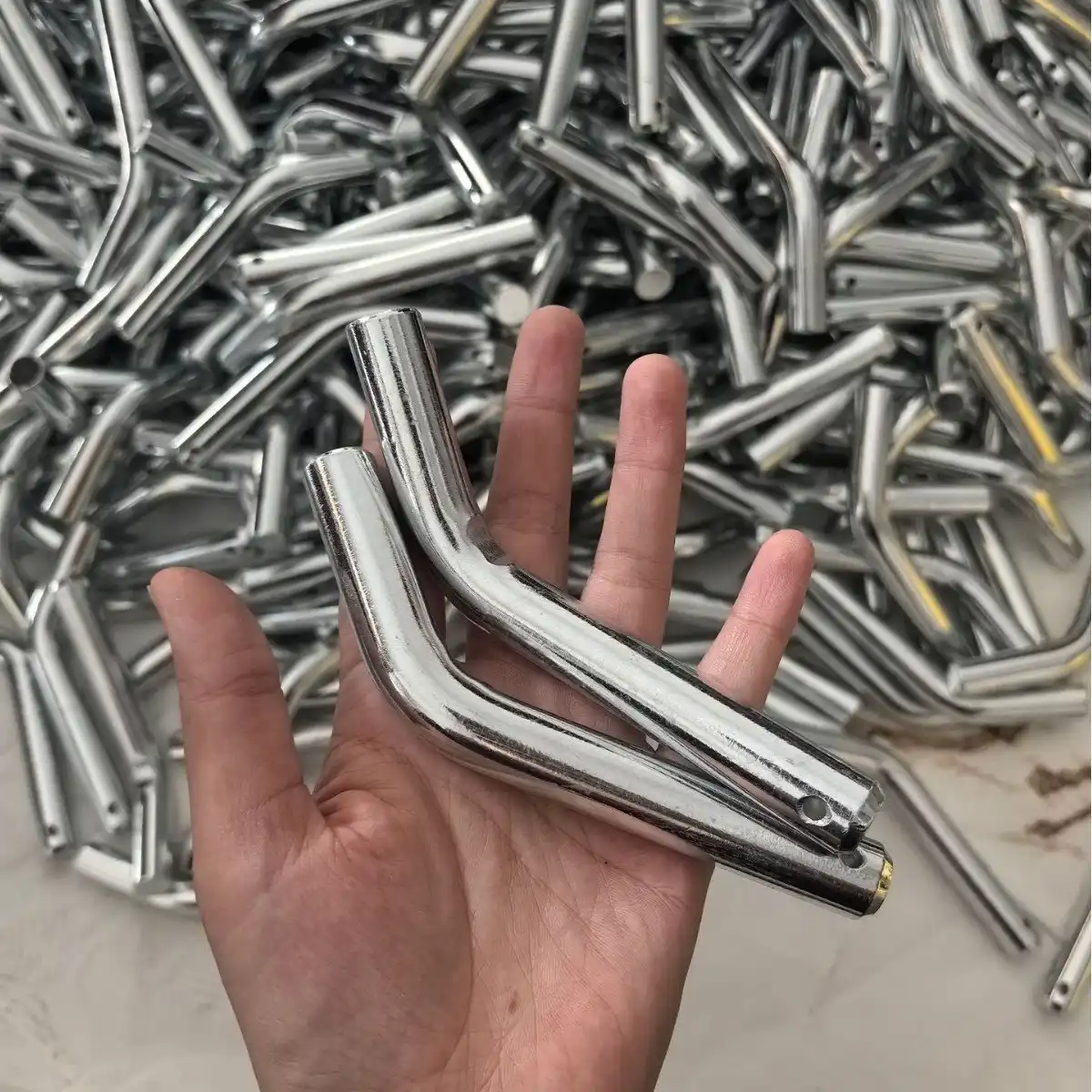
coupler lock are responsible for securing the trailer ball coupler. It has a hole in the tongue that fits over the ball of the hitch to make a link for pulling. The ball and this part snap onto each other with a catch. It's usually made from cast fine metal steel. The coupler lock won't let the coupler open or connect to a hitch ball, so the trailer can't move. There are many types of materials that don't rust, such as black powder paints and brass finishes. For putting things outside, this is important. Different kinds of trucks and balls from 1-7/8" to 2" and 2-5/16" can be used with it. It can hold between 2,000 and 20,000 pounds of weight and has either a quick-release button latch or a trigger lock. You can either bolt it on or weld it on, and both ways meet ISO/TS16949 approval guidelines. It can hold up to 60,000 pounds of gross trailer weight and 15,000 pounds of vertical load. It is made by precision pressing and CNC machining. Because of this, it works great in tough industry settings.
Defining the Hitch Lock
When used for fleet management, coupler lock and hitch locks stop expensive adjustable ball mounts or speciality hitches from being stolen or taken off without permission. They do this by fitting into the hitch receiver tube and locking the ball mount in place or stopping the insertion of a hitch pin. Some hitch locks also wrap around the coupling ball, making it impossible to attach a trailer. This keeps thieves from seeing the tow vehicles and stealing them.
Primary Application Contexts
coupler lock protect the tow vehicle itself, especially in cities or on job sites where hitch parts are easy to steal, when trailers are stored away from tow vehicles, such as in logistics depots, rental fleets, and construction equipment yards. This is true even if the trailer is empty for long periods of time.
Coupler Lock vs Hitch Lock: Core Differences Explained
Design and Construction Variations
coupler lock have small bodies that protect the coupler mechanism. These bodies usually have drill-resistant plates and hidden shackle designs that make it hard to get to the locking cylinder. The locking cylinder is surrounded by hardened steel layers that make it impossible to cut or pry. Safety coupler pin locking technology—a dual-action or positive-locking geometry—secures the coupler's movable jaw against the fixed body. This stops false latching, which is when a coupler looks locked but isn't. It also stops mechanical loosening caused by high-frequency vibrations in construction or transport environments and is the last line of defence in terms of structural integrity according to OSHA 1926.451 and EN 74 standards.
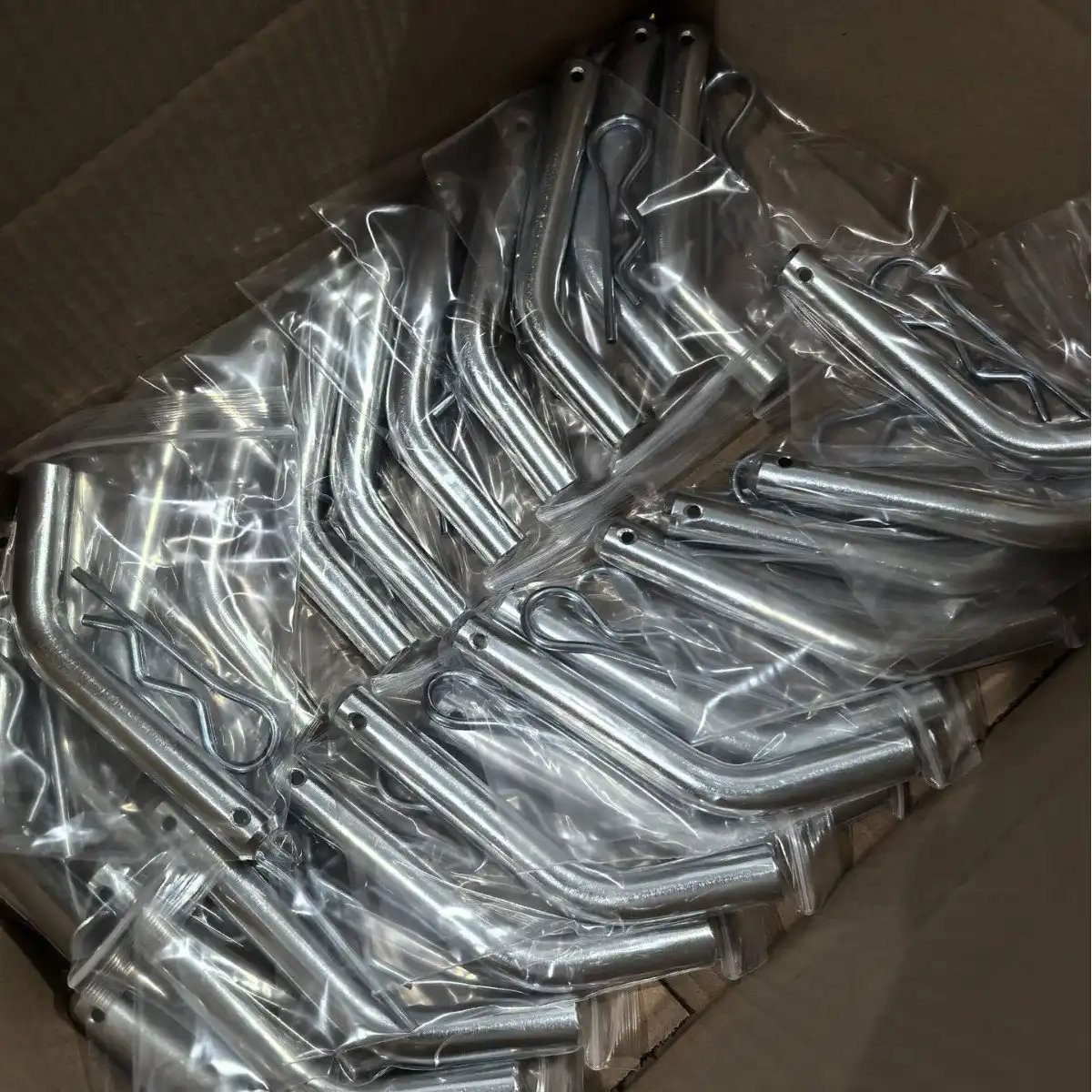
There are different kinds of hitch locks, like coupler lock that fit around the ball mount and receiver locks that fit horizontally through the hitch pin holes. They are made of drop-forged alloy steel that has been heat treated to get a tensile strength of over 480–600 MPa. Tolerances of within ±0.1mm are used to make sure that interference fits keep the structure from moving. Surface treatments like hot-dip galvanisation with a 45–85 micron coating thickness protect against salt spray for over 72 hours, which is important for coastal operations or winter road conditions where corrosive agents speed up metal fatigue.
Security Features and Vulnerability Assessment
The tongue metal is harder for thieves to cut through, but coupler lock are easy to get through. The cops would be able to catch them more easily, though, because it would take them longer and cost them more of their money. It is harder to get through coupler lock that have anti-drill pins, pick-resistant cylinders, and ball-bearing locking systems that stop shimming attacks.
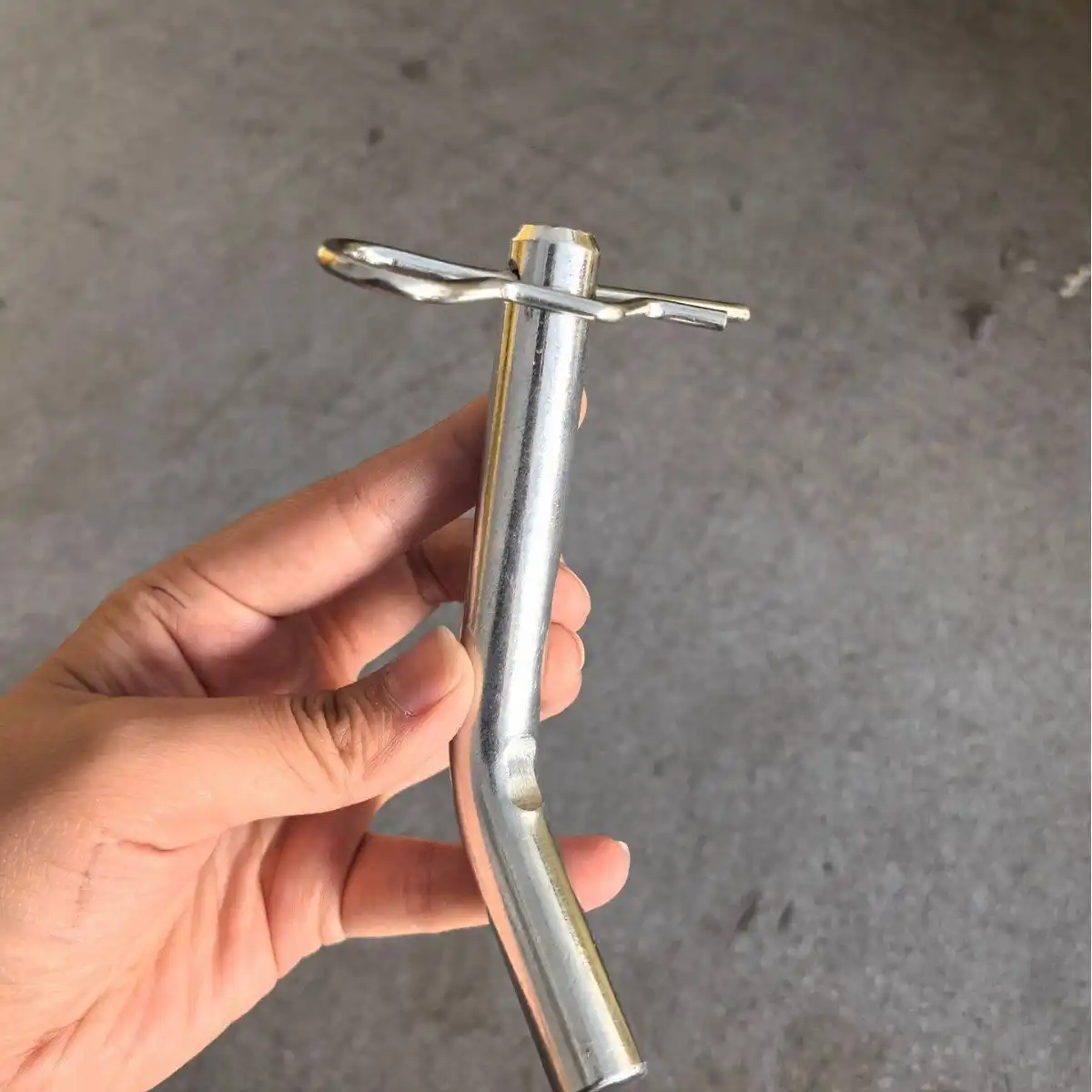
Theft of hitch parts and unauthorised use of a vehicle are two different types of threats. Hitch locks are less effective when they are installed incorrectly or when receiver tubes are worn out and allow them to move around too much. The best hitch locks have secondary locks that are spring-loaded or gravity-based, such as R-clips, lynchpins, or self-locking cams. These locks need to be manually released in a certain way to open, so they don't open by accident even if the vehicle is shaking very hard. According to research from the National Equipment Register, thieves tend to move on to easier targets when they see high-quality locks.
Operational Use Cases Across Industries
When trailers are being rotated for maintenance, stored for the season, or waiting to be assigned in staging yards, fleet operators need coupler lock so they can lock dozens of trailers at once without having to go into each one individually. Hitch locks are needed when tow vehicles are left overnight at remote job sites to protect expensive pintle hooks or hard-to-replace adjustable mounts.
People can't move generator trailers, mobile light towers, or material hauliers between shifts without permission if they have coupler lock on them. Tow trucks, on the other hand, can't move even if they can't get to the site. Infrastructure projects involving traffic control trailers or temporary signage rigs require both lock types to satisfy insurance requirements and municipal liability standards, particularly for equipment deployed along public roadways.
How to Choose the Right Lock: A Decision Support Guide for B2B Buyers
Evaluating Security Level Requirements
If your company is located in an area where theft is popular, you should look for locks that have Sold Secure ratings or other standards that show they can't be broken into easily. How safe it is relies on the shackle's width, the thickness of the lock body, and the quality of the cylinder. How much does the danger cost compared to the cost of replacing and insurance? One good way to lower risk is to use a $150 quality lock to keep a $25,000 trailer safe.
You should be careful about what you use when working near the coast or where road salt is used a lot. coupler lock that don't rust as quickly are what you need. Electroplating doesn't work as well in tough conditions as hot-dip galvanising, and stainless steel doesn't rust at all. Extreme temperatures should also be taken into account. The oils in lock cylinders can freeze in temps below zero or break down quickly in temperatures above 1000 degrees Fahrenheit. This can make them less reliable when key security is needed.
Lock Type Preferences and Operational Efficiency
Combination locks don't need keys, but the codes need to be changed regularly and safely to keep things safe, including the coupler lock. Keyed-alike systems let one key open multiple locks across a fleet, which speeds up work while keeping the integrity of each lock, such as the coupler lock. Master key systems let supervisors access all equipment but only let operators access their assigned trailers, and this applies to the coupler lock as well.
Brand Evaluation and Supplier Selection
People trust big brands like Master Lock and ABUS, and their products are easy to get replacement parts for. Their industrial-grade models have hardened steel shackles, weather-sealed bodies, and pick-resistant cylinders that have been tested against professional locksmith attacks. But for some uses, it's better to buy from a company that only makes trailer security products, like RUIRUI Machinery. We have metallurgical expertise and customisation options that big brands don't have. Our engineering team works directly with clients to change lock dimensions, mounting configurations, or material specifications to fit their trailer designs or strict security rules. Buying in bulk can save you money, get your goods faster, and give you better technical support. Business warranties that last three to five years and are easy to replace keep things running smoothly. To find a good supplier, check how much they can make, see if they have quality system certifications like ISO 9001, and ask other companies in the same industry for references.
Installation, Maintenance, and Troubleshooting for Coupler Locks
Step-by-Step Installation Guidelines
For a coupler lock to work properly, you must first clean the ball socket and latch mechanism of any dust, dirt, or rust that might be stopping the lock from fully engaging. The next step is to make sure that the coupler size fits the lock's requirements. If you force the wrong size, it can hurt both parts and make you feel safe when you're not. Lastly, put the lock in place according to the directions from the maker. Make sure that the locking mechanism fits all of the needed latch points. Also, you should be able to see that the secondary retention feature is on and that the safety coupler pin locking device is fully in place.
To put bolts on, you'll need standard tools or sockets, thread-locking compound to keep the bolts from coming loose from vibrations, and the torque that the trailer maker says you should use. Use metal bits that are rated for the trailer tongue material, which is usually mild steel or aluminium alloys, to drill holes for locks that need them. Make sure the holes are well-deburred to avoid stress concentrations. Put anti-seize powder on the threads of the bolts. This is especially important in places where metals can corrode and lock fasteners in place forever.
Maintenance Protocols for Extended Service Life
Once a month, check used equipment for damage to the coupler lock bodies from impacts, that the locking mechanisms work smoothly and don't get stuck, and that the mounting hardware stays tight. In harsh environments, checks should be done more often because salt or industrial contamination speeds up wear. Clean locks with non-petroleum solvents that won't hurt rubber seals or plastic parts. Grease cylinders with graphite powder instead of oil-based products, which attract dirt and harden in cold temperatures.
If the locks have been in saltwater or chemicals used to melt ice, you should wash them well in clean water and spray them with a corrosion inhibitor. Look for chips or scratches in the zinc plating or powder coat finishes that show the base metal. Fix any damage right away with the right repair compounds. When not in use, keep spare locks in climate-controlled areas so they don't get wet and freeze and thaw, which damages the electronics inside.
Troubleshooting Common Issues
A stiff cylinder is usually caused by dirt or not enough lubrication. Use compressed air to clean the keyway and then a small amount of graphite lubricant. Do not force the keys—damaged pins inside the cylinder need to be replaced by a professional. Stuck mechanisms may mean that there is corrosion inside the lock. Putting penetrating oil on them overnight can sometimes fix the problem, but if it keeps happening, the lock needs to be replaced before it breaks.
If the mounting hardware comes loose after being put in place correctly, either the thread-locking powder wasn't used correctly or the mounting points are breaking down. This can be fixed by adding backing plates or better fasteners that can handle dynamic loads to the places where the things are attached. It's important to change locks right away if they have cracks in their bodies. These locks will fail badly when they are loaded. A professional locksmith is the only one who can get broken keys out of cylinders. Trying to do it yourself usually makes things worse and could damage the lock beyond repair.
Enhancing Trailer Security: Integrating Coupler and Hitch Locks
Complementary Protection Strategies
Thieves find it harder to get through when there are both coupler lock and hitch locks. This is because they need different tools and skills for each one. Case studies from commercial fleet operators show that theft rates drop by more than 85% when dual-locking protocols become standard. Thieves also think they are at greater risk when they can see the security this makes the physical barriers even stronger. Standardising lock types across fleets makes it easier to train crews and keep track of parts. They only need to learn one way to install locks and carry one type of key, which cuts down on operational friction. Combining both types of locks with GPS tracking systems lets you know right away if trailers move out of the blue, so you can act quickly before your assets leave the area. For more advanced operations, locks are connected to access control databases, which require digital authorisation before keys are given out and automatically record equipment movement.
Emerging Technologies in Lock Systems
You can control who can enter which trailer and when with Bluetooth locks, and audit trails keep track of who did what and when. Fleet managers can check on the status of locks from afar and get alerts if devices show signs of tampering or stay unlocked past their scheduled times. Battery-powered systems can be dangerous if the power goes out, but most have mechanical override features and low-battery warnings that give you weeks' worth of notice. New findings in material science have led to safer ways to keep things safe. For example, composite lock bodies with ceramic inserts can withstand attacks that would normally work on hardened steel. Nano-coating technologies offer self-healing corrosion resistance, sealing small scratches before water can start to rust them. These new technologies are pricey, but they are worth it in extreme-duty situations where lock failure causes safety hazards or regulatory violations beyond just theft losses.
Conclusion
People who buy things for other businesses need to think about how safe the coupler lock is, how well it works in different settings, how much upkeep it needs, and how much the whole system will cost to own. It depends on the situation, the threats they face, and the assets they need to protect that they choose coupler lock, hitch locks, or both.
FAQ
1. Are coupler locks compatible with all trailer types?
Most coupler lock can hold balls that are 1-7/8", 2", or 2-5/16" in diameter. Because of this, they can be used on most cars and small business trucks. Locks for pinch hitches and other industrial joining systems need to be made to fit the links that heavy machinery trucks use. Before you buy, make sure you know the coupler's size and the latch's style to make sure it will fit right and keep the load safe.
2. Which lock provides better security during long-distance transport?
Both locks need to be taken off in order to connect the trailer to the car. One lock only works when the trailer is being pulled. So that it is safe to ship, the coupler-to-ball link needs to be stable. Another type of safety gear used is that which breaks away. This is because both types of locks keep things safe during stops, overnight stays, or storage times between loads. They can be used for long-distance trips.
3. What warranty terms do leading manufacturers offer?
Most companies that make industrial locks will cover them for three to five years if there are any issues with the parts or the way they were put together. Business claims don't cover damage caused by misuse, poor fit, or damage from the outside that wasn't planned for. It is certain that RUIRUI's goods are very good. Their things all work at the same level because they are ISO 9001 approved and use careful methods when making them.

Secure Your Fleet with RUIRUI's Industrial-Grade Trailer Lock Solutions
For business-to-business transactions, RUIRUI Machinery produces coupler lock devices. We can use complicated surface methods, CNC cutting, and progressive pressing to make things. These locks are made to last longer than most in the business because they follow ISO/TS16949 standards. People who need a good coupler lock source can come to us. This includes people who sell security gear, build infrastructure, or run a team and need to make special plans for installation. Forged things are made from high-grade metal steel. Because we zinc plate or powder coat them, they are less likely to rust in dangerous places. If you want to talk about how to keep your trailer safe, get technical help, or get deals on your next buy in bulk, you can email our engineering team at kshdhardware@qdkshd.com. At sheetmetalprocessingplant.com, you can see all of our well-made safety gear.
References
1. National Equipment Register. "Commercial Trailer Theft Prevention: Industry Best Practices and Statistical Analysis." Annual Security Report, 2022.
2. Occupational Safety and Health Administration. "OSHA Standard 1926.451: Scaffolding Safety Requirements and Coupling Specifications." U.S. Department of Labor, 2021.
3. Master Lock Company. "Industrial Locking Systems: Engineering Guide for Fleet Security Applications." Technical Documentation Series, 2023.
4. European Committee for Standardization. "EN 74: Couplers, Spigot Pins and Baseplates for Use in Falsework and Scaffolds." Performance Requirements and Design Tests, 2020.
5. Society of Automotive Engineers. "SAE J684: Trailer Couplings and Hitches—Automotive Type." Standards and Recommended Practices, 2019.
6. International Organization for Standardization. "ISO/TS 16949: Quality Management Systems for Automotive Production and Relevant Service Parts." Certification Requirements, 2021.

Send Inquiry
You may like