
Custom Bulk Trailer Hardware Solutions for Trailer Manufacturers
Custom bulk trailer hardware solutions are a smart way for manufacturers to buy specialized fastening systems, structural trailer hardware, and connection kits that work with their unique production processes. Trailer hardware includes important parts like hitch pins, locking systems, brackets, mounting screws, and reinforcement clips that have a direct effect on how safe the trailer is to use and how well it stays together. By working with suppliers that let them customize bulk orders, manufacturers can get precisely made parts that fit their designs perfectly, all while getting good deals and a reliable supply chain.
Understanding Trailer Hardware and Its Role in Manufacturing
Defining Core Hardware Components in Trailer Assembly
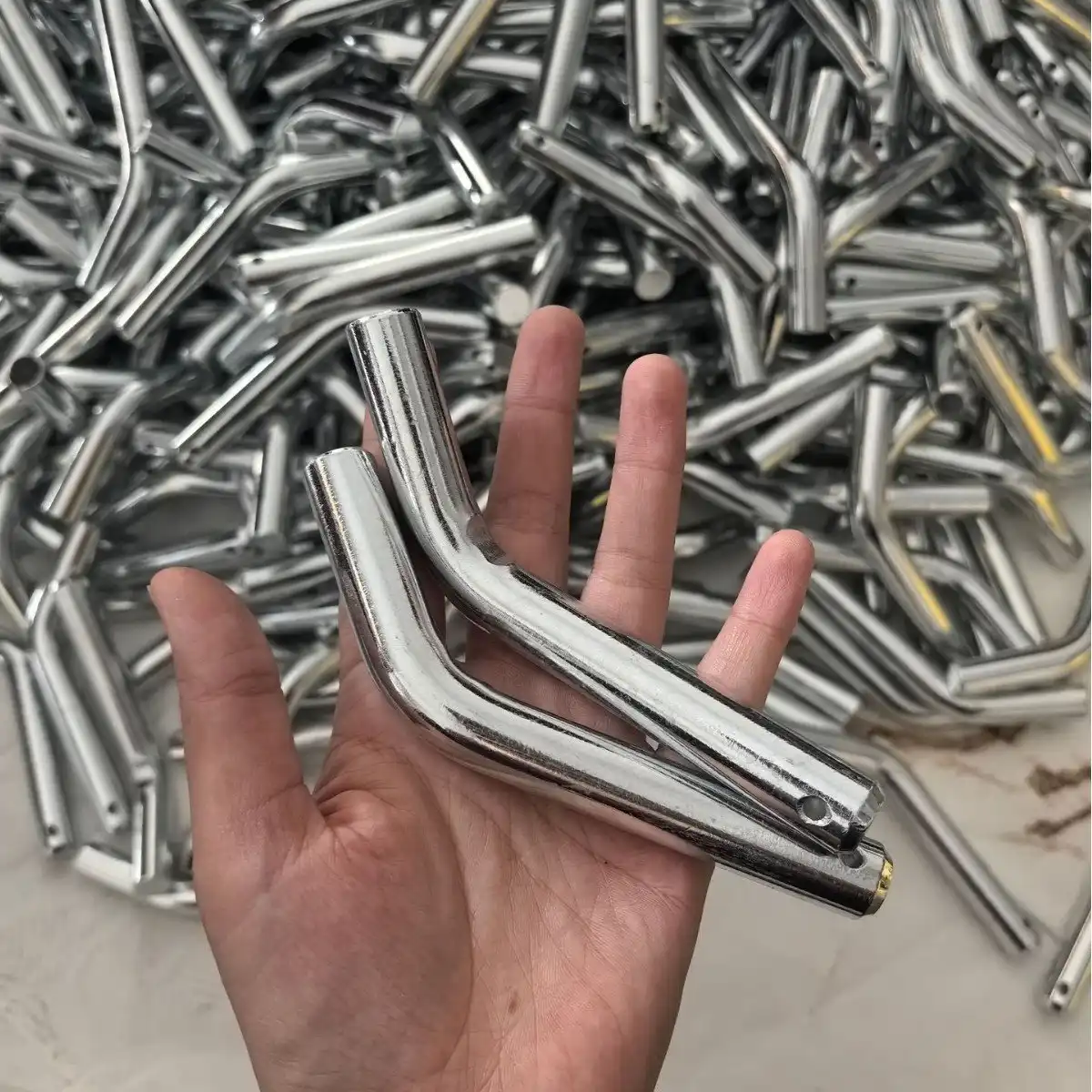
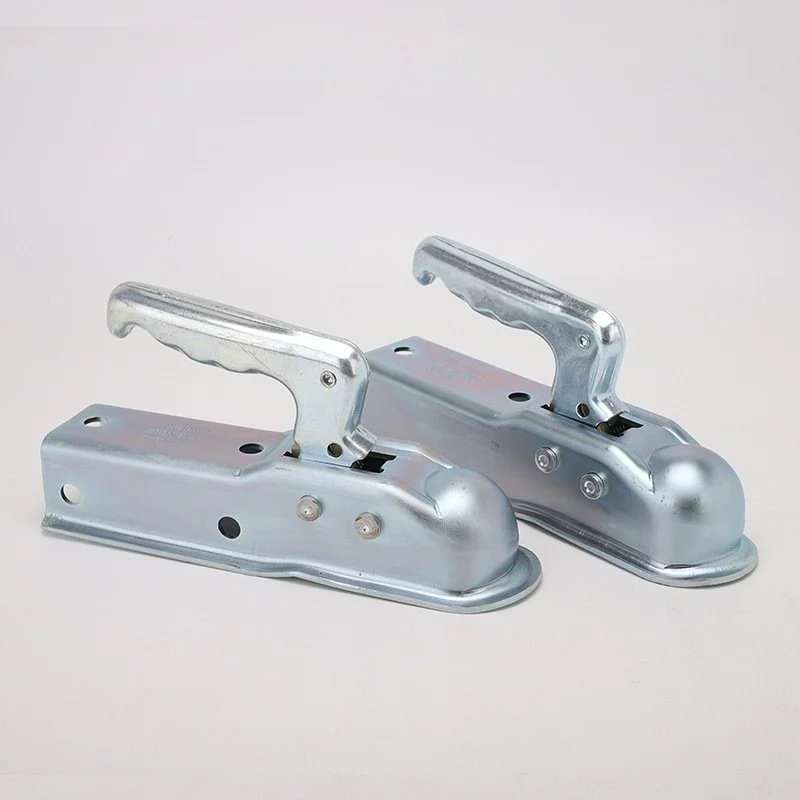
There is a complicated web of mechanical connections and structural trailer hardware that hold the trailer together even when it is under a lot of stress. Some important parts are heavy-duty hinges that let the door and ramp move thousands of times, locking systems that are made to handle shaking and side force, and special brackets that spread the load across the trailer frames. Together, these trailer hardware components keep the structure together during travel, where changing loads and exposure to the environment are always pushing the limits of the material.
Material Selection and Its Impact on Performance
The choice of material has a big impact on how well trailer hardware works in a variety of operating settings. By using sacrificial zinc coatings, galvanized steel trailer hardware is very resistant to rust. This is especially true when components are hot-dip galvanized according to ASTM A153 standards. This makes them last three to five times longer in outdoor uses than unprotected options. Grades of stainless steel like 304 and 316 are better at resisting corrosion in coastal or high-salinity settings, where chloride exposure speeds up the normal rate of rusting. When it comes to increasing payload capacity, aluminum alloys are great because they reduce weight while still keeping suitable tensile strength, which usually ranges between 310 and 450 MPa based on the alloy makeup and heat treatment methods.
Safety Standards and Compliance Requirements
Manufacturers must make sure that all trailer hardware meets strict rules set by the Department of Transportation and standards specific to the business. It takes a lot of testing to make sure that parts work properly. They are put through tensile strength checks, shear resistance checks, and wear cycle checks that mimic years of use in a controlled lab setting. Traceability is set up throughout supply chains by compliance paperwork. This lets manufacturers show that they are following quality standards during audits or liability investigations. This set of rules protects end users and sets basic performance standards that trustworthy providers always go above and beyond with advanced metalworking techniques and quality control systems.
Challenges Faced by Trailer Manufacturers in Procuring Bulk Hardware
Supply Chain Inconsistencies and Quality Variability
When trailer manufacturers buy parts from various sources who don't have established quality control systems, they often run into big problems. Changes from batch to batch in the types of materials used, the thickness of the coating, and the limits for size and shape make assembly more difficult, which slows down production lines and raises the rate of defects. When fasteners don't meet the required tensile strength or start to corrode too soon, manufacturers have to deal with expensive warranty claims and damage to their brand's image that far outweigh the savings they got from buying from cheaper sources in the first place.
Customization Limitations with Standard Suppliers
Off-the-shelf trailer hardware doesn't always work perfectly with custom trailer designs that have unique frame shapes, special mounting arrangements, or new ways of distributing weight. Standard suppliers usually don't let manufacturers make many changes, so manufacturers have to compromise the purity of the design or spend a lot of money on expensive post-processing operations. When production goes up, these restrictions become even more of a problem because even small differences in size can cause big delays in putting together hundreds or thousands of units every year.
Real-World Procurement Case Study
In the Midwest, a medium-sized trailer manufacturer had to stop production several times because the quality of fasteners from three different sources wasn't reliable. An analysis showed that differences in the thickness of the galvanized layer caused rust to form early on in 12% of finished units within 18 months of delivery. The manufacturer cut the number of defects by 87% and the cost of managing procurement by 34% by combining their purchases with a single OEM-focused source that offered custom bulk solutions and strict ISO 9001 quality controls. This change showed how smart partnerships with suppliers can turn buying from a necessary evil into a winning strategy.
Key Features of Custom Bulk Trailer Hardware Solutions
Tailored Component Design and Material Optimization
Custom bulk solutions let manufacturers choose the exact sizes, grades of materials, and finishing options that match engineering plans and performance standards. Suppliers that offer full customization make parts through joint design processes in which purchasing teams and manufacturing experts work together to make trailer hardware work best for each application. This method makes components with exactly measured tensile strengths, thread patterns that match up with fitting assemblies, and coating systems that are chosen based on how they will be exposed to the environment.
Before putting in place unique solutions, companies should consider these main aspects of customization:
- Material Selection Flexibility: Having access to a wide range of materials, such as cold-rolled steel, treated steel, different aluminum alloys, different types of stainless steel, copper, and brass, lets you get the best performance for each application. Each material has its own benefits when it comes to weight, resistance to corrosion, heat conductivity, and cost-effectiveness, which make them suitable for different types of trailers and work conditions.
- Coating and Finishing Options: Powder coating for color matching and UV resistance, electrophoresis for even coverage in complex geometries, and specialized anodizing for aluminum trailer hardware that needs better corrosion protection are just a few of the advanced surface treatments that can make a part last a lot longer.
- Dimensional Precision: CNC machining and progressive pressing technologies make sure that dimensional errors stay within ±0.05mm across production runs. This means that assembly problems caused by holes not aligning properly or threads not matching can't happen.
These options for customization directly lead to higher production efficiency. Assembling parts faster and lowering the number of quality control checks is possible when they come ready to be put together without any extra work. Custom packing solutions make logistics even easier by letting you kit up parts in a way that fits the order of production. This lets you handle your goods just-in-time, which saves warehouse space and working capital that would otherwise be used to buy extra items.
Quality Assurance Through Certification and Testing
Reliable custom trailer hardware providers have quality management systems that are certified to ISO 9001 standards. These systems keep records of every step of the production process, from checking the raw materials to doing the final review. Advanced providers also have OHSAS 18001 and ISO 14001 standards for worker safety and the environment, which shows that they are committed to using sustainable manufacturing methods. These approvals show that quality systems are uniform, which lowers risk across global supply lines and can be checked by procurement managers.
How to Select the Best Custom Bulk Trailer Hardware Supplier
Evaluating Production Capabilities and Technical Expertise
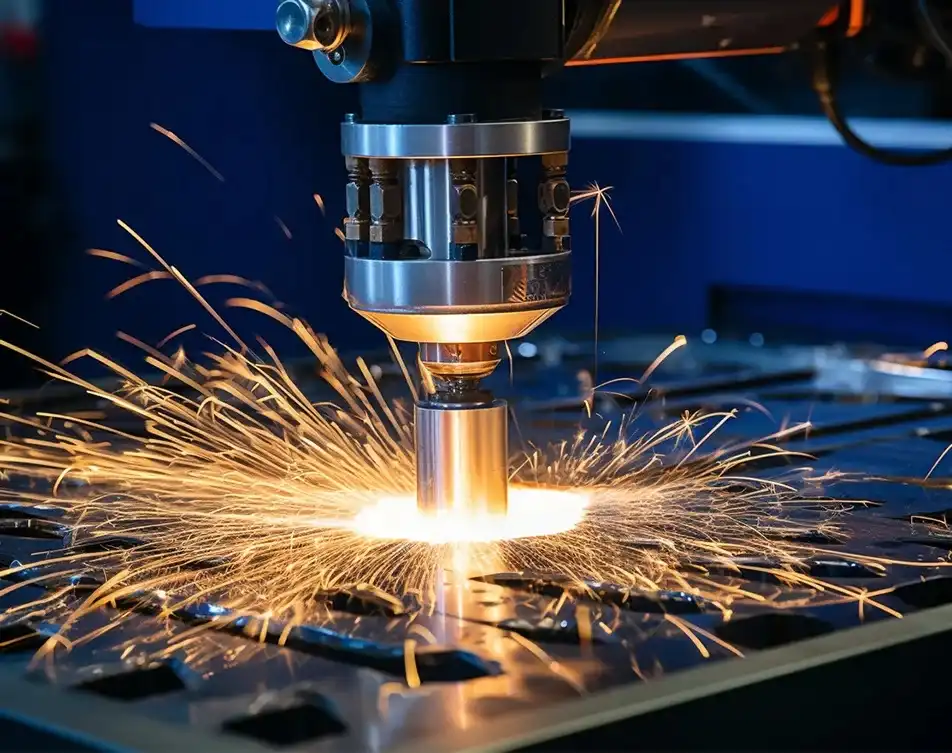
When choosing a supplier, you need to carefully look at their manufacturing facilities and engineering help. Ideal partners run fully automatic production lines that use robotic welding, CNC precise machining, and laser cutting to make sure that the quality of all large orders is the same. Production capacity is very important. For example, suppliers that can make 130,000 units a year on eight specialized production lines show that they can grow with manufacturers. Technical support teams that can read complicated engineering plans and make suggestions for how to improve designs add value beyond just fulfilling orders.
Material Suitability Based on Application Requirements
For different trailer uses, different types of materials are needed. Galvanized carbon steel fasteners work well on enclosed cargo trailers that work in moderate climates because they are cost-effective and resistant to corrosion. On the other hand, specialty trailers that transport chemical products or work near the coast need trailer hardware made of stainless steel that can handle chloride exposure. Aluminum trailer hardware works well in situations where reducing weight directly boosts payload capacity and fuel economy. This is especially true for long-haul operations, where every kilogram affects the cost of doing business.
Long-Term Partnership Value and Support Services
After the initial purchase, manufacturers benefit a lot from sellers who offer full after-sales help, such as technical troubleshooting, warranty coverage, and ongoing design collaboration. Suppliers with more than fifteen years of experience in the field know a lot about common failure modes, how materials work in a variety of situations, and new technologies that help with efforts to make things better all the time. Clear price models with discounts based on volume and long-term contract choices make costs predictable, which is important for accurate budgeting and bidding on big projects.
Streamlining Procurement: Best Practices for Trailer Manufacturers
Matching Specifications to Design Requirements
For buying to work well, the requirements must be clear and in line with technical standards. For each type of trailer hardware, manufacturers should make detailed lists of the minimum tensile strengths, shear resistance levels, coating types, dimensional limits, and compliance standards that need to be met. When figuring out a load's capacity, you have to take into account things like dynamic forces during transfer, estimates of environmental exposure, and safety factors that go above and beyond what the law requires. This methodical technique stops design mistakes that cost a lot of money and put people's safety at risk or require expensive repairs.
Optimizing Order Processes and Logistics
When set up correctly, bulk buying methods can save you a lot of money on trailer hardware. When compared to smaller orders from distributors, container-level shipments from direct manufacturers usually cut per-unit costs by 22–35%. However, manufacturers have to weigh the savings against the costs of keeping goods and the limited room in their warehouses. Custom packaging that fits with the production process, like kitted kits that come with all the tools for certain trailer types, cuts down on the time it takes to put the parts together and prevents the kind of mistakes that slow down production lines. Setting up vendor-managed inventory deals with reliable suppliers makes operations even more efficient by transferring the responsibility of managing inventory to the suppliers and ensuring the supply of trailer hardware.
Maintenance Protocols and Safety Inspections
The length of time that trailer hardware lasts varies a lot on how often it is maintained and inspected. Manufacturers should write down how to check important bolts, find early signs of rust, and keep an eye on torque retention in threaded connections. Regular safety checks make sure that all trailer hardware components keep meeting the original specs throughout their service life. This lets you know what parts need to be replaced before they break. These proactive steps lower warranty claims, protect the brand's image, and show a dedication to customer safety that sets quality-focused manufacturers apart in competitive markets.
Conclusion
Using custom bulk solutions to buy trailer hardware turns procurement from a problem that needs to be solved for transactions into a strategic advantage for companies that want quality, stability, and operating efficiency. When manufacturers work with providers that offer full customization, strict quality certifications, and scalable production capacity, they can get parts that are exactly what the design calls for while also saving money by buying in bulk. Manufacturers can now focus on making new products and expanding their markets instead of dealing with complicated relationships with multiple vendors and inconsistent quality. This is made possible by the move toward specialized suppliers with deep technical knowledge, advanced manufacturing infrastructure, and a commitment to long-term partnerships.
FAQ
1. What materials work best for trailer hardware in coastal regions?
304 or 316 stainless steel is the best choice for corrosion protection in coastal areas with a lot of salt water, where chloride exposure speeds up the breakdown of normal galvanized trailer hardware. The chromium in stainless steel creates an inactive rust layer that fixes itself when it gets scratched, keeping the part safe for as long as it's used. Even though stainless steel trailer hardware is about 40–60% more expensive than galvanized versions, it lasts fifteen to twenty years longer than normal treatments, which means it has a better lifecycle value for trailers used in marine settings.
2. How do custom solutions reduce assembly time?
Custom trailer hardware solutions make building easier by using precise engineering that gets rid of the need for extra work. When parts are delivered, they have exact measurements that match design plans, surfaces that have already been handled so they don't need to be finished, and the best way to package them so it fits with how production works. When manufacturers switch from general hardware to custom solutions, workers spend less time sorting parts, making changes to dimensions, and fixing quality problems, which cuts assembly time by 18 to 25 percent.
3. What certifications should I require from hardware suppliers?
Suppliers who care about quality keep their ISO 9001 quality management certification, which shows that they have written methods for making sure that manufacturing standards are always met. ISO 14001 certification for the environment shows a commitment to eco-friendly practices, and OHSAS 18001 or ISO 45001 certification for safety at work shows that systems are in place to protect workers. Standards specific to the industry, such as ASTM material specs and appropriate Department of Transportation compliance documents, give extra confidence that parts meet the rules for commercial trailer uses.
Partner with RUIRUI for Superior Trailer Hardware Manufacturing
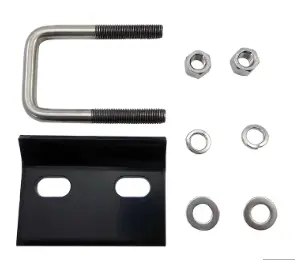
Qingdao RUIRUI Machinery Co., LTD offers complete custom bulk trailer hardware solutions. They have been making specialized products for fifteen years and have advanced production tools. Our eight automated production lines, which are equipped with robotic systems and precise CNC machining, make 130,000 units every year. This guarantees consistent quality and reliable delivery plans for manufacturers who need flexible supply partnerships. Our main products are trailer pins, mounting brackets, fastening systems, and custom parts made from stainless steel, galvanized steel, aluminum alloys, brass, and other metals through progressive pressing, laser cutting, and deep drawing.
As a manufacturer that is approved by ISO 9001, ISO 14001, and OHSAS 18001, we keep strict quality records during production and offer full OEM customization services that are in line with your engineering requirements. Our expert team works directly with your design engineers to make sure that the performance, material choice, and surface finishes of each component are the best they can be for your needs. Whether you need suppliers of trailer hardware for ongoing production runs or specialized parts for developing new products, our factory-direct prices and professional export packaging make it easy and safe to buy from us across borders. Email our engineering team at kshdhardware@qdkshd.com to talk about your custom bulk trailer hardware needs and find out how our production skills can improve the stability of your supply chain while lowering the total cost of your purchases.
References
1. American Society for Testing and Materials. (2021). ASTM A153/A153M Standard Specification for Zinc Coating (Hot-Dip) on Iron and Steel Hardware. ASTM International, West Conshohocken, PA.
2. Johnson, M. & Peterson, R. (2020). Material Selection in Commercial Trailer Manufacturing: Engineering Principles and Cost Analysis. Society of Automotive Engineers Technical Paper Series, SAE International, Warrendale, PA.
3. National Association of Trailer Manufacturers. (2022). Quality Standards and Best Practices for Trailer Component Procurement. NATM Industry Guidelines, Alexandria, VA.
4. Thompson, L. (2019). Corrosion Resistance in Transportation Equipment: Comparative Analysis of Coating Systems. Journal of Materials Engineering and Performance, Volume 28, Issue 6, pages 3341-3356.
5. United States Department of Transportation. (2023). Federal Motor Carrier Safety Regulations: Equipment and Maintenance Standards for Commercial Trailers. Code of Federal Regulations Title 49, Parts 393-396.
6. Williams, K. & Zhang, H. (2021). Supply Chain Optimization in Metal Components Manufacturing: Case Studies from the Trailer Industry. International Journal of Production Economics, Volume 234, Article 108043.

Send Inquiry
You may like