
Custom Trailer Ball Installation Tips for Beginners
It's important to put in a custom trailer ball the right way if you're in charge of a group of construction or industry trucks. The trailer and pull car will stay together as long as the hitch ball is in the right place. Not even when the trailer is being moved. You can buy trailer balls in stores, but a custom trailer ball can be made in any size, weight, or material to fit your needs. Normal parts can't do this. People who work with tools, on buy teams, and on service teams can make sure that everything is set up properly and that their jobs are safe if they understand how this process works.
Understanding Custom Trailer Balls: Key Concepts for Installation
What Makes Custom Trailer Balls Different
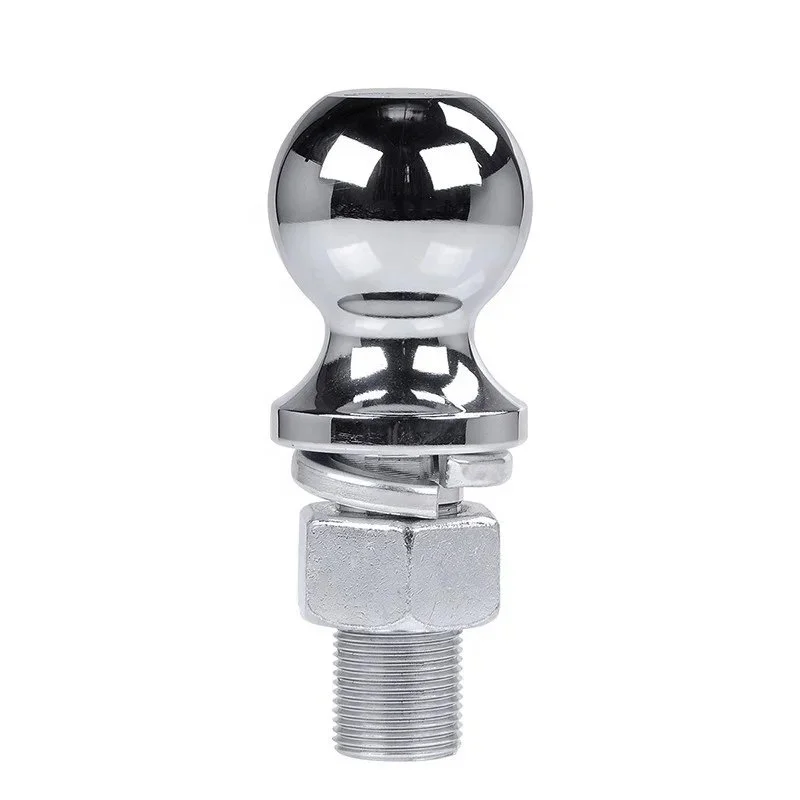
Custom trailer balls are different from other truck parts because they are made specifically for you. Most factory-made balls only come in a few sizes, like 2" or 1-7/8". Custom-made balls, on the other hand, can be made to exact standard or metric sizes. The 2-inch/50mm cast electroplated balls, for example, are made to meet the needs of both markets. You can change more than just the width. You can also change the thread size, the length of the joint, and the surface treatments that are designed to work in certain cases. It's important to know how something is made. When steel is used for things like balls, it is put under a lot of stress. The grains change size and form to fit the part. Many types of cast iron have tiny air holes in them that weaken the structure when weight is applied in different directions. There are no breaks in this one.
Critical Measurements You Need to Know
Different types of data are used to check if something works with other things and is safe. The ball and joint need to be the right size and width for each other. A 50 mm ball and a 2 inch joint look like they should fit, but they shouldn't. It takes 1.97 inches to turn a 50mm ball around. It may be 3/4", 1", or 1-1/4" wide, depending on the base. It's important that the hitch socket is the right size. When you switch between fine and coarse threads, the thread size changes, which changes how tightly the fixing nut fits. People who want to buy the things should ask for thorough specification sheets that show the maximum Gross Trailer Weight, maximum Tongue Weight, and certifications for the materials. Stainless steel doesn't rust in salty seas, and electroplated chrome gives precise measures for uses that need to be within a small range. This is because it doesn't change thickness like hot-dip galvanizing does.
Material Selection for Durability
Adding more than one coating to carbon steel can make it last a long time, but stainless steel won't rust in salt water or chemicals. If you need heavy-duty farm or building equipment that is always moving and would break if it were cast, you need forged construction. Zinc-nickel electroplating is a newer way that protects against hydrogen embrittlement. This stops the tiny cracks that cause things to break all of a sudden after months of use. When you buy a lot of parts, make sure that the type of material fits the way they will be used. Choosing a custom trailer ball that matches your application keeps parts from needing to be changed too soon and lowers the cost of owning a group of cars as a whole.
Step-by-Step Guide to Installing a Custom Trailer Ball
Pre-Installation Preparation and Inspection
Take a moment to make sure that the hitch receiver and fixing base are compatible with the load you want to connect before you start the fitting. Look for cracks, rust, or other damage in the radio tube that could make it less stable. The class number of the hitch should also match the weight of the trailer you want to pull. If your trailer weighs more than 5,000 pounds, you shouldn't use a Class III hitch that can handle that much weight, even if the ball is strong. Get the tools you'll need, like a torque wrench set to foot-pounds, penetrating oil, a wire brush to clean the threads, and safety gear like goggles and gloves. The right force number is based on the type of thread and the width of the shank. People make mistakes when installing things all the time, but you can avoid them if you plan ahead.
Mounting Process and Torque Specifications
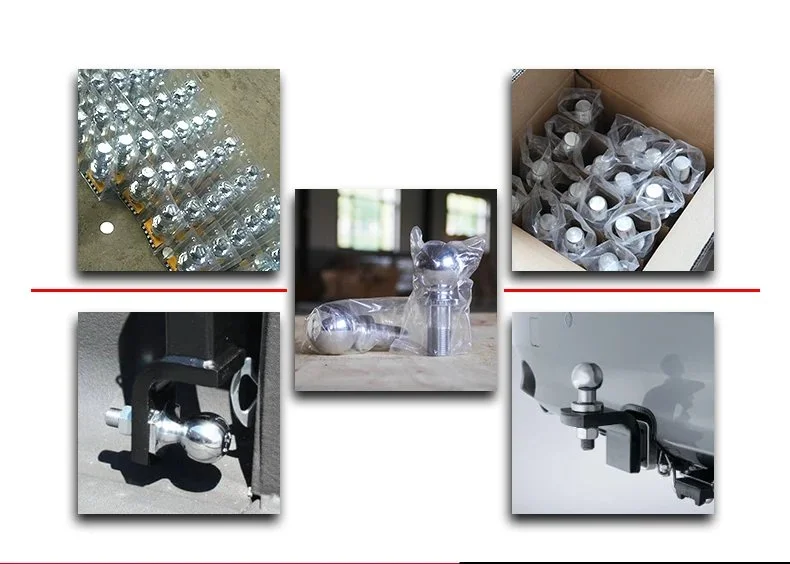
To keep the threads from seizing up in an acidic environment, use anti-seize substance. But be careful not to use too much, as it lowers the friction needed for a safe bond. Put the shank through the hole in the hitch platform. Make sure the ball faces backwards and sits flat on the mounting surface. Next, manually thread the locking nut to make sure the threads are lined up right. According to the maker, the torque should be 250 ft-lbs for shanks that are 1 inch wide and 450 ft-lbs for shanks that are 1-1/4 inches wide. If you don't tighten the bolt enough, it can come loose while you're using it. If you tighten it too much, the threads can get damaged or the head can break under stress. Once it meets the requirements, paint or make a mark to show where the nut is so it can be seen when it is checked again and again.
Verification and Testing Procedures
When you connect the trailer coupler, make sure the latches work well and don't lock or have extra play. Moving side to side more than 1/8 inch means that the sizes don't match or that parts are broken and need to be fixed. Make sure there is enough room between the coupler latch and the custom trailer ball base so that they touch at the right depth. Place the test load that is equal to the tongue weight on it and listen for any changes in sound, or sounds that don't sound right. In upkeep records, write down when they were put in, how much force was used, and the ball's specs. This will make it easier to find problems later. These steps help find issues before they get worse and lead to accidents on the road or during big moving tasks.
Choosing the Right Custom Trailer Ball for Your Application
Assessing Load Requirements and Capacity
Gross Trailer Weight includes both the frame of the trailer and its largest load. When it comes to tongue weight, it's generally between 10 and 15% of GTW and puts direct load on the hitch ball. Procurement managers should ask for balls with ratings that are at least 20% higher than the expected maximums. This way, there will be safety gaps for dynamic loads when speeding up, slowing down, and going over uneven ground. When tools are moved at work, shock loads that are higher than what can be measured statically happen all the time. This means that you need to forged build. There isn't a straight line between joint width and volume. For example, the safe working load can go up by 40% or more if the shanks are changed from 1 inch to 1-1/4 inches. This is because the bigger cross-sectional area can handle bending forces better.
Material Comparison for Different Environments
Carbon steel that has been chrome-plated can be used for many things, and water doesn't really hurt it. Several layers are added during the electroplating process to cover the base and keep it at the exact size needed for safety. Since stainless steel doesn't rust and doesn't need to be coated, it can be used in chemical plants, to pull boats, or to launch boats. It costs more, but the surface doesn't wear off and it lasts longer. For some uses, like making food or medicines, you might need certain papers to show what the material is made of and how it was treated on the outside. Make sure the people who sell you parts follow the rules of the country where you plan to use them. As an example, VESC V-5 is used in North America and ECE R55 is used in Europe.
Bulk Procurement Strategies
Companies that own a fleet of tow cars can save money by making the specs the same for all of them. However, they can still keep application-specific copies on hand in case they are needed. You can get parts from makers who can do OEM customization that don't come from resellers. These parts can have company branding, asset tracking markings, or special size needs. When you agree to buy a lot of something, the price per unit goes down, and all of the packages must meet the same quality and style standards. As for the products, you should be given certificates, records of their sizes, and test results that prove they meet ISO 9001 quality standards. When a supplier offers engineering support, they can help write specs for the custom trailer ball. This makes it easier for buying teams to make technical decisions that affect safety and how well things work. You can be sure that the supply chain for key parts will work because you can get container-level orders directly from manufacturers who offer laser cutting, CNC machining, and surface treatment.
Maintenance and Safety Tips After Installation
Routine Inspection Protocols
Plan a regular check time that takes into account how and how often the item is used. Check visually once a month to see if the mounting nut is loose, if the ball surface has wear lines that show the coupler is not lined up correctly, and if the electroplating has chips or rust. Use a torque wrench every three months to make sure the nuts are tight. If they move, you need to re-torque them to the right level. If the car is used a lot, like every day to move tools, it might need to be checked every week. For trips during certain times of the year, it should be checked before each trip. Keep fix logs and write down what you find so you can look for trends. For example, if you notice faster wear, it could mean that a part doesn't fit or there is a problem with how the machine is running. It doesn't matter how long the balls have been used.
Protective Measures and Lubrication
Before connecting, spread a thin layer of high-temperature grease made for pulling tasks evenly over the surface of the ball. Don't use oil-based items because they make rough slurries that wear out faster. After use, wipe down the surfaces to get rid of any extra grease or dirt. If you're not going to use the unit for a while, put a thin layer of protection on it. Keep balls that can be taken out of the unit in a tight space when they're not in use to keep them safe from the outside world. When you rinse marine items with fresh water after being in salt water, the chlorides are washed off before they get into the coats and hide flaws.
Troubleshooting Common Issues
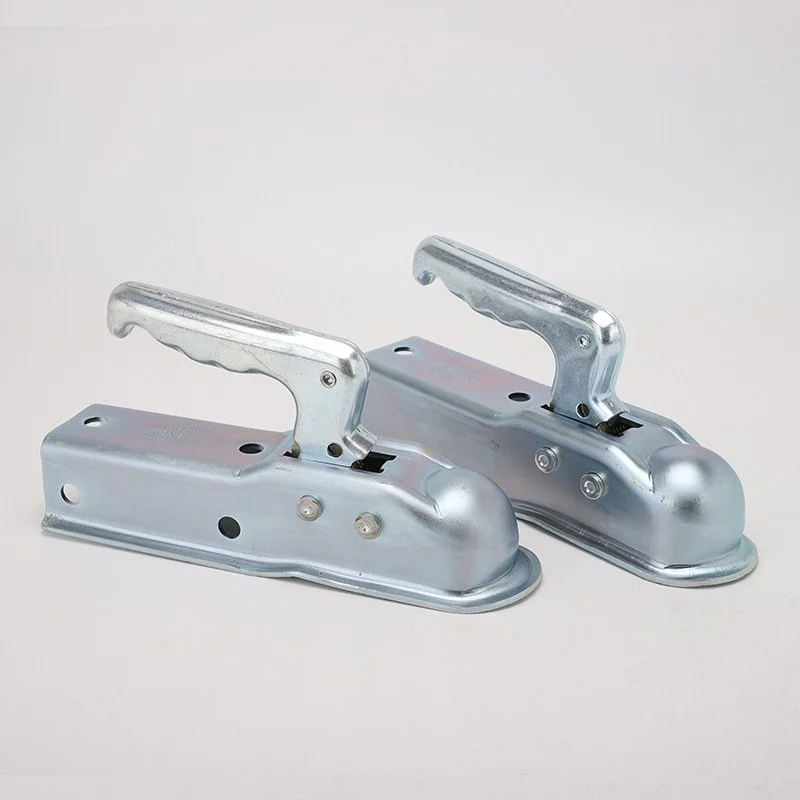
Sounds weird when you pull on something? It's likely that the ball and coupler sizes don't match up right. You either have balls that are too big or couplers that are worn out and need to be changed. If you see rust soon after installation, the cover is broken or the materials used aren't right for the job. The rusting will stop if you switch to stainless steel or a better finish. To keep a fixing nut in place, make sure the threads are tight. If they aren't, the shank might not be long enough, or the fitting might shake a lot and need thread-locking chemicals. These issues will get worse over time and cause terrible fails if you don't fix them right away.
Conclusion
In industrial, business, and infrastructure settings, towing can only be done safely and effectively if the custom trailer ball is put in the right way. To keep things running smoothly and parts lasting as long as possible, it's important to know the difference between standard and customized parts, install them in a neat way using the right torque levels, and keep up with regular maintenance. Buying cast and electroplated parts of the right quality for the job will save you money in the long run by reducing the number of fails and lengthening the life of the parts. Tow operations that meet government standards, cut down on risks and downtime, and meet specifications are set up by companies that put a high value on exact specs, knowledgeable suppliers, and preventative maintenance.
FAQ
Can I interchange 2-inch and 50mm trailer balls with the same coupler?
They look a lot alike, but you can't switch them. When used with a 2-inch coupler, a 50mm ball that is about 1.97 inches in diameter leaves a 0.03-inch spacing. Always make sure that the ball's width fits the coupler standard written on the part. If it doesn't, dangerous things can move and the risk of separation goes up.
What advantages does forged construction provide over cast balls?
When steel is formed with a lot of force, the grains are lined up to fit the shape of the ball. This makes the parts harder against impact wear and shear forces. With this method, the grains run all the way through the part, instead of having holes like in most cast parts.
How often should I re-torque the mounting nut after initial installation?
Check the torque again to make sure everything is level after 50 miles of pulling. After that, check the torque once a month for heavy use and every three months for light use. Before going on a long trip or moving big things, make sure the repair is stable.
Partner with RUIRUI for Custom Trailer Ball Solutions
RUIRUI is a company in Qingdao that makes high-precision tow parts, such as custom trailer ball kits that are made just the way you want them. To make parts that meet the quality standards set by ISO 9001, they use current casting methods, multi-layer electroplating, and CNC machining. Our factory has eight separate lines that can make up to 130,000 items a year. Our engineering team helps with the technical side of making plans, picking supplies, and figuring out how to buy a lot of them. Send us an email at kshdhardware@qdkshd.com to talk about your needs, get specific data sheets, or set up a time to see our quality systems and manufacturing skills in person.
References
Society of Automotive Engineers, "Trailer Hitches and Coupling Devices - Safety Standards and Installation Guidelines," SAE Technical Paper Series, 2021.
National Highway Traffic Safety Administration, "Trailer Coupling Device Compatibility and Failure Analysis," NHTSA Research Report, 2020.
American Society for Testing and Materials, "Standard Specification for Forged Steel Towing Components," ASTM International Standards Publication, 2022.
International Organization for Standardization, "Road Vehicles - Towing and Coupling Systems - Dimensional and Mechanical Requirements," ISO Technical Committee Documentation, 2019.
Canadian Standards Association, "Automotive Safety - Trailer Couplers and Hitch Balls Performance Testing," CSA Group Technical Standards, 2021.
European Committee for Standardization, "Mechanical Coupling Between Towing Vehicles and Trailers - Strength Testing Protocols," CEN Technical Report, 2020.

Send Inquiry
You may like