
Custom Trailer Ball Options for Different Trailer Types
When dealing with the complicated world of business towing, it's important to know about your custom trailer ball choices. The custom trailer ball is a precision-engineered connection part that is made to exact specs that match the needs of the trailer and the load conditions. Unlike mass-produced options, these specialized connections are made using advanced techniques such as forging and electroplating to make them last longer, work better with different trailer setups, and be more load-specific. Whether you're moving marine equipment, hauling big farm equipment, or managing logistics for a building project, choosing the right towing interface has a direct effect on the safety of your operations and the life of your equipment.
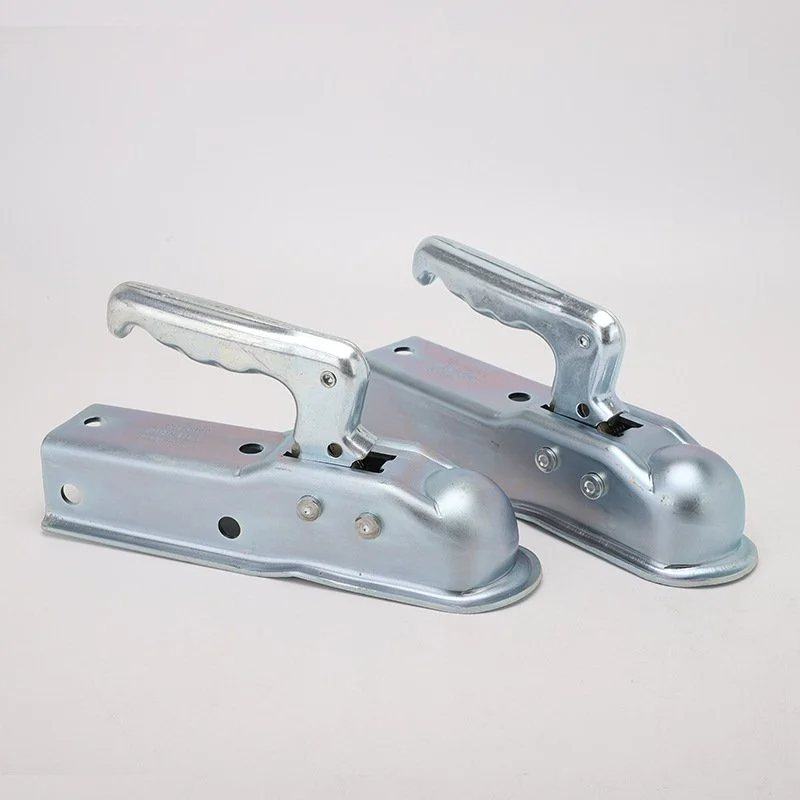
Understanding Custom Trailer Balls and Their Key Benefits
The building process is what makes general towing hardware different from custom towing hardware. Standardized goods can't always meet the mechanical needs of customers, but customized choices can.
What Makes Custom Solutions Superior
Custom trailer balls go through hot forging processes that change the steel's grain structure in a basic way. This makes the molecules line up in a way that fits the shape of the part. This way of making things has better tensile strength than cast options, which often have tiny holes that weaken the structure when it's loaded and unloaded over and over again. Forging heats the metal above 2,200°F and squeezes it. This rearranges the crystal structures so they can better withstand shear forces during dynamic pulling situations.
Material Engineering for Demanding Applications
Material decision freedom is very helpful for industrial towing uses. High-carbon steel metals can hold the most weight, and stainless steel types don't rust in saltwater or chemical conditions. Chrome-plated ends make the ball and coupler slide against each other less, which cuts down on wear during movement. Multi-layer zinc-nickel layers are used in advanced electroplating methods to stop hydrogen embrittlement, a failure mode in which absorbed hydrogen weakens the molecular bonds of the metal. Material approvals make sure that standards like ASTM A108 for cold-finished carbon steel bars are met.
Precision Tolerance Benefits
Manufacturing errors have a direct effect on the safety of the connection. Standard balls often have thickness differences of ±0.030 inches, but special parts keep their specs within ±0.005 inches. This accuracy gets rid of the dangerous slack between the ball and coupler that wears down metal from repeated contact. Purchasing teams that deal with container-level packages know that consistent tolerances across large orders keep compatibility issues from happening during assembly.
How to Choose the Right Custom Trailer Ball for Different Trailers
To choose the right trailer ball, you need to carefully look at a number of technical factors. This choice process helps people who work in procurement match parts to the needs of operations.
Assessing Load Requirements
To make the right choice, you need to know how to calculate Gross Trailer Weight (GTW) and Tongue Weight (TW). GTW is the weight of the trailer when it is fully loaded, and TW is the downward force at the connection point, which is usually 10 to 15 percent of GTW. For safety reasons, a trailer carrying building tools that weighs 12,000 pounds needs a ball that can hold at least 15,000 pounds. Custom manufacturing lets you match the shank diameter and ball diameter to exact load profiles. This keeps you from over-engineering, which adds weight that isn't needed, or under-specification, which increases the risk of failure.
Dimensional Compatibility Analysis
When buying things, people often make mistakes because they don't understand the difference between 2-inch (50.8mm) and 50mm (1.97 inches) measurements. Even though they look the same, this 0.8mm difference makes dangerous slack. Custom production answers this problem by making sizes that are right for each area, like Imperial standards for markets in North America and Metric standards for uses in Europe. Different hitch receivers have different sizes. For weight distribution hitches, Class III receivers can fit 2-inch shanks but not Class IV receivers, which need 1.25-inch shanks.
Environmental Factor Considerations
Surface cleaning needs are determined by the operational surroundings. Transport activities along the coast have to deal with faster corrosion from salt spray, which means they need electroplated or stainless steel choices. In mining and quarries, parts are exposed to rough dust, but polished chrome surfaces don't get pitted. Extreme temperatures change the qualities of materials. For example, steels that don't break easily below 0°F are needed in cold regions.
Trailer Type Matching Strategy
Different types of trailers have different technical needs. When flatbed trucks move heavy machinery, they create point loads that need balls with stronger shanks. Enclosed cargo trailers create aerodynamic drag forces that put sideways stress on the coupler contact. Off-road articulation is put on the link by equipment movers moving excavators, which needs balls with a larger spherical radius for better spinning. Finished utility trucks used in city building projects have corrosion-resistant coatings that make them last longer when stored outside.
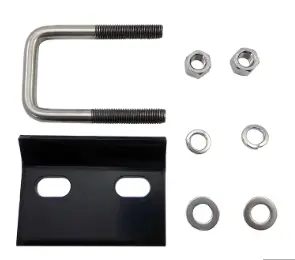
Comparing Custom Trailer Balls with Standard Trailer Balls
Knowing the difference in performance between standard and customized solutions helps you make smart purchasing choices that balance the costs of the original investment with the costs over the course of the solution's life.
Manufacturing Process Impact
Usually, standard balls come from casting, which fills frames with liquid metal. For mass production, this method is cheap, but it leaves porosity, which are tiny air holes in the metal that become stress concentration places. When these flaws are loaded over and over again, cracks appear at these points, which can cause a catastrophic stress failure without notice. Forged custom trailer balls get rid of holes by compressively bending the material and rearranging it to match stress patterns. Tests in the real world show that forged parts can handle 40% more load cycles before they break from wear than cast parts of the same size.
Performance Metrics Comparison
Ratings for weight ability show the difference. In general, a 2-inch ball might have a 6,000-pound grade and a tongue weight limit of 600 pounds. Because they are made of better metal, custom-forged options with the same size can handle 10,000 pounds of GTW and 1,000 pounds of TW. This rise in capacity lets fleet managers combine equipment specs, which makes inventory simpler while keeping working freedom.
Cost-Benefit Analysis for B2B Buyers
Usually, the price difference between normal and custom options is between 40 and 80% more for custom parts. Lifecycle study, on the other hand, shows what the value offer is. A delivery business with 50 trucks spends $1,250 a year on standard balls, which cost $25 each. Upgrading to custom trailer balls, which cost $45 each but last three times as long, cuts yearly costs to $750 and gets rid of unplanned repair breaks. Buying unique parts in bulk from companies like RUIRUI lowers the cost per unit even more through volume savings.
Application-Specific Case Examples
A nautical equipment dealer on the Gulf Coast had a lot of problems with couplings made of standard chrome balls. The corrosion meant that the balls had to be replaced every eight months. When custom electroplated balls with better resistance to salt spray were used, replacement intervals were pushed back to 36 months. This cut down on operating delays during busy shipping times. A construction company that moved tractors across muddy job sites got rid of three highway breakdowns a year by using forged balls that were made to withstand high shock loads. This made the project schedule more reliable.
Installation, Maintenance, and Safety Tips for Custom Trailer Balls
Precision-engineered pulling parts are most useful when they are used and maintained correctly. This organized method makes sure that safety rules are followed and increases the useful life of parts.
Installation Best Practices
First, choose the right size wrench. Standard shanks are usually 1-1/8 inches, while heavy-duty shanks are usually 1-1/2 inches. Put the shank through the hitch receiver, making sure the flat washer is flush with the surface of the receiver to spread the binding force. Put on the lock ring first, then the locking nut. Different shank diameters need different amounts of torque: 3/4-inch shanks need 150 ft-lbs, 1-inch shanks need 250 ft-lbs, and 1-1/4-inch shanks need 450 ft-lbs. Impact tools can damage threads if they are used too much, so use a measured torque wrench instead. After installation, paint the nut's position so that you can see if it's coming loose during pre-trip checks.
Preventive Maintenance Protocols
Before each tow, check the ball's surface for cracks, too much wear, or rust that has broken through. If you run your finger around the ball's equator and find any sharp edges or flat spots, that means more than 10% of the original diameter has been lost, which means the custom trailer ball needs to be replaced. Use a wire brush to get rid of dirt and old grease on the ball, and then put on a thin layer of lithium-based grease to make it easier to connect to the coupler socket. Stay away from oils made from gasoline because they attract rough dust. Every month, check the shank tightness because vibrations cause it to slowly free.
Failure Indicators Requiring Replacement
Visible cracks, even tiny flaws, weaken the structure and need to be replaced right away. Overload harm is shown by the ball shape changing into an oval shape. When surface pitting goes deeper than 0.015 inches, stress stems are made where cracks start. When rust gets into the base metal through electroplating, it corrodes faster. Damage to the threads on the shank stops the right amount of force from being applied, which lets the ball spin while it's being towed.
Safety Compliance Standards
Tow parts must meet the Society of Automotive Engineers (SAE) J684 standards for strength tests and size limits, according to rules set by the Department of Transportation (DOT). Custom trailer balls should have numbers marked on them that show the GTW capacity and the diameter of the ball. Fleet managers have to keep inspection records that show when torque is checked and eye estimates are made. For insurance risk protection, you have to show that you follow the manufacturer's repair schedules.
Procurement and Brand Guidance for B2B Clients
To find effective tow equipment, you have to look at more than just a supplier's product list. Strategic buying looks at things like industrial know-how, certification guidelines, and help for logistics.
Supplier Evaluation Criteria
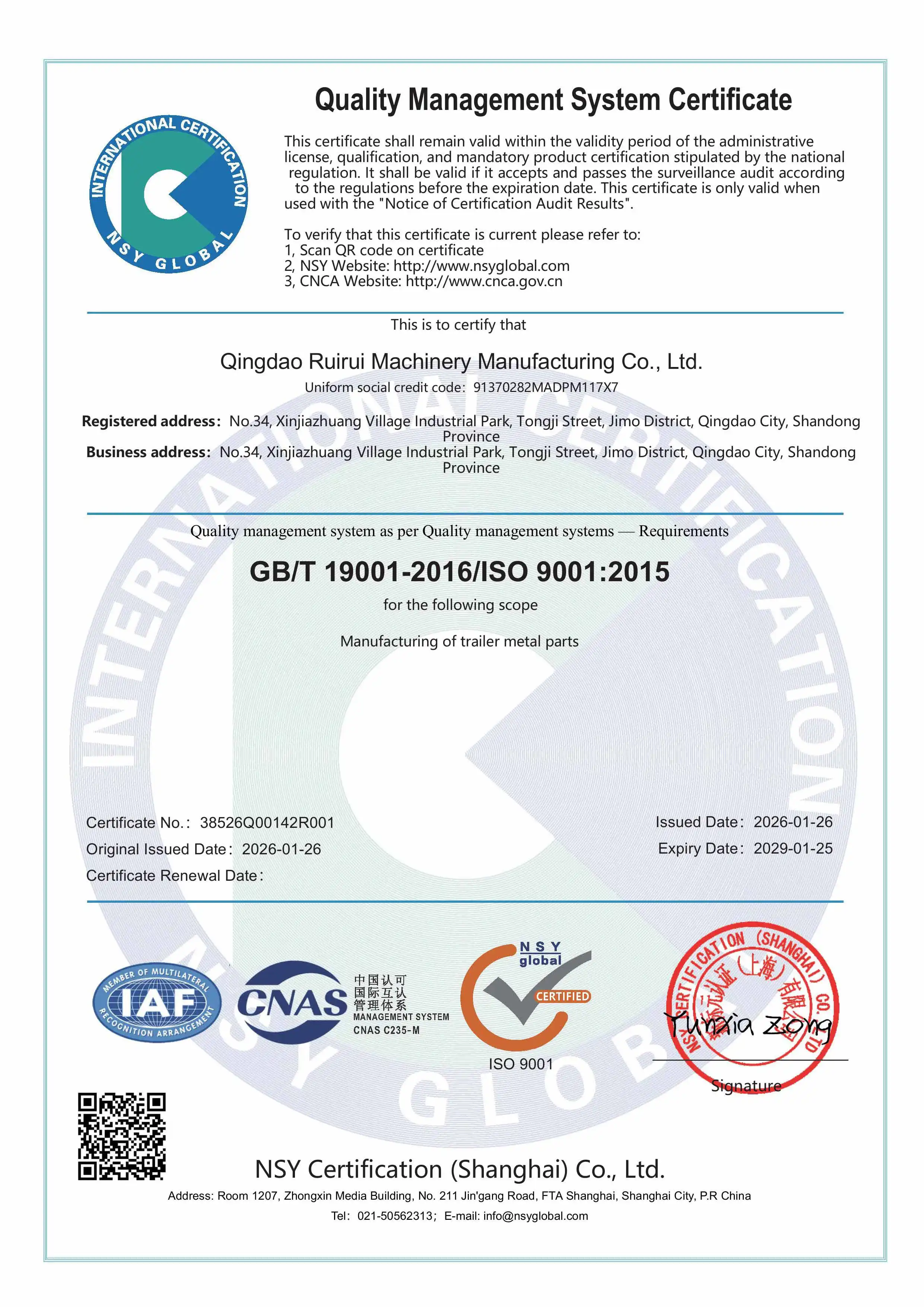
When looking at possible partners, give more weight to makers who have ISO 9001 quality management certification. This shows that they have standard production control. Check to see what kinds of tests the seller can do. Reliable sources will do tensile strength tests, salt spray corrosion tests according to ASTM B117, and coordinate measuring machines (CMM) to check the sizes. Ask for material certifications that show how the steel was made and how it was tested at the mill. For large orders, the ability to make things is important, and factories with automatic forging lines make sure that all container-level exports are the same.
Warranty and Support Considerations
Full guarantees show that the company that made the product is confident in its reliability. Look for security that goes beyond what is standard in the business. For example, top providers offer three-year warranties instead of the standard one-year time. Access to technical support is very important when selecting custom dimensions; manufacturers should offer engineering help in figuring out load needs and suggesting the best configurations. How quickly after-sales service responds affects the continuation of operations; look at the average response times for questions about new parts.
Establishing Long-Term Supply Agreements
By making volume agreements with sellers like RUIRUI, you can get better prices and be sure that you will always have goods on hand. You can usually get 15–25% off when you buy by the container instead of by the case. Set up quality control rules that say inspection reports that come in must include readings of dimensions and results of hardness tests. Include language about lead time promises. Custom forging operations usually need 4 to 6 weeks for first orders and 2 to 3 weeks for reorders of the same specs.
Conclusion
To choose the right custom trailer ball designs, you have to balance technical requirements with real-world operations. Buying cast and precision-machined parts pays off in the long run by extending service intervals, lowering failure rates, and increasing safety gaps. When B2B procurement teams work with makers who offer engineering help to turn load needs into optimal standards, they both win. Customized towing hardware solves environmental problems and size compatibility issues that standard products can't effectively handle, whether you're in charge of seaside transport companies, infrastructure building equipment, or farm hauling operations. Strategic buying from certified makers builds trust in the supply chain, which helps keep operations running.
FAQ
How Do I Determine the Correct Ball Size for My Trailer?
Check the coupler stamp on the tongue of your trailer. It will tell you what size ball you need (1-7/8", 2", 2-5/16", or 50mm metric). Never use sizes that don't match; even small differences can make play risky. If you can't read the stamp, use tools to measure the coupler hole. For specific uses, custom production makes sure that the sizes are exactly the same.
What Are the Signs That a Trailer Ball Needs Replacement?
If you see surface cracks, oval warping, or wear that makes flat spots, you should replace it right away. It means that corrosion protection has been weakened if rust can get through protective coatings. If the custom trailer ball turns on the shank even though the pressure is right, the thread has been damaged. Stress concentration spots are made by surface cracking that goes deeper than the thickness of a dime.
Can I Use a Metric 50mm Ball with a 2-Inch Coupler?
Without a doubt not. A 50mm ball is 1.97 inches in diameter, which is 0.03 inches less than 2 inches, even though it looks the same. This gap lets the coupler come loose while pulling, which creates impact loading that speeds up wear and increases the chance of separation. Custom manufacturing gives you measurements that are specific to your area and meet local standards.
Why Choose Forged Over Cast Trailer Balls?
Forging puts a lot of pressure on steel, which creates constant grain flow that stops cracks from spreading. Cast balls have tiny holes in them from the cooling process. These holes cause the balls to break when they are loaded and unloaded over and over again. Forged parts can handle 40% more load cycles, which makes up for their higher starting cost by giving them a longer useful life.
Contact RUIRUI for Custom Trailer Ball Manufacturing Solutions
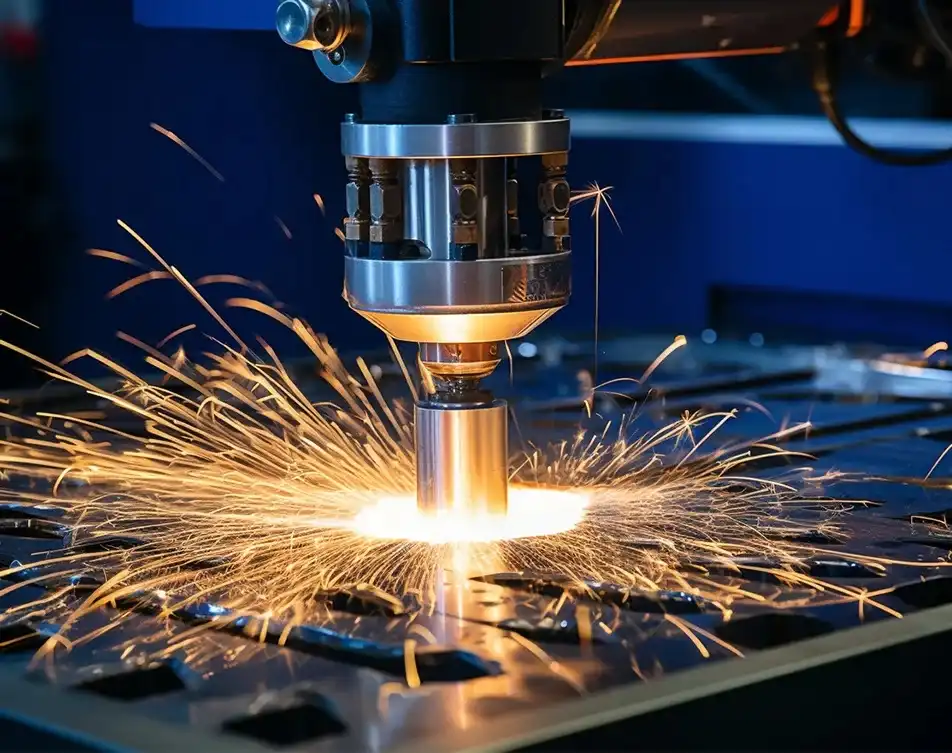
RUIRUI specializes in engineered pulling parts made for tough business-to-business uses. When we combine our advanced forging skills with precise cutting and electroplating, the trailer balls we make meet all of your exact requirements for load capacity, size accuracy, and resistance to the elements. We have been making custom trailer balls for a long time and have ISO 9001 certification. Our fully automatic production lines make sure that the quality of all large orders is the same. Our engineering team works with sourcing experts to turn practical needs into the best designs possible, whether you need custom shank lengths, compatibility between metric and imperial units, or better protection against corrosion. Contact kshdhardware@qdkshd.com to get full product details and bulk prices. We support purchasing at the container level and offer short lead times, open OEM customization, and detailed technical paperwork that makes managing your supply chain easier.
References
Society of Automotive Engineers. "SAE J684: Trailer Couplings and Hitches - Automotive Type." SAE International Standards, 2018.
American Society for Testing and Materials. "ASTM B117: Standard Practice for Operating Salt Spray (Fog) Apparatus." ASTM International, 2019.
Department of Transportation. "Federal Motor Carrier Safety Regulations: Coupling Devices and Towing Methods." CFR Title 49, Part 393.
Metals Handbook Committee. "Forging Processes and Microstructural Control in Steel Components." ASM International Metals Handbook, Volume 14, 2020.
National Highway Traffic Safety Administration. "Trailer Hitch and Coupling Device Safety Standards: Compliance Testing Protocols." NHTSA Technical Report DOT HS 812-673, 2019.
International Organization for Standardization. "ISO 3584: Road Vehicles - Ball Coupling Dimensions and Test Requirements for Trailer Couplings." ISO Standards Catalogue, 2017.

Send Inquiry
You may like