
Custom Trailer Ball Selection Guide for Safe Towing
It's not about how convenient it is to choose the right custom trailer ball; it's about avoiding a catastrophic failure. A tow part that doesn't fit right or isn't of good quality can cause the trailer to come off, damage to property, or even major injury. The choice goes beyond diameter measurements for procurement professionals buying tow equipment for fleets, infrastructure workers taking care of big loads, and original equipment makers building tow systems into vehicles. To be the right forged custom trailer ball, it must meet certain load requirements, weather conditions, and safety standards, and it must also last for a long time. To keep your supply chain running smoothly and avoid costly mistakes, it's important to know the technical differences between custom-engineered and stock options.
Understanding Custom Trailer Balls – Key Concepts and Specifications
What Makes a Trailer Ball "Custom"?
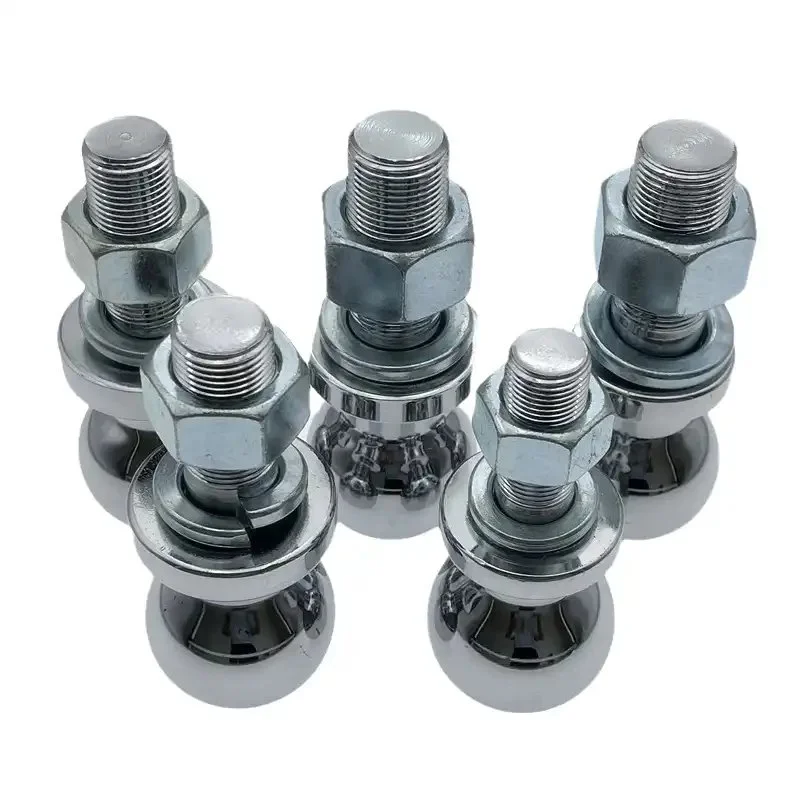
It is possible to make a custom trailer ball that meets exact operational and legal requirements that standard goods can't meet. Unlike mass-produced cast choices, these parts are usually hot-forged to match the metal's grain structure. This makes them stronger against shear forces and tensile forces. You can change the shank width, shank length, thread pitch, electroplating thickness, and even the control of physical tolerances to meet the standards for both Imperial (2-inch/50.8mm) and Metric (50mm) couplings. This level of accuracy is important when weather resistance, compatibility, and load spread can't be compromised.
Critical Specifications to Consider
Knowing the technical terms used in custom trailer ball details helps you make better choices about what to buy. The coupler and custom trailer ball must be the exact same size. A difference of just 0.8 mm between a 2-inch custom trailer ball and a 50mm custom trailer ball can make the fit dangerously loose. The load-bearing ability is based on the shank diameter. The most popular sizes are 3/4 inch to 1-1/4 inch. Gross trailer weight rates have to take into account both the steady load and the dynamic forces that happen when the trailer speeds up, slows down, or turns. Everything from corrosion protection to impact wear tolerance is affected by the grade of the material.
Material Science Behind Durability
The makeup of steel alloys has a direct effect on how well they work in tough situations. High-carbon steel has a great strength-to-weight ratio, and chrome-molybdenum metals are better at resisting hydrogen embrittlement, which is very important for sea towing conditions. Treatments on the surface add another layer of defense. It is much better for stopping oxidation with electroplated finishes like multi-layer chrome or zinc-nickel coats than with paint or powder coating, which chips when pulling. These products meet the standards for ASTM B117 salt spray tests, which shows that they can handle saline and industrial environments.
How to Choose the Right Custom Trailer Ball for Your Needs
Matching Load Capacity to Application
To start, procurement teams should figure out the highest tongue weight and gross trailer weight for the situations they need to pull. Transporting standard goods is different from moving heavy machinery around building sites, which is done by industrial equipment haulers. Heavy-duty farming needs custom trailer balls that can hold 10,000 to 15,000 pounds, but smaller local uses might only need ones that can hold 5,000 pounds. Overestimating capacity costs more than it needs to, but overlooking it makes failure more likely. These expensive mistakes can be avoided by getting help from engineers during the design step.
Evaluating Hitch Compatibility
There are different sizes, mounting options, and load sharing designs for hitch carriers. Depending on the use, a unique custom trailer ball mount must work perfectly with Class III, IV, or V hitches. When dealing with thick bumpers, aftermarket hitch extensions, or special chassis designs, the length of the shank becomes very important. Thread pitch fit is just as important. Coarse threads are easier to install, but they can come away when the machine shakes, while fine threads have better clamping power. Before committing to bulk orders, procurement managers should ask for specific engineering plans to make sure the parts will fit.
Balancing Cost Against Quality
Price differences between sellers are often caused by changes in how the goods are made and how certified the materials are. Cast custom trailer balls are much less expensive than forged custom trailer balls, but they are more likely to break when they are hit with shocks because they are open on the inside. When replacement frequency, downtime costs, and risk exposure are taken into account, the decision process changes. Even though they cost more up front, high-quality forged and electroplated parts from approved makers last longer and lower the total cost of ownership. When you buy in bulk from well-known sellers, you can usually get better prices per unit while still getting the same high quality.
Installation and Maintenance Best Practices for Custom Trailer Balls
Step-by-Step Installation Protocol
The first step in a proper fitting is to check the hitch receiver for harm, corrosion, or too much wear. Before putting the shank in, make sure the attachment areas are very clean. Use anti-seize powder on threads to keep them from galling and make removal easier in the future. The torque requirements depend on the width of the shank. For 1-inch shanks, the torque is usually 250 ft-lbs, and for 1-1/4-inch shanks, it's 450 ft-lbs. Using a measured torque wrench makes sure that there is enough tightening force without putting too much stress on the threads. If you install the lock washer properly, it won't come away while the machine is running. After the first fitting, check the torque again after 50 miles of pulling.
Routine Inspection and Lubrication
Regular repair makes parts last longer and keeps them from breaking down suddenly. Before each tow, look at the custom trailer ball's surface for cracks, pits, or flat spots that could mean the metal is wearing out. Look for wear patterns in the electroplated finish. Base metal that is visible speeds up rust. Put on a thin layer of custom trailer ball grease to keep the protective coating on the custom trailer ball and coupler from wearing off and to make movement easier. If you tow in salty areas or during the winter when roads are salty, wash the custom trailer ball well and refill the oil. Keeping thorough records of maintenance helps with proof of compliance and guarantee claims.
Recognizing Replacement Indicators
Forged parts, even high-quality ones, only work for a certain amount of time. Visual distortion, surface cracks, or thread damage are all signs that the part needs to be replaced right away. Too much coupler play even though the custom trailer balls are the right size means the custom trailer balls are wearing out faster than expected. When corrosion gets through electroplating, it weakens the structure. Instead of waiting for obvious signs of failure, procurement managers should set replacement times based on how often the item is used and how it is being used. This is especially important for fleet uses where towing safety affects many cars.
Custom Trailer Ball vs Standard Trailer Ball – A Comparative Analysis
Performance Under Stress
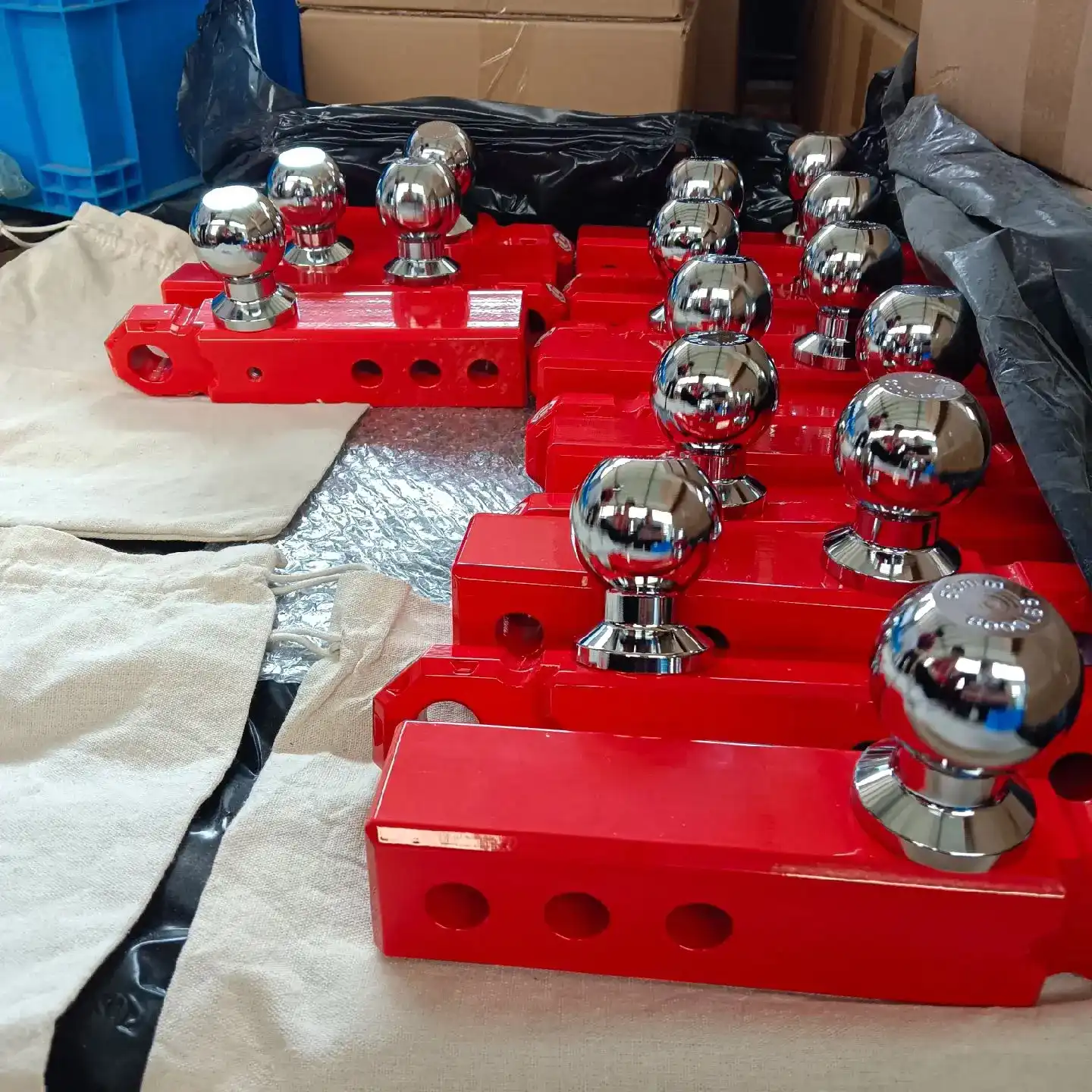
Standard cast custom trailer balls are good for basic customer needs, but they aren't strong enough for business and industrial uses. The casting process leaves tiny holes and uneven grain structures, which means that these parts can suddenly break when they are hit with heavy loads or used continuously for a long time. Custom forged custom trailer balls put a lot of pressure on the steel, which gets rid of any holes inside and lines up the grain flow with the shape of the part. Because of this change in how it was made, it has a higher resistance to fatigue and lasts longer in harsh circumstances.
Long-Term Cost Implications
Custom trailer balls cost more up front, but the economic analysis changes when you look at the costs over their whole life. In heavy-use situations, standard custom trailer balls may need to be replaced every 12 to 24 months, which means more costs for buying them, more work for installing them, and maybe even some downtime. Forged custom trailer balls that are made to order and have advanced surface treatments usually last three to five years in similar situations. Also, warranty coverage varies a lot. Reputable makers of precision parts usually offer long warranties that are backed by technical support, while generic sellers rarely offer anything more than basic replacement guarantees.
Application-Specific Advantages
In some working settings, custom methods are needed. Marine pulling operations put parts at a faster risk of rust that regular zinc plating can't stop. When equipment haulers move heavy machinery over uneven ground, they create shock loads that are higher than the point at which cast materials will break. International original equipment makers (OEMs) that sell their products in many countries need custom trailer balls that are accurate in terms of size and meet both North American and European connection standards. In these situations, the money spent on custom building is well worth it because normal options can't meet the efficiency or compliance needs.
Procurement Guide: Where and How to Buy Custom Trailer Balls
Identifying Qualified Suppliers
It's not enough to just compare prices when looking for custom trailer balls; you also need to make sure that the company can make them and has good quality control systems in place. Look for providers that have ISO 9001 certification, which shows that they follow regular quality control procedures. When a manufacturer offers engineering help during the design step, they add value that goes beyond the component itself. Check to see if the provider keeps standard specifications in stock or needs full custom production runs. This will affect lead times. Before placing a large order, ask for example parts that come with material certifications and dimensional inspection records to make sure the manufacturing is accurate.
Negotiating Commercial Terms
Structured bargaining tactics help when buying specialized towing parts from other businesses. Depending on how complicated the design is, volume price tiers usually start at 500 to 1,000 units. Longer-term deals for supplies usually mean better prices and more access. Make it clear what the guarantee covers—does it only cover problems with the way the product was made, or does it also cover problems with how it works? Shipping plans have an effect on the total landing cost, especially when buying from other countries. Even though domestic makers may charge more per unit, they can get more of them quickly and make transportation easier. Having clear payment terms, standards for accepting quality, and return processes stops disputes before they happen.
Managing Supply Chain Risk
When you buy from a single source, you leave yourself open to production delays or inconsistent quality. By qualifying alternative providers, you can keep getting supplies without lowering the quality standards. For important uses, keeping a safety stock based on changing lead times and usage trends keeps operations from stopping. Some procurement teams use seller scorecards to keep track of things like on-time delivery, quality acceptance rates, and how quickly the supplier can respond to changes in engineering. These measures help you make choices about ties with suppliers and contract renewals based on data.
Conclusion
When choosing the right custom trailer ball, you need to pay attention to the technical specs, the quality of the production, and the needs of the application. When procurement pros put forged construction, exact dimensional standards, and advanced surface treatments at the top of their list of priorities, their companies can have better towing operations and lower lifecycle costs. When you look at long-term performance, compliance security, and total cost of ownership, it's easy to tell the difference between adequate and ideal components. When you make choices based on engineering criteria instead of just the initial price, you protect both the organization's image and its ability to keep running.
FAQ
Can I Use a 2-Inch Coupler on a 50mm Trailer Ball?
Not at all. Although they look very much the same, 50mm custom trailer balls are actually 1.97 inches smaller than the 2-inch norm (50.8mm). This 0.8 mm gap makes the fit loose, which lets the coupler move around too much and increases the chance that it will come loose while pulling. Always make sure that the width of the custom trailer ball matches the coupler specifications that are written on your trailer.
Why Choose Forged Over Cast or Machined Options?
Forging puts a lot of heat and pressure on steel, which aligns the metal's grain structure to fit the shape of the part. This process gets rid of the hollow spaces inside cast parts and makes tensile strength better than custom trailer balls made from bar stock. This makes the material much more resistant to impact wear and twisting forces.
What Maintenance Does Electroplated Finish Require?
Before each use, put on a thin layer of custom trailer ball grease to stop the protected covering from being worn away by friction. Rinse the custom trailer ball well and reapply oil after pulling in corrosive conditions, like saltwater or winter road salt. Putting on a protected plastic cover when not in use keeps the coating from being exposed to the elements, which makes it last longer.
Partner with RUIRUI for Custom Trailer Ball Manufacturing
RUIRUI can make a lot of different kinds of metal products, which can help procurement professionals who need to find reliable custom trailer ball providers. Our hot casting and advanced electroplating methods make pulling parts that are exactly the right size for both Imperial and Metric measurements. We offer consistent quality for large orders because we are ISO 9001 certified, have fully automated production lines, and have technical support for unusual requirements like shank lengths and thread pitches. Our team can help you with technical questions, get your materials certified, and get the best deals on big purchases, whether you need Class IV heavy-duty uses or specialized OEM integration. Email us at kshdhardware@qdkshd.com to talk about your unique needs and ask for samples from our collection of custom trailer balls.
References
Society of Automotive Engineers. (2019). Trailer Couplings and Hitches: Performance and Safety Standards. SAE International Technical Paper Series.
American National Standards Institute. (2021). ANSI/SAE J684: Trailer Hitch Ball and Socket Coupling Performance Requirements. ANSI Standards Publication.
National Highway Traffic Safety Administration. (2020). Federal Motor Vehicle Safety Standards: Trailer Coupling Devices and Towing Systems. U.S. Department of Transportation.
International Organization for Standardization. (2018). ISO 7641: Road Vehicles—Towing Ball Mounting—Specifications and Test Methods. ISO Technical Committee 22.
American Society for Testing and Materials. (2022). ASTM B117-19: Standard Practice for Operating Salt Spray Apparatus for Corrosion Testing. ASTM International Standards.
Recreational Vehicle Industry Association. (2021). Towing Safety and Equipment Guidelines for Commercial Fleet Operations. RVIA Technical Standards Manual.

Send Inquiry
You may like