
Durable OEM Trailer Parts Supplier for Global Trailer Manufacturers - RUIRUI
Choosing the right parts is the most important thing when it comes to making trucks that will last. RUIRUI Machinery has built its name on providing long-lasting, precisely designed trailer parts that meet the strict needs of manufacturers around the world. Our custom OEM solutions use advanced manufacturing methods, high-quality materials like carbon steel, and special surface treatments to make sure that every part, from trailer pins and bolts to structural brackets and winches, works perfectly in real-life situations. We know that your production deadlines, budget, and quality standards are important to you because we have ISO-certified quality processes and more than 15 years of experience making things. Because of this, producers in the Middle East, Europe, North America, and the UK expect us to be their long-term supply partner.
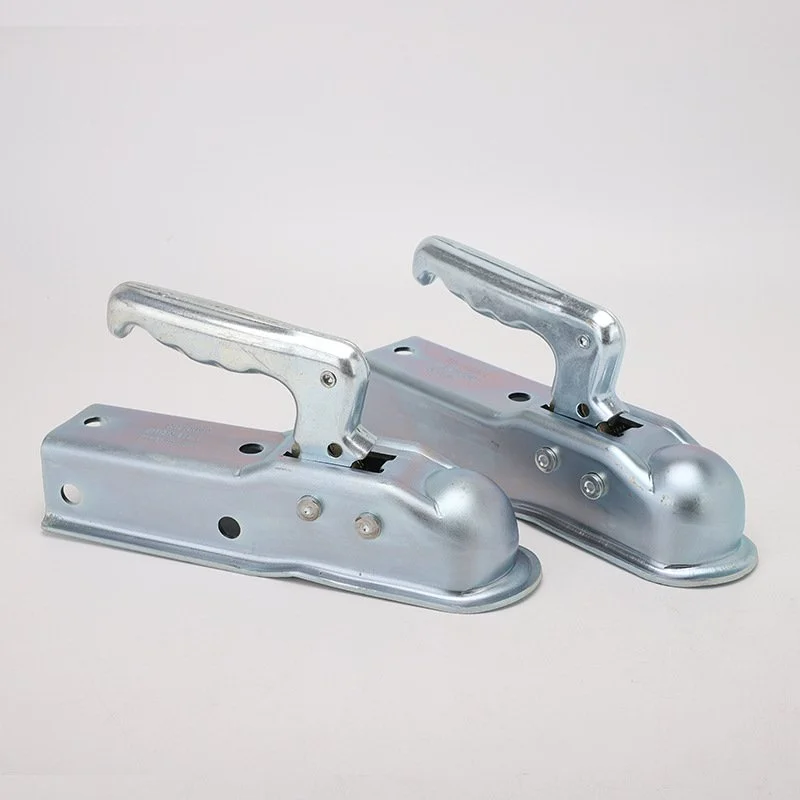
Understanding the Importance of Durable OEM Trailer Parts
The quality of the parts is what makes the difference between a trailer that works well for years and one that breaks down all the time. OEM parts that are made to the original specifications have consistent dimensions and materials that generic resale parts just can't match. This level of accuracy is important when working with big loads, harsh environments, and uses that need to be safe.
Why Material Selection Defines Longevity
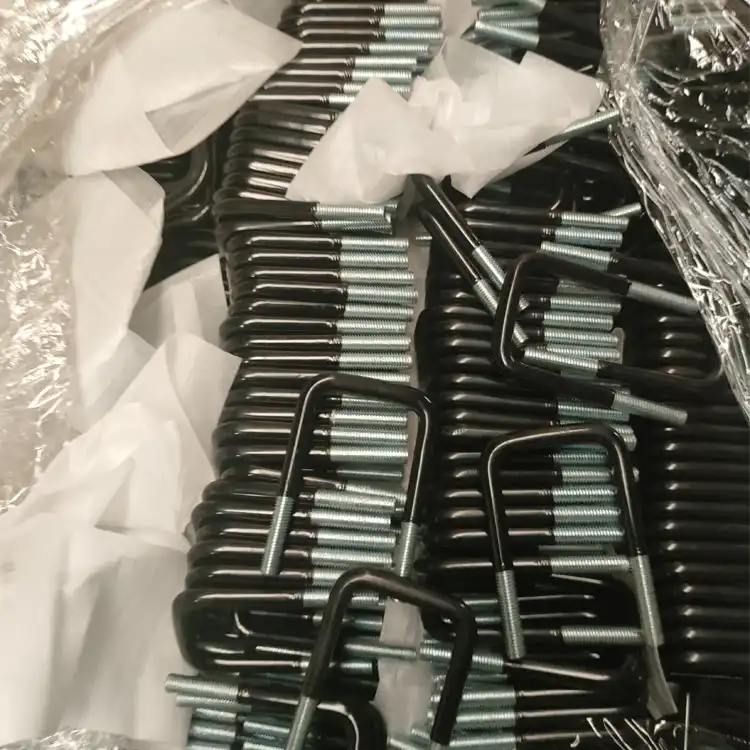
Using high-quality carbon steel in our manufacturing methods makes sure that the structures will stay strong even when they are loaded and unloaded many times. When properly heated, carbon steel keeps its mechanical qualities even after thousands of load cycles, while lower-grade materials crack or deform due to wear. Our spray coating surface treatment adds an extra layer of protection that stops rust from road salt, water, and UV light, which are three of the most common reasons why trailer parts break down early.
Common Failures That Impact Manufacturing Operations
Manufacturers of trailers often have problems with trailer parts, such as mounting bracket welds that are broken, corrosion-seized fastening systems, and differences in size that make the assembly line work more difficult. These issues are caused by wrong material specifications or bad manufacturing tolerances. When trailer parts break down too soon, the costs go beyond just replacing the parts. They also include lost production time, insurance claims, and broken customer relationships that take years to fix.
The True Cost of Using Substandard Components
A buying manager at a medium-sized trailer factory once found that moving from cheap, unreliable suppliers to official OEM sources cut the number of warranty claims they got each year by 43%. Within eight months, the original price difference was made up for by fewer service calls and a better image for the brand. This shows why makers who are looking to the future don't see quality parts as an expense, but as an investment in improving operating efficiency and positioning in the market.
Comprehensive Guide to RUIRUI's Product Range and Quality Assurance
Our making skills include all the custom-made components that are needed to make modern trailers. We are experts at making trailer parts like pins that meet exact tolerance requirements, structure arms that are built to carry certain loads, and fastening systems that keep their clamping force even when they are vibrating and changing temperatures.
Engineered Components With Verified Performance Characteristics
Each type of product goes through strict testing procedures that mimic how it would work in the real world. Our trailer pins are made from carbon steel and have a spray coating applied to the outside. They have to meet strict measurement accuracy requirements—usually within ±0.05mm—so that they fit correctly in automatic assembly processes. According to ASTM B117 standards, the anti-corrosion coating method we use can withstand salt spray for more than 500 hours. This means that the vehicle will last longer, even in harsh marine or winter road conditions.
Quality Systems That Deliver Consistent Results
RUIRUI has a number of management system standards, such as ISO 9001 for quality management, ISO 14001 for environmental compliance, and OHSAS 18001 for health and safety at work. These aren't just awards hanging on the wall; they're written rules that cover everything from checking the raw materials to making sure the finished product is correct, including trailer parts. Our engineers work closely with quality inspectors to create thorough product quality files from the start of production. These files keep track of the manufacturing factors for each batch to make sure that the products can be tracked and that the quality is always getting better.
Installation and Maintenance Best Practices
When you put something correctly, it lasts a lot longer. We give you specific technical information that tells you how much torque to use on fasteners, how much space moving parts need, and how often you should check them. Our expert support team helps makers figure out preventive maintenance plans that find wear patterns before they cause problems. This cautious method cuts down on unexpected downtime and your fleet's total cost of ownership.
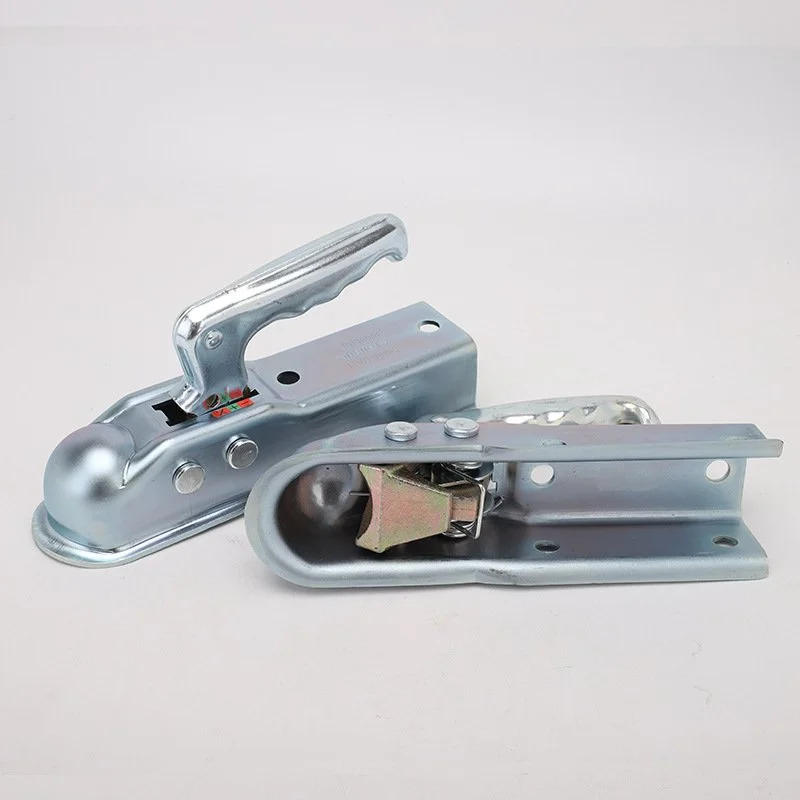
How to Choose the Right Trailer Parts Supplier for Your Manufacturing Needs
When choosing a supply partner, you need to think about a lot of things that will affect how well your products are made and how efficiently they are made. The choice shouldn't just be based on unit price; over the life of your supply relationship, shipping reliability, technical support, and the ability to make changes to your trailer parts are often more valuable.
Critical Evaluation Criteria for B2B Procurement
The quality of a product starts with certifying the materials used and continues through controls on the manufacturing process. Request Material Test Reports from possible sources to confirm the chemical make-up and mechanical qualities. Delivery reliability includes more than just shipping on time. It also includes correctly filling orders, protecting them so they don't get damaged in travel, and communicating quickly when changes need to be made. If a provider can customize their products, it means they can meet your unique design needs instead of making you change your engineering to fit their standard catalog.
How RUIRUI Addresses These Requirements
We keep eight separate production lines with automatic robots and thermoplastic finishing tools for trailer parts, letting us handle both large orders and one-of-a-kind requests. Our 130,000-piece-per-year production capacity gives us the size we need for big jobs, and our engineering team makes design changes for special uses. We ship trailer parts to over 80 countries quickly and efficiently at the container level from Qingdao, where we are located, and have established transportation networks. This helps you keep your inventory costs low and your production plans safe.
Streamlined Ordering Processes for International Clients
We've set up our quoting and order handling to make it as easy as possible for procurement managers to deal with multiple providers and complicated approval processes. Technical models can be sent in standard CAD forms, and within 48 hours, our team will give you a thorough review of whether or not your product can be manufactured. We take care of the export paperwork, work with freight forwarders, and track shipments so you can see what's going on at all times in the supply chain.
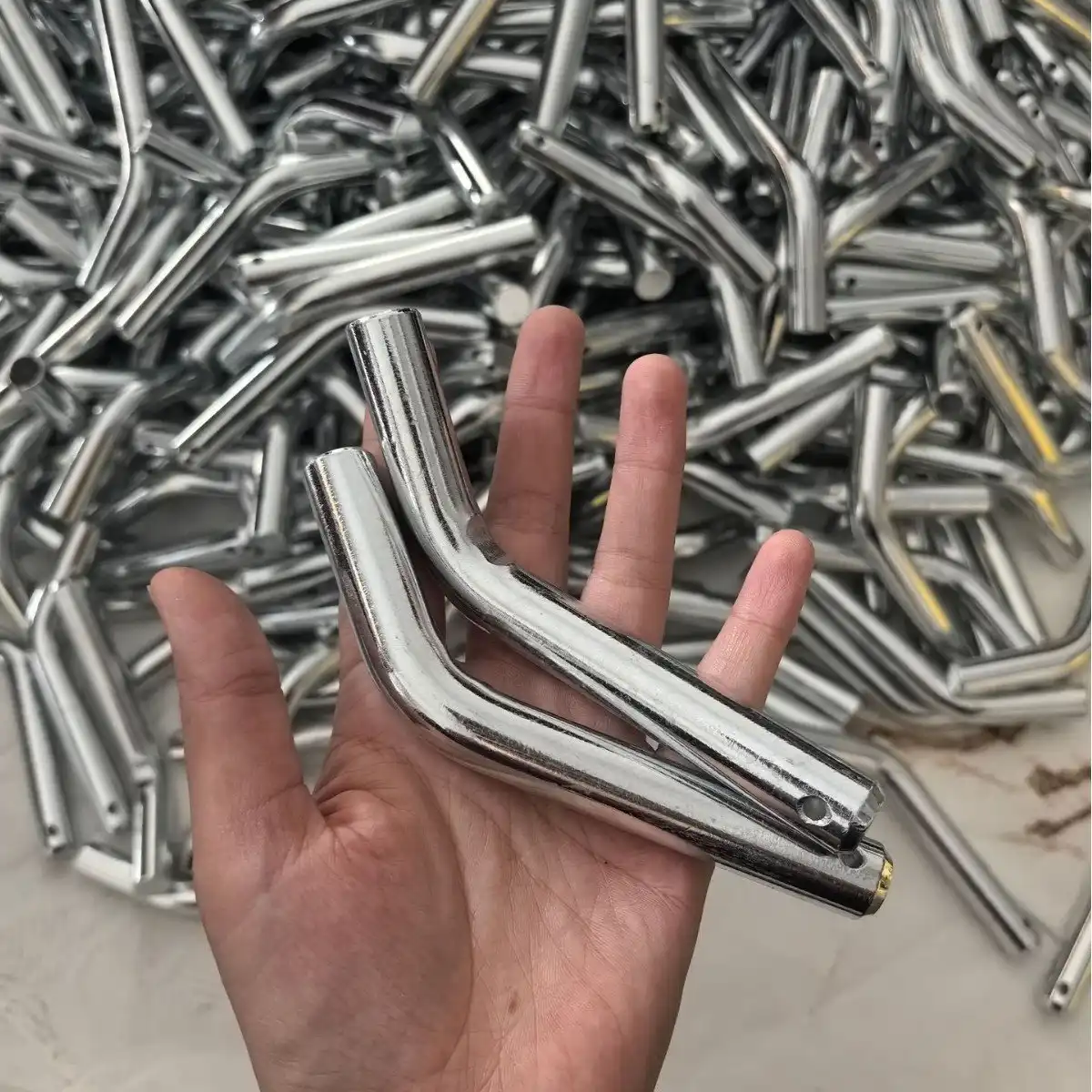
Solving Common Challenges in Trailer Parts Procurement and Maintenance
Even trailers with well-thought-out designs wear out trailer parts over time, and buying teams are always weighing the costs of keeping supplies against the chance that production will have to stop. Manufacturers tell us that the things that annoy them the most are parts that don't work together when specs aren't expressed clearly, long lead times that mess up production plans, and early failures that show inconsistent quality.
Root Causes of Procurement Difficulties
Many problems with compatibility are caused by wrong dimensions or clearance standards that aren't written down. If a manufacturer buys "trailer pins" without stating the diameter tolerances, material grade, or surface treatment standards, the parts that are made might technically fit a general description but not work in the real application. Lead time problems are often caused by suppliers who can't make enough or who have too many small orders and don't have good planning processes in place.
Practical Replacement and Maintenance Strategies
Unexpected breakdowns can be avoided by setting up a replacement plan based on working hours or load cycles for trailer parts. Parts that are under a lot of stress, like suspension mounting bolts or coupling systems, should be checked out every so often using easy measuring tools or eye checks. When wear signs show up, replacing the part during set maintenance windows is much cheaper than fixing it in an emergency, which stops production. We help companies that make things come up with repair plans for trailer parts that are perfect for their working conditions and how they're used.
Expert Insights on Failure Prevention
Our tech team has looked at hundreds of failed parts and found trends that keep happening. Corrosion failures usually start where protective layers are broken during installation or where metals that are not the same form galvanic cells. Stress builds up at sharp corners or when fillet angles are too small in welded joints, which can lead to mechanical problems. We've used these ideas in our design standards by using large radius changes and covering all uncovered surfaces with protected coatings, even inside spaces where water can gather.
Future Trends and Innovations in Trailer Parts Industry
The world's trailer parts industry is still changing because customers want designs that are lighter but stronger, better at protecting the environment, and that can connect to digital tracking systems. As material science progresses, high-strength metals are being made that are lighter without lowering their load capacity. Advanced composite materials have a lot of potential for certain uses, but they are hard to widely accept right now because they are expensive and hard to fix.
Supply Chain Adaptation Strategies
Recent problems with foreign transportation have made companies look for new suppliers and find ways to get goods from other countries. Instead of depending on single-source sellers in faraway markets, procurement teams now look at suppliers based on how well they can network and how they store their goods. As a result, we've grown our ties with raw material suppliers and kept a strategic inventory of regularly ordered parts. This cuts down on wait times and ensures supply consistency even when the market is volatile.
RUIRUI's Commitment to Sustainable Manufacturing
Being environmentally responsible is no longer just a legal requirement; it's also a way to stand out in the market. When compared to standard coloring methods for trailer parts, our powder coating and electrophoresis methods produce fewer volatile chemical compounds. We've put in closed-loop water systems that use less water and bought production equipment that uses less energy, which lowers our carbon footprint. These projects are in line with the green goals of companies that sell their trailer parts in places with strict environmental rules.
Preparing for Next-Generation Requirements
Traditional trailer designs didn't have enough mounting points or electricity routing options for smart trucks with sensors that track GPS location, load, and tire pressure. We're working with makers who are thinking ahead to create part designs that use these technologies without affecting the structural stability or making the building process too complicated. This focus on innovation can be seen in our utility model patents and design patents, which protect intellectual property and let us give key partners unique solutions.
Conclusion
For your trailer manufacturing business to be successful, you need to work with providers who understand your needs for quality, service, and budget. RUIRUI Machinery combines modern manufacturing skills, quality systems that have been approved, and technical knowledge to help you solve the problems you face every day. Our trailer parts, made of carbon steel with spray coating protection, give your goods the sturdiness and corrosion resistance they need, and our customization options make sure they fit perfectly with your designs. We've helped makers in a wide range of markets because we know that your success depends on trailer parts that work reliably, come on time, and meet all of your production systems' exact needs.
FAQ
1. What certifications should I expect from an OEM trailer components manufacturer?
As a minimum, reliable suppliers keep their ISO 9001 quality management certification up to date. This shows that they follow documented methods for design control, production tracking, and ongoing growth. OHSAS 18001 certification shows a commitment to worker safety, while ISO 14001 certification shows that the company cares about the environment. Material approvals from steel mills check the chemical make-up and mechanical qualities of parts to make sure they meet the required strength levels. With every shipment, we include full paperwork packages with Material Test Reports, measurement inspection records, and compliance certificates.
2. How do customization capabilities affect lead times and minimum order quantities?
Standard store items usually ship within two to three weeks, and there is a lower minimum order quantity because the tools are already made. Custom parts need to be reviewed by engineers, possibly have tools made, and be inspected as a first-article. This can add 4 to 8 weeks to the lead time, based on how complicated the part is. It's common for minimum numbers for special orders to have to do with how efficiently the product is made. Since setup time stays the same whether you're making 100 or 1,000 pieces, smaller quantities cost more per unit. We help our clients find the best mix between their need for customization, the cost of keeping supplies, and the needs of their production schedules for trailer parts.
3. What maintenance practices extend component service life most effectively?
Corrosive contaminants are removed by regular cleaning before they can get through protected layers. Inspections done on a regular basis can find wear patterns early on. Look for changes in the surface color that mean too much heat, cracks that start at stress points, or changes in the dimensions that mean tiredness. When you lubricate moving parts the right way, you stop friction wear and keep threaded bolts from galling. Following the manufacturer's recommended torque values during fitting stops both under-tightening, which lets the part move, and over-tightening, which causes stress to build up. By keeping track of repair tasks, you can see when things need to be replaced and find ways to make the plan better.
Partner With a Proven Trailer Parts Supplier
To make trailers that work well, you need components that are designed to work well and are consistently made. RUIRUI Machinery is an expert at making unique solutions that meet the strict requirements of producers around the world. Our carbon steel parts have an advanced spray covering that protects them from the sun and makes them last longer and resist rust better than other materials. Our engineering team works with you to create solutions that work well with your production processes, whether you need trailer pins, structural arms, fastening systems, or fully customized parts. Email our team at kshdhardware@qdkshd.com to talk about your particular needs. We'll give you full technical specifications, reasonable prices based on the amount you need, and delivery times that work with your manufacturing plans. Find out why top makers in North America, Europe, and other places choose RUIRUI as their reliable source for high-quality trailer parts.
References
1. Anderson, M. (2021). Material Science in Heavy-Duty Vehicle Components: Engineering Standards and Performance Criteria. Industrial Press.
2. Carter, R., & Williams, P. (2022). Global Supply Chain Management for Manufacturing Industries: Strategies for Reliability and Cost Optimization. Springer Publishing.
3. International Organization for Standardization. (2020). ISO 9001:2015 Quality Management Systems—Requirements and Implementation Guidelines. ISO Standards Catalogue.
4. National Association of Trailer Manufacturers. (2023). Industry Best Practices for Component Sourcing and Quality Assurance in Trailer Production. NATM Technical Bulletin Series.
5. Thompson, J. (2022). Corrosion Prevention in Transportation Equipment: Surface Treatment Technologies and Testing Protocols. SAE International.
6. Zhang, L., & Rodriguez, C. (2023). Advanced Manufacturing Processes for Metal Fabrication: Applications in Automotive and Transportation Industries. Elsevier Technical Publications.

Send Inquiry
You may like