
Fixed vs Adjustable Trailer Coupler Comparison
The choice between fixed and flexible trailer couplers is a big one that can change how well and safely an industrial moving business runs and how much it costs to run too. It's important to have a trailer coupler between your trailer and the hitch ball on your tow car. It makes sure that your materials, tools, and goods can be moved safely on different types of ground. Fixed couplers are easy to use and durable, and they only come in one height version. When the tow vehicle specs stay the same, they are great for dedicated group use. On the other hand, adjustable couplers let you change the height so that it works with different types of tow trucks and different loads. This helps distributors who have a lot of different tools or workers who go to a lot of different job places and use a lot of different cars.
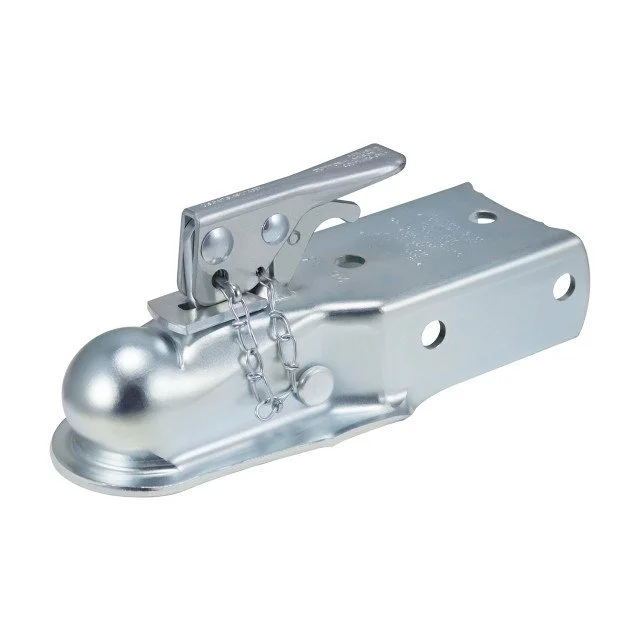
Understanding Trailer Couplers: Fixed vs Adjustable
When you connect a trailer to your vehicle, the trailer coupler is where everything starts to work right. This part is what connects the trailer tongue to the car hitch mechanically. It moves the load forces around and keeps the trailer straight as it moves. A procurement manager can better match the specs of parts to the real-world hauling needs if they know the main differences between set and flexible designs.
Core Mechanics and Components
Each coupler system is made up of several parts that fit together and work with each other. With the latch, this link is kept safe. The ball socket that clamps onto the hitch ball is inside the coupler body. It's important to have a trailer coupler pin because it keeps the latch device closed. This keeps the trailer from coming loose by chance because of G-forces or moves while it's being moved. People in the business are worried about latch bounce on uneven surfaces. This secondary fail-safe solves that problem and meets safety standards in many places, such as SAE J684. Through its fastening clamp, the coupler moves useful items to the trailer frame. These are the most important things to think about when picking out materials and making sure the building is strong.
Defining Fixed Coupler Characteristics
Between a fixed coupler's ball hole and its fixing surface, there is a set height that can't be changed. Since there aren't as many working parts, they need less maintenance and cost less at first. In industry, heavy-gauge steel buildings with welded or cast parts are widespread. This makes the trailer coupler very strong for how light it is. Fixed couplers work best when the tow vehicle specs stay the same and the fleet is committed. Fleets of utility trailers, companies that move city equipment, and industries that move stuff from one place to another are all examples of this. Because it is stiff, the load is spread out evenly, and there are no wear points like there can be in more complicated systems when they are changed.
Defining Adjustable Coupler Features
When you use an adjustable coupler, you can change the height by 4 to 8 inches by moving the coupler up and down. You can change the height of the hitch ball with this feature to fit different tow car springs, loads, or truck specs. Either a pin-and-hole indexing device or steady bolt-tightened placement is used to move the trailer. No matter what kind of tow car they use, this lets the workers keep the van level. This adaptability is very helpful for hire companies, contract hauliers who work with different clients, or builders who need to use tools on different truck platforms. The hard part is making sure that the structure stays rigid while also letting it be changed. The load capacity of high-quality adjustable couplers stays the same across the whole range of adjustments thanks to their strengthened channel designs and precisely machined adjustment surfaces.
Importance of Correct Coupler Sizing
Standard hitch ball diameters are 1-7/8", 2", and 2-5/16". The most common is 2 inches, and it can support gross trailer weights of 3,500 to 12,000 pounds, depending on the coupler class rating. If the coupler size and weight class ratings don't match, it can be unsafe to use the trailer. For example, putting an oversized coupler on an undersized ball can make it move around too much and possibly separate, and forcing an undersized coupler onto an oversized ball will stop the latch from working right. Procurement teams must make sure that both coupler size and weight class ratings match operational needs, since these specs determine the trailer's structural capacity under dynamic loading conditions that happen when the vehicle speeds up, slows down, and turns.
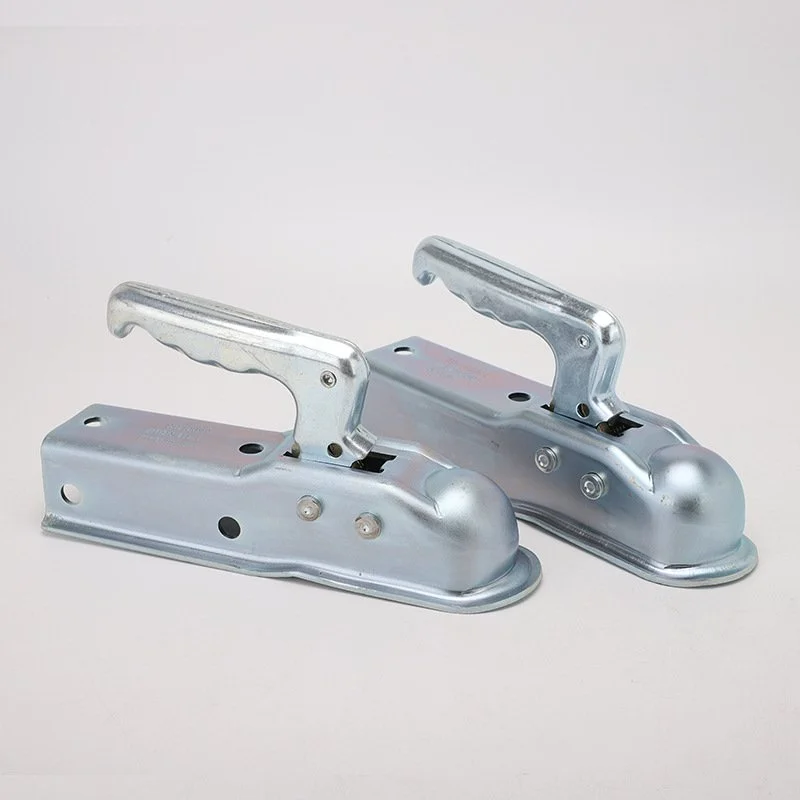
Key Differences Between Fixed and Adjustable Trailer Couplers
There are different kinds of trailer coupler options based on the materials they are made of, how they are put together, and how well they work. These differences affect what to buy, how often to maintain them, and how much they cost in total over their lifetime.
Structural Design and Functionality
Fixed couplers are made of a single piece or are welded together, which makes the load path more efficient. The direct force transfer from the ball socket to the mounting bracket lowers stress concentrations and potential failure points. Adjustable designs, on the other hand, are made of two pieces; the coupler head assembly slides within a channel or bracket that mounts to the trailer tongue. This adds more mechanical interfaces that need to be manufactured with precise tolerances to prevent lateral play while maintaining smooth vertical adjustment. Good adjustable couplers use nested channel designs with multiple contact surfaces that spread loads over larger surface areas, which makes up for the fact that they are more complex structurally than fixed designs.
Weight Capacity and Load Ratings
Ratings are based on the grade of the material, the cross-sectional dimensions, and the quality of the manufacturing process, not just the trailer coupler’s ability to adjust. Standard classes include Class I (2,000 lbs GTW), Class II (3,500 lbs), Class III (5,000–8,000 lbs), and Class IV (10,000–12,000 lbs). However, because of flaws in their adjustment mechanisms, adjustable couplers may have slightly lower ratings than fixed couplers of the same size. This is because dynamic loading during transport can produce forces that are 20–30% higher than static weight during emergency braking or rough terrain transit.
Material Options: Steel vs Aluminum
A lot of couplers are made of steel because it is strong, cheap, and easy to weld. Mild steel couplers can hold a lot of weight and are cheap, but they need to be protected against corrosion by powder coating, plating, or galvanisation. Stainless steel couplers don't need to be protected against corrosion and keep their strength, but they are much more expensive and should only be used in harsh environments. Aluminium alloy couplers are about 40% lighter than steel ones, which is helpful when tongue weight affects how the tow vehicle handles or when regulations say they have to be used in certain situations. However, because aluminium has a lower yield strength, they need bigger cross-sections to get the same load ratings.
Durability and Corrosion Resistance
In normal conditions, a powder-coated steel coupler can last for 5 to 8 years. A galvanised or stainless steel construction can last for 10 to 15 years, even in coastal areas or during the winter. Adjustable couplers wear out faster because the sliding surfaces between the adjustment channels collect road grit and salt residue that speeds up wear if they are not regularly cleaned and oiled. To keep the adjustment functionality throughout the service life, quality manufacturers use corrosion-resistant hardware for the adjustment bolts and either sealed bearing surfaces or materials that lubricate themselves.
Procurement Considerations for Fixed and Adjustable Trailer Couplers
When shopping for fixed and flexible trailer coupler units, you should think about how much something costs right now, how flexible it is to use, how often it needs to be fixed, and how much it will cost over its entire life.
Operational Requirements Assessment
When picking a coupler, it's better to know how you'll be using it than just looking at prices. Fixed couplers are simple and last a long time for businesses that use dedicated tow vehicles with consistent hitch heights. On the other hand, contractors pulling equipment with different trucks, rental businesses with a wide range of customers, or fleets that go from loaded to unloaded conditions benefit a lot from adjustable designs. It's also important to think about how often you make adjustments. If you make adjustments every day, you should invest in quality mechanisms with strong locking systems, but if you only do it once in a while, you may be able to get away with simpler pin-and-hole designs. This will help you choose a coupler based on actual usage instead of theoretical capabilities.
Pricing Structure and Bulk Availability
When you buy in bulk, industrial-grade fixed couplers that can handle 5,000–8,000-pound trailers cost between $45 and $85 per unit. Adjustable units, on the other hand, can cost between $75 and $150 per unit, depending on the adjustment range and complexity of the locking mechanism. Buying in bulk can save you a lot of money—container-level purchases from experienced manufacturers like RUIRUI can cut per-unit costs by 25–40% compared to small-lot pricing while making sure that the quality of your whole order is the same. When looking for bulk suppliers, choose those that can customise their products to fit your trailer tongue dimensions, finish needs, or branding needs without tooling surcharges for reasonable order volumes.
Lead Times and Logistics Planning
Companies that are well-known and have stock for standard trailer coupler configurations can usually ship within two to four weeks. Custom requirements, like specific mounting patterns, finishes, or integration with vehicle access control systems, can add six to ten weeks to the lead time, depending on how complicated the manufacturing process is and how busy the production schedule is. If you want to buy trailer couplers from Asian manufacturers internationally, you'll need to plan your logistics better. Ocean freight takes four to six weeks to arrive, but it's 60 to 75 percent cheaper than air shipping, so it's great for planned fleet upgrades or seasonal stock builds. Smart procurement teams build relationships with suppliers who can handle both standard replenishment orders and emergency expedited shipments of trailer couplers, balancing cost-effectiveness with business continuity.
Supplier Evaluation Criteria
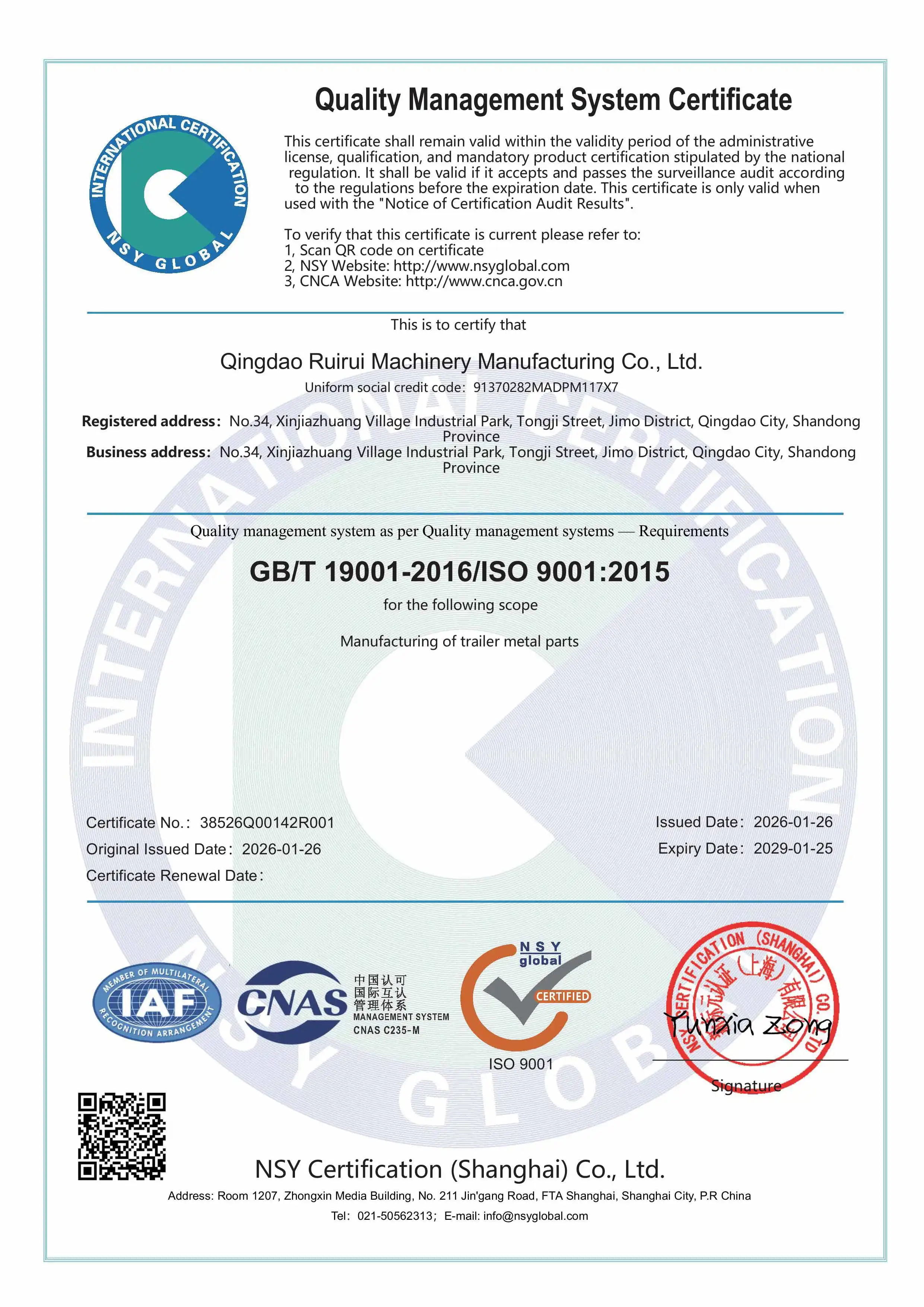
Beyond price and delivery schedules, supplier selection dramatically impacts long-term procurement satisfaction and operational reliability. Manufacturers holding ISO 9001 quality management certification demonstrate systematic quality control processes reducing defect rates and ensuring batch-to-batch consistency. Engineering support capability enables suppliers to review your application specifications, recommend appropriate coupler classes, and identify potential compatibility issues before production—particularly valuable when integrating couplers with trailer connector systems or specialized vehicle access equipment. Warranty terms signal manufacturer confidence in product durability; reputable suppliers offer minimum 12-month warranties covering material defects and workmanship failures, with premium manufacturers extending coverage to 24-36 months on industrial-grade products. After-sales support including technical troubleshooting and replacement part availability prevents minor issues from escalating into extended equipment downtime.
Making the Right Choice: Fixed or Adjustable
Buying teams can pick the safest, most efficient, and least expensive trailer coupler for your needs when they look at both technical specs and real-world facts.
Locking Mechanisms and Safety Features
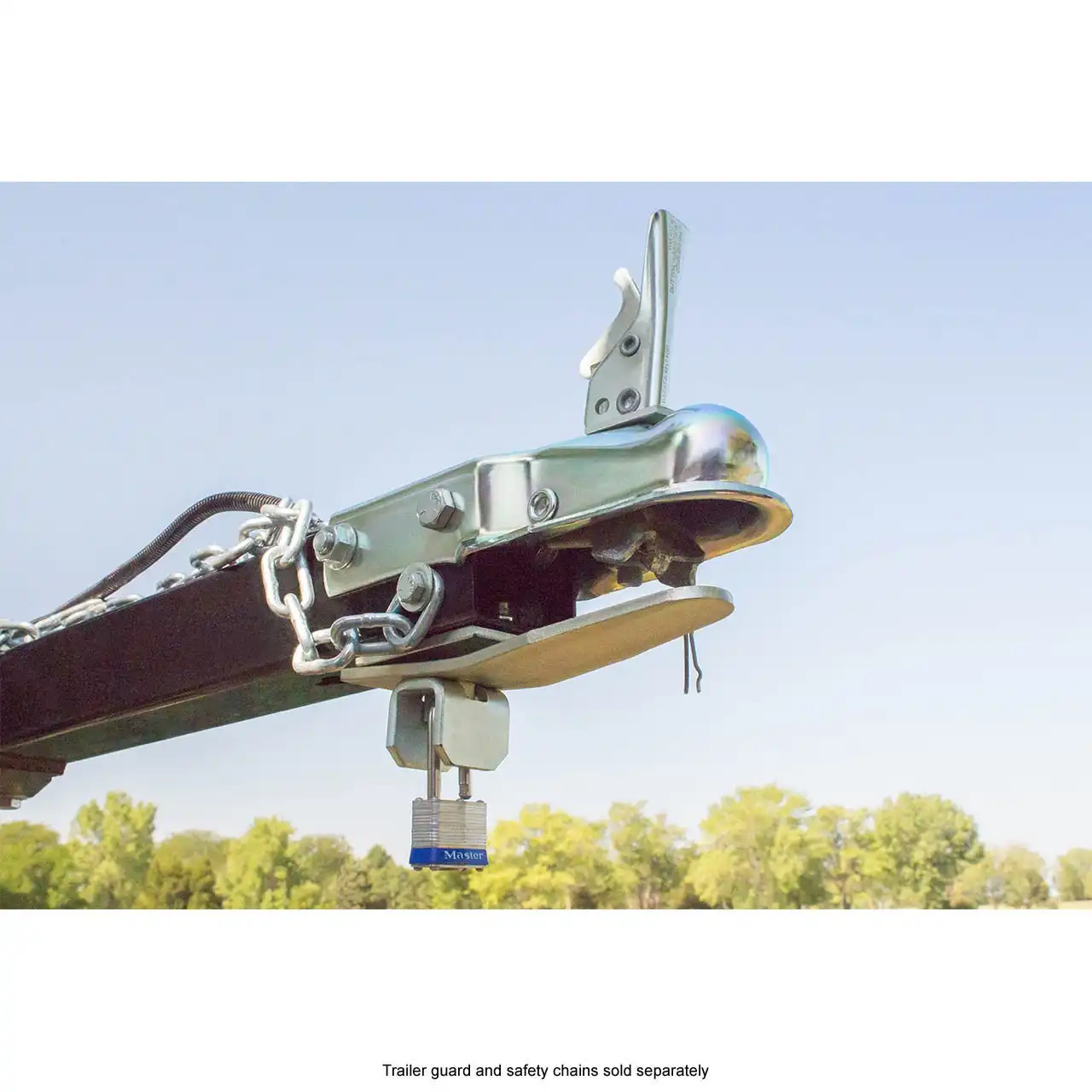
These days' couplers have many safety features that keep them from accidentally separating. The main latch keeps the ball in the hole. It could be a latch that is moved by a lever or one that rotates and locks right away when the ball is dropped into the hole. The trailer coupler pin is an important extra safety measure because it locks the latch in the closed position so that shaking it can't open it. Couplers that cost more have locks that need keys to open. This keeps trailers from being taken off without permission. This feature is helpful for keeping tools safe on unsafe job sites or on city building projects where preventing theft is important. You need to think about how to lock the height device when you use a flexible coupler. Strong locking pins or clamps that are tightened with bolts are used in good designs. These won't come loose during transport and will stay at the set height even if the load moves.
Scenario-Based Selection Framework
For industrial companies that use standard forklift-tow pairs for internal shipping, fixed couplers are stable and save them money. Flexible couplers cost more at first, but infrastructure builders use different pickup trucks and service cars for different jobs, so the extra cost is worth it. Companies that hand out equipment to many people with different car fleets need plans that can be changed to keep everyone happy and get more people to use the equipment. Trailer couplers are useful for security system installers who need to set up automatic rising bollards or vehicle access control equipment in more than one place. This is because they let trailer-mounted equipment connect to a range of installation vehicles. Municipal fleet managers often choose fixed couplers for specific uses while having a smaller number of adjustable units for trailers that can be used for more than one thing and help different departments. This way, they can make the best use of limited funds while still being flexible.
Real-World Performance Insights
Infrastructure companies say that when teams switch to adjustable couplers, the average time it takes to set up for each deployment is cut by 8 to 12 minutes when working with different truck platforms. For projects that need to be moved more than once a day, this saves a lot of money on work costs. While set designs only need to be oiled and cleaned every so often, maintenance records show that movable designs need to be done about 40% more often to keep them going smoothly. Those who make industrial equipment say that fixed couplers can last 12 to 15 years in specific uses with only a yearly check and little other maintenance. Adjustable units, on the other hand, need to be changed every 8 to 10 years in the same conditions because the mechanism that makes them work goes out. Lifecycle cost figures are based on these real-world patterns: in changing situations, the fact that adjustable couplers can work in different ways often justifies their higher cost and need for more maintenance. On the other hand, set designs are more cost-effective in stable, long-term situations.
Conclusion
Before you decide between fixed and flexible trailer couplers, you should carefully consider where you work, what kind of vehicles you have, and your long-term goals. Fixing couplers is the fastest, most lasting, and least expensive way to haul things with cars that are always the same size. When the equipment can be used for more than one thing or links to different kinds of tow vehicles, the higher starting cost is worth it because the designs are more flexible. Both types of goods will work effectively as long as they are picked out, put away, and kept the way the manufacturer tells you to. Technical needs, such as the maximum weight, the longevity of the material, and safety features, should be balanced with practical needs, such as the amount of upkeep needed, how often the product needs to be adjusted, and the total cost over its entire life. You can be sure that the coupler you pick will work well and last as long as your fleet does.
FAQs
1. Can Adjustable Couplers Accommodate Different Ball Sizes?
With an adjustable coupler, you can change the height while keeping the width of the ball socket the same. A 2" adjustable coupler, for instance, can only fit 2" balls all the way through its range of movement. The adjustment system takes care of any changes in hitch height that happen because of different vehicle springs or loads. It doesn't matter if the balls are different sizes. To make the balls a different size, the joint has to be swapped out for a unit of the right size. There are coupler heads on the market that can be switched out and share a tuning channel. This way, one trailer can fit different ball sizes because only the coupler head needs to be changed, not the whole system.
2. What Safety Checks Should Procurement Teams Prioritize?
Before starting up, it's important to make sure that the trailer coupler pin goes all the way through the latch mechanism and that the coupler latch fully engages the hitch ball with no visible break. It's also important to make sure that the safety chains connect properly as a backup. It's important to check that the bolts are still tight and that the holes in them aren't getting bigger. The trailer connection must fit tightly and not have any rust on the parts that touch. This keeps the power going to the lights and brakes. For couplers that can be adjusted in height, it's important to make sure that the locking mechanisms work well and that the opening for adjustment can't be changed.
3. When Should Couplers Be Replaced?
If the structural parts are cracked, the ball socket fits loosely because of too much wear, parts are bent or twisted from impact damage, or rust is getting into the base material and making it thinner, you should get new couplers right away. If the latch systems or adjustment locks don't work right or stay in place when they're loaded, they need to be replaced as well. As an extra safety step, replacing it every 10 to 15 years of heavy use makes it safer, even if there isn't much wear that can be seen. In this case, the material gets worn down over time from being loaded and unloaded many times.
Partner with RUIRUI for Superior Trailer Coupler Solutions
Qingdao RUIRUI Machinery makes the best trailer couplers and connections with careful engineering. They meet the high standards of companies that make industrial tools, build infrastructure, and sell goods all over the world. To make sure that all of our big orders get the same high quality, our ISO 9001-certified plant uses the most up-to-date machine tools, robotic welding, and progressive pressing. We offer full OEM customisation, which includes custom mounting setups, finishes that don't rust, like powder painting and galvanisation, and engineering help to make sure that our trailers will work for your needs. That's because RUIRUI has eight dedicated production lines that make 130,000 units a year and offers price breaks at the container level. This gives your purchasing team the technical knowledge and supply chain stability they need. We'd love to hear about your trailer coupler needs at kshdhardware@qdkshd.com. You can also get technical specs or bulk prices for jobs you have coming up. Learn why top manufacturers in North America and Europe choose RUIRUI as their primary Trailer Coupler provider by browsing through our full range of trailer items at sheetmetalprocessingplant.com.
References
1. Society of Automotive Engineers. "SAE J684: Trailer Couplings and Hitches - Automotive Type." SAE International Standards, 2019.
2. National Highway Traffic Safety Administration. "Trailer Hitch Safety Standards and Compliance Requirements for Commercial Applications." U.S. Department of Transportation, 2021.
3. Miller, Robert J. "Materials Selection for Heavy-Duty Trailer Components: Comparative Analysis of Steel and Aluminum Alloys." Journal of Industrial Manufacturing Engineering, Volume 47, Issue 3, 2020.
4. International Organization for Standardization. "ISO 11407: Road Vehicles - Mechanical Coupling Between Towing Vehicles and Trailers." ISO Standards Catalog, 2018.
5. Thompson, David and Chen, Wei. "Failure Analysis of Trailer Coupling Mechanisms Under Dynamic Loading Conditions." International Journal of Vehicle Safety Systems, Volume 15, Issue 2, 2022.
6. American Welding Society. "Structural Welding Code for Trailer Manufacturing: Quality Requirements and Inspection Protocols." AWS D14.3 Standard, 2021.

Send Inquiry
You may like