
High Quality OEM Trailer Parts for Commercial Vehicle Applications
When commercial vehicle operators invest in trailer components, they're making decisions that affect uptime, safety, and profitability. High-quality OEM trailer parts deliver the reliability needed for demanding transport operations—whether hauling freight across interstates or supporting construction equipment at job sites. These precision-engineered components meet rigorous industry specifications, ensuring compatibility and performance that directly impact operational efficiency. By sourcing certified OEM solutions instead of generic alternatives, fleet managers protect their equipment investments while maintaining compliance with federal transportation regulations. RUIRUI specializes in manufacturing premium OEM components fabricated from carbon steel with anti-corrosion spray coatings, engineered specifically for durability in commercial applications where equipment failure isn't an option.
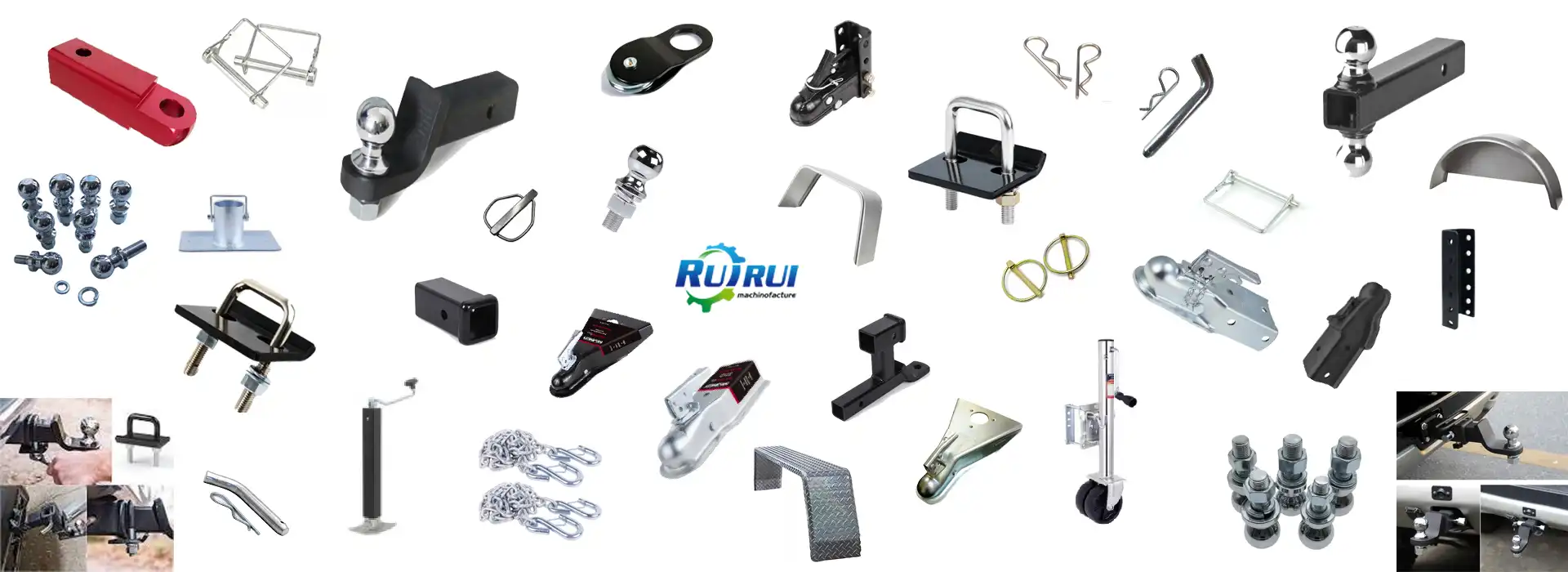
Understanding Core Trailer Parts and Their Functions
Commercial trailers are made up of many parts that work together to keep the trailer safe on the road and the goods safe. Knowing how these parts work helps buying teams make smart decisions about where to get things.
Essential Structural Components
The axle system supports the trailer and moves weight from the frame to the wheels while also protecting the trailer from shocks from the road. Tandem axles are best for heavy-haul jobs in building and freight handling, while single axles are better for smaller trailers used for farming or other purposes. Whether they are made of leaf springs or torsion bars, suspension systems control the ride quality and keep goods from getting damaged by vibrations while it's being moved.
The most important safety feature in any business trailer is its braking system. Electric brake systems are most common in the light to medium duty market. When the tow vehicle's controller sends current through the wire harness, electromagnets push the brake shoes against the drums. Hydraulic surge brakes are popular for boat trailers and other situations where stopping isn't needed very often. They work instantly when the vehicle slows down.
Lighting and Electrical Systems
Lighting on trailers is both required by law and a good idea for safety. In business settings, LED marker lights and other trailer parts now work better than standard incandescent bulbs because they last longer (often over 50,000 hours) and draw less current, which keeps the wiring from getting too hot. Having tail lights, stop lights, and turn signs that work properly makes sure that you can see at night and in bad weather. In order to follow FMCSA rules, all business trucks that use public roads must have lights that work.
Coupling Hardware and Load Management
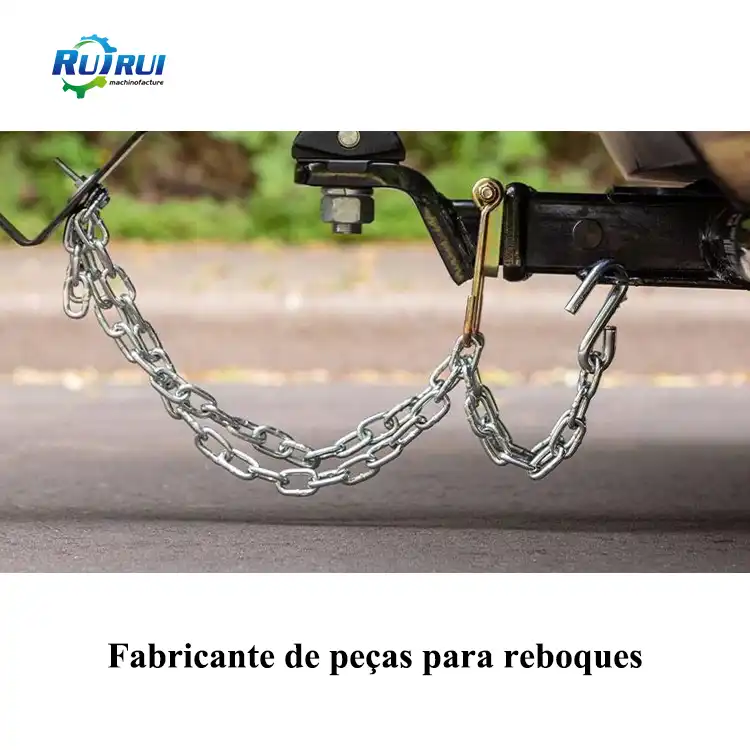
The coupler assembly is what connects the truck to the trailer mechanically. Its values are based on the gross weight of the trailer. A-frame couplers work with standard ball hitches, while pintle hooks are used in the military and building for heavy-duty tasks. As required by DOT rules, safety chains provide backup retention if the main coupling breaks. Winch systems and tie-down gear keep goods from moving around while it's being moved. This keeps load imbalances from happening, which would make handling less stable.
How to Select High Quality OEM Trailer Parts for Commercial Vehicles?
Before making a purchase choice, you need to carefully look at the technical details, the credibility of the seller, and the overall cost over time. By making smart decisions, you can protect your fleet investments and avoid costly business problems.
Establishing Selection Criteria
For business uses, durability is the most important thing to think about. Parts made of high-strength carbon steel with protective coatings don't rust in tough conditions like seawater, road salt, and chemical washdowns, which quickly break down less durable materials. RUIRUI uses spray treatment methods that attach protected layers to metal surfaces. This makes parts last longer, even if they are left outside all the time.
Verifying compatibility stops costly software mistakes. Original Equipment Manufacturer (OEM) standards make sure that the product will fit correctly with current trailer design. This means that there won't be any size or mounting problems like there are with aftermarket alternatives. Before placing an order, procurement teams should compare part numbers to equipment guides and make sure they understand the bolt designs, bearing sizes, and types of electrical connectors.
Warranty coverage shows that the company that made the product is confident in its quality. Reliable OEM providers back their parts with full guarantees that cover material flaws and early failures, which lowers the total cost of ownership. Regulatory compliance paperwork, such as ISO certificates and material test records, proves that parts meet industry standards for durability and resistance to external factors.
Brake System Selection Considerations
Electric brake systems are better for trucks that weigh less than 10,000 pounds gross because the tow vehicle's built-in sensor lets you control the brakes proportionally. These systems let drivers change how hard they brake based on the load and the ground, which keeps wheels from locking up on wet areas. Maintenance needs are still very low, and are usually limited to checking the state of the drum and magnets once a year.
Hydraulic systems are good for situations where you need independent brakes. They start working immediately when the trailer pushes against the tow car as it slows down. Because they are mechanically simple, hydraulic brakes don't have any electrical connections that can rust or break, which makes their trailer parts reliable in nautical and farming settings. The downsides are that they are harder to control precisely than electric systems and the parts are more expensive.
Material and Construction Analysis
Aluminum parts make the trailer lighter, which saves gas and lets you carry more without going over the legal weight limits. These benefits are helpful for long-haul freight businesses, where every pound counts when it comes to making money. The natural resistance to corrosion makes the material good for coastal areas. However, because aluminum isn't as strong as steel, it needs bigger parts to hold the same amount of weight.
For heavy-duty uses, steel building offers the best strength-to-weight ratios. The carbon steel metals that RUIRUI uses have great tensile qualities and fatigue strength, which is very important for parts that will be loaded and unloaded many times during shipping. Modern spray painting technologies keep steel from rusting without adding a lot of weight. This makes the trailer durable while still being easy to move.
Maintenance and Troubleshooting of Trailer Parts
Regular repair plans keep cars from breaking down when they're least expected, which can delay deliveries. Knowing the most common ways that things go wrong helps support teams find issues before they get worse.
Brake System Maintenance Protocols
Deterioration in brake performance usually happens slowly, which is why regular checks are important. At yearly tear-downs, the thickness of the brake shoe lining should be measured. Linings should be replaced when they wear down to 1/8 inch. The drum's surface needs to be checked for heat cracking, cracks, or being out of round, all of which lower the contact area and the effectiveness of the brakes. Electric brake magnets stop working properly when their internal coils get short circuits or build up metal junk. This shows up as less stopping power or pulling to one side when the brakes are applied.
Fluids in hydraulic brake systems need to be checked on a regular basis to find moisture that lowers boiling points and causes vapor lock. Actuator cylinders should be able to move easily without getting stuck, and surge coupling systems need to be oiled so they don't seize up. Any signs of fluid leaks around the wheel cylinders need to be fixed right away because brake failure is very dangerous.
Axle and Suspension Inspection Procedures
Maintenance on wheel bearings stops the terrible breakdowns that happen when bearings seize up from getting too hot. To do things right, you need to take off the hubs, clean all the trailer parts with a cleaner, check the races for cracking or spalling, and then repack them with high-temperature grease made for trailer use. To set the right preload without creating drag, bearing adjustment needs exact torque measurements. Usually, 50 foot-pounds while turning the hub and then backing off to finger-tight plus one flat.
The weight of the goods and impacts from the road put steady stress on the suspension parts. Fatigue cracks show up in leaf springs at the fixing eyes and center bolts, so they need to be replaced before they break completely. As the joint moves, the equalizer hangers and shackle bushings wear out. This causes play that affects the steadiness of the tracking. Over time, the rubber bands on torsion axles wear out, making the ride rough and the tires wear unevenly.
Lighting System Diagnostics
Most of the time, problems with trailer lighting are caused by bad ground connections instead of broken lights. Corrosion at the ground connections makes a lot of resistance, which stops the flow of current and makes the lights dim or stop working sometimes. To keep wetness out, maintenance teams should clean ground points down to bare metal and cover them with dielectric grease.
LED lighting systems don't usually break down completely, but the integrated circuit boards that handle the power can have problems. Testing for voltage drop along wire harnesses finds problems with resistance that lead to failure. Damage from road debris needs to be fixed right away because broken lenses let water in, which ruins electrical connections and breaks the circuit completely.
Advantages of Upgrading to OEM Trailer Parts
Strategic changes to parts of the fleet make it more reliable and lowers the cost of running it. The extra money spent on OEM quality pays off by reducing the number of repair visits and lengthening the time between services.
Reliability and Service Life Benefits
OEM parts go through strict testing procedures that make sure they work in harsh environments, such as changing temperatures, being exposed to salt spray, being able to handle vibrations, and being loaded and unloaded many times in a way that models years of use in the field. This validation method gets rid of the early fails that happen a lot with cheap aftermarket parts that don't get the same level of scientific inspection. After switching to OEM parts, fleet owners say that brake system service times have grown from 12 months to 18–24 months, which cuts down on labor costs and vehicle downtime.
The quality of the materials has a direct effect on how long they last. The carbon steel used in RUIRUI parts goes through a controlled heat process that makes the grain structure better so that it doesn't wear down easily. Preparing the surface before applying the coating guarantees good adhesion that can withstand chip hits and wear and tear. These details in the manufacturing process lead to parts that keep their shape and look over time, which protects the selling value of the equipment.
Compatibility and Integration Advantages
Without changing the original meaning or sentence structure, and without expanding the text: "In the case of trailer parts, OEM parts don't have the fitment problems that come with general aftermarket options that are made to work with a lot of different car types. Accurate measurements are needed to make sure that the bearing preload, brake shoe-to-drum clearances, and electrical connection contact are all correct. These tolerances have an impact on both efficiency and safety. Installation goes smoothly without any changes or adapters having to be made. This cuts down on work hours and stops mistakes in building that void warranties."
Performance features are improved when all of the trailer's parts are matched up. When brake systems are designed to work together, they distribute stopping force evenly, which keeps tires from wearing out too quickly and reduces the risk of jackknifing. Components of suspension systems that are meant to work together keep their shape throughout their travel range, which makes sure that the handling is always reliable.
Documented Performance Improvements
Transportation companies with mixed teams say they can tell the difference between trucks with OEM parts and those with aftermarket parts. Over the course of 18 months, maintenance records from a regional freight company showed that trailers with OEM brake assemblies needed 34% fewer roadside changes than trailers with aftermarket assemblies. Because there were fewer repair calls, deliveries were made on time more often and upkeep labor costs went down.
Standardizing components makes managing supplies easier. When fleets use OEM parts on all of their equipment, they don't have to store as many service parts in warehouses. This frees up space and lowers the risk of keeping old items on hand. Maintenance techs work faster when they use the same parts instead of having to change their methods for each aftermarket brand's different designs.
Efficient Sourcing and Procurement Strategies for OEM Trailer Parts
Cost control and quality assurance are both important parts of strategic buying practices. Building ties with dependable makers makes the supply chain stable, which helps keep operations running.
Supplier Evaluation and Verification
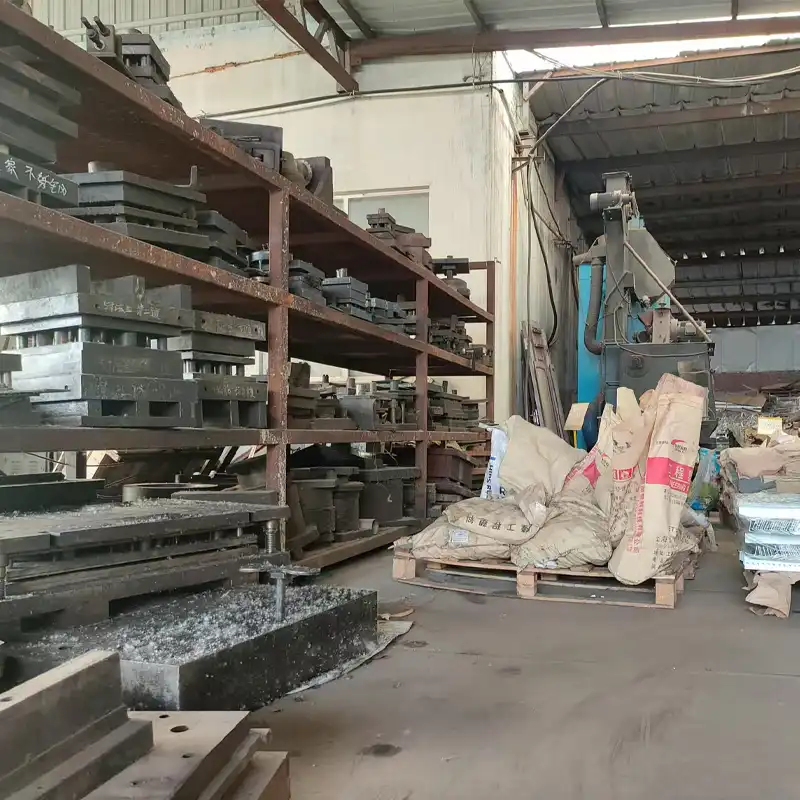
A manufacturing capacity review checks to see if suppliers have the technical know-how to consistently offer high quality. Eight production lines at RUIRUI are run by automatic computer systems that make sure that the dimensions and surface finish are always the same from one production run to the next. With an annual production capacity of 130,000 pieces, the company is big enough to meet bulk buying needs while still keeping wait times acceptable.
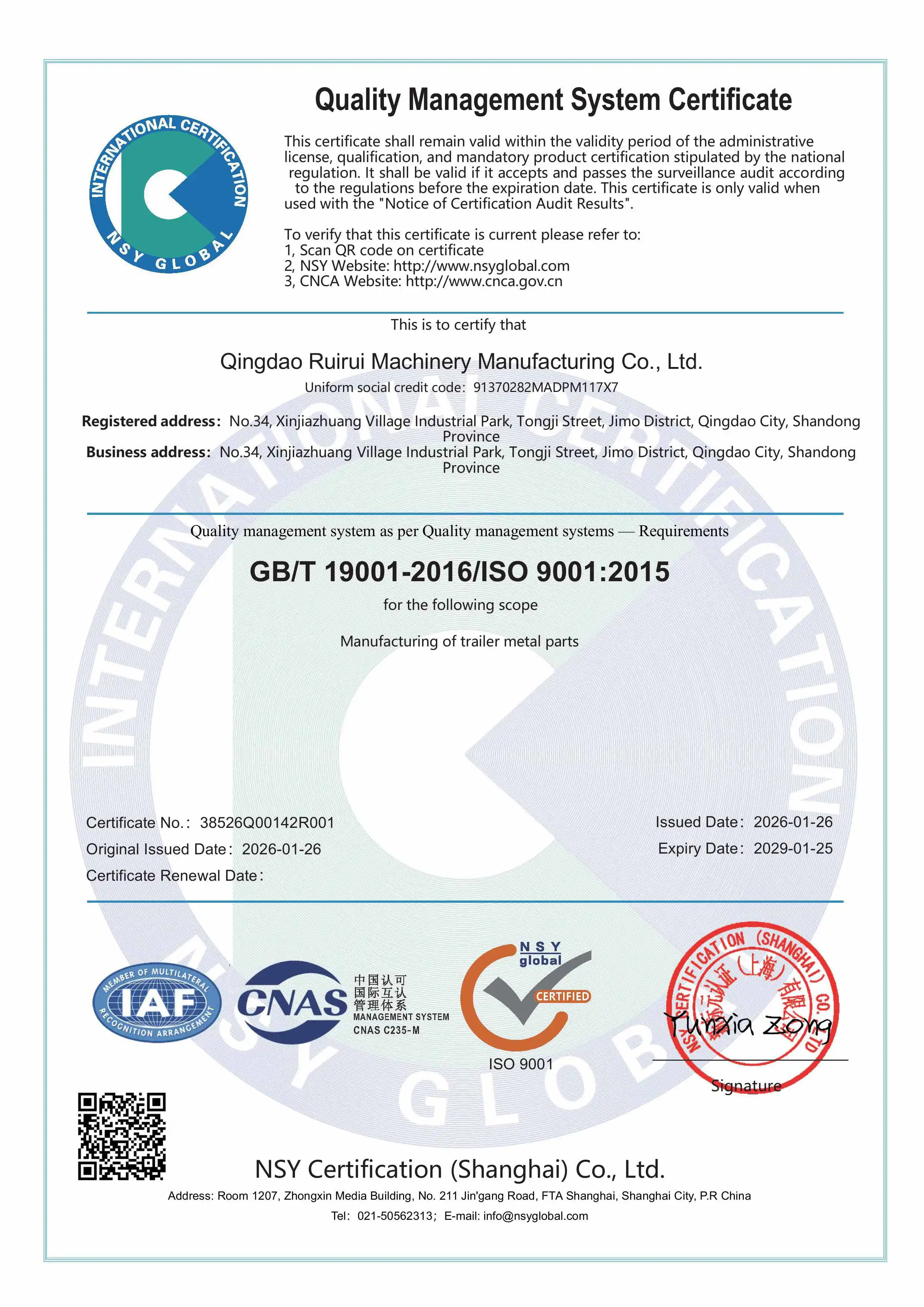
Verification of certification shows that high standards are being met. Getting ISO 9001 approval means that you have a written quality management system with steps for controlling the process, inspecting it, and fixing any problems that you find. Environmental management licenses show that a company makes products in a responsible way, which is becoming more and more important for businesses that require sustainability in their supply chains. By reading audit records and visiting production sites, you can see how things are made firsthand.
Bulk Purchasing and Custom Order Management
A lot of the time, promises to buy in bulk, including trailer parts, open up price benefits that make the project more profitable. When compared to partial loads, container-level exports are more efficient because they lower the cost of shipping each unit. To combine orders, procurement teams should make sure that buying cycles and production plans work together. This way, they can balance the costs of keeping inventory with the chances of getting big discounts.
The ability to make things to order meets specific application needs that normal store items can't meet. RUIRUI offers technical help to make parts that meet customer needs, such as parts with different sizes, different materials, or special finishes. For custom development to work, technical needs must be communicated clearly through thorough drawings and performance standards. This is done to make sure that the parts that are made work properly.
Authentication and Counterfeit Prevention
In business settings, fake parts are very dangerous and could put people at risk of being sued. Checking the authenticity of a part guards against using cheap materials and poor workmanship, which can lead to breakdowns. When you buy straight from the maker, you avoid the weak spots in the distribution line where fake goods can get in. Reviewing documentation, such as material approvals, inspection records, and traceability marks, proves where the product came from.
Warranty terms are an important way to protect against broken parts. Knowing the details of coverage, like what fails are covered, how long the coverage lasts, and how to file a claim, lets you make an accurate estimate of the total cost of ownership. RUIRUI stands behind its goods with full after-sales support, such as expert help for setup and troubleshooting advice when problems happen.
Conclusion
Finding high-quality OEM parts is a smart way to improve the durability and working efficiency of business vehicles. Precision-engineered parts made from high-quality materials have technical advantages that can be measured in terms of longer service life, less upkeep, and better safety performance. By combining advanced production techniques with strict quality control, RUIRUI's metal fabrication skills make trailer parts that meet the strict needs of industrial uses. When procurement pros put OEM quality ahead of short-term cost saves, their fleets are set up for long-term success with fewer problems, lower total ownership costs, and higher equipment value retention.
FAQ
1. What maintenance intervals are recommended for trailer brake components?
Commercial trailer brakes should be inspected at least once a year, but businesses that use their trailers a lot should get them serviced every six months. Electric systems should have their coating thickness measured, their adjustment checked, and their magnets tested as part of the inspection process. Checking the state of the fluid and making sure the actuator works are both necessary for hydraulic systems. No matter when the next service is due, brake parts that show a lot of wear or damage need to be replaced right away.
2. How do OEM parts differ from aftermarket alternatives?
OEM parts exactly match the specs of the original equipment, making sure that they fit and work properly. They go through testing and certification methods by the maker that make sure they meet quality standards. To keep costs down, aftermarket parts might be made with different materials or methods, which could make them less durable. When compared to generic options, OEM parts usually come with better warranties and expert support.
3. Can components from different OEM suppliers be mixed on the same trailer?
When you mix parts, you need to make sure they are compatible first. For proper operation, brake systems need parts like drums, shoes, and magnets that are matched and designed to work together. To keep the right shape, all suspension parts should be made by the same company. Usually, electrical and lighting parts can be mixed as long as the voltage levels and connections are the same. However, using single-source systems makes troubleshooting and managing parts inventory easier.
Partner with a Trusted Trailer Parts Manufacturer for Your Fleet Needs
RUIRUI Machinery offers precisely designed trailer parts that are backed by over 15 years of manufacturing excellence and quality systems that are ISO-certified. Our carbon steel parts with advanced spray coating technology are more resistant to rust and last longer in tough industrial settings. Our engineering team works directly with procurement managers to come up with cost-effective solutions, whether you need standard replacement parts or solutions that are made to fit the needs of your fleet. Email our experts at kshdhardware@qdkshd.com to talk about buying in bulk, technical details, and shipping times that work with your business's plan.
References
1. American Trucking Associations. "Commercial Trailer Maintenance Best Practices Manual." Transportation Research Board, 2021.
2. National Highway Traffic Safety Administration. "Federal Motor Vehicle Safety Standards for Trailer Brake Systems." U.S. Department of Transportation, 2022.
3. Society of Automotive Engineers. "SAE J2638: Brake Performance Requirements for Commercial Trailers." SAE International Standards, 2020.
4. Transportation Research Board. "Effects of Component Quality on Commercial Vehicle Reliability." National Academy of Sciences, 2019.
5. Truck Trailer Manufacturers Association. "OEM Parts Specifications and Compliance Guidelines." TTMA Technical Report Series, 2021.
6. Wilson, James R. "Material Selection for Heavy-Duty Trailer Components." Journal of Transportation Engineering, Volume 148, 2022.

Send Inquiry
You may like