
High-Toughness Metal Hinge: A Must-Have for Industrial Equipment
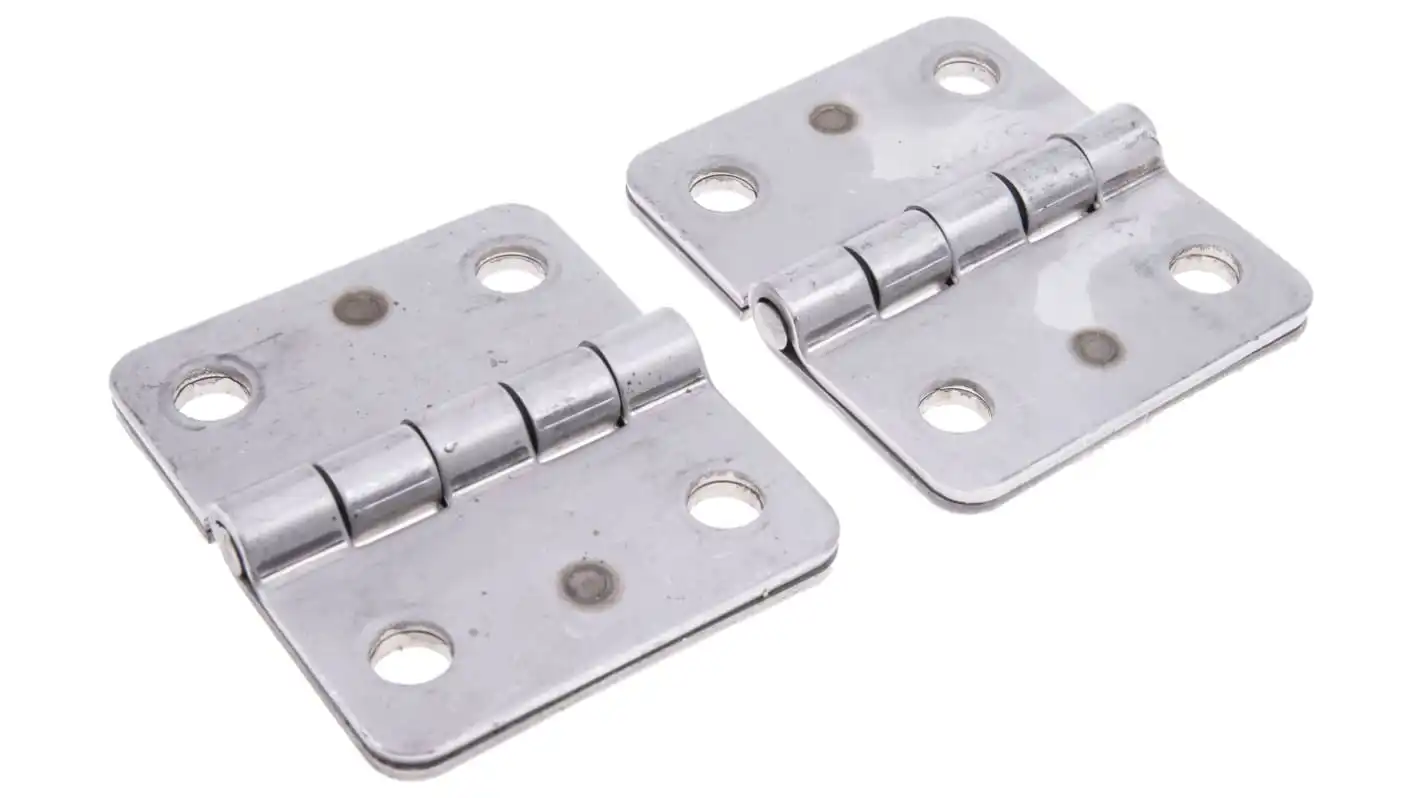
Equipment failure in critical processes costs businesses thousands of dollars in repairs and downtime. When huge industrial doors, access panels, or equipment covers break due to defective hinges, production stops. The reliability required for industrial operations is provided by high-toughness metal hinges, which are designed to withstand large loads, frequent cycling, and harsh weather conditions that would harm traditional hardware components.
Understanding High-Toughness Metal Hinge Performance
What Defines a High-Toughness Metal Hinge
A high-toughness metal hinge, which is specifically designed to resist deformation and fracture under high operational stress, is an example of complex engineering in industrial hardware. Compared to conventional hinges, which only employ simple steel structure, these specialized parts feature better surface treatments, precise manufacturing tolerances, and improved metallurgical properties. The exceptional robustness of the metal hinge is the product of careful material selection, which often uses premium stainless steel, hardened alloy steel, or specially treated mild steel that undergoes rigorous quality control techniques including progressive stamping and CNC machining.
Critical Performance Characteristics
Industrial environments need components that operate reliably in circumstances that might endanger traditional equipment. In the creation of high-toughness metal hinges, integrated design features simultaneously address many failure situations. In order to avoid brittle fracture and preserve dimensional stability, the material composition strikes a balance between hardness and ductility. While secondary treatments like anodizing, powder coating, and electrophoresis provide corrosion protection, advanced production techniques like deep drawing stamping produce grain patterns that enhance fatigue resistance. These hinges are resistant to vibration, chemical exposure, high temperatures, and stress loads in challenging industrial environments.
Material Selection for Industrial Metal Hinge Applications
Steel Alloy Options for Maximum Durability
The lifetime and performance of high-toughness metal hinges are largely determined by the choice of materials. Cold rolled steel is perfect for precise applications demanding tight tolerances because it offers exceptional strength-to-weight ratios and improved surface polish. In chemical processing, maritime conditions, and food production facilities, stainless steel grades provide unparalleled corrosion resistance. Hardened steel alloys are subjected to specific heat treatment procedures that boost yield strength while preserving enough toughness to withstand impact loading without catastrophic failure for applications requiring the highest level of strength.
Alternative Materials for Specialized Requirements
Although steel is the most common material used in industrial hinge manufacture, other materials are better for certain applications. Aluminum alloys are very useful in transportation equipment and aircraft applications because they provide remarkable corrosion resistance together with decreased weight. For exterior applications, brass and copper alloys provide superior weather resistance and inherent antibacterial qualities. Through galvanizing, powder coating, or other surface treatments that prolong service life in corrosive environments, coated steel combines the structural benefits of carbon steel with improved environmental protection.
Manufacturing Processes That Ensure Quality
Precision Fabrication Techniques
Producing durable, high-toughness metal hinge products requires sophisticated manufacturing abilities that go beyond simple stamping procedures. By creating consistent parts with little material loss, progressive stamping techniques preserve stringent dimensional control throughout extended production runs. Laser cutting technology enables complex geometries with exceptional edge quality by eliminating burrs and stress concentrations that might result in fatigue fractures. CNC machining provides the precision needed for critical bearing surfaces via controlled surface finishes and exact dimensional specifications, ensuring smooth operation and an extended service life.
Surface Treatment and Finishing
For raw metal components to perform well in industrial environments, certain surface treatments are required. Polishing procedures remove surface imperfections that might concentrate stress or hold corrosive contaminants. Powder coating creates durable, visually beautiful coatings that are impervious to chipping, scratching, and UV damage. By applying protective oxide coatings to metal components, anodizing processes significantly improve corrosion resistance. Electrophoresis coating techniques provide uniform coverage in recessed areas and fully shield complex structures. Zinc, nickel, or chrome plating techniques add certain performance characteristics including hardness, lubricity, and beauty.
Application Requirements in Industrial Settings
Heavy Equipment and Machinery
Industrial machinery requires high-toughness metal hinge systems that can sustain large loads and extended running cycles. Access panels on processing equipment, security guards on manufacturing equipment, and inspection doors on large industrial systems all need hinges that maintain alignment and operation despite repeated opening and closing. The metal hinge components must endure wear from cumulative cycles to maintain smooth operation and avoid excessive play or binding that might jeopardize safety systems or operational efficiency.
Environmental Challenge Resistance
In industrial facilities, hardware faces challenging conditions such extreme temperatures, chemical exposure, humidity, and pollution. High-toughness metal hinge designs include environmental resistance features. Corrosion-resistant materials and coatings guard against chemical assault, while sealed bearing surfaces keep contaminants out. Temperature-stable materials minimize thermal degradation or dimensional changes that might result in binding or excessive clearances that compromise performance and safety by maintaining mechanical qualities across operating temperature ranges.
Quality Standards and Certifications
ISO Compliance and Manufacturing Excellence
Strict quality management systems that meet international standards are a feature of professional manufacturing operations. Through controlled processes, documented procedures, and continuous improvement programs, ISO 9001 certification shows a dedication to consistent quality. By controlling emissions, controlling waste, and using resources sensibly, the ISO 14001 environmental management certification guarantees that industrial operations reduce their environmental effect. While guaranteeing that items fulfill safety requirements for the entirety of their lifetimes, OHSAS 18001 occupational health and safety certification safeguards workers.
Inspection and Testing Protocols
Extensive testing and inspection processes are necessary throughout the production process to guarantee the dependability of high-toughness metal hinges. Before manufacturing starts, incoming material verification ensures that raw materials fulfill standards. In-process inspections keep an eye on important dimensions and traits throughout the manufacturing process to stop flaws from moving on to later phases. Final inspection procedures confirm that finished goods satisfy all functional, aesthetic, and dimensional specifications. While accelerated corrosion testing verifies coating integrity and lifetime estimates, load testing verifies strength and durability under realistic operating circumstances.
Conclusion
High-toughness metal hinge parts provide crucial dependability for industrial machinery operating in harsh environments. These essential components avoid expensive failures by using high-quality materials, precise production, and thorough quality control.
Cooperate with Qingdao RUIRUI Machinary Co., LTD.
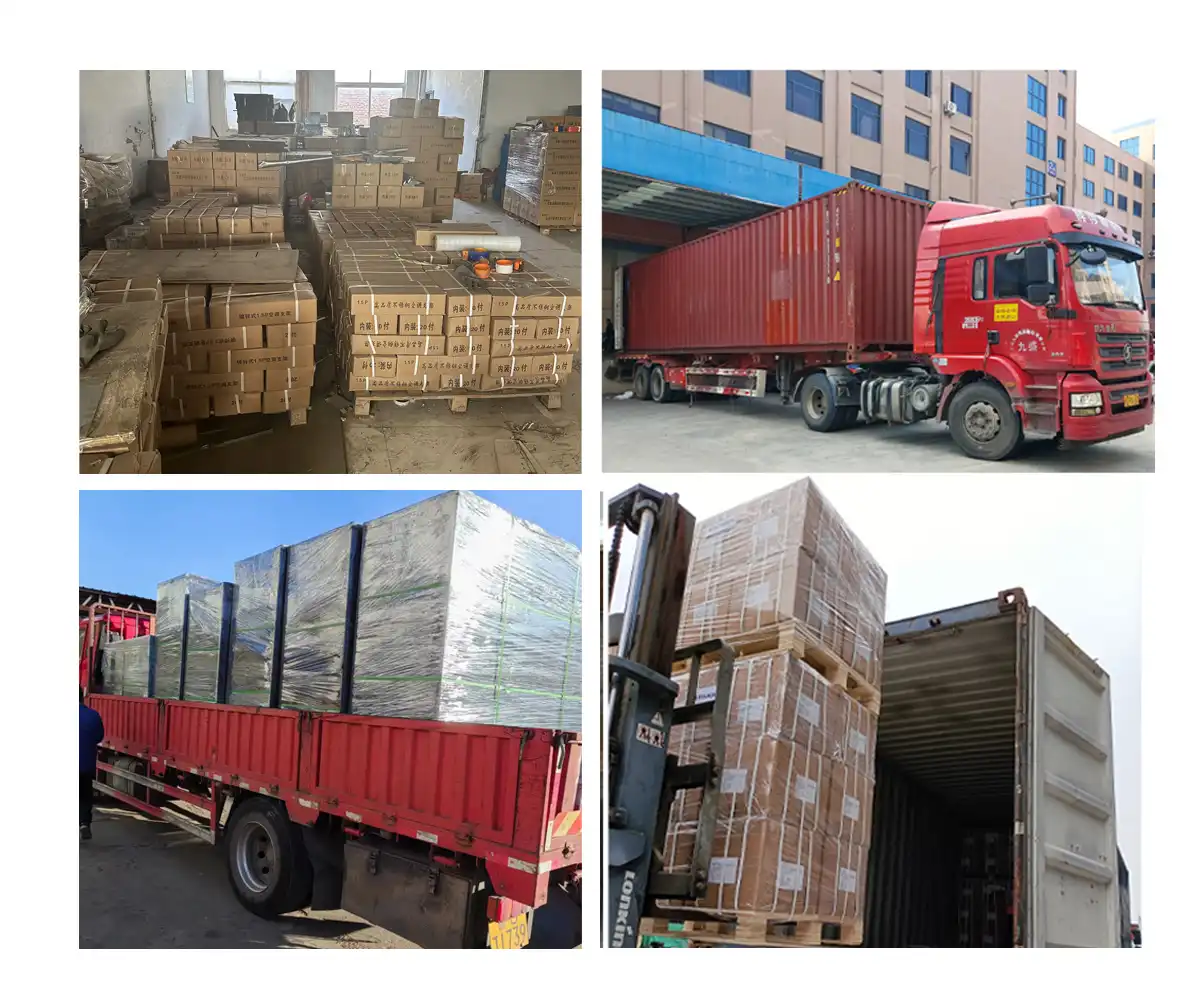
With a wealth of manufacturing expertise, Qingdao RUIRUI Machinery Co., LTD., a leading producer of high-toughness metal hinges in China, can fulfill your demands for industrial hardware. Because of our advanced manufacturing capabilities, which include eight fully automated production lines that manufacture 130,000 pieces annually, we are one of China's top suppliers of high-toughness metal hinges. Stamping, laser cutting, CNC machining, welding, and several secondary processes including anodizing, powder coating, plating, and electrophoresis are all part of our comprehensive metal fabrication services. In China, we produce and provide high-toughness metal hinges in bulk. Copper, brass, stainless steel, mild steel, and aluminum alloys are just a few of the materials that go through the finest processing to create our high-end, durable metal hinge products. The ISO 9001, ISO 14001, ISO 20000, and OHSAS 18001 certifications that complement our quality management systems guarantee that we provide high-toughness metal hinges at competitive prices. Our knowledgeable R&D staff provides technical assistance, customization services, and OEM support throughout your buying process. Email us at info@qdkshd.com for detailed specifications, estimates, and opportunities for collaboration.
References
1. "Heavy-Duty Hinge Design for Industrial Applications" - Mechanical Engineering Standards Committee, American Society of Mechanical Engineers
2. "Metallurgical Properties of Industrial Hardware Components" - Materials Science Research Institute, International Journal of Manufacturing Technology
3. "Surface Treatment Technologies for Corrosion Protection" - Industrial Coatings Technical Society, Surface Engineering Handbook
4. "Quality Management Systems for Metal Fabrication" - International Organization for Standardization, ISO 9001 Implementation Guidelines

Send Inquiry
Related Industry Knowledge
- How Does a Hitch Pin Lock Work?
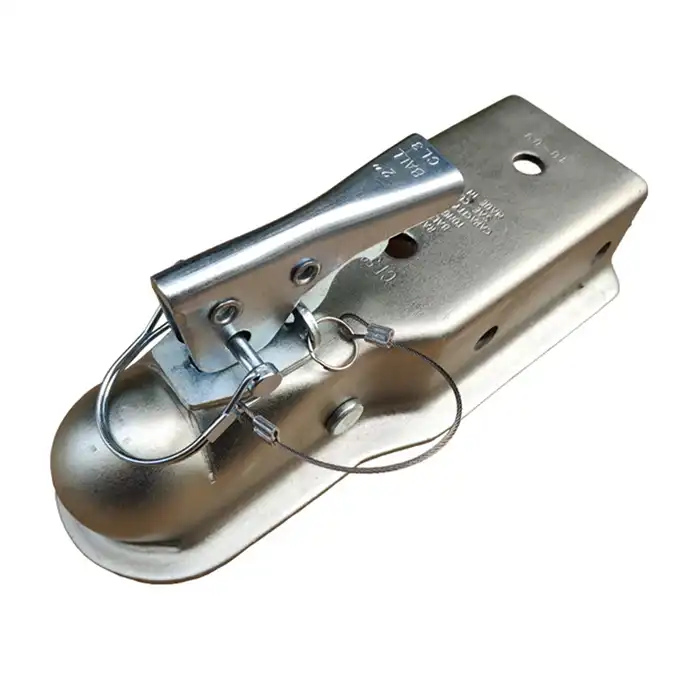
- Understanding the Different Types of Trailer Couplers
- Top-Rated Trailer Ball Coupler Pin Set Supplier for Global Markets
- What Are the Key Features of High-Quality Trailer Container Handle Locks on Both Sides?
- The Ultimate Guide to Choosing the Right Heavy-Duty Trailer Coupler
- Smart Weight Distribution: AC Brackets That Protect Your Walls
- Looking for ISO-Certified Custom Casing Fitting Cannula Sleeve Supporting Foot Manufacturers?
- Why should I use a trailer ball cover?
- How does a spider wheel differ from a standard cast iron wheel?
- Are there different types of zinc plating for D-shape pins?