
Hitch Pin Security Tips to Prevent Trailer Theft
Trailer theft remains a persistent risk across construction, logistics, and agricultural operations, with losses often linked to inadequate hitch connection security. A properly selected and well-maintained hitch pin serves as a critical safeguard against unauthorized trailer detachment. These components secure the ball mount or attachment within the receiver tube, yet their importance is often underestimated in fleet safety planning. Locking hitch pins with keyed mechanisms provide enhanced resistance to tampering, while high-strength materials improve durability and reduce vulnerability to cutting or forced removal attempts. For procurement teams, selecting the appropriate hitch pin type and ensuring correct installation and maintenance procedures can significantly reduce exposure to theft risks, particularly in overnight parking or unattended operational environments.
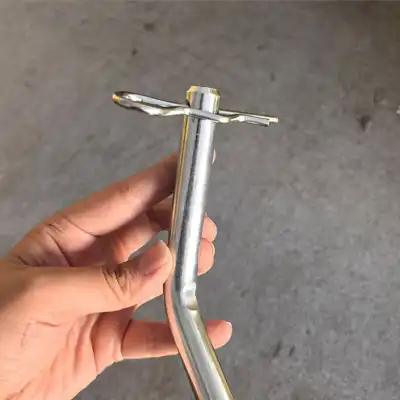
Understanding the Role of Hitch Pins in Trailer Security
What Hitch Pins Actually Do in Towing Systems
If the hitch pin is broken, the link between your tow car and trailer will not work. This part fits through holes that are lined up in both the receiver tube and the ball mount shank. This makes a mechanical lock that keeps the parts from coming apart while they are being moved. The whole towing system doesn't work without this small but important piece of gear. Standard versions use simple retention clips, which make them easy to put on but also easy to take off without permission.
Standard vs. Locking Pin Configurations
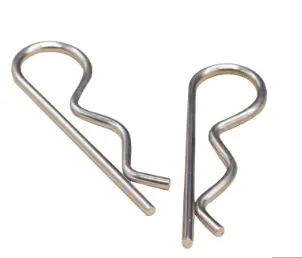
Traditional hitch pins have an R-clip or cotter pin that keeps them from coming off by chance while they're working. These do a good job of keeping things from getting lost because of shaking, but they don't do much to stop theft. They are easy to get rid of for anyone with simple tools. Some locking types have a barrel-style or tube lock cylinder built right into the pin body. To remove them, you need a certain key. With this design, your connection point goes from being a comfort to a real protection barrier. When procurement teams look at fleet security choices, they should know that the small price difference between them is nothing compared to the damage that could be done to assets.
Material Composition and Security Performance
How well a fastening pin works depends a lot on its metallurgical features. Low-grade carbon steel pins might be able to handle basic loads, but they can still be broken by bolt cutters or rust. RUIRUI makes hitch pins and clips out of 304 stainless steel and 4.8-grade carbon steel, both of which are better at resisting stress and lasting longer in harsh environments. The carbon steel option has a good strength-to-cost ratio and comes with a protective zinc covering. Stainless steel, on the other hand, is the best choice for marine or high-salinity settings because it doesn't rust. As part of our manufacturing process, we use heat treatment steps to make things hard enough to survive attempts to attack them physically.
Common Trailer Theft Methods and Vulnerabilities in Hitch Pin Security
How Thieves Exploit Weak Connection Points
Professional groups that steal trailers look for the easiest way to get away. Industry research shows that more than 60% of trailer thefts are as simple as pulling the coupler off of an unlocked hitch ball or taking out a pin that isn't working right. Thieves look around parking lots to find trailers that are locked down with simple clips that can be broken in less than 30 seconds without anyone hearing. The weakness gets worse when operators use pins that are too small or don't match the receiver's specs. This leaves gaps in the fit that make it easy to remove even when the clips are still in place.
Material Degradation as a Security Risk
Aside from theft, natural factors weaken pin security over time. Rust that builds up from being exposed to road salt makes the cross-section weaker, which lowers the effective bending capacity below safe levels. We have records of instances where corroded pins broke during standard pulling operations, causing vehicles to separate in dangerous ways. Galvanized coatings cover for a short time, but after 18 to 24 months of normal use, moisture can get through because the coating isn't thick enough. This method of gradual failure is most common in fleets that work near the coast or in winter repair lanes, where chemicals used to melt ice speed up metal breakdown.
Tool-Based Defeat Techniques
Thieves who are determined use portable hydraulic tools that can quickly cut through low-quality pins. Standard models from hardware stores that are made of mild steel don't fight these tools very well. Criminals like to strike quickly on assets that aren't properly protected. For common defeat tools to work, engineering teams must define a hitch pin with a core diameter and material hardness that are large enough to withstand them. As part of our testing procedures, we put production samples through fake attack situations to make sure that the rated capacity is higher than what thieves can usually do with their tools.
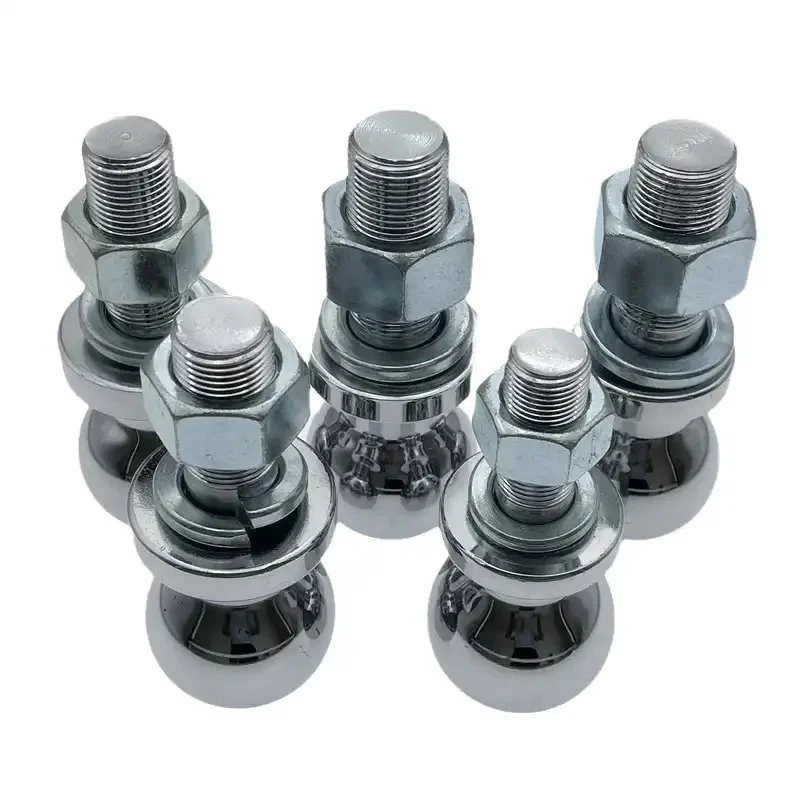
Effective Security Tips for Using Hitch Pins to Prevent Theft
Selecting the Right Pin Type for Your Operation
Matching the pin specs to the receiver class is the most basic way to keep things safe. Class III and IV receivers with 2-inch tubes need pins with a diameter of 5/8 inches, while Class V receivers may need pins with a diameter of 3/4 inches. Pins that are too small cause horizontal play that stresses the clip attachment point, while pins that are too big won't fit right. RUIRUI offers unique sizes ranging from 1/4 inch to 1 inch in diameter, making sure that the right fit is made for a wide range of tools. The load capacity number must be higher than the gross weight of your trailer. Depending on the size, our pins can hold up to 10,000 pounds.
Installation Best Practices That Enhance Security
Using the right software method has a huge impact on how well protection works. The following steps will keep thieves away as much as possible:
Before inserting, clean the inside of the receiver tube to get rid of any buildup of debris that might be stopping the full sitting depth. When the pin is only partially inserted, it can't properly go through the tube walls and head because the material isn't engaged enough. Make sure that the holes in the ball mount shank are perfectly lined up with the holes in the receiver. If they aren't, stress builds up and wears down faster. When you can, put the pin in from the side that is opposite the flow of traffic and place the lock cylinder somewhere that is hard to get to. The way our hairpin clips are made gives them strong elastic tension that keeps them from coming loose by mistake, and even force distribution that stops them from moving slowly when the clip is vibrated.
By adding extra layers of protection, you protect against multiple attempts to break in. Thread-lock chemicals are put on adjustable pins to keep them from coming loose during shipping. Secondary cable locks that go through both the pin and the car frame make it harder to get through while also making it harder to beat. These multi-factor methods make thieves work harder and spend more time, which raises the risk of being caught above what most opportunistic operators are willing to handle.
Maintenance Routines That Preserve Security Function
Inspections done at regular times catch wear and tear before it leads to failure. We suggest that pins that are used every day be checked every three months for surface rust, mechanical wear at stress points, and clip retention integrity. Lock cylinders need to be oiled from time to time with graphite-based substances that don't attract dirt; stay away from heavy greases that do this. To keep their weather protection, the rubber dust caps that cover our lock systems must stay in place. If you see rust getting into a pin or changes in size from wear, you should replace it because weakened parts break randomly when they're loaded.
Procurement Insights: Selecting and Sourcing Secure Hitch Pins
Material Selection Criteria for Different Operating Environments
When buying things, choices should be made that match the properties of the materials to their real use. Stainless steel versions cost about 40–60% more than carbon steel versions, but they don't need to be replaced as often in places that are acidic. The lifetime cost study shows that stainless steel is better for use in marine environments, along the coast, and where chemicals might be present. Most inland industrial uses of carbon steel with good electroplating work well as long as inspection processes find signs of rust early on, before they damage the structure.
Sizing Accuracy and Compatibility Verification
Both security and routine safety are affected by how accurate measurements are. When pins are made with loose standards, they leave too much space in the receiver tube, which causes the rattling sound that damages mounting points over time. Our CNC cutting methods keep tolerances very close, which reduces this play and makes sure that the parts are easy to place and remove. Custom length choices can fit receivers with side plates that are longer or changes made after the fact. Giving your supplier exact measures, such as the receiver tube's thickness and shank's diameter, will ensure a good fit without having to make any changes in the field that would weaken the structure.
Supplier Evaluation and Quality Assurance
To tell the difference between dependable makers and commodity providers, you need to look at their production skills and quality control systems. RUIRUI has eight dedicated production lines that make more than 130,000 pieces a year, including the production of hitch pin products. Fully automatic robotic manufacturing helps keep the quality high. Our ISO 9001, ISO 14001, and OHSAS 18001 certifications show that we handle quality in a planned way throughout all of our manufacturing processes. Teams in charge of buying things should make sure that sellers keep written records of their inspection methods and that engineers keep quality records for each production batch. Our minimum order number of 100 pieces lets fleet owners and distributors who need bulk consistency do so without having to buy too much inventory.
In price talks, the total cost should be taken into account, not just the unit price. Companies that offer OEM customization can change the types of clips, finishes, and packing to fit the needs of different businesses. Our technical support team helps with developing specifications so that bought goods work well with other tools. Dependable delivery is just as important. Our well-planned production and professional packing keep goods safe during foreign shipping, and we keep our promises about delivery times that keep your supply chain running.
Addressing Challenges: How to Handle Stuck Hitch Pins and Potential Failures
Common Causes of Pin Seizure
Pins are exposed to factors in operational settings that make them less and less easy to remove. The main problem is corrosion, which happens when different metals touch each other and there is moisture present. When stainless pins are put into carbon steel frames, they create galvanic action that speeds up the buildup of material at the contact. When road grime and water mix, they form a cement-like layer that holds things together. When pins are installed incorrectly at the start—by pushing them with too much force or at an angle—the coating is damaged and internal surfaces are scored, which speeds up rusting.
Safe Removal Techniques for Seized Components
If normal attempts to remove it fail, using more force could damage the receiver tube or the car frame. Spread a lot of penetrating oil on both ends of the pin and wait 15 to 20 minutes for capillary action to reach the damaged areas. If you tap gently on a brass drift and hammer, vibrations are made that break up rust bonds without changing the shape of the pin. Stay away from steel tools that make the pin end grow, which makes it even harder to remove later. Using a gas torch to apply heat can slightly extend the receiver tube; make sure to only heat the tube and not the pin, and wait for it to cool down before trying to remove it. This difference in growth often breaks rust that won't go away.
If the technical ways don't work, cutting is the last option. To cut the pin in half between the receiver tube sides, use an angle grinder with a thin cutting wheel. This keeps the structure of the tube while only sacrificing the broken pin. Carefully choose where to cut so as not to damage the ball mount shank if it is to be used again. To keep this from happening again, anti-seize powder should be put on the shank of the new pin before it is installed.
Preventive Maintenance Protocols
It turns out to be much easier to avoid seizures than to treat them. Before each placement, put a thin layer of marine-grade anti-seize powder on the pin shank. This makes a barrier that stops metal from touching metal. This doesn't make security worse, but it makes long-term removal a lot easier. Every month, take out and put back in the pins, even if the trailer is still attached. This stops the pins from slowly bonding together during long static times. Instead of leaving removed pins out in the weather when equipment is not being used, store them somewhere dry. Our finishes that don't rust offer great safety, but regular upkeep makes them last a lot longer.
Conclusion
To keep your trailer safe, you need to pay attention to even the smallest parts of your tow system. The main weaknesses thieves use can be fixed by choosing a hitch pin with the right rating and made from good materials. With the right fitting method and regular checking and maintenance, these simple parts can be turned into strong security barriers. Teams in charge of buying things should give more weight to sellers who can show they know how to make things, have quality certifications, and can customize products so that they meet business needs. The small amount of money you spend on high-quality locking parts pays off in big ways: fewer thefts, longer service life, and higher operating safety across your fleet.
FAQ
Do locking hitch pins actually prevent trailer theft?
Locking pins are a good way to stop thieves from taking advantage of empty spaces because they require special tools and more time to break. Determined thieves with hydraulic cuts can finally get around any mechanical security, but most thieves choose easier targets because the security is more complicated. When combined with clearly marked trailers and parking in watched areas, locking pins make stealing much less likely.
How often should hitch pins be replaced?
Replacement times depend on the quality of the material and how it is exposed to the climate. Check pins every three months for rust, dimensional wear, or clip damage that you can see. Any carbon steel pins that have surface rust or are clearly deformed should be replaced. In normal conditions, good stainless steel pins should last between 5 and 7 years. On the other hand, carbon steel pins may need to be replaced every 2 to 3 years in settings that are acidic or alkaline.
Can I use stainless steel pins in carbon steel receivers?
Yes, this mixture works well without worrying about faster rust as long as the pins have a good finish on the outside. Using anti-seize powder during placement stops galvanic action between metals that are not the same while still making removal easy. This pair is very resistant to rust in places where the state of the environment calls for it.
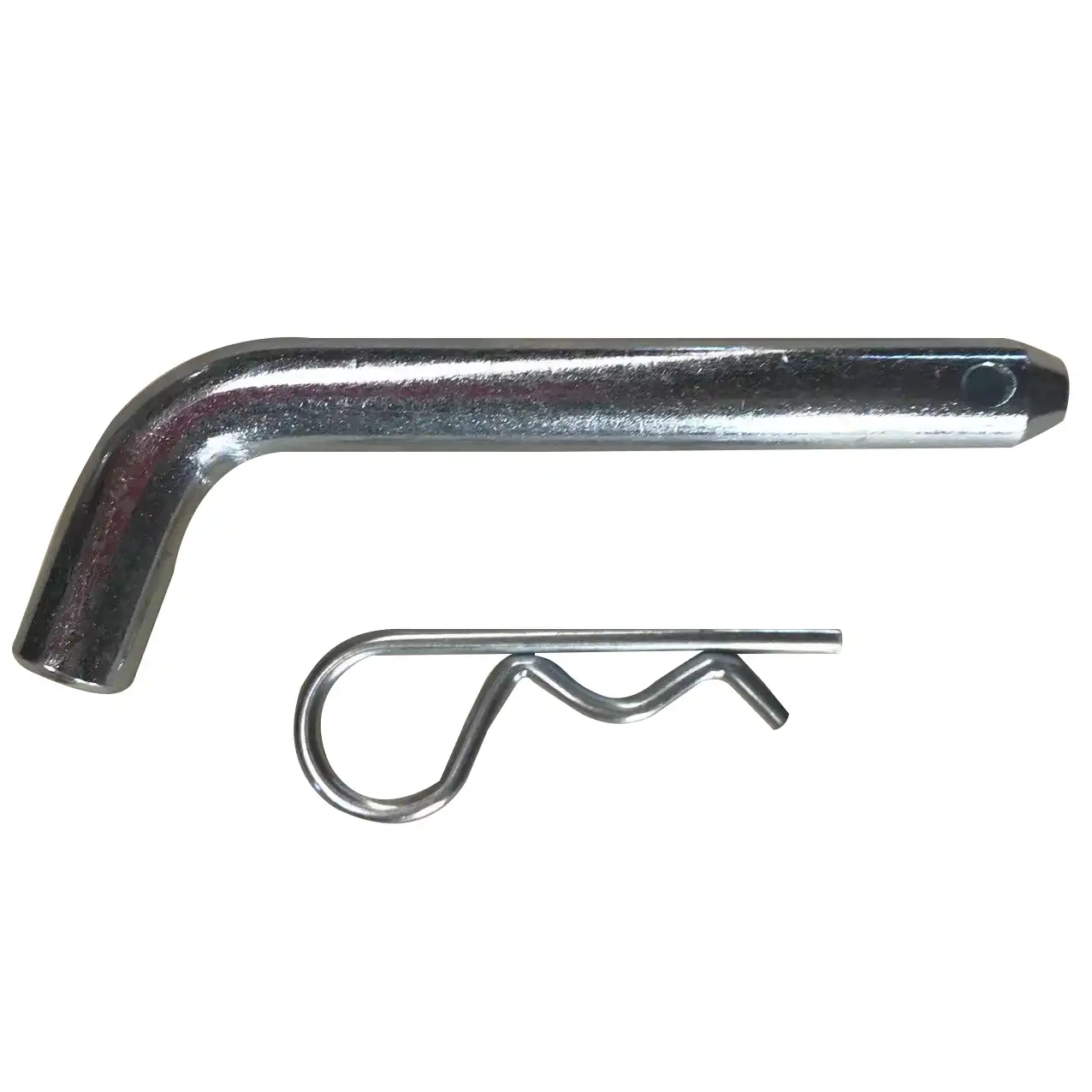
Partner with RUIRUI for Premium Hitch Pin Solutions
To keep your expensive trailer goods safe, you need parts that are made to last and keep thieves out. RUIRUI can make a wide range of products, including hitch pins and clips that meet the strict requirements of business fleets, building companies, and logistics companies. Our 4.8 carbon steel and 304 stainless steel choices give you the material performance your security measures need, and we can make them in any size to fit any receiver. As a hitch pin manufacturer with a lot of experience, we can help OEMs customize branded solutions and keep a ready inventory so that large orders starting at 100 pieces can be filled right away.
Our expert team is ready to help you choose the right specifications so that they work with the rest of your tools and improve security. Email us at kshdhardware@qdkshd.com to talk about your unique needs and get more information about our products. You can look at our full selection of trailer security parts at sheetmetalprocessingplant.com and learn about how our ISO-certified production processes make sure that the quality of every order is the same.
References
National Insurance Crime Bureau. "Vehicle Theft Prevention and Trailer Security Standards." Annual Theft Report, 2023.
Society of Automotive Engineers. "SAE J684: Trailer Hitch and Coupling Performance Requirements." SAE International Standards, 2022.
American Trucking Associations. "Cargo Theft Prevention: Best Practices for Fleet Security." ATA Transportation Security Guidelines, 2023.
Materials Performance Institute. "Corrosion Resistance of Steel Alloys in Transportation Applications." Metallurgical Engineering Quarterly, 2022.
Transportation Research Board. "Commercial Vehicle Security: Equipment Standards and Theft Prevention Methods." TRB Special Report 315, 2023.
International Organization for Standardization. "ISO 3055: Road Vehicles - Towing Pin and Jaw Performance Testing." ISO Technical Standards, 2021.

Send Inquiry
You may like