
How Coupler Locks Improve Trailer Security?
It is said in the business world that more than 11,000 industrial cars are stolen in the US each year. This costs American companies a lot of money every year. The trailer ball coupler is safe because it has a coupler lock. This is the most important part of the link between the tow car and the body of the trailer. This makes it hard for someone else to take the trailer off without first going through you. They physically stop or circle the coupler system, making it impossible for thieves to just hook up stolen trailers to their cars. With strong bolts made of alloy steel that can't be drilled or cut, the coupler changes from a weak spot to a strong defense. That way, those in charge of companies, transportation, and construction sites can rest easy knowing that their mobile assets are safe even when they're not in a safe area.
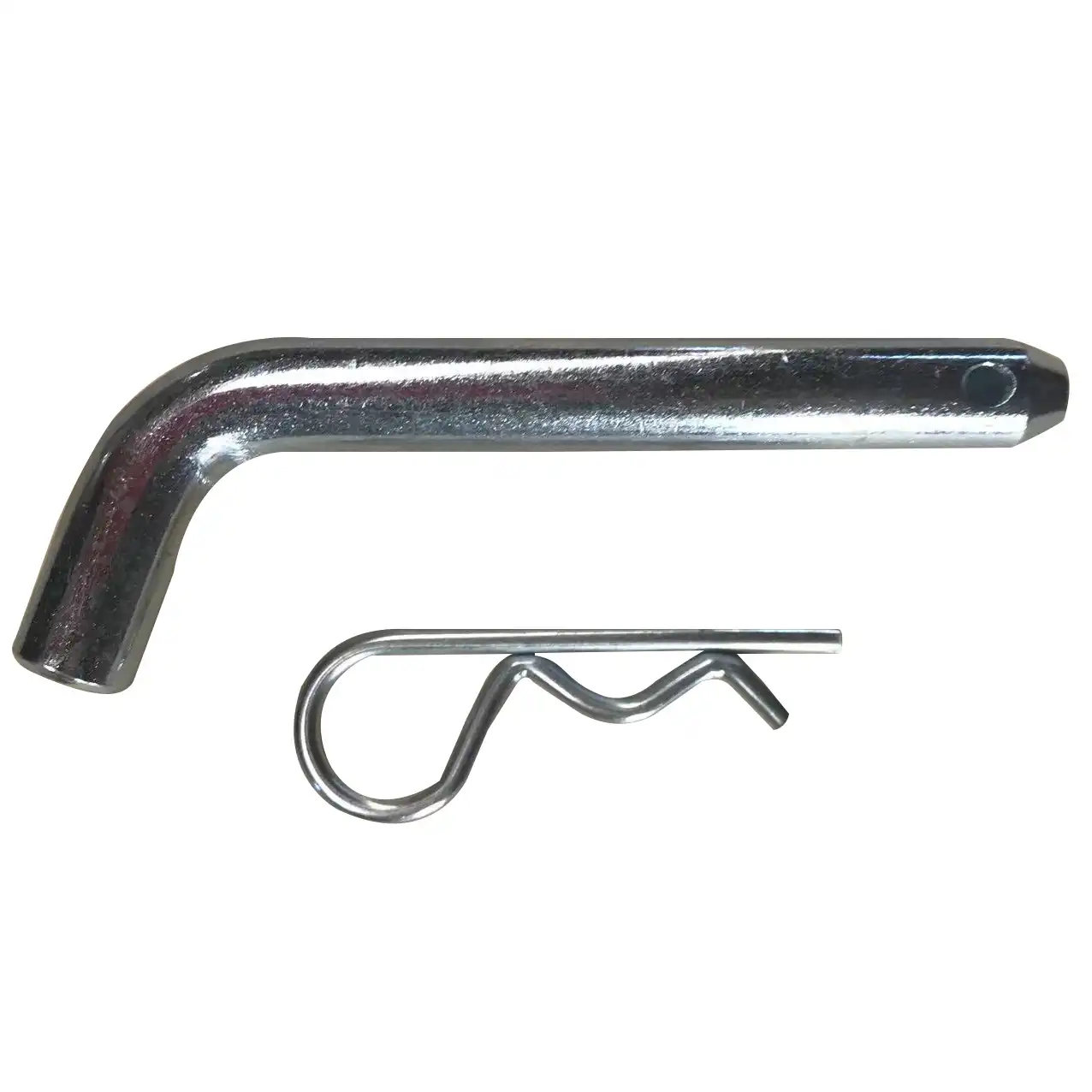
Understanding Coupler Locks and Their Role in Trailer Security
What Is a Coupler Lock and How Does It Work?
The coupler lock on the trailer ball coupler keeps it from being stolen. The coupler is the socket system on the trailer tongue that links to the hitch ball. Metal that is usually cast and is strong is used to make the trailer ball joint. It has either a trigger latch or a quick-release button. These couplers can hold between 2,000 and 20,000 pounds of weight. They can handle balls that are 2", 2-5/16", and 1-7/8" across.
The lock keeps thieves from getting to the coupler's latching mechanism or the coupler socket space where the hitch ball would normally go. Since thieves can't engage the latch and secure it to the tow vehicle's hitch ball, the trailer can't move. This simple mechanical barrier works amazingly well because most thieves want to steal something quickly and quietly, and forcing a good lock makes noise, takes time, and increases the chance of getting caught.
Types of Coupler Locks Available in the Market
Different types of locks are made to handle different operational needs and threat levels. For example, universal coupler locks have clamping mechanisms that can be changed to fit a range of coupler sizes. This makes them perfect for fleet operations that need to manage different types of trailers. They are usually made of hardened steel and have zinc plating or powder coat finishes to keep them from rusting.
There are various types of locks for various couplers. Some of the more advanced models have alarms that go off when someone moves or tries to tamper with them, which can be very useful in secure yards or parking lots. The locking mechanisms range from traditional keyed cylinders with anti-pick pin configurations to modern disc-detainer systems that make them harder to pick. There are also various ways to mount them, such as bolt-on installations for long-term use and clamp-style designs that make it easy to attach and remove between jobs sites without tools.
Why Trailer Couplers Are Primary Theft Targets
A thief with the right hitch ball size can connect an unlocked trailer in less than thirty seconds. This usually happens late at night when there isn't much security guarding industrial parks, construction sites, or storage yards. Trailers don't have the built-in security systems that powered vehicles do. They don't have ignition locks, electronic immobilizers, or GPS tracking unless it's installed specifically.
Thieves can slow down construction projects when equipment trailers are stolen, mess up the supply chain for distribution companies when cargo trailers with full loads are stolen, and mess up the schedule for city infrastructure projects when specialized transport equipment is stolen. Protecting this weak connection point directly addresses these operational risks by making it harder for thieves to do what they usually find easy, which takes time, makes noise, and fails in the end.
Key Features and Maintenance to Maximize Coupler Lock Effectiveness
Essential Security Features in Professional-Grade Locks
Modern high-security locks use different types of defense technologies to stop different types of attacks. For example, anti-drill hardened steel plates keep powered tools from getting into the cylinder mechanisms. Anti-cut shrouding uses case-hardened materials to stop attacks with bolt cutters and angle grinders, which are common tools that skilled thieves carry. Anti-pick cylinder designs use security pins, sidebars, or disc-detainer configurations that are hard for most criminals to manipulate.
It's also important to choose the right materials. Good manufacturers use alloy steel that has been heat-treated to achieve tensile strengths of more than 480–600 MPa. This makes sure that the structure stays strong when it's under stress. The surface is treated with hot-dip galvanization with coating thicknesses of 45–85 microns. This stops corrosion and is needed for outdoor storage areas that get wet from rain, snow, and road salt. Weather-resistant designs include sealed keyways and drainage channels to keep water from building up and freezing in the winter or speeding up internal corrosion.
Proper Installation Techniques to Prevent Security Gaps
When you bolt things together, you need the right grades of fasteners. Regular bolts from the hardware store aren't strong enough for security uses. Grade 8 or higher fasteners with nylon-insert lock nuts keep them from coming loose during transport. The mounting surface on the trailer tongue needs to be solid, and thin-walled tubing needs reinforcement plates that spread bolt loads over larger areas to stop pull-through failures.
When putting together a weld-on coupler, make sure there are proper penetration welds all the way around it. Partial welds leave mechanical weak spots where tools can break the connections. When adding locking devices to existing couplers, make sure the coupler lock and locking mechanism is fully engaged. Partial engagement leaves gaps that can be used by prying tools. Many quality lock manufacturers provide installation templates and torque specifications to make sure the right steps are taken. For high-value trailer fleets where mistakes can compromise security, it's best to hire a professional installer.
Routine Maintenance Practices to Extend Lock Lifespan
Outdoor security hardware should be checked visually once a month to find issues before they become a security risk. Look for surface rust, mechanical damage, or signs of tampering attempts. Cleaning gets rid of dirt, road grime, and salt deposits that speed up corrosion. A stiff brush and compressed air can be used to clear debris from locking mechanisms and keyways.
Graphite-based dry lubricants or PTFE sprays are better for lock cylinders than petroleum-based oils, which attract dust and make an abrasive paste inside the mechanisms. Light machine oil should be used on moving parts like clamp assemblies and latch mechanisms, and then the mechanism should be operated several times to spread the lubricant across all contact surfaces. Locks that are in marine environments or get a lot of road salt in the winter need to be maintained more often, maybe every two weeks during harsh seasons. Keeping records of maintenance activities can be used for warranty claims and helps find units that need to be replaced because of excessive wear or environmental damage.
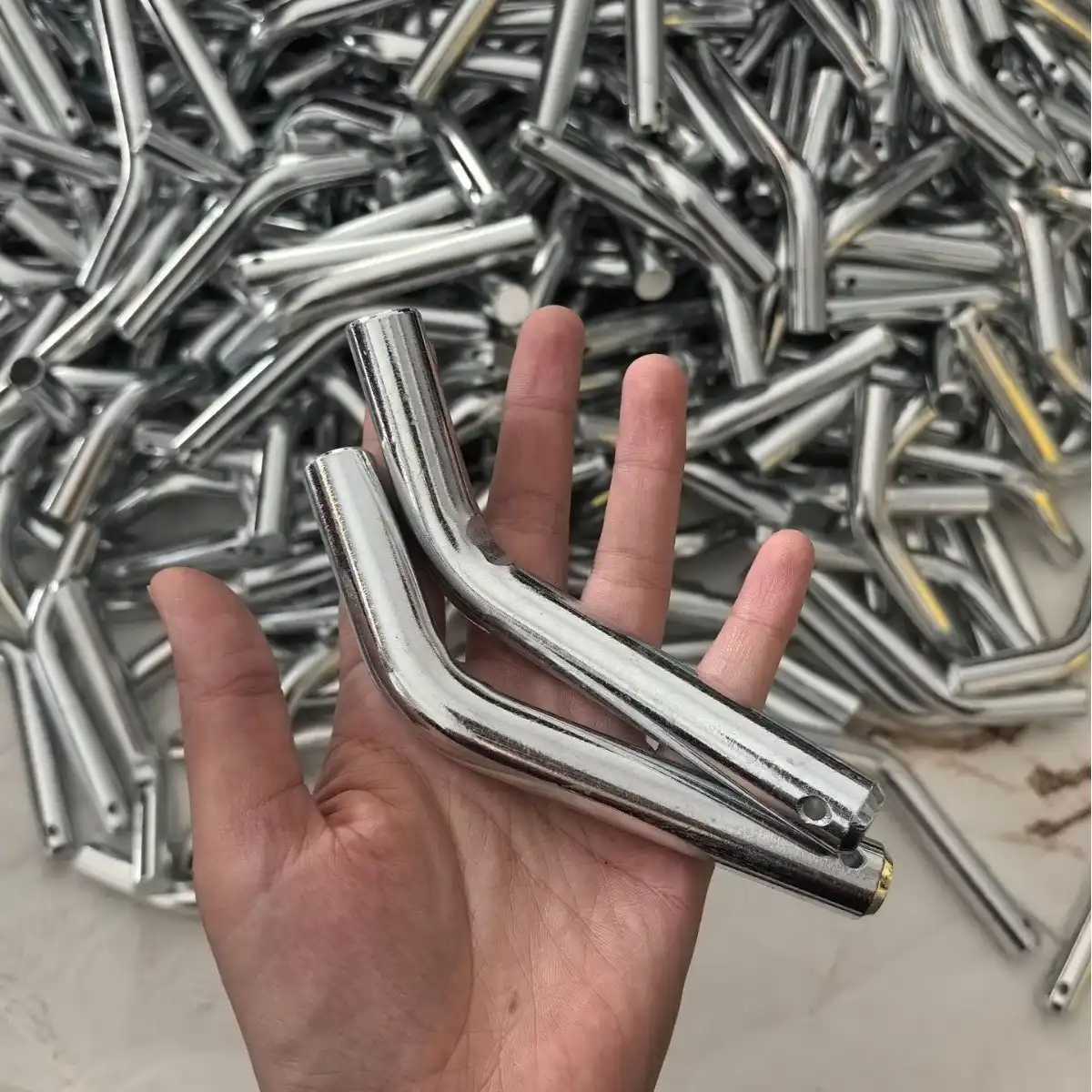
Comparing Coupler Locks: Making the Best Choice for Your Business Needs
Evaluating Different Lock Styles for Specific Applications
It's important to choose the right hardware for security reasons. Universal adjustable locks are good for fleets because they can fit trailers with different coupler sizes within a single lock inventory. This makes buying locks easier and lets employees secure any trailer with locks that are on hand. However, because the mechanisms are adjustable, there are more moving parts and possible tolerance gaps than with dedicated designs.
Customized locks that fit certain coupler sizes work better for construction companies that use standard trailer fleets because they don't have to work as hard. These locks usually last longer because they don't have to work as hard. Alarm-integrated models are best for high-value cargo or secure facilities where security can respond quickly to tampering attempts. The audible deterrent usually makes thieves give up before they succeed, but they cost more because their batteries need to be maintained and their electronics need to be sealed against the weather.
Material Quality and Certification Standards Matter
If you break a lock made of forged alloy steel, the grain structure is better than coupler lock made of cast alloy steel, so they are more resistant to impact and crack propagation. The surface finishing affects both corrosion resistance and operational longevity. Zinc plating provides moderate protection, which is good for covered storage or mild climates. Hot-dip galvanization, on the other hand, provides substantial corrosion resistance needed in coastal areas or places that use aggressive road de-icing chemicals. Powder coat finishes are great for keeping the appearance and chemical resistance, but physical damage that goes through the coating exposes bare metal to corrosion.
As an example, ISO/TS16949 certification shows that quality control is kept up throughout the production process. This is especially important when buying from international suppliers. Products that meet this standard are regularly audited to make sure that the process is consistent, materials can be tracked, and measurements are correct. For example, RUIRUI's heavy-duty coupler variants are certified to ISO/TS16949 and can handle a maximum vertical load of 15,000 pounds and a maximum gross trailer weight of 60,000 pounds. These couplers should meet the performance standards that procurement managers should set for demanding commercial applications.
Procurement Considerations for B2B Bulk Purchases
There are more options when you buy in bulk than when you buy one item at a time. This is because big companies use tiered pricing to take advantage of economies of scale. This means that bulk orders are usually 15–30% cheaper than single-unit prices. Making annual supply agreements with trusted vendors keeps prices stable when the market changes and makes sure that products are always available when fleets need to grow or be replaced.
Consumer warranties don't always cover commercial use, and they only cover the original buyer. This can be a problem in fleet applications where equipment moves between operational units. To get around this, negotiate longer commercial warranties that cover defects and premature wear under documented maintenance protocols. Shipping terms need to be flexible to accommodate operational realities—for example, construction contractors need deliveries to the job site, while distribution centers prefer consolidated shipments. Working with suppliers experienced in B2B logistics will help you avoid delivery problems that throw off project schedules. In the long run, building relationships with manufacturers that offer OEM customization options will help you when you need to meet special security needs, like custom trailer configurations or integrated access control systems.
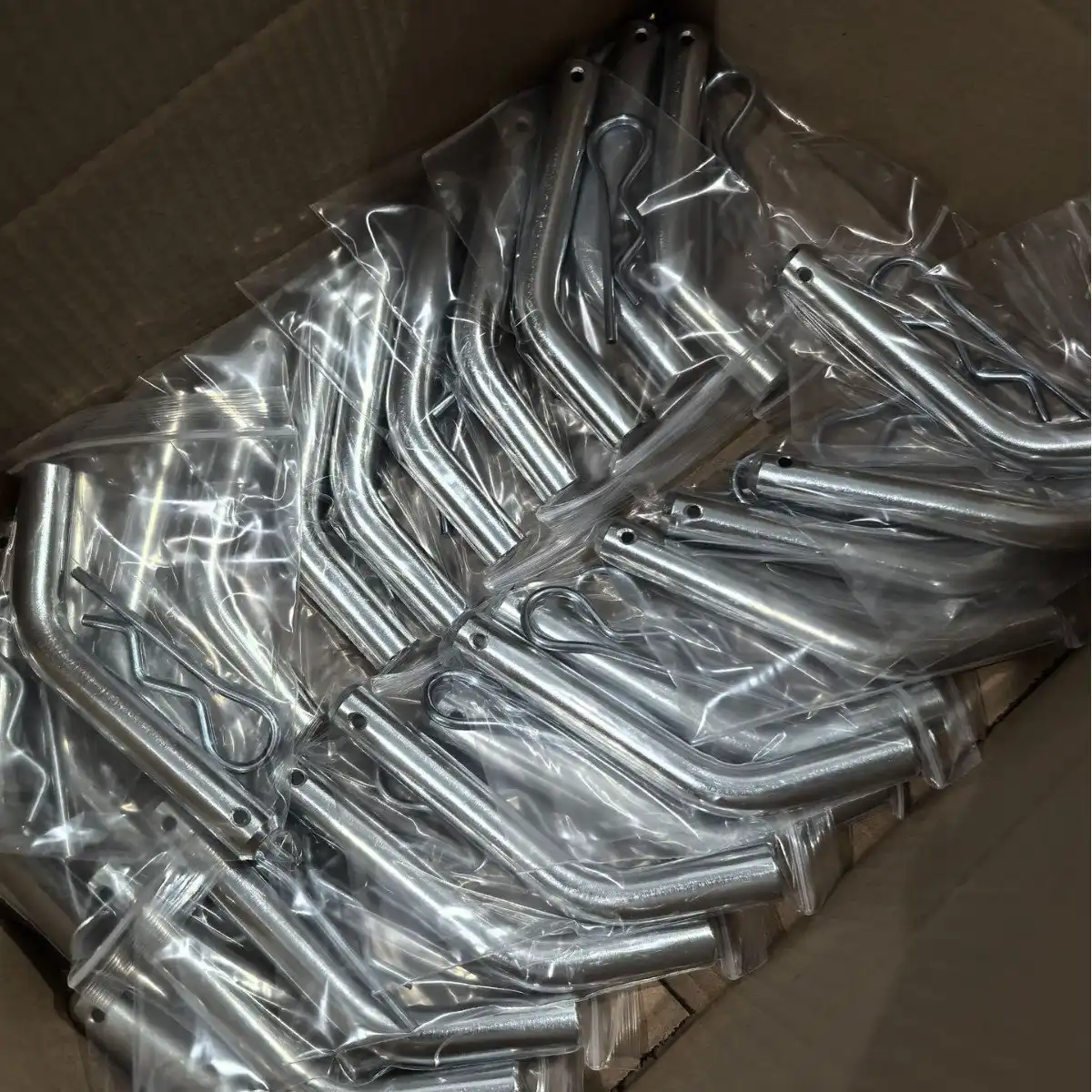
Best Practices for Using Coupler Locks in B2B Procurement and Operations
Integrating Locks Into Fleet Security Protocols
You need to do more than just buy locks to make security work. For example, you should set rules about when and where locks should be used. For example, trailers should always be locked when they are left alone, no matter how long they are there for. Using the same lock models across the whole fleet makes training easier and makes sure that everyone knows how to use them correctly. Color-coding or numbering systems help with inventory management, especially if you have multiple sites and equipment moves between them.
Make sure the proposed locks will fit all the couplers that will be used before you buy a lot of them. Test the locks on representative trailers from your fleet to make sure they will work. Write down which lock models go with which trailer types so that operations staff can use them as guides. This is especially helpful for fleets that have a mix of equipment, cargo, and specialized trailers that need different couplers.
Training Personnel on Proper Usage and Security Awareness
Hands-on training lets employees practice correct installation while being watched. This way, mistakes in technique can be caught and fixed before they become habits. Good training makes sure that employees not only know how to install locks but also understand why they are important. By showing them how much theft and downtime cost, you can help them see security rules as necessary for business instead of annoying red tape.
If someone thinks that the visible presence of the lock is enough to keep them safe, they might not fully engage the locking mechanism. Teach them to physically check that the locking mechanism is engaged by trying to remove the device after installation—if it comes off, it wasn't properly secured. Put up visual quick-reference guides in dispatch areas and equipment yards to remind people of the right way to do things. Regular refresher training breaks down complacency and reinforces protocols when new employees start who don't know the rules.
Troubleshooting Common Issues and Knowing When to Replace
It's important to replace broken locks right away, even if they look like they're working fine. Stress fractures spread when they're loaded and cause catastrophic failure. Locks that bind, stick, or need too much key force are signs of internal corrosion or wear that is making security less strong. Keys that move around a lot in cylinders are signs of worn tumblers that could be hacked.
Locks in coastal areas or places with a lot of road salt will rust faster than locks in dry climates. Instead of replacing locks at random intervals, set replacement schedules based on actual service conditions. If you see signs of tampering, like scratches around keyholes, pry marks on housings, or deformed parts, you need to replace the lock even if it still works. Damaged units have been under stress, which could have revealed hidden structural weaknesses. This means that your trailers are being actively targeted, so you need to take stronger security measures. Having spare locks on hand will keep your business running smoothly when you need to replace locks quickly.
Conclusion
Comprehensive coupler lock security plans can help you keep your business running smoothly, lower your insurance rates, and keep your mobile assets safe. To be successful, you need to choose the right hardware for your operational environment, install and maintain it correctly, and connect your security devices to larger fleet management systems. The small amount of money you spend on professional-grade locking hardware is small compared to the costs of replacements, project delays, and damage to your reputation that come after trailer thefts. Procurement managers and operations directors who put training staff and choosing security equipment at the top of their list of priorities build strong supply chains that can withstand both random and targeted theft attempts.
FAQ
1. Can I Install Coupler Locks Without Professional Help?
For example, clamp-style universal locks only need the tools that hold the clamp mechanism in place. For bolt-on installations, you'll need standard socket sets and torque wrenches to make sure the fasteners are properly tensioned. Manufacturers usually include detailed installation steps and torque specs. However, only professionals should weld-on coupler installations or make security changes to trailer frames to make sure the structure is strong and the load is spread out evenly.
2. How Long Do Quality Coupler Locks Last Under Regular Use?
Locks that are stored in a climate-controlled space and get regular maintenance will usually last 8–12 years. Units that are exposed to marine environments or heavy road salt may need to be replaced every 3–5 years because corrosion breaks down the materials over time. The mechanical lock cylinders usually last longer than the external housings if they are properly oiled. Replacing the cylinders will make the whole unit last longer for a lot less money than replacing the whole thing.
3. What Should I Do If the Lock Jams or Keys Are Lost?
If the problem doesn't go away, you'll need to order a new key. If you lose your keys, you'll need to give the manufacturer the serial number of the lock so they can send you a new one. Good manufacturers keep records of key codes so they can make copies. Some businesses use master-keyed systems that let one key work on multiple locks. This makes managing their fleet easier, but it also needs stricter key security protocols to avoid single-point security failures.
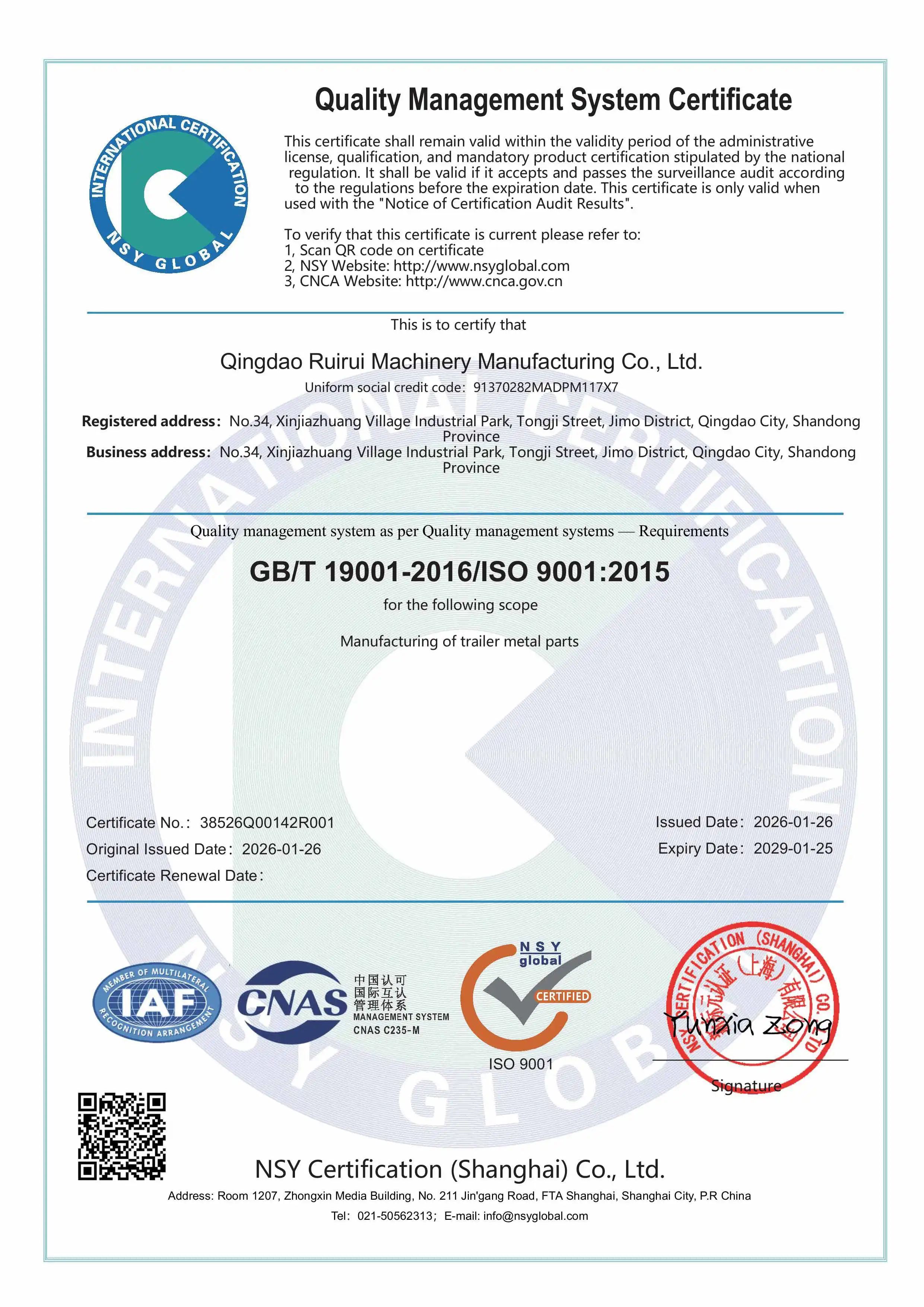
Partner With RUIRUI for Heavy-Duty Coupler Lock Solutions
For businesses that need to be very safe, the hardware must be made to exact specifications and follow strict rules. RUIRUI is an expert at making trailer security parts like high-strength couplers and locking mechanisms for tough B2B uses. We use advanced metal fabrication techniques like forging, CNC machining, and many finishing processes to make sure that the parts we make meet all of these needs. Our ISO 9001, ISO 14001, and OHSAS 18001 certifications show that our quality management systems are good, which is important for standardizing fleets.
As a trusted coupler lock manufacturer with partners in North America, Europe, and beyond, we know how important security hardware is for keeping your mobile assets safe and operations running smoothly. That's why our engineering team works directly with procurement managers and security coordinators to create custom solutions. Whether you need specialized coupler configurations, integrated locking mechanisms, or high volume production with fast delivery schedules, our eight production lines and annual capacity support both short-term needs and long-term supply agreements. Email our team at kshdhardware@qdkshd.com to talk about your trailer security needs. We'll help you choose the best specifications for your needs.
References
1. National Insurance Crime Bureau. (2023). Vehicle Theft and Trailer Security Statistics: Annual Report on Commercial Trailer Theft Trends in North America.
2. American Welding Society. (2022). Structural Welding Code for Trailers and Mobile Equipment: Standards and Best Practices for Safety-Critical Connections.
3. Society of Automotive Engineers. (2023). SAE J684: Trailer Couplings and Hitches—Performance Requirements and Test Procedures for Commercial Applications.
4. ASTM International. (2023). ASTM A851 Standard Specification for High-Strength Low-Alloy Steel Plate for Trailer and Agricultural Equipment Applications.
5. Transportation Research Board. (2022). Security Measures for Fleet Management: A Guide to Protecting Mobile Assets in Commercial Transportation Operations.
6. International Organization for Standardization. (2023). ISO/TS 16949 Quality Management Systems: Requirements for Automotive and Trailer Component Manufacturers.

Send Inquiry
You may like