
How Does a Hitch Pin Lock Work? Secure Your Trailer the Right Way?
A hitch pin lock works by putting a hardened steel pin through the coupler latch mechanism and closing it with an integrated locking cylinder. This keeps your trailer from being taken off without your permission or accidentally disconnected. Standard safety pins can be replaced with this simple but effective device. It turns a weak spot in your trailer link into a fortified security stop. The hitch pin lock physically blocks the latch release mechanism, making sure that your trailer stays securely attached to the tow ball while it's being moved or stored. This helps prevent theft and improves working safety, which are issues that industrial workers face every day.
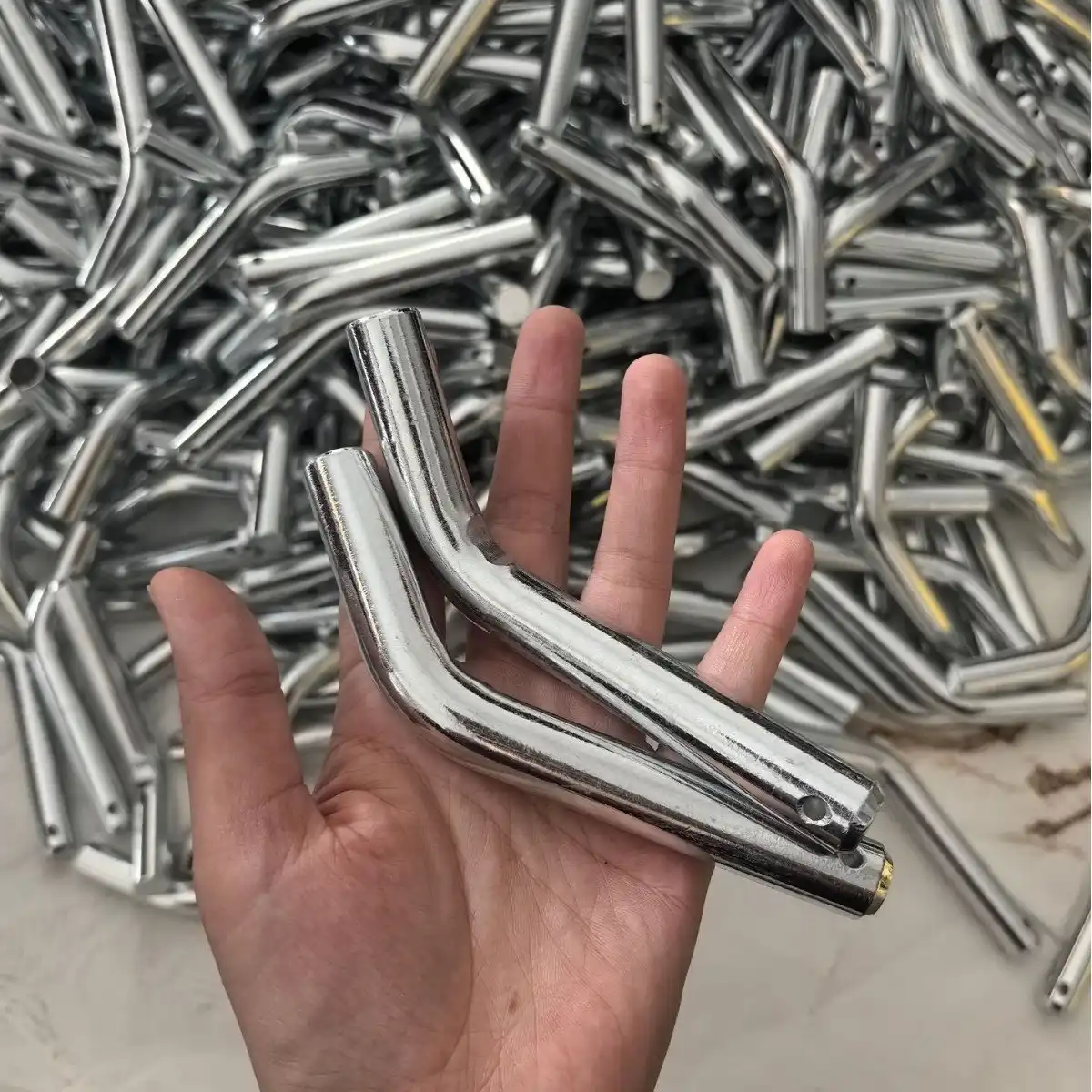
Understanding Hitch Pin Locks: Function and Purpose
What Makes Hitch Pin Locks Essential for Commercial Operations
Concerns about trailer security are very important in many fields, from building to transportation. Traditional ways of connecting use simple clips or cotter pins to hold down gravity-actuated latches, which can come loose during transport or be easily taken off by crooks. The hitch pin lock fixes this weakness by adding mechanical support, making a barrier that can only be broken through with a key or combination.
The National Insurance Crime Bureau says that companies in the U.S. lose more than $1 billion a year because of stolen tools and trailers. Adding a good locking device lowers this risk by a large amount while costing much less than other options like full tracking systems or insurance costs.
How the Locking Mechanism Functions Step-by-Step
In simple terms, here's how the locking mechanism works:
The operating approach starts with the way the thing is built. Most trailer couplers have a latch that can be turned up to disconnect the ball. There is a hole in this latch for a safety pin. This hole lets the hitch pin lock slide through, going through both sides of the latch system. Instead of simple pins, the lock has a cylinder mechanism on one end that, when turned, engages pins or tumblers inside.
On the inside, spring-loaded pins line up with certain key cuts or combination sets. When the right key is put in, these pins move to the shear line, which lets the barrel turn. This turn either pulls back a locking collar or frees the pin so it can be taken out. By misaligning the internal pins, the reverse process locks the assembly and makes a mechanical block that can't be moved by cutting, prying, or picking.
Distinguishing Hitch Pin Locks from Related Security Devices
There is a lot of confusion between the different trailer security solutions out there. Receiver locks keep the hitch receiver tube and ball mount connected, so you can't take the whole mounting system off of your tow car. These usually have shafts with a width of 5/8-inch or more that are made to hold tow loads.
Hitch pin locks, on the other hand, use smaller pins (usually 1/4 inch for light to medium uses) to target the coupler latch itself. They both do something different but related: they stop people from changing the latch but not from stealing the ball mount. Trailer wheel locks are in a completely different group because they stop the trailer by blocking the wheels instead of holding the connection point.
Knowing these differences helps buying managers choose the right security layers. A complete method usually includes receiver locks, coupler locks, and sometimes wheel locks, based on the value of the trailer and the risk of exposure while it is being stored.
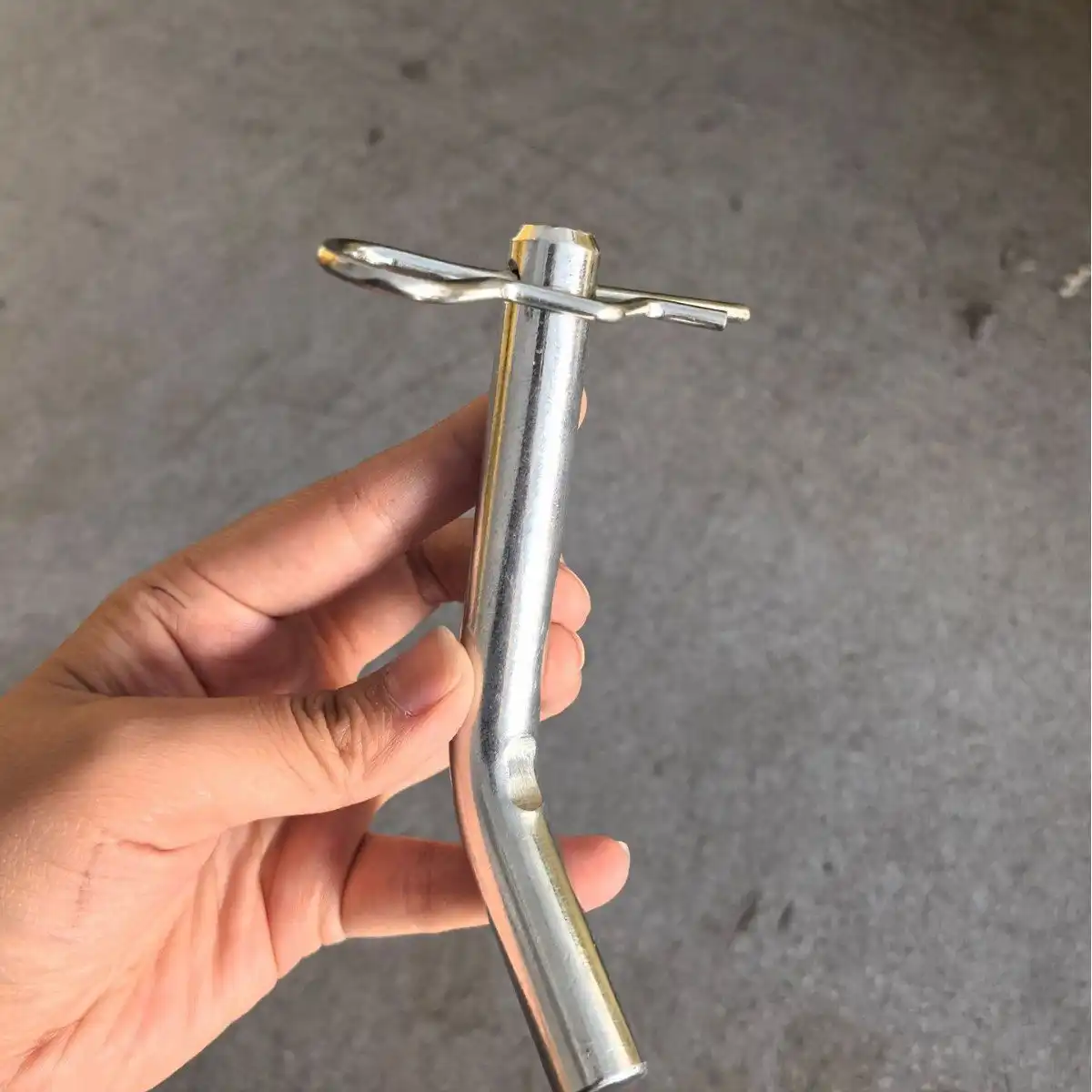
Types and Materials of Hitch Pin Locks for Industrial Use
Keyed Versus Combination Lock Mechanisms
Different organizational needs and user profiles lead to different security choices. Keyed devices can be used more quickly, which is especially helpful for fleet workers who have to service many trailers during the workday. Key management becomes the most important thing to think about because lost keys cause delays in operations and could lead to security breaches. A lot of industrial buyers want keyed-alike choices, which let one key open multiple locks in a fleet. This makes processes run more smoothly while still keeping things safe.
Combination locks get rid of all key control problems, but you have to remember or write down the numbers. They work well in situations where multiple approved people need to get in without having to hand out real keys. The trade-off is a little longer interaction times and the risk of code sharing. Different models also have different weather protection. In harsh conditions, combination buttons can get clogged with dirt or even freeze, but higher-end models have protective housings that keep these problems from happening.
Material Selection Impact on Longevity and Performance
In industrial settings, the makeup of a material has a direct effect on both its level of security and its service life. Stainless steel types, especially Grade 304 or 316, are better at resisting corrosion, which is important for marine settings, activities near the coast, or places where road salt is present. The marine industry needs 316-grade stainless steel to keep galvanic rusting from happening when saltwater is present during boat launches.
Zinc-plated hardened steel is a good, affordable middle ground. It protects against rust well with a thin layer and has a high shear strength to withstand cutting. When properly heated, carbon steel cores can reach tensile strengths of more than 75,000 PSI, which makes them immune to attacks with bolt cutters, including those on a hitch pin lock. The weight of the zinc covering, in grams per square meter, tells you how long it will last outside. For three to five years of work in moderate regions, industrial standards should require at least Class 3 galvanization.
Brass and aluminum metals are used in specific situations where weight reduction is important or where electrical conductivity around sensitive equipment is a worry. These materials don't fight cuts as well as others, but they work really well in some situations. When you understand these important trade-offs, you can make purchases that are in line with the real amounts of environmental risk and security threat.
Matching Lock Types to Specific Trailer Applications
Utility trailers that move gardening equipment need different specs than equipment trucks that haul heavy machinery. Heavy-duty types have pin lengths that are usually three to six inches longer to fit thicker coupler systems. The diameter of the pin also gets bigger. The 5/16-inch and 3/8-inch sizes offer better shear resistance for uses involving valuable goods.
Chain-equipped versions are used when the coupling hardware shape doesn't allow straight pin installation or when operations benefit from more visual intimidation. The built-in chain, which is usually 12 to 18 inches long, goes around nearby structure parts and provides extra security in case the main lock is broken. These are especially useful for RV and boat trailers, where coupler styles range a lot from one brand to the next.
Adjustable span designs can work with different coupler sizes without needing to keep various lock stocks on hand. This flexibility makes buying easier for businesses that manage a variety of trailer fleets, but the adjustment system adds extra parts that need to be checked on a regular basis to make sure they work properly when the temperature and vibration change.
Installation and Maintenance: Ensuring Reliable Performance
Proper Installation Procedures for Maximum Security
Even though installation seems simple, important details decide how well it works. First, check the coupler latch assembly to make sure that the current pin hole doesn't have any elongation, cracking, or rust that could weaken the structure. Use compressed air or a wire brush to clean out the hole. Buildup of dirt stops the pin from fully inserting and causes fake engagement, where the lock looks secure but hasn't fully entered both sides of the latch.
Put the trailer on level ground and make sure the coupler is fully connected on the ball. Also, make sure the latch is closed. This makes sure the lock is installed correctly and keeps it from locking. Put the pin in from the side that isn't facing the locking cylinder and push it through until the body of the cylinder touches the latch surface. A lot of people make the mistake of fitting from the side of the cylinder, which can hurt the locking mechanism if there is pushback.
Turn the key or set the combination, and then make sure that the pin can't be taken out without the door being unlocked. This test should be done before every travel period because vibrations can sometimes cause partial separation. The most common mistake is assuming involvement without checking, which completely defeats the point of security. This check should be a part of pre-trip checking procedures for industrial activities.
Maintenance Practices to Extend Service Life
Without preventative care, environmental contact weakens the function of locks over time. Cleaning the cylinder system once a month gets rid of salt residue, road grime, and wetness that build up inside it. Avoid using water-based cleaners that get into internal parts by using compressed air followed by a dry brush. Petroleum-based cleaners are good at getting rid of road tar and oil contamination, but the surface needs to be completely dry before it can be oiled.
Because the hitch pin lock, it needs to be oiled differently than a regular padlock. Use a dry lube made of graphite on the cylinder gear because liquid oils attract dust that turns into a rough paste in the tumblers. A light machine oil or silicone spray can help the hitch pin lock pin shaft by lowering the entry force and stopping galling between the harder pin and the softer coupler steel. In normal situations, lubricant should be applied every three months. In corrosive settings, it should be applied once a month.
Stopping corrosion isn't just about the lock itself. Check the coupler pin hole for rust that makes the opening smaller or the surface rough. When installing the lock, put anti-seize powder around the edge of the hole to make a shield. This easy step keeps the lock from sticking, which can happen when different metals react with water to form galvanic rust.
Storage and Handling Safety Considerations
When workers push parts, accidental lock engagement during storage can cause frustrating delays and even pose a safety risk. Locks should be kept unlocked with keys connected or passwords set to open, and they should be clearly marked so that people don't get confused. This also gives the motor a regular workout, which keeps it from rusting inside when it's not being used for a long time.
Carefully wrap your hands and painting areas around the handle locks. If you drop the sharpened steel pins, they can scratch the finish on your trailer or pinch you and hurt you. Some operations put caps on the pin tips to protect them while they are being handled, but this makes the placement process longer. During training, controlled installation is emphasized over letting gravity drops happen, which can damage the locking cylinder case.
Extreme temperatures can make locks less effective. When mechanisms get frozen, they can't turn easily, which can cause keys to be pushed to turn, which can break them inside cylinders. In the winter, processes work better when de-icing spray is used before they start. On the other hand, high heat can break down internal oils, which makes wear and friction worse. Keeping locks in shady areas during the summer keeps them working and significantly extends their useful life.
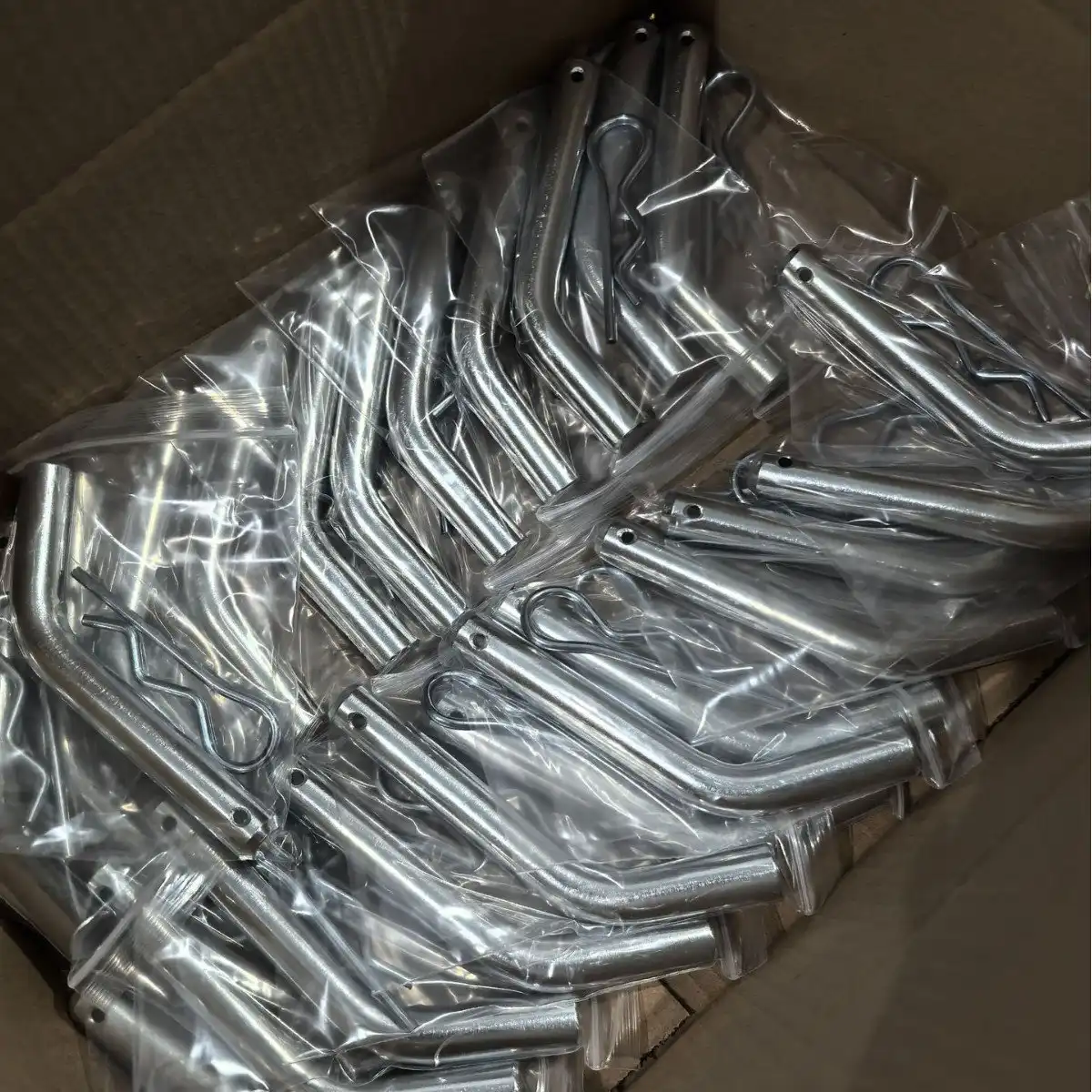
Comparing Hitch Pin Locks: Making the Right Procurement Decisions
Security Performance Against Different Threat Levels
To judge how well security works, you need to know about real-life danger situations, not just theoretical maximum resistance. The most common type of theft is opportunistic theft, in which thieves take easily available items when no one is around for a short time. Simple locking devices stop these kinds of attempts by making the security presence known and buying time. The thief weighs the risks and benefits, and any lock that makes things harder to get to will draw attention away from safe options.
Thieves who are determined use specialized tools like bolt cutters, portable angle grinders, and drilling equipment. Premium locks have boron metal pins and sharpened steel rings around the cylinder that make them resistant to attacks with cutting tools. Independent testing groups that give security scores are a good way to compare different products, but industry standards are still not unified across all of them. Look for locks that say they can't be opened with common hand tools for at least five minutes in a controlled test environment.
In real life, anyone with enough time and tools can break through any portable lock. Instead of complete prevention, the security goal is to stall and gather proof. Damage from failed attacks that can be seen helps with insurance claims and police investigations. Also, enough time between attacks increases the chance of being caught during active surveillance or random observation by nearby staff or security systems.
Brand Comparison and Product Variations
Master Lock has a big presence in the market thanks to its well-known name and wide spread. It offers average security at reasonable prices. Their coupler locks have vinyl coats that don't break down in bad weather, and they come with new key programs for fleet operations. The company has a wide range of products that can be used for different tasks. However, professional security experts have noticed that some higher-end competing products are better at resisting picks.
Curt Manufacturing is known for making tow goods, and they bring that skill to their security products, including their hitch pin lock. A lot of the time, their locks have features that make fitting easier for different coupler types. The fact that their products are compatible with a wider range of hitch components makes it easier for businesses to buy from a single provider.
Bulldog makes goods for the business market that are built to last and have low prices for buying in bulk. Their keyed-alike programs work well for fleet operations, and the fact that they offer a guarantee shows that they are confident in the long-term reliability of their products. Engineering standards usually go beyond the bare minimum, which gives performance gaps that are useful in tough industrial settings.
Bulk Purchasing Considerations and Supplier Evaluation
Buying in bulk changes buying security gear from a simple item to a strategic choice about where to get it. When you buy more than 50 units, unit costs usually go down by 15 to 30 percent. They go down even more at 100 and 500 units. These savings make it worth it to standardize all trailer fleets, which saves money and makes it easier to keep track of upkeep and new parts.
Supplier dependability measures go beyond just the price at the start. Consistency in lead times keeps operations running smoothly even when security hardware breaks or teams grow. Look at the past of how well the company has filled orders, especially when there were problems in the supply chain. When compared to direct import arrangements, domestic inventory placement makes delivery less uncertain. However, regional distributors may be able to offer reasonable prices through container-level imports.
Manufacturers put a lot of faith in their warranties, which show how much they cost to own in the long run. One-year guarantees usually cover problems with the way the product was made, but they don't usually cover regular wear and tear. Sometimes, more expensive goods come with longer warranties or repair programs that don't ask any questions. These make things easier to handle when something goes wrong. Carefully write down these terms during the purchase talks, as verbal promises can't be enforced without written proof.
The possibility of customization meets specific business needs. Some sellers change standard products by adding custom keys, different finishes to match a company's name, or changing the sizes to fit coupler designs that aren't common. At RUIRUI, we have a wide range of sheet metal manufacturing skills, such as CNC machining, laser cutting, and different finishing processes that let us make custom security hardware when standard goods don't meet the needs of an application.
Conclusion
Choosing the right hitch pin locks has a direct effect on both the safety of assets and the speed of operations in business trailer operations. Even though these devices are mechanically simple, they are very effective when they are chosen, installed, and kept correctly based on the danger level and outdoor exposure. The choice of material (stainless steel or zinc-plated), mechanism (keyed or combination systems), and size matching to specific coupler designs are all important choices that procurement managers must make using application knowledge instead of general suggestions. Cleaning, lubricating, and inspecting locks on a regular basis keeps them working and stops them from breaking down too soon, which leaves security holes. When you buy in bulk from dependable sources, you save money and build supply chain relationships that can help you with fleet growth and equipment replacement needs over long periods of time.
FAQ
1. How do I measure for the correct hitch pin lock size?
Use calipers or a drill bit size measure to find out how big the hole is in your current coupler latch pin. For joint use, 1/4 inch, 5/16 inch, and 3/8 inch are common sizes. To find out how long the pin needs to be, measure the width of the latch and add at least 1/4 inch for the locking cylinder's space. Check the sizes of all the trailers in your fleet. Even within the same maker, there can be differences because of model year changes or different capacity rates.
2. What lock type provides maximum security for commercial trailers?
Keyed locks with boron metal pins that have been strengthened and cylinder housings that can't be drilled are the best defense against common attack methods. Corrosion, which makes security less reliable over time, can't happen in stainless steel building. Combination locks are convenient, but the clock device is usually made of softer materials. Instead of depending on a single point of defense, maximum security usually uses more than one type of lock at different coupling points.
3. Can locks be customized for unique industrial applications?
Manufacturers, such as specialized producers, can make custom solutions for problems like coupler designs that aren't standard, keying needs for fleet integration, or environmental factors that need special material specs. Custom orders usually have minimum quantities and longer wait times, but they can solve problems where standard goods make things less secure or less functional. Get in touch with sellers with thorough requirements, such as drawings of the dimensions and descriptions of the work area.
Partner with RUIRUI for Industrial-Grade Hitch Pin Lock Solutions
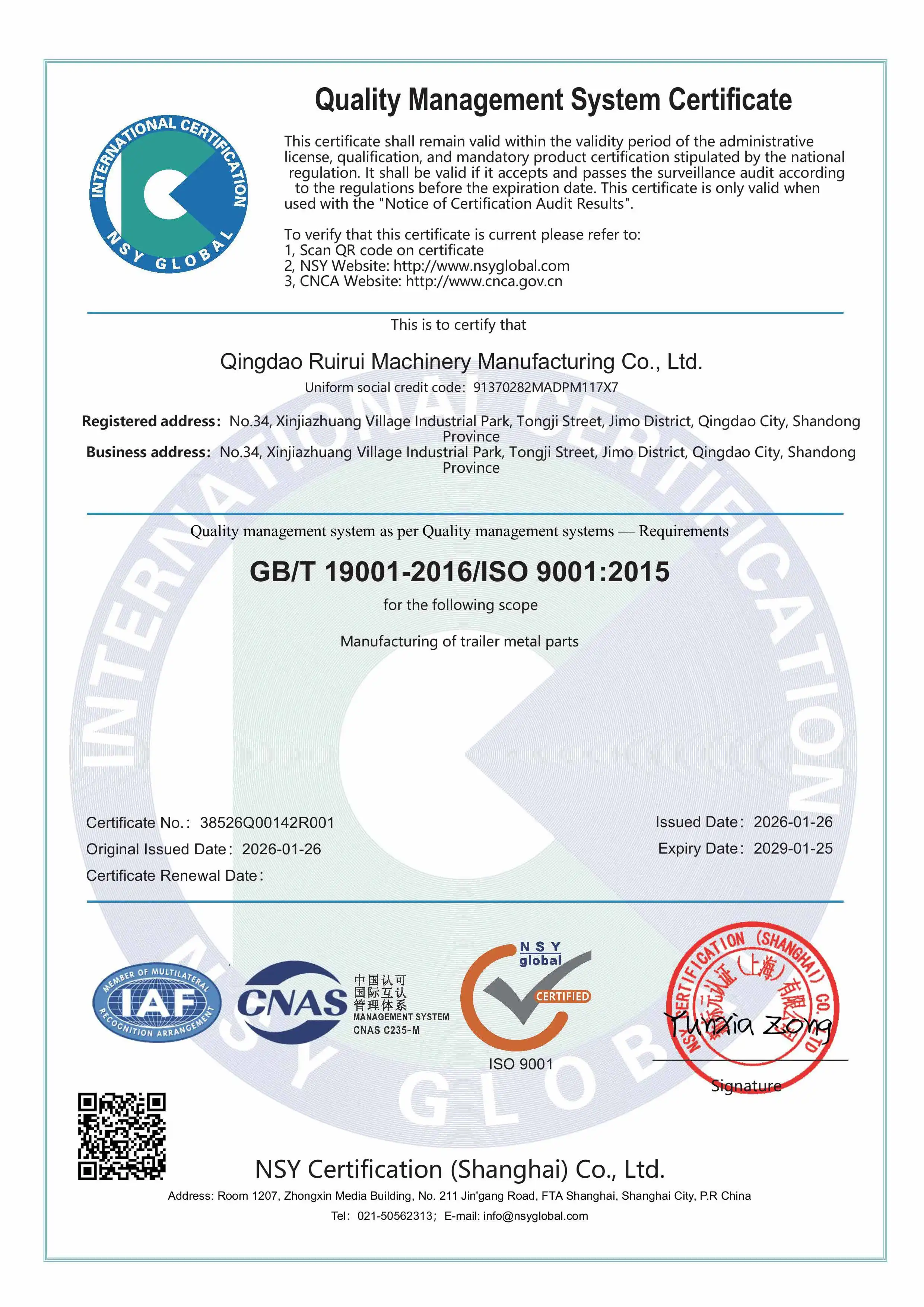
At RUIRUI Machinery, we know the security problems that building builders, equipment distributors, and fleet managers in all kinds of industries have to deal with. Because we are so good at making precise metal parts, we are more than just a provider of hitch pin locks. We are your production partner and can make custom security hardware that fits your exact needs. We make security parts out of stainless steel, hardened carbon steel, and special alloys that meet strict standards for strength and corrosion resistance. Our quality systems are ISO 9001 approved, and we use advanced CNC machining.
Our Qingdao plant has eight dedicated production lines that make 130,000 units a year. This makes sure that we are always available for bulk purchases and still have the freedom to work on unique engineering projects. Our research and development team works with your engineering team to come up with useful solutions, whether you need standard coupler locks with keyed-alike settings to make your fleet more uniform or custom designs to deal with equipment connections that are unique to your company. We help with projects from making prototypes to making full production runs. We have short lead times and use professional packing for exports. Get in touch with our team at kshdhardware@qdkshd.com to talk about your trailer security needs and find out how our production skills create supply chain benefits for distributors and end users looking for reliable hitch pin lock makers committed to quality and quick service.
References
1. National Insurance Crime Bureau. (2022). "Equipment and Trailer Theft: Annual Statistical Report on Commercial Vehicle Security."
2. American Society for Testing and Materials. (2021). "ASTM A641/A641M: Standard Specification for Zinc-Coated (Galvanized) Carbon Steel Wire."
3. Society of Automotive Engineers. (2020). "SAE J684: Trailer Couplings and Hitches—Automotive Type Safety Performance Requirements."
4. International Organization for Standardization. (2019). "ISO 12097-1: Road Vehicles—Mechanical Coupling between Towing Vehicles and Trailers—Part 1: 50 mm Ball-Type Couplings."
5. Underwriters Laboratories. (2021). "UL 768: Standard for Combination Locks Security Rating System and Performance Testing."
6. National Institute of Standards and Technology. (2018). "Physical Security Hardware Testing Protocols for Commercial Applications."

Send Inquiry
You may like