
How Hitch Pin Security Enhances Towing Safety?
To properly secure tow equipment, you must first understand how important hitch pin kits are for keeping equipment from coming loose and causing accidents on the road. It is the mechanical support that holds ball mounts, receivers, and trailer fittings in place. A good hitch pin eliminates the chance that these parts will come loose while being moved. When designed with precise locking mechanisms and materials that don't rust, these parts turn a simple pulling setup into a dependable safety system that can handle thousands of miles of use in rough terrain, heavy loads, and weather conditions.
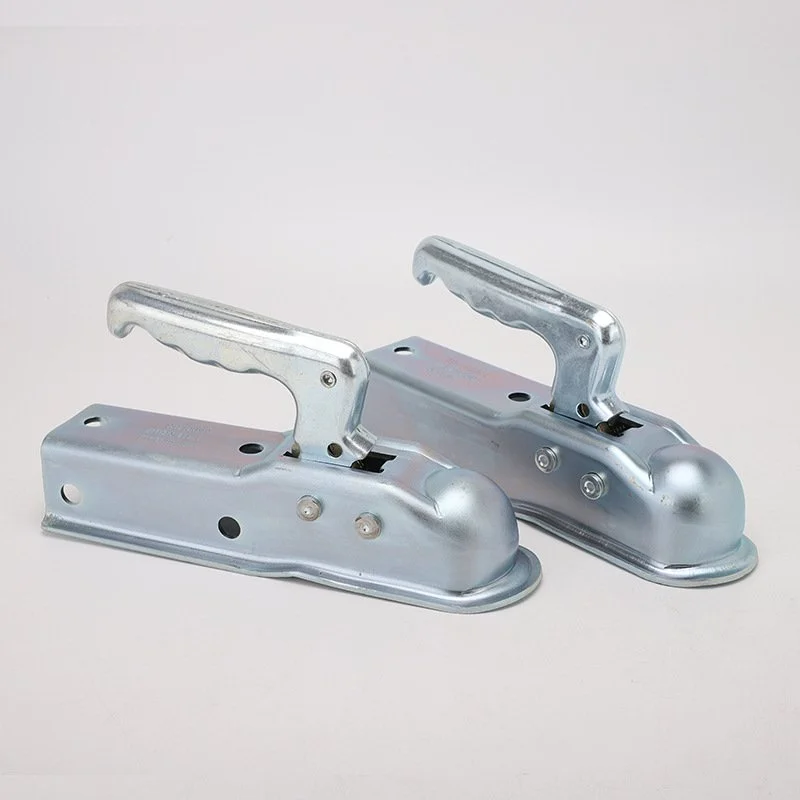
Understanding Hitch Pins and Their Role in Towing Safety
A good retention system is needed for every tow link, and the hitch pin is the main part that holds receivers and fittings in place. These parts thread through the holes in the receiver tube so that ball mounts and other extras don't come loose while the gun is in transit. Without this important gear, even the strongest trailer hitch could fail in a terrible way.
Types of Hitch Pins Available
The market has a lot of different kinds that are made to meet different operating needs. For light-duty uses, standard pins with cotter clips provide basic holding. Locking versions have keyed cylinders that prevent theft and illegal removal. The threaded shanks on adjustable types stop the receiver from rattling by putting stress on the inner tube walls. Different designs are made to meet different security needs, ranging from basic equipment holding to improved anti-vibration performance in heavy-haul settings.
Material Considerations for Durability
The choice of material has a direct effect on the load ability and service life. Carbon steel pins have a very high breaking strength. When they are the right size, hardened 4.8-grade pins can hold up to 10,000 pounds. Stainless steel 304 choices are better at resisting corrosion in coastal and high-salinity settings, but they usually have slightly lower absolute strength values. Galvanized coatings are a good middle ground between expensive and cheap. They make farming and building equipment that is exposed to harsh weather less likely to rust. When procurement teams understand these material trade-offs, they can choose parts that combine load needs with durability.
How Size and Fit Affect Safety
For safe pulling activities, diameter matching is still a must. Pins with a diameter of 5/8 inches must be used in Class III, IV, and V receivers with 2-inch or 2.5-inch openings. Pins with a diameter of 1/2 inch must be used in Class I and II receivers with 1.25-inch holes. Pins that are too small cause dangerous play that speeds up wear, and gear that is too big will not fit. In addition to the length, the specs must also include the width of the receiver tube and enough fitting space for locks or clips. Accurate matching of dimensions makes sure that the hitch pin fully enters both tube walls, spreading shear forces equally across the connection point.
Common Hitch Pin Security Challenges and How to Avoid Them
There are things that can go wrong with even the best-designed keeping systems that cause them to lose their purity over time. Procurement managers need to be aware of these trends of failure so they can take steps to protect their employees and assets.
Primary Causes of Pin Failures
The most common cause of failure is wrong sizing, because mismatched dimensions focus stress and speed up fatigue breaking. Cross-sectional area gets smaller because of corrosion, especially where protection layers chip off from being put on and taken off many times. Material flaws caused by poor manufacturing lead to secret fracture points that break under dynamic loads. Environmental factors make these problems worse. For example, salt air near the coast, chemicals used to melt ice on winter roads, and farm fertilizers can all damage metal surfaces. Knowing about these threats lets you come up with focused ways to protect your products and follow regular repair procedures.
Installation and Maintenance Best Practices
Before you put something correctly, you should look at both the pin and the receiver tube to see if they are damaged, dirty, or corroded. Threads and contact areas that are clean allow for full interaction without binding. Locking devices should work easily, and keys should be able to turn all the way around without using too much force. High-use equipment should be inspected every three months as part of maintenance plans to look for warping, surface pitting, or clip wear. Putting hydrophobic oils on lock cylinders stops water from getting in, which stops freeze-ups in the winter. Field failures that put workers and goods at risk can be avoided by turning off parts as soon as they show signs of structural weakness.
Real-World Case Studies
Agricultural activities are strong proof of the benefits of good hitch pin protection. When a farming company in the Midwest made all of their implements use locking pins with hairpin clips, the number of trailer detachments dropped by 87%. The strong clip design kept the two parts from coming apart by mistake in the field, where normal cotter pins would have come loose because of shaking and shock loads. Distributors of construction equipment report similar results. For example, a large rental company stopped losing more than $45,000 a year to theft after putting numbered locking systems on all of its towable equipment. These recorded results show that buying good retention hardware has a measured return on investment.
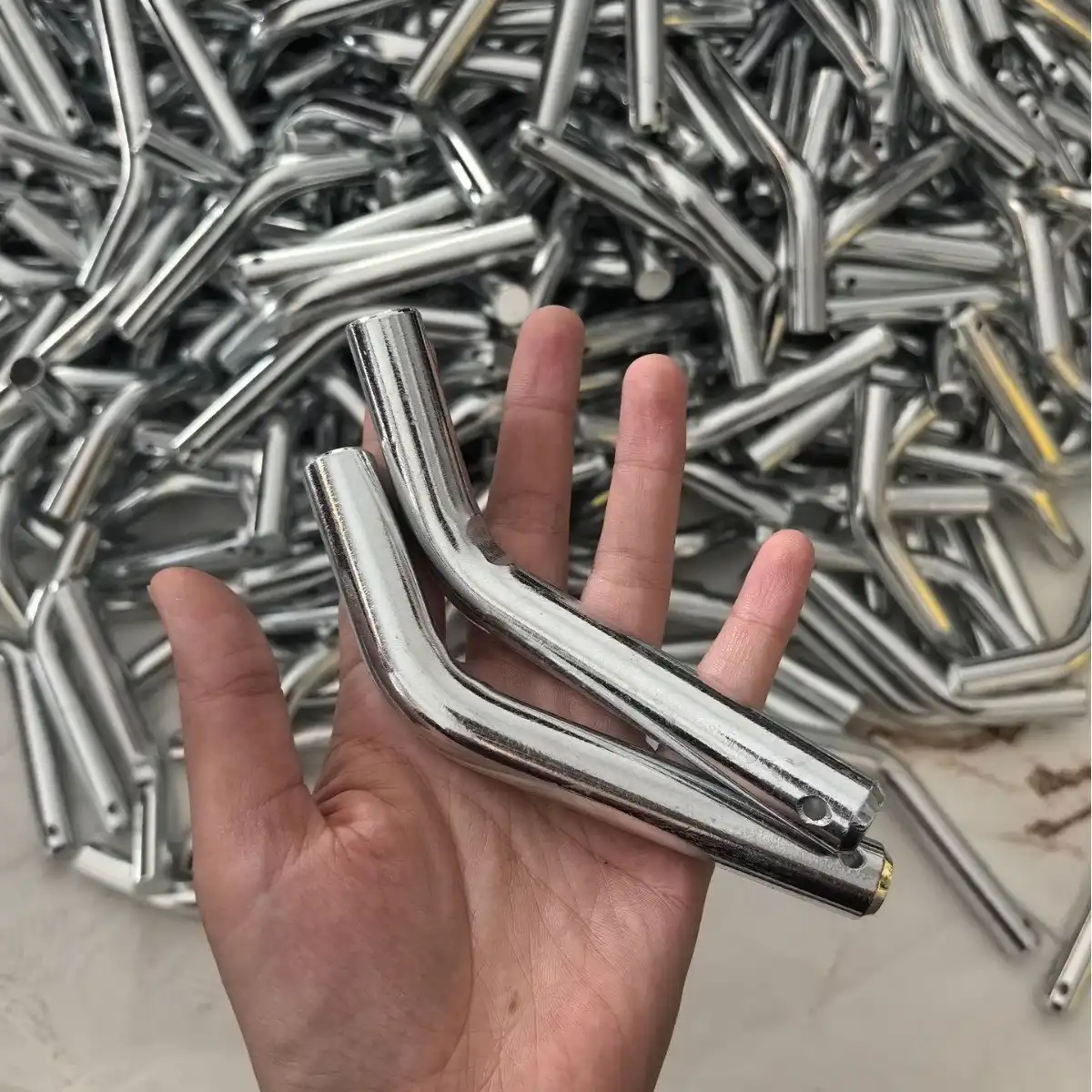
Choosing the Best Hitch Pin for Your Towing Needs
In order to choose the right parts, you have to fit the product specs with the realities of operation. The following factors for purchase provide a structured way to evaluate different towing uses.
Load Requirements and Material Selection
Knowing the differences between choices helps buyers avoid wasting time and money on too many specifications while still leaving enough room for error. Threaded tension systems in locking pins make them less likely to be stolen and less likely to rattle, but they cost more than basic designs. In corrosive areas where galvanized choices would need to be replaced often, stainless steel's higher price is justified. Hardened carbon steel, on the other hand, is the strongest material for moving big equipment. When business teams change equipment often, adjustable pins solve vibration problems because the threaded interface can handle small differences in size between receivers made by different manufacturers.
Trusted Manufacturers and OEM Solutions
Buying from well-known companies makes sure that you follow the SAE J684 towing standards and that you can get load testing data that is written down. RUIRUI specializes in making unique hitch pins out of a range of materials, including 4.8 carbon steel and 304 stainless steel. Our production skills allow us to make custom sizes from 1/4-inch to 1-inch diameters, and we can also change the length to fit different receiver setups. The design of the hairpin clip uses precise casting methods and strict controls over the metal's makeup to make it very stiff and reliable in terms of spring tension. These technical details keep the clips from wearing out too quickly, which happens with cheaper goods. This ensures long-term retention security in demanding applications.
Direct ties with factories can help you save money when you buy in bulk. With a minimum order quantity of 100 pieces, fleet owners and equipment distributors can get reasonable prices while still getting the quality certifications and warranty support they need for managing business risk. Different types of industries have different environmental problems that need to be solved. Custom treatments like clear zinc plating, powder coating, and specialized rust protection can help.
Procurement Best Practices and Where to Buy Quality Hitch Pins
Successful buying includes more than just knowing what the product is. It also includes evaluating suppliers and managing relationships with them. The best buying plans use more than one validation criterion.
Evaluating Supplier Capabilities
Verification of certification is the basis for evaluating suppliers. The ISO 9001 quality management certification shows that the process is controlled in a planned way, and the ISO 14001 environmental certification shows that the industrial process is responsible for the environment. Occupational health standards like OHSAS 18001 show that a company cares about worker safety, which is linked to consistent products. In addition to certifications, looking into production ability shows you if providers can meet your needs for higher volumes. RUIRUI has eight production lines that make 130,000 units a year. Fully automatic robotic manufacturing and advanced thermoplastic coating methods make sure that the quality is the same for all big batches.
Warranty and Quality Guarantees
Full warranty protection keeps buying investments safe from flaws in the manufacturing process and early fails. For each product variant, good providers write down the metal's makeup, how it was heated and treated, and the results of load tests. Because everything is clear, expert teams can check that specs match application needs before signing purchase agreements. Samples are available so that you can check the dimensions and quality of the finish before placing a large order. These steps to lower the chance stop expensive field fails and the problems they cause with operations.
Negotiating Bulk Orders
When you buy a lot of something, you can get economies of scale, which mean lower costs per unit and better shipping arrangements. When you already have a supplier, shipping containers to storage centers in North America, Europe, and the Middle East becomes a good deal. By negotiating yearly supply deals with delivery schedules every three months, you can keep your prices stable and keep track of your inventory without having to worry about changes in the cost of raw materials. Different warehousing and store delivery models can be accommodated by custom packing choices like carton, pallet, and plastic box configurations. This lowers the cost of handling goods all along the supply chain.
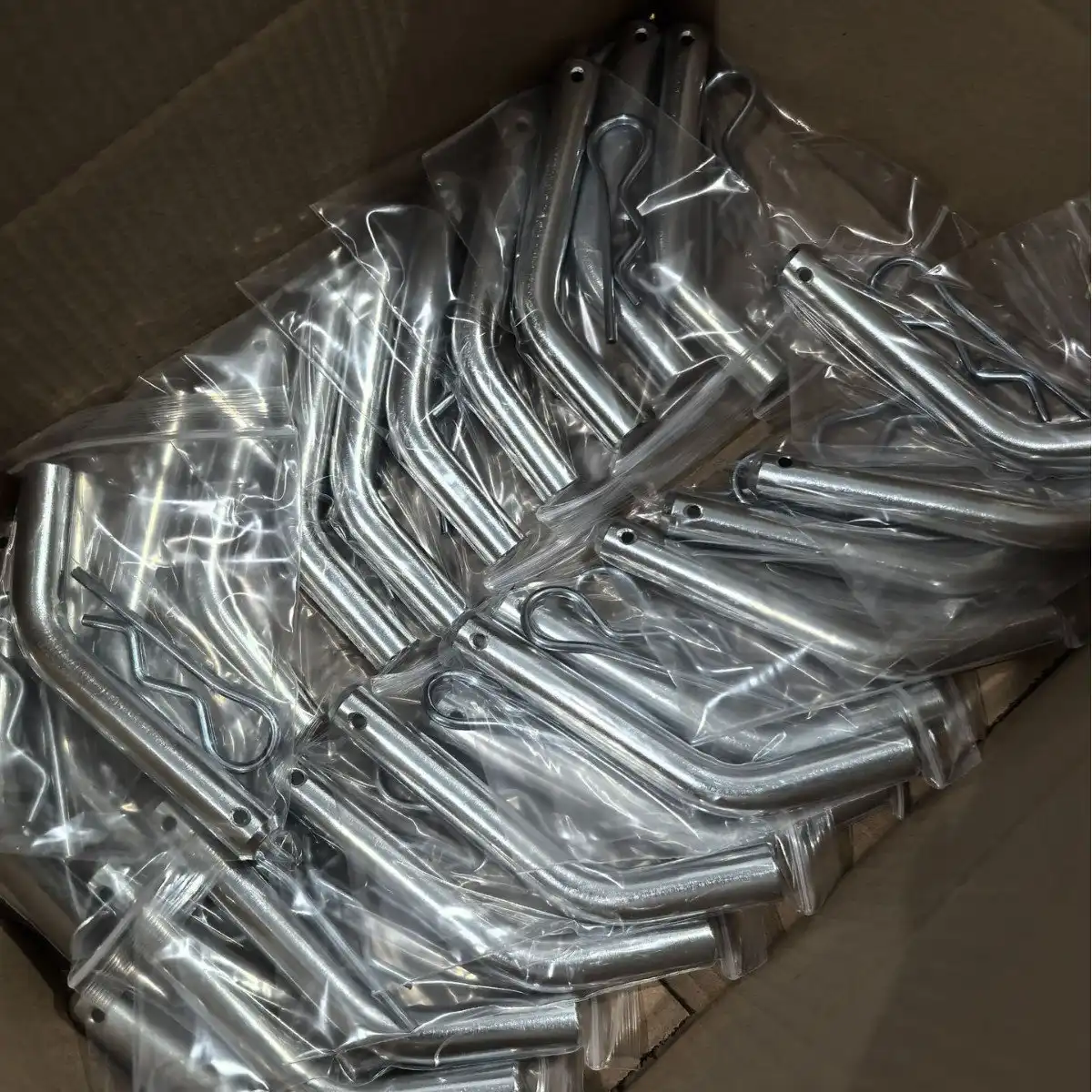
Enhancing Safety Through Hitch Pin Security: Future Trends and Innovations
Towing safety technology keeps getting better thanks to big steps forward in materials science and the integration of smart systems. When buying teams know about these changes, they can take advantage of new skills.
Emerging Locking Technologies
Next-generation retention systems have features that make it clear if someone tries to remove something without permission. This is useful for keeping an eye on fleet security. Modern locking barrel designs are much better at stopping picking and cutting attacks than older tumbler designs. Some companies now make rekeyable devices that let you change the security code without having to replace the whole hitch pin assembly. This makes managing a group of keys easier. Electronic integration is still limited, but it's getting better. For example, test systems are connecting the state of retention to car sensors to monitor connections in real time.
Advanced Material Development
New developments in metalworking are aimed at improving the balance between strength and rust resistance, which pushes materials to make concessions right now. It is being worked on to make proprietary steel alloys that will last as long as stainless steel in harsh environments and have the same load values as strengthened carbon steel. Ceramic coating technologies create very thin layers of protection that keep the original dimensions and offer better chemical resistance. These improvements will finally get rid of the efficiency trade-offs that make it hard to make choices about procurement right now.
Regulatory Compliance Impact
International safety standards that are getting stricter push the pulling gear industry to keep making products better. More and more, European Union rules require third-party load testing verification and full evidence of how materials can be tracked. In North America, rules move in a similar way, with state-level enforcement extending beyond business operations to include people towing for fun. To prepare for these changes in regulations, procurement standards need to give more weight to sellers who have well-established certification methods and complete quality documentation systems. Working with manufacturers who hold several foreign certifications makes it easier to follow the rules in a number of different operating countries.
Conclusion
Hitch pin protection is the most important link between being able to tow and being safe to use in industrial, farming, and infrastructure settings. Procurement experts can choose parts that keep equipment from separating and increase its life by knowing the qualities of the material, how much weight it can hold, and how it breaks down. Checking suppliers' certifications, production ability, and warranties is a good way to make sure you have solid long-term supply relationships. New technologies offer better security and durability, so it's important to have forward-looking buying strategies to stay ahead of the competition. When you buy good retention hardware, you get a clear return on your investment in the form of lower accident risk, lower upkeep costs, and better asset security.
FAQ
What distinguishes a hitch pin from a standard cotter pin?
Both help with memory, but they are designed and used in very different ways. Cotter pins have split legs that spread out after being inserted, making them good for light-duty fixing. Hitch pins have solid shanks and clips on the outside, which makes them much stronger when pulling heavy things. Also, the measurements are not the same. For example, hitch pins are made to fit receiver tube measurements, not general fastener needs.
How often should hitch pins be replaced?
Replacement times depend on how often they are used and how exposed they are to the surroundings. Businesses that use fleets should check them every three months and repair any parts that show signs of damage or rust. Agricultural equipment that is only used during certain times of the year should be replaced every year before those times. For marine uses, things need to be inspected every time they come into contact with saltwater, and they need to be replaced when rust is obvious, not when the time runs out.
Can stainless steel pins handle the same loads as carbon steel?
Absolute shear strength for stainless steel 304 is usually lower than that of hardened carbon steel. However, specific load limits depend on how the steel was heated and how well it was made. When properly designed, stainless steel pins work well for most pulling tasks and are very resistant to rust. For heavy-haul tasks close to the rated capacity, hardened steel should be used unless the setting requires stainless steel.
Partner With RUIRUI for Premium Hitch Pin Solutions
To keep your pulling operations safe, you need a hitch pin maker that is dedicated to quality control and precise engineering. RUIRUI has been working with metal casting for more than 15 years and has advanced manufacturing skills such as CNC machining, laser cutting, and automatic robotic production. You can choose from 1/4-inch to 1-inch sizes for our hitch pin and clip combinations. They are made from 4.8 carbon steel or 304 stainless steel, and the finish can be clear zinc or powder coating. Every part meets international safety standards thanks to ISO 9001 approval and thorough testing methods. Buying in bulk (minimum of 100 pieces) saves time and money when buying for a fleet, and OEM support meets specific engineering needs. You can email our expert team at kshdhardware@qdkshd.com to talk about your specific application needs, get product samples, or get full specification sheets that will help you make smart purchasing decisions.
References
Anderson, M. & Thompson, R. (2021). Mechanical Retention Systems in Commercial Towing: Safety Analysis and Best Practices. Society of Automotive Engineers Technical Paper Series.
Chen, L. (2022). Corrosion Resistance of Protective Coatings on Trailer Hardware in Marine Environments. Journal of Materials Engineering and Performance, 31(4), 2847-2859.
Industrial Safety Council. (2023). Towing Equipment Failure Analysis: Root Causes and Prevention Strategies. Annual Safety Report, Transportation Division.
Mitchell, K. & Davis, P. (2020). Load Distribution and Fatigue Life in Receiver Hitch Connections. International Journal of Vehicle Design, 83(2-4), 156-174.
National Highway Traffic Safety Administration. (2022). Trailer Coupling Systems: Regulatory Standards and Compliance Guidelines. Federal Motor Vehicle Safety Standards Documentation.
Williams, J. (2023). Advanced Manufacturing Processes for Safety-Critical Automotive Components. Precision Metalforming Association Conference Proceedings.

Send Inquiry
You may like