
How to Adjust a Trailer Tightener for Better Stability?
If you adjust a trailer tightener properly, it will make your cargo safer and the whole shipping process safer. Using the right amount of tension through ratchets or anti-rattle devices stops dangerous load moving while it's being moved. Knowing how to calibrate the tension stops both damage to the goods and violations of the law, whether you're securing equipment on a flatbed or keeping a hitch link stable. The process of adjusting is based on making sure that the pressure is the same at all touch points while taking into account how the load is distributed and how pliable the material is. When done right, this easy step greatly lowers the wear caused by vibrations, safeguards your investment in moved goods, and keeps the structure strong throughout your supply chain operations.
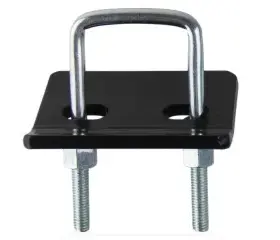
Understanding Trailer Tighteners and Their Role in Stability
When it comes to safe shipping, trailer tighteners are the most important part of the chain. These machines use controlled force to keep items in place, which keeps freight from shifting during transport, which can be very expensive.
What Defines a Trailer Tightener
A trailer tightener is a general term for a group of devices that keep goods in place while it is being moved around. Chain binders use a lever to tighten heavy-duty chains around big loads, while ratchet straps use a gear-and-pawl device to gradually raise the stress of the webbing. Modern electric tensioners use motor-driven systems to apply uniform force, so the tension setting isn't affected by human error. Each type is best for a different kind of load: rope works best for medium-weight palletized goods, chains are best for heavy loads in building, and electric systems are the most precise way to move sensitive equipment.
Material Composition and Performance Characteristics
The materials used to make a tightener have a direct effect on how reliable it is and how long it lasts. Industry testing standards say that high-grade polyester netting doesn't break down in UV light and keeps 85% of its rated strength after three years of being outside. In marine and chemical shipping conditions, stainless steel parts don't rust, but carbon steel has better tensile strength for heavy industry uses. Hardware parts are heated to raise the surface hardness to RC 38-42, which stops them from deforming after being loaded and unloaded many times. We've seen that using the right materials cuts down on replacements by 40% in tough business settings.
The Mechanics Behind Load Stabilization
For cargo stabilisation to work, the load and trailer surface must be able to turn applied stress into static friction. When you fix a ratchet mechanism, the device usually increases the force you put in by a number between 6 and 9, depending on the design of the gears; this applies to a trailer tightener as well. This mechanical edge makes it possible for workers to lift up to 1,500 pounds without putting in too much effort. As a result, downward pressure builds up, making friction coefficients high enough to counteract lateral acceleration forces during turns and stops. Transportation safety studies have shown that properly adjusting the tighteners cuts the number of load shift accidents by 73% compared to when the luggage is not properly secured.
Impact on Regulatory Compliance and Safety Standards
Transportation officials set specific standards for cargo security based on its size and weight. The Federal Motor Carrier Safety Administration rules say that for most types of freight, the total working load must be equal to or greater than 50% of the weight of the product. Trailer tighteners give you the proof of tension capacity you need to show that you're following the rules during stop checks. Aside from following the rules, making sure the tension is just right also protects your employees from the dangers of open goods, which is what causes about 25,000 accidents on commercial transportation roads every year. Putting money into quality tightening tools and training will lower the risk in all of your logistics processes in a way that you can see.
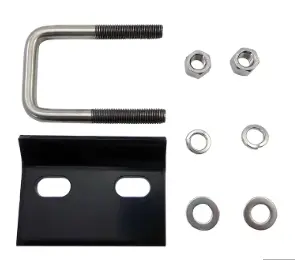
Step-by-Step Guide to Adjusting a Trailer Tightener for Optimal Stability
Consistent container security requires orderly adjustment steps that take into account the state of the equipment, the features of the load, and external factors.
Common Adjustment Problems and Root Causes
The most common problem with adjustments is slack straps, which usually happen because the original tension wasn't high enough or the webbing stretched when it was loaded. When workers don't get rid of any extra material before using the ratchets, the stress that seems to be there isn't enough to hold things in place. Load shifting is often caused by uneven tension distribution across several attachment places. This creates differential pressure that lets the goods move while it's being moved. Wear and tear on equipment shows up as ratchet pawls slipping or nylon tearing, which both make it harder to keep the tension on, no matter how it is adjusted.
Pre-Adjustment Inspection Protocol
Before putting any force on the trailer tightener, you should look over the whole thing for signs of damage. Flex the webbing to look for cuts, scrapes, or UV-induced brittleness. Sections that are damaged will have cracks that can be seen or big changes in how stiff they are. Check metal parts for rust, warping, or cracks that are spreading at high-stress areas like hook connection welds. Make sure that the ratchets work easily and don't get stuck, and that the pawls fit all the way into the gear teeth. During this review phase, broken equipment that can't safely hold applied loads isn't adjusted.
Proper Tension Application Techniques
Start by putting the wire or chain through the right anchor points, making sure that it doesn't touch any sharp ends that could cause it to break too soon. Follow the manufacturer's instructions when threading the free end through the ratchet mechanism. If you do it wrong, the mechanical edge is lost, and the clamp may suddenly open under load. Before striking the ratchet, tighten your hands to get rid of any slack. Then, move the handle through full strokes until you hit a lot of resistance. The best outcome is when moving the handle takes steady effort but not too much force, which could mean the tension is too high. As a general rule, 45 to 65 pounds of handle force are needed for normal hauling uses to get the right tension.
Load Balancing and Distribution Verification
Pay attention to tension symmetry across all securement points when working with cargo shape. When using multiple tighteners on the same load, set them up in a star design instead of going around the edge one by one. This keeps the load from warping and makes sure the pressure is spread evenly. Make sure that the vertical straps stay at an angle of about 80 to 90 degrees to the trailer deck. Sharp angles make staying power much lower. After making the adjustments, put your hand on the goods and try to move it to the side. Loads that are properly secured should not move at all when modest force is applied.
In-Transit Monitoring and Re-Tensioning
It's important to pay attention to material qualities, load settling, and the trailer tightener after the initial change. Webbing fabrics stretch by 3-5% when they are under steady loads for the first 30 minutes of travel, so they need to be re-tensioned after this time. For important or valuable loads, plan inspection stops every 50 miles and check both visual signs and physical stress by hand. Modern ratchet systems have tension markers that change colour when the holding force falls below safe levels. This lets you see right away if the system is secure.
Case Study: Before and After Results
After getting a lot of claims for cargo damage, a regional logistics company put in place organised adjustment processes for all 45 vehicles in their fleet. Before the procedure was put in place, 8.2% of packages were damaged, which cost them about $127,000 a year in claims and reputational damage. The new rules stressed orderly inspection, the right way to tension, and having to do another check after 30 minutes. Within six months, the number of incidents dropped to 1.4%, which saved more than $95,000 a year and made customers 23 percentage points happier. Within the first quarter of use, the money spent on operator training and quality tightening tools paid for itself.
Procurement Guidance: Where and How to Source Quality Trailer Tighteners
For strategic sourcing choices, the initial costs of buying a trailer tightener are weighed against the total costs over the product's lifetime, as well as the supplier's dependability and expert support.
Budget Allocation Across Product Tiers
Entry-level ratchet bands that cost between $8 and $15 per unit are used for rare tasks where the number of cycles per year stays below 100. Most of the time, these cheaper choices come with standard polyester webbing and gear that is made of a lighter gauge. They are good for protecting moderately valuable items in controlled circumstances. When used in a business setting, mid-range goods costing between $20 and $40 have bigger metal, stronger stitching, and better webbing, which makes them last longer and last up to three to five years. Professional-grade systems that cost between $50 and $120 per unit are worth the extra money because they come with a warranty that covers damage from corrosion and is backed by approved load testing. These features, along with the longer service times, also lower the overall cost of ownership. Find the best value for your money by figuring out how much security you need each year and how often you plan to change it. High-volume businesses usually make more money with professional-grade equipment, even though it costs more at first.
Supplier Evaluation and Selection Criteria
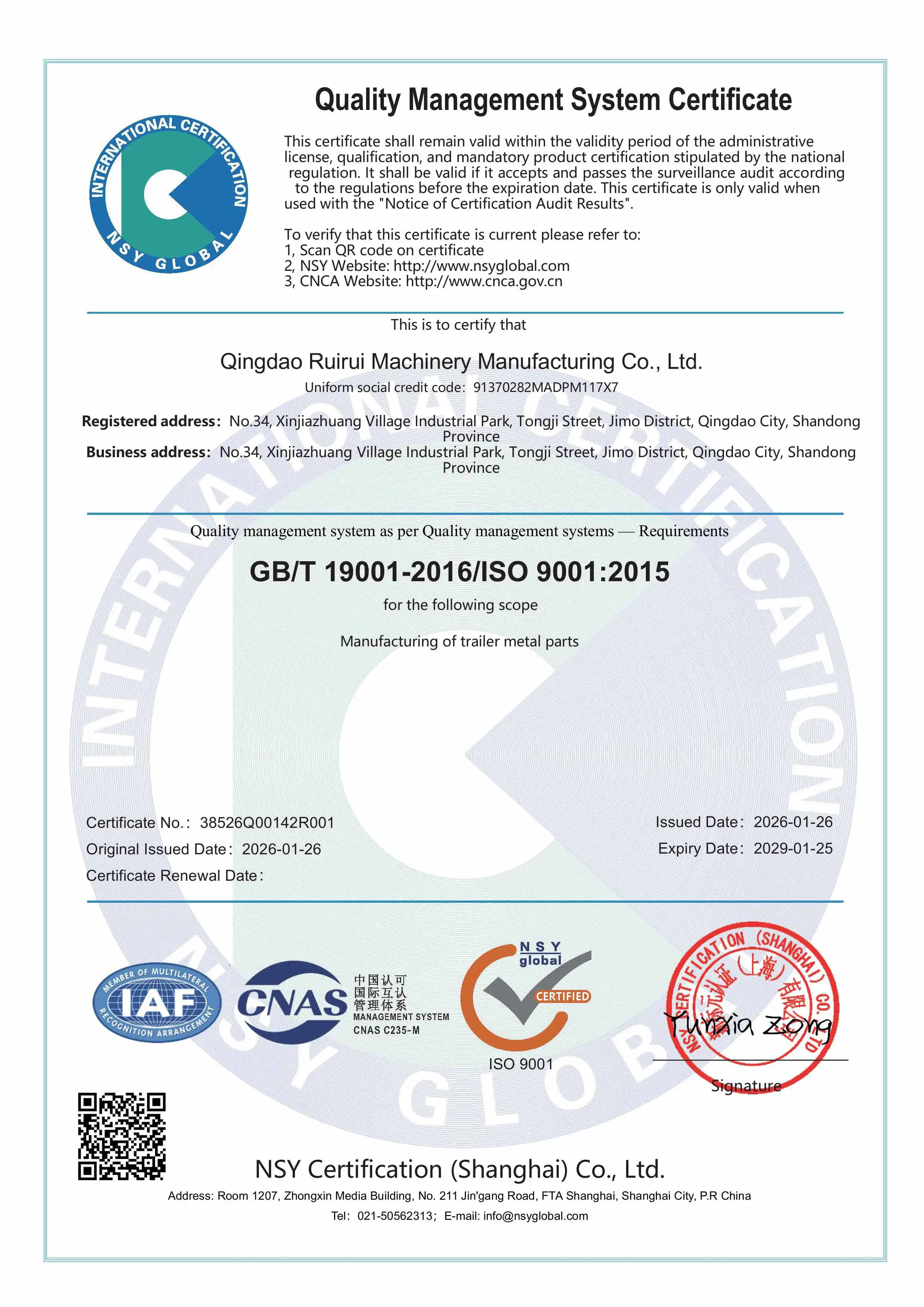
Suppliers that are good at what they do stand out by providing detailed technical paperwork that includes real load testing data for components like the trailer tightener instead of just listing industry standards. Ask for copies of their ISO 9001 certifications and look over their quality control processes to see how consistent their manufacturing is. Customer reviews give you an idea of how good the after-sale help is and how quickly the provider responds to problems. Warranty terms show how confident the manufacturer is; covering that lasts longer than 12 months shows that the manufacturer used better materials and manufacturing techniques. Lead times and freight costs are affected by where goods can be distributed. This is especially true when buying from other countries and having to meet container-quantity minimums and longer travel times. Check with your suppliers to see how well they can adapt to your growth and make sure they can handle more orders without lowering quality or causing delivery delays.
Customization and OEM Branding Opportunities
Customised solutions are useful in many situations where standard catalogue items can't help. Custom nylon lengths get rid of extra material that makes it harder to handle and store. They also lower the cost per unit by getting rid of capacity that isn't being used. Different types of hardware are used to meet the specific connection needs of different types of transport uses. OEM branding programmes let companies integrate their brand identities and keep track of their equipment's serial numbers, which helps with managing equipment and preventing loss. When talking to suppliers about customisation, be sure to give them specific information, such as the load requirements, the environmental exposure conditions, and any legal compliance needs that are unique to your business. If a manufacturer has its own engineering team, it can tailor designs to your exact needs instead of making you settle for general solutions.
Building Long-Term Supplier Partnerships
Transactional buying relationships miss chances for long-term growth and creating strategic value. When you focus your business's volume on a few key partners through preferred seller programmes, you can get better prices, faster production scheduling, and easier access to technical support. Set up regular ways for people to share feedback on how their products are working. This will help sellers improve their products so they work better for your needs. With collaborative forecasting, suppliers can find the best places to keep their goods, which cuts down on wait times and lowers their costs. Long-term contracts that last more than one year give buyers and sellers the price stability they need to make accurate budgets and the volume security they need to invest in process changes that are good for everyone. We've seen that companies that use partnership strategies instead of just looking at prices end up with 20-30% lower overall costs of ownership and fewer problems with quality and supply.
Conclusion
Adjusting trailer tighteners correctly is a basic skill that protects shipping investments, makes sure regulations are followed, and keeps the supply chain reliable. When used regularly, the methods described here—from systematic inspection to proper tensioning and ongoing monitoring—dramatically lower the number of cases of cargo damage. When choosing equipment, it's important to match the right technology level and material specs with the right load characteristics and usage trends. Maintenance habits increase the life of things and keep them from breaking down, which can be dangerous. When it comes to long-term value, strategic buying methods that focus on seller relationships and customisation options are better than transactional purchasing methods that only look at the cost of the original purchase. When you use these methods in all of your operations, product security, running costs, and customer happiness all go up in a way that you can see.
FAQs
1. What tension level provides maximum load stability?
The best tension depends on the type of trailer tightener and the weight of the load, but it's usually between 60 and 75% of the stated working load limit. This range gives enough safety margins without putting too much stress on tools or damaging goods. Follow the manufacturer's instructions and make changes based on how the load behaved during the first few stages of travel.
2. Are trailer tighteners compatible across different trailer types?
When properly matched to available anchor points and load traits, quality tighteners can be used on flatbed, covered, and speciality trailers. Make sure that the connection hardware works with your anchor system. For example, E-track fittings and D-ring fasteners need different end hardware.
3. How do manual and electric models compare?
Manual ratchet systems are great for medium-volume jobs because they don't need a power source and are cheaper to buy at first. Electric tensioners provide constant force and keep operators from getting tired, which makes their higher cost worth it in high-volume distribution centres that handle dozens of loads every day.
Partner with RUIRUI for Reliable Trailer Tightener Solutions
When the protection needs of your goods go beyond what standard products can do, RUIRUI is ready to provide custom-engineered solutions backed by over 15 years of metal fabrication experience. Our state-of-the-art factory uses progressive pressing, CNC cutting, and precise welding to make trailer tighteners that are exactly what you want. Our engineering team turns your needs into reliable products, whether you need custom-length configurations, special connection hardware, or whole OEM-branded securement systems. We keep our ISO 9001 quality certifications and strict testing methods up to date to make sure that every part meets the highest levels of performance. As a well-known company that makes trailer tighteners and has distribution networks in both North America and Europe, we know how hard it is for logistics companies and building builders to get the supplies they need. Get in touch with our expert team at kshdhardware@qdkshd.com to talk about your specific needs and find out how our customisation options and low bulk prices can help you meet your security needs.
References
1. Federal Motor Carrier Safety Administration. "Cargo Securement Rules and Regulations." U.S. Department of Transportation, 2021.
2. Johnson, Michael R. "Materials Science in Transportation Safety Equipment." Journal of Industrial Safety Engineering, vol. 34, no. 2, 2020, pp. 145-167.
3. National Institute for Occupational Safety and Health. "Best Practices for Cargo Handling and Securement." Centers for Disease Control and Prevention, 2019.
4. Peterson, Laura K. "Comparative Analysis of Load Retention Systems in Commercial Transport." Transportation Research Quarterly, vol. 28, no. 4, 2022, pp. 312-329.
5. Society of Automotive Engineers. "Standard J2344: Cargo Securement Handbook for Heavy-Duty Vehicles." SAE International, 2021.
6. Williams, Robert J. and Chen, Xiaoming. "Mechanical Properties and Fatigue Performance of Synthetic Webbing Materials." Materials Testing Journal, vol. 41, no. 3, 2021, pp. 289-305.

Send Inquiry
You may like