
How to Check Trailer Coupler Safety Before Use?
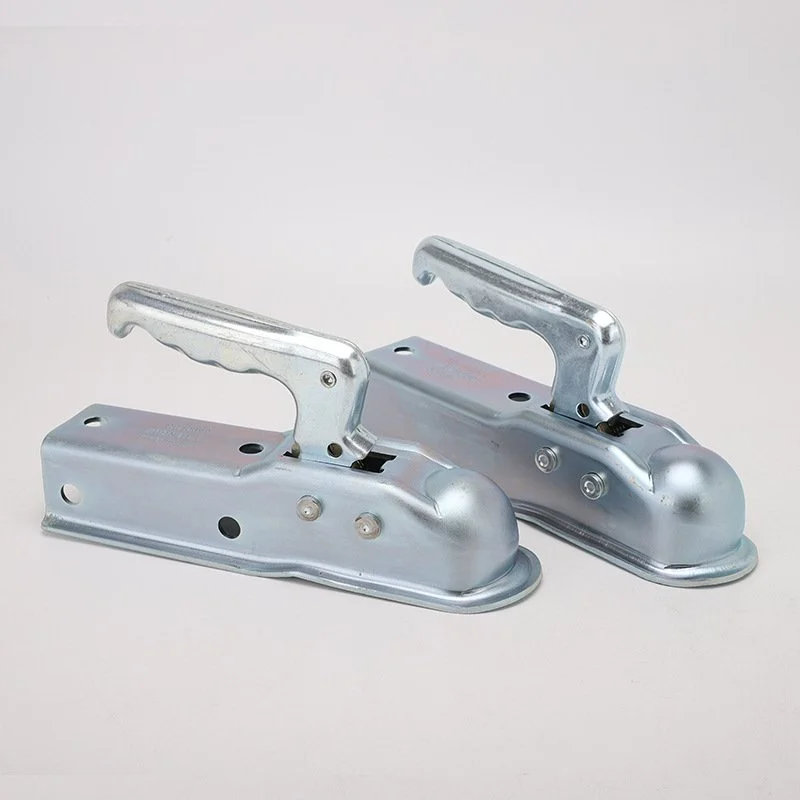
It is important to check your trailer coupler before every use to avoid disconnections that could damage property, cause cargo loss, or cause serious accidents. To do a proper checkup, you need to look for cracks and corrosion in the coupler body, make sure the latch mechanism locks securely around the hitch ball, make sure the trailer coupler pin is inserted properly to stop latch bounce, and check the safety chains and electrical contacts. These safety steps only take a few minutes to complete, but they greatly lower the chance of coupling failure during travel. Fleet owners and workers can protect their businesses and make sure they're following transportation rules by putting in place regular inspection schedules.
Understanding Trailer Coupler Safety Risks
Even though trailer coupler connection systems are one of the most important safety features in moving vehicles, they can still fail in a number of ways. When buying managers and fleet directors are aware of these risks, they can put in place the right preventative measures to keep people and property safe.
Common Causes of Coupler Failure
Physical wear from repeated loading processes weakens the structural stability of coupling parts over time. Over time, metal wear happens because the coupler is constantly under stress from pulling forces, vibrations, and impact loads. Exposure to the environment speeds up this breakdown. For example, water getting into steel parts causes rust to form, and road salt and chemical toxins create acidic conditions that weaken important connection points. Salt spray and humidity make rusting especially bad for businesses near the coast.
The misuse of operations is another important type of risk. When trailers are loaded above the coupler's rated capacity, it creates too much stress, which can break right away or speed up the wear patterns. If you don't match the coupler size to the hitch ball diameter during fitting, for example, the links will be unstable and likely to come apart. When upkeep isn't done, small problems can become big ones. For example, a slightly worn latch mechanism might work fine in perfect conditions, but it would fail badly on rough ground or sudden stops.
Recognizing Warning Signs
A visual check shows several red flags that mean the coupler's integrity has been weakened. Surface rusting shows up as rust spots, pits, or flaky metal, which makes the material thinner and weaker. Cracks in structures usually start where there is a lot of stress, like at welds, bolt holes, and corners where the coupler design makes force changes. These cracks may start out small, but they can spread quickly when they're loaded, so it's important to find them quickly.
Wear can be seen in locking systems by parts that don't fit together properly, locks or pins that are deformed and hard to engage or disengage. If the coupler latch is working right, it should close easily and hold tightly without any extra play. If you notice more movement or hear rattling sounds, the link has broken down too far for safe use. The trailer coupler pin is an important backup safety device. If this pin is bent, worn, or corroded, it won't be able to keep the latch from coming apart during transport.
Impact on B2B Operations
These safety risks directly affect how much it costs and who is responsible for a business's car fleet. Unexpected coupler failures cause transport delays that throw off schedules for projects and hurt relationships with customers. Accident-related costs include fixing the car, replacing the cargo, raising the insurance price, and possibly being sued if carelessness is shown. Most places require regular safety checks because they are required by law, and if they aren't done, they can get fined or have their operations limited.
Your business's image and finances are safe when you take care of risks ahead of time by inspecting things regularly and replacing parts when they break. Setting up standard check procedures will make sure that everyone in your fleet follows the same safety rules, instead of depending on individual judgement.
Step-by-Step Guide to Checking Trailer Coupler Safety Before Use
Setting up a regular trailer coupler checking process makes sure that every important part gets the care it needs before each use. This thorough approach makes it less likely that you will miss small but important signs of damage or wear.
Visual Structural Assessment
Start your check by looking for obvious damage on the coupler body. Carefully check all surfaces for cracks, paying extra attention to areas where things are soldered together, where bolts are attached, and anywhere else the design makes stress build up. Feel the sides and corners with your hand to find rough spots or deformations that you might not be able to see right away. Check the mounting area where the coupler connects to the trailer tongue. This connection point is subject to a lot of force and shouldn't show any signs of cracks, loosening, or metal warping.
Corrosion assessment needs to look at both the top rust and the rust that goes deep into the metal. If the material thickness stays the same, surface rust that hasn't caused pitting might be okay. But any weathering that makes the surface rough, flake off, or show metal loss weakens the structure. Pay extra attention to places where water can pool or where metals that are not the same touch, as these areas experience faster rusting rates.
Get rid of any dirt, grease, or other junk that has built up and could hide damage. A coupler that is clean lets you do a full check and sets a standard for future comparisons. A buildup of debris can also make it hard for latches to work properly and can trap moisture against metal surfaces, which speeds up rusting.
Hitch Ball Compatibility Verification
Check that the coupler hole and the hitch ball are an exact fit by measuring them both. Around 1-7/8 inches, 2 inches, and 2-5/16 inches are the most usual sizes. A 2-inch ball coupler, which is common for utility trailers and boat trailers that can hold between 3,500 and 12,000. It must pair with a 2-inch ball. Using different sizes creates dangerous gaps that let the trailers separate. Both parts should have the same size marks stamped on them, but measuring them with callipers is the only way to be sure.
Both the coupler and the hitch ball should have places that say how much weight they can hold. These values must be the same as or higher than the gross vehicle weight number of your trailer when it's fully loaded. If you use something beyond its stated limit, you could lose your warranty and be responsible if something breaks. There are weight limits on the ball mount and receiver system that must be met by the tongue weight, which is usually 10-15% of the trailer's full weight.
Inspect the hitch ball's surface condition. The contact area should be smooth and free from excessive wear grooves, flat spots, or corrosion. These surface defects prevent proper contact between the ball and coupler socket, reducing the effective bearing area and creating stress concentrations.
Functional Testing of Locking Mechanisms
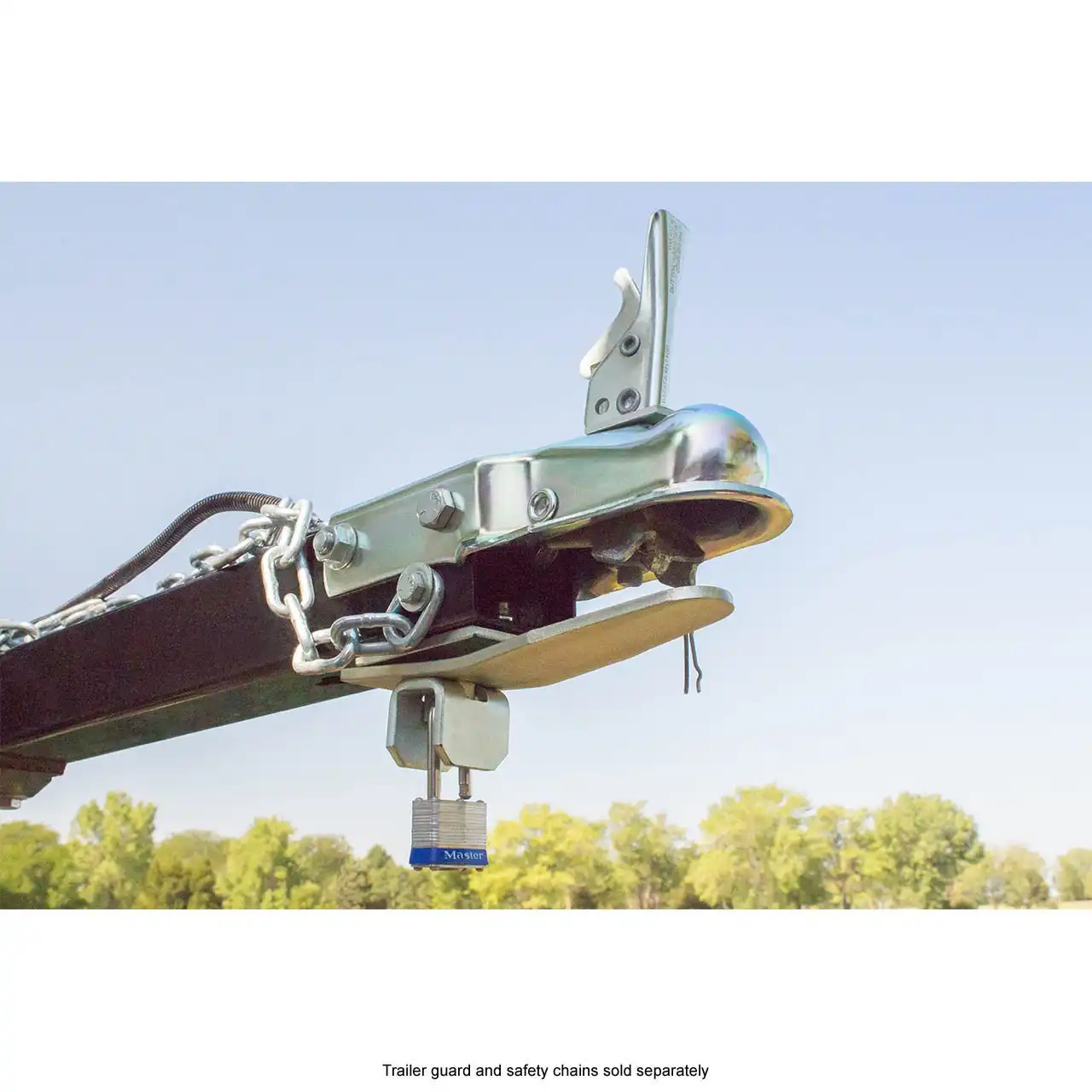
Bring the coupler down onto the hitch ball and turn on the latch. The latch should close easily, without getting stuck or needing too much force. When the latch is closed, you shouldn't be able to lift the coupler off the ball. This means that the coupler is properly set. Try to raise the trailer tongue while looking at the coupler link to see if this works.
Following the manufacturer's instructions, put the trailer coupler pin through the latch device. This pin stops the latch from "bouncing open" while it's being moved. This stops the "latch bounce" effect that can be caused by road noises and impact forces. Some pin designs use simple cotter pins, while others use clips or locks to keep them from coming off by mistake. Make sure that your pin is fully engaged in the latch and can't come loose while it's working.
Examine safety chain attachment points on both the trailer and tow vehicle. Safety chains provide backup security if the primary coupling fails, so their attachment hardware must be sound. Look for worn or damaged chain links, compromised hooks, and secure mounting points that show no cracking or deformation. Cross the chains beneath the coupler when connecting them to cradle the tongue if separation occurs.
Electrical Connection Inspection
Check trailer connectors for proper function, as lighting and brake signals are critical safety features. Connector pins should be clean, straight, and free from corrosion. The connector housing should fit snugly without excessive wear. Verify all lights operate correctly—turn signals, brake lights, running lights, and hazard flashers all serve essential safety functions during transport.
Wire insulation near the connector often shows wear from repeated flexing and environmental exposure. Look for cracked insulation, exposed wires, or signs of previous repairs that might indicate underlying problems. Good trailer connectors are made to work reliably in a wide range of industrial settings, from electronics to building equipment.
Maintenance Best Practices to Prolong Trailer Coupler Safety
Regular repair keeps the safety gaps built into connection systems and extends the life of its parts. Setting up regular trailer coupler repair schedules holds people accountable and makes sure that important safety items are always inspected.
Cleaning and Lubrication Protocols
The coupler device should be cleaned after every use, especially when working in places that are dirty, dusty, or corrosive. Use the right cleaning products that get rid of dirt and grime without hurting protection coats or lubricants. Wire brushes can help get rid of rust and scale, but they shouldn't be used for rough rubbing that could take material or cause scratches that cause stress.
Lubrication stops wetness from getting in and reduces friction and wear. Choose lubricants that are right for the situations you'll be working in. For example, marine-grade greases are good for work near the coast, high-temperature lubricants are good for hot environments, and general-purpose items are good for everyday use. Lubricant should be put on the ball surface, the pivot points, and the latch devices. Don't use too much grease, which makes dirt and other debris stick to it.
Sonic cleaning technologies offer high-tech ways to get rid of dirt and grime in complicated shapes and inside pathways. These methods can clean places that are too small to be reached by hand, removing all contaminants completely and stopping rust from starting.
Component Replacement Guidelines
Before they break, replace parts that are worn out or broken. The trailer coupler, coupler latch, latch pins, safety chain gear, and mounting nuts are all important wear parts. When you use OEM replacement parts, you can be sure that they will fit correctly, meet the material requirements, and work with the current system. While aftermarket parts may be cheaper, they may not work with other parts or be made of lower-quality materials that make them less safe.
Keep track of all the parts that are replaced in your repair records. This paperwork sets up tracking, backs up guarantee claims, and gives information on how to best schedule replacements. Over time, repair records show trends that help find problems with the whole system or ways to make the choice of parts better.
Establish replacement schedules based on manufacturer recommendations, operating conditions, and inspection findings. High-use applications in demanding environments require more frequent replacement than occasional use in controlled conditions. The investment in proactive replacement is substantially lower than the costs associated with failure-related incidents.
Documentation and Record Keeping
Keep thorough records of every trailer in your fleet's inspections and repairs. These records show that safety management is done right and give useful information for figuring out the best repair times. Digital record systems make it easy to access and analyse data, which helps people make decisions based on facts.
Quality management systems, such as ISO 9001, stress the importance of written processes and proof that they have been followed. These ideas are part of how we make things, and we keep track of every step of the process by keeping product quality files from the start of production. When you apply the same level of scrutiny to repair tasks, it makes your safety management and operating dependability stronger.
Purchasing Reliable Trailer Couplers: What B2B Buyers Should Know
When making a trailer coupler buy choice, it's not just about the original purchase price. The total cost of ownership, the reliability of the supply chain, and the supplier's ability to meet long-term operational needs are also important factors. When choosing coupler providers, buyers with a lot of experience look at a number of factors.
Manufacturer Credibility and Certification
When you work with well-known makers who consistently deliver high-quality goods on time, you protect your business from supply problems and product fails. Potential providers should be judged on how well they can make things, how well they handle quality, and how well they've served similar customers in the past.
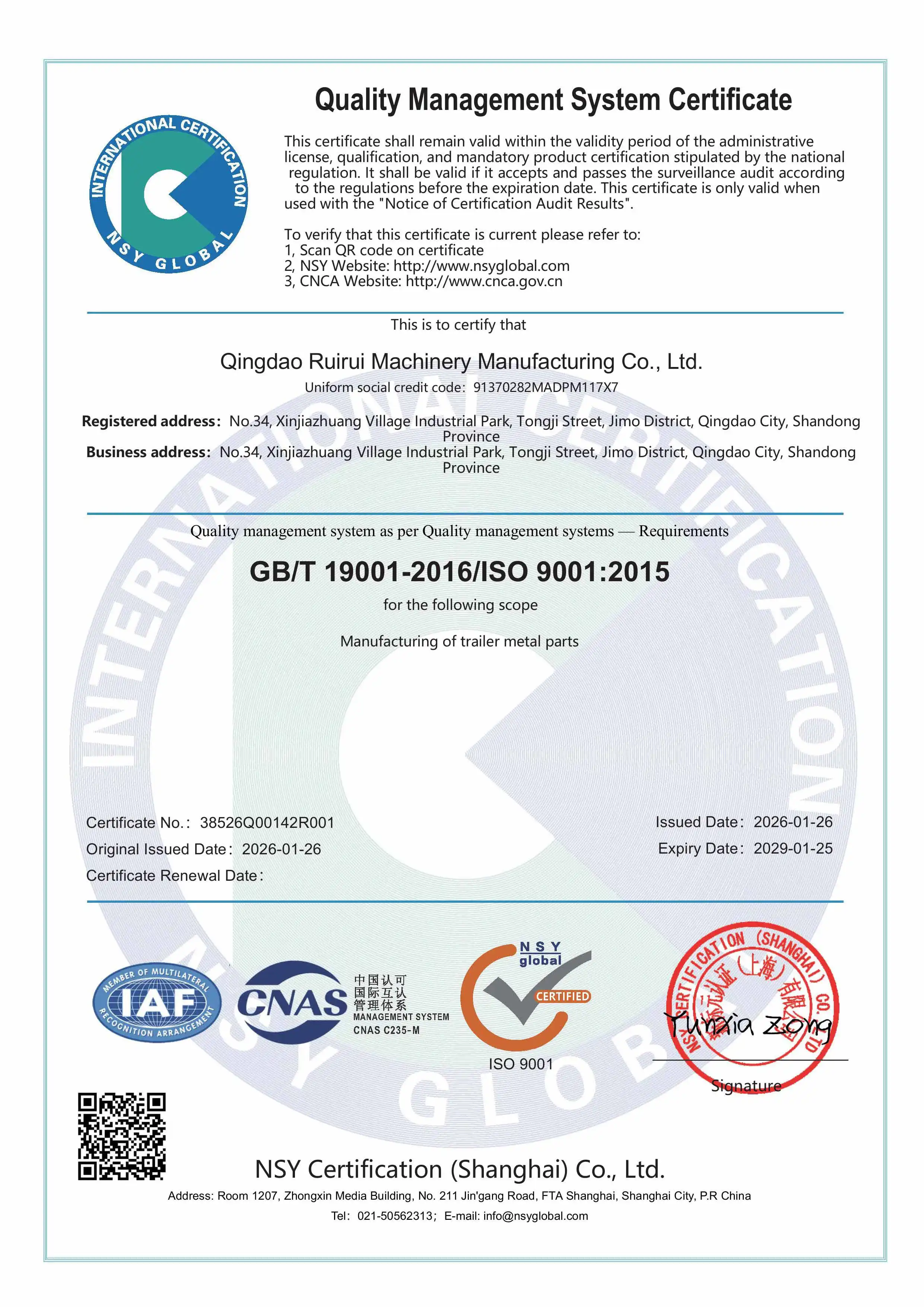
Quality badges are clear proof that a company is dedicated to doing a great job. ISO 9001 certification shows that you handle quality in an organised way, and ISO 14001 certification shows that you care about the environment. OHSAS 18001 approval means that strong health and safety standards are used at work. These certifications and the fact that our facility is recognised as a five-star green supply chain show how seriously we take business success.
Manufacturing capability assessment should examine production technology, capacity, and flexibility. We can handle big jobs because we have eight production lines and make 130,000 pieces a year. The standard is always the same. Automated robot production lines make sure that the same thing is made over and over again with accuracy that can't be achieved by hand. We can make complicated designs and meet exact requirements thanks to advanced processing technologies like deep drawing, progressive pressing, CNC machining, laser cutting, and welding.
Supply Chain Reliability and Support
Check to see if the provider can regularly meet your delivery needs. Short wait times lower the cost of keeping supplies and make projects more flexible. Our experienced transportation and efficient production methods help us deliver on time, which keeps your business running smoothly.
After-sales support distinguishes exceptional suppliers from commodity vendors. Technical help makes it easier to choose the right product, put it correctly, and keep it in good shape, including for the trailer coupler. Support for troubleshooting fixes problems quickly when they happen, which cuts down on downtime. A warranty shows that you believe in the quality of the goods and protects you financially against problems.
Complete coupler kits that come with mounting hardware, safety chains, and fitting directions make it easier to get the parts you need and make sure they work with each other. This method cuts down on the work needed to find multiple things separately and gets rid of the chance of mismatches between parts made by different companies.
Pricing and Customization Options
Bulk buying deals can save you money and make a project more profitable. Price security and budget predictability are provided by volume savings, long-term contracts, and consignment deals. Talk to possible sellers about these choices to find deals that work for everyone.
Customization capability enables precise alignment between product specifications and application requirements. Our OEM and ODM services accommodate custom dimensions, materials, finishes, and performance characteristics. Whether you need couplers for normal utility trailers or specialised tools for city building projects, we can engineer solutions matching your exact needs.
We know how to work with mild steel, treated steel, cold rolled steel, stainless steel, copper, brass, aluminum alloys, and stainless steel. Each material goes through the right processing and finishing steps that work best for it. With this wide range of skills, you can get all the products you need from a single, reliable provider. This will ease your supply chain and help you work together more effectively.
Conclusion
Trailer coupler safety rests on regular inspections, the right way to maintain them, and smart choices about what to buy. Failures that could cause accidents, cargo loss, and working problems are avoided by doing regular pre-use checks that look at the structure's strength, the locking systems, and the state of each part. By learning about the different types of couplers and the materials they are made of, you can choose the best answers for your needs. Working with skilled makers who offer quality approvals, technical support, and the ability to make changes to the product will ensure a reliable supply chain for the long term and product performance that meets strict B2B standards.
FAQ
1. What is the most critical component to check on a trailer coupler?
The latch mechanism and trailer coupler pin represent the most critical components requiring inspection before each use. The latch must close securely around the hitch ball with minimal clearance, while the pin prevents the latch from bouncing open during transit. Both components work together as primary and secondary safety systems—if either fails, the trailer can separate from the tow vehicle. Check for wear, corrosion, and proper engagement of both elements during pre-use inspections.
2. How often should trailer couplers be replaced?
Replacement timing depends on usage frequency, operating conditions, and inspection findings rather than fixed time intervals. Heavy-use applications in corrosive environments may require replacement every few years, while occasional use in controlled conditions might extend service life beyond a decade. Base replacement decisions on documented inspection results showing excessive wear, structural damage, or degraded locking function rather than arbitrary schedules.
3. Can I use different sized balls with adjustable couplers?
No, you cannot use different sized balls with a given coupler. Each coupler is manufactured for a specific ball diameter—1-7/8 inch, 2 inch, or 2-5/16 inch. Adjustable couplers accommodate different hitch heights, not different ball sizes. Using mismatched sizes creates dangerous clearances that allow the trailer to separate during operation. Always verify that the coupler and ball diameters match exactly before use.
Partner with RUIRUI for Your Trailer Coupler Manufacturing Needs
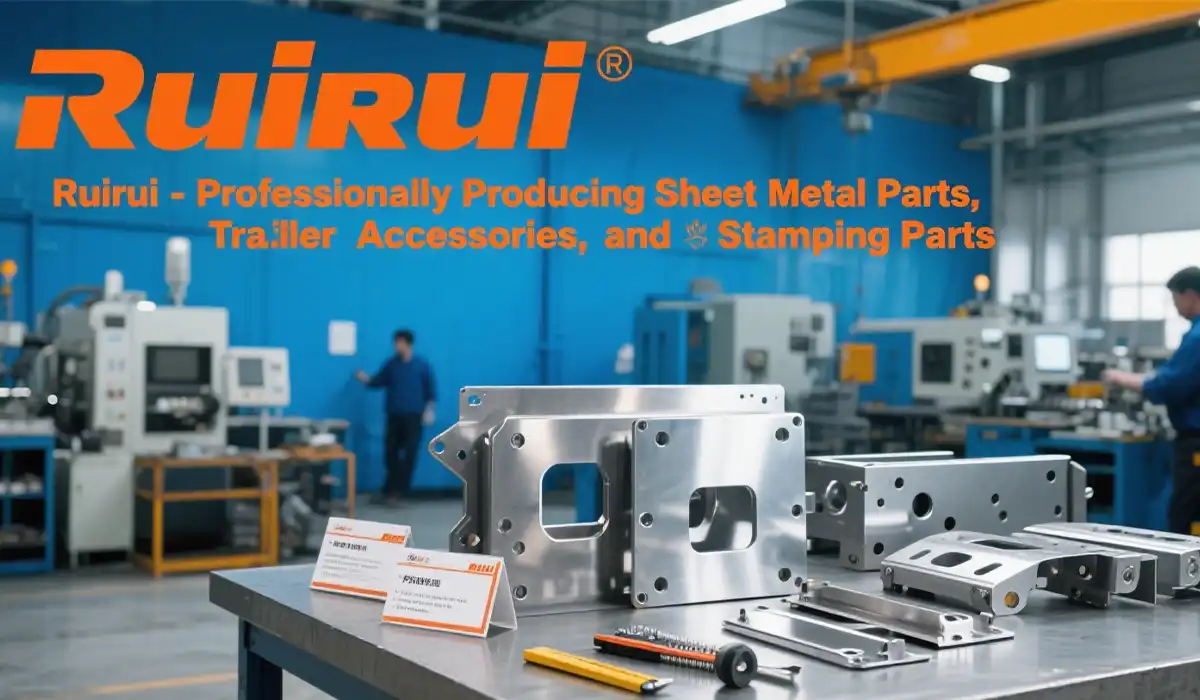
Quality trailer coupler products start with precision production and strict quality control. At RUIRUI Machinery, we combine over 15 years of management experience with advanced production skills that allow us to make coupling parts that meet the strict needs of infrastructure builders, equipment makers, and industrial dealers. Our ISO-certified facility in Qingdao specializes in custom sheet metal fabrication, producing trailer pins, coupler assemblies, and related hardware through progressive stamping, CNC machining, and laser cutting processes. As an experienced trailer coupler manufacturer, we offer OEM customization, competitive pricing for bulk orders, and comprehensive technical support throughout the procurement process. Contact our team at kshdhardware@qdkshd.com to discuss your specific requirements and discover how our engineering capabilities can enhance your supply chain reliability. Visit sheetmetalprocessingplant.com to explore our full range of trailer accessories and metal fabrication services.
References
1. Society of Automotive Engineers. "SAE J684: Trailer Couplings and Hitches - Automotive Type." SAE International Standards, 2020.
2. National Highway Traffic Safety Administration. "Trailer Coupling Safety Requirements and Testing Protocols." U.S. Department of Transportation, 2019.
3. American Society for Testing and Materials. "ASTM F2638: Standard Test Method for Evaluating Trailer Ball Couplings." ASTM International, 2018.
4. Transportation Research Board. "Guidelines for Trailer Safety Systems and Maintenance Practices." National Academy of Sciences, 2021.
5. International Organization for Standardization. "ISO 3584: Road Vehicles - Mechanical Coupling Between Towing Vehicles and Trailers." ISO Standards Catalogue, 2017.
6. National Association of Trailer Manufacturers. "Best Practices for Trailer Coupling Inspection and Maintenance." NATM Technical Bulletin Series, 2022.

Send Inquiry
You may like