
How to Choose a Trailer Coupler Lock?
When choosing the right trailer coupler lock, you need to look at the safety features, how long the material will last, how well it works with your trailer type, and how reliable the supplier is. A good lock should be hard to cut or tamper with, be able to handle harsh weather, and fit perfectly with your coupler mechanism. For business-to-business buyers who are in charge of commercial fleets or who sell security equipment, choosing locks made of hardened steel or stainless steel that have been certified as weatherproof will protect assets for a long time. Knowing these basic selection criteria helps purchasing managers make choices that balance the need for immediate security with the lowest cost over the life of the product.
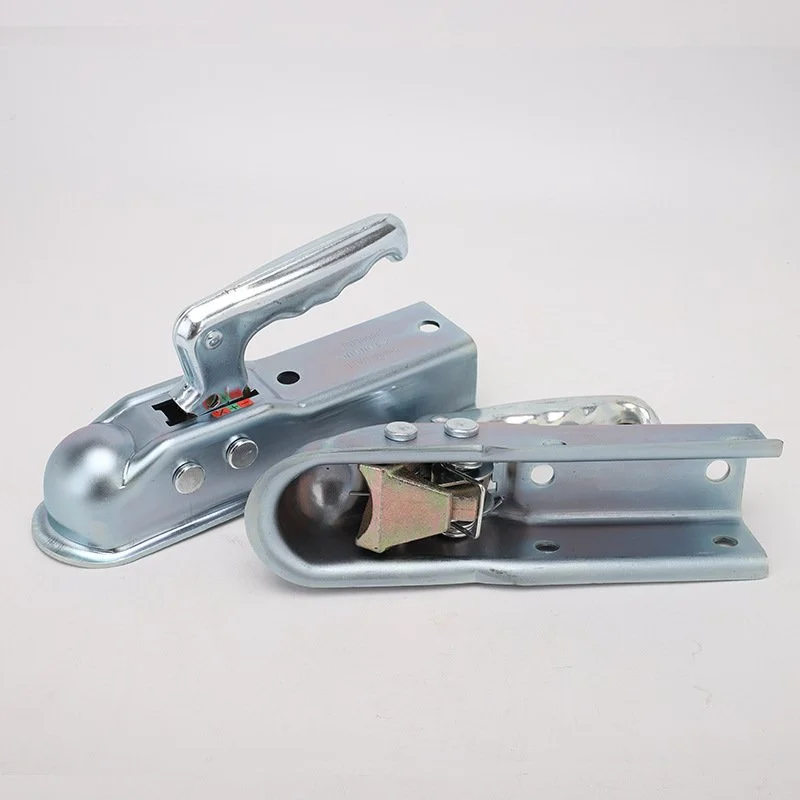
Understanding the Basics of Trailer Coupler Locks
The coupler mechanism is locked in place by trailer coupler locks, which act as mechanical safety features that stop illegal hitching and trailer theft. These things stop you from getting to the coupler latch or ball mount, so you can't physically connect a trailer to a tow vehicle without taking the lock off. This layer of security keeps valuable items safe while they are being stored, moved, and used on-site by infrastructure contractors, logistics companies, and equipment distributors.
How Trailer Coupler Locks Operate
The locking mechanism connects directly to the trailer coupler, which is what connects to the hitch ball on the tow vehicle. When installed correctly, the lock either goes where the hitch ball would normally go or holds the coupler latch in place so it can't open. The fact that this makes a barrier that can only be removed with special tools or keys keeps thieves out. Most commercial-grade locks are made of hardened steel, which makes them resistant to common ways of breaking in, like bolt cutters, hacksaws, and prying tools.
Key Benefits for B2B Fleet Management
Putting coupler locks on all commercial trailer fleets has measurable operational benefits. Keeping things from getting stolen lowers the costs of insurance claims and replacing lost or stolen property. This can have a big effect on how construction companies and equipment rental businesses plan their budgets. Stopping unauthorized trailer movement improves safety by lowering the risk of liability at job sites and storage yards. Designs that are resistant to the weather keep working in all kinds of climates, from coastal marine environments where saltwater corrosion is common to northern regions where it freezes and thaws many times a year. Because of these things, coupler locks are important parts of full fleet security programs.
Common Lock Types and Their Applications
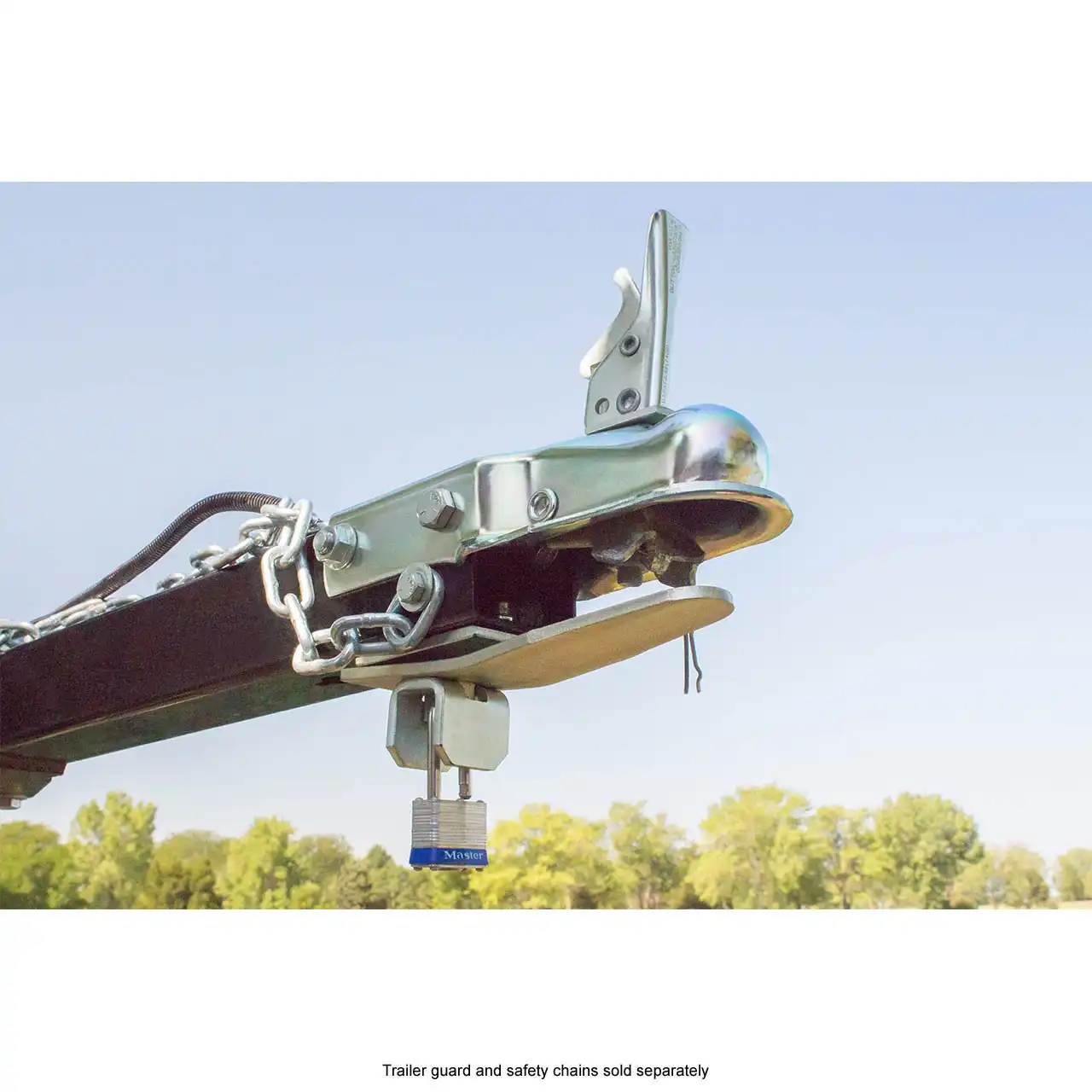
There are different types of coupler locks for different types of security situations and trailer configurations. Pin locks fit through the coupler latch mechanism and stop it from opening. They provide light security that works for utility trailers and recreational vehicles. Coupler locks completely enclose the coupler head, which keeps valuable cargo trailers and construction equipment safe. Ball locks keep the hitch ball in place, so no trailer can be hooked up to a parked tow vehicle. Hitch locks protect both the receiver and the coupler, making them perfect for fleet security systems that work together. When procurement teams know these differences, they can choose the right lock style for each application in their business.
Criteria for Choosing the Right Trailer Coupler Lock
To choose the right locking system, you need to carefully consider a number of technical and operational factors that have a direct effect on how safe it is and how much it costs to own.
Security Features and Attack Resistance
The lock's real-world protective value for trailer coupler lock depends on how well it resists attempts to break in. Bolt cutters and small angle grinders can't cut through hardened steel alloys that have a Rockwell hardness value above 50 HRC. Picking and bumping attacks can break standard pin-tumbler locks, but new locking mechanisms with disc-detainer or tubular cylinder designs stop these attacks. We have seen that high-security models have shrouded shackles or recessed bolt designs that make it impossible for grinders to get in. This is an important feature for trailers that are stored in unsafe places. For business clients who are in charge of keeping an inventory of valuable equipment, choosing locks that have been tested and proven to be resistant to attacks is a measurable way to lower risk.
Material Durability and Environmental Performance
The environment has a direct effect on how long locks last and how often they need to be maintained. For marine uses, 304 or 316 stainless steel is needed to resist galvanic corrosion from saltwater. For inland uses, zinc-plated or powder-coated carbon steel can be used. Over time, changes in temperature, UV damage, and water getting in can weaken lock mechanisms. That's why weatherproof seals and corrosion-resistant surface treatments are required. Locks with an ingress protection rating of IP65 or higher keep working even when there are dust storms, high pressure washing, or submersion while launching a boat. Our electrophoresis coating process at RUIRUI makes a uniform protective barrier that works better than regular plating in salt spray testing, which means it lasts longer in harsh conditions.
Compatibility and Sizing Considerations
Installation problems and security holes can be avoided by making sure that the lock and coupler are the exact same size. The ball diameter of standard couplers ranges from 1-7/8 inches to 3 inches, and the lock throat dimensions are the same. Heavy commercial trailers use couplers that are 2-5/16 inches or larger, while light-duty RV and utility trailers use couplers that are 2 inches. By measuring the coupler's internal width and latch geometry before buying it, you can avoid having to make expensive returns and wait for operations to start. Some fleet operators like locks that can be adjusted to fit different coupler sizes. This makes inventory management easier for fleets with a mix of trailers.
OEM and Custom-Fit Solutions
Standardized locks work with common coupler designs, but custom solutions are often needed for unique uses. Through OEM partnerships, custom throat sizes, longer shank lengths for couplers that are too big, and built-in access control features like RFID compatibility for automated gate systems are all possible. We make custom trailer coupler locks with specific keyways that work with fleet key systems, so you don't have to keep track of separate keys. Custom engraving and serialization help with asset tracking and accountability programs for large purchases. These custom solutions make operations more efficient in ways that generic products can't.
Maintenance Requirements and Lifecycle Value
Regular maintenance makes locks last longer and stops problems in the field that could compromise security. Good locks don't need much maintenance other than being oiled every so often with graphite or PTFE-based products that don't attract dirt. Cleaning debris out of the keyway and applying penetrating oil are common ways to fix mechanisms that won't move. Maintenance staff can do these tasks without special tools. A warranty that lasts between one and five years shows that the manufacturer is confident in the product's durability and lets you plan for costs. Instead of just looking at the initial purchase price, you should think about the total lifecycle costs, which include maintenance labor, replacement frequency, and the chance of theft.
Comparing Options: Selecting the Best Trailer Coupler Lock for Your Needs
To find your way around the wide range of security products on the market, you need to know how different companies balance price, quality, and features to appeal to different types of customers.
Leading Brand Overview for 2026
Through retail channels, Master Lock maintains a strong brand recognition and provides entry-level to mid-level security options for trailer coupler lock that can be used in light commercial settings. People who manage a variety of trailers like their universal fit models. Bulldog focuses on heavy-duty applications with reinforced construction for the industrial and construction markets. Trimax is known for making marine-grade stainless steel products with warranties against corrosion. They target the coastal and boat trailer markets with these products. REESE offers complete towing solutions that include locks that work with their hitch and coupler lines. Pro Series is all about offering great deals on large fleet purchases. Based on level of security, resistance to environmental factors, and price sensitivity, each brand has its own place in the market.
Trailer Coupler Locks Versus Hitch Locks
Knowing how these different types of security work differently keeps them from being used in the wrong way or leaving coverage gaps. When the trailer is not attached to the tow vehicle, trailer coupler locks protect the asset by blocking the coupler mechanism. Hitch locks keep the receiver tube on the tow vehicle in place, so the trailer can't be attached without permission and the receiver accessory can't be stolen. Both types of locks are often used together in layered defense strategies by comprehensive fleet security programs. Construction companies usually put a lot of emphasis on coupler locks to protect trailers on the job site, while logistics companies put a lot of emphasis on hitch locks to stop people from hooking up without permission during overnight stops. The type of lock that provides the best protection depends on the application context.
Price Versus Performance Analysis
Buying decisions are affected by budgets, but security problems have hidden costs that are higher than the initial savings. Basic locks that cost between $15 and $30 can keep out most thieves, but determined thieves with common tools may be able to break through them. Products in the middle price range, between $40 and $70.00, have pick-resistant cylinders and hardened steel that make attacks much harder. Premium locks that cost more than $100 have better materials, certifications from attack testing, and longer warranties that make the higher cost worth it for protecting valuable things. Bulk purchasing programs usually offer discounts of fifteen to thirty percent based on the number of items bought. This helps fleet operators save money when they order containers in bulk. We set our prices in a way that rewards long-term partnerships. For example, we offer tiered discounts based on annual volume commitments, which are good for both the buyer and the supplier.
Procurement Considerations for Global B2B Clients
Over the course of several years, strategic sourcing decisions affect how well security works, how reliable the supply chain is, and how much the whole program costs.
Defining Operational Requirements by Industry
Logistics companies prefer quick-release systems that cut down on hookup time while keeping things safe during overnight stops at distribution centers. Construction companies need tough designs that can handle being abused on the job site and being exposed to concrete dust and hydraulic fluids. Managers of RV fleets stress the importance of corrosion resistance for coastal areas and extreme temperature changes in a variety of climates. Municipal infrastructure contractors need locks that work with standard tools used by many departments. Making these operational contexts clear helps suppliers suggest the right products and find ways to customize them that give businesses a competitive edge.
Customization and OEM Opportunities
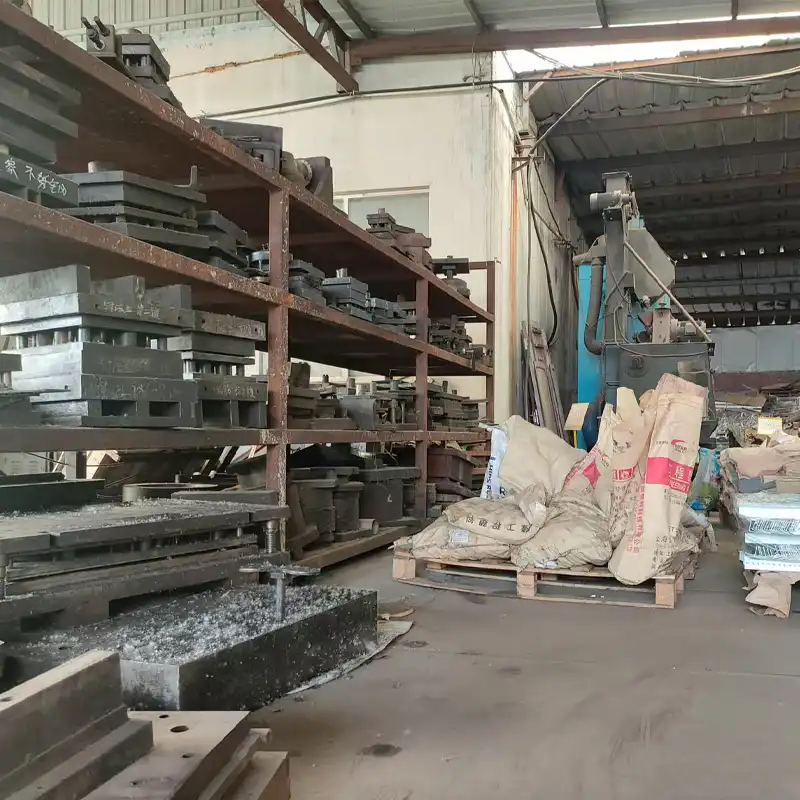
Customization for trailer coupler lock can help large buyers get the most out of their purchases and make operations simpler. Custom keyways that work with existing fleet systems get rid of the need to manage separate keys. Serialized engraving helps enterprise resource planning systems keep track of assets and plan maintenance. Changes to the sizes make room for non-standard couplers on specialized equipment. Labels or colors that are assigned by department make it easier to find things in the field and give them. At RUIRUI, our design team works with procurement managers to turn operational needs into engineered solutions. Our CNC machining, laser cutting, and powder coating capabilities help make sure that every detail is just right.
Sourcing Strategies and Supplier Evaluation
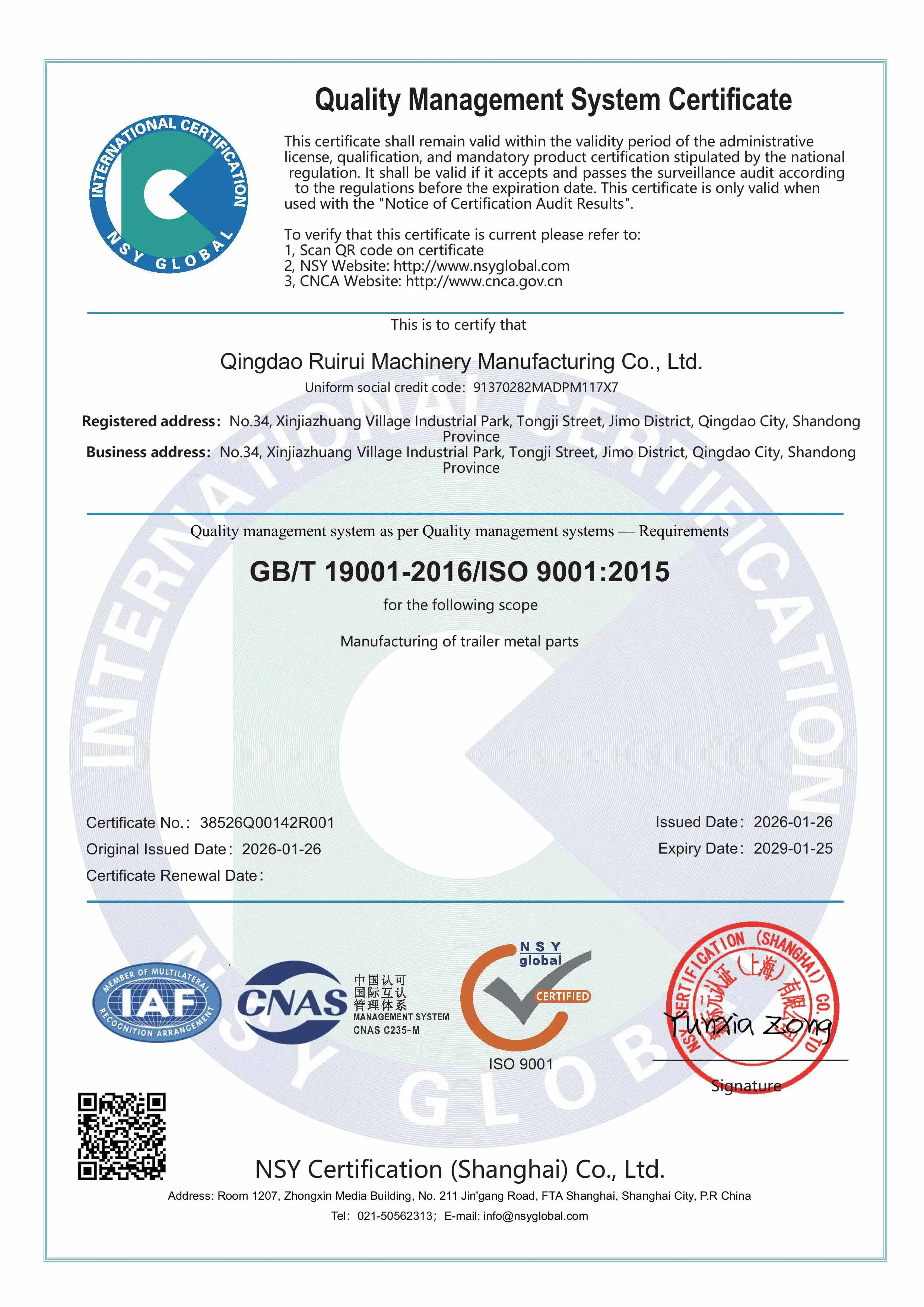
To find reliable manufacturing partners, you need to look at more than just price when judging their credibility. ISO 9001 certification shows that quality management systems have been in place for a while and are making sure that product specifications stay the same from one production run to the next. Verifying the supplier's production capacity makes sure that they can meet large orders on time and without sacrificing quality. Engineering support capabilities show if the supplier can help with solving technical problems and making custom specifications. When importing goods at the container level, international logistics experience affects how reliable deliveries are and how well customs rules are followed. Warranty policies show that the company that made the product believes it will last and give customers a way to get their money back if it breaks too soon. We are certified in ISO 9001, ISO 14001, and OHSAS 18001. We also have over fifteen years of management experience and work with clients in over eighty countries to export our products.
Bulk Purchasing and Long-Term Agreements
Price savings and benefits to the supply chain that come from volume commitments make the program more cost-effective. By taking advantage of economies of scale and better freight rates, orders at the container level lower the cost of each unit. Multi-year supply agreements keep prices stable when the prices of commodities change, and they also make sure that there is enough production capacity when demand goes up. Bundled packages that include locks, installation hardware, and maintenance supplies make it easier to buy things. When suppliers keep safety stock as part of vendor-managed inventory programs, buyers don't need as much working capital. When these strategic agreements are in place, purchases become partnerships where both parties work together to benefit.
Conclusion
When picking the right trailer coupler lock, you have to think about how secure it is, how long it will last in different environments, how well it works with other locks, and how reliable the supplier is, all while staying within your budget. Business-to-business buyers have to look at lock construction materials, attack resistance features, and weatherproofing certifications in light of the operational environments they will be used in. Knowing the differences between lock types and how they are used keeps you from making mistakes that compromise the safety of your assets. Strategic sourcing through qualified manufacturers with customizable options and tried-and-true quality systems saves money in the short term, but it also saves money in the long run. By taking these things into account in a planned way, infrastructure contractors, logistics operators, and equipment distributors can set up effective trailer security programs that keep valuable assets safe and lower the total cost of ownership.
FAQ
Can trailer coupler locks withstand professional cutting tools?
High-quality trailer coupler locks made from hardened steel alloys with Rockwell ratings above 50 HRC can't be broken into with common tools like bolt cutters and hacksaws. Premium models have shrouded designs that keep the angle grinder from getting to cutting points that could be damaged. However, no mechanical lock is completely safe from determined attackers who have unlimited time and tools. Increasing the difficulty of attacks and the time needed to stop opportunistic theft, which is what most trailer security incidents are about, is what the practical security value is.
Do these locks maintain functionality in extreme weather conditions?
As long as the temperature is between -40 and 150 degrees Fahrenheit, locks made of stainless steel and having weatherproof seals rated IP65 will work reliably. Electrophoretic coating or triple-chrome plating protect marine-grade models from corrosion caused by saltwater. For use in the winter, cold-weather lubricants that don't freeze may be needed. In the desert, dust seals that keep particles out are helpful. In their technical documentation, manufacturers usually list the environmental operating ranges of their products. This lets buyers match the lock's specifications to the conditions where it will be used.
How do I determine the correct lock size for my trailer coupler?
You can find the coupler's ball size stamped on the body of the coupler. The ball size ranges from 1-7/8 inches to 3 inches in diameter. To properly engage the coupler mechanism, the lock throat size must match this specification. Also, check the style of the coupler latch, since some locks are only compatible with certain latch configurations. When managing a fleet of different trailers, keeping a size chart that lists the coupler specifications for each trailer makes it easier to buy locks and assign them to the right trailers. Some models of adjustable locks can work with a range of coupler sizes, which makes inventory management easier.
Secure Your Fleet with RUIRUI's Custom Trailer Coupler Lock Solutions
RUIRUI is an expert at making high-security trailer coupler locks that are designed to work in tough commercial and industrial settings. Our advanced metal fabrication skills, such as progressive stamping, CNC machining, and electrophoresis coating, allow us to make locks that are resistant to corrosion and last longer than the industry standard. We offer OEM customization for specific coupler sizes, built-in key systems, and numbered asset tracking. Our quality management is ISO-certified, and we've been exporting for over fifteen years. As a direct manufacturer of trailer coupler locks, we can offer low factory prices for large orders, quick lead times, and professional packaging. Email our team at kshdhardware@qdkshd.com to talk about your fleet security needs and get a quote that fits your procurement program.
References
Society of Automotive Engineers. "SAE J684: Trailer Couplings and Hitches - Automotive Type." SAE International Standards, 2019.
National Insurance Crime Bureau. "Trailer Theft Prevention and Recovery Strategies for Commercial Fleets." NICB Research Report, 2023.
American Society for Testing and Materials. "ASTM F883-17: Standard Specification for Padlocks." ASTM International Standards, 2017.
National Highway Traffic Safety Administration. "Federal Motor Vehicle Safety Standards: Trailer Hitch and Coupling Devices." U.S. Department of Transportation, 2022.
Underwriters Laboratories. "UL 437: Standard for Safety for Key Locks." UL Standards Certification, 2021.
International Organization for Standardization. "ISO 12100: Safety of Machinery - General Principles for Design and Risk Assessment." ISO Technical Standards, 2020.

Send Inquiry
You may like