
How To Choose The Correct Trailer Ball?
If you want to buy the right trailer ball, make sure that the diameter fits your coupler, the weight limit matches the Gross Trailer Weight (GTW) of your trailer, the shank size fits your hitch receiver, and the material won't rust where you will be using it. Towing should be done safely, rules should be followed, and catastrophic coupling failures should not happen. These failures can mess up logistics and put safety at risk on construction sites, commercial fleets, and infrastructure projects.
Understanding Trailer Balls and Their Importance
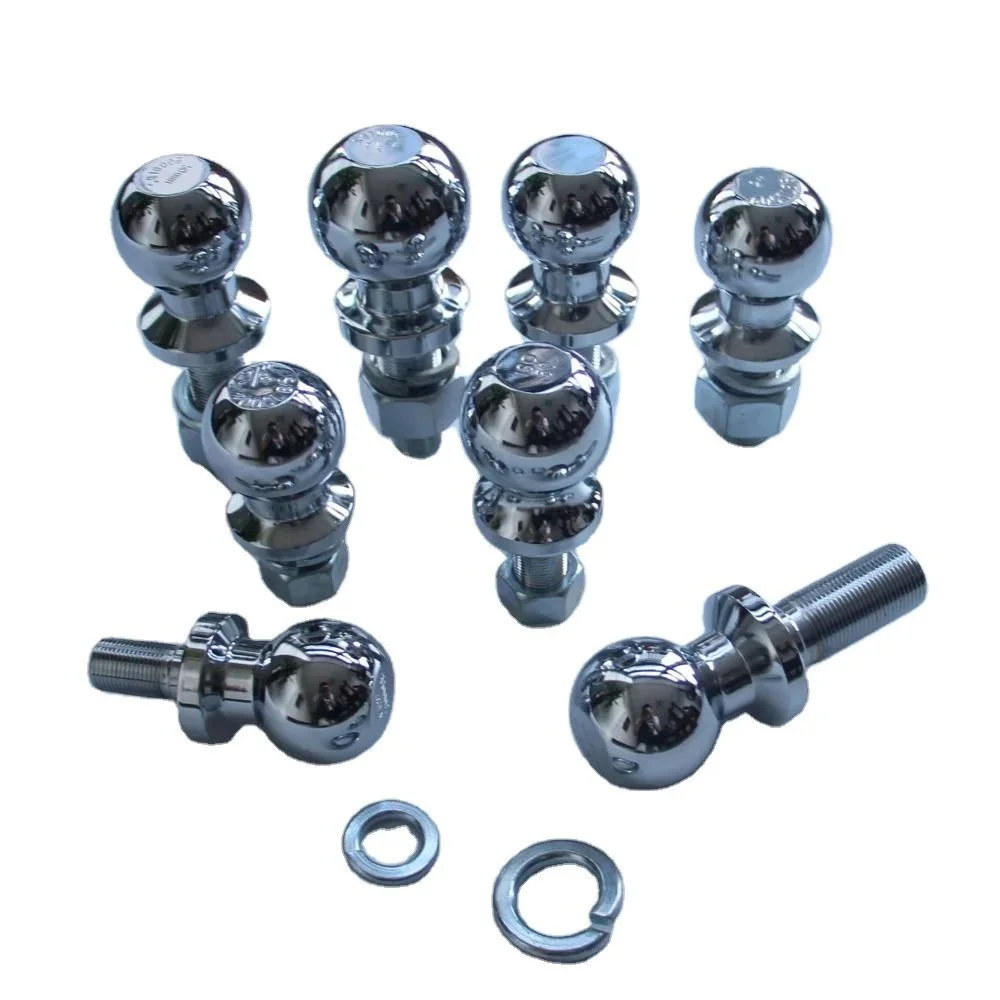
Basically, trailer balls move dynamic loads from tow vehicles to trailers when they speed up, slow down, or turn. Standard diameters for these parts are 1-7/8 inches, 2 inches, and 2-5/16 inches. They are made for different weight classes and coupler types. What something is made of has a big impact on how long it lasts and how well it works. Carbon steel that has been forged and heated to AISI 1045 or 4140 standards has a very high tensile strength and can carry heavy loads of up to 30,000 pounds. If you chrome plate something, it protects it from rust and damage from the environment. This makes it last longer in tough situations.
Clarifying Terminology
The terms "hitch ball," "tow ball," and "trailer ball" are often used by professionals in the field to mean the same thing, though they are used in different ways in different areas. Things don't get too confusing when procurement documents use clear language. A hitch ball usually refers to the whole thing, which includes the shank and the hardware for mounting it. On the other hand, a tow ball might aim at the spherical coupling surface. By having everyone in your supply chain use the same language, you can make sure that manufacturers get clear instructions and don't make mistakes that cost a lot of money when they place orders.
Safety and Efficiency Impact
I can't stress enough how important it is for tow parts to fit together right. This is what the National Highway Traffic Safety Administration says: Every year, thousands of accidents are caused by coupling failures. There are a lot of these that happen because the balls are the wrong size or weight. Not only is it unsafe, but parts that don't match also make the ball and coupler wear out faster. This means they need to be replaced more often and cost more to maintain. Infrastructure contractors who are in charge of different kinds of trailers need coupling systems that work well, don't break down often, and help them finish projects on time.
Key Criteria for Selecting the Correct Trailer Ball
Before decisions can be made about what to buy, technical specs must be matched with operational needs. When engineering teams know these things, they can pick parts that will work well with the equipment they already have and leave some room for error. Things you should look for in a trailer ball for kids.
Diameter and Shank Size Matching
To start, you need to find out how big the coupler on your trailer is. A caliper can be used to measure the inside diameter of the coupler socket. This size must be an exact match for the ball's diameter; even small differences can make the ball dangerously loose or stop it from sitting right. Many people believe that "close enough" is sufficient, but a 2-inch coupler can't securely hold a 1-7/8-inch ball because the smaller diameter lets it move too much. It doesn't matter how big the shank is. The hitch receiver must be able to fit the shank without being too tight or too loose. Most shanks are between 3/4 inch and 1-1/4 inch in size. Different types of threads (coarse vs. fine) affect how well the ball mounts and stays in place while being moved.
Weight Capacity and Load Ratings
The maximum Gross Trailer Weight (GTW) is written on each trailer ball. This rating takes into account how much the trailer and its load weigh when they are moving. You should use a certified scale to weigh your loaded trailer and not guess to find out how much it weighs all together. We need to leave some room for error. At least 20% more weight should be able to be put on the ball than what it is supposed to hold. This is to account for the forces that can change quickly when you need to stop or when you're driving on rough terrain. The J684 standard from the Society of Automotive Engineers is used to figure out load classes. The testing methods in this standard make sure that all products from all manufacturers work the same.
Material Durability and Corrosion Resistance
What kind of material is used depends on where it will be used. Chrome plating isn't good at stopping saltwater corrosion, but 304 or 316 grade stainless steel is. This is why it is used in marine applications. This is also true for construction trucks that work in places where road salt is used in the winter. Carbon steel versions are strong and don't cost too much, making them great for controlled environments like warehouse yards. Putting things on the outside makes them last a lot longer. To make things last longer, people use different coatings, such as industrial chrome plating that meets or exceeds 96-hour salt spray testing standards, powder coating to protect against wear and tear, and advanced electrophoretic deposition (E-coat). How much your fleet is exposed to water, chemicals, and high and low temperatures will help you choose the right materials.
Installation Compatibility
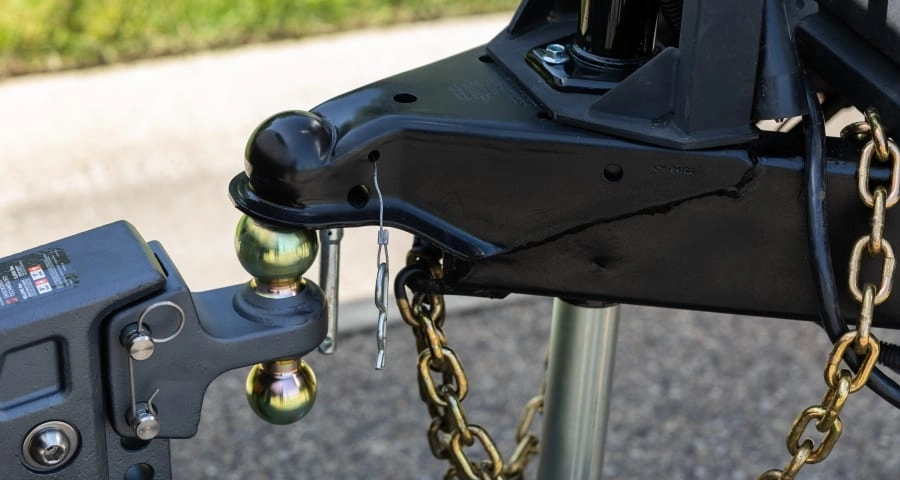
You can connect two things in more than one way besides the ball-and-socket style. Trailers with surge brakes, which are often used to pull boats, need certain shank lengths to fit actuators. Between a gooseneck and a fifth-wheel, the shapes are very different. When you check to see if something is compatible, you should also see if your receiver lets you change the height of the ball enough. Drop shanks or rise shanks level the trailer and vehicle so that the tongue weight doesn't get too heavy or the trailer sways in a dangerous way. So that changes don't have to be made on the job site, the specifications for the purchase should include detailed drawings that show the shank length, thread engagement depth, and clearance needs.
Match Your Needs: Choosing Trailer Balls Based on Application
If you choose based on the application, you'll get the best performance and total cost of ownership. Problems with towing in different fields are often not the same as problems that standard trailer balls can't fix.
Commercial Fleet and Construction Applications
Landscape contractors often switch between trash trucks, water tanks, and trailers for tools during the course of a workday. With customizable options that come in different sizes and have quick-change mechanisms, changeover time is cut from fifteen minutes to less than two minutes. This directly makes more hours that can be billed. On construction sites, Class V parts that can hold 20,000 to 30,000 pounds can help move heavy tools. Couplings for these uses are often put through very sharp angles of movement on rough terrain, so they need to be made of high-quality forged steel. It doesn't really matter which part you buy because you'll save a lot of time by not having to fix things before they break.
Marine and Coastal Environments
When you use a boat trailer ball, you have to deal with heavy loads and harsh conditions that cause corrosion. A 25-foot offshore fishing boat and trailer can weigh around 6,000 pounds, so you need a 2-5/16-inch ball that can handle that much weight. Because of this, the saltwater spray that hits the item during launch and recovery speeds up oxidation. This is why it needs to be made of stainless steel or have military-grade chrome plating. It is possible to make the shanks longer so that surge brake actuators that need more room can fit. Transport companies for ships have been able to cut down on the number of coupling replacements they need to do from once a year to three or more times a year by making the materials they use better. It's clear that the money spent paid off because the service intervals are longer.
Agricultural and Heavy-Duty Transport
It's not easy to farm because you have to deal with moving tools, grain haulers, and trailers for animals. This use makes a lot of vibrations, which can loosen connections that weren't tightened enough. Torque specs of 250 to 450 ft-lbs, depending on the diameter, and fine-thread shanks keep things from coming loose when they are vibrating all the time. In rough off-road conditions or when positioning equipment that needs to be moved around quickly, pintle hooks, which have a jaw-and-ring design, often work better than ball couplers. Agricultural clients should know this. When choosing between ball couplers and pintle systems, you should think about how you work, how heavy the loads you usually carry are, and how often you need to hook up and disconnect trailers.
Procurement Considerations: Where and How to Buy Trailer Balls?
When making strategic sourcing decisions, it's important to find a balance between lowering costs and making sure quality and a reliable supply chain. Buying something from another business is not the same as buying something for yourself. Plans for setting prices and buying in bulk, thinking about where and how to get trailer balls.
Bulk Purchasing and Pricing Structures
It can save you a lot of money to promise to buy in bulk. There are different levels of pricing from companies like RUIRUI. If you order by the container, the cost per unit is 30 to 40 percent less than if you bought in small amounts. To make sure that prices stay the same and supplies are shared fairly when supplies are low, blanket purchase orders should be made by project contractors or distributors who are in charge of more than one location. Ask for detailed breakdowns of the base cost of production, material surcharges for higher specifications, amortization of tools for custom designs, and logistics parts. Prices need to be easy to understand. You can negotiate and figure out where changes to the specs can save you money without hurting performance if you know these things.
Supplier Evaluation Criteria
In addition to price, how reliable the supplier is for trailer ball is also important for a long-term relationship. Ask to see the facility or for a detailed capability statement that lists the equipment, quality control procedures, and typical lead times. This will help you figure out how much can be made. When a company has ISO 9001 certification, it means that its quality management systems are well-established. When a company has ISO 14001 certification, it means that it follows environmental rules, which is becoming more and more important for public infrastructure projects. The fact that RUIRUI is certified by ISO 9001, ISO 14001, and OHSAS 18001 shows that the way they make their products meets international standards. It's important to be able to produce enough. Suppliers who have dedicated automated production lines can consistently provide better quality than those who only do things by hand. With eight production lines, RUIRUI can make 130,000 units a year, which shows that the business can expand to meet growing needs.
Custom Manufacturing Capabilities
Catalog parts can be used for many things, but infrastructure projects and specialized equipment often need solutions that are made just for them. When you can do OEM/ODM, you can pick the exact length of the shank, the rise or drop measurements, the threading that works best for you, and the surface treatments that are made to fit your needs. Getting help from engineers when making the specifications can help you avoid making mistakes that cost a lot of money. Some manufacturers have their own research and development (R&D) departments that can look over your drawings and make suggestions based on what they know about production. They can also send you prototypes to test in the field before you decide to go ahead with production runs. To fully customize the part, RUIRUI can do more than just make changes to standard base designs. They are skilled in progressive stamping, CNC machining, laser cutting, and many finishing processes.
Logistics and Delivery Management
You need to know how to load containers, how to clear customs, and how long it takes to ship goods internationally (usually four to eight weeks) if you want to buy from manufacturers in places like Qingdao, China. The logistics chain stays open and honest when reliable suppliers let everyone know when the goods are expected to arrive, when the ship is booked, and when the production is complete. Having enough safety stock on hand protects against delays that were not planned for. As an example, many procurement managers keep enough important tow parts on hand to last for 60 to 90 days. Payment terms can change your working capital. Talk to your suppliers about letters of credit or payments at set times that will protect both you and the supplier. If there are issues with how the product was made, the warranty should make it clear what to do. It should also be clear what to do if the product fails in the field and needs to be replaced or credited.
Conclusion
To pick the best trailer ball, you need to think about how things work, the technical needs, and your buying plan. Towing is safe and reliable when the diameters match, the load capacity is checked, the right material is used for the job, and the installation works well with the rest of the system. You can choose between standard parts and custom solutions based on the needs of the application, like for farming, commercial fleet operations, or marine transport. As long as you install and maintain parts the right way, they will last longer and not break down in dangerous ways. When you buy things strategically, like in bulk, get supplier certifications, and be able to make things to order, you can lower the total cost of ownership. It was made so that engineering teams and procurement professionals could make smart decisions that would improve operational efficiency, make sure they were following the rules, and support long-term supply chain stability in a lot of different industrial settings.
FAQ
What ball diameter do I need for my trailer?
Find out how big the inside of the coupler socket on your trailer is with calipers. The number has to be an exact match for the ball's diameter. Medium-duty trailers weigh between 3,500 and 8,000 pounds, light-duty trailers weigh less than 2,000 pounds, and heavy-duty trailers weigh more than 10,000 pounds. The most common sizes are 2 inches for medium-duty trailers and 2-5/16 inches for heavy-duty trailers. Stay away from each other too much—even small gaps can be dangerous.
How does load rating differ from trailer weight?
To find out the maximum Gross Trailer Weight (GTW), look at the load rating on your trailer ball. GTW is the weight of the trailer with and without cargo. There should always be at least 20% more weight on the ball than your trailer can hold. This will make you safer against moving forces while you're towing. You are responsible for any damage that happens if you go over the rated capacity.
Can I use one ball for multiple trailers?
That is, only if all of the trailers fit through the same coupler holes and don't weigh more than the ball can hold. You can switch between balls of different diameters on the same shank with multi-size customizable systems. This lets you use different tools without having to change the whole mount. This method gets the job done for all of them while reducing the amount of stock that needs to be kept.
Partner with RUIRUI for Reliable Trailer Ball Solutions
RUIRUI Machinery makes high-quality trailer ball tow parts, some of which can be made to order in different sizes to meet the needs of tough B2B uses. Our Qingdao factory has high-tech tools for making things, like progressive stamping, CNC machining, and laser cutting. They also have strict quality control that meets ISO 9001 standards. No matter if you need standard high-capacity hitch balls or solutions with custom shank sizes and finishes that won't rust, our engineering team is here to help you through the whole process, from making the specifications to producing the goods. We ship containers, have low factory-direct prices, and can make products to fit the needs of infrastructure contractors, equipment distributors, and fleet operators in 80 countries.You can email our procurement specialists at kshdhardware@qdkshd.com or go to sheetmetalprocessingplant.com to talk about your needs with a dependable trailer ball manufacturer that is committed to giving you certified parts that last a long time and make operations safer and more efficient.
References
Society of Automotive Engineers. "J684: Trailer Couplings and Hitches - Automotive Type." SAE International Standards, 2019.
National Highway Traffic Safety Administration. "Trailer Coupling Safety and Failure Analysis." U.S. Department of Transportation Research Report, 2021.
American Society for Testing and Materials. "ASTM A29/A29M: Standard Specification for General Requirements for Steel Bars, Carbon and Alloy, Hot-Wrought." ASTM International, 2020.
Trailer Industry Association. "Best Practices Guide for Towing Equipment Selection and Maintenance." TIA Technical Publication, 2022.
International Organization for Standardization. "ISO 9001:2015 Quality Management Systems - Requirements." ISO Standards Catalogue, 2015.
Materials Performance Institute. "Corrosion Resistance in Marine Towing Applications: A Comparative Study of Steel Alloys and Surface Treatments." MPI Technical Journal, 2023.

Send Inquiry
You may like