
How to Make Sure Your Hitch Pin Locks Lasts for a Lifetime?
Making sure your hitch pin lock lasts a long time starts with knowing the basics of choosing the right material and keeping it in good shape. A trailer connection security device that is well taken care of can last for decades if you choose materials that don't rust, like stainless steel or high-grade zinc plating, do regular inspections, and follow best practices for fitting. The key is to make sure that the lock's specs are right for its working environment, whether it's sea exposure, industrial fleets, or city infrastructure, and to set up routines for preventative maintenance that deal with wear before it breaks.
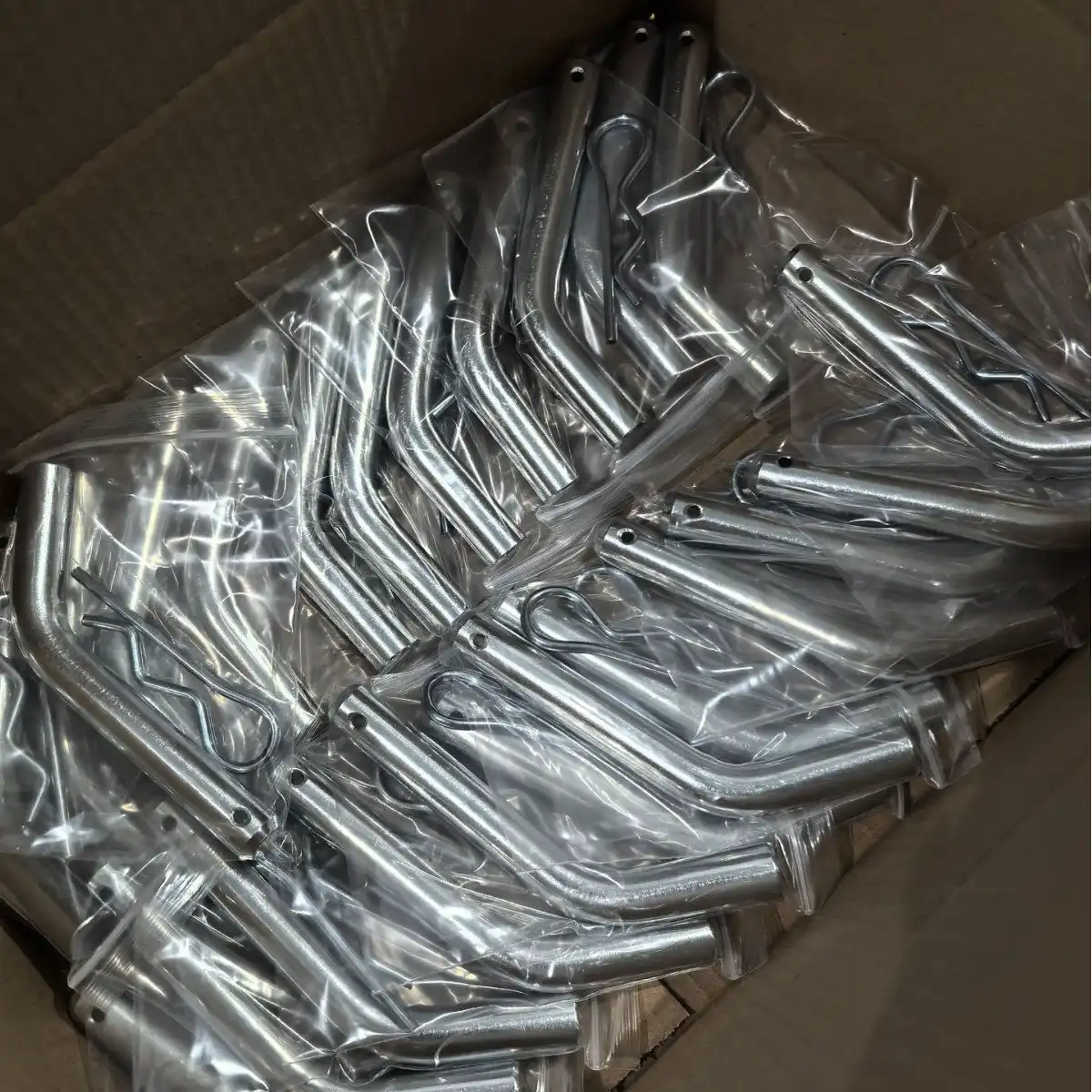
Understanding the Durability Challenges of Hitch Pin Locks
The hard conditions of industrial and business trailer operations make coupling security devices more likely to break down faster. Knowing about these problems helps buying managers choose parts that won't slow down fleet operations.
Material Vulnerabilities in Harsh Environments
Trailer security bolts are constantly being harmed by rain, salt on the roads, and changes in temperature. Standard carbon steel pins that don't have enough protective layers rust on the outside within weeks of being exposed to salt water or winter roads. This rust isn't just for looks; it causes binding that makes things less stable and makes it harder to operate smoothly. Corrosion engineering studies show that steel that is left exposed to saltwater can lose up to 30% of its cross-sectional width in just two years. Grades 304 and 316 of stainless steel are very resistant, and Grade 316 was designed to work in places with a lot of salt. Zinc plating is a cheap middle ground, but the thickness of the layer is very important. For effective outdoor performance, ASTM A641 standards say that zinc weights must be at least 240g/m². However, many imported goods don't meet this level.
Mechanical Wear From Vibration and Load Cycling
Transportation equipment is always shaking, which wears down bearing surfaces and loosens threaded connections over time. A business gardening company in Ohio kept track of when their utility trailers broke down early and found that road vibrations caused standard safety pins and hitch pin lock to come loose from coupler latches within 90 days. This problem was completely fixed when the new locking pins were properly sized. Load cycling is another way things can go wrong. The repeated stress of connecting and removing trailers can cause tiny cracks to form in lower-quality materials. These lead to catastrophic crashes after thousands of rounds. High-tensile steel wire with a tensile strength of more than 75,000 PSI is much better at stopping this kind of stress breaking than cheaper options.
Real-World Failure Analysis
A delivery center that was in charge of 200 trailers spread out over three stations gave useful information about how things tend to break down. Based on their maintenance records, 68% of security device changes were due to corrosion-related binding, 22% were due to physical damage during coupling operations, and 10% were due to the closing mechanism no longer working. A lot of the corrosion problems happened at their coastal port, while most of the damage at their high-volume urban plant, where rushed coupling was usual, was physical. This pattern shows how operating context determines material needs and stresses how important it is to use environment-specific specs when buying parts.
Key Principles to Maximize the Life of Your Hitch Pin Lock
With careful planning and regular upkeep, security bolts can be turned from one-time purchases into long-lasting investments. You can use these concepts in business, industry, and city settings.
Selecting Appropriate Lock Specifications
Matching the device's specs to its real-world use stops it from being over-engineered and from breaking down too soon. Trailer tongue locks have different shaft diameters. For example, 1/4-inch models are only meant to secure coupler latches and not carry pulling loads. Understanding this difference is important—choosing a larger 5/8-inch receiver lock for a coupler latch application costs more than it needs to and doesn't improve performance.
On the other hand, using gadgets that are too small for high-security tasks can lead to theft and loss. Because the trailer is submerged in water so often during launch, it has to be made of stainless steel. Heavy-duty zinc-plated choices work very well for RV fleet managers whose cars mostly work in dry climates. The type of load also plays a role in the choice. For example, utility trucks holding landscaping tools are put under different types of stress than enclosed cargo trailers. Designs with extra retention features that stop backing out on the road are good for uses that are prone to vibration.
Installation Best Practices
Most field mistakes can be avoided by installing things properly, which only takes minutes when done right. The order of placement is very important. First, clean the coupler latch mechanism well, getting rid of any dirt or old grease that might be blocking full entry. Check the receiving holes for any damage or warping that could make it hard to place the pin.
Fully insert the locking pin through both sides of the latch, making sure it goes through all the fixing places it's supposed to. For a hitch pin lock, you should be able to feel or hear proof that the locking device is working. Many devices have visual signs that show when they are properly locked; make sure you check this before you think the installation is finished. Forcing pins through holes that aren't quite lined up is a common mistake that leads to stress clusters that speed up failure. Taking the extra time to position parts correctly greatly increases the service life. When managing big fleets, write down the serial numbers during installation. This makes it possible to keep track of performance across different makers or material specs.
Maintenance Protocols That Extend Service Life
Systematic care turns average parts into ones that really shine. Set up regular inspection times that work with your working pace—every month for fleets that see a lot of use, every three months for fleets that see average use. When you check the whole thing, look for obvious corrosion, especially where the locking mechanisms are located because that's where water can build up. If the process isn't easy, there may be problems ahead. Any binding or resistance is a sign of trouble.
Take out the pin all the way and use a wire brush or gritty pad to clean every surface. This will stop rust from spreading. For moving parts and threads, use marine-grade oil instead of petroleum-based goods that get dirty quickly. When it's sandy or dusty, you need to clean more often because the gritty bits speed up wear a lot. During the winter, activities need extra care. After each trip through treated areas, road salt residue should be washed away. This level of alertness seems unnecessary until you think about how much it would cost to replace the whole fleet. By following cleaning and lubrication practices every three months, a distribution company with 150 trucks cut their annual budget for replacing security fasteners by 73%.
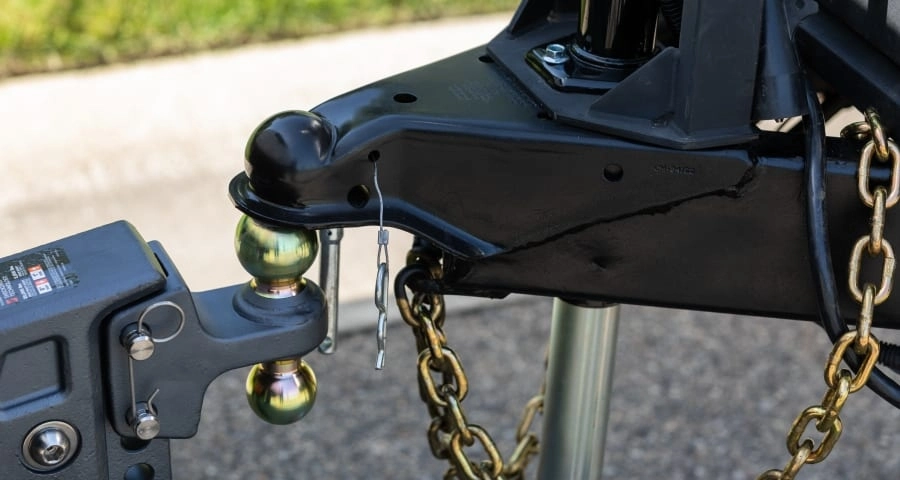
Comparison of Hitch Pin Lock Types and Their Lifespan Performance
How long linking security devices last in use is directly related to material science and mechanism design. Knowing these differences helps you make the best choices about buying.
Stainless Steel Versus Zinc-Plated Options
Tests in the lab and data from the field show big differences in how well different materials work. After 1,000 hours of constant exposure, devices made of Grade 316 stainless steel that were tried in accelerated salt spray tanks (per ASTM B117 guidelines) showed no corrosion that could be measured. Zinc-plated models that met ASTM A641 standards showed surface oxidation, but they stayed structurally sound and worked properly during the same test time. Less expensive copper coats were clearly broken after 400 hours.
The results in the lab are similar to what happened in the field. Marine uses regularly show that the extra money spent on stainless steel is well worth it. For example, a marina in Florida tracked the coupler locks on their hire boat trailers and found that stainless devices lasted an average of 8.3 years, while zinc-plated ones only lasted 2.1 years. The price difference (stainless units cost about 3.5 times as much as zinc-plated units) was a great deal because they lasted four times longer and didn't break down in the middle of the season during busy rental times.
Keyed Versus Combination Lock Mechanisms
When choosing a security device, you have to weigh the level of ease, security, and upkeep needs. Keyed systems work faster, which is very important in places with a lot of activity, like business freight ports. Keyed cylinders are also more reliable because they have fewer moving parts, which means fewer places where something could go wrong. A hitch pin lock follows the same keyed principle, offering quick, reliable security for trailer coupling points. Master keying makes fleet standardization possible so that all devices can be controlled by a single key. This makes planning easier for big operations.
Combination locks get rid of all problems with managing keys, so you don't have to worry about lost keys or workers not having access when they need it. This perk is especially helpful for businesses that have multiple jobs or seasonal workers. Maintenance needs are very different between the two types. For example, combination knobs need to be cleaned more often than marked cylinders because they collect dirt and dust that can make them not work smoothly. Most security reviews say that current keyed systems are slightly better at stopping picking attempts, but both types are good enough to keep thieves out of most business settings as long as they are properly set up.
Emerging Technologies in Coupling Security
When used in certain situations, magnetic lock designs are an interesting new idea. Rare-earth magnets hold the locking pins in place in these devices instead of standard mechanical locks. Since there are no springs or detents, there are no common wear spots. The magnetic forces work even when the surface is oxidized, making it very resistant to rust. Hybrid designs that combine mechanical security with magnetic retention offer double safety, so if one system stops working, the backup will still do its job.
At the moment, these more advanced choices cost 40–60% more than standard designs. This means that they can only be used in high-value situations where the extra cost is worth it for maximum stability. Infrastructure contractors who manage government contracts have started asking for hybrid devices to be used in important security applications. This is because they have been tested in the field for several years and have been shown to last longer in tough circumstances.
Procurement Strategies for Durable Hitch Pin Locks
Strategic buying methods make sure that the quality of the parts stays the same while lowering the total cost of ownership. Business-to-business buyers should know how choices about purchases affect the long-term dependability of fleets.
Evaluating Manufacturers and Supply Partners
Choosing where to buy something has effects that go far beyond the initial purchase price. Reputable companies back their products with long guarantees that show they really believe in the quality of their goods. When looking at possible suppliers, make sure you carefully read the warranty terms. The length of coverage, what it doesn't cover, and how to file a claim show what the maker values. Two years of flaws coverage means that the quality control is very good, while 90 days of coverage means that the goods are just average.
When making a lot of purchases, how quickly you can help customers is very important. When suppliers help with choosing specifications, they add real value that goes beyond the product itself. Companies with ISO 9001 certification show they care about quality management systems, but approval doesn't mean their goods are better. Request certificates of the materials that say the steel types and coating requirements meet the standards that have been set. Legitimate makers regularly send these papers, while suppliers who give vague answers probably sell low-quality parts.
Bulk Purchasing Benefits and Customization
Buying in bulk has benefits beyond lowering the cost per unit. When order amounts go above certain minimums, manufacturers usually offer customization choices such as engraving a serial number, color coding, or company branding. These features help asset management systems work and keep thieves away. A national company that rents out heavy equipment put serialized coupling security devices, including a hitch pin lock, on all of their 2,400 trailers. This made it possible to keep accurate records of how long each part lasts by operating area and usage intensity. The resulting data led to better replacement plans and showed which operating practices made wear happen faster.
Setting up long-term supply deals with qualified makers keeps prices stable and makes sure that products are always available. This is especially important for seasonal businesses that have trouble getting the supplies they need during times of high demand. Manufacturers like it when they know how many orders they will get, so they often offer better prices and guaranteed delivery times to customers who sign up for yearly buy deals.
Balancing Quality and Cost Considerations
When the full cost of ownership is looked at, the lowest price rarely shows the best deal. A $12 connection security device that needs to be replaced every 18 months is less cost-effective than a $28 unit that lasts six years. When you add up the costs of work to replace the parts and the money that could be lost because of theft or accidents caused by broken parts, the math looks even better.
Infrastructure companies who want to take on city projects have to balance high standards with limited budgets. It works best to use different levels of specs, with higher-quality parts for harsh environments and lower-quality choices for less demanding ones. This planned allocation makes the best use of the budget without putting safety at risk in important uses. It is often possible to save money by dealing directly with manufacturers instead of only going through distribution methods. This is especially true for buyers who can handle large import amounts.
Conclusion
Increasing the lifespan of linking security devices such as hitch pin locks from months to decades requires careful material selection, focused maintenance, and smart buying strategies. When matched to the right operating conditions, stainless steel and properly zinc-plated parts offer the corrosion protection needed for long-term use. Minor wear can't turn into failure if it's checked, cleaned, and oiled on a regular basis. Strategic sourcing from qualified makers guarantees stable quality, and choices for bulk buying and customization make fleet management easier. Cost-effective decision-making depends on being able to tell the difference between wear that can be fixed and damage that needs to be replaced. There is no doubt that these rules work for all business fleets, city facilities, and industry uses. When companies use organized methods for choosing, installing, and maintaining equipment, the parts last longer and the overall costs of ownership go down.
Partner With RUIRUI for Long-Lasting Trailer Security Solutions
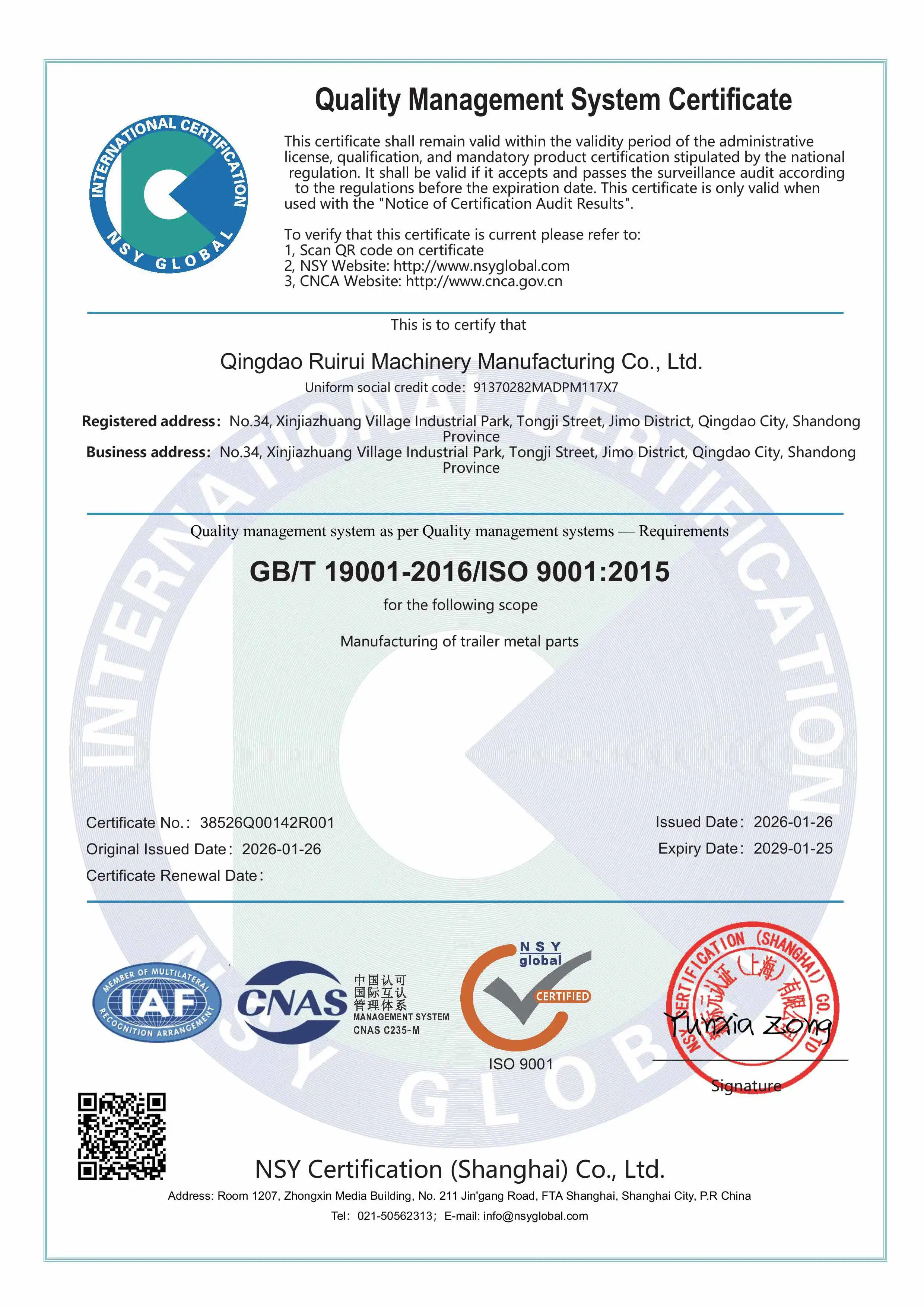
To make high-quality trailer connection parts, they must be carefully crafted and made from the right materials. RUIRUI is an expert at making long-lasting trailer pins, fasteners, and custom sheet metal goods that are designed to work in tough business and industrial settings. We can make things using progressive pressing, CNC machining, laser cutting, and high-tech surface processes like powder coating, galvanizing, and electrophoresis that make things very resistant to corrosion. We have been in business for over 15 years and are ISO 9001 certified. We serve infrastructure builders, equipment distributors, and fleet operators in over 80 countries with reliable hitch pin lock options. For OEM customization, our engineering team can help you choose parts that are exactly what you need for your operations. Get in touch with our purchasing experts at kshdhardware@qdkshd.com to talk about our relationships with bulk hitch pin lock suppliers, our ability to make products to order, and how RUIRUI's focus on quality can lower your total cost of ownership.
FAQ
1. What material provides the longest service life for trailer coupling locks?
It lasts the longest when made of grade 316 stainless steel, especially in salty settings like the ocean or on the road. This metal has molybdenum in it, which makes it more resistant to salt than regular 304 stainless steel. High-quality zinc plating that meets ASTM A641 standards is more durable and cheaper for use in mild regions where it won't be exposed to salt. The best choice for you will rely on your income and the conditions in your area.
2. How frequently should commercial fleets inspect coupling security devices?
Fleets that are used a lot and run every day should have inspections once a month, while fleets that are used a little more often should have inspections every three months. Vehicles that are used in harsh weather or surroundings that are toxic should be inspected more often. At each check, the item should be looked at visually for rust or damage, the locking mechanisms should be tested to make sure they work, and all moving parts should be cleaned and oiled.
3. Can damaged coupling security pins be repaired or must they be replaced?
Surface rust that doesn't cause loss of measurement can usually be fixed by cleaning the surface well and putting protective grease on it. Any cracks that can be seen, big rust holes, bent parts, or broken locking mechanisms need to be replaced right away instead of being tried to be fixed. Once structural integrity is lost, it can't be safely recovered. Since new parts aren't too expensive compared to what could go wrong if they fail, that's the smart thing to do when damage goes beyond surface oxidation.
References
1. American Society for Testing and Materials. "Standard Specification for Zinc-Coated (Galvanized) Carbon Steel Wire." ASTM A641/A641M-16, West Conshohocken, PA, 2016.
2. Davis, J.R. "Corrosion of Steel in Marine Environments: Performance Analysis and Prevention Strategies." ASM International Handbook Series, Materials Park, OH, 2018.
3. National Association of Trailer Manufacturers. "Best Practices for Commercial Trailer Coupling Systems: Maintenance and Specification Guidelines." NATM Technical Bulletin 47-2021, Alexandria, VA, 2021.
4. Peterson, M.L. and Williams, R.K. "Fatigue Life Analysis of High-Tensile Steel Fasteners Under Cyclic Loading Conditions." Journal of Materials Engineering and Performance, Vol. 29, No. 6, 2020, pp. 3847-3859.
5. Society of Automotive Engineers. "Mechanical Properties and Testing Standards for Trailer Security Hardware." SAE Standard J684, Warrendale, PA, 2019.
6. Thompson, A.C. "Comparative Durability Assessment of Protective Coatings for Outdoor Metal Hardware in Harsh Environments." Corrosion Science and Technology Quarterly, Vol. 15, No. 3, 2022, pp. 112-128.

Send Inquiry
You may like