
How to Replace a Trailer Hitch Pin Easily?
After learning the right way to do it, replacing a trailer hitch pin is a simple process. A trailer hitch pin is the most important safety part of your pulling system. It holds the ball mount or extra shank in place on your receiver tube. To change it, you need to take off the locking mechanism or holding clip, remove the old pin from the receiver tube, and check the opening for rust or debris. Then, put the new pin through holes that are lined up, and lock it in place with the right locking mechanism. This easy repair job keeps your tow equipment safe and in line with industry standards by preventing accidental decoupling while being moved.
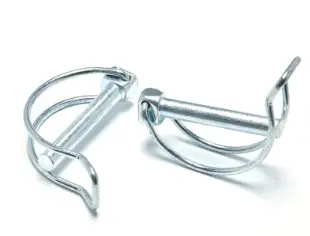
Understanding Trailer Hitch Pins: Types, Sizes, and Materials
The trailer hitch pin is the most important part of your pulling system because it keeps things from going wrong when you're moving big things. Knowing the differences between pin types, materials, and size standards helps procurement workers make smart choices that affect the safety of the fleet and the ease of operations.
Primary Function and Safety Role
The trailer hitch pin keeps the extension or ball mount from moving out of the receiver tube while it is being moved. When emergency stopping or driving at high speeds on the highway, this part can handle a lot of lateral shear forces and longitudinal strain. SAE J684 safety standards say that the pin is the main way that pulling units stay together, so it can't be skipped for compliance and liability reasons. When chosen and set up correctly, it removes the chance of trailer separation, which can lead to serious accidents, damage to property, and legal problems for businesses.
Material Composition and Durability
Steel is still the most common material for normal uses because it is cheap and has a high tensile strength. Heat-treated, hardened steel pins, such as those used in a trailer hitch pin, work better for heavy-duty industrial pulling because they can handle changing loads without deforming. Stainless steel versions are very resistant to rust, which makes them perfect for use in marine settings or places where road salt is used a lot. Mild steel pins work well for lighter-duty tasks, but they need to be maintained regularly to keep them from breaking down because of rust. The choice of material has a direct effect on the fleet's service life, repair times, and total cost of ownership.
Pin Types and Their Applications
For tasks that need to change tools often, standard pins with clip retention make it easy to connect and disconnect. Locking pins with key systems keep expensive ball mounts and extras from being stolen, which is especially useful in storage areas that aren't locked up. Cotter pin designs offer solid retention at lower prices, but they take longer to install and remove. Anti-rattle threaded pins stop the noise and shaking that come from tolerance gaps between the receiver and shank. This keeps fragile goods safe and makes long hauls more comfortable for the driver.
Size Selection and Load Capacity
To make sure the load is spread out evenly and to avoid mechanical failure, the pin width must match the class of your receiver. Class I and II hitches need pins with a diameter of 1/2 inch for receiver holes that are 1.25 inches wide. Class III, IV, and V hitches need pins with a diameter of 5/8 inch or bigger for openings that are 2 inches or wider. When you use a pin that is too small, it causes too much play, which makes hitch holes longer and greatly increases the risk of shear failure. The pin length needs to be long enough to fit the receiver tube width plus any extra thickness from devices that are attached. For business uses, this length is usually between 4 and 8 inches. By checking these specs before you buy, you can avoid expensive connection problems and make sure that your tow system works at its full capacity.
Step-by-Step Guide: How to Replace a Trailer Hitch Pin Easily
The right way to replace a trailer hitch pin will make it last longer and keep your receiving tube from getting damaged. By following organised steps, you can cut down on downtime and make sure that your repair teams can do this job well across your whole fleet.
Required Tools and Safety Equipment
To do the repair safely, you will need a few simple tools. Heavy-duty work gloves keep your hands safe from dangerous points and keep you from hurting yourself when you use force. You can take off the locking clips on normal pins with needle-nose pliers or a flathead screwdriver. Rust and corrosion can really hold pins in place, but penetrating oil can get rid of them. A wire brush is used to clean the receiver tubes of dirt and dust before putting in new pins. A plastic mallet lets you use controlled force to loosen up stuck parts without hurting the metal around them. When you're taking things apart, safety glasses protect your eyes from debris. This is especially important when working with rusted gear that could break at any time.
Removing Stuck or Corroded Pins
The most common problem during repair is that pins, including the trailer hitch pin, get stuck. First, put penetrating oil on both sides of the receiver tube where the pin goes. Then, give the solution at least 15 minutes to work into the worn threads. A small tap on the pin with a rubber mallet will break the corrosion link without hurting the pin or receiver. If the pin stays stuck, use a gas torch to heat the metal and make it a little bigger. Be careful doing this near fuel systems and painting surfaces, though. You should never use too much force that could bend the receiver tube, because that would weaken the whole hitch system. Some badly rusted pins may need to be cut with an angle grinder, which means the receiver tube needs to be inspected before a replacement is put in.
Proper Installation Technique
With a wire brush, clean the receiver tube well, getting rid of any rust, dirt, or old lube that might get in the way of inserting the pin. Make sure that the holes in the ball mount or extra shank line up perfectly with the holes in the receiver tube. You may need to change the shank depth to do this. Put in the new pin from the side that is easiest to get to, which is usually the driver's side for cars that are driven on the right. The pin should be able to slide through easily and without too much force, which means the parts are lined up correctly and there is enough space between them. Make sure that the pin doesn't come out when you handle it normally by attaching the holding clip or fully engaging the locking mechanism. Put a thin layer of anti-seize substance on non-locking pins to keep them from rusting in the future. Be careful not to use too much oil, as it attracts dirt and speeds up wear.
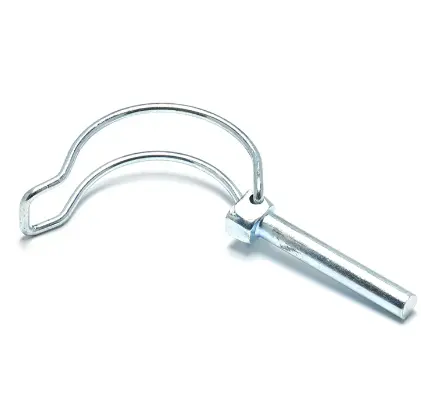
Selecting the Best Trailer Hitch Pin for Heavy-Duty B2B Applications
Heavy-duty industrial towing needs parts that can work effectively in harsh situations. The trailer hitch pin you choose has a direct effect on safety margins, upkeep costs, and how reliably they work in challenging situations.
Load Rating and Material Strength Considerations
Load number tells you how much weight the pin can safely hold while it's being towed. Gross trailer weights in Class V commercial uses often approach 10,000 pounds, putting a lot of force on the hitch connection spot. Heat-treated alloy steel pins have tensile strengths of more than 120,000 psi, which is strong enough for moving building equipment and big machinery. Standard mild steel pins might work for smaller tasks, but they could bend if they are put under heavy loads for a long time. Stainless steel is very good at resisting rust, but it usually has a slightly lower tensile strength than strengthened carbon steel. Instead of just picking the cheapest choice, procurement managers should fit the requirements of the materials to the conditions of use.
Locking Versus Non-Locking Designs
Ball clamps, which can cost several hundred dollars for heavy-duty Class V equipment, can't be stolen because they have locking pins on them, such as a trailer hitch pin. The built-in key system only takes seconds to work, but it offers strong security in parking lots that aren't locked up. Standard clip retention and non-locking pins make it easier to change equipment more quickly, which is helpful for businesses that often switch between different pulling setups. The simple clip design, on the other hand, doesn't stop theft, so it's not good for leaving expensive accessories unsupervised. Some more modern locking systems have waterproof caps that keep water out. This makes them easier to maintain than regular locking systems. You can figure out which design has a lower total cost of ownership by looking at your operational setting and the value of your tools.
Evaluating Suppliers and Bulk Procurement
Quality providers have strict testing procedures that make sure every batch meets the stated standards. ISO 9001 approval means that quality management systems are organised, but it doesn't ensure that the product will work. By asking for material certificates and test results, you can get proof of the material's tensile strength, hardness grade, and composition. Suppliers who already have links in the business tow field are likely to be able to give better technical help when choosing the right parts for a job. Bulk buying deals can cut costs per unit by a lot, but the minimum order amounts must match your real usage rates so you don't end up with too much inventory. Long-term supply partnerships offer stable prices and first picks during shortages in the market. This makes source dependability just as important as initial cost saves.
Best Practices for Trailer Hitch Pin Maintenance and Longevity
Systematic maintenance makes parts last longer and stops the trailer hitch pin from breaking down when least expected, which can stop activities. Using structured checking methods lowers the cost of replacements and raises the safety of the whole fleet.
Routine Inspection Protocols
Before every tow, the structure should be inspected visually to see if it has changed shape, worn out too much, or corroded in a way that makes it less stable. The holding clip needs to stay in place and work, since free clips tend to fall off while being moved. Check the holes in the receiver tube for extension. If they are longer, it means the pin has been moving during operation because it is the wrong size or there isn't enough retention. No matter what service hours are, any pin that has obvious bends, cracks, or material thinning needs to be replaced right away. The locking devices should work easily and without sticking, which means the internal parts are still working and are properly oiled.
Cleaning and Corrosion Prevention
Road salt, mud, and other debris that speed up rusting and cause operating problems can be removed by regular cleaning of the trailer hitch pin. Spray water on the pin and receiver tube to get rid of loose dirt, then use a wire brush to get rid of tough dirt. Thoroughly dry all areas to stop wetness buildup that could lead to rust. Non-locking pins can be kept from rusting by lightly covering them with anti-seize powder or marine-grade lubricant. This keeps the pins from getting too dirty. Locking pins need special oils made from graphite to keep the system working without clogging up the inside parts. Before installing, keep extra pins in a dry place with desiccant packs around them to keep them from rusting.
Common Installation Mistakes to Avoid
The most dangerous fitting mistake is using the wrong pin diameter, which leaves too much space between the pins and the trailer, allowing harmful movement during pulling. Forcing a pin through holes that aren't lined up right can damage both the pin and the receiver tube, which will cost a lot to fix. If you don't fully engage the locking or holding clip, the pin could come loose during transport, which could cause the whole hitch to fail. When you lubricate locking systems too much, you introduce contaminants that wear them down faster and stop them from working. It is very dangerous to use normal hardware bolts instead of hitch pins because building fasteners don't have the right material qualities and load values for towing.
Procurement Insights: Where and How to Buy Trailer Hitch Pins for Your Business
Strategic shopping makes sure that you always have access to high-quality trailer hitch pin parts while lowering the cost of buying them. Building ties with dependable suppliers gives you more than just price benefits when you're competing.
Trusted Sourcing Channels
Specialised industrial wholesalers keep a lot of stock and offer technical knowledge that generic providers can't match. These partners know what is needed for business towing and can suggest the right specs for different situations. Online markets are convenient and have good prices, but you have to be very careful to make sure that the products you buy are real and meet your needs. When you buy a lot of something, dealing directly with the maker will get you the best price and make sure that the quality is the same from batch to batch. Heavy-duty tow parts are often kept in stock by regional welder supply companies, and they can be delivered the same day if you need a repair right away.
Supplier Evaluation Criteria
Quality standards give people basic faith in the way things are made and the accuracy of the materials used, such as a trailer hitch pin. ISO 9001 certification shows that quality management is done in a planned way, while industry-specific certifications show that the company knows a lot about towing parts. How prompt your customer service is affects how quickly you can solve problems and keep operations running smoothly. Technical support helps you choose the right parts and figure out why your system isn't working right. On-time performance is an important review measure because it has a direct effect on how you handle your supplies and plan your operations. Support after the sale, such as guarantee coverage and handling of broken products, saves your investment and lowers the total cost of ownership.
Negotiating Volume Agreements
Setting up annual supply deals keeps prices stable and gives you special attention when there are shortages of supplies. Most of the time, volume agreements allow tiered price, which lowers the cost per unit as more are bought. Negotiating payment terms is a good way to improve cash flow management, especially for small businesses that don't have a lot of cash on hand. Putting performance standards and quality promises in contracts gives you options if the goods you get don't meet your needs. Building long-term relationships gives both sides reasons to keep improving and providing quick service, which is good for everyone.
Conclusion
To replace a trailer hitch pin, you need to know the right way to do it, what materials to use, and how to keep it in good shape so that it lasts for a long time. Failures can be avoided and the total cost of ownership can be lowered by choosing the right pin types based on load requirements, weather conditions, and operating needs. Systematic inspection and repair routines protect your fleet from sudden breakdowns and extend the life of parts. Strategic buying relationships give your organisation consistent access to high-quality parts at reasonable prices, which improves the efficiency of all of its operations. In tough industrial settings, replacing and maintaining these important safety parts the right way saves your equipment, workers, and company's image.
FAQs
1. How do I know when my hitch pin needs replacement?
Visible distortion, a lot of rust, or worn-out fastening systems are all signs that the item needs to be replaced right away. No matter how long it has been used, any pin that has cracks, bends, or material that is wearing away should be thrown away. If it's hard to put or take out the pin, it means that rust damage has occurred, which is unsafe. When the receiver tube hole doesn't fit snugly, it means that the tube is worn, which lets dangerous movement happen while pulling. These problems can be found before they cause crashes by inspecting the car every 5,000 miles or three months.
2. Can I temporarily use the wrong size pin?
It is very dangerous to use a pin with the wrong thickness, and it should never be okay to do so, even briefly. When pins are too small, they allow too much movement, which makes receiver holes longer and greatly raises the risk of failure. The play that results creates dynamic loads that are much higher than the pin's design limits. This could lead to a catastrophic failure during shipping. Safety rules are broken by this practice, and business activities are open to liability.
3. What distinguishes locking pins from standard designs?
Locking pins have key-operated devices that keep them from being taken off without permission, which keeps expensive ball mounts from being stolen. Standard pins have simple clips that can be taken off by anyone without tools. They don't offer any security but make it easier to switch out equipment. Locking designs usually cost two to three times as much as regular pins, but they're worth the extra money for safety in places that aren't locked down. Some locked versions have anti-rattle features that stop the shaking that usually happens with retention systems.
Partner with RUIRUI for Premium Trailer Hitch Pin Manufacturing Solutions
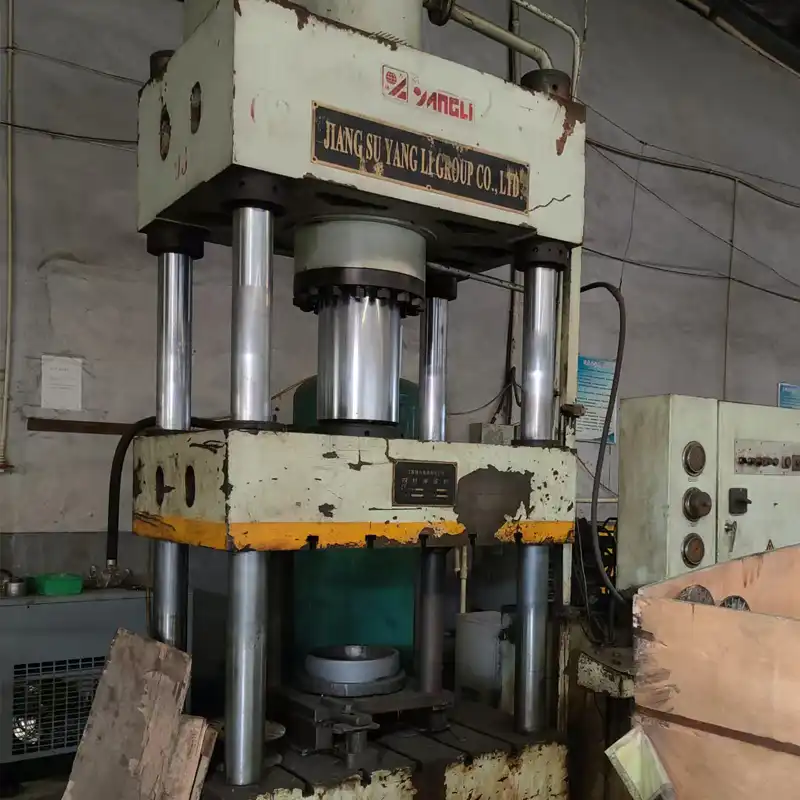
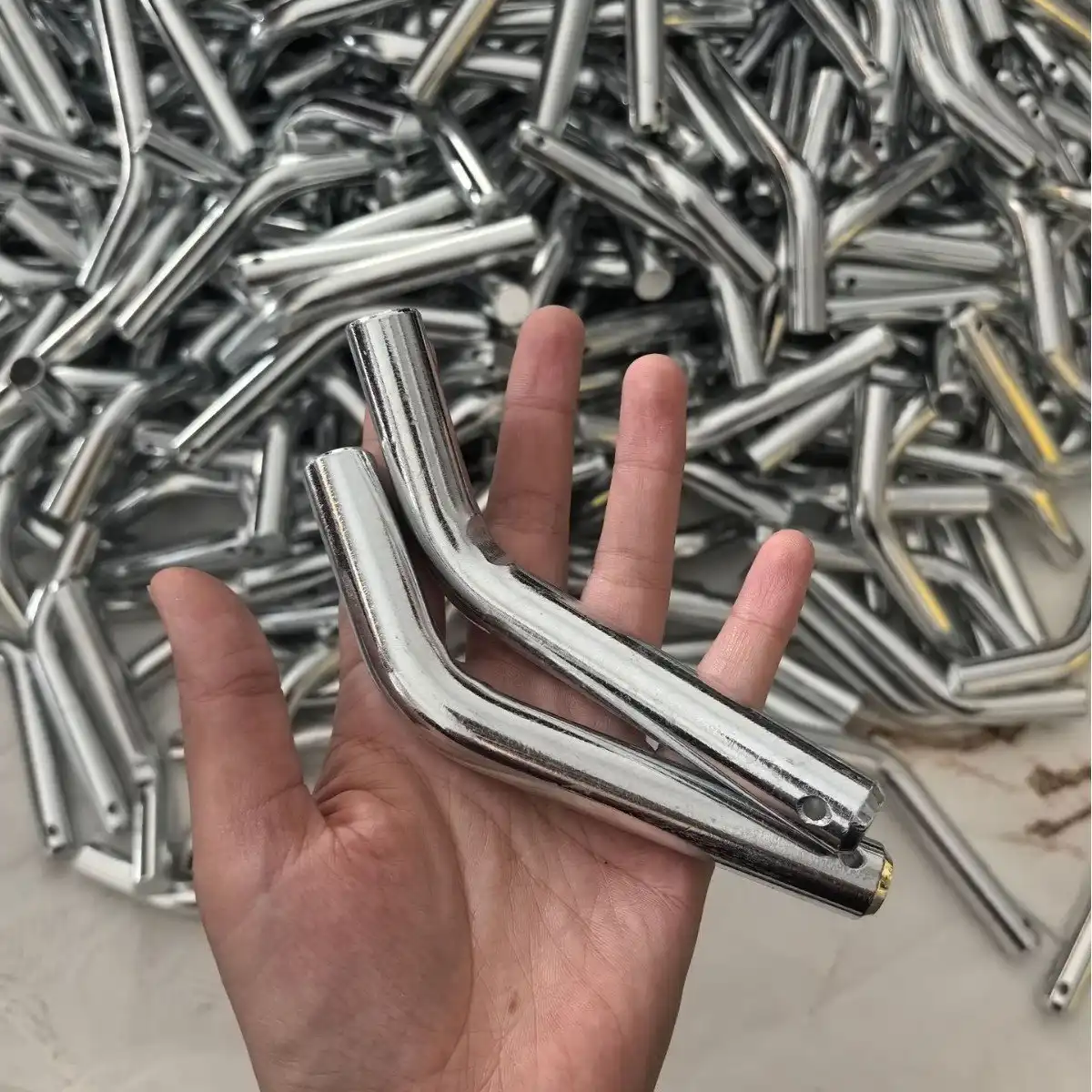
To make high-quality tow parts, companies need to have a lot of knowledge and know how to meet the strict needs of business applications. RUIRUI makes trailer hitch pins and trailer fittings that are very well-engineered and made to last in heavy-duty industrial settings. We can do advanced production techniques like progressive pressing, CNC machining, laser cutting, and powder coating, electrophoresis, and other surface processes that make things more resistant to corrosion. We work with infrastructure builders, equipment distributors, and fleet owners all over North America who need dependable providers of trailer hitch pins who can handle both small and large orders.
With certificates in ISO 9001, ISO 14001, and OHSAS 18001, we make sure that quality is strictly controlled throughout the whole production process. Our engineering team works directly with sourcing staff to come up with solutions that meet specific environmental conditions, load ratings, and size standards. We offer steady quality and full technical support, whether you need standard retention pins or unique locking designs with anti-theft features. Email our team at kshdhardware@qdkshd.com to talk about your needs and find out how our manufacturing skills can help you make your supply chain more reliable.
References
1. Society of Automotive Engineers. "SAE J684: Trailer Couplings and Hitches - Automotive Type." SAE International Standards, 2019.
2. National Highway Traffic Safety Administration. "Federal Motor Vehicle Safety Standards: Trailer Hitches and Coupling Devices." U.S. Department of Transportation, 2021.
3. American Welding Society. "Structural Welding Code for Sheet Steel: AWS D1.3/D1.3M." American Welding Society Publications, 2018.
4. International Organization for Standardization. "ISO 11407: Road Vehicles - Coupling Devices - 50 mm Clevis Coupling Pin and Jaw." ISO Standards Catalogue, 2020.
5. Trailer Hitch Association. "THA Guidelines for Commercial Towing Equipment: Selection, Installation, and Maintenance." Industry Technical Manual, 2022.
6. Materials Performance Institute. "Corrosion Prevention in Automotive Towing Systems: Material Selection and Surface Treatment Methods." Industrial Research Quarterly, 2023.

Send Inquiry
You may like