
How to Select OEM Trailer Coupler and Hitch Components for Your Market?
Inappropriate OEM trailer coupler and hitch component selection may result in expensive equipment damage, disastrous towing failures, and serious road safety hazards. Knowing how to choose and source these crucial components correctly is crucial for operational success and competitiveness in the market, regardless of whether you're a trailer manufacturer, distributor, or fleet operator dealing with issues like component compatibility, weight capacity discrepancies, or inconsistent supplier quality. This thorough guide covers the important factors, technical details, and supplier assessment standards that guarantee you choose the best OEM trailer coupler and hitch components for your particular market needs.
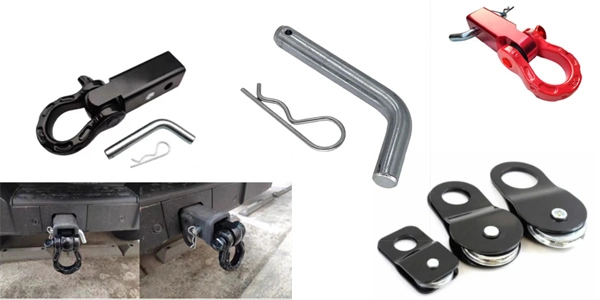
Understanding OEM Trailer Coupler and Hitch Components Selection Criteria
Successful procurement choices are based on an awareness of the basic selection criteria for sourcing OEM Trailer Coupler and Hitch Components for your market. One of the most crucial parts of any towing system is the trailer coupler, which acts as the vital link between the towing vehicle and the trailer. Choosing the incorrect coupler type, capacity, or configuration may lead to major financial losses for your company's operations as well as equipment failure, accidents, and liability problems. Determining the particular towing applications of your target market is the first step in assessing OEM trailer coupler and hitch components. While recreational trailer markets usually use standard ball couplers in the two thousand to seven thousand pound capacity range, agricultural operations require heavy-duty gooseneck couplers capable of handling loads exceeding twenty thousand pounds. Which OEM parts will satisfy your clients' operating needs depends directly on whether they drive utility trailers, livestock haulers, RVs, enclosed cargo trailers, or industrial equipment carriers.
Another important consideration when purchasing OEM Trailer Coupler and Hitch Components is material selection. Depending on the needs of the application, high-quality producers use stainless steel, aluminum alloys, or premium steel alloys. While aluminum components provide corrosion resistance for maritime or coastal areas where salt exposure speeds up material deterioration, steel couplers offer remarkable strength and durability for heavy-duty applications. Component quality is also affected by the manufacturing process; components made using deep drawing, progressive stamping, and precision CNC machining have better structural integrity and tighter tolerances than those made using simple casting techniques. Powder coating, zinc plating, anodizing, and electrophoresis are examples of advanced surface treatments that improve corrosion resistance and prolong component service life. These treatments are especially crucial for equipment that operates in harsh environments.
Weight Capacity and Load Rating Requirements
When choosing OEM trailer coupler and hitch components for any market area, the most important technical factor is the appropriate weight capacity standard. Each coupler has to have a gross trailer weight rating that either matches or surpasses the maximum loaded weight of the trailers in your intended market. Light utility trailers normally have a capacity rating of two thousand pounds, whereas heavy-duty commercial and agricultural applications often have a capacity rating of thirty thousand pounds. It is crucial to comprehend the difference between gross trailer weight and tongue weight. While gross trailer weight includes the entire loaded trailer mass, including cargo, fuel, and equipment, tongue weight usually makes up ten to fifteen percent of the total trailer weight and applies downward force to the hitch ball. The crucial mistake that many purchasers make is choosing couplers just on the basis of their stated capacity without confirming that they adhere to industry safety regulations. Reputable manufacturers of OEM trailer coupler and hitch components provide thorough capacity certifications and test paperwork along with stringent testing procedures that go above and beyond the bare minimum of safety regulations. Request thorough technical specifications, such as ultimate tensile strength data, fatigue test results, and certification documentation attesting to compliance with regional safety legislation and ISO quality standards, when assessing possible vendors. The manufacturer's dedication to creating dependable, safety-tested goods that safeguard end users and reduce distributors' and dealers' liability risk is shown by components that satisfy IAFT quality requirements and have the appropriate certifications.
Undersized OEM trailer coupler and hitch components have effects that go beyond only short-term safety issues. Latch mechanisms, pivot points, and structural elements experience increased wear when couplers work close to or over their rated capacity. Increased warranty claims, unhappy customers, and possible product recalls as a result of this early deterioration harm a brand's image and financial success. On the other hand, excessive component size needlessly raises material prices and product weight without offering any appreciable performance gains. The best course of action is to use couplers that are rated between twenty and thirty percent higher than average operational loads. This will provide a sufficient safety margin while keeping costs down and component weights appropriate for the application.
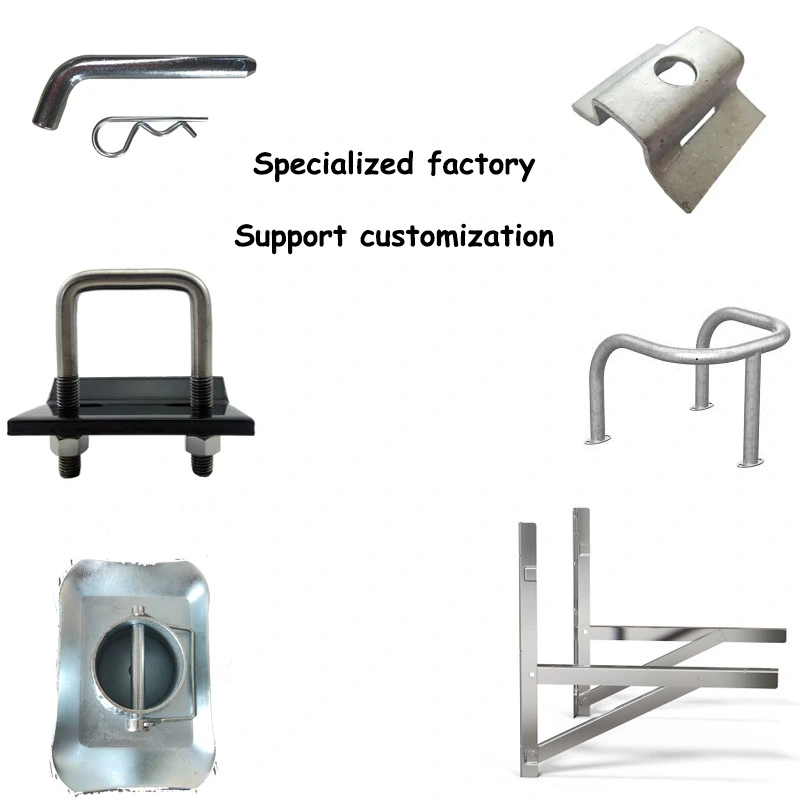
Coupler Type Selection Based on Trailer Configuration
Certain coupler designs are needed for various trailer tongue configurations in order to provide a good fit, secure operation, and ideal load transfer properties. Choosing OEM trailer coupler and hitch components that complement the most popular trailer designs in your target market simplifies inventory control and guarantees component compatibility across your product line. Straight-tongue couplers, A-frame couplers, gooseneck couplers, adjustable channel couplers, fifth-wheel couplers, and customized designs for particular uses are the most popular coupler types. For light-duty utility trailers, boat trailers, and compact cargo haulers, straight-tongue couplers are the most cost-effective choice since they connect straight to single-tube trailer frames. In the recreational trailer sector, where end users may handle their own maintenance and repairs, these bolt-on designs are popular since they make installation and replacement simple. In contrast to A-frame designs, straight-tongue arrangements have a less range of flexibility, which might result in stress concentration at the mounting points while navigating fast curves or rough terrain. Straight-tongue couplers provide strong benefits for trailers that are predominantly used on paved roads and have low load requirements when purchasing OEM trailer coupler and hitch components for markets that prioritize cost effectiveness and simplicity of installation.
A-frame couplers are stronger and more stable than straight-tongue versions because they divide loads between two frame members in a triangle shape. During towing operations, the dual-member connection improves load distribution and considerably lessens the strain on individual mounting points. When choosing an A-frame coupler, it's important to consider the frame angle. While most typical designs support fifty-degree frame angles, certain trailers use sixty-degree or other non-standard arrangements that call for unique solutions. A-frame tongue designs are often specified by equipment hauler fabricators, enclosed trailer builders, and RV manufacturers because of their improved handling qualities and increased structural integrity. Stocking OEM Trailer Coupler and Hitch Components with A-frame configurations in a variety of capacity ratings guarantees that you can meet a wide range of client needs when focusing on these market sectors.
Specialized Coupler Designs for Heavy-Duty Applications
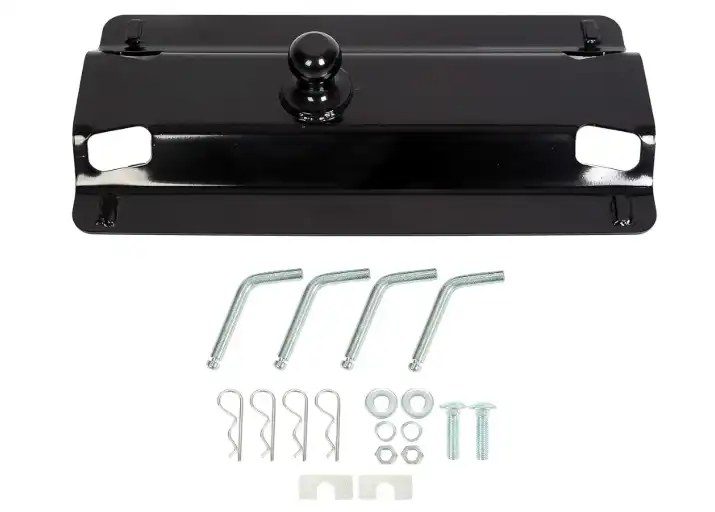
Specialized OEM trailer coupler and hitch components made for demanding working conditions and high loads are needed for heavy-duty commercial and agricultural industries. Gooseneck couplers provide outstanding stability and load capacity for trailers transporting heavy machinery, animals, or substantial cargo loads. They install over a ball hitch placed in the truck bed of the tow vehicle. Compared to traditional rear-mounted hitches, the overhead mounting arrangement significantly improves weight distribution and vehicle handling by placing the pivot point precisely above or ahead of the back axle. Gooseneck systems can support loads ranging from 15,000 to 30,000 pounds on a regular basis, and their vertical load limitations are far greater than those of traditional tongue weight ratings. Fifth-wheel couplers provide the most stability and towing capability for big recreational vehicles and commercial trailers by using a kingpin and jaw arrangement akin to semi-truck trailer hookups. At high speeds, these systems retain rock-solid highway stability while offering exceptional agility in tight corners. Fifth-wheel layouts are ideal for businesses needing maximum cargo capacity and excellent ride comfort, or for manufacturers aiming to reach the luxury RV market. Prioritize vendors with cutting-edge features like self-adjusting mechanisms, noise-reducing dampers, and integrated safety systems that prevent unintentional disengagement when assessing OEM trailer coupler and hitch components for these applications.
For commercial fleets using a variety of tow vehicles or applications needing accurate trailer leveling, adjustable channel couplers provide the vertical height adjustment capabilities that are crucial. These designs accommodate varying vehicle heights without the need for several fixed-height components thanks to sliding mechanisms that move vertically inside mounting brackets. For rental fleets, multi-vehicle operations, and work trailers that interact with different truck designs, the modification flexibility is very helpful. Compared to fixed-mount solutions, adjustable systems need more stringent maintenance procedures because they increase mechanical complexity and possible failure areas. When looking for OEM trailer coupler and hitch components that are adjustable, be sure the locking mechanisms have positive engagement to avoid unintentional adjustment while in use.
Latch Mechanism Features and User Convenience
Any trailer coupler's latch mechanism is its functional core, having a direct impact on operational safety, security, and convenience of use. In order to improve user experience and lower operator error, modern OEM trailer coupler and hitch components include a variety of latch designs, from simple manual systems to complex automated mechanisms. Knowing the benefits and drawbacks of various latch technologies enables you to choose parts that satisfy the needs of your target market in terms of affordability, dependability, and ease. With conventional manual latches, the coupler must be positioned over the hitch ball before the operator manually engages the locking mechanism. Lever-activated systems, trigger latches, and collar-lock mechanisms that provide tactile feedback verifying correct engagement are some of these tried-and-true designs. Excellent dependability, a simplistic design with few moving parts, and easy repair processes when maintenance is required are all advantages of manual systems. The main drawback is the possibility of human error, which might lead to hazardous circumstances if operators fail to properly engage the latch or mistakenly believe that the connection is right. Price-conscious markets where ease of use, field serviceability, and cheap starting cost are more important than convenience features are best suited for manual latch designs.
The user experience is completely transformed by automatic latching mechanisms, which do away with human engagement procedures. These self-locking designs operate flawlessly and drastically reduce connection faults by clamping onto the hitch ball as soon as it is positioned. Automatic systems are especially useful for situations involving frequent coupling and uncoupling during the workday, high-volume trailer rental enterprises, and lone operators. Although the additional mechanical complexity may need more specialist servicing techniques, the improved convenience and safety margins in many market areas justify premium price. Examine the reputation of the locking mechanism design and confirm the availability of replacement parts for long-term serviceability when assessing automated OEM trailer coupler and hitch components.
Corrosion Resistance and Environmental Protection
For OEM Trailer Coupler and Hitch Components, corrosion resistance is a crucial decision element since environmental factors have a significant influence on component lifetime and performance characteristics. While equipment used in agricultural activities comes into contact with fertilizers, manure, and soil chemicals that speed up corrosion processes, trailers working in coastal locations are constantly exposed to salt spray, which quickly deteriorates exposed steel components. Conditions in northern areas that use road salt in the winter are as difficult and may kill poorly shielded components in a single season. Diverse environmental protection levels are offered by advanced surface treatment methods, catering to a range of market demands and pricing ranges. Trailers operating in moderate climates with little exposure to strong chemicals or salt conditions may benefit from the affordable corrosion protection provided by basic powder coating. Zinc plating is the industry standard for general-purpose applications that balance durability and affordability, and it offers excellent protection against oxidation. Although hot-dip galvanizing raises component prices and may impact dimensional tolerances, necessitating rigorous quality control, technique produces thick zinc coatings with remarkable endurance in harsh settings. Although stainless steel construction completely removes corrosion issues, it comes at a significant price premium, which restricts its use to niche sectors where maximum longevity is more important than initial cost considerations. Match surface treatment criteria to the real operating conditions your customers experience when purchasing OEM Trailer Coupler and Hitch Components for certain regional markets. While inland agricultural markets may tolerate powder-coated items with reduced beginning costs and a respectable service life, coastal dealers should give priority to zinc-plated or stainless components. Offering a variety of finish choices gives manufacturers the flexibility to cater to different market groups without keeping an excessive amount of inventory of essentially identical components that vary only in surface treatment.
Supplier Evaluation and Quality Assurance Standards
For OEM Trailer Coupler and Hitch Components, choose the proper manufacturing partner is just as crucial as picking the correct component specs. Your company's reputation, warranty expenses, and customer satisfaction levels are all directly impacted by the quality, consistency, and dependability of your supply chain. A thorough supplier assessment that looks at technical support resources, production capabilities, and quality management systems guarantees that you work with suppliers that can satisfy your long-term business needs. An evaluation of a supplier's manufacturing capabilities should look at their infrastructure for quality control, process technology, and production equipment. Automated production lines with robotic welding, computer-controlled machining centers, and precision stamping equipment are used by advanced manufacturers to produce goods with strict dimensional tolerances and consistent quality. Even during times of high demand, businesses with many manufacturing lines show that they can manage big orders while keeping lead times manageable. Manufacturers that produce more than 100,000 units a year usually realize economies of scale that allow for reasonable price without sacrificing quality requirements. Forward-thinking businesses make investments in R&D teams to continually enhance designs, create novel features, and modify goods to meet changing market demands.
Certifications for quality management systems provide impartial proof of a manufacturer's dedication to reliable process and quality control. While ISO 14001 certification shows conformity with environmental management systems, ISO 9001 certification confirms the organization's use of complete quality management standards. Certifications in occupational health and safety, such as OHSAS 18001 or ISO 45001, attest to appropriate workplace safety procedures that safeguard workers' well-being. Multiple-certified manufacturers usually have strict internal controls and documentation processes in place, which results in dependable product quality and traceable production records. Prioritize businesses that exhibit certifications relevant to your market needs and regulatory environment when assessing possible suppliers of OEM trailer coupler and hitch components.
Technical Support and Customization Capabilities
Outstanding OEM providers are distinguished from distributors of commodity components by their extensive technical assistance. When special needs emerge, top manufacturers have engineering teams on hand that can help with application support, bespoke design adjustments, and problem-solving. When breaking into new market niches, handling unique client applications, or creating private-label items that stand out from the competition, this knowledge is quite helpful. Without compromising on features or standards, suppliers providing OEM support services may modify pre-existing designs or create entirely unique solutions that meet your unique needs. Beyond product design, customization possibilities include branding, packaging, and marking choices that improve your market placement. Through the use of economies of scale and supplier manufacturing skills, private labeling enables distributors and trailer manufacturers to establish brand awareness. In addition to providing a polished appearance that affects dealer-level purchase choices, custom packaging designs safeguard goods throughout transit. Businesses at different phases of development are accommodated by suppliers that provide variable purchase sizes. While established organizations demand bulk procurement alternatives and perhaps long-term supply contracts that guarantee price stability and continuous availability, startups require smaller first orders.
Throughout the product lifespan, customer satisfaction and total cost of ownership are greatly impacted by the quality of after-sales services. Technical support teams that are responsive assist with installation inquiries, fix operating problems, and provide advice on maintenance and servicing protocols. In addition to shielding your company from unnecessary warranty expenditures, clear warranty policies and effective claims handling show manufacturer confidence in product quality. By keeping a thorough parts inventory, suppliers guarantee that replacement parts will be accessible for the duration of the anticipated product's service life, avoiding circumstances in which simple repairs become difficult because discontinued parts necessitate the replacement of the whole assembly.
Material Selection and Manufacturing Process Impact
The performance, longevity, and cost structure of OEM Trailer Coupler and Hitch Components are largely determined by the materials and manufacturing techniques used. Making well-informed procurement choices that maximize the balance of quality, performance, and price for your target market requires an understanding of the links between material attributes, fabrication techniques, and final component characteristics. Because of its superior strength-to-weight ratio, ease of welding, and affordability, mild steel continues to be the most popular material for general-purpose trailer couplers. Compared to hot-rolled alternatives, cold-rolled steel provides higher surface quality and dimensional precision, resulting in components with tighter tolerances and a more attractive appearance. Depending on design goals, high-strength steel alloys may save weight or increase safety margins by offering improved load capacity within comparable component dimensions. By embedding corrosion protection into the base material instead of needing separate finishing procedures, coated steels that include zinc or other protective layers during manufacture expedite production. For situations where corrosion resistance and weight reduction are more important than absolute load capacity, aluminum alloys provide strong benefits. Aluminum OEM Trailer Coupler and Hitch Components are often used by marine trailer makers because they can endure continuous exposure to seawater without experiencing the corrosion problems that steel equivalents do. Aluminum's reduced density greatly lowers component weight, which is advantageous for situations where payload capacity or fuel efficiency are directly impacted by trailer weight. The advantages of corrosion resistance may be outweighed by higher material costs since aluminum's weaker strength than steel requires bigger component cross-sections to meet equal load ratings. Whether aluminum or treated steel components provide better value for certain applications depends on a thorough cost-benefit analysis that takes into account lifespan expenses rather than the initial purchase price.
Advanced Manufacturing Technologies
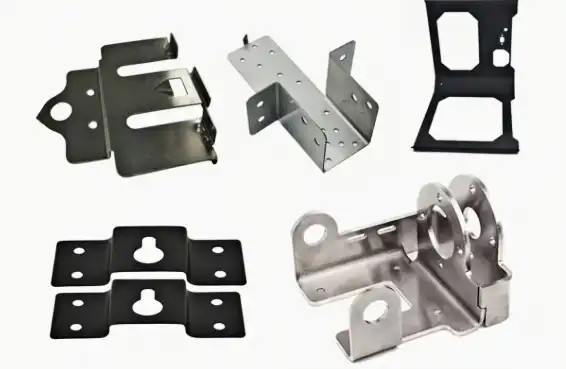
When compared to traditional manufacturing techniques, modern metalworking technologies greatly improve the quality and uniformity of OEM trailer coupler and hitch components. Progressive stamping processes create complicated component geometries with high dimensional precision and low labor costs by carrying out many forming phases in automated sequences. Deep drawing techniques produce intricate three-dimensional structures and smooth cup shapes that are unattainable with simple bending procedures. Higher production quantities with consistent quality are made possible by these sophisticated forming procedures, which also minimize welding needs that may be failure sites and decrease material waste. Crucial elements like mounting holes, pivot points, and latch engagement surfaces may be precisely fabricated thanks to CNC machining capabilities. Regardless of batch size or production time, computer-controlled equipment ensures consistent fit and performance by maintaining tight tolerances throughout production cycles. complicated designs that maximize material utilization and structural efficiency are made possible by laser cutting technology, which creates precise edges and complicated features in flat and formed materials. Robotic welding systems eliminate the unpredictability that comes with hand welding processes while providing high joint strength, uniform bead appearance, and consistent penetration.
Deburring, polishing, wire drawing, and etching are examples of secondary procedures that improve the final components' visual appeal and functional performance. Sharp edges that might injure workers during installation or produce stress concentration spots that are vulnerable to fracture initiation are eliminated by deburring. Polishing procedures enhance surface smoothness, lowering sliding interface friction and producing a polished look that is prized in high-end market niches. In order to ensure that future surface treatments adhere properly, sonic cleaning eliminates impurities, scale, and manufacturing residues. These final processes set high-quality manufacturers apart from their less expensive rivals that put short-term manufacturing costs ahead of long-term component performance and customer happiness.
Market-Specific Considerations and Regional Requirements
Understanding regional preferences, legal requirements, and application-specific priorities—all of which vary greatly between geographic markets and industry segments—is essential to choosing OEM Trailer Coupler and Hitch Components for your market. Because towing vehicle layouts, road conditions, and regulatory frameworks vary in Europe, components designed for North American utility trailer markets may not be appropriate for agricultural uses in Europe. Your component selection will be in line with client expectations and compliance standards if you do a thorough market investigation to uncover these aspects. Regional differences in regulatory regimes have an influence on permissible component designs, necessary certifications, and liability issues. Compared to North American criteria, European markets operate under distinct standards, which may call for certain testing procedures or design changes to ensure compliance. The choice of components and procurement tactics are impacted by some countries' regulations for certain safety features, corrosion protection levels, or markings. Knowing these rules helps you avoid expensive compliance problems and guarantees that your items are sold in target markets lawfully without putting your company at risk of responsibility or fines. Even within comparable trailer categories, application-specific requirements have a considerable impact on the best component selection. Operators of rental fleets place a higher value on robustness, usability, and resilience to misuse by novice users than on characteristics like weight optimization. In order to meet rigorous consumption patterns, commercial operations place a strong emphasis on dependability, continuous availability, and low downtime needs. Aesthetic appeal, perceived value, and convenience of installation may be more important to recreational users than extreme durability or maximum capacity. In order to endure continuous contact to fertilizers, manure, and field conditions, agricultural clients working in hostile settings need components that combine heavy-duty design with superior corrosion resistance.

Conclusion
A thorough assessment of technical specifications, manufacturing quality, supplier capabilities, and market-specific needs is necessary when choosing OEM trailer coupler and hitch components. Matching component attributes to real application requirements and collaborating with manufacturers that have established quality procedures and extensive support capabilities are essential for success. This tactical strategy supports your company's expansion and competitiveness in the market while guaranteeing safe, dependable goods that meet consumer expectations.
Cooperate With Qingdao RUIRUI Machinary Co., LTD.
Qingdao RUIRUI Machinary Co., LTD. provides complete solutions for companies looking for High Quality OEM Trailer Coupler and Hitch Components as a top China OEM Trailer Coupler and Hitch Components manufacturer and supplier. With more than 15 years of management expertise, we were founded in 2016 and specialize in creating trailer accessories using sophisticated production techniques such deep drawing, CNC machining, laser cutting, progressive stamping, and precision welding. One hundred thirty thousand pieces are produced annually by our eight manufacturing lines, which can accommodate both large-volume procurement needs and small-batch customisation.
In order to guarantee constant quality and adherence to global standards, our China OEM Trailer Coupler and Hitch Components manufacturer maintains certifications such as ISO 9001, ISO 14001, ISO 20000, and OHSAS 18001. We use cutting-edge surface treatments including powder coating, zinc plating, anodizing, and electrophoresis to process a variety of materials, including mild steel, stainless steel, copper, brass, aluminum alloys, and more. As a seasoned China OEM Trailer Coupler and Hitch Components wholesale supplier, we give competitive OEM Trailer Coupler and Hitch Components pricing structures, quick delivery times, and expert packing to guarantee that goods reach destinations in eighty countries worldwide without incident.
Our engineering staff offers thorough technical assistance throughout the procurement process, regardless of whether you need OEM Trailer Coupler and Hitch Components for sale in conventional configurations or need bespoke designs that satisfy special requirements. To discuss your needs, request samples, or get comprehensive quotes, send an email to info@qdkshd.com. Save this page to your bookmarks for use in the future when assessing vendors or defining parts for your business. Join together with RUIRUI Machinery to have access to dependable, OEM trailer coupler and hitch components that are certified and supported by outstanding customer service and shown production quality.
References
1. Society of Automotive Engineers. "Trailer Coupling and Hitch Systems Standards Manual." SAE International, Technical Committee J684.
2. National Highway Traffic Safety Administration. "Trailer Hitches and Towing Safety Guidelines." U.S. Department of Transportation, Federal Motor Carrier Safety Administration.
3. International Organization for Standardization. "Road Vehicles - Trailer Couplings - Part 1: Requirements for 50mm Ball Type Towing Couplings." ISO 1103-1:2014.
4. American Welding Society. "Structural Welding Code for Steel Trailer Components." AWS D15.1/D15.1M Standards Committee.
5. Institute of Agricultural Engineers. "Agricultural Trailer Design and Safety Specifications." Agricultural Equipment Technology Conference Proceedings, 2023.

Send Inquiry
Related Industry Knowledge
- Top Sheet Metal Fabrication Methods for OEM Production
- Best Trailer Coupler Locks to Prevent Theft in 2025
- How Custom Trailer Accessories Improve Safety & Load Control?
- Anti-Rattle Heavy-Duty Hitch Tightener for 1.25" and 2" Hitches
- Like a Lock for Your Hitch: Universal-Fit Tightener for Zero Movement & Maximum Security
- Industrial-Grade Metal Hinge: The Fastest-Growing Category in 2025 Hardware Market
- Towing 101: Guide to Hitch Pin Sizes
- What Materials Are Suitable for Fabricating a Gooseneck Hitch Ball Plate?
- Are Trailer Hitch Tighteners Secure?
- What applications are Zinc Plating Square Pins used in?