
How to Use a Coupler Lock for Maximum Security?
Companies involved in construction, logistics, and fleet operations must ensure that trailers are protected against theft and unauthorized towing. A coupler lock prevents the trailer coupler from being connected to the hitch ball, effectively stopping unauthorized use. Unlike hitch pin locks or wheel locks, coupler locks focus on securing the connection point between the trailer and the tow vehicle, making them an essential part of a layered security strategy. When properly installed, they significantly increase the difficulty of removing or towing the trailer. It is also important to select a lock that matches the coupler size (such as 2" or 2-5/16") to ensure proper fit and effectiveness. Ultimately, correct installation, regular maintenance, and integration with broader security measures are more critical than simply investing in the lock itself.
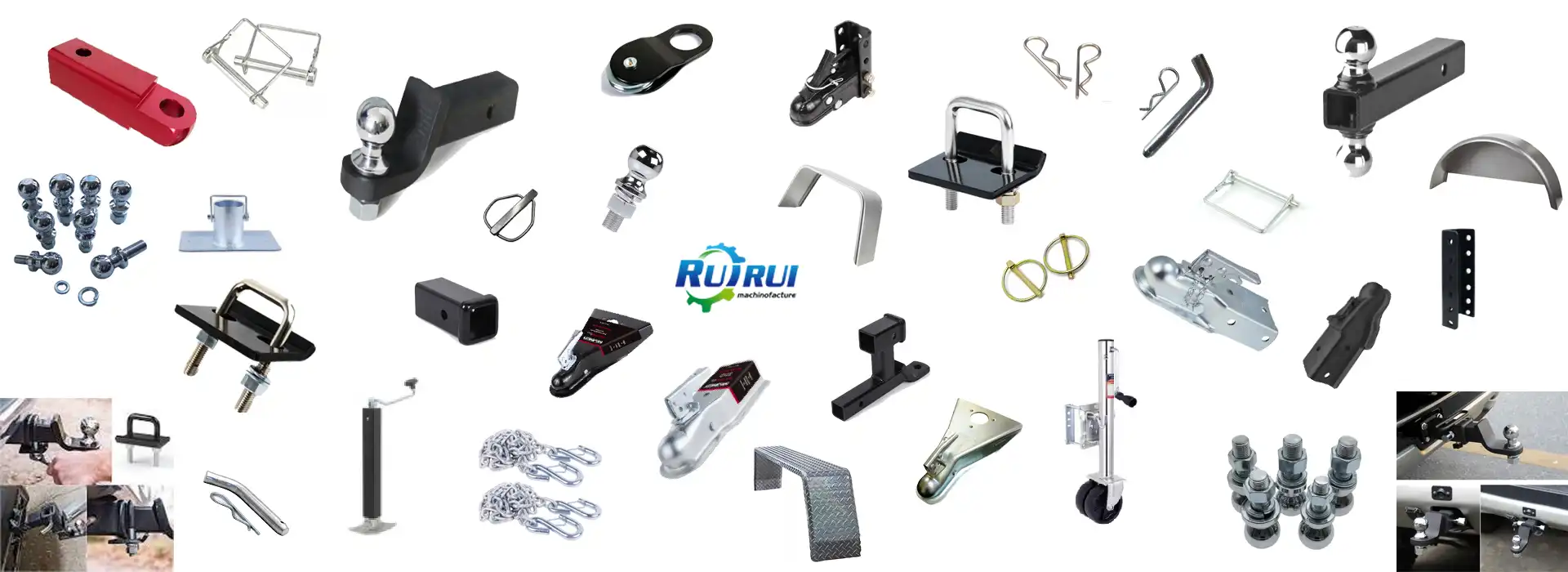
Understanding Coupler Locks and Their Security Benefits
Truck theft costs North America a lot of money every year. People steal tools that aren't locked down when they break into stores, work sites, and other business buildings. The coupler lock fixes this flaw by physically blocking the most important link point.
How Coupler Locks Differ from Standard Hitch Security
But hitch pins don't stop the link from being made. After it's been made, they only keep it safe. A certain kind of lock can fit over or inside the joint. The coupler can't fall onto any hitch ball because of this lock. Thieves can try to steal cars that are left alone in public spaces or on the job without being caught. This difference needs to be known. Some trailer ball couplers are made of cast metal steel and have zinc or powder on them. It's harder to get in now that the device is there; it now protects itself.
Types of Locks Available for Industrial Applications
There are lots of different goods because every business has unique safety needs. These are cheap and easy to use, which makes them good for small groups where keys are easy to find. Heavy-duty ones, including the coupler lock, can't be broken or cut because they are made of steel that has been strengthened. This is important for trucks that carry expensive goods or tools. There are some builders who put in alarms that go off when the walls are broken. One more thing to keep people out. When you use tumblers, it's easy to pick the keys, but not when you use magnetic keys. This type of key is safe and easy to use for cars where the keys need to be put together and taken apart a lot.
ROI and Compliance Advantages for B2B Procurement
Not only do these safety tools keep things safe from thieves, they also help your business in other ways. Fleets can get lower rates from insurance companies if they take steps to keep their goods safe. We can use these savings to buy the tools we need every year. People who are in charge of making sure rules are followed know that good locks help them follow the rules set by OSHA and the transit system that say loads must be kept safe. They know it's worth it to keep everyone safe because fixing a stolen trailer costs between $12,000 and $50,000 and takes time off work. A good choice for sources is a company that has ISO/TS16949 certification. The parts will then be sure to meet the needs of the car business. The most weight that your trailer can hold is 20,000 pounds. The steel in this type is used to make strong things that will last.
Step-by-Step Guide to Installing a Coupler Lock for Maximum Security
If a lock really keeps you safe or just makes you feel safe, is up to how well it is put. The tool might not work right or thieves might be able to get around it.
Selecting the Appropriate Lock for Your Trailer Configuration
You need to start with the right sizes so that everything fits. Commercial trailers usually have ball sizes of 1-7/8", 2", or 2-5/16". Before you buy, measure the opening for the coupler or look at the trailer's specification plate. You should also pay attention to the weight capacity; a 3,500-pound utility trailer needs different protection than a 15,000-pound equipment haulier. The latch type is also important; quick-release lever mechanisms work best for frequent use, while trigger latches are safer for long-term storage. The coupler can be bolted on or weld-on to the trailer tongue.
Installation Process and Safety Considerations
Before you start, make sure the trailer is level and use wheel chocks, the parking brake, or the coupler lock. If the trailer moves quickly, you are more likely to get hurt while working around the tongue weight. Line up the locking bolt or shackle exactly with the coupler's mounting holes or latch channel. Use calibrated torque tools to tighten all fasteners to the manufacturer's specifications instead of guessing "tight enough." Thread-locking compound keeps bolt-secured models from coming loose due to vibration. When installing, keep your hands away from the steel parts that pinch the coupler body.
Common Installation Mistakes That Compromise Security
People pick locks based on how they look instead of how well they fit, which leaves holes that pry bars can use. Tightening fasteners too much can crack welds or deform the coupler housing, especially on aluminium trailer tongues. Not tightening them enough lets the lock rattle loose during transport. Not checking to see if all the locking pins or latches are engaged can make mechanisms look secure when they are actually weak. Some operators install locks on corroded or damaged couplers, where the weak base metal makes any security device useless. Testing the lock's operation before leaving the trailer alone for a long time shows installation problems that are easy to fix.
Post-Installation Validation and Performance Testing
If the lock is installed correctly, the hitch ball shouldn't be able to be put in from below. Make sure the locking mechanism engages fully, with pins or bars extending fully through their channels. Check the mounting fasteners for proper seating and torque. Write down the installation date and assigned key numbers for fleet management records. Do a shake test by firmly trying to loosen the lock through lateral and rotational force—movement means the installation wasn't done right. These steps only take minutes, but they will tell you if your investment in protecting your assets works or fails at the most important time.
Maintaining and Troubleshooting Your Coupler Lock
Even the best security gear will break down over time if you leave it out in the weather or use it under a lot of stress at work. Getting it fixed on a regular basis keeps it safe and makes sure that things run smoothly when tasks are due.
Routine Care Protocols for Industrial Environments
The lock mechanisms should be cleaned every three months so that dirt, moisture, and temperature changes that happen in places like storage yards and construction sites don't damage them on the inside. To clean the keyways and locking channels, use compressed air instead of liquids that might wash dirt deeper into the mechanisms. To grease the moving parts, use silicone-based products instead of petroleum-based products, which get sticky in cold weather. Check the mounting hardware for any signs of wear, corrosion, or looseness, and replace or tighten any broken parts right away. The strong forged alloy steel construction can still get surface rust; treat oxidation right away by wire brushing and applying a protective coating. If you live in the north or on the coast, you may need to do maintenance more often, maybe once a month in the winter.
Addressing Common Operational Issues
De-icing sprays or gentle heating can de-ice locks; never use open flames near trailer parts. Keys often stop working because tumblers are worn out from years of use or keys are damaged from rough handling. Keep spare keys in a safe place away from vehicles to avoid getting locked out. If the lock body or coupler lock shows signs of damage from impact or tampering attempts, it needs to be replaced even if the lock still works. This is because the device could break during the next theft attempt.
Sourcing Replacement Parts and Ensuring Regulatory Compliance
If you need replacement cylinders, keys, or mounting hardware, you should only buy from the original manufacturer or an authorised distributor. Parts that meet ISO standards make sure that they work with the original hardware and meet the requirements. In regulated industries, it's important to keep records that show that replacement parts have the right certifications. For example, EN 74 standards in Europe are very different from OSHA requirements in North America, so make sure you're following the rules in your area. Manufacturers like RUIRUI give procurement teams detailed specifications, such as material composition, tensile strength ratings, and surface treatment properties, which can be compared to regulatory requirements. This information is very useful during safety audits or insurance claim investigations after thefts.
Best Practices and Strategic Tips to Maximize Coupler Lock Security
Each safety tool should be part of a bigger defence plan that covers many weak spots and ways of doing things for it to work best.
Integrating Multiple Security Layers
Theft will happen if you only use one device to protect your valuable items. Coupler locks with wheel locks stop towing even if the main device fails, and GPS tracking systems let you get your things back after they've been stolen and also make smart thieves less likely to steal because they know their goods will be found.
Training Programs and Operational Vigilance
It's important to teach drivers and yard workers how to properly lock trailers with a coupler lock. Make it a rule that trailer coupler locks must be fully engaged before they can be left unattended. Set up regular inspections to check the condition of the coupler locks and how they were installed. Put someone in charge of trailer security (including coupler locks) when workers switch shifts or locations. Tell workers not to ignore any strange behaviour or tampering with evidence, such as on coupler locks; they should report it right away. Plan what to do if theft happens, such as calling the police, starting GPS tracking, and quick communication to help find stolen goods.
Emerging Technologies and Future-Proofing Investments
Smart lock technology incorporating Bluetooth or cellular connectivity enables remote monitoring of lock status and tampering alerts delivered to security personnel in real-time. IoT integration allows centralized fleet management systems to track which trailers sit secured versus vulnerable, generating automated compliance reports. Biometric systems using fingerprint or facial recognition eliminate key management challenges while preventing unauthorized access even by individuals possessing traditional keys. Blockchain-based authentication creates tamper-proof audit trails documenting every access event. While these technologies currently carry premium costs, procurement teams should monitor development closely—early adoption provides competitive advantages, while late adoption creates catch-up expenses. Infrastructure planning should accommodate future upgrades; selecting manufacturers committed to backward compatibility protects existing investments when enhanced technologies emerge.
Conclusion
When you attach coupler locks to trailers correctly, you protect your valuable business assets, lower your insurance costs, and lower your risk of breaking the law. When choosing devices, make sure they work with certain weight limits, coupler configurations, and threat environments. Each device works better when installed correctly, maintained regularly, and linked to other security systems. Purchasing professionals should judge manufacturers based on material specifications, certification compliance, and long-term support capabilities rather than just price. Businesses can turn hardware investments into working security systems by teaching employees how to use it correctly and setting up verification protocols. As theft techniques and smart technologies get better, they can change their protection strategies to keep up.
FAQ
1. How often should we inspect and maintain locks on commercial trailers?
Trailers that are used a lot should only be visually checked for damage, corrosion, and proper mounting once a month. The mechanisms should be cleaned and oiled every three months to keep them running smoothly. Trailers that are used in harsh environments, like chemical plants, places with a lot of salt air, or places with extreme temperatures, need full maintenance every month. If there is an attempt at theft or vandalism, a detailed inspection should be done right away, no matter how often it's supposed to be done. An annual professional assessment by qualified technicians finds wear patterns or degradation that operators miss.
2. Can one lock model fit different trailer coupler sizes?
When buying replacements, don't assume all couplers are the same size—manufacturing tolerances and aftermarket modifications can make them different. Instead, look for locks that are the exact size of your 2-inch or 2-5/16-inch ball coupler. These locks are more secure because they don't leave any gaps or play. Fleets with a variety of vehicles may need to keep a stock of different sizes instead of universal designs, which are less secure.
3. What procedures work when keys are lost or locks malfunction in the field?
Keep track of where the spare keys are kept, away from the vehicles. For example, keep them in office safes or manager-controlled key cabinets to keep things running smoothly. Manufacturers can make replacements using the key codes from the original purchase, but there is a 3–7 day wait time. If you need to replace the lock right away, you may need to call a locksmith or use cutting tools. Fleet management systems should keep track of key assignments and master lists that link specific keys to trailer numbers, which makes it easier to schedule replacements.
Secure Your Fleet with Proven Manufacturing Excellence
For high-performance trailer security parts, like custom coupler locks made from forged alloy steel with advanced surface treatments, you can't just buy parts off the shelf. You need parts that were precisely engineered by companies with a history of quality and production know-how. For example, our work is always the same because we use ISO 9001 certified quality management to make sure that our measurements are correct and our powder coating and zinc plating protect against corrosion.
As a supplier of coupler locks to global infrastructure contractors and security system integrators, we know how important it is to get things delivered on time, have engineering support, and be able to make changes. Our automated production lines deliver more than 130,000 units a year, and we make sure that all of our projects meet their lead times. Our technical team also helps match specifications for a wide range of trailer configurations with capacities from 2,000 to 20,000 pounds. Whether you need standard 2-inch ball coupler protection or heavy-duty custom solutions with 60,000 pounds MGTW ratings, our engineering staff works together to make designs that meet your exact operational needs.
Contact our B2B solutions team at kshdhardware@qdkshd.com to discuss volume pricing, custom specifications, or technical consultations. Request detailed product specifications, material certifications, and sample evaluation units demonstrating manufacturing quality before commitment. Visit sheetmetalprocessingplant.com to explore our complete range of precision metal fabrication capabilities supporting your infrastructure and security equipment needs.
References
1. National Insurance Crime Bureau. "Vehicle Theft Prevention and Recovery." Annual Theft Statistics Report, 2023.
2. American Society of Mechanical Engineers. "Trailer Coupling Systems: Safety Standards and Best Practices." ASME Standards Publication, 2022.
3. Occupational Safety and Health Administration. "Cargo Securement and Transportation Safety Regulations." U.S. Department of Labor Guidelines, 2023.
4. International Organization for Standardization. "ISO/TS 16949: Quality Management Systems for Automotive Production." Technical Specification, 2021.
5. National Association of Trailer Manufacturers. "Trailer Security Hardware: Specification Guide for Commercial Applications." Industry Technical Manual, 2023.
6. Transportation Research Board. "Asset Protection Strategies in Commercial Fleet Management." Special Report on Equipment Security, 2022.

Send Inquiry
You may like