
How Trailer Jacks Work and Why It Matters?
During the connection, uncoupling, and storage phases, a trailer jack lifts and stabilizes trailers using gear-driven or hydraulic systems. It acts as a mechanical link between stable ground and safe trailer operation. If you choose the wrong capacity or method for these lifting systems, they could fail catastrophically, cause substrate penetration, or cause operating delays that affect business services as a whole. Making smart choices about jack specs, materials, and maintenance schedules is more than just a buying job when you're buying something for a business. This is because trailer downtime directly impacts revenue streams and safety compliance limits your potential for liability.
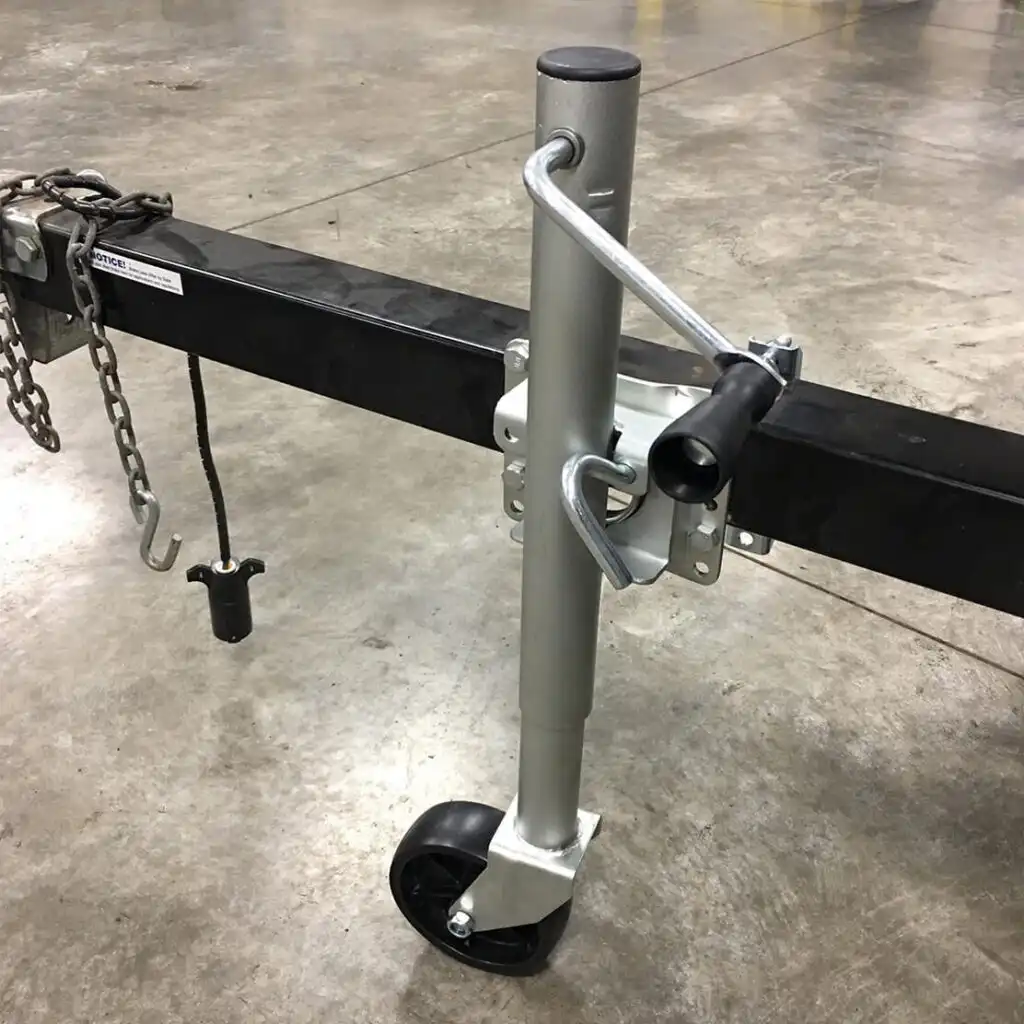
Understanding How Trailer Jacks Work
The load-bearing and maneuvering tasks of trailer jacks are done by carefully designed mechanical systems that turn rotational input into vertical lifting force. These tools have an outer tube that attaches to the trailer tongue, an inner flexible tube that stretches downward, and a screw mechanism that is moved by a handle crank or an electric motor. When the handle is turned, it turns a set of gears that moves a threaded rod through a fixed nut. This moves the inner tube forward or backwards. This inner tube's bottom usually has a place for a wheel assembly for moving or a foot plate for touching the ground. This spreads the tongue's weight over a larger surface area so it doesn't sink into soft surfaces like concrete, dirt, or sandy boat ramps.
Manual versus Electric Lifting Systems
In manual systems, the only way to turn the gear device is for the user to push down on a handle. Because these designs are simple, cheap, and don't depend on electricity systems, they can be used with light-duty trucks that have a tongue weight of less than 3,500 pounds. This is because the gear ratio decides how much force is needed for each turn. Higher ratios require less physical effort, but more cranks are needed. For a manual trailer jack, the same principle applies. Electric jacks have a DC motor that is driven by the battery of the tow vehicle or a power source on board the vehicle. This motor automates the lifting process. This setup is useful in business settings where coupling happens a lot or where workers handle multiple trucks every day, as it keeps them from getting tired and speeds up turnaround times. Overcurrent security and limit switches on electric types keep them from overextending, which is good for safety in high-volume logistics settings.
Hydraulic Mechanisms for Heavy-Duty Applications
When compared to mechanical gear systems, hydraulic jacks have better power-to-weight ratios because they use fluid pressure to create pulling force. A hand-cranked or electric hydraulic pump moves oil through a cylinder that extends a piston rod that is connected to the lifting device. When tongue weights go over 7,000 pounds, like they do in building equipment trailers, sea vessel transport, or city infrastructure projects, this technology becomes necessary. The hydraulic advantage is that it can handle huge loads with little help from the user and still keep the height precisely controlled. Maintenance needs for hydraulic systems are very different from those for mechanical systems. To keep them from breaking down suddenly while they're working, seals, hydraulic fluid levels, and pressure release valves need to be checked regularly.
Why Choosing the Right Trailer Jack Matters in B2B Procurement
Buying these lifting devices involves more than just the original purchase price. It also involves the costs over their entire life, how well they work, and how much risk they pose to business fleets. If you choose equipment with poor capacity ratings, you could be held responsible if the tongue weight exceeds the trailer jack structural limits, which could cause the coupling to fail catastrophically during lifting operations. Overstating capacity, on the other hand, adds weight and cost that aren't needed and doesn't improve performance. Choosing between steel and aluminum alloys has a direct effect on how resistant they are to corrosion in marine or chemical settings. In coastal uses, stainless steel or hot-dip galvanized finishes have a 300% longer service life than bare steel.
Weight Capacity and Structural Considerations
When engineers make plans, they have to take into account the static tongue weight plus a safety cushion of 20 to 30 percent to account for dynamic loads that happen when the trailer moves or when the ground is uneven. For safety reasons, a trailer with a tongue weight of 2,500 pounds should be paired with a jack that can hold at least 3,000 pounds. For heavy-duty uses with utility trucks or equipment haulers, jacks with a rating of between 5,000 and 10,000 lbs are usually needed. These jacks need stronger mounting brackets and thicker wall tubing to keep the structure from deforming under long-term loads. It doesn't matter what kind of mounting is used; A-frame tongues and straight tongues spread stress in different ways, so they need different bolt patterns and reinforcement plates to keep the welds from failing at the connection places.
Material Trade-offs in Commercial Environments
Steel construction gives you the most power for your money, so it's the standard choice for heavy-duty industrial uses where load capacity is more important than weight. To keep carbon steel jacks from rusting, they need protective coats like powder coating or galvanization. For sea or chemical exposure, hot-dip galvanizing is the best way to protect them. Aluminum trailer jacks are about 40% lighter than similar steel designs, which is helpful in situations where trailer weight directly affects how much it can carry or how efficiently it uses fuel. However, the trade-off is higher material costs and less scratch resistance, since aluminum is lighter and more likely to get damaged when handled roughly. Stainless steel is the best choice for a trailer jack because it doesn't rust and is strong. It's used for transporting drugs, making food-grade trucks, and any other use that needs to be cleaned in a way that would damage painted surfaces.
Evaluating Suppliers and Warranty Coverage
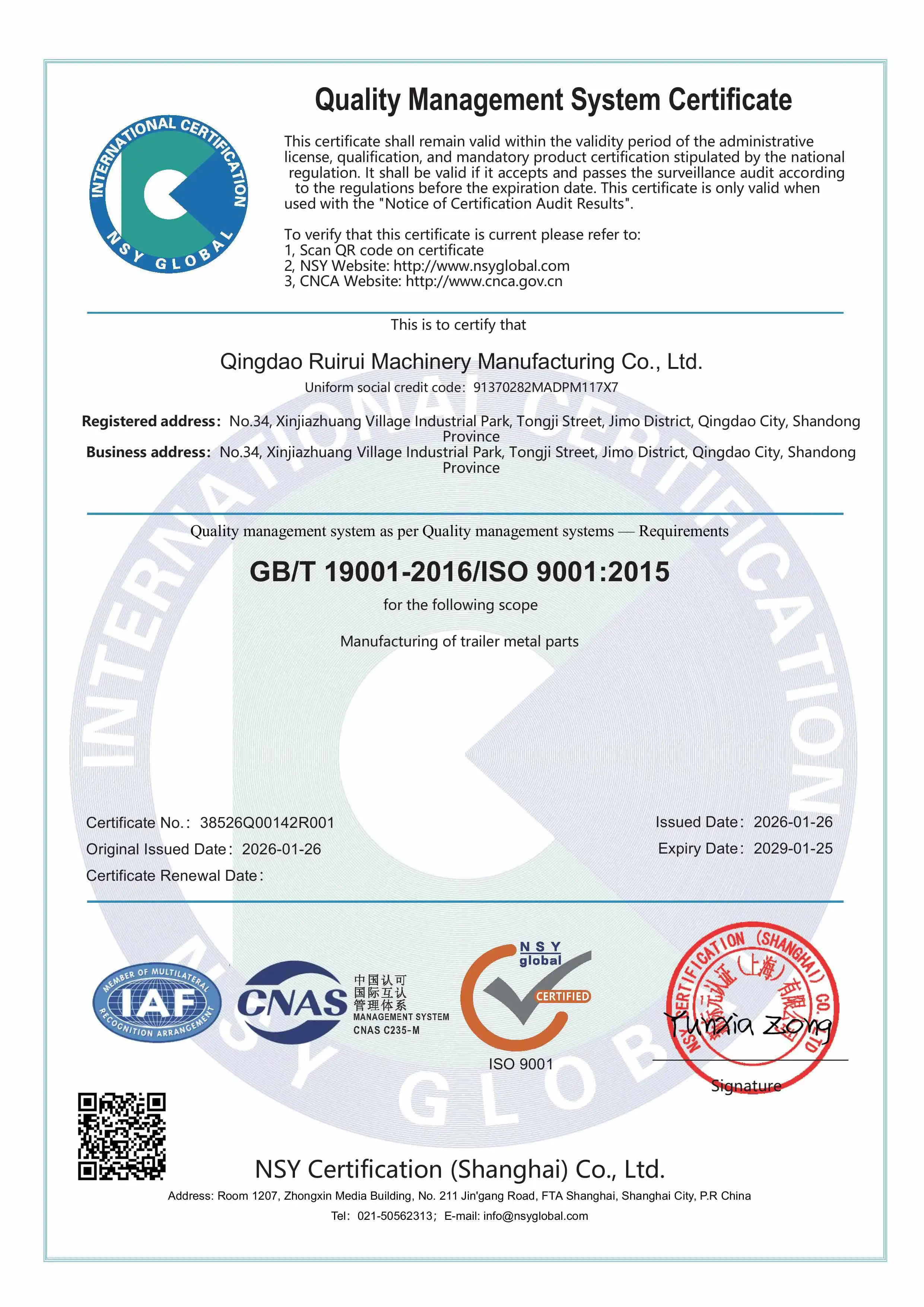
Reputable makers set themselves apart by offering quality certifications that can be checked, warranties that cover everything, and quick expert support. If a company has ISO 9001 certification, it means they have recorded quality control systems that make sure their manufacturing tolerances are always the same. Other certifications, like ISO 14001, show that their production processes are environmentally friendly. Different sellers offer very different warranty terms. For example, basic coverage might last for 90 days on mechanical parts, while top makers offer warranties that cover defects in materials and labour for 12 to 24 months. This difference is very important in B2B buying, where the costs of machine downtime are much higher than the costs of replacement parts. Strategic suppliers are different from transactional vendors because they offer technical support, such as engineering help with custom specs and quick logistics for new parts.
Installation, Operation, and Maintenance Best Practices
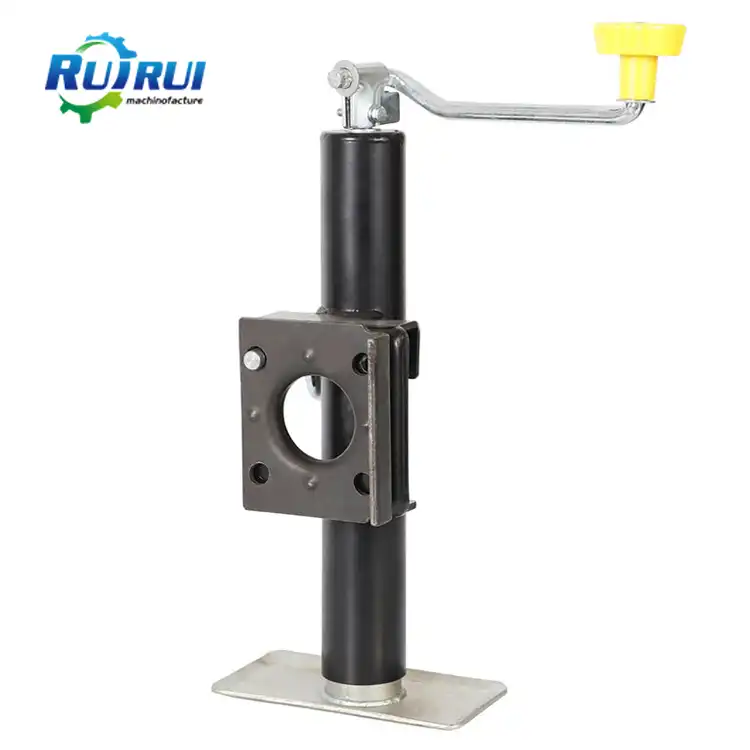
To do a good job of installing something, you must first choose the right place to put it on the trailer tongue. This is usually 12 to 18 inches behind the coupler, so that the lifting force is balanced with the structural stability of the trailer jack. The fixing surface must be flat and free of rust or deformation. Through-bolts are better than weld-only fittings because they can be replaced in the future without having to change the structure. Grade 8 bolts with lock washers keep them from coming free when the machine shakes. Backing plates spread the clamping force over a bigger area, which lowers the stress levels that cause thin-wall tongues to crack. When the trailer is level, alignment verification makes sure that the jack works perpendicular to the ground. This stops side-loading, which wears out the screw mechanism faster and makes pulling less effective.
Safety Protocols for Daily Operation
Operating methods should require wheel chocking before uncoupling to stop trailers from rolling away, which is a danger that causes many injuries every year on the job. When using a manual jack, the user must keep the handles in an ergonomic position so that they don't overextend, which can hurt the back during repeated coupling operations. Electric jack users should check the battery voltage before using because low voltage makes motors draw too much power, which causes them to overheat and break down early. Before each use, foot plates or dual-wheel units need to be checked to make sure they are securely attached. A ground contact device that comes loose can cause the trailer to settle quickly, which can damage the landing gear or connection hardware. Equipment load limits must be carefully followed, and the tongue weight must be checked when the trailer is first set up to avoid recurring overloading.
Preventative Maintenance Schedules
The most important part of upkeep is lubrication. Lithium-based grease should be put on screw threads and gear teeth every 30 working days, or every three months for equipment that is only used during certain times of the year. Because salt speeds up corrosion, lubrication and check processes need to be done more often in marine settings. Threaded connections on moving parts should have anti-seize powder applied to them to stop galling. This is especially important for stainless steel systems, where similar metals tend to cold-weld under pressure. For the trailer jack, visual checks must look for tiny cracks near the mounting bolts, deformed tubes that show overloading, and wear patterns on the wheel bearings or swivel casters. For electric models, the battery terminals need to be cleaned and the voltage tested. For hydraulic models, the fluid needs to be analyzed once a year to find contamination before it damages the seals.
Troubleshooting Common Failures
When something is operating and then stops working, it's usually because dirt got into the screw mechanism or there wasn't enough oil, which made the friction worse. Taking it apart, cleaning it with fluid, and putting it back together again generally fixes the problem without having to replace any parts. If something is wobbling or moving side to side, it could mean that the bearings are worn out, the tubes are bent from side impacts, or the fastening hardware is loose and needs to be fixed right away to keep the whole thing from breaking. When electric jacks work slowly but don't trip circuit breakers, it's usually because the motor brushes are worn out or the wire links are corroded, which stops current flow. When hydraulic systems lose pressure because of seal wear or fluid leaks, the cylinder needs to be rebuilt or replaced in order to work again. Keeping detailed maintenance logs helps find problems that happen over and over again because of the same running conditions. This lets you fix problems before they stop working and cause problems.
Making Informed Purchasing Decisions: A B2B Buyer's Guide
Frameworks for buying things need to look at suppliers in more ways than just price per unit. They need to include estimates of the total cost of ownership that take into account things like expected service life, upkeep costs, and downtime costs. A quality jack that costs 40% more but lasts twice as long is a better deal than a cheap one that needs to be replaced often. In just-in-time inventory systems, lead times are very important. A supplier with 7–10 day delivery from local stock gives you a lot of operating freedom that offshore sources that ship every 60–90 days can't match. Smaller operators or those in charge of a diverse fleet of trailers that need different jack specs are affected by minimum order amounts. This makes suppliers who are willing to handle mixed-pallet orders more strategically valuable.
Comparing Manual, Electric, and Hydraulic Options
Manual jacks are most common in light-duty situations and cost-sensitive situations where connection frequency doesn't support investing in an electric system, including trailer jack. The price per unit varies from $45 to $180, based on the size and quality of the building. Simple hand tools are all that are needed for installation. Aside from regular lubrication, operating costs are very low. However, labour costs add up in business settings where dozens of coupling processes are done every day. Electric jacks cost between $200 and $600, but they cut cycle times from 90 seconds to less than 20 seconds for each connection action. Payback time depends on labour costs and how often trucks are coupled. For example, a transportation center that processes 30 trailers every day can cover the difference in cost within six months by cutting down on labour hours. Basic hand-pump hydraulic systems start at about $800, and electric-hydraulic systems that can handle 10,000 pounds or more cost around $2,000. These purchases only make sense when the tongue weight is heavier than what the mechanical gear system can handle or when the high level of reliability supports the higher price.
Sourcing Channels and Supplier Relationships
When you work directly with a maker, you can get better prices, help with custom specifications, and work together on technical issues for unique uses. Distributors offer a wider range of products and faster shipping on regular items, but they usually can't make changes to the building. Online markets make it easy to compare prices and quickly buy standard parts, but checking the credentials of suppliers takes more work to make sure the certifications are real and the warranties can be enforced. Setting up preferred seller deals with two or three qualified sources strikes a balance between price advantage and supply chain stability. This way, you have other choices in case of capacity or quality problems. Importers at the container level can get better prices because they buy directly from the plant, but they have to deal with longer wait times, quality testing procedures, and customs paperwork. This method works best for large, standard purchases rather than quick custom projects.
Enhancing Operational Efficiency and Safety with Trailer Jacks
Occupational safety study shows that putting in place full safety training programs can cut incident rates by up to 60% compared to operations that only use written processes. Training should include the right way to connect the trailer jacks, how to spot overload situations, what to do if the jack breaks, and safe methods that keep repetitive strain injuries to a minimum. By following OSHA rules about keeping the trailer stable while it's being loaded, you can avoid fines from the government and lower your insurance rates through good risk management. Safety checks done on a regular basis can find worn-out tools, bad usage habits, or environmental hazards that cause instability. This lets people take action before an accident happens.
Return on Investment in Heavy-Duty Equipment
In equipment hauling uses, hydraulic systems show a clear return on investment (ROI) through shorter coupling times, higher safety margins, and longer repair intervals than mechanical options. A building company with 12 equipment trailers found that moving from manual to electric-hydraulic **trailer jacks saved them $18,400 a year in labour costs. This was figured by figuring out that each coupling took 90 seconds less, which added up to 280 cycles a year per trailer. Three roadside problems a year that used to cost $1,200 each in service calls and downtime were no longer happening because of better dependability. This saved the company $3,600 a year. Over the course of five years, the total value was $110,000, compared to the extra $24,000 that was spent. This is a 358% return, and that's before taking into account the lower safety and legal risks.
Emerging Technologies in Lifting Systems
The next big thing in business trailer tools is smart jack systems that have load sensors, wireless connection, and mobile app integration. These devices measure the tongue weight in real time while connecting, and automatic operation limits stop overloading from happening. The ability to operate from a distance lets a single person place a trailer in tight spaces. This makes planning more efficient in staging areas with a lot of people. Based on cycle counting and load history, predictive maintenance alerts let maintenance teams know before wear-related problems happen. This changes the focus from fixes that are needed right away to planned interventions that can be done during planned downtime. Ceramic-polymer composites are used to make advanced corrosion-resistant coatings that last longer in chemical and marine environments than standard galvanizing. However, the high cost of these coatings means they can only be used in high-end uses where the extra durability is worth the 200% cost increase.
Conclusion
When choosing the right lifting tools, you have to weigh your short-term budget against the long-term costs of running, safety standards, and maintenance needs that are unique to each application. Light-duty manual systems are a good value, while electric and hydraulic choices save money and time in commercial settings by making processes more reliable and cutting down on labour needs. Choosing between steel and aluminum has a direct effect on how resistant the trailer jack is to rust and how much it weighs. Surface treatments can greatly increase the service life in harsh settings. Purchasing changes from a one-time transaction to a strategic partnership when you build relationships with qualified sellers who offer tech support, quick warranty service, and consistent product quality. Regular repair that follows the manufacturer's instructions and thorough training for operators make equipment last longer and reduce the number of safety accidents that stop operations and put companies at risk of being sued.
FAQ
1. How Do I Correctly Size a Trailer Jack Based on Tongue Weight?
Use a certified scale to find the static tongue weight while the trailer is fully loaded to its normal working capacity. Choose a trailer jack with a rating at least 25% higher than this one to account for loads that change as the trailer moves and uneven ground. Heavy equipment trucks often have load changes that briefly raise tongue pressure. This safety cushion is necessary to keep the structure from breaking.
2. What Preventive Maintenance Extends Jack Longevity?
Every 30 days of use, grease screw holes and gear systems with lithium-based grease. Check the tightness of the fixing bolts and look for tiny cracks near the connection points every three months. To keep them from locking up, clean and grease the wheel bearings or foot plate links. To keep them from corroding, electric models need to have their battery terminals cleaned and their power checked before they are put away for the season.
3. Should I Choose Manual or Electric Jacks for My Fleet?
Manual jacks work well for companies that don't need to couple up very often or have limited funds. When coupling frequency goes over five rounds per day or when lowering operator fatigue makes things safer and more productive, electric systems are worth the money. Find the return periods by comparing the amount of time saved on labour with the price difference between manual and electric choices that are right for your business.
Partner with RUIRUI for Custom Trailer Jack Solutions
When trailer part makers need precise trailer jack mounting brackets, reinforced foot plates, and dual-wheel kits built to exact specs, RUIRUI's engineering team specializes in custom sheet metal manufacturing. We maintain ISO 9001, ISO 14001, and OHSAS 18001 certifications, which means that the quality of our work is consistent across all production runs. We can do laser cutting, CNC machining, stamping, and a number of surface finishing options, such as hot-dip galvanizing, powder coating, and fabrication in stainless steel. As a seller of trailer jack parts with a lot of experience, we work with OEMs to make custom designs that meet specific load requirements or weather conditions. We offer cheap factory-direct prices on container orders and short lead times (averaging 10 to 15 days). Our factory uses automatic production lines to make 130,000 precision metal parts every year, giving B2B buying teams the capacity and regularity they need. You can talk to our team at kshdhardware@qdkshd.com about your unique needs, or you can go to sheetmetalprocessingplant.com to see all of the things we can make and ask for full technical specifications.
References
1. Smith, J. & Williams, R. (2022). Mechanical Systems in Commercial Trailer Applications: Engineering Fundamentals and Safety Protocols. Industrial Equipment Press.
2. National Highway Traffic Safety Administration (2023). Guidelines for Trailer Coupling Equipment: Safety Standards and Compliance Requirements. U.S. Department of Transportation.
3. Thompson, M. (2021). Material Selection for Corrosive Environments: Steel, Aluminum, and Protective Coatings in Marine Applications. Corrosion Engineering Journal, Vol. 47, Issue 3.
4. Anderson, K. & Chen, L. (2023). Total Cost of Ownership Analysis in Fleet Equipment Procurement: Case Studies from Logistics and Construction Sectors. Supply Chain Management Quarterly.
5. Occupational Safety and Health Administration (2022). Trailer Loading and Stabilization: Best Practices for Preventing Workplace Injuries. OSHA Technical Manual, Section V.
6. Roberts, D. (2024). Emerging Technologies in Trailer Equipment: IoT Integration and Predictive Maintenance Systems. Automotive Engineering International, Vol. 132, No. 2.

Send Inquiry
You may like