
Innovations in U Bolt Manufacturing: What’s New in the Industry?
The U-bolt production industry is going through a big change because of new technologies and changing business needs. The market today needs custom U-bolt solutions that can handle a wide range of problems, such as pipes with non-standard diameters in building projects for cities and big machinery that must operate under high loads. Modern companies like Qingdao RUIRUI Machinery use precise CNC bends, advanced electrogalvanizing methods, and CAD-integrated design discussions to make custom U-bolt (custom U bolt) fastening systems that work better than off-the-shelf options. These new ideas make it easier for procurement managers to find parts with better thread configurations, better corrosion protection, and engineered load distribution features that make equipment last longer and cost less to own in the construction, automotive, and industrial equipment sectors.
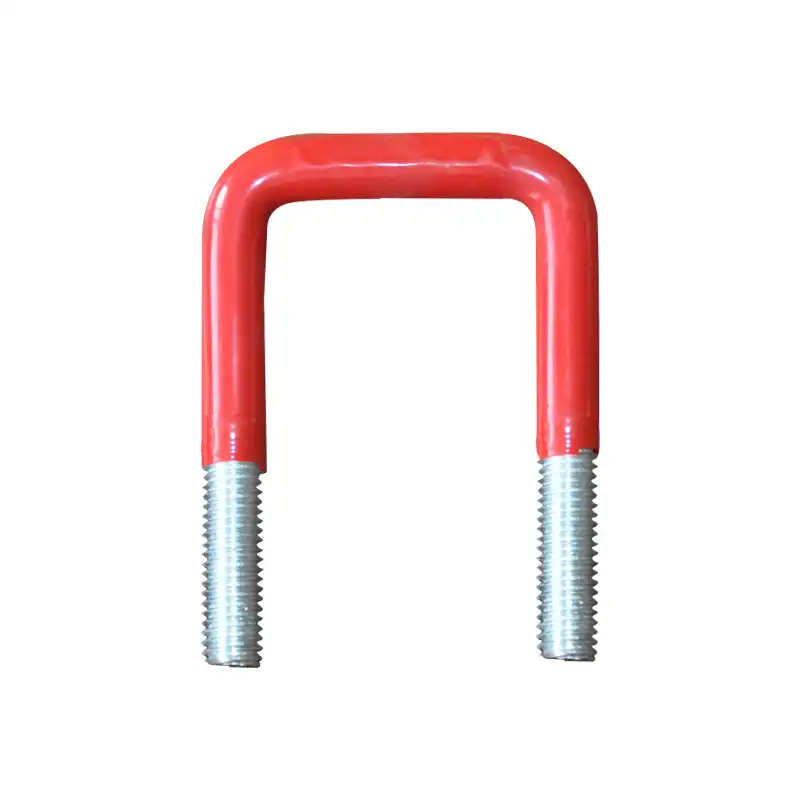
Evolution of U Bolt Manufacturing: From Standard to Customized Solutions
The change from mass-produced standard screws to engineered parts made just for a certain purpose shows how manufacturing around the world is changing. Traditional U-bolts were good for basic pipe clamping tasks, but they often didn't work well in complex shapes, corrosive naval conditions, or high-vibration car settings.
Limitations of Conventional Manufacturing Approaches
A few decades ago, makers relied on fixed die sets and a small range of materials, usually zinc-plated carbon steel in set size ranges. This method caused a lot of problems for business buyers. Mismatched dimensions caused uneven load distribution, which sped up the wear on support systems. Standard galvanization often wasn't enough to protect against saltwater or chemical conditions, so things had to be replaced often. When infrastructure companies worked on big city projects, they had to deal with rising upkeep costs because generic fasteners couldn't meet the needs of each site.
Transition to Precision-Engineered Custom Solutions
Modern ways of making things have completely changed this world. With CNC tube bending equipment, producers can now make custom U bolts and U-bolts with exact radius specs that match each pipe shape. This gets rid of gaps that weaken the structure. Laser cutting technology makes sure that threads are precise to within microns, which is very important for uses that will be subject to a lot of shaking in transportation infrastructure. At RUIRUI's Qingdao factory, our eight production lines use robotic welding and automatic threading systems to keep the quality of the 130,000 units we make every year, even though the specifications can change from batch to batch. This manufacturing flexibility is important for wholesalers who work with a wide range of customers, from HVAC workers who need residential-grade fasteners to port officials who need marine-grade bollard mounting hardware.
Key Fabrication Advancements Driving Customization
There are many technology layers involved in the move toward customized solutions. Finite element analysis is the first step in design advice. This is where engineers model stress patterns under predicted load conditions before production starts. In addition to normal steel grades, you can choose from duplex stainless metals for chemical plants or special coatings for use in places with very high temperatures. Advanced forming methods, such as progressive pressing, make it possible to bend shapes in complicated ways that increase the contact surface area and spread the clamping force more evenly across mounting parts. These improvements directly lead to working benefits, such as longer periods between replacements, less work needed for installation because of better fit tolerances, and higher safety margins in structural uses.
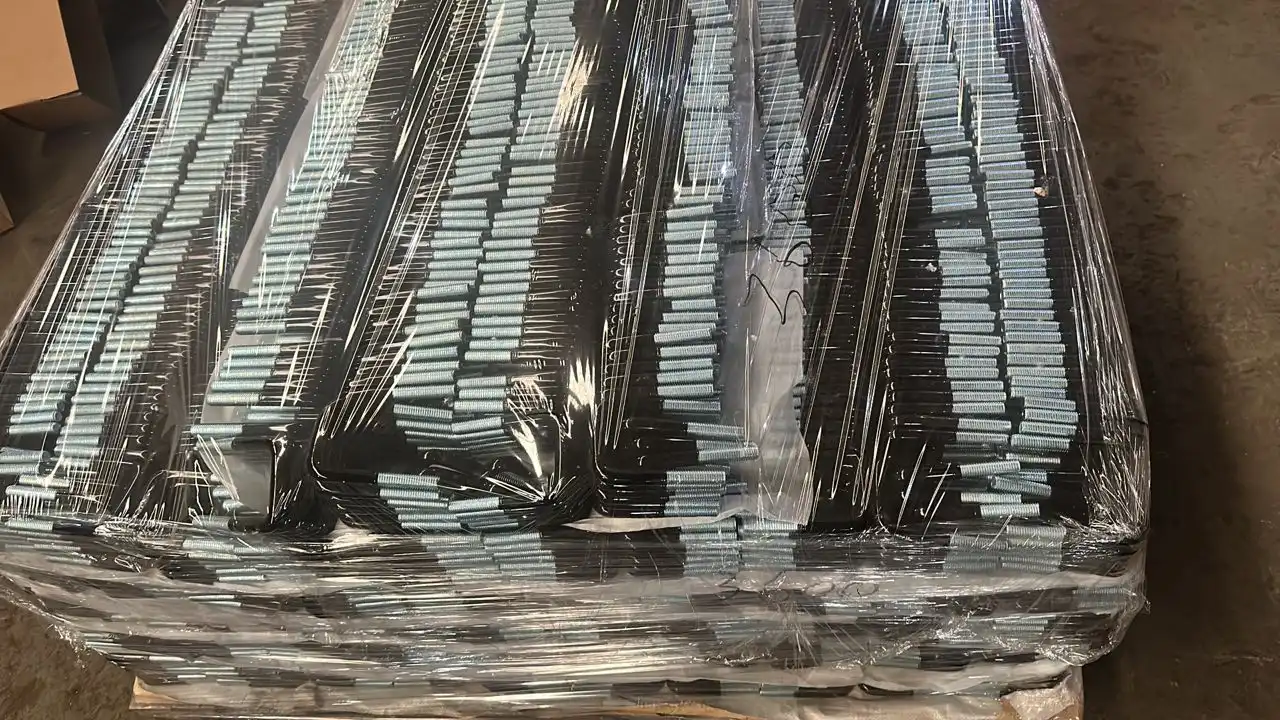
Innovative Materials and Design Technologies Enhancing U Bolt Performance
New discoveries in material science and computer-aided design tools are changing the performance standards for making fasteners. When you carefully combine advanced metals with protective finishing systems, U-bolts can work consistently in places where other gear would break down quickly.
High-Performance Alloys and Protective Coatings
For general building uses, electrogalvanized steel is still the workhorse of the industry. It offers cost-effective corrosion protection that works in most climates. During the electrogalvanizing process at RUIRUI, a uniform zinc coating is applied through electroplating. This makes a barrier that protects and increases the service life up to 10 years in mild conditions. The process makes sure that the coating thickness is the same across all threaded parts. This is very important because uneven covering creates places where galvanic corrosion can start. Stainless steel types are needed when the setting calls for high strength and durability. Type 316 stainless steel has molybdenum in it, which makes it much more resistant to chloride attack, which happens a lot in seaside sites or chemical processing plants. Duplex stainless steels have microstructures that are both austenitic and ferritic. They have almost twice the yield strength of regular stainless steel and are very resistant to rust, making them perfect for building floating platforms or wastewater treatment infrastructure.
When you look at lifetime costs, the electrogalvanizing advantage stands out even more. The original cost of the materials is about 15–20% less than with hot-dip galvanizing. The precision coating application stops thread galling and makes sure that torque values stay the same during installation. This stability is very important for large projects where installation teams need to know how fasteners will behave so they can stick to the schedule.
Computational Design Optimization Tools
Manufacturers now handle custom U-bolt creation very differently thanks to CAD/CAM integration. Now, engineering teams can use client-provided pipe schedules and structure models to directly import into design tools. This creates fastener shapes that take into account things like vibration rates, thermal expansion factors, and environmental exposure ratings. Before actual modeling starts, Finite Element Analysis does virtual stress tests to find places where things might break. These simulations show how load vectors move through the U-bolt body when it is being tightened and when it is being used. This lets engineers change the wall thickness, bend radius, or thread contact length to get the best performance. Corrosion modeling tools guess how fast things will break down based on environmental factors. This helps buying teams choose the right material and coating choices that fit their budgets for repairs and replacements.
Comparative Analysis for Procurement Decision-Making
When buying materials for a business, buyers often weigh the pros and cons of different choices based on the needs of the job. Electrogalvanized steel is a great choice for building inside, building parking structures, and installing things outside in mild climates where beginning costs are important because of a limited budget. Most industrial building needs can be met by load limits of up to 20 tons, and the coating's 10-year durability is in line with most remodeling cycles. Stainless steel versions become economically viable in situations where replacing parts would be hard to do, like remote sites that need to move a ship or infrastructure parts that are built in and can't be reached after the building is finished. The bigger initial investment is spread out over longer repair times, which often results in a lower total cost of ownership when labor, downtime, and logistics costs related to replacing something too soon are taken into account.
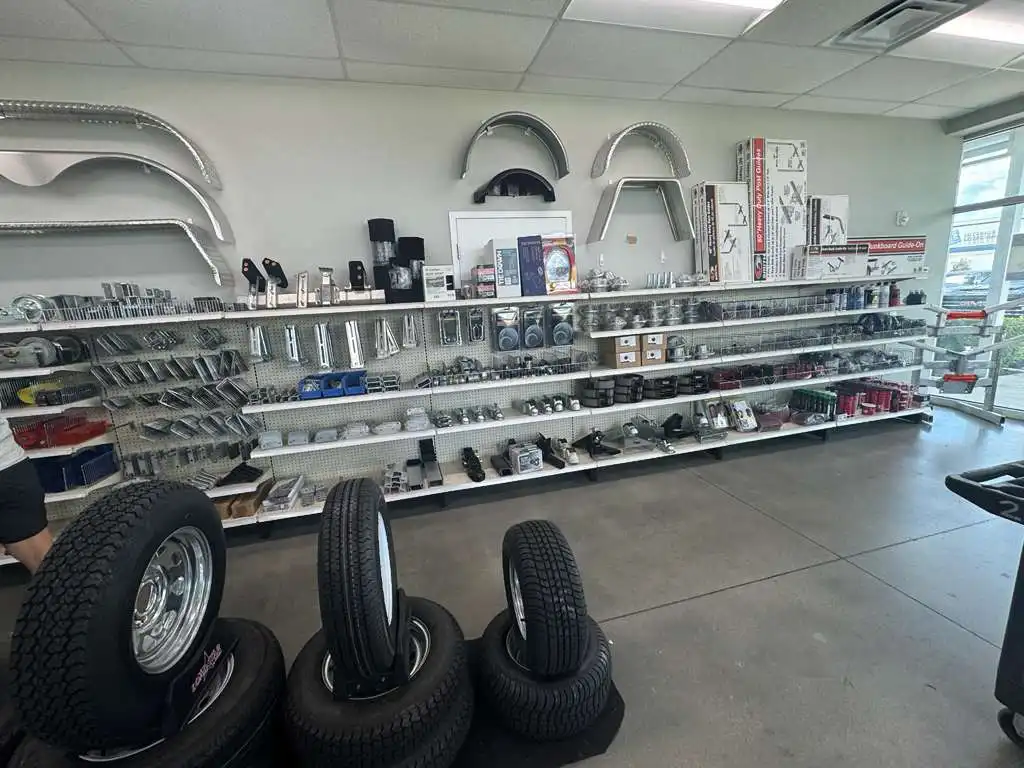
How to Choose the Right Custom U Bolt for Your Application
Specification accuracy has a direct effect on how well a system works, how safe it is, and how much it costs to maintain over time. When industrial buyers have to make tough buying choices, organized evaluation systems that match the features of fasteners with their operational needs can help.
Application-Specific Performance Criteria
Calculating the load limit is the first step in making the right choice. Engineers have to think about steady loads like the weight of the equipment being attached, dynamic forces like vibration or temperature cycling, and safety factors that are required by the rules that apply. Material choices are greatly affected by the environment. For example, sea environments need stainless metals or better coating systems, and chemical plants need to test for compatibility with certain process fluids. Extreme temperatures make things even harder. For example, car underbody uses have to deal with temperatures ranging from -40°C in the winter to 85°C near the exhaust, so they need materials that can keep their tensile strength and coating adhesion across this range. Using our R&D team's knowledge in the car, construction, and industrial equipment industries, we regularly help clients match these parameters to the right specs.
Standards Compliance and Dimensional Accuracy
Industry standards set safety standards and make sure that systems can work together, which is important for getting projects approved and managing risk. For example, ISO 9001 certification means that quality controls are used throughout the whole manufacturing process, and ISO 14001 certification means that environmental management is committed, which is becoming more and more important in public building bids. When getting custom sizes for a custom U bolt, it's very important to be very accurate when measuring. The inside diameter must match the outside diameter of the pipe with just the right amount of space between them to keep them from rotating under load, and the thread length must connect fully for full strength development without sticking out too far. Our quality control procedures check the accuracy of the dimensions at several stages of production. They use calibrated tools to make sure that the width tolerances are within ±0.05mm and that the thread pitch meets the standards.
Custom Versus Standard Solutions Decision Framework
The choice between custom and standard depends on a number of real factors. Standard sizes are cost-effective for uses where small differences in size don't affect functioning. This is usually the case for round pipe in standard NPS plans with simple mounting needs. Customization is necessary when standard choices make installation harder, performance worse, or upkeep more difficult. A city contractor recently called RUIRUI to ask for U-bolts for oval-profile sign posts. For standard round designs, they would have needed to be made with welded adaptor plates, which would have cost more and created strain stress points. Our custom U-bolt solution, which was bent to the exact shape of the oval, cut installation time by 40% and got rid of any possible failure modes. The minimum order number of 1,000 pieces spread the cost of the tools over a large enough volume to achieve competitive unit price. This shows that batch economics make customization possible even for medium-sized projects.
Procurement Insights: Navigating the Market for Custom U Bolts
To do strategic sourcing, you need to know about global manufacturing areas, how supply chains work, and how to evaluate a vendor's skills in a way that builds trusting relationships that go beyond the initial buy.
Global Supplier Landscape and Quality Verification
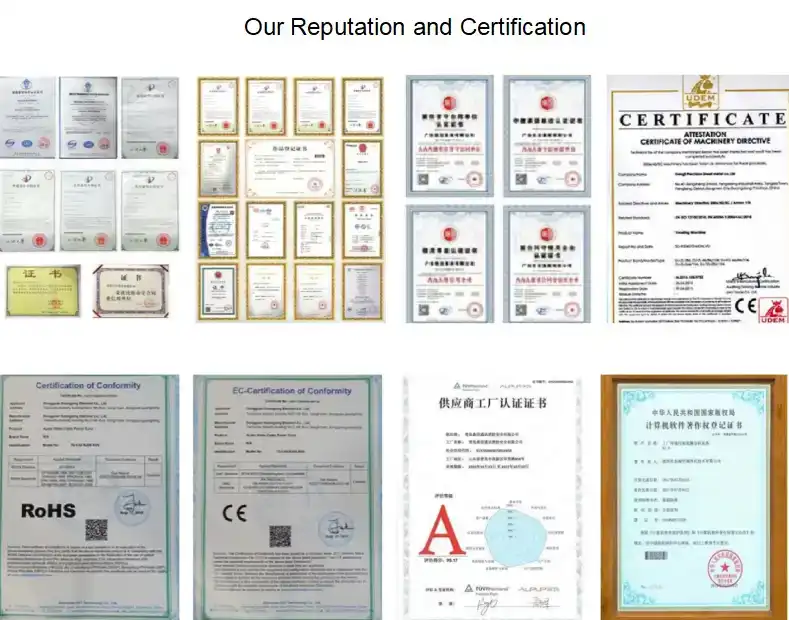
There are well-known companies in North America, Europe, and Asia that make fasteners, and each has its own benefits. Vertical integration is a powerful way for Chinese makers like RUIRUI to offer great value. For example, our facility handles sourcing raw materials, multiple manufacturing processes (such as stamping, CNC machining, laser cutting, and threading), and full finishing services all under one operating roof. This integration makes it easier to keep an eye on quality, speeds up the process of going from pilot to production, and keeps costs low enough to compete for export numbers at the container level. Quality control goes beyond licenses and includes plant surveys where buyers check the capabilities of equipment, checking routines, and systems for keeping track of the work being done. Our ISO 9001 and ISO 14001 certifications give you peace of mind, and client site visits let you see how things are really made. The case of the Spanish distributor relationship shows this method in action: seeing the fake tests and materials being checked out in person built trust, which led to long-term supply deals.
Order Quantities, Lead Times, and Logistics Planning
The minimum order quantity is based on the cost of special tools and setup. RUIRUI's 1,000-piece MOQ strikes a good mix between amortizing tools and making the company's products, including custom U bolt, available to mid-sized wholesalers and project-specific buyers. This level works for infrastructure workers working on city lighting projects, parking lot builders putting in bollard systems, and equipment makers adding fasteners to production lines. Lead times depend on how complicated the solution is. Standard electrogalvanized configurations ship in two to three weeks, but customized solutions that need FEA approval or special coatings take four to six weeks. Our experience with an Italian client shows how efficient production can give you a competitive edge. Delivering garbage bin hardware five days early built relationships and led to return business. Shipping containers from Qingdao to the U.S. West Coast ports usually need 14 to 18 days, and East Coast destinations need an extra week. Buyers take these things into account when planning their goods and projects.
Pricing Transparency and Payment Structures
When making custom U-bolts, the prices depend on the type of material used, the coating method, the difficulty of the dimensions, and the number of orders. Electrogalvanized carbon steel is the standard. Stainless steel grades, on the other hand, can fetch 200–300% more, based on the material and the market. For custom tooling, add 15 to 25 percent for complex bend shapes or thread forms that aren't standard. When you buy more, you save more. Orders over 5,000 pieces often get 10-15% savings, because the cost of the tools is spread out over more runs. During the quote process, we keep talks about prices open and honest. This helps buyers understand what causes costs to go up or down and find ways to save money. Payment terms are usually the same as they are in foreign trade: a 30% deposit holds production slots, and the rest is due when shipping papers are presented. Long-term customers who have paid in the past can discuss longer terms, which makes managing cash flow easier for bigger purchases.
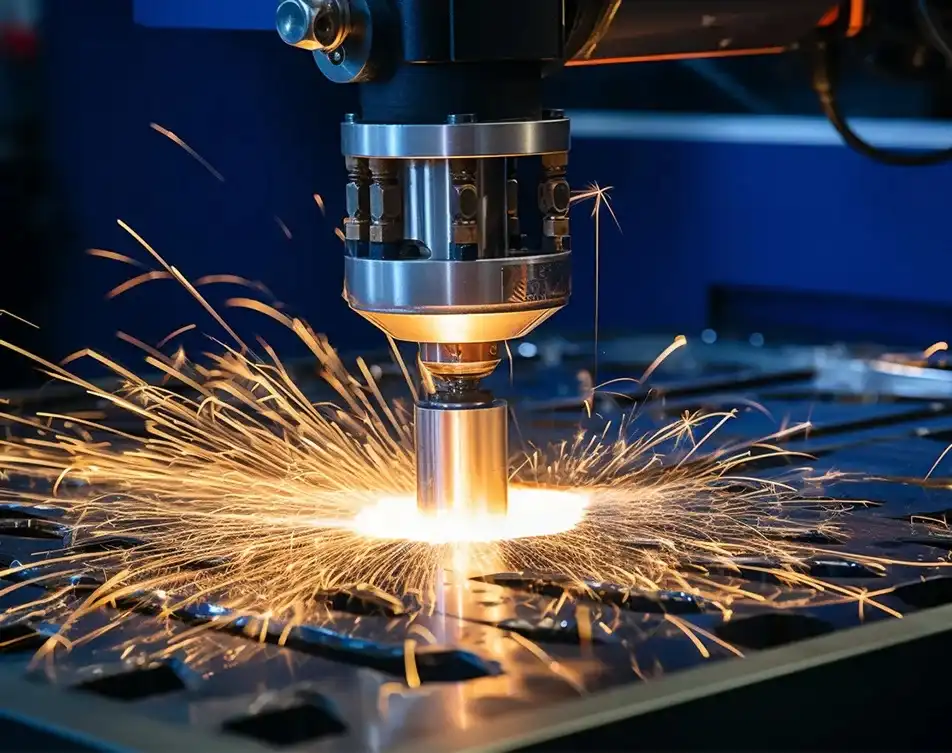
Future Trends Shaping U Bolt Manufacturing and Industry Applications
New technologies and the need to be more environmentally friendly are changing the way things are made. This gives forward-thinking buying groups the chance to gain a competitive edge by adopting these technologies early.
Sustainability and Industry 4.0 Integration
More and more, environmental concerns affect the choices we make about materials and how we make things. Using recycled steel in raw materials lowers carbon footprints without changing mechanical qualities. This makes them appealing to buyers who want to get LEED certification or meet company sustainability goals. As coating technologies improve, they are moving toward closed-loop water recycling devices and lower releases of volatile organic compounds. Thermoplastic coatings at our plant can be used instead of standard electroplating in some situations. They don't contain hexavalent chromium and are very resistant to impact. Industry 4.0 plans put Internet of Things (IoT) sensors in all of the tools used in production. This lets quality be checked in real time and preventative repair be done, which lowers the number of defects. Automated inspection systems that use machine vision can find differences in coatings or dimensions faster and more regularly than human checks. This is especially helpful for large-scale production runs where statistical process control stops problems that affect the whole batch.
Rapid Prototyping and On-Demand Production
Additive manufacturing technologies are starting to change how testing is done, but standard forming methods are still used for making fasteners like custom U bolts on a large scale. When you make 3D prototypes, you can test them in real life before you spend money on tools. This is especially helpful for complicated shapes or developing new apps. With flexible manufacturing systems and on-demand production models, smaller batches can be customized, which could lower the MOQ because automation lowers the cost of setup. Our eight production lines have quick-changeover features that make it easy to go from one standard to another without having to wait for long periods of time. Because of this, manufacturers can adapt to changing market needs, even when there are a lot of products on the market and sellers are under pressure to be more quick because of just-in-time inventory tactics.
Supply Chain Evolution and Strategic Partnerships
Globalization is still balancing against regionalization pressures. Some buyers are moving their purchases closer to home because of tariff policies, shipping problems, and concerns about lead times. On the other hand, Asia's industrial dominance is kept up by cost benefits and specialized skills. Successful sellers use a mix of methods, keeping their main production in places that are cost-effective while also building transportation partnerships that guarantee on-time delivery. OEM relationships are going beyond just buying things from each other. They are also incorporating joint engineering, where fastener makers are involved in the early stages of product design to improve assembly processes and performance over the product's lifetime. These partnerships are good for both sides. Companies that make tools get access to experts in materials and more output options, and companies that make fasteners get steady demand and information about how to use their products to guide R&D investments. Using AI in materials science could speed up the creation of next-generation alloys with custom U-bolt features. At the same time, machine learning algorithms can improve quality and efficiency in production, with gains that add up over time.
Conclusion
The business that makes U-bolts has changed a lot over the years. It used to just make standard fasteners, but now it offers complex custom U-bolt engineering answers to tough industrial problems. New developments in materials science, computer-aided design tools, and precise production methods have made it possible for fasteners to perform better in a wide range of challenging situations. For business-to-business sellers to be successful in this market, they need to form smart relationships with makers who have technical know-how, quality systems, and the ability to produce in a variety of ways. Companies that adopt these changes—using customizable options, eco-friendly materials, and working together with their suppliers—will be able to improve their operations and stand out from competitors in the markets for infrastructure, construction, and industrial equipment.
FAQ
1. What load capacity should I specify for infrastructure applications?
The load limits are based on the weight of the fixed equipment, the loading from the surroundings (such as wind and earthquakes), and any safety factors that apply. For municipal bollard installs, the capacity needs to be between 15 and 20 tons, while 5 to 10 tons is enough for lighter signage uses. Consulting structural engineers makes sure that the right choices are made that meet local building rules and responsibility standards.
2. How does electrogalvanized coating compare to hot-dip galvanizing for U bolts?
Electrogalvanizing makes coatings that are thinner and more uniform, which is great for keeping thread accuracy and look and works well in mild corrosion settings. Hot-dip galvanizing uses thicker coats that last longer in tough conditions, but the threads may need to be re-taped. The best choices are based on the application setting and the cash.
3. Can custom U bolts accommodate non-circular pipe profiles?
Of course. CNC bending technology makes it possible to make U-bolts with cross-sections that are oval, square, or otherwise odd. Custom U-bolt solutions get rid of the need for adapters, which spreads out the load better and makes installation easier. Giving exact dimensional models ensures the development of accurate tools and the right fit.
Partner with RUIRUI for Your Custom U Bolt Manufacturing Needs
With extensive custom U-bolt solutions backed by more than 15 years of manufacturing success, Qingdao RUIRUI Machinery is ready to support your procurement goals. In our Qingdao plant, which is vertically integrated, we use advanced CNC machining, precision bending, and electrogalvanizing to make screws that are perfect for your needs. Our ISO-certified quality systems and 1,000-piece minimum order quantity give your supply chain the reliability and freedom it needs, whether you're looking for parts for industrial equipment, car assemblies, or public infrastructure projects. Get in touch with our expert team at kshdhardware@qdkshd.com to talk about your needs with a reliable custom U-bolt source who is dedicated to low prices, quick lead times, and the success of long-term partnerships.
References
1. Anderson, M. (2022). Advanced Fastener Engineering: Materials and Design Innovations. Industrial Press.
2. Chen, W., & Martinez, R. (2023). Corrosion Protection Systems for Infrastructure Hardware. Journal of Materials Engineering, 45(3), 112-128.
3. Global Fastener Alliance. (2023). Industry Trends Report: Customization and Sustainability in Fastener Manufacturing. GFA Publications.
4. Peterson, J. (2021). Precision Metal Forming Technologies: CNC Applications in Fastener Production. Manufacturing Technology Review, 38(2), 67-82.
5. Thompson, L., & Kumar, S. (2023). Supply Chain Strategies for Industrial Components: Global Sourcing Best Practices. International Trade Journal, 29(4), 201-215.
6. Wilson, D. (2022). Computational Design Optimization in Mechanical Component Engineering. Engineering Design Quarterly, 51(1), 45-59.

Send Inquiry
You may like