
Is a Hitch Tightener Necessary?
If you want to get rid of the annoying shaking and rattling that comes from the gap between your receiver and the hitch insert, you need a hitch stabilizer, which is also known as a trailer hitch tightener. This mechanical device squeezes that tolerance gap, joining your different tow parts together into a single unit. That little wobble isn't just noise when you're moving heavy equipment across state lines or managing a fleet of commercial vehicles. It's a sign of metal-on-metal wear, possible damage to the cargo, and safety risks that can get worse over time. The answer is simple: a trailer hitch tightener is required for any serious towing operation if you care about the longevity of your equipment, the comfort of your drivers, and the safety of your operations.
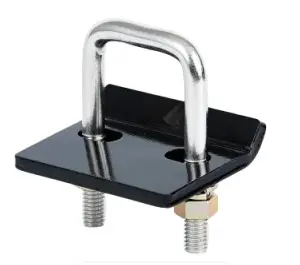
Understanding the Need for a Trailer Hitch Tightener
What Exactly Is a Hitch Stabilizer and How Does It Differ from Similar Devices?
A hitch stabilizer works as a clamp that stops shaking and takes into account the manufacturing tolerance between the receiver tube and the inserted shank. Not like hitch locks that keep things safe or weight distribution systems that control tongue weight, the trailer hitch tightener's only job is to stop movement. Usually, this device uses a U-bolt system that goes around the hitch shank and tightens against a steel plate. This creates static friction that stops the oscillation completely.
In the world of business-to-business buying, telling these products apart is important. Theft is prevented by hitch locks, but they don't do much to stop vibrations. Stabilizer bars are made to stop trailers from swaying when they move side to side a lot. In a unique middle ground, the trailer hitch tightener is a precise tool for fleets that mount bike racks, cargo platforms, or recovery gear on Class II through Class V receivers, where even small play leads to faster wear and noise complaints from drivers.
Common Problems Caused by Loose Hitch Connections
The tolerance gap, which is usually between 1/16 and 1/8 inch, is there for a reason: it makes it easy to put in accessories. But while in transit, this gap is a problem. The constant shaking hammers on the hitch pin hole, making it longer over time and weakening the receiver structure. When this problem isn't fixed, commercial fleet managers say that replacing the receiver costs more than $800 per vehicle.
It's not just the damage to the building itself that matters. Drivers say that the constant rattling is distracting because it sounds like the suspension is failing and makes them do maintenance checks that aren't necessary. Stability of the cargo also goes down because precision equipment on racks is hit by tiny objects that can damage sensitive parts. When mounted generators or lighting rigs are used in public works projects, these vibrations damage electrical connections and shorten the life of the equipment.
When heavy-duty tasks are involved, safety concerns grow. If you're pulling boats or construction trailers, the dynamic shock loading during braking can make the hitch pin come loose over time, which increases the risk of a catastrophic failure. Aside from the insurance liability, the downtime caused by mechanical problems on the side of the road delays projects and makes customers less confident in the reliability of the fleet.
How Hitch Tighteners Work and Their Proven Effectiveness
The idea behind engineering is very simple: the clamping force is stronger than the tolerance gap. High-quality units have U-bolts made of Grade 8 steel with rolled threads, which can handle the shear forces that come from driving at high speeds on the highway. The tightening plate spreads the pressure evenly across the receiver walls. This stops stress from building up in one place, which could cause weaker materials to crack.
Field testing for trailer hitch tightener shows results that can be measured. A logistics company in Ohio with 40 delivery vehicles that have mounted cargo carriers said that maintenance calls related to hitch noise went down by 90% after they put anti-rattle devices on all of their vehicles. When technician hours were cut down and receiver replacements stopped, the investment paid for itself in just three months.
The choice of material determines how well it works. Units made of stainless steel or carbon steel that has been electro-galvanized can handle corrosive road environments better than standard units you can buy at a hardware store. The coating is important—products that pass 500-hour salt spray tests keep their clamping force in places where chemicals used to melt ice in the winter are very rough on metal parts.

How to Use and Install a Trailer Hitch Tightener?
Step-by-Step Installation Guide for Commercial Applications
Installation doesn't need many tools, but it does need careful attention to detail. A 3/4-inch socket wrench is usually enough for standard U-bolts. You'll also need a torque wrench for the final tightening and safety gloves to protect your hands from the sharp edges. First, put your hitch accessory all the way into the receiver and secure it with the original hitch pin.
The U-bolt should be positioned so that it spans the hitch shank, and the tightening plate should rest against the receiver tube. Make sure the plate is flat and in the middle as you thread the nuts onto the U-bolt. To keep the pressure even, tighten the nuts with the socket wrench in a pattern that is similar to installing lug nuts. This keeps the plate from warping, which would make the clamping less effective.
Torque specification is the most important step. Even though manufacturers give advice, 20 to 25 foot-pounds is a good general rule for heavy-duty uses. When you over-tighten, the threads can come off, especially on bolts made of lower-grade steel. When you under-tighten, there is still some play. After the first 100 miles of use, tighten the assembly again because vibrations often cause initial settling that needs to be fixed.
Troubleshooting Common Installation Challenges
Most of the time, corrosion is the problem. Receivers that are exposed to road salt often rust, which makes it impossible for the tightener plate to sit flat. To fix this, wire-brush the walls of the receiver and put anti-seize compound on them before installing them. This extra step saves time when switching out accessories for the different seasons and stops galvanic corrosion between metals that are not the same.
Dimensional mismatches make things frustrating. Some aftermarket hitch inserts have powder coatings that are too big, which reduces the effective gap and doesn't leave enough room for the U-bolt. Before you buy, check your receiver class and measure the actual insert diameter. Class III receivers normally take 2-inch inserts, but coating thickness can make that bigger to 2.05 inches, which means you need wider U-bolt spacing.
Standardizing on parts that work together gets rid of these variables in fleet applications. When you can, choose hitch accessories and trailer hitch tightener that come from the same manufacturing ecosystem. This will make sure that all of your vehicles have the same dimensions.
Additional Methods to Reduce Hitch Noise and Vibration
Tighteners work on the interface between the receiver and the insert, but there are other noise sources. If the hitch pin is worn, it can move around inside the pin hole. This problem can be fixed by switching to locking pins with larger diameters or putting rubber bushings around standard pins. Some fleet managers use friction tape to cover the hitch shank before inserting it. This creates a layer that can handle small movements without affecting the structure's strength.
When looking at how well they work, anti-rattle devices are better than homemade solutions. We've seen operators use hose clamps or a lot of duct tape, but these don't last long and don't always work right. Buying a proper trailer hitch tightener for $25 to $40 will fix the problem for good, unlike buying replacement parts and labor hours over and over again to fix problems temporarily.
For trailer uses, weight distribution hitches should be thought about. These systems use spring bars to move the tongue's weight to the tow vehicle's axles, which lowers the vertical loading that causes bouncing and the noise that comes with it. When you add a good trailer hitch tightener to the receiver connection, you can completely control vibrations throughout the whole towing system.
Comparing Trailer Hitch Tightener: Selecting the Best Solution
Brand Analysis and Feature Comparison
There are many options on the market, and each one uses a different engineering approach. CURT makes units with zinc-plated U-bolts and powder-coated steel plates. They are aimed at the mid-range commercial market and offer lifetime warranties to show that they are confident in the quality of their materials. Their universal design lets them work with both 1.25-inch and 2-inch receivers by letting you change where the bolts go. This makes them easy for distributors to keep in stock for a wide range of customers.
Reese products focus on being resistant to corrosion, using stainless steel hardware in coastal and snow-belt areas where salt air speeds up metal breakdown. The higher price reflects the higher cost of materials, but it pays off in the long run—units installed on Boston's public snow removal equipment didn't need to be replaced after five winters.
TowReady is the most affordable option because it is made of galvanized carbon steel with simple coatings. These work fine in controlled environments, but they wear out faster in rough ones. Instead of going with the lowest initial cost, procurement managers should match the product grade to the actual operating environment.
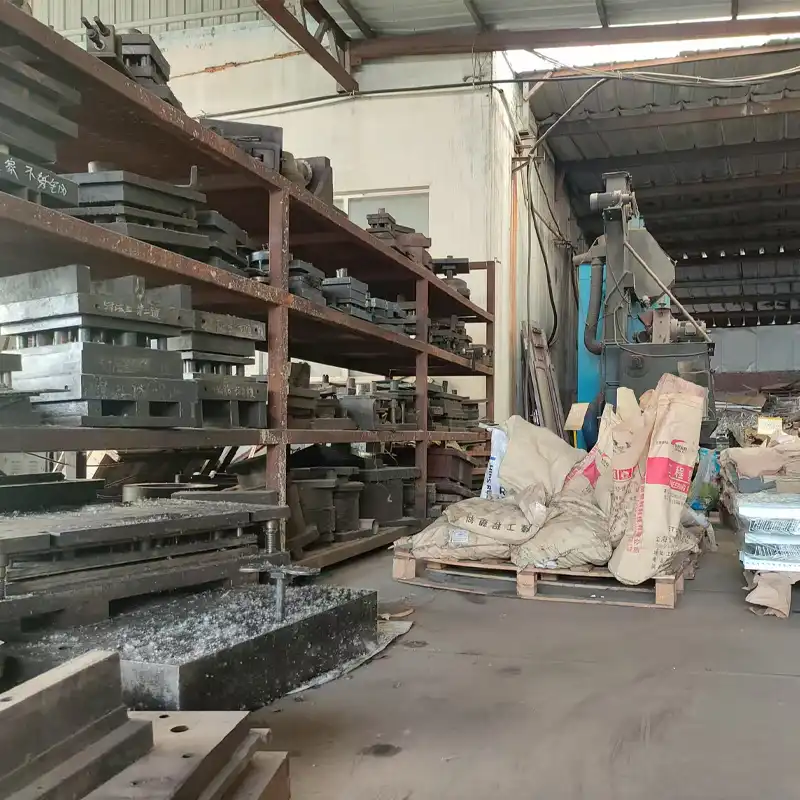
Besides these consumer brands, there are also specialized manufacturers that work with businesses. RUIRUI Machinery makes heavy-duty stabilizers that are designed to meet the needs of commercial fleets. The sizes and coatings can be changed to meet OEM standards. Their ISO 4032 and DOT FMVSS 121 certifications give procurement departments the proof they need for compliance checks.
Product Category Distinctions and Use Case Scenarios
Knowing what each type of product does for trailer hitch tightener keeps you from buying the wrong thing. Hitch locks have a locking mechanism that stops accessory theft, which is useful for overnight parking but doesn't do much to stop rattles. The lock barrel itself adds extra play at the pin interface, which can make vibration problems worse.
People often mix up stabilizer bars and trailer hitch tightener. Stabilizer bars are spring-loaded devices that connect the trailer frame to the tow vehicle and keep it from swaying while driving on the highway. These fix lateral movement during corners and crosswinds, but they work in a completely different way than receiver trailer hitch tightener.
Shank trailer hitch tightener, which are a subset, build anti-wobble features right into the design of the ball mount. These work well for dedicated trailer uses where the mount stays in place, but they aren't flexible enough for situations where you need to switch between tow balls, bike racks, and cargo carriers often.
Critical Specifications for Bulk Procurement
The cost-benefit analysis changes based on how much the service is used. A construction company that had 15 trucks with hitch-mounted generators every day could afford to spend $60 per unit on premium stainless steel trailer hitch tightener because they would last three years instead of the one year that cheaper options would need to be replaced. A facilities management company that only used them sometimes chose $30 mid-grade units because they knew that the lower number of exposure hours didn't warrant a top-tier investment.
The most important factor in judging something is its composition. Grade 8 steel U-bolts have a tensile strength of 150,000 PSI, which means they can handle shear forces that would break weaker hardware. Stainless steel types, especially the 304 series, are better at resisting corrosion, but they cost 40–60% more than other types of steel, which needs to be justified by the use case.
How long something lasts in an exposed environment depends on the coating technology. Basic zinc plating doesn't offer much protection; in salt-belt areas, rust starts to form within 18 months. Powder coating over galvanization makes things last an extra 3 to 5 years. The options that last the longest use Dacro coating, which is an eco-friendly process that doesn't use chrome and can withstand 1,000 hours of salt spray testing while still looking good.
Dimensional compatibility is not a given. Make sure that the trailer hitch tightener you choose works with the receiver classes in your fleet. Class V uses, like municipal utility trucks, need 2.5-inch or 3-inch capacities that most consumer products can't meet. When custom manufacturing is needed, having suppliers like RUIRUI on hand is helpful because they can make things based on engineering drawings.
Warranty terms show how confident the maker is. Lifetime warranties backed by production methods that are ISO 9001-certified show that quality control systems are in place. If a warranty only lasts one year or doesn't say what it covers, it means that the manufacturing standards were lower, which means that the product will cost more to replace over its lifetime.
Conclusion
Hitch stabilizers are a small investment that pays off big time in terms of fleet reliability, driver satisfaction, and the life of the equipment. The engineering has been tested, it's easy to set up, and you can see the benefits right away in how it works. When procurement professionals are looking at their options, they should put material quality, dimensional compatibility, and the supplier's ability to meet their needs ahead of the initial purchase price. When you're in charge of dozens or hundreds of vehicles, the price difference between a $25 unit and a $50 unit doesn't matter when it comes to fewer maintenance calls, less receiver damage, and more uptime. The question isn't whether or not trailer hitch tightener are needed; it's which specification fits your needs best and which manufacturing partner can provide consistent quality on a large scale.
FAQ
What is the main difference between a hitch tightener and a hitch lock?
A trailer hitch tightener stops shaking and wobbling by pressing the hitch shank firmly against the receiver walls. A hitch lock, on the other hand, keeps accessories from being stolen by locking the hitch pin in place. Trailer hitch tightener specifically stop movement, while locks often add more play at the pin interface. Many commercial operators use both—the trailer hitch tightener to control vibrations and a separate lock for safety—rather than expecting one device to do both jobs well.
Can I install a hitch stabilizer on Class V receivers?
Class I through IV receivers (1.25 to 2") can usually fit in standard consumer units. To fit 2.5" or 3" receivers that are common on heavy-duty trucks, Class V applications need U-bolt spacing that is wider. Manufacturers like RUIRUI offer custom sizes for business and industrial uses, so the right fit can be achieved without any changes. Always check the measurements before placing an order, especially when buying in bulk for a fleet where compatibility between vehicle types is important.
How often should I retighten the hitch stabilizer bolts?
Retightening the bolts for the first time after 100 miles makes up for the settling that happens when parts sit down after being shaken around. After that, inspections will happen every three months, which is how often fleets usually get maintenance. Vehicles that are used off-road, in salty coastal areas, or every day for heavy-duty tasks should have their oil and filters checked once a month. The small amount of time spent stops the gradual loosening that lowers performance and can cause parts to fail in harsh conditions.
Partner with a Trusted Trailer Hitch Tightener Manufacturer
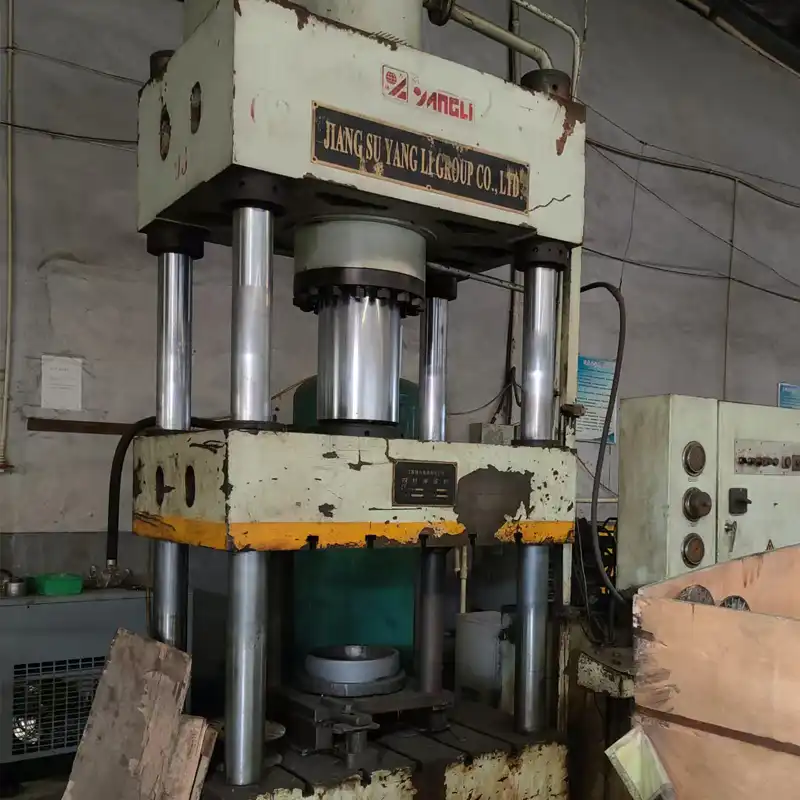
RUIRUI Machinery makes trailer hitch tightener that are precisely engineered to meet the strict ISO 4032 and DOT FMVSS 121 standards. This makes sure that they are compliant and work well in a variety of industrial settings. Our factory in Qingdao makes solutions that can be tailored to your needs out of Grade 8 steel and stainless steel, with advanced coating options like galvanization and Dacro treatment. We support OEM partnerships with minimum order quantities (MOQs) starting at 1,000 pieces and give procurement professionals the technical documentation, just-in-time (JIT) delivery, and engineering support they need. Email our team at kshdhardware@qdkshd.com to talk about your fleet needs and get specific specs that are made for your work environment.
References
Society of Automotive Engineers. (2021). "Trailer Coupling and Hitch Systems: Standards and Testing Protocols." SAE International Journal of Commercial Vehicles, Volume 14, Issue 3.
Anderson, M. R., & Thompson, K. L. (2020). "Vibration Analysis in Commercial Towing Applications: Impact on Vehicle Longevity." International Journal of Heavy Vehicle Systems, Volume 27, Number 5.
National Highway Traffic Safety Administration. (2019). "Federal Motor Vehicle Safety Standards: Hitch and Coupling Requirements for Commercial Vehicles." U.S. Department of Transportation Technical Report.
Chen, W., & Rodriguez, P. (2022). "Material Selection and Corrosion Resistance in Automotive Fastener Applications." Journal of Materials Engineering and Performance, Volume 31, Issue 8.
Fleet Maintenance Council. (2021). "Best Practices for Commercial Vehicle Hitch Systems: Maintenance and Inspection Guidelines." Technology and Maintenance Council Recommended Practice Document.
Williams, J. D., & Patel, S. (2020). "Economic Analysis of Preventive Maintenance in Fleet Operations: Case Studies in Towing Equipment." Journal of Transportation Engineering and Management, Volume 146, Number 12.

Send Inquiry
You may like