
Load Capacity Guide for Trailer Jacks and Couplers in Industrial Use
To choose the right trailer jack, you need to know about load capacity basics that have a direct effect on worker safety and the equipment's life. For industrial uses, it's important that the weights of the trailer jacks, couplers, and trailer tongue are perfectly matched so that the structure doesn't fail, accidents happen at work, and expensive downtime happens. This guide tells procurement managers, engineers, and distributors what they can do about load ratings, equipment types, and selection factors that make sure safety standards are met while also getting the best performance in tough settings.
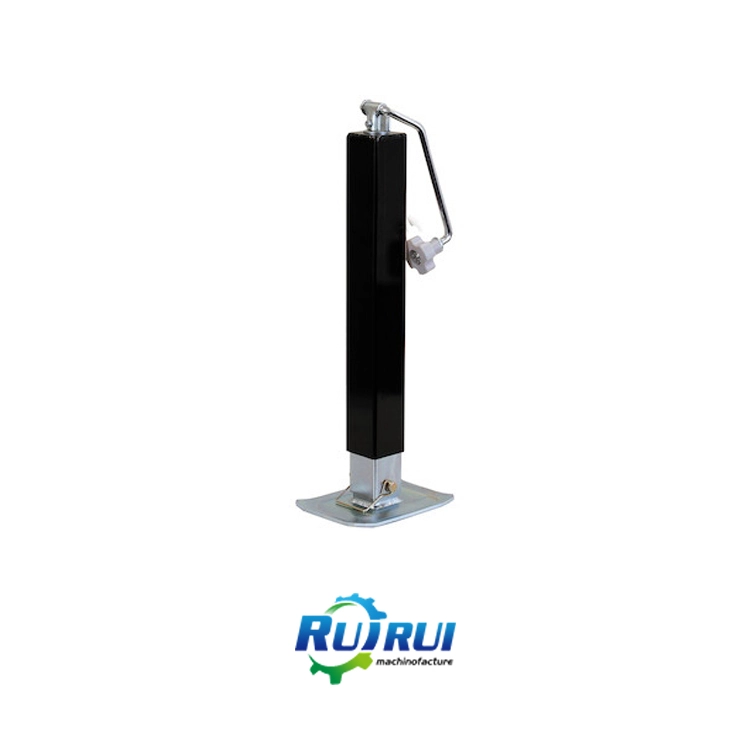
Understanding Load Capacity and Its Critical Role in Industrial Trailer Jacks
Defining Static vs. Dynamic Load Ratings
The highest weight that a trailer jack can safely hold without breaking is called its load capacity. The static load rating tells you how much weight the trailer can hold when it's not moving. The dynamic load rating, on the other hand, takes into account forces that happen when the trailer is moving or when the road shakes. In industrial settings, static ratings are usually more important than dynamic ratings because trailer jacks keep parked trailers stable during loading, repair, or long storage periods.
Material and Design Factors Influencing Capacity
How much weight a trailer jack can hold depends a lot on what materials it is made of and how it was designed. Compared to mild steel, high-tensile steel metals are stronger per unit of weight, which means that trailer jacks can hold more weight without getting bigger. Capacity rates are also affected by the width of the tube wall, the pitch of the gears, and the quality of the welds. Over time, environmental factors like corrosion from coastal salt exposure or high temperature changes can weaken materials. In equipment that hasn't been properly kept, this can lower the useful load capacity by up to 20%.
Recognizing Overload Symptoms
If the outer tube deforms, grinding sounds happen while it's working, or you have trouble pulling the trailer jack back, this could mean that the device is overloaded. It's likely that the trailer jack has been overloaded if the trailer is unstable when it's not connected. These signs not only make things less safe, but they can also void maker warranties and break OSHA safety rules at work, so industry workers need to check the capacity of their equipment on a regular basis.
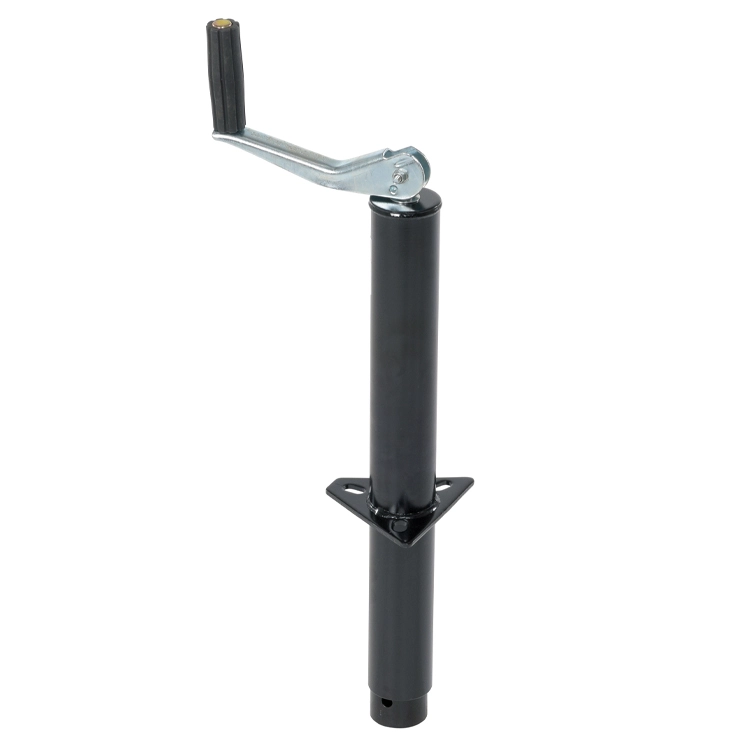
Comprehensive Guide to Different Types of Trailer Jacks and Their Load Capacities
Manual vs. Electric Jack Systems
Manual trailer jacks with screw-drive mechanisms can usually hold between 2,000 and 10,000 pounds, which makes them good for utility trailers and light industrial use. With electric or hydraulic trailer jacks, this range can be extended to 20,000 pounds or more, meeting the needs of people who haul heavy tools and work in building. Electric versions of systems make operators less tired during frequent coupling cycles, which is important for high-volume shipping operations. Manual systems are reliable without needing power.
Specialized Designs for Heavy-Duty Applications
Dual-wheel trailer jacks spread point loads over a bigger surface area, which makes them better for soft ground. This design is very useful in marine settings where boat trailers have to deal with sandy docks or in farming settings where fields are wet. When compared to single-wheel options, the twin-caster system lowers ground pressure per square inch by about 50%. This keeps the trailer jack from sinking and keeps the trailer stable during long periods of driving.
Trailer jack foot plates do something similar, but they change the narrow contact point of a normal tube into a wider bearing surface. These stamped steel parts stop the base from penetrating asphalt, gravel, or packed dirt. They also stop moisture from getting in, which speeds up internal corrosion. Industrial-grade foot plates made of galvanized steel can handle being used over and over in tough conditions and protect both the trailer jack tube and the surface below it.
Coupler Type Considerations
Ball couplers are still commonly used for trailers that weigh less than 10,000 pounds gross, while pintle hitches are better for industrial equipment that needs to move off-road. Fifth-wheel couplers, which can hold up to 30,000 pounds, are most common in heavy-haul situations where stable load movement is important. Matching the coupler's capacity to the tongue's weight makes sure that the load is safely distributed and stops the hitch from failing, which could cause the trailer to separate while it's being moved.
How to Correctly Match Trailer Jacks and Couplers to Your Load Requirements
Calculating Actual Tongue Weight
For regular trailers, tongue weight makes up about 10–15 percent of the total trailer weight. A skid steer that weighs 12,000 pounds creates about 1,800 pounds of tongue weight, so an equipment driver needs a trailer jack that can support at least 2,500 pounds to be safe. Overestimating by 25–30% takes into account uneven load distribution and wear and tear on the materials over the equipment's lifetime.
Surface Treatment Comparisons
Powder coating makes things look nice and protects against corrosion to a moderate degree, making it good for trailers that work in controlled manufacturing yards. Hot-dip galvanization is the best way to protect things in salty settings, like seawater or roads that have been de-iced for the winter. The difference in price is usually between 15 and 20 percent, but zinc parts last three times longer in corrosive environments, which is why infrastructure builders and city fleet managers choose them.
Common Selection Errors
People who buy something based only on the beginning cost often don't think about the total costs of ownership. Under-specified trailer jacks need to be replaced too soon, while over-sized ones add extra weight and make it harder to move. Ignoring the state of the ground can cause problems with how things work. For example, a normal fixed-base trailer jack won't work on building sites with uneven ground, but a swivel mount with two wheels will stay stable on a variety of surfaces. Instead of using general capacity rates, procurement teams should look at the needs of each application.
Installation, Maintenance, and Troubleshooting for Optimal Load Performance
Proper Installation Protocols
The coupler must be level when the trailer tongue is flat on the ground. This keeps the load from being spread out unevenly, which would put stress on the trailer jack system. Bolt torque specs are important. Fasteners that are too loose let movement happen, which wears out mounting holes, while fasteners that are too tight crack weld joints. Using lock nuts and thread-locking powder stops loosening caused by vibrations while the item is being shipped by road.
Extending Service Life Through Maintenance
Putting marine-grade grease on zerk fittings every 90 days keeps big loads from messing up gear systems. Checking the quality of the welds and the straightness of the tubes as part of regular trailer checks finds early signs of fatigue before they cause a fatal failure. Replacing worn-out foot plates or wheels keeps the ground contact efficiency high, which keeps stopped trailers from suddenly falling, which can make them unstable. Recording when maintenance is due helps with guarantee claims and shows that rules are being followed during safety checks.
Troubleshooting Performance Issues
When the trailer jack is working, it's usually because the pivot pins or turning bolts are worn out or broken, not because the capacity has been exceeded. Most coupling failures are caused by balls that are the wrong size or latch devices that are corroded and won't fully connect. Taking care of these technical problems right away keeps trailer frames from getting damaged again and lowers the risk of an accident during the connecting process.
Selecting and Procuring the Right Trailer Jack and Coupler for Industrial Use
Evaluating Supplier Credentials
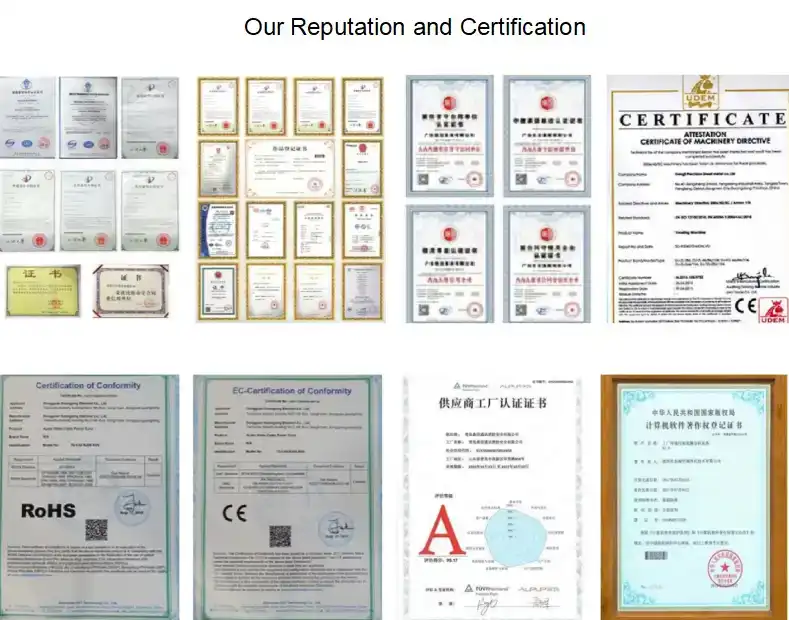
Industrial procurement needs more than just reasonable prices. It also needs partners who have a track record of making things and quality standards. ISO 9001 approval means that production methods are fixed so that the quality of the product is the same for big orders. Suppliers that offer OEM modification can change the trailer jack's size, mounting options, and load capacity to fit different trailer designs. This is better than using off-the-shelf solutions, which have to make sacrifices.
Balancing Budget and Performance
Basic trailer jacks can handle basic loads, but they often don't have the reliability features that are needed for daily industrial use. Mid-range choices have hardened gears and stronger tubes that make up for their 30% higher price by allowing for longer periods of time between replacements. Premium systems with built-in load tracking or electric control work best in high-volume settings where the savings in energy use pay for the initial investment in 18 to 24 months.
Initiating Procurement Conversations
To engage suppliers effectively, you need to give them specific information, such as the weight of the trailer, the usual load patterns, and the environmental exposure. Requesting third-party test results confirms the stated capacities, and the terms of the guarantee show that the maker is confident in the product's durability. When you talk about wait times, minimum order amounts, and customization options up front, you can avoid misunderstandings that could cause projects to take longer than planned or cause equipment to not work properly with each other.
Conclusion
Learning about load capacity for trailer jacks and couplers keeps people safe, keeps equipment in good shape, and keeps operations running smoothly in a wide range of workplace settings. A good procurement strategy starts with matching trailer jack ratings to real tongue weights, choosing designs that work well with the terrain, and working with reliable providers. Regular maintenance and the right way to put an industrial trailer will get you the best return on your investment and make sure you follow the safety rules that guide their use.
FAQ
How do I determine the correct load capacity for my application?
Figure out that the tongue weight is 10 to 15 percent of the total trailer weight, and then choose a trailer jack that is rated 25 to 30 percent higher just to be safe. Take into account uneven loading, the wear and tear on materials over time, and high loads during coupling activities. For correct capacity matching, look at load distribution charts that are made for your unique trailer setup.
What maintenance extends jack lifespan under heavy industrial loads?
Every three months, use a marine-grade oil that won't wash out to grease all of the hinge points. During pre-trip checks, look for stress cracks in the welds and tubes, and repair old foot plates before they go through the ground. Keep the trailer jacks lowered when they're not holding a trailer so they don't get too much exposure to weather, which speeds up corrosion.
Are electric jacks more reliable than manual systems?
Electric trailer jacks make coupling processes faster and require less work from the user, which is good for high-frequency activities. Because they don't depend on batteries or hydraulics, manual trailer jacks are more reliable and can be used in remote areas. The quality of the build and regular upkeep have more of an effect on reliability than the way of activation. Both systems work well when they are properly specified and serviced.
Partner with RUIRUI for Industrial-Grade Trailer Jack Solutions
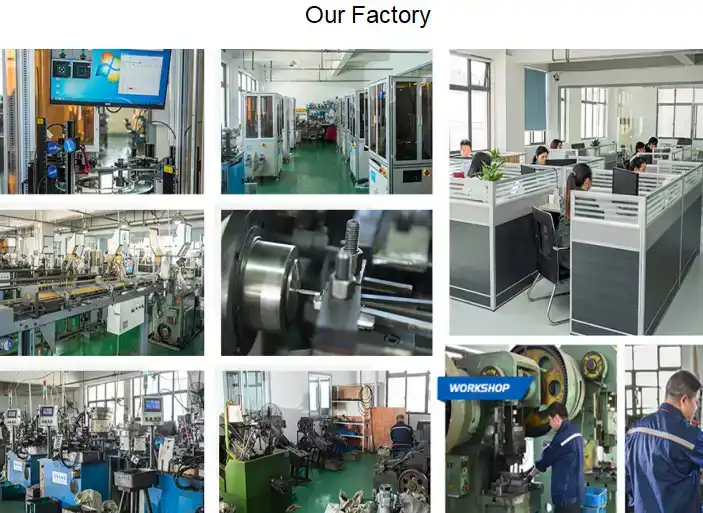
Picking a reliable trailer jack maker who knows how to work in industrial settings is the first step to improving your fleet's load management. We at RUIRUI have been working with metal production for over 15 years and have advanced manufacturing skills such as CNC machining, laser cutting, and precision stamping. This lets us make custom trailer jack parts that are exactly what you need. Our ISO-certified production methods make sure that every part meets strict quality standards. This includes heavy-duty foot plates designed to spread out loads as evenly as possible and dual-wheel assemblies for soft ground.
We work with global distributors, building contractors, and equipment makers who need dependable trailer jack providers who can increase production without lowering quality. Whether you need powder-coated finishes for industrial yards or galvanized rust protection for marine use, our wide range of surface treatment options will make your equipment last longer in the toughest environments. Email our engineering team at kshdhardware@qdkshd.com to talk about your load capacity needs and find out how our OEM customization services can help you with your specific business problems. Ask for specifics and prices for large orders right now.
References
1. Society of Automotive Engineers (SAE). "Trailer Coupling and Safety Devices: Load Rating Standards and Testing Protocols." SAE Technical Paper Series, 2021.
2. American Society of Mechanical Engineers (ASME). "Material Selection and Structural Design for Industrial Lifting Equipment." ASME Engineering Standards, 2020.
3. National Highway Traffic Safety Administration (NHTSA). "Trailer Hitch and Coupling Systems: Safety Performance Requirements." Federal Motor Vehicle Safety Standards, 2019.
4. Industrial Truck Association. "Load Capacity Verification and Maintenance Guidelines for Material Handling Equipment." ITA Technical Bulletin, 2022.
5. International Organization for Standardization. "Road Vehicles - Mechanical Coupling Components - Strength Requirements for Gross Trailer Weight Rating." ISO 11407:2018.
6. American Galvanizers Association. "Corrosion Protection Performance of Hot-Dip Galvanized Steel in Transportation Applications." AGA Technical Report, 2020.

Send Inquiry
You may like