
No More Wobble: How Hitch Tighteners Improve Towing Safety
When pulling a trailer, the hitch receiver and ball mount can move around without reason. This makes noise, vibrations, and safety issues that B2B procurement pros can't ignore. By applying constant clamping pressure, a properly placed hitch tightener gets rid of this mechanical play and turns a loose link into a solid, stable pulling system. The manufacturing error gap in receiver tubes is fixed by this anti-rattle device. It stops metal fatigue, improves driver control, and keeps valuable goods safe while in transit. When infrastructure builders, fleet managers, and equipment sellers know how these stabilization devices work, they can make better buying choices that improve operational safety in all commercial pulling applications.
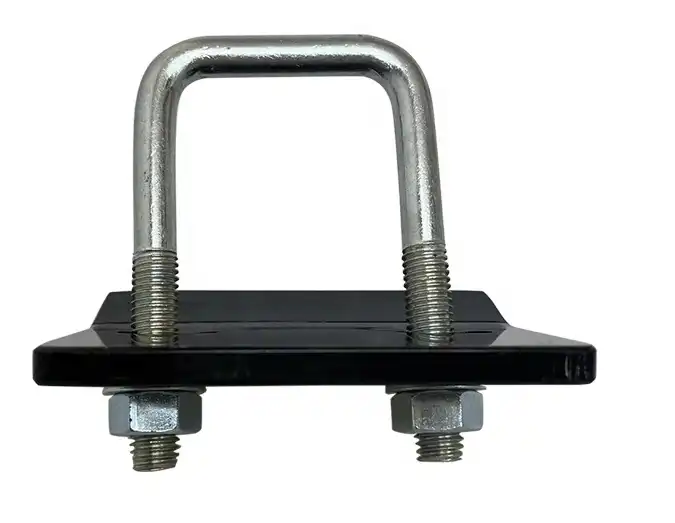
Understanding the Problem of Hitch Wobble and Its Impact on Towing Safety
Road shocks, load changes, and dynamic forces are always putting stress on tow equipment. The space between a receiver tube and an inserted ball mount is usually less than one-eighth of an inch. This may not seem like a big deal, but it causes big problems when the gun is in use.
Common Causes of Hitch Movement
Unstable tow ties are caused by a number of things. Tolerances in the manufacturing process make it easy for receivers and mounts to fit together, but this necessary space lets them move when loads are put on them. When the tongue weight goes over the suggested limits or the cargo moves around during delivery, problems with weight distribution make these problems worse. Road situations like potholes, uneven surfaces, and sudden stops add extra forces that take advantage of any parts that are loose in the hitch system.
Worn-out parts make the problem even worse. When receiver tubes and hitch pins are used for a long time, they wear in ways that make them more flexible than they were at first. This wear and tear happens slowly, so it's easy to miss until the noise gets loud or the handle feels rough.
Safety Hazards and Financial Risks
If you ignore hitch instability, it will cause more problems than just annoying noise. Too much movement makes it harder for the driver to control the car, especially in emergency situations where quick turning reaction is most important. The constant metal-on-metal contact speeds up wear on both the receiver and the ball mount, which means they need to be replaced sooner than they should. For businesses that are in charge of teams of vehicles, these upkeep costs add up quickly across many units.
When crashes happen because of unstable hitches, insurance and responsibility worries grow. Businesses that ship goods, materials, or tools may have to deal with shipping damage and the claims that come with it. When building supply lines that depend on reliable transportation infrastructure, procurement managers who are looking at tow options need to keep these risk factors in mind.
How Hitch Tighteners Work to Eliminate Wobble and Improve Safety
Anti-rattle clamps work by following simple technical rules that make a noticeable difference in how well they do their job. Most of the time, these devices have a U-bolt shape that goes around the receiver tube and a plate that pushes against the hitch shank to tighten it.
Mechanical Design and Materials
High-strength steel is used to build good supports that can handle the forces that come from pulling. Based on the design, the U-bolt applies pressure either vertically or horizontally, making a friction bond that stops parts from moving apart. Threaded fasteners let users change the amount of tension, so they can work with different hitch sizes and wear conditions.
Choice of materials has a direct effect on how well a hitch tightener works over time. Manufacturers like RUIRUI use powder-coated or metal finishing to keep things from rusting, which makes them last longer even in tough conditions. This durability is very important for wholesalers who work with places where tools might be exposed to chemicals, road salt, or water.
Performance Benefits for Commercial Operations
Putting in the right stability device has many benefits. Less vibration saves fragile goods and electronics during transport, which means shipping companies get fewer damage claims. Getting rid of rattling noise makes drivers more comfortable and less tired during long trips. Better control makes it easier to predict how the car will handle, especially when making turns or driving in bad weather.
These changes have a direct effect on how well operations run. When parts wear out less often, maintenance times get longer, which means that fleet cars have less downtime. A small investment in stabilization gear keeps receivers and ball mounts from breaking, which saves a lot of money on repairs. This gives buying teams that track total cost of ownership a measured return on investment.
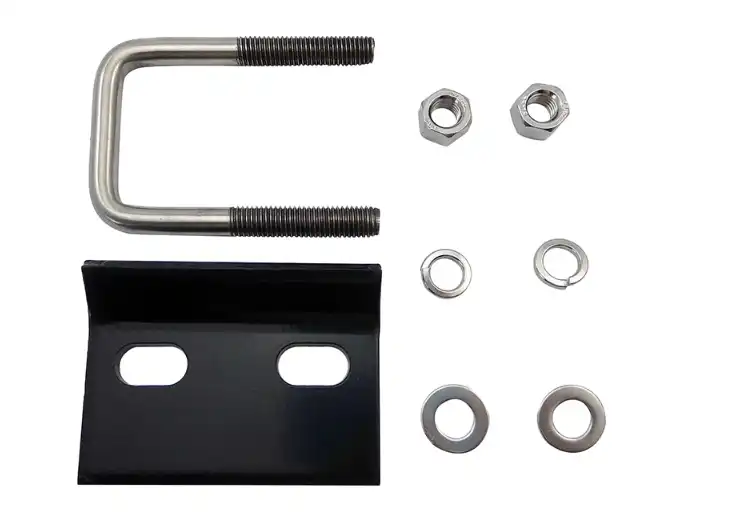
Installation Guide and Best Practices for Hitch Tightener Use
Anti-rattle devices work best and keep you safe when they are installed correctly. When buying these parts, the teams in charge of procurement should know how to install them so they can help field workers and check the quality of the supplier's paperwork.
Step-by-Step Installation Process
First, make sure that the brace fits with the size of your hitch receiver. The device needs to be the same size as a standard receiver, which is either 1.25, 2, or 2.5 inches. As you usually would, put the ball mount or other device into the receiver. Make sure the hitch pin goes through both sides of the receiver tube.
Put the tightening plate against the hitch shank and wrap the U-bolt around the receiver. Tighten the nuts on the U-bolt with your finger, then use a tool to put strong pressure on them. By switching between nuts as you tighten, you can keep the pressure even. The goal is to stop movement without too much stress on the parts. To test this, try moving the shank up and down and side to side. The link should feel stable and not play when it's set up correctly.
Maintenance and Inspection Protocols
Over time, success is kept up by regular checks. Fasteners should be checked every month to make sure they stay tight, since vibrations can slowly open hardware. On both the stabilizer and the receiving tube, look for signs of or damage. Clean the device every so often to get rid of dirt and road debris that could stop it from working right.
Quickly replace any damaged parts. The stabilizer can't fix internal wear in the receiver tube that causes it to stretch or bend. Based on how often the vehicles are used, engineering teams should set replacement intervals and keep records of repair tasks so that fleet-wide trends can be found.
Comparing Hitch Tighteners with Other Stability Solutions
Knowing about the different technologies used for towing stability, including the hitch tightener, helps people who work in buying choose the best options for each job. Each method deals with different parts of how towing works.
Weight Distribution Hitches vs. Stabilizers
Using weight distribution systems, the tongue weight is spread out across the axles of both the tow car and the trailer. This fixes sag and makes the general balance better. These complicated sets use spring bars and chains to move the weight, which is why big trailers that are too heavy for the car are needed. But they don't get rid of receiver play, so adding an anti-rattle clamp to the system may still be a good idea for some cars.
Anti-sway bars stop trailers from moving side to side when there are crosswinds or other cars are passing. Through friction or cam action, these mechanical links stop motion from side to side. They work well to stop swaying, but they are not the same as stabilizers in the receiver, which deal with vertical and horizontal play.
Manual vs. Automated Solutions
Simple, reliable, and affordable, traditional bolt-style devices are a good choice. It only takes minutes to put together with simple hand tools, and there are no moving parts that could break. When people regularly connect and separate trailers, manual designs work best because they provide uniform performance in a range of situations.
Some companies have come up with automatic or tool-free designs that make installation go faster. These new ideas are appealing to businesses that want to be more efficient, even though they usually cost more at first. Based on their business needs and how often the product will be used, procurement managers need to decide if extra features that make things easier are worth the extra cost.
Procurement Insights: Selecting the Best Hitch Tightener for Your Business Needs
When making a buying choice, it's important to look at more than just the price. Business-to-business buyers should evaluate providers using a wide range of factors that take into account their long-term working needs.
Key Selection Criteria
The weight numbers you use for pulling must match your needs. RUIRUI makes supports that can hold up to 10,000 pounds, making them suitable for heavy-duty business use. Check that the specs meet or go beyond the maximum weights for your trailer, making sure to include safety gaps for dynamic loads.
The quality of the material and the finish choices for a hitch tightener affect how long it lasts in different settings. For cars that live near the coast or in places where road salt is used in the winter, galvanized steel is a great material for protecting against rust. When used in mild situations, powder-coated finishes protect well without being too expensive. Size compatibility across your fleet makes managing your inventory easier—devices that can be changed to fit different receiver sizes make SKUs less complicated.
Labor prices and operational performance are affected by how easy something is to put. Devices that only need basic tools make training less necessary and allow for quick rollout across multiple locations. Documentation and installation tips that are easy to understand help to cut down on mistakes and support quality control efforts.
Supplier Evaluation and Certification
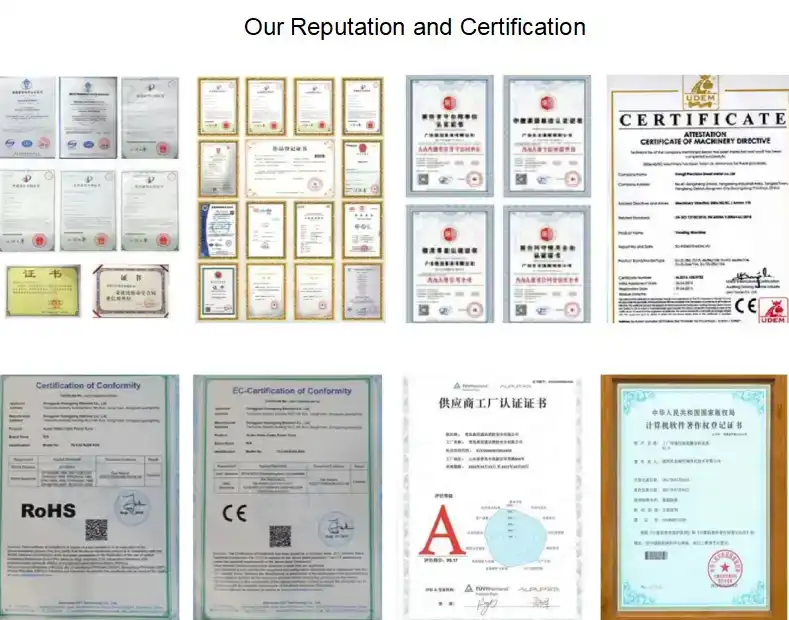
Working with approved makers makes sure that the products you buy are reliable and meet industry standards. RUIRUI keeps up with OHSAS 18001 health and safety standards, ISO 9001 quality management standards, and ISO 14001 environmental management systems. These certificates show that the manufacturing process is strong and that the company is committed to consistently high product quality.
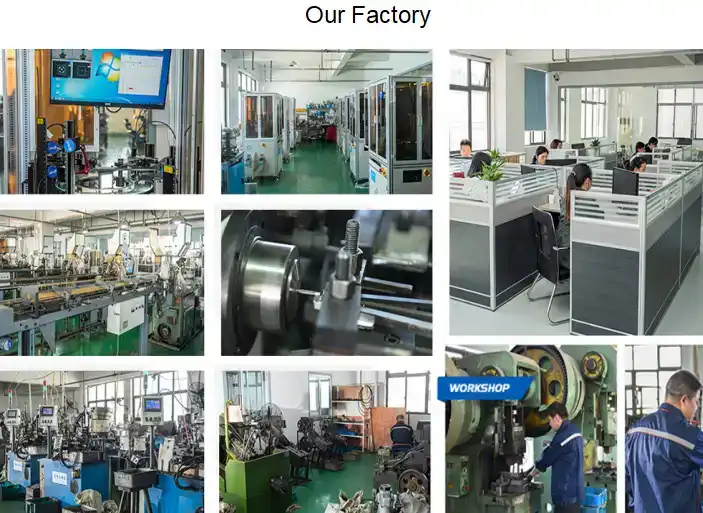
Buyers who need customization or large orders should pay attention to what their suppliers can do. Special needs can be met without outsourcing if the source factory has full manufacturing capabilities, such as laser cutting, CNC machining, casting, and welding. OEM support is available at RUIRUI's Qingdao facility with a minimum order number of 1,000 pieces. This makes it a good choice for distributors and big fleet owners who want to work directly with the manufacturer.
Lead times have an effect on planning supplies and making plans for projects. Manufacturers with established production capacity and good transportation networks can guarantee a steady supply, which lowers the risk of running out of stock. Samples are available so that testing and confirmation can be done before full production runs are committed to. This lowers the buying risk for new products.
Conclusion
Using the right stabilization devices, including a hitch tightener, to get rid of hitch play is a must for business pulling uses that care about safety and efficiency. These anti-rattle clamps are very simple mechanically, but they have a big effect on driver control, the life of parts, and the safety of goods. When buying things for infrastructure builders, fleet managers, and equipment distributors, procurement professionals need to look at more than just price.
They need to look at the quality of the materials, the ability to make the products, and the standards for approval. As safety rules for tow trucks change and worries about liability grow, investing in tried-and-true stabilization solutions is a smart way to control risk and protect assets and image in global markets that are very competitive.
FAQ
Are hitch stabilizers necessary for all towing applications?
Anti-rattle devices are not required by law, but they make most pulling situations much safer and more comfortable. Light-duty uses with little receiver play might be able to do without stabilizers, but business operations would benefit greatly from less vibration and better control. Fleet managers should check the state of each car. For example, older receivers that show signs of wear need to be stabilized to get them back to their original performance levels.
How often should hitch tighteners be inspected or replaced?
Visual checks once a month make sure that everything is tight enough and look for signs of possible rust or damage. As parts settle after the first use, fasteners may need to be tightened again. When threads wear out, U-bolts crack, or rust weakens the structure, replacement is needed. Heavy-duty business vehicles that work in harsh conditions may need to change their tires every year, but moderate-duty vehicles usually have tires that last more than one year. Write down the results of the check so that you can set replacement times that work for your business.
Can stabilizers completely eliminate trailer sway?
These devices focus on the receiver play rather than the physics of the trailer, so they lessen the causes of sway but do not get rid of them completely. For steady pulling, you still need the right amount of tongue weight, the right weight distribution, and the right tire pressure. When you combine stabilizers with anti-sway bars, weight distribution systems, and weight distribution systems, you get full steadiness for difficult loads or situations.
Partner with RUIRUI for Reliable Hitch Tightener Solutions
Purchasing managers looking for a reliable hitch tightener provider will find that RUIRUI has the manufacturing know-how and quality guarantee that businesses need. Our Qingdao factory uses advanced manufacturing techniques like progressive pressing, laser cutting, and powder finishing, along with strict ISO-certified quality control procedures that make sure all production runs are the same in terms of performance. We offer OEM customization for wholesalers who need specific finishes, sizes, or branding. Our engineering teams can look over your technical requirements and suggest the best options for your needs.
As a well-known company that sells to customers all over the world, we offer low factory-direct prices, free samples, and flexible order amounts that start at 1,000 pieces. You can talk to our buying team at kshdhardware@qdkshd.com about your towing hardware needs, ask for technical paperwork, or set up product samples that show how committed we are to quality production and customer service.
References
1. Society of Automotive Engineers. "Trailer Hitch Safety Standards and Testing Protocols for Commercial Applications." SAE International Technical Paper Series, 2021.
2. National Highway Traffic Safety Administration. "Towing Safety: Equipment Requirements and Best Practices for Commercial Vehicles." U.S. Department of Transportation, 2020.
3. American Welding Society. "Structural Design and Materials Selection for Towing Equipment Manufacturing." AWS Standards Committee Report, 2019.
4. International Organization for Standardization. "Quality Management Systems for Automotive Suppliers: Implementation Guidelines." ISO 9001 Technical Specification, 2018.
5. Commercial Vehicle Safety Alliance. "Inspection Procedures for Towing Equipment and Trailer Coupling Devices." CVSA Operational Policy, 2022.
6. Materials Science and Engineering Institute. "Corrosion Resistance and Durability Testing of Coated Steel Components in Transportation Applications." MSEI Research Journal, 2020.

Send Inquiry
You may like