
OEM Custom Trailer Coupler Solutions for Fleet Manufacturers
Maintaining hundreds or thousands of trailers with identical parts that don't meet their unique operating needs is a never-ending headache for fleet management. The whole supply chain comes to a complete stop when a bespoke trailer coupler malfunctions during the busiest delivery season or is unable to meet certain hauling requirements. The answer is OEM bespoke trailer coupler production, which ensures optimum uptime and operational efficiency by bridging the gap between mass-produced components and the particular requirements of commercial fleet operations.

Understanding Custom Trailer Coupler Requirements for Large-Scale Fleet Operations
Large-scale fleet builders need trailer coupling solutions that go much beyond the generic goods found in hardware shops. For commercial fleet applications, a bespoke trailer coupler must be able to survive heavy loads, harsh weather, and regular usage that would otherwise rapidly deteriorate consumer-grade parts. The technical concerns for these customized components include compatibility with current fleet infrastructure, corrosion resistance for certain operating conditions, and material selection depending on load capacity. The bespoke trailer coupler has to be designed to function consistently in a variety of geographical locations with different road conditions and climatic issues when fleet operations are spread across numerous areas. Coupler solutions that avoid unplanned failures, shorten maintenance intervals, and increase the operating longevity of whole trailer fleets may be provided by manufacturing partners that are aware of these intricate needs.
Material Selection and Engineering Specifications
Any dependable custom trailer coupler starts with a material selection that is suited for the needs of the particular application. While stainless steel offers improved corrosion resistance for fleets operating in coastal areas or places with extensive road salt consumption during the winter, mild steel and cold rolled steel are ideal strength-to-weight ratios for normal hauling applications. Modern production facilities use a variety of metal stamping materials, such as copper or brass components for specific electrical grounding needs and aluminum alloys for lightweight applications where fuel economy is crucial. Tensile strength specifications, fatigue resistance over millions of coupling cycles, and compatibility with different surface treatment choices must all be taken into consideration when choosing a material. Manufacturers may design intricate designs that efficiently distribute stress throughout the coupler body and avoid premature failure at stress concentration areas by using progressive stamping and deep drawing stamping processes. Fleet managers should confirm a manufacturing partner's capacity to deal with a variety of materials and their comprehension of how material qualities impact long-term performance in certain applications before choosing them to produce bespoke trailer couplers.
Load Capacity and Safety Factor Calculations
Precise load capacity estimates that take into consideration both static and dynamic stresses experienced during regular operations are necessary when designing bespoke trailer couplers for fleet applications. Commercial coupling systems usually have a safety factor of 3:1 to 5:1, which means that the component can sustain three to five times the specified operating load before failing catastrophically. This cautious engineering strategy guards against unforeseen overload scenarios, material flaws, and gradual deterioration brought on by wear and exposure to the environment. During the design process, fleet makers must make sure their custom trailer coupler provider is aware of their maximum gross vehicle weight ratings, normal load distributions, and any unique hauling needs. Additionally, dynamic loads—which may far surpass static load calculations—generated during braking, turning, and acceleration must be accommodated by the coupling mechanism. Before physical prototype starts, skilled engineering teams may use advanced finite element analysis to find possible stress concentration locations and optimize the coupler design, cutting down on development time and guaranteeing first-time-right manufacture.
Manufacturing Processes for High-Volume Custom Trailer Coupler Production
Advanced manufacturing skills that strike a compromise between production efficiency and customization flexibility are necessary to produce bespoke trailer couplers in the volume needed by fleet manufacturers. Progressive stamping operations, which convert flat metal sheets into three-dimensional components via a sequence of carefully regulated shaping processes, usually start the production process. The metal strip moves automatically through the whole process as each stamping station completes a particular task, such as piercing, bending, or drawing, until the completed bespoke trailer coupler comes out of the last station. Tight dimensional tolerances necessary for correct fit and function are maintained while production speeds surpassing thousands of pieces per day are made possible by this automated method. Important features like perfectly positioned mounting holes, threaded inserts, and bearing surfaces that demand precision beyond what stamping alone can provide are added by secondary operations like CNC machining. Laser cutting technology is perfect for creating smaller batches of customized bespoke trailer coupler variations for niche fleet applications because it offers the flexibility to swiftly adjust designs without costly equipment modifications.
Surface Treatment and Corrosion Protection
A proper surface treatment that shields the base metal from abrasion, corrosion, and environmental deterioration is crucial to the lifespan of any bespoke trailer coupler. For fleet branding, powder coating comes in almost any hue and offers a long-lasting, eye-catching surface with outstanding chip resistance. The powder particles are drawn to grounded metal surfaces during the electrostatic application process, which guarantees thorough coverage of intricate geometries. A durable, cross-linked polymer coating is then produced by heat curing. For specialized trailer couplers working in tough maritime or industrial settings, electroplating with zinc, zinc-nickel, or chrome deposits offers outstanding corrosion protection. The metallic coating serves as a sacrificial barrier that corrodes preferentially to the underlying steel. With the help of dye absorption into the porous oxide structure, anodizing techniques provide aluminum custom trailer coupler components a robust, corrosion-resistant oxide coating with the additional advantage of artistic color possibilities. Additionally, state-of-the-art facilities provide electrophoresis coating, which applies paint particles evenly to all surfaces, even recessed places that conventional spray techniques could overlook, using electrical current. The particular operating environment, anticipated service life, maintenance capabilities, and aesthetic needs of the fleet operation should all be taken into account when choosing the right surface treatment.
Quality Control and Testing Protocols for Commercial Applications
Fleet manufacturers cannot afford to use trailer connection devices that risk operational safety or malfunction too soon. Every bespoke trailer coupler is guaranteed to fulfill strict standards prior to shipping thanks to thorough quality control throughout the production process. In order to confirm that raw materials satisfy the mechanical property and chemical composition standards given in the design documents, the quality assurance process starts with the examination of arriving materials. Dimensional deviations or flaws are detected by in-process inspections at crucial production stages before faulty components have significantly increased in value. Before out-of-specification items are created, statistical process control techniques monitor important dimensions and attributes during production runs. Control charts may spot patterns that might point to tool wear or process drift. Each manufacturing batch's samples undergo destructive testing to confirm that the actual load capacity satisfies or surpasses design specifications. The testing procedures mimic the worst-case loading situations, such as shock loads and cycle fatigue. Internal flaws or fissures that would not be apparent via visual examination alone might be found using non-destructive testing techniques like magnetic particle inspection or ultrasonic testing.
Compliance with International Standards
Trailer safety equipment is governed by a number of industry norms and regulations, which must be followed when producing bespoke trailer coupler solutions for fleet applications. A manufacturer's implementation of thorough procedures for design control, production management, and continuous improvement is shown by their ISO 9001 quality management system accreditation. ISO 14001 and other environmental management system certifications attest to ethical production methods that reduce pollution and waste in order to have a minimal negative influence on the environment. Certifications for occupational health and safety management systems guarantee that production plants provide secure working environments and adhere to regional labor laws. Depending on the targeted market and application, certain product standards may be applicable in addition to these generic management system requirements. The regulatory requirements in each target market, which may include particular testing procedures, paperwork requirements, and marking or labeling criteria, must be understood and adhered to by manufacturers providing global fleet operations. The danger of expensive delays brought on by non-conforming items is decreased when working with a China custom trailer coupler manufacturer that keeps up-to-date certifications and is aware of international regulatory standards.

Customization Options and Design Flexibility
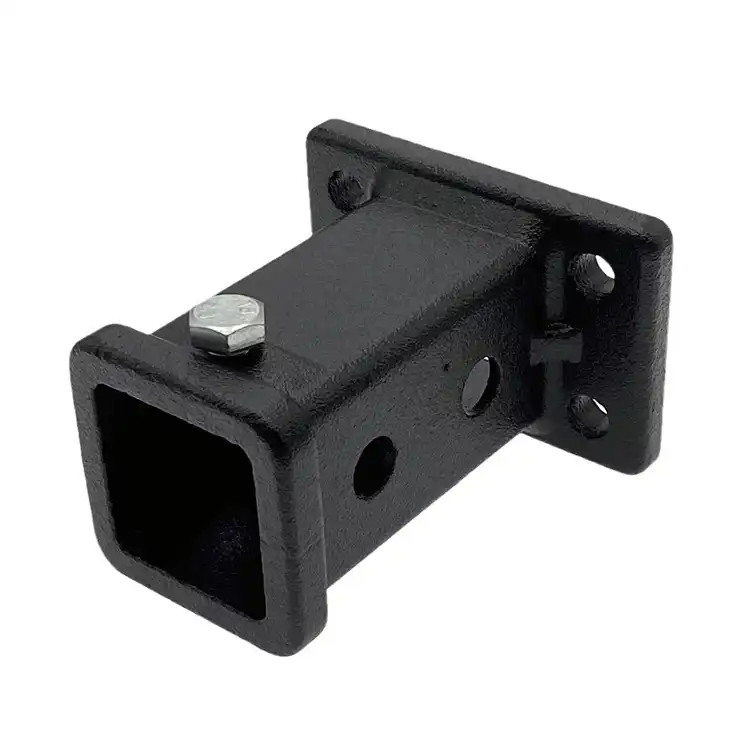
The ability to precisely match coupling solutions to particular fleet needs is the main benefit of working with an OEM bespoke trailer coupler provider as opposed to buying catalog components. Almost all aspects of the connection design, including as overall dimensions, mounting configurations, latching mechanisms, and load ratings, are customizable. Without the requirement for adapter plates or frame changes, fleet manufacturers may build special mounting bolt patterns that work with their current trailer tongue designs. Specialized ball or pintle configurations, multi-ball setups for various trailer types, or quick-release mechanisms that expedite trailer swaps during peak operation hours may all be included into the connection receiver's design. Depending on the particular application, the choice of material can be adjusted to balance strength, weight, and cost. From corrosion-resistant stainless steel for demanding environments to lightweight aluminum alloys for fuel-sensitive operations, mild steel is an affordable choice for standard applications. Driver convenience, protection against theft or unlawful trailer release, and dependability in inclement weather may all be achieved by customizing the latching mechanism.
Integration with Fleet Management Systems
In order to track the condition of vehicles and trailers in real time, modern fleet operations are depending more and more on telematics and sensor systems. Before trucks leave the yard, fleet management systems may get confirmation from forward-thinking bespoke trailer coupler designs that have mounting facilities for sensors that detect good coupling connection. These smart coupling devices lessen the possibility of trailer detachment events brought on by poorly fastened connections, which present major risks to public safety and put fleet operators at substantial danger of liability. In order to expedite trailer changeover and lower the likelihood of forgotten electrical connections, electrical connectivity features may be included into bespoke trailer coupler assemblies, integrating mechanical coupling and electrical connections in a single operation. Mounting points built into custom coupler designs can be used by GPS tracking devices, tire pressure monitoring system receivers, and other fleet management technologies to create integrated systems that are more dependable and look more professional than aftermarket installations using generic mounting hardware.

Selecting the Right Manufacturing Partner for Custom Trailer Coupler Production
Choosing a manufacturing partner with the right skills, background, and dedication to fleet manufacturer needs is essential to the success of any bespoke trailer coupler program. Technical capabilities, quality systems, manufacturing capacity, and a cooperative attitude to problem-solving should all be included in the evaluation criteria in addition to the offered cost. As a single-source supplier, a Chinese custom trailer coupler manufacturer with extensive metalworking capabilities—such as stamping, machining, welding, and finishing operations—can streamline supply chain management and guarantee uniform quality across all components. The engineering staff of the manufacturing partner should exhibit knowledge of the particular pressures and environmental circumstances that these components face as well as expertise with trailer applications. Before investing in production equipment, look for indications of technical skill, such as CAD design resources, finite element analysis capabilities, and prototyping facilities that can quickly iterate designs. For fleet manufacturers, whose component needs may change depending on market circumstances and fleet development plans, production capacity and scalability are crucial factors. With many production lines and adaptable manufacturing methods that can be swiftly rearranged for various product versions, the ideal China custom trailer coupler supplier maintains enough capacity to handle spike demand without sacrificing quality or delivery dates. ISO-certified quality management systems provide assurance that all facets of the manufacturing process, from design validation to final inspection and delivery, are governed by established processes. A supplier that prioritizes long-term partnerships above transactional relationships is shown by their openness about production procedures, readiness to conduct facility audits, and proactive communication about quality problems or delivery difficulties.
Conclusion
OEM custom trailer coupler solutions address the specific challenges fleet manufacturers face by delivering precisely engineered components that enhance reliability, reduce maintenance, and support operational efficiency across diverse applications and environments.

Cooperate With Qingdao RUIRUI Machinary Co., LTD.
Fleet manufacturers looking for a reputable Chinese custom trailer coupler manufacturer that can provide premium custom trailer coupler solutions at affordable costs should work with Qingdao RUIRUI Machinary Co., LTD. Founded in 2016 and situated in Qingdao, Shandong, China, we are a manufacturing and trade firm that specializes in creating bespoke sheet metal products and trailer accessories. Stamping, CNC machining, laser cutting, bending, and extensive secondary procedures including polishing, powder coating, plating, anodizing, and electrophoresis are all areas in which we specialize. Our firm, which has over 15 years of management expertise, has eight manufacturing lines that produce 130,000 pieces a year and completely automated robot production lines. ISO 9001, ISO 14001, ISO 20000, and OHSAS 18001 have all validated our management systems, and our dedication to innovation is shown by the many utility model and design patents we have.
RUIRUI, a top supplier and wholesaler of custom trailer couplers in China, provides custom trailer couplers for sale that are supported by thorough quality control and affordable custom trailer coupler pricing. We can handle mild steel, coated steel, aluminum alloys, cold rolled steel, stainless steel, copper, and brass in addition to deep drawing stamping and progressive stamping. We are aware that fleet manufacturers need reliable supply networks and consistently high-quality bespoke trailer coupler parts. Our skilled R&D staff ensures your goods arrive securely by offering OEM assistance, quick delivery dates, and expert packing. From the start of production, our engineers collaborate closely with inspectors to create product quality files, documenting every step of the manufacturing process while adhering to ISO and IAFT quality standards.
As your go-to China custom trailer coupler manufacturer, we provide flexible alternatives for large orders with long-term contract options, thorough after-sales service that guarantees client satisfaction, and technical help for product selection and installation advice. More than 80 nations, including Spain, the UK, Europe, America, and Australia, are served by our goods. We invite both current and past clients to join and work together. Save this link to your bookmarks for use in the future when you have inquiries about bespoke trailer couplers. Get in touch with us at info@qdkshd.com to talk about your needs for a bespoke trailer coupler and find out how our superior manufacturing can improve fleet operations.
References
1. "Design and Analysis of Trailer Coupling Systems for Commercial Vehicle Applications" by Richard Thompson, Journal of Automotive Engineering, Volume 234, 2023.
2. "Material Selection Criteria for Heavy-Duty Trailer Components" by Jennifer Martinez and David Chen, Society of Automotive Engineers Technical Paper Series, 2024.
3. "Quality Management Systems in Metal Stamping Operations" by Michael Anderson, International Journal of Manufacturing Technology, Volume 128, 2023.
4. "Corrosion Protection Methods for Trailer Hardware in Marine Environments" by Sarah Williams, Corrosion Science and Engineering Journal, Volume 89, 2024.
5. "Fleet Management Best Practices: Maintenance Strategies for Commercial Trailers" by James Robertson, Transportation Research Board Special Report, 2023.

Send Inquiry

Related Industry Knowledge
- What Makes a Reliable Trailer Coupler Manufacturer Truly Dependable?
- How to Select a Reliable Trailer Ball Coupler Pin Set Supplier?
- Best Trailer Parts Manufacturer for Heavy-Duty Axles & Brakes
- Corrosion-Resistant Hitch Tightener for Boats, RVs, and Cargo Trailers
- High-Toughness Metal Hinge: A Must-Have for Industrial Equipment
- Why Are CNC Metal Accessories Essential for Precision Engineering?
- What components are included in a 2-inch coupler repair kit?
- What are the different types of trailer safety pins?
- Removable Bollards: A Smart Solution for Temporary Access Control
- What are the design considerations for sheet metal enclosures?