
OEM Trailer Coupler and Hitch Components for Light vs Heavy Trailers
Have you ever experienced the frustration of discovering your trailer coupler isn't compatible with your towing setup, only after you've loaded your equipment? Or worse, have you felt that unsettling clunking noise during transport, wondering if your connection might fail? Selecting appropriate OEM Trailer Coupler and Hitch Components is not merely a matter of convenience; it directly impacts your safety, operational efficiency, and the longevity of your towing equipment. Understanding the critical distinctions between light-duty and heavy-duty coupler systems empowers you to make informed decisions that prevent costly failures, downtime, and potential accidents on the road.
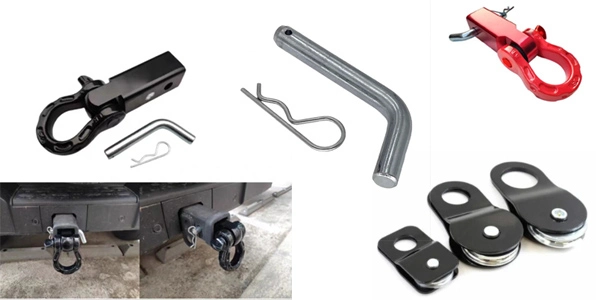
Understanding Trailer Coupler Classifications and Weight Capacities
The foundation of safe towing begins with understanding how OEM Trailer Coupler and Hitch Components are classified according to weight capacity and application. Light-duty trailer couplers typically accommodate trailers with gross trailer weight ratings up to 3,500 pounds, making them suitable for small utility trailers, boat trailers, and light camping equipment. These couplers generally feature 1-7/8 inch or 2 inch ball sizes and utilize simpler latch mechanisms such as trigger-style or hand-wheel designs. In contrast, heavy-duty trailer couplers are engineered for loads ranging from 10,000 to 60,000 pounds, incorporating robust construction materials, reinforced mounting points, and advanced latching systems like sleeve-lock or collar-lock mechanisms. The material composition differs significantly between these categories, with light-duty options often manufactured from stamped steel, while heavy-duty variants utilize forged steel or high-grade alloy materials that can withstand extreme stress loads and dynamic forces encountered during commercial hauling operations.
Critical Design Differences Between Light and Heavy Duty Couplers
When evaluating OEM Trailer Coupler and Hitch Components, the design architecture reveals fundamental differences that extend beyond simple weight ratings. Light-duty straight-tongue couplers mount directly onto single-beam trailer tongues using bolt-on configurations, providing adequate strength for recreational and occasional commercial use. These designs prioritize ease of installation and cost-effectiveness, making them ideal for weekend warriors and small business operators. Heavy-duty configurations, however, employ A-frame or gooseneck mounting architectures that distribute forces across multiple structural points. A-frame couplers, commonly rated between 5,000 and 21,000 pounds, weld onto triangular tongue structures at industry-standard fifty-degree angles, creating superior load distribution and enhanced stability during high-speed highway travel. Gooseneck couplers represent the pinnacle of heavy-duty towing technology, mounting directly into truck beds and supporting capacities up to 40,000 pounds while dramatically improving turning radius and vehicle control. The manufacturing processes also differ substantially, with premium OEM components utilizing precision CNC machining, progressive stamping techniques, and advanced surface treatments including powder coating, zinc plating, and corrosion-resistant anodizing to ensure maximum durability in harsh operating environments.
Material Selection and Manufacturing Standards for Optimal Performance
The selection of appropriate materials fundamentally determines the reliability and longevity of OEM Trailer Coupler and Hitch Components across both light and heavy-duty applications. Light-duty couplers frequently utilize mild steel or coated steel materials that provide adequate tensile strength for loads under 5,000 pounds while maintaining cost efficiency for budget-conscious consumers. These materials undergo basic surface treatments such as paint coating or light zinc plating to provide minimal corrosion resistance suitable for occasional use in moderate weather conditions. Heavy-duty applications demand significantly more robust material specifications, incorporating cold-rolled steel, stainless steel alloys, and specialized brass or copper components for specific electrical and mechanical interfaces. Manufacturing facilities specializing in premium OEM Trailer Coupler and Hitch Components employ advanced metallurgical processes including heat treatment, stress relieving, and precise alloy composition control to achieve the exceptional strength-to-weight ratios required for demanding commercial applications. Quality manufacturers implement comprehensive testing protocols aligned with ISO 9001 standards, conducting static load testing, dynamic stress analysis, and fatigue cycle evaluation to verify that each component meets or exceeds published specifications. The finishing processes applied to heavy-duty couplers often include multiple-layer protection systems combining electrophoresis coating for corrosion resistance, powder coating for environmental protection, and specialized lubricants for bearing surfaces, ensuring reliable operation across temperature extremes and exposure to road chemicals, saltwater, and industrial contaminants.
Latch Mechanism Technologies and Safety Features
The latching mechanism represents the most critical safety component in any OEM Trailer Coupler and Hitch Components system, serving as the primary retention device that prevents accidental disconnection during transport. Light-duty couplers typically feature entry-level trigger-style or lever-actuated latches that provide basic security through spring-loaded engagement with the hitch ball. These mechanisms offer simplicity and ease of operation, allowing users to quickly couple and uncouple their trailers with minimal physical effort or technical expertise. However, heavy-duty applications require substantially more sophisticated latch technologies to maintain secure connections under extreme dynamic loads. Sleeve-lock mechanisms, prevalent in A-frame couplers rated above 10,000 pounds, employ sliding collar designs that engage with built-in pins on the trailer tongue, creating positive mechanical locks that cannot accidentally release even under significant vibration or shock loading. Collar-lock systems, frequently specified for industrial and agricultural applications, utilize threaded adjustment mechanisms that allow operators to precisely control the clamping force applied to the hitch ball, compensating for wear and ensuring consistent connection integrity throughout the component's service life. Advanced no-latch couplers, gaining popularity in professional applications, eliminate traditional latching mechanisms entirely in favor of through-pin retention systems secured with heavy-duty hitch pins and cotter clips, providing virtually fail-proof connections that require deliberate action to disconnect. Professional-grade OEM Trailer Coupler and Hitch Components increasingly incorporate integrated locking provisions, allowing operators to secure couplers with padlocks or specialized coupler locks that deter theft while providing visual confirmation of proper latching engagement, addressing both security concerns and regulatory compliance requirements in commercial transportation operations.
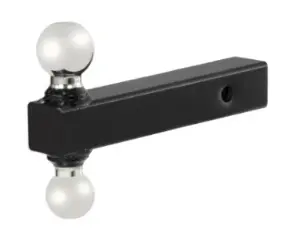
Matching Coupler Types to Specific Trailer Configurations
Selecting appropriate OEM Trailer Coupler and Hitch Components requires careful consideration of trailer tongue configuration, as mismatched components compromise both safety and operational efficiency. Straight-tongue trailers, characterized by single-beam construction extending forward from the trailer frame, accommodate the widest variety of light-duty coupler options ranging from basic 2,000-pound capacity units suitable for small utility applications to robust 21,000-pound systems designed for heavy equipment transport. These configurations excel in applications requiring compact designs and simplified installation procedures, making them particularly popular for boat trailers, cargo trailers, and agricultural equipment where space constraints or frequent coupling operations dictate design priorities. A-frame trailer configurations, identified by their distinctive triangular tongue structure, necessitate specialized A-frame couplers engineered to mount at standard fifty-degree angles, though variations exist for specialized applications. The A-frame design inherently provides superior structural integrity compared to straight-tongue alternatives, distributing towing forces across two frame members rather than concentrating stress in a single beam, making this configuration preferred for RVs, enclosed trailers, and car haulers where stability and load capacity are paramount concerns. Gooseneck trailer applications represent the heavy-duty segment of the market, requiring specialized gooseneck couplers that mount into fifth-wheel or dedicated gooseneck ball installations within truck beds. These systems provide unmatched weight capacity and stability for agricultural machinery, livestock trailers, and commercial flatbed operations. Channel-mount adjustable couplers offer unique versatility for operators managing diverse towing requirements, mounting onto vertical adjustment brackets that allow height modifications to accommodate different tow vehicles without requiring trailer modifications or multiple dedicated couplers, making them invaluable in commercial fleet operations and rental applications where equipment flexibility directly impacts operational efficiency and revenue generation potential.
Ball Size Specifications and Compatibility Requirements
Proper ball size selection represents a critical yet frequently overlooked aspect of configuring OEM Trailer Coupler and Hitch Components systems that directly affects connection security and legal compliance. Light-duty applications predominantly utilize 1-7/8 inch ball diameters for trailers rated under 3,500 pounds gross trailer weight, providing adequate bearing surface area while maintaining compact dimensions suitable for passenger vehicle receiver hitches with limited vertical clearance. The ubiquitous 2 inch ball diameter serves as the industry standard for mid-range applications spanning 3,500 to 10,000 pounds capacity, offering the optimal balance between load-bearing capability and universal compatibility across diverse tow vehicle platforms including pickup trucks, SUVs, and commercial vans. Heavy-duty applications exceeding 10,000 pounds gross trailer weight mandate 2-5/16 inch ball diameters that provide substantially increased contact surface area and mechanical strength necessary to safely transmit the elevated forces generated during heavy equipment transport, RV towing, and commercial hauling operations. Component manufacturers clearly stamp ball size specifications directly onto coupler housings, though years of service exposure, paint application, and corrosion accumulation frequently obscure these critical markings, necessitating careful cleaning and inspection procedures during routine maintenance intervals. Mismatched ball and coupler combinations create dangerous situations where insufficient clamping force allows excessive vertical play and potential disconnection during travel, while oversized ball installations prevent proper latch engagement and may cause premature component failure. Professional installers and fleet maintenance departments maintain calibrated ball diameter gauges and utilize precise measurement protocols to verify compatibility before authorizing equipment deployment, recognizing that proper fitment verification represents minimal investment compared to the catastrophic consequences and liability exposure associated with towing system failures on public roadways or client worksites.
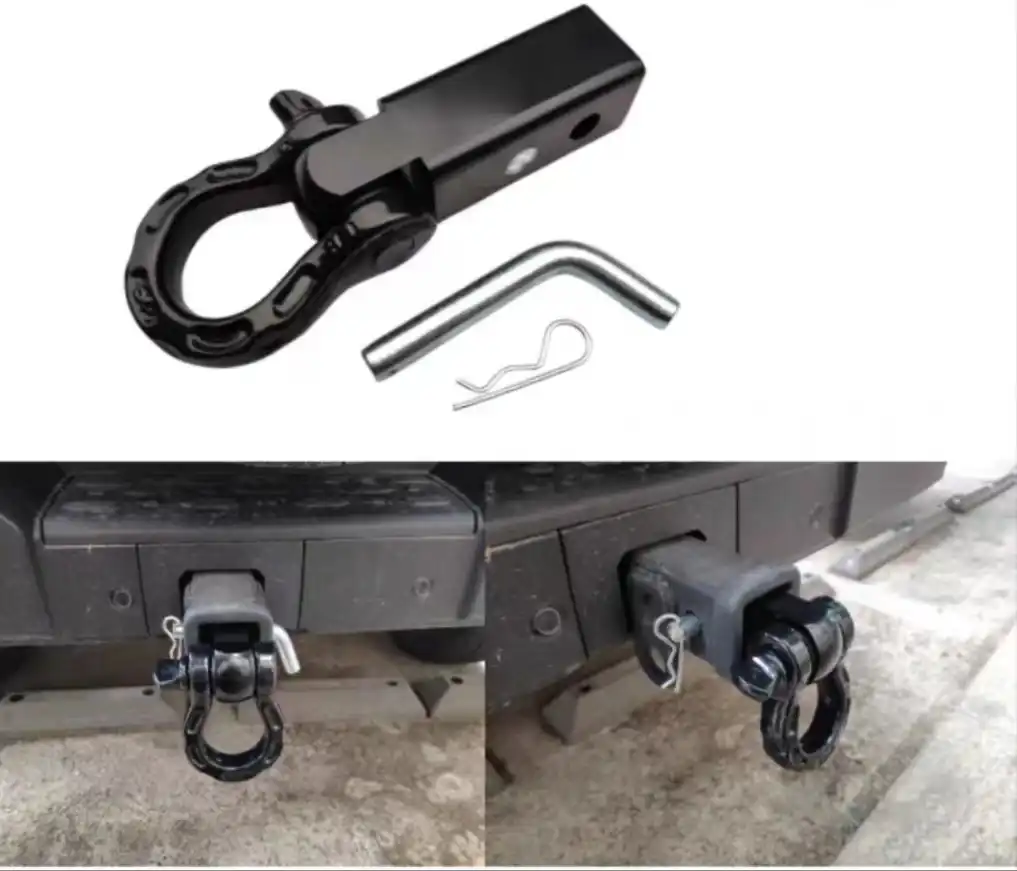
Manufacturing Excellence in OEM Trailer Components Production
The production of high-quality OEM Trailer Coupler and Hitch Components demands sophisticated manufacturing capabilities combining traditional metal fabrication expertise with modern automation and quality control systems. Progressive stamping operations form the foundation of efficient coupler production, utilizing multi-stage dies that sequentially shape, pierce, and form raw steel coils into complex three-dimensional components with exceptional dimensional accuracy and material consistency. This manufacturing methodology enables high-volume production while maintaining tight tolerances essential for proper fit and function in demanding towing applications. Deep drawing stamping processes create cup-shaped coupler bodies and receptacles that provide the structural depth necessary to fully engage hitch balls while maintaining optimal material thickness distribution throughout the component geometry. Advanced facilities complement stamping operations with precision CNC machining centers that perform critical operations including thread milling, bearing surface finishing, and mounting hole location to tolerances measured in thousandths of an inch, ensuring perfect alignment and smooth operation throughout the component's service life. Laser cutting technology enables intricate bracket fabrication and mounting plate production with minimal heat distortion and exceptional edge quality, eliminating secondary deburring operations while accelerating production throughput. Robotic welding systems provide consistent, high-strength joints connecting multiple stamped components into integrated assemblies, applying precisely controlled heat input and filler material placement that maximizes structural integrity while minimizing warpage and residual stress that could compromise long-term durability. Secondary finishing operations transform raw metal components into corrosion-resistant, aesthetically appealing products through sequential processes including sonic cleaning to remove manufacturing residue, wire drawing or polishing to achieve specified surface textures, chemical etching for enhanced paint adhesion, and application of protective coatings such as powder coating, zinc plating, or advanced electrophoresis systems that provide superior environmental protection compared to traditional painting methods.
Quality Assurance and Certification Standards
Manufacturers of premium OEM Trailer Coupler and Hitch Components implement comprehensive quality management systems addressing every aspect of production from raw material incoming inspection through final product validation and delivery. ISO 9001 certification provides the framework for documented procedures, process controls, and continuous improvement initiatives that ensure consistent product quality and customer satisfaction across all manufacturing operations. Environmental management system certification under ISO 14001 standards demonstrates organizational commitment to minimizing environmental impact through responsible waste management, energy efficiency improvements, and sustainable material sourcing practices that align with contemporary corporate responsibility expectations. Occupational health and safety management system certification validates implementation of rigorous workplace safety protocols protecting employees from manufacturing hazards while fostering a culture of safety awareness and accident prevention. Five-star green supply chain management system certification represents industry-leading recognition of comprehensive sustainability practices encompassing supplier relationships, manufacturing processes, and product lifecycle considerations. Production quality files created for each manufacturing run document critical parameters including material certifications, dimensional inspection results, destructive testing data, and surface treatment verification, providing complete traceability and accountability throughout the product lifecycle. In-process inspection protocols conducted by trained quality technicians utilize calibrated measurement equipment to verify dimensional accuracy, surface finish quality, and functional performance at predetermined control points within the manufacturing sequence, preventing defective components from advancing to subsequent operations and minimizing scrap generation. Final inspection procedures subject completed assemblies to comprehensive evaluation including visual examination for cosmetic defects, dimensional verification against engineering specifications, functional testing of latch mechanisms and mounting interfaces, and load testing on representative samples to confirm structural adequacy and safety margin compliance with published capacity ratings.
Selecting the Right OEM Partner for Trailer Component Needs
Partnering with an experienced manufacturer of OEM Trailer Coupler and Hitch Components provides distinct advantages including access to engineering expertise, flexible customization capabilities, and reliable supply chain management that supports your operational requirements. Established manufacturers bring decades of accumulated knowledge regarding material selection, manufacturing process optimization, and application-specific design considerations that inform product development and ensure optimal performance across diverse operating conditions. Comprehensive OEM support services encompass collaborative engineering consultation to develop custom solutions addressing unique customer requirements, prototype development with rapid iteration cycles to validate design concepts before committing to production tooling, and flexible order quantities accommodating both small specialty runs and high-volume production commitments. Professional packaging expertise ensures products arrive at destination facilities in pristine condition, utilizing appropriate cushioning materials, moisture barriers, and protective coatings that prevent transit damage while facilitating efficient receiving and inventory management procedures. Technical support teams staffed by experienced application engineers provide responsive assistance addressing installation questions, troubleshooting operational issues, and recommending optimal component selections for specific towing scenarios, serving as valuable resources that extend beyond simple product transactions to establish genuine partnership relationships. After-sales service commitments demonstrate manufacturer confidence in product quality while providing customers with peace of mind knowing that any performance concerns will receive prompt, professional attention backed by warranty coverage and replacement part availability that minimizes downtime and operational disruptions.
Customization Capabilities for Specialized Applications
The ability to customize OEM Trailer Coupler and Hitch Components distinguishes professional manufacturers from commodity suppliers, enabling development of tailored solutions that precisely address unique customer requirements unavailable through standard catalog offerings. Advanced manufacturing facilities equipped with diverse metalworking capabilities including stamping, laser cutting, welding, CNC machining, and multiple surface treatment options provide the versatility necessary to produce components in virtually any configuration, material specification, or finish treatment demanded by specialized applications. Engineering teams collaborate with customers from initial concept discussions through final production release, applying technical expertise to optimize designs for manufacturability while ensuring compliance with relevant safety standards and performance requirements. Material selection flexibility allows specification of specialized alloys, coatings, or treatments optimized for extreme operating environments including marine applications requiring exceptional corrosion resistance, arctic deployments demanding cold temperature ductility, or high-temperature industrial settings necessitating heat-resistant materials and lubricants. Dimensional customization accommodates non-standard mounting interfaces, unique ball size requirements, or specialized geometry constraints imposed by existing trailer configurations or tow vehicle limitations. Volume flexibility enables cost-effective production of specialty components even in relatively small quantities, eliminating the minimum order requirements that frequently prevent smaller operators from accessing custom solutions, while still offering competitive pricing for high-volume production runs that benefit from economies of scale and optimized manufacturing efficiency.
Conclusion
Selecting appropriate OEM Trailer Coupler and Hitch Components for light versus heavy trailer applications requires comprehensive understanding of weight classifications, design architectures, material specifications, and manufacturing quality standards. Proper component selection and professional installation ensure safe, reliable towing operations while maximizing equipment longevity and operational efficiency across diverse applications.
Cooperate With Qingdao RUIRUI Machinary Co., LTD.
As a leading China OEM Trailer Coupler and Hitch Components manufacturer, China OEM Trailer Coupler and Hitch Components factory, and China OEM Trailer Coupler and Hitch Components supplier, Qingdao RUIRUI Machinery Co., LTD. delivers exceptional quality, competitive pricing, and comprehensive OEM support for all your trailer component requirements. Since our establishment in 2016, we have specialized in producing High Quality OEM Trailer Coupler and Hitch Components utilizing advanced manufacturing technologies including progressive stamping, deep drawing, CNC machining, laser cutting, and robotic welding, complemented by sophisticated finishing processes such as powder coating, plating, anodizing, and electrophoresis that ensure superior corrosion resistance and long-term durability.
Our fully automated production facility features eight dedicated manufacturing lines generating annual output capacity of 130,000 pieces, supported by comprehensive quality management systems certified under ISO 9001, ISO 14001, ISO 20000, and OHSAS 18001 standards that guarantee consistent product excellence and environmental responsibility. We maintain extensive material processing capabilities encompassing mild steel, coated steel, cold rolled steel, stainless steel, aluminum alloys, copper, brass, and titanium, ensuring optimal material selection for your specific application requirements and operating conditions. Our experienced engineering team provides complete technical support from initial design consultation through production implementation, offering custom solutions precisely tailored to your unique specifications including non-standard dimensions, specialized mounting configurations, and application-specific performance requirements.
Whether you need OEM Trailer Coupler and Hitch Components for sale in standard configurations or require wholesale quantities of customized components, we deliver exceptional value through efficient production processes, professional packaging protocols, and reliable delivery performance that supports your operational success. Our products serve customers across more than 80 countries including Spain, the United Kingdom, Europe, America, and Australia, earning recognition for product quality, competitive OEM Trailer Coupler and Hitch Components price positioning, and responsive customer service that transforms suppliers into trusted long-term partners. Contact our team today at info@qdkshd.com to discuss your trailer component requirements, request technical specifications, or obtain quotations for your next project. Bookmark our resources for convenient reference whenever you encounter towing system challenges or component selection questions, and discover why leading equipment operators worldwide trust Qingdao RUIRUI Machinery Co., LTD. as their preferred source for premium China OEM Trailer Coupler and Hitch Components wholesale solutions that deliver unmatched quality, reliability, and value.
References
1. Society of Automotive Engineers Technical Standards Committee. "Trailer Couplings and Hitches Performance Requirements." SAE International Standards Division, 2023.
2. Drake, Michael R. "Comprehensive Analysis of Fifthwheel and Gooseneck Attachment Systems." Journal of Heavy Equipment Engineering, Vol. 47, 2024.
3. National Trailer Manufacturers Association. "Industry Guidelines for Trailer Coupler Selection and Installation." NATM Technical Publication Series, 2024.
4. Henderson, Robert J. and Patricia L. Martinez. "Metallurgical Considerations in Heavy-Duty Towing Component Manufacturing." Materials Engineering Quarterly, Vol. 33, Issue 2, 2023.
5. International Standards Organization. "Quality Management Systems for Transportation Equipment Manufacturers." ISO Technical Committee 269, 2024.

Send Inquiry
You may like
Related Industry Knowledge
- Top-Rated Heavy Duty Trailer Parts That Reduce Downtime
- What Makes a Reliable China Trailer Parts Supplier?
- Universal Heavy-Duty Hitch Tightener for SUV, Truck, and RV Hitches
- Expert Insights: Choosing the Right Hitch Pin for Your Needs
- How Can the Automobile Metal Square Interface Trailer Arm Enhance Your Trailer's Performance?
- Smart Weight Distribution: AC Brackets That Protect Your Walls
- How Can a High-Quality Car Trailer Ball Towing Hitch Boost Your Business?
- Can a Ball Coupler be Used on All Types of Trailers?
- What materials are trailer safety pins made from?
- How does a colored corrugated metal fence compare to other materials?