
OEM Trailer Parts Benefits and Buying Guide
When it comes to keeping your fleet running and safe, picking OEM trailer parts over generic aftermarket ones has a direct effect on your bottom line and the reliability of the parts in the long run. OEM trailer parts are made to exact specs that match the original equipment that comes with trailers. This makes sure that they work well together and that you can count on them to perform. These precisely designed trailer parts, which include axles, suspension units, braking systems, and lights, are made to the same standards of tolerances and materials as the original parts. This means that you don't have to worry about compatibility issues that often happen with aftermarket alternatives. Industries that need reliable uptime, like building workers, logistics operators, and infrastructure project managers, say that buying original OEM trailer parts from approved sources cuts down on upkeep costs and makes assets last longer.
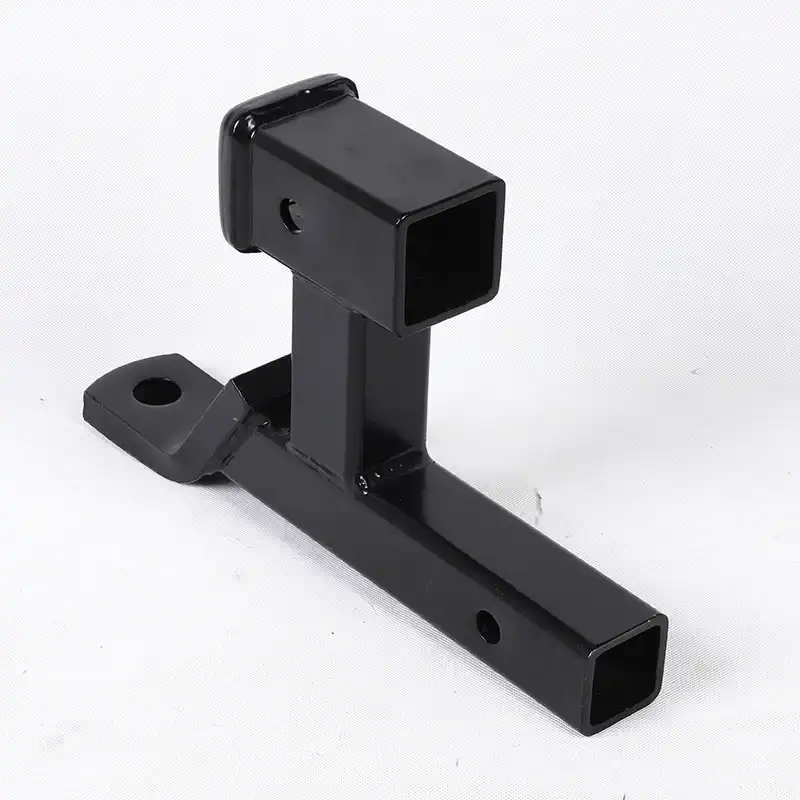
Understanding OEM Trailer Parts and Their Advantages
What Sets OEM Components Apart From Aftermarket Options
OEM parts are made by the original equipment maker (OEM) or an authorized partner who knows everything there is to know about the building of each trailer system. Unlike aftermarket alternatives that might save you money at first, original equipment manufacturer (OEM) parts ensure consistent materials, accurate measurements, and compliance with safety standards like SAE J684 and FMVSS. When looking for load-bearing parts like couplings, leaf springs, or wheel hubs, where structural soundness directly affects practical safety, this difference becomes very important.
Essential Components in Modern Trailer Systems
Several important parts of modern trailer systems, including trailer parts, need to work together for the whole system to work. When loads change, axle assemblies must be able to hold the weight values that were given and stay aligned. To find the right mix between ride quality and load capacity, engineers have to carefully design both leaf spring and torsion-based suspension systems. Specifications must be followed exactly for braking parts, especially those that use an electric-over-hydraulic design, to keep their stopping power across a range of temperatures. Lighting and electricity systems have to meet DOT standards for sight and be able to handle harsh conditions without rusting. At RUIRUI Machinery, we make custom OEM parts out of high-strength carbon steel that has been coated with special spray coats that protect it from the sun, make it last longer, and stop rust, all of which are important for long-term outdoor use.
Quantifiable Benefits for Fleet Operations
Customers in the business world who run heavy-duty fleets have reported specific practical gains after moving to OEM parts. When compared to aftermarket options, fleet managers say that using approved OEM brake parts cuts down on unplanned repair events by up to 40%. When suspension parts are properly designed, they can be serviced more often between visits, which means less downtime and lower work costs. Infrastructure firms working on city projects really appreciate the compliance paperwork that comes with OEM parts. It speeds up the approval process for regulators and cuts down on project delays.
How to Choose the Right OEM Trailer Parts for Your Fleet
Defining Your Technical Requirements
Accurately defining specifications is the first step in effective buying. Before starting talks with suppliers, fleet managers should write down information about the types of trailers, normal loads, working conditions, and government rules. A refrigerated transport trailer needs different tire ratings and spring setups than a flatbed that hauls building equipment. Knowing whether your fleet mostly works in corrosive coastal areas or dry desert areas affects the materials you choose for their corrosion protection. We work closely with people who work in procurement to turn business needs into detailed technical specs that include sizes, weight limits, and types of materials.
Evaluating Supplier Credentials and Capabilities
When picking a factory partner for trailer parts, you need to look at more than just the unit price. Certification to the ISO 9001 quality management standards shows that the process is controlled and tracked in a planned way. The ISO 14001 environmental certification shows that responsible manufacturing practices are being asked for more and more by companies' sustainability policies. Suppliers should give Material Test Reports that list the tensile strength, chemical makeup, and heat treatment requirements for important parts. At RUIRUI Machinery, our ISO-certified quality systems make sure that every trailer parts component is carefully checked, and thorough quality records are kept all the way through the production process.
OEM Versus Aftermarket: Total Cost Analysis
Even though aftermarket parts often say they have cheaper starting costs, an in-depth total cost of ownership study usually sides with OEM parts. Aftermarket brake drums may cost 30% less at first, but they need to be replaced twice as often because the metal isn't as good, which raises the cost of both parts and work in the long run. OEM suspension parts that are made to exact specs keep other systems from wearing out, which stops problems that cost more to fix. Commercial teams usually lose more than $500 per vehicle per day due to breakdowns. Because of this, dependability is the most important thing for professional drivers who have to stick to tight delivery schedules.
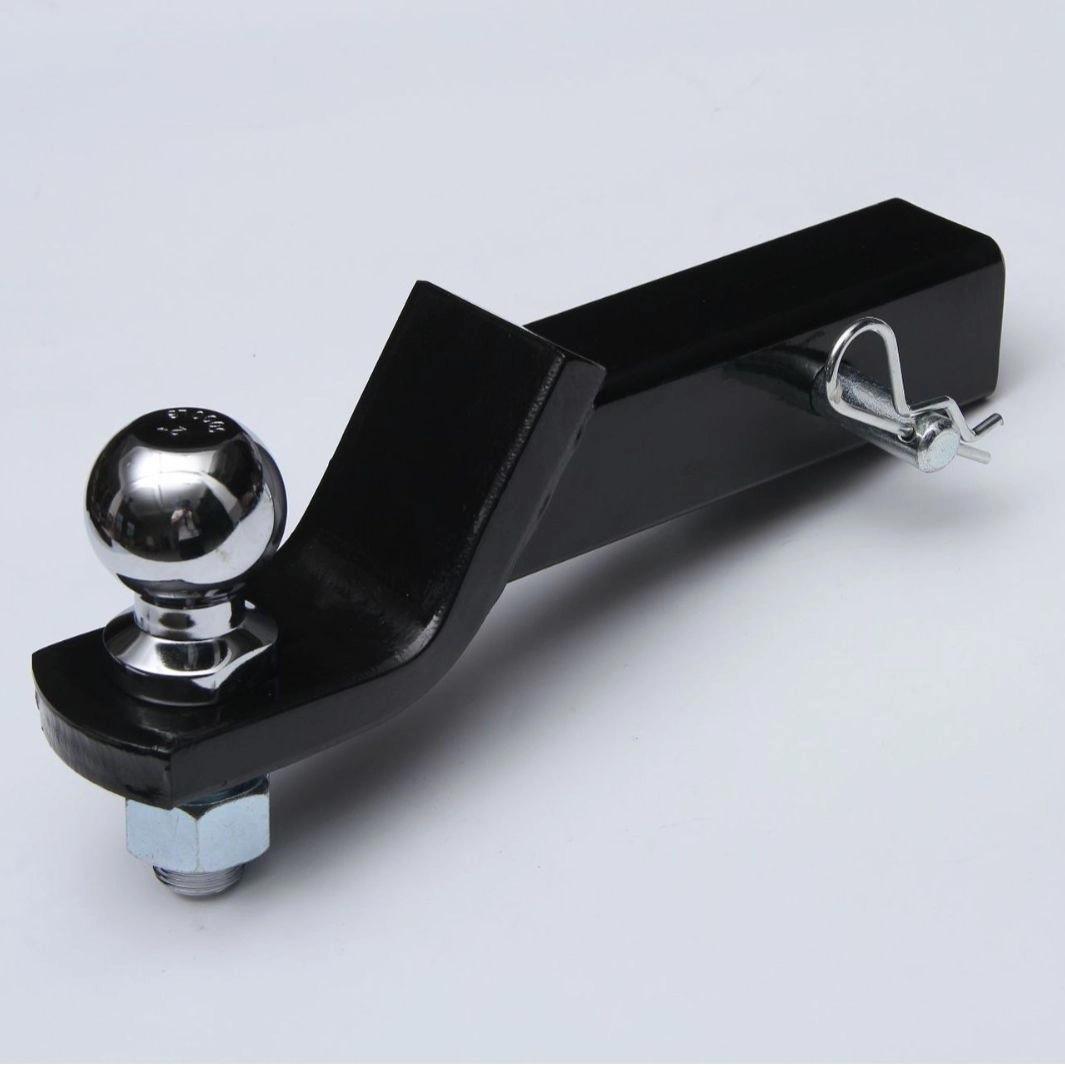
Installation and Maintenance Tips for OEM Trailer Parts
Proper Installation Procedures
The right way to install something begins with making sure that new parts will work with current systems is the first step in a proper installation. To keep tires from wearing unevenly and bearings from failing too soon, axle systems need to be perfectly aligned. To make sure the structure stays strong when it's being loaded and unloaded, suspension mounting bolts must be torqued to the manufacturer's specs using properly measured tools. Before putting brake assemblies back into service, techs should make sure that the drums and shoes are properly spaced, adjust the bearing preload to the manufacturer's specs, and test the hydraulic pressure levels. Our technical support team gives thorough fitting instructions that are made to fit the type of part and the layout of the trailer.
Maintenance Schedules That Extend Component Life
Regular maintenance keeps expensive breakdowns from happening and gets the most out of buying high-quality OEM trailer parts. Every 10,000 miles, axle bearings should be inspected, and the amount of time between repackings depends on how the vehicle is used and how much weight it has. To keep up with wear on the linings, brake systems need to be adjusted regularly. For business fleets, a full check should be done every six months. At regular service times, suspension parts should be checked for cracks starting to form, worn-out bushings, and excessive mounting pin torque. To support both operating reliability and legal compliance, we suggest writing down a maintenance routine that is in line with what the maker specifies and what OSHA requires.
Common Installation Challenges and Solutions
When changing trailer parts, fleet repair teams often run into certain problems. Corroded mounting hardware can make installation take longer, so it's important to have thorough oils and the right extraction tools. To make sure the axle assemblies are properly aligned when they are replaced, you need more than simple technical knowledge to use measurement tools and make adjustments. To get the best stopping power without wearing out too quickly, electric brake controllers need to be adjusted to match particular brake assemblies. Our after-sales support team helps customers figure out problems with installation by giving them expert advice that cuts down on car downtime and makes sure parts work right.
Procurement and Ordering Process for OEM Trailer Parts
To make good buying plans, you need to know about the different ways to get things and the pros and cons of each. When you work directly with makers like RUIRUI Machinery, you can get technical help, make changes, and get good deals on large orders. Our Qingdao plant has eight production lines that can make more than 130,000 units a year. These lines allow us to ship containers to wholesalers in North America, Europe, and the Middle East. With this much production capacity, we can meet both regular supply deals and urgent replacement orders with known wait times.
Setting up relationships with vendors that offer more than just transactional buying is good for large fleet owners. Strategic providers offer collaborative engineering on custom trailer parts made for specific uses, value-added services like kitting and sequenced shipping, and flexible payment terms that help with managing cash flow. Not only should unit prices be negotiated, but so should help with managing supplies, warranty coverage, and expert support after the sale. We offer OEM services that include custom manufacturing using laser cutting, CNC machining, stamping, and welding. This lets us come up with solutions for fleet needs that normal catalog trailer parts can't meet.
Digital tools are used in modern procurement processes to handle specifications, keep track of orders, and record quality. Detailed CAD files in STEP or IGES forms make it easier to communicate exactly what is needed for a special part, and digital Material Test Reports let you check the qualities of materials right away. Before buy orders are placed, clear return policies and warranty claim processes should be laid out, along with a plan for how to handle broken parts or variations from the specifications. We keep a lot of paperwork to back up warranty claims and offer quick expert help for the whole lifecycle of the product.
Top OEM Trailer Parts Brands and Their Strengths
There are a number of well-known companies in the industrial trailer component market that are known for their specific knowledge. Dexter Axle is known for making heavy-duty axle kits and full suspension systems that are used in farming and building. Lippert Components specializes in making lightweight solutions for cargo and leisure trucks, with a focus on making them resistant to corrosion and simple to install. CURT Manufacturing focuses on making towing parts and electrical systems that can be used in a wide range of car models.
To evaluate producers, you need to know what their skills are and how they fit with the needs of your fleet. Companies that focus on heavy-haul uses use stronger materials and higher safety standards when making parts than companies that focus on light-duty leisure markets. There are big differences in what warranties cover. For example, top makers offer longer warranties that are backed by helpful customer service. RUIRUI Machinery stands out because it can be fully customized and uses vertically integrated manufacturing to include advanced surface treatments like electrophoresis, powder coating, and plating. This lets us deliver parts that are best for the environment and the way they look.
Having access to detailed product catalogs and expert tools makes choosing the right components easier. Leading makers offer online configurators that help buyers find the right parts based on the trailer's specs and how it will be used. Technical data sheets should have measurements, material details, load rates, and directions on how to place the product. We keep a lot of information about our products and offer technical help to help customers choose the right parts for complicated or unique uses.
Conclusion
In conclusion, getting original equipment manufacturer (OEM) parts, including trailer parts, is an investment in the safety, dependability, and long-term efficiency of your fleet. The many benefits of precision-engineered parts, such as assured compatibility, longer service life, and easier regulatory compliance, always beat the small savings you might get at first with aftermarket options. When professionals buy something, they have to weigh the original cost against the total cost of ownership. They have to keep in mind that unplanned repair and car downtime are the biggest hidden costs in fleet operations. By building partnerships with certified makers who offer engineering support, customization options, and quick response after-sales service, your company can stay ahead of the competition through business excellence.
FAQ
1. Why Choose OEM Components Over Aftermarket Alternatives?
Genuine OEM parts ensure precise measurements, consistent materials, and regulatory compliance in a way that secondary alternatives can't. Manufacturing limits have a direct effect on how long a component lasts and how well it fits into a system. OEM components that are precision-engineered eliminate compatibility problems that are common with generic options. Certified OEM providers keep track of traceability paperwork that can be used for warranty claims and governmental checks. This reduces risk, which is important for running a business fleet.
2. How Can I Verify Supplier Authenticity?
Genuine OEM sellers back up their product claims with ISO approvals, Material Test Reports, and technical documents. Check the production facility's skills through virtual tours or in-person audits, and ask for examples from well-known clients in related fields. We welcome site visits at RUIRUI Machinery and are proud to show that we are committed to quality and openness by providing full proof of our ISO 9001, ISO 14001, and OHSAS 18001 certifications.
3. What Considerations Apply When Sourcing for Multiple Trailer Types?
For fleets with a lot of different parts, suppliers need to have a lot of different parts and technical skills to support all the different requirements. Standardizing on providers who can work with different trailer configurations makes purchasing easier and lets you use numbers to get better prices. When handling fleets that include both standard commercial trailers and customized equipment that needs specific part specs, custom fabrication skills become important.
Partner with a Trusted Trailer Parts Manufacturer for Your Fleet Needs
RUIRUI Machinery makes custom parts with great care to meet the exact needs of business fleet owners, infrastructure builders, and companies that make industrial equipment. Our carbon steel parts have improved spray coatings that protect them from the sun better and make it last longer. These coatings also prevent corrosion, which is important for heavy-duty uses. With over 15 years of experience making high-quality products, ISO-certified quality systems, and a wide range of production skills, including stamping, laser cutting, CNC machining, and welding, we are a trusted partner for businesses that need reliable, unique solutions. Email our team at kshdhardware@qdkshd.com to talk about your unique needs, ask for engineering help, or get full quotes for large orders. Find out how our custom OEM manufacturing skills can help you reach your business goals through high quality and quick service.
References
1. Society of Automotive Engineers, "SAE J684: Trailer Axle Assembly Performance Requirements," SAE International Standards, 2019.
2. National Highway Traffic Safety Administration, "Federal Motor Vehicle Safety Standards for Trailer Brake Systems," NHTSA Technical Reports, 2021.
3. American Welding Society, "Structural Welding Code for Steel in Trailer Manufacturing," AWS D1.1 Specifications, 2020.
4. International Organization for Standardization, "ISO 9001:2015 Quality Management Systems Requirements for Manufacturing," ISO Standards Catalog, 2015.
5. Fleet Maintenance Magazine, "Total Cost of Ownership Analysis for Commercial Trailer Components," Industry Research Report, 2022.
6. Transportation Research Board, "Durability and Performance of Heavy-Duty Trailer Suspension Systems," TRB Engineering Studies, 2023.

Send Inquiry
You may like