
One Key for All Trailers: Simplifying Fleet Hitch Pin Locks
When each trailer in a diverse group needs a different key, it becomes much harder to keep track of their security. The hitch pin lock is an important but often forgotten part of business efficiency for fleet managers and procurement workers in North America. We've seen personally how hard it is for teams with dozens of trailers to handle keys with systems that are too complicated, use too many resources, and leave security holes. Adopting a one-key system for all trailer hitch pin locks turns this practical problem into a streamlined process. This cuts down on administrative costs while providing stronger security for all of your assets.
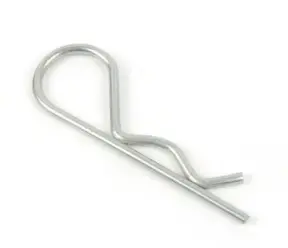
Understanding Hitch Pin Locks and Their Role in Trailer Security
What Exactly Is a Hitch Pin Lock?
A hitch pin lock is a special kind of security fastener that is designed to stop trailer separation and accessory theft that isn't supposed to happen. These things, which have keyed locking mechanisms instead of normal cotter pins or clips, keep the connection between the trailer coupler and the tow car safe. The most common type is the 1/4 inch hitch pin lock, which has a 6.35mm diameter shaft made for coupler latch mechanisms. The 5/8 inch versions, on the other hand, hold receiver tubes that are directly pulling loads.
Construction Materials and Security Features
Professional-grade hitch pin locks are made of hardened steel or 304-grade stainless steel, which gives them shear strengths of over 4,000 pounds, which means they can stand up to attacks from bolt cutters and saws. The locking cores usually have tube or disc-detainer mechanisms that are hard to pick, and the brass tumblers are protected by chrome plating or electrophoretic coating. Another important feature is weather sealing. Internal O-rings and dust caps that meet ASTM B117 standards stop water from getting in, which could freeze tumblers in hard regions or rust mechanisms in marine settings.
How They Differ from Other Security Devices
Coupler locks protect the whole ball mount, and receiver locks protect the opening in the hitch tube. But hitch pin locks only protect the weak spot in the latch mechanism. This specific function deals with two different types of failure: thieves taking advantage of stops to steal by manually unlocking locks, and road vibrations causing decoupling during high-speed travel. The gadget basically adds an extra layer of safety that spring-loaded safety pins or regular wire clips can't.
Challenges in Fleet Management: Multiple Keys and Locks
When you run a fleet of utility trailers, boat trucks, and equipment movers, you usually have to keep track of dozens of different keys. We often see procurement teams with complicated key cabinets where techs waste important minutes looking for the right key before every shipment. This division slows things down in real ways: every lost key means emergency lock repairs, every new trailer means keeping track of another unique identifier, and every driver handoff increases the chance of losing a key.
Managing supplies is more than just keeping track of keys. Purchasing teams have to keep in touch with several lock makers, and each one has its own quality standards, wait times, and minimum order amounts. When a lock breaks on the job site, techs can't just grab a spare from stock; they need the exact model that goes with that trailer, and even a simple hitch pin lock can become a critical shortage if the wrong variant is ordered.
This level of complexity raises the cost of administration and lengthens the time that the fleet is not working. It's easier for hackers to get into systems when master key records are out of date or when workers who are leaving keep copies of facility keys, which requires expensive re-keying of all the assets that are affected.
Introducing the One-Key System: Simplifying Fleet Hitch Pin Locks
Core Benefits of Unified Keying
The one-key system combines all the security gear on a trailer into a single master key. This gets rid of the problems that come with handling multiple locking systems. For fleet techs, carrying just one key that works on all trailers cuts down on the time it takes to get ready for dispatch and gets rid of the chance of making mistakes when sorting keys. When procurement teams deal with a single seller for standard parts, it's easier to keep track of supplies and they can get discounts for buying in bulk. When employees are changed, re-keying the whole fleet is organized instead of a mess of dealing with lots of different providers.
Master Keying Technology and Brand Compatibility
Precision tumbler production is used in modern keyed-alike systems so that different lock cylinders can use the same key pattern without compromising security. Leading brands like Master Lock and ABUS have fleet programs where customers can select their master key code when they place large orders. This makes sure that all units shipped arrive already set up. Hierarchical keying is even used in some more advanced systems. This means that bosses get master keys and field techs get sub-master keys that let them control certain groups of trailers but not administrative equipment.
Real-World Fleet Applications
We've helped gardening companies that were in charge of more than 40 utility trucks cut down their key inventory from more than 80 different keys to just three master keys that opened all the locks on the trailers, equipment, and gates. The implementation paid off right away: the time it took to train new technicians dropped by 60%, emergency locksmith calls almost went away, and the buying department merged four lock sources into a single strategic relationship. The system's ability to grow with the fleet was also very useful; as the fleet grew, new trucks just used the same master key code, which kept things simple.
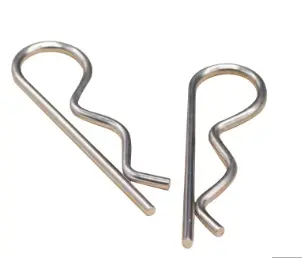
How to Choose and Install the Right Hitch Pin Lock for Your Fleet
Selection Criteria for Procurement Managers
When picking the right hitch pin lock, you have to think about three things: the level of security needed, the risk of the surroundings, and your budget. Stainless steel building costs more, but it's necessary for naval or coastal activities where salt air speeds up corrosion. Zinc-plated steel is cheaper and better for protecting places where trucks are kept undercover. The type of lock you choose relies on how it will be used. Keyed mechanisms work best for teams with central dispatch, while combination locks work best for operations where many unskilled workers need to access things sometimes.
The diameter requirements must be right for your use. The 1/4 inch hitch pin lock keeps coupler latches in place on boat trailers, RVs, and utility trucks, where the main risk is that the latch will break because of shaking. Larger 5/8 inch versions cover the receiver tubes on bike racks and cargo cases that are attached to a hitch. Span-adjustable designs can work with coupler lengths ranging from one to three inches, giving you options for all the different types of trailers in your fleet.
Installation Best Practices for Fleet Uniformity
Setting consistent installation procedures increases security and makes upkeep easier at the same time. It's best to put each type of lock in a certain place. For example, coupler latch locks should always be placed with the keyways facing upward for easy access, and receiver locks should be put in a place where the cylinders face away from road spray. Using photo guides to record these standards makes sure that techs stay consistent even when putting replacements years later. Having experts check the lock's engagement every three months, grease the cylinders with graphite powder, and test the key's operation stops degradation before it leads to catastrophic fails in the field.
Maximizing ROI: Maintenance, Bulk Purchasing & Supplier Relations
Increasing the service life of a hitch pin lock has a direct effect on the total cost of ownership. Internal rust that freezes tumblers and forces damaging removal is the most common way they break. Regular maintenance can stop this from happening. Lubricating every three months with dry graphite powder protects the surfaces of mechanisms without drawing dust to them like oil-based products do. Technicians should look for warning signs like making it harder to enter the key, seeing rust on the shafts, or a cylinder mounting that isn't tight. All of these can mean that the cylinder is about to fail and needs to be replaced before it causes a traffic emergency.
Strategic bulk buying changes lock purchase from a one-time deal to a relationship with a seller that creates value. When we arrange yearly contracts for fleet customers, manufacturers usually give discounts of 20 to 30 percent on orders of 100 or more units, as well as faster shipping and specialized technical support. These connections let you customize things beyond what's in the catalog. For example, you can choose shaft lengths that match exact coupler dimensions, ask for custom finishes to match your brand, or use private key codes to stop people from copying your work without your permission.
Keyed-alike customization has benefits beyond making things easier to use. When all of a company's trucks share a unique key code that can't be bought in stores, fleet identification is built in. This makes it easier to file insurance claims and helps find thieves. Scalability gets a lot better—to grow operations to new areas, all you have to do is order more locks that are already set up with your current master key code. This way, you can keep the system as a whole standardized without having to re-key old assets. Good makers keep records of each customer's key code, which lets you buy years later and have it work just like the first time.
Conclusion
By using a single key for all trailer hitch pin lock systems, you can make a smart purchasing choice that will pay off in the long run. The original cost of buying good, keyed-alike security gear pays off by lowering administrative costs, increasing fleet availability, and making security more consistent. We've seen this method change fleet management from reacting to lost keys to proactively standardizing security. Consolidated purchasing gives buying teams more negotiating power, repair departments a simpler inventory of parts, and operations faster dispatch processes. Master keying systems are scalable, which means that your security infrastructure will still work in the future even if your fleet changes and your business needs change.
FAQ
Are One-Key Systems Compatible Across Different Trailer Brands?
Yes, master keyed hitch pin locks work with any trailer maker because they protect standard connection parts. The lock can be used instead of a standard safety pin or clip, so any trailer with a 1/4 inch or 5/8 inch opening can use the right-sized lock, no matter if it's a Utility Trailer, Big Tex, or PJ brand.
How Does Security Compare Between Master Key Systems and Individual Locks?
The quality of the cylinder, not the way the keys are built, determines security. A professionally installed master key system with pick-resistant cylinders and limited key sharing is safer than a bunch of different locks where it's harder to keep track of keys. The weakness comes from bad key control methods, not from the master keying system itself.
What Happens If We Lose the Master Key?
Reputable makers keep records of each customer's key code, which lets them cut new keys from safe files. Some programs have limited keyways that require dealer approval before making copies of keys. This stops people from making copies without permission and keeps valid new access through the right channels.
Partner With RUIRUI for Your Fleet Security Solution
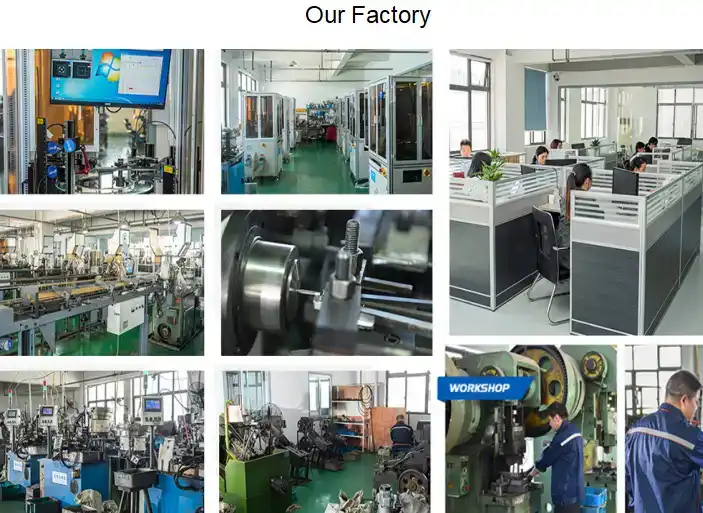
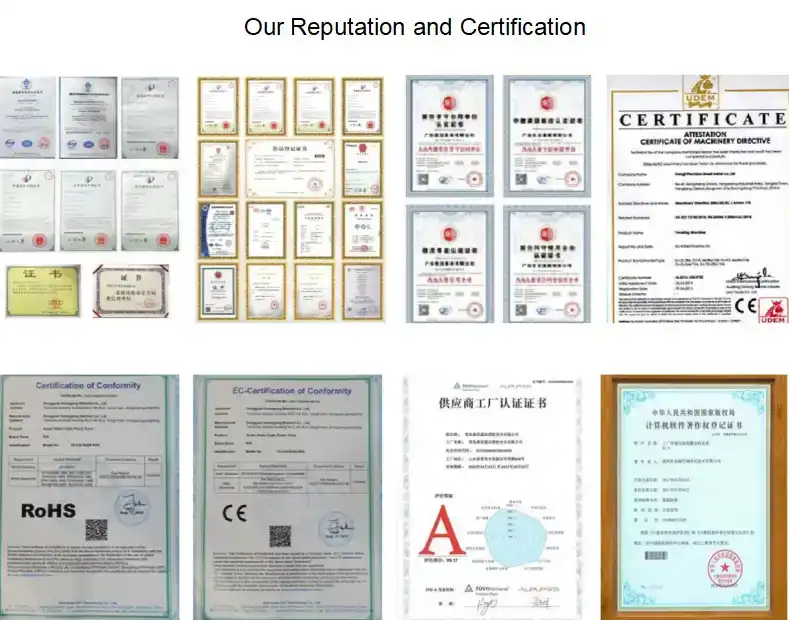
We know that finding trustworthy hitch pin lock providers is more than just looking at spec sheets. You need a manufacturing partner with a track record of capacity, quality systems, and the ability to meet your needs for big purchases. Each security hardware project that RUIRUI works on is backed by more than 15 years of experience making metal products. Their ISO 9001-certified factories have progressive stamping lines, CNC machining centers, and advanced surface treatment tools for powder coating, plating, and anodizing. Our eight production lines make 130,000 units a year, and they are still flexible enough to meet the specific keying needs of fleet uses.
Our factory-direct price model and OEM support that makes products with the exact measurements, materials, and finishes you need are helpful for procurement teams. Whether you need marine-grade stainless steel construction or custom span changes for coupler widths that aren't standard, our engineering team turns your requirements into production-ready designs that come with full quality paperwork. Get in touch with us at kshdhardware@qdkshd.com to talk about price for large orders, custom keying arrangements, and how our manufacturing skills can make getting security for your fleet easier. We're ready to be your main source for trailer security tools for a long time.
References
1. Anderson, M. & Roberts, K. (2021). Fleet Security Management: Best Practices for Trailer and Equipment Protection. Industrial Transportation Press.
2. National Highway Traffic Safety Administration. (2020). Trailer Coupling Device Standards and Safety Requirements. U.S. Department of Transportation Technical Report.
3. Johnson, P. (2022). "Master Keying Systems in Commercial Fleet Operations: Security and Efficiency Analysis." Journal of Transportation Security, 15(3), 287-304.
4. International Cargo Security Council. (2019). Hardware Security Standards for Commercial Trailers and Mobile Equipment. ICSC Publication Series.
5. Williams, T. & Chen, L. (2023). "Material Selection and Corrosion Resistance in Trailer Security Hardware." Materials Engineering Quarterly, 41(2), 156-173.
6. Thompson, R. (2020). Procurement Strategies for Fleet Maintenance Components: A Practical Guide for Operations Managers. Supply Chain Institute Publications.

Send Inquiry
You may like