
Our Guide On How to Measure a Square U-Bolt
Precision is very important when it comes to industrial fixing solutions because it can mean the difference between a strong structure and costly project delays. At first look, a square U-bolt may seem simple, but if the measures are off, it can violate safety rules, speed up corrosion, and cause installation delays in infrastructure, building, and car projects. Knowing how to measure these specialized screws correctly helps sourcing teams find parts that are exactly what the project calls for, avoiding the hassle of returns, rework, and equipment downtime. When engineers and supply chain managers are looking for square fixing parts for industrial use, this complete guide walks them through the most important measurement methods, comparison factors, and buying things to think about.
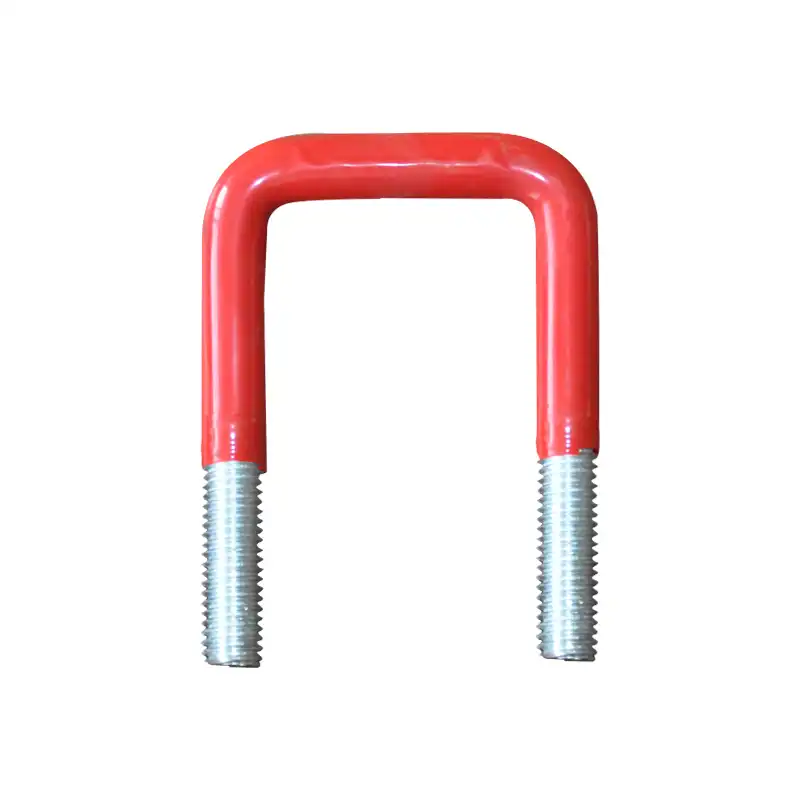
Understanding Square U-Bolts and Why Accurate Measurement Matters
A lot of different types of industries use square fastening parts as important grounding options. When it comes to gripping and stabilizing flat or square surfaces, their unique geometry makes them better than standard round options. These screws are used in many fields, from building public infrastructure to making heavy equipment, to keep structural links strong even when they are under a lot of stress and are exposed to the elements.
The Structural Advantages of Square Geometry
The squared shape makes more touch points along flat surfaces, which spreads the clamping force more widely than rounded shapes. This geometric benefit stops spinning and slippage, which is especially useful when holding parts that are likely to move or expand due to temperature changes. This extra support is very helpful for building projects that use square posts, flat mounting plates, and rectangular tubes. Because there is more surface contact, there are fewer stress concentration spots, which are what usually cause materials to wear out over long times of service.
Material Selection and Performance Implications
Which one you choose—electrolyte steel, stainless steel, or heavy-duty carbon steel—has a direct effect on how long the U-bolt lasts and how often it needs to be maintained. Electrogalvanized finishes are great for moderate-exposure settings because they are resistant to rust and don't cost too much. Stainless steel types that can stand up to harsh corrosive circumstances are usually needed for projects near the coast or in chemical processing plants. We make high-performance electrogalvanized screws at Qingdao RUIRUI Machinery Co., LTD. by carefully bending them and following strict quality control rules. Our products come in a range of customizable options and can hold up to 20 tons of weight, making them ideal for hard industrial uses where a broken U-bolt could cause major production risks.
Cost Implications of Measurement Errors
When you get the size wrong, it has huge financial effects all the way through the project's lifecycle. Oversized bolts waste money on materials and make fitting harder, while small parts make structures less safe and need to be replaced more often. Procurement managers say that measurement errors cause about 15 to 20 percent of returns for fasteners in industry supply chains. When these mistakes happen, they make projects take longer, cost more to fix, and might even void warranties if non-compliant parts hurt equipment.
How to Measure a Square U-Bolt Correctly – Step-by-Step Dimensional Analysis
To do accurate physical assessment, you need to know about three basic readings that show how compatible and how well fasteners work. Together, these specs make sure that the part fits right, that the load is spread out evenly, and that it will last for a long time in tough situations.
Measuring Inside Width Accurately
The inside width, which is measured from the inside edge of one rod to the inside edge of the other rod, shows how far apart the two threaded legs are. This size has to be big enough to fit the width of the thing that is being held with just enough room to keep it from moving laterally. Using digital calipers that are set to 0.01 mm accuracy guarantees accurate measurements every time. At the point where the bend radius changes to the straight threaded part, line up the jaws of the caliper so they are perpendicular to the leg centerlines. This measurement point is the most accurate way to make sure that the size of a clip fits the needs of the application.
Determining Leg Length Requirements
The leg length of the U-bolt goes from the bottom of the bent part to the very end of the threaded part. To figure out the right leg length, you need to know how thick the material being clamped is, how thick the mounting plate or backing plate is, how big the washer is, and whether the threads on the secure nut are engaged enough. As a general rule, engineers say that thread contact should be at least 1.5 times the thickness of the rod to keep it from stripping under load. To get the correct practical length, measure from the inside radius of the bend, which is where the curve meets the straight leg, not from the outside edge. Not enough leg length stops the nuts from being properly tightened, and too much leg length makes fitting difficult in small areas.
Rod Diameter and Load Capacity Correlation
The tensile strength and load-bearing ability of the fastening system are directly related to the diameter of the rod. Standard sizes are between 6mm and 40mm, with bigger diameters being able to hold more weight. Micrometers are the most accurate way to measure diameters, which is especially important when matching threads to nuts and fixing tools that are already in place. Since cross-sectional area grows rapidly with width, a 16 mm rod is about four times stronger than an 8 mm rod made of the same grade of material. To figure out the necessary diameter based on expected load conditions and safety factors, engineering requirements should use ASTM A307 or ISO 898-1 standards.
All three of these measures must be taken together to get the full fastener details. In the documentation, all measurements should be written down using the same units and within the allowed ranges for that program. At RUIRUI, our engineering team helps procurement professionals turn project needs into detailed standards. This makes sure that parts come ready to be installed right away and don't have any problems with their sizes. Our manufacturing skills allow for unique sizes in a range of diameters, leg lengths, and width configurations. We can support both prototype development and full-scale production needs with a minimum order quantity of 1,000 pieces.
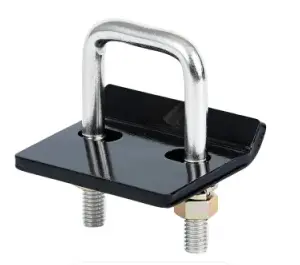
Square U-Bolt vs Other Bolt Types – Making the Right Choice for Your Needs
In order to choose the best fastening option, you need to know how different bolt designs work in different situations and environments.
Comparing Square and Round U-Bolt Applications
Round versions work great for holding things that are shaped like pipes, ducts, and circle posts in place because they naturally fit curved surfaces. Because the cross-section is spherical, the clamping pressure is spread out evenly around the pipe circumferences. This is why they are commonly used in plumbing and HVAC installs. When used with flat bars, rectangular tubes, and mounting plates that have multiple flat contact areas that stop spinning, square options work better. When building infrastructure like street furniture, security fences, and traffic control systems, square shape is often required to keep things aligned even when they are under a lot of stress from the environment.
Material Finish Comparisons for Corrosion Resistance
Coatings that are electrogalvanized offer cheap protection for the U-bolt and can be used indoors or in mild outdoor settings. The zinc layer is usually between 5 and 15 microns thick, and its ability to fight rust for 5 to 10 years depends on how it is exposed. Hot-dip galvanizing makes protective layers that are thicker than 50 microns. This makes it suitable for harsh marine or industrial environments where a longer service life supports a higher original investment. Stainless steel U-bolt types don't need any coatings at all, and the chromium presence in 304 and 316 alloys makes them naturally resistant to corrosion. To get the best total cost of ownership, you should choose U-bolt materials that take into account how harsh the setting is, how long they are supposed to last, and your budget.
Load Rating Distinctions Between Standard and Heavy-Duty Variants
Heavy-duty specs include bigger rod diameters, better material grades, and stronger thread designs to handle very heavy loads. These parts are used to support structures in areas prone to earthquakes, place heavy machinery, and do other jobs where dynamic pressure causes fatigue stresses. Standard versions are good for general-purpose fixing where loads are known and stay in a modest range. In engineering estimates, safety factors should be between 3:1 and 5:1. This means that the fastener's rated capacity should be three to five times greater than the maximum predicted loads to keep it from breaking under stress conditions that were not expected.
Installation Basics and Maintenance Tips to Maximize U-Bolt Performance
Correct construction methods and regular repair schedules greatly increase the useful life of components while keeping the structure's integrity.
Torque Specifications and Tightening Sequences
Too much torque can damage threads, bend materials, and cause them to fail early, while too little torque lets them open up when they are vibrated. Torque limits are usually given by manufacturers and are based on rod width and material grade. As a general rule, torque should be applied in small steps using measured tools, switching between nuts in multi-bolt systems to spread the clamping force out evenly. To keep their accuracy within ±4%, torque tools should be calibrated and checked every year. Thread oils can make stainless steel parts less likely to scratch and galle, but they also change the relationship between torque and tension, so torque values need to be changed to match.
Preventive Maintenance for Extended Service Life
Visual checks done on a regular basis can find early signs of rust, thread wear, and structure deformation on the U-bolt before they become dangerous. Inspections every three months are good for outdoor installations that get wet, but once a year is enough for indoor installations that are safe from the weather. Using wire brushes and gentle liquids that are safe for the base material, thread cleaning gets rid of built-up debris that speeds up rust. In harsh settings, protective coats may need to be replaced every so often. Zinc-rich primers can add extra shield protection to worn electrogalvanized surfaces. Keeping track of what was found during inspections makes maintenance records that help with planning when to repair things and making sure that the warranty is being followed.
Recognizing Replacement Indicators
Damage to the threads that can be seen, rust that goes deeper than the surface, and lasting deformation are all signs that the part needs to be replaced right away. Cracks that start at stress concentration points—usually at the bend radius or thread roots—mean that fatigue failure is getting worse and needs to be fixed right away. Safety-critical apps should have regular replacement intervals, even if the state doesn't seem bad. This is especially important in building projects where a broken part could put people in danger. Repair prices and failure effects should be weighed when deciding what to replace. For low-cost parts, replacing them right away is more cost-effective than trying to fix them.
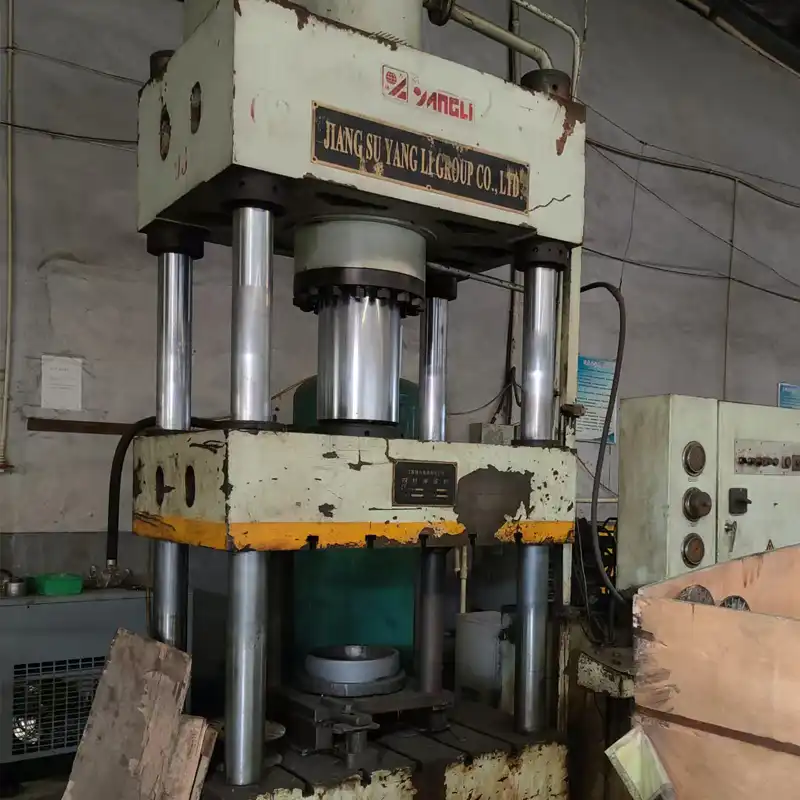
Procurement Best Practices: Ensuring Quality and Cost-Effectiveness
Strategic methods to buying make sure that both quality and cost are taken into account, and the supply chain stays reliable.
Evaluating Supplier Qualifications and Certifications
Getting ISO 9001 certification shows that you are dedicated to quality management methods that include controlling the planning process, managing your suppliers, and keeping an eye on production. ISO 14001 talks about environmental management techniques that are important for garbage management and coating processes. When suppliers work within these frameworks, they follow written processes, methods for tracking items, and corrective action protocols that make things more consistent and lower the number of mistakes. Material certificates prove the chemical make-up and mechanical properties of a substance. This is especially important for important uses that need specific alloy grades or strength classes. To make sure the material meets technical standards, ask for test results that show its tensile strength, yield point, and elongation values.
Balancing MOQ Requirements with Inventory Management
The minimum order numbers show the levels of manufacturing efficiency at which setup costs are spread out over large enough unit volumes. Standard MOQs of 1,000 pieces, such as for a U-bolt, work well with automatic production lines and allow unit prices to stay low. Larger orders get bigger savings, but they also raise the costs of keeping supplies and the chance that certain combinations will become obsolete. Forecasting together with suppliers lets you combine shipments of different configurations to meet MOQ requirements and match real usage trends. Just-in-time delivery plans lower the amount of goods that needs to be kept on hand while keeping production going. However, they need suppliers to be close by or have reliable transportation partnerships.
Custom Manufacturing Capabilities for Specialized Requirements
Suppliers who offer OEM customization services can help with projects that need non-standard sizes, secret thread designs, or special material specs. When engineering help is given during the standard development process, design problems that make manufacturing hard or performance limited are avoided. Before committing to full production numbers, prototype sampling checks the mechanical properties and accuracy of the dimensions. This lowers the financial risk of specification mistakes. At RUIRUI, our R&D team works with sourcing professionals to turn application needs into designs that can be made. They do this by using CNC cutting, precision bending, and advanced coating techniques. Every year, our eight production lines make 130,000 pieces, and their capacity can be increased or decreased to meet the needs of both original trial orders and ongoing production needs.
These things to think about when buying things help you build ties with suppliers that provide consistent quality, fair prices, and quick expert support. When you look at possible partners based on their manufacturing skills, quality systems, and ability to customize, you build a supply chain that can handle changes in the market and changing project needs.
Conclusion
To accurately measure square fixing parts, including U-bolt, you need to know the exact dimensions, as well as the material and how it will be used. Inside width, leg length, and rod diameter are the three most important measurements that must exactly match the project requirements to ensure structure stability and long-term performance. When choosing between electrogalvanized steel, stainless alloys, and heavy-duty carbon steel, it's important to find a material that combines the need for corrosion protection with budget limits and the amount of exposure to the environment. When used in building, automobile, and infrastructure settings, the right installation methods and preventative maintenance schedules extend the life of parts and keep safety standards high. When you use strategic purchasing methods that check the qualifications of suppliers, find the right balance between MOQ requirements and customization options, you can form supply chain relationships that offer consistent quality and competitive value throughout the lifecycle of a project.
FAQ
1. What distinguishes square U-bolts from round alternatives in practical applications?
In real-world situations, what makes square U-bolts different from round ones? Square versions are more stable on flat and rectangular surfaces because they have a bigger contact area that stops spinning when they vibrate. Round choices fit better around cylinder-shaped things like lines and posts. The change in shape affects how the load is distributed. On flat surfaces, square designs make four points of contact, while round designs only make two points of contact.
2. Can accurate measurements be obtained without specialized precision tools?
Is it possible to get exact readings without using special tools? Standard measuring tapes give you rough numbers that are good for first checks, but calipers and micrometers are needed for more precise work. For proper thread contact and load spread, measurements must be accurate to within ±0.5mm. Professionals who make buying choices should only use calibrated tools that give uniform results across multiple measurement sessions. This will help them avoid making mistakes that cost a lot of money.
3. How does electrogalvanized coating compare to stainless steel for outdoor infrastructure projects?
When it comes to outdoor building work, how does electrogalvanized coating stack up against stainless steel? Electrogalvanized finishes protect against corrosion for a low cost and last for 5 to 10 years in mild areas. They are good for projects that need to stay within budget and have planned replacement cycles. When used in seaside or industrial settings where aggressive rust speeds up the breakdown of zinc coatings, stainless steel lasts longer. To get the best overall ownership costs over the lifetime of the project, the choice of material should take into account how long it will be used, how much money is available for upkeep, and how harsh the environment is.
Partner with a Trusted Square U-Bolt Manufacturer for Your Next Project
To get industrial-grade fixing parts, you need a manufacturing partner that can offer both technical know-how and reliable quality delivery. At our Qingdao plant, RUIRUI specializes in making electrogalvanized square fasteners. Our advanced bending methods and strict checking routines make sure that the dimensions are correct for all custom requirements. Our operations are ISO 9001 and ISO 14001 approved, and we can meet your bulk purchasing needs starting with as few as 1,000 pieces. We can also help you turn your project specs into designs that can be made. Our team has over 20 years of experience making things out of metal, so they can give you solid solutions whether your infrastructure project needs standard configurations or special sizes that fit the needs of a specific application. Get in touch with our purchasing experts at kshdhardware@qdkshd.com to talk about your square U-bolt needs and get professional advice on how to choose the best parts for your application. Visit sheetmetalprocessingplant.com to learn how our production services can help your supply chain work better.
References
1. American Society for Testing and Materials. (2021). ASTM A307 Standard Specification for Carbon Steel Bolts and Studs. ASTM International.
2. Industrial Fasteners Institute. (2020). Fastener Standards Guide: Dimensional Requirements and Load Ratings for U-Bolt Applications. IFI Publications.
3. National Institute of Standards and Technology. (2019). Precision Measurement Techniques for Industrial Fastener Quality Control. NIST Technical Reference.
4. Society of Automotive Engineers. (2022). SAE J429 Mechanical and Material Requirements for Externally Threaded Fasteners. SAE International Standards.
5. International Organization for Standardization. (2020). ISO 898-1 Mechanical Properties of Fasteners Made of Carbon Steel and Alloy Steel. ISO Publications.
6. Corrosion Prevention Association. (2021). Comparative Analysis of Protective Coatings for Steel Fasteners in Infrastructure Applications. CPA Research Journal.

Send Inquiry
You may like