
Pintle vs Trailer Coupler: Which Towing Fit Is Right?
Picture this: you're about to haul critical equipment across rough terrain for a time-sensitive project, but your trailer disconnects mid-journey because you chose the wrong coupling system. This nightmare scenario happens more often than you'd think, costing businesses thousands in damages, delays, and safety violations. Whether you're towing lightweight utility loads or heavy-duty industrial equipment, understanding the fundamental differences between pintle hitches and standard trailer couplers can mean the difference between a successful haul and a catastrophic failure. The right Trailer Coupler selection directly impacts your towing safety, load capacity, terrain adaptability, and long-term operational costs, making this decision one of the most critical choices in your towing setup.
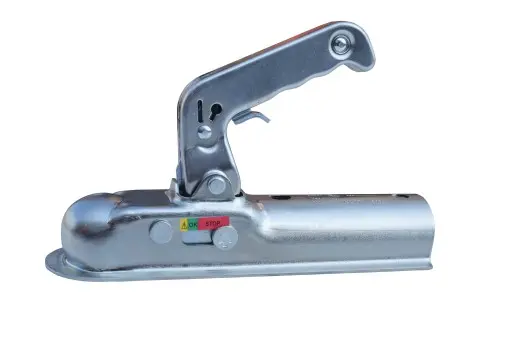
Understanding Trailer Coupler Fundamentals and Their Critical Role
A Trailer Coupler serves as the essential mechanical link that connects your trailer to the towing vehicle, bearing the full weight and stress of the load during transport. This critical component consists of several integrated parts including the coupler body that clamps onto the hitch ball, a robust latching mechanism that secures the connection, and mounting hardware that attaches firmly to the trailer tongue. The engineering behind modern Trailer Coupler designs focuses on three primary objectives: maintaining a secure connection that prevents accidental disconnection, allowing sufficient pivot movement for smooth cornering and maneuvering, and distributing weight forces evenly to prevent structural failure. Understanding how your Trailer Coupler functions within the complete towing system helps you make informed decisions about maintenance schedules, replacement timing, and compatibility with different vehicle setups. The performance of any Trailer Coupler depends heavily on proper sizing and weight rating matching. Every coupler manufactured carries specific gross trailer weight ratings that indicate the maximum safe load capacity, and these ratings must never be exceeded regardless of how short the towing distance might be. Standard ball-style Trailer Coupler options typically come in three common sizes: the compact one and seven-eighths inch diameter for light utility trailers under three thousand pounds, the versatile two-inch diameter for medium-duty applications up to eight thousand pounds, and the heavy-duty two and five-sixteenths inch diameter for substantial loads reaching twenty thousand pounds or more. Beyond physical dimensions, the material composition and manufacturing method significantly influence coupler durability, with cast steel constructions generally offering superior strength compared to stamped sheet metal alternatives that may deform under extreme stress conditions.
Ball Coupler Design and Everyday Towing Applications
Ball-style Trailer Coupler systems dominate the recreational and light commercial towing market due to their user-friendly design and reliable performance across diverse applications. These couplers feature a cup-shaped receiver that fits snugly over a spherical hitch ball, creating a socket joint that permits smooth multi-directional movement while maintaining constant contact throughout the towing process. The latching mechanism varies by manufacturer and model, with trigger-style latches requiring manual operation for engagement and release, automatic self-latching designs that secure upon contact with minimal user intervention, and sleeve-lock configurations that slide over the ball to prevent accidental disengagement. This variety in latch technology allows users to select Trailer Coupler options that match their specific needs for convenience, security, and ease of operation during frequent coupling and uncoupling cycles. The widespread adoption of ball-type Trailer Coupler systems stems from their exceptional versatility and cost-effectiveness for typical towing scenarios. These couplers excel in applications involving boat trailers at marinas where frequent launching and retrieval demand quick connections, recreational vehicle towing for camping and travel where smooth highway performance matters most, utility trailers for landscaping and home improvement projects requiring reliable short-distance hauling, and car haulers transporting vehicles to shows or service locations where precision positioning proves essential. The tight fit between ball and coupler minimizes lateral movement and reduces the characteristic rattling sounds that plague looser connection systems, creating a more comfortable driving experience especially during extended highway travel. Additionally, the compact profile of ball Trailer Coupler assemblies typically costs less than specialized heavy-duty alternatives, making them the economical choice for operators who don't require extreme load capacities or off-road articulation capabilities.
Pintle Hitch Systems for Heavy-Duty and Off-Road Demands
Pintle hitches represent a fundamentally different approach to trailer coupling, utilizing a hook-and-ring mechanism specifically engineered for extreme-duty applications where standard ball Trailer Coupler systems would fail catastrophically. The pintle system consists of two primary components: a robust steel hook mounted to the tow vehicle that features a hinged jaw mechanism, and a circular lunette ring welded to the trailer tongue that passes through the hook opening. Once the ring sits properly within the hook, a safety pin slides through aligned holes to prevent the jaw from opening accidentally, creating a secure connection capable of withstanding tremendous forces from multiple directions. Unlike the tight-fitting ball Trailer Coupler design, pintle connections intentionally incorporate substantial clearance between the hook and ring, allowing extreme articulation that proves invaluable when traversing uneven terrain where rigid connections would bind or break under the imposed angles and stresses. The engineering advantages of pintle hitches become immediately apparent in demanding industrial and military applications where equipment survival matters more than ride comfort. Military logistics operations routinely rely on pintle connections for towing everything from artillery pieces to fuel tankers across battlefields where paved roads don't exist and equipment failure could prove life-threatening. Construction companies favor pintle hitches when moving heavy machinery trailers through muddy job sites where the articulation prevents binding during sharp turns on soft ground. Agricultural operations depend on pintle systems for pulling loaded grain trailers through fields and rough farm lanes where standard Trailer Coupler connections would suffer damage from the constant jarring and extreme angles. The lunette ring's circular design distributes force evenly around its circumference rather than concentrating stress on a single ball surface, significantly increasing durability when subjected to shock loading from rough terrain or emergency stops with heavy cargo.
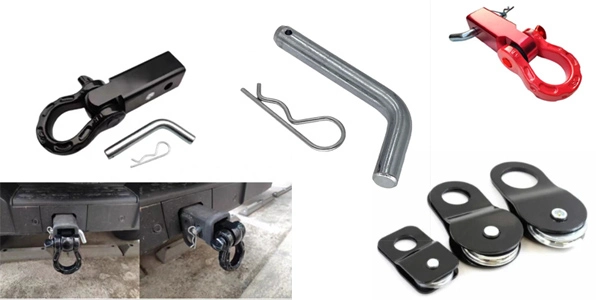
Comparing Performance Characteristics Between Pintle and Ball Trailer Coupler Options
Weight capacity represents perhaps the most significant performance distinction when evaluating pintle hitches against conventional ball Trailer Coupler systems for your specific towing requirements. Standard ball couplers typically max out around twenty thousand to thirty thousand pounds gross trailer weight even in their heaviest-duty configurations, with many common recreational and light commercial sizes rated for considerably less capacity. In direct contrast, properly specified pintle hook and lunette ring combinations routinely handle forty thousand to sixty thousand pounds, with specialized military-grade systems certified for loads exceeding one hundred thousand pounds in extreme applications. This massive capacity differential stems from the fundamental mechanical advantage of distributing forces around the entire circumference of a thick steel ring rather than concentrating stress on a relatively small spherical ball surface that must resist deformation under load. For operations regularly hauling equipment approaching or exceeding thirty thousand pounds, pintle systems provide the only reliable long-term solution that won't suffer premature wear or catastrophic failure.
The articulation and movement characteristics of pintle versus ball Trailer Coupler connections create vastly different towing experiences that operators must understand before making their selection. Ball couplers intentionally maintain a snug fit between the spherical surface and the cup socket, minimizing any slack or play in the connection to reduce noise and create smooth highway towing dynamics. This tight tolerance works beautifully on paved roads with gradual curves but becomes a liability when encountering steep approach angles, deep ruts, or extreme side-to-side articulation where the limited pivot range can cause binding or even coupler damage. Pintle connections embrace the opposite design philosophy, incorporating significant clearance between the hook and ring that permits the trailer to move through multiple axes independently of the tow vehicle. While this freedom of movement generates characteristic clanking and rattling sounds during normal operation, it prevents destructive binding when one wheel drops into a pothole while the opposite side climbs over an obstacle, making pintle systems the preferred choice for off-road operations where terrain unpredictability demands maximum mechanical flexibility.
Noise and Comfort Considerations During Extended Towing Operations
The acoustic characteristics of pintle hitches versus ball-style Trailer Coupler systems significantly impact driver comfort and passenger experience during extended towing operations on highways and urban roads. Ball couplers generate minimal noise when properly maintained and correctly sized, with the tight mechanical fit between ball and socket preventing the metal-on-metal contact that creates disturbing sounds. Drivers typically report that well-adjusted ball Trailer Coupler connections produce barely noticeable operation, allowing normal conversation and radio listening without interference from towing-related sounds. This acoustic advantage makes ball couplers the overwhelming favorite for recreational towing where families spend hours in vehicles traveling to vacation destinations and expect comfortable, quiet journeys without constant reminders of the trailer's presence. Pintle hitches generate distinctly audible mechanical sounds that stem directly from their intentional design clearances and articulation capabilities. The lunette ring moves within the hook jaw with each acceleration, deceleration, and road surface irregularity, creating characteristic metallic clanking that transmits through the vehicle structure and becomes particularly noticeable in quieter modern vehicles with extensive sound deadening. While various aftermarket cushioning devices and properly sized components can reduce this noise somewhat, completely eliminating the acoustic signature proves impossible without sacrificing the articulation benefits that justify using pintle systems. Experienced operators in construction, agriculture, and military logistics accept this operational reality as the necessary tradeoff for superior load capacity and terrain capability. For commercial operations where drivers work in vehicles all day, this noise factor deserves serious consideration when selecting between pintle and ball Trailer Coupler options for different fleet applications.
Installation Requirements and Mounting Complexity
The installation process for ball-type Trailer Coupler systems generally proves straightforward for anyone with basic mechanical skills and common shop tools. Most ball couplers designed for utility and recreational trailers feature bolt-on mounting patterns that align with pre-drilled holes in standard trailer tongues, requiring only proper torque application to secure the unit safely. This user-friendly installation approach allows trailer owners to replace worn couplers at home without professional welding equipment or specialized training, reducing maintenance costs and minimizing downtime when components need replacement. The widespread availability of replacement ball Trailer Coupler units at automotive supply stores and online retailers further simplifies the maintenance process, ensuring that operators can quickly source appropriate components whenever wear indicators suggest replacement timing has arrived. Pintle hitch installation demands considerably more technical expertise and often requires permanent modifications to both the tow vehicle and trailer that may not be easily reversible. Lunette rings typically require professional welding to the trailer tongue using proper penetration and structural reinforcement techniques that ensure the weld won't fail under extreme loading conditions. Similarly, mounting pintle hooks to tow vehicles often involves reinforcing the vehicle frame or bumper structure to handle the concentrated forces that pintle connections transmit, with improper installation potentially causing catastrophic frame damage during heavy towing operations. While some bolt-on pintle hook mounting plates exist for use with receiver hitches, these configurations typically sacrifice some of the ultimate weight capacity that welded installations achieve. The installation complexity represents another factor favoring ball Trailer Coupler systems for operators who value simplicity and need the flexibility to easily switch between different towing setups without permanent vehicle modifications.
Selecting the Optimal Trailer Coupler Configuration for Your Specific Needs
Determining whether pintle or ball-style Trailer Coupler systems best serve your operational requirements demands honest assessment of multiple factors including typical load weights, terrain conditions, frequency of use, and budget constraints. For recreational users towing boat trailers, campers, or utility trailers primarily on paved roads and maintained surfaces, conventional ball couplers provide all necessary functionality at lower cost with superior comfort characteristics. The reduced noise, easier installation, and widely available replacement parts make ball Trailer Coupler options the logical choice for applications where extreme weight capacity and off-road articulation offer no practical benefits. Additionally, the aesthetic advantages of compact ball coupler installations appeal to recreational users who prefer towing setups that don't broadcast aggressive industrial appearances when pulling trailers through suburban neighborhoods or public campgrounds. Heavy commercial operators hauling construction equipment, agricultural machinery, or military supplies face entirely different selection criteria where pintle systems often represent the only viable long-term solution. When your typical loads approach or exceed twenty thousand pounds, when you regularly traverse unpaved job sites or agricultural fields, or when equipment survival in harsh conditions outweighs comfort considerations, pintle hitches deliver capabilities that ball Trailer Coupler systems simply cannot match. The superior articulation prevents costly damage when traversing uneven terrain, the extreme weight ratings provide essential safety margins when hauling maximum-capacity loads, and the proven durability in extreme conditions justifies the higher initial cost and noisier operation. For fleet operators managing mixed requirements, combination pintle-ball mounts offer versatility by incorporating both connection types in a single unit, though these compromises typically sacrifice some maximum capacity compared to dedicated pintle-only installations.
Dual-Purpose Solutions and Versatile Trailer Coupler Systems
Combination pintle-ball hitches represent an innovative compromise for operators who need both connection styles but want to avoid maintaining separate mounting hardware for different trailer types. These versatile units feature a hinged pintle hook that swings open to reveal a threaded ball mount, allowing quick conversion between pintle operation for heavy-duty loads and ball Trailer Coupler compatibility for lighter recreational trailers. The conversion process typically requires only seconds and involves no tools beyond possibly a locking pin to secure the selected configuration, making these combination units particularly attractive for contractors who tow various trailer types throughout the work week. However, operators must recognize that combination mounts typically carry lower maximum weight ratings compared to dedicated pintle-only systems, with many models topping out around sixteen thousand to twenty-five thousand pounds rather than the forty thousand pound plus capacities of pure pintle installations. For trailer owners facing decisions about lunette ring versus traditional Trailer Coupler installation on new or refurbished trailers, the long-term operational pattern should drive the selection rather than simply copying whatever came with a used trailer. A construction company purchasing a used equipment trailer originally configured with a ball coupler might benefit tremendously from upgrading to a lunette ring if their operational profile involves heavy loads and rough job site conditions. Conversely, an individual buying a surplus military trailer with a lunette ring might find that converting to a standard ball Trailer Coupler improves compatibility with their vehicle while reducing noise and providing adequate capacity for their lighter recreational loads. The relatively modest investment required to change trailer-side coupling hardware pales in comparison to the accumulated benefits of having optimally matched equipment throughout years of service life.
Maintenance and Safety Practices for Reliable Trailer Coupler Performance
Proper maintenance of both pintle and ball Trailer Coupler systems directly impacts safety, longevity, and operational reliability across all towing applications. Ball couplers require regular inspection of the latch mechanism to ensure proper engagement and adequate spring tension that keeps the coupler firmly seated on the ball throughout the journey. The interior socket surface where contact with the ball occurs should be examined frequently for excessive wear, cracks, or deformation that indicates replacement necessity before catastrophic failure occurs during operation. Lubrication of the ball surface and internal coupler components using appropriate grease formulations reduces friction wear while preventing corrosion that could cause seizure or binding during critical latching operations. Most manufacturers recommend cleaning and inspecting ball Trailer Coupler assemblies at least monthly during active use periods, with more frequent attention warranted when operating in harsh environments with mud, salt water, or road chemicals that accelerate deterioration. Pintle hitch systems demand slightly different maintenance attention focused on the hook mechanism, lunette ring integrity, and safety pin security. The hook's hinged jaw mechanism should move smoothly without excessive looseness or binding, with any stiffness suggesting the need for cleaning and lubrication of the pivot points. The lunette ring's welded attachment to the trailer tongue represents a critical structural element that deserves careful visual inspection for crack propagation that might indicate impending weld failure under load. The safety pin that prevents accidental hook opening must be checked before every use to confirm it's properly installed through all required holes and hasn't been bent or damaged in ways that compromise its retention capability. While pintle systems tolerate harsher conditions than ball Trailer Coupler assemblies, they still benefit from regular cleaning to remove accumulated dirt and debris that could interfere with proper operation or mask developing problems that require attention before they cause failures.
Weight Distribution and Load Management Fundamentals
Proper tongue weight management remains critical regardless of whether you're using pintle hitches or conventional ball Trailer Coupler systems for your towing operations. The trailer tongue should apply downward force representing approximately ten to fifteen percent of the total loaded trailer weight, with insufficient tongue weight causing dangerous trailer sway and excessive weight creating steering and braking difficulties for the tow vehicle. Achieving proper weight distribution requires thoughtful cargo placement with heavier items positioned low in the trailer and centered slightly forward of the axle centerline, avoiding the common mistake of loading weight too far rearward where it reduces tongue weight below safe minimums. Many operators mistakenly assume that upgrading to a pintle hitch automatically solves weight distribution problems, but the fundamental physics of trailer dynamics apply equally regardless of coupling type. Ball-style Trailer Coupler systems offer the advantage of compatibility with weight distribution hitches that use spring bars to transfer some tongue weight to the tow vehicle's front axle, improving steering response and reducing rear suspension squat. These sophisticated systems prove particularly valuable when towing larger travel trailers or heavy equipment where proper weight management makes the difference between confident control and white-knuckle anxiety on highways. Unfortunately, pintle hitches cannot accommodate weight distribution systems due to their mechanical design, limiting operators to addressing weight issues through careful load placement and appropriate tow vehicle selection. This limitation represents another factor favoring ball Trailer Coupler systems for applications where weight distribution capabilities provide meaningful safety and handling benefits that justify any capacity or durability compromises compared to pintle alternatives.
Conclusion
Choosing between pintle hitches and ball Trailer Coupler systems ultimately depends on matching connection type capabilities with your specific towing demands considering weight, terrain, frequency, and comfort priorities.
Cooperate With Qingdao RUIRUI Machinery Co., LTD.
Looking for a reliable China Trailer Coupler factory that understands the precision engineering required for critical towing components? Qingdao RUIRUI Machinery Co., LTD. stands as your premier China Trailer Coupler supplier with over fifteen years of manufacturing excellence serving customers worldwide. As a certified China Trailer Coupler manufacturer, we specialize in producing trailer pins, arms, fasteners, and custom metal components using advanced progressive stamping, CNC machining, laser cutting, and welding technologies. Our ISO 9001, ISO 14001, and OHSAS 18001 certifications demonstrate our commitment to quality assurance throughout every production stage. Whether you need China Trailer Coupler wholesale orders for fleet operations or custom High Quality Trailer Coupler solutions with specialized finishes including powder coating, plating, and electrophoresis, RUIRUI delivers competitive Trailer Coupler price points without compromising performance or durability. Our Trailer Coupler for sale catalog includes components manufactured from mild steel, stainless steel, aluminum alloys, and brass, all processed with meticulous attention to specifications. Contact us at info@qdkshd.com to discuss your requirements and discover why customers across eighty countries trust RUIRUI as their manufacturing partner.
References
1 ."Trailer Coupler Types & Installation Guide" - Demco Manufacturing (Technical Documentation, 2023)
2. "Heavy-Duty Towing Systems: Engineering Fundamentals" - Society of Automotive Engineers (SAE International Standards, 2024)
3. "Commercial Trailer Safety and Maintenance Manual" - National Highway Traffic Safety Administration (Federal Guidelines, 2024)
4. "Industrial Coupling Systems: Design and Application" - American Society of Mechanical Engineers (ASME Technical Paper, 2023)
5. "Trailer Hitch Components: Material Selection and Performance Testing" - Curt Manufacturing Engineering Department (Product Development Research, 2024)

Send Inquiry
Related Industry Knowledge
- The Importance of Using a Trailer Hitch Pin for Safe Towing
- Best 50mm Hitch Ball for Caravan and Trailer Towing
- How a Custom-Sized Hitch Pin Enhances Equipment Compatibility and Safety?
- Heavy Duty Locking Hitch Pin: Long-Lasting Protection for Towing
- Top 5 Reasons to Choose Our Air Conditioner Holder Bracket
- What Surface Finishes are Available for Brass Aluminum CNC Milling Parts?
- What Sizes are Available for Black Zinc Receiver Pins?
- What Size Hitch Pin Do I Need?
- How Do I Install a Trailer Jack Stand Foot?
- How to make a sheet metal box with curved edges?