
Proper Trailer Ball Sizing: Size and Load Rating Guide
Finding the right trailer ball isn't just about finding something that fits; it's also about making sure that all of your tow vehicles are safe, legal, and running efficiently. A trailer ball that is the right size and matched to the right load grade stops coupling failures, lowers your risk, and makes both the tow vehicle and the trailer last longer. Understanding the technical details of trailer balls has a direct effect on your bottom line, whether you're in charge of a transportation operation, planning building projects for the city, or buying parts for making industrial equipment. It covers all the important measurements, load capacity standards, material factors, and buying strategies that professional buyers need to know in order to make smart choices when looking for towing gear for tough business uses.
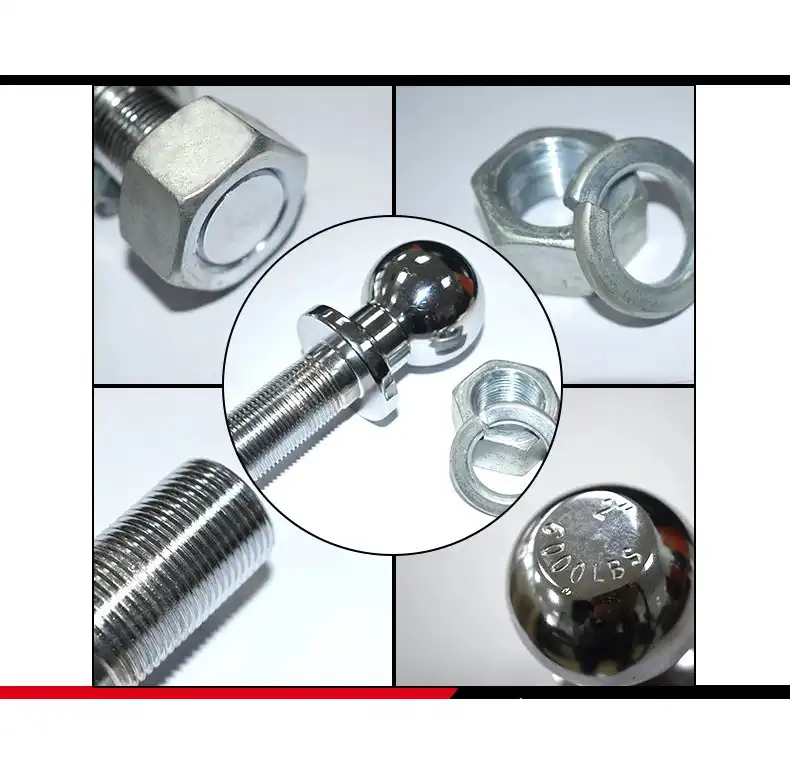
Understanding Trailer Ball Sizes and Their Importance
For trailer balls, the width is more than just a number; it tells you which trailer couplers will work with them and how much weight they can safely hold. In North America, standard sizes include 1-7/8 inch, 2 inch, and 2-5/16 inch widths, each of which is used for a different weight class and type of pulling.
Why Size Precision Matters in Industrial Towing
A 1-7/8 inch ball is usually good for light-duty uses with Gross Trailer Weights of up to 2,000 pounds. It can be used for small utility trucks and moving equipment. The most typical size for mid-range towing is 2 inches in diameter, which can handle loads of 3,500 to 12,000 pounds based on the shank design and grade of the material. Heavy-duty uses that need to hold more than 12,000 pounds usually call for 2-5/16 inch balls, which, when designed correctly, can hold more than 30,000 pounds. If these sizes don't match, they create dangerous slack in the coupling mechanism. This makes the ball and coupler wear out faster and increases the risk of sudden disconnections while in transit.
Material Composition and Load Rating Correlation
The mechanical qualities of trailer balls have a direct effect on how much weight they can hold. While standard carbon steel balls with chrome finishing don't offer the best performance for all uses, they do offer corrosion protection and smooth movement. High-tensile strength steel alloys work better in business fleets' cyclic loading situations because they are often heat-treated to get hardness grades between HRC 38-45. Different types of stainless steel, especially those made from 304 or 316 grades, work best in places where corrosion is a problem, like seaside areas or chemical transport uses, but they usually cost more. When choosing ball materials, people who work in procurement for building contractors or city fleet operations have to weigh the cost of the materials against how long they are expected to last and how they will be exposed to the environment.
Impact on Procurement and Supply Chain Efficiency
When buying managers know these size-to-capacity relationships, they can standardize their inventory while still keeping working freedom. Distributors with a wide range of customers can get the most out of their stock by focusing on the most flexible setups. This frees up capital that would otherwise be used to buy specialty things that don't sell as quickly. When OEM makers include pulling parts in their equipment designs, they can get accurate specifications early on. This keeps them from having to make expensive engineering changes and delays in production that are caused by coupling hardware that doesn't work with the equipment.
How to Measure and Select the Right Trailer Ball Size?
Measuring correctly keeps you from making mistakes that cost a lot of money and makes sure that all of your pulling equipment works together. During the choosing process, more than just the width of the ball is taken into account.
Critical Dimensions to Verify
The main measurement is the trailer ball diameter, which is found by spanning the biggest point of the sphere. This size must exactly match the coupler socket—a difference of 1/8 inch makes the fit wrong. The width of the shank determines whether it will work with the drawbar or hitch mount. The most popular diameters are 3/4 inch, 1 inch, and 1-1/4 inch. The shank needs to fit through the attachment hole without any extra space. The length of the shank affects how the ball sits on the hitch platform. If the shank is too short, the nuts won't be able to be tightened properly, and if it's too long, it could get in the way of safety chain connection points or ground clearance.
Matching Balls to Couplers and Load Requirements
Trailer couplers are made to fit certain trailer ball sizes with very little room for error. A 2 inch coupler made for a 2 inch ball won't hold a 2-5/16 inch ball securely, and it won't hold a 1-7/8 inch ball safely either. Load rating alignment is more than just making sure the dimensions are compatible. You also need to know your Gross Vehicle Weight Rating and Tongue Weight specs. Tongue Weight usually makes up 10-15% of the total trailer weight. If you choose a ball that is only rated for GTW without checking to see how much Tongue Weight it can hold, the connection system will be weak.
Terminology Clarification for Procurement Professionals
In the business world, trailer ball, hitch ball, and tow ball are all used in the same way, though area tastes vary. The paperwork for buying something should list the diameter in inches (not millimeters, even though some foreign suppliers use metric), the shank's diameter and length, the load capacity number, and the finish requirements. Class ratings (Class I through Class V) are shorthand for groups of capacities, but they shouldn't be used instead of exact weight ratings in purchase orders. This level of accuracy keeps you from miscommunicating with providers and makes sure that the parts they send you meet your business needs.
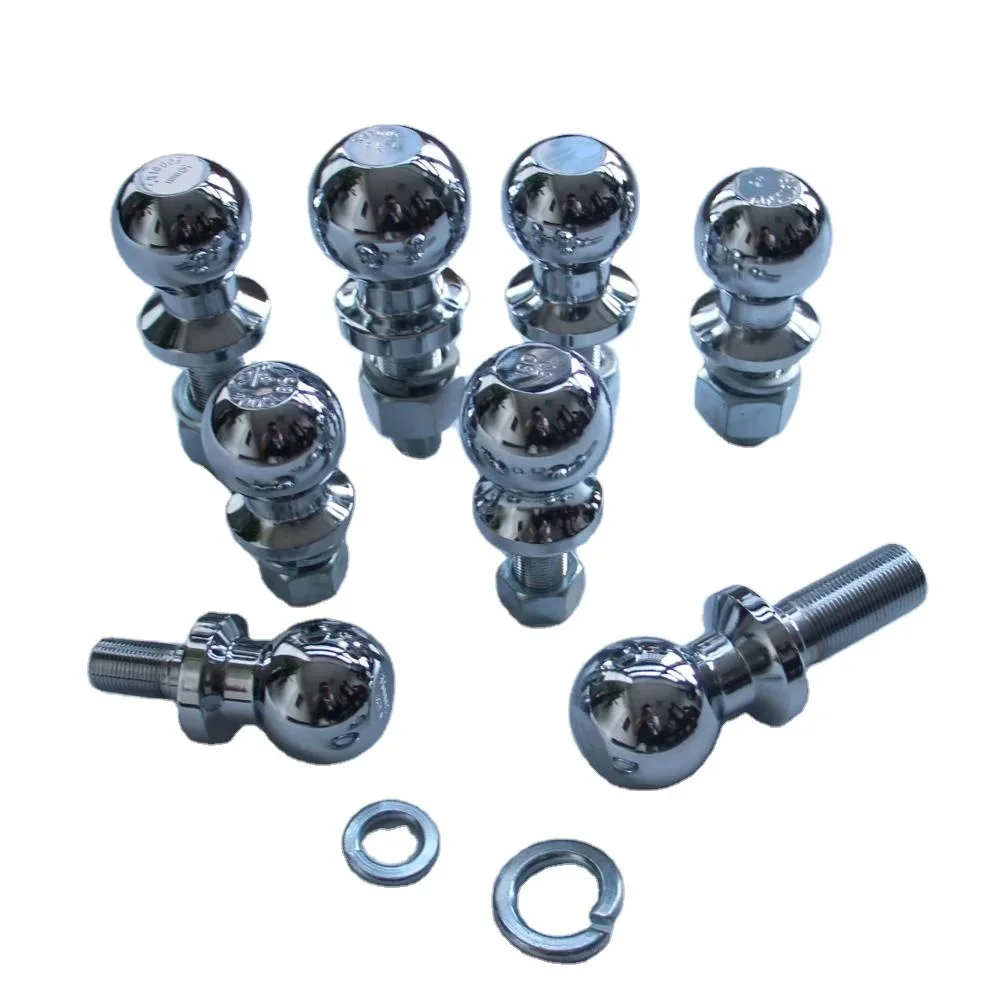
Trailer Ball Load Capacity and Weight Rating Explained
Load capacity numbers show how much weight a trailer ball can hold under certain situations. Going beyond these limits doesn't always cause failure right away, but it does speed up wear and tear, damage the ball surface, and weaken the connection over time.
Gross Trailer Weight Versus Tongue Weight
Gross Trailer Weight includes the weight of all the things that are put on the trailer, like fuel, goods, and structural parts. GTW figures out the lowest ball capacity number that is needed to keep things safe. Tongue Weight, which is the force that the trailer coupler puts down on the trailer ball, is usually between 10% and 15% of GTW for trailers that are adjusted properly. On good trailer balls, both grades can be found, but some makers only mark GTW. For field verification and compliance paperwork, the requirements for buying the ball should say that both grades must be clearly written on the surface of the ball.
Regulatory Compliance and Industry Standards
In North America, SAE J684 is the main standard for trailer ball performance. It describes how to test for both steady and dynamic loads. To make sure they meet this standard, balls are pulled, hit, and their surface stiffness is checked. Standards like ISO 1103 may be used in European areas. Checking which standards apply in each country before buying for international operations or foreign fleet deployments avoids compliance issues and possible liability exposure during cross-border operations.
Heavy-Duty Applications and Overload Prevention
Balls that can handle extended heavy loads are needed by infrastructure companies moving heavy equipment, city departments moving upkeep vehicles, and factories moving materials. For these uses, balls made from machined steel are needed instead of cast ones, which could have holes in them that weaken the structure. Surface treatments like powder coating or zinc finishing make things last longer in harsh conditions. Teams in charge of buying things should set base requirements that are at least 20% higher than the normal working loads. This is to account for dynamic loading that happens when moving quickly, slowly, or over rough terrain.
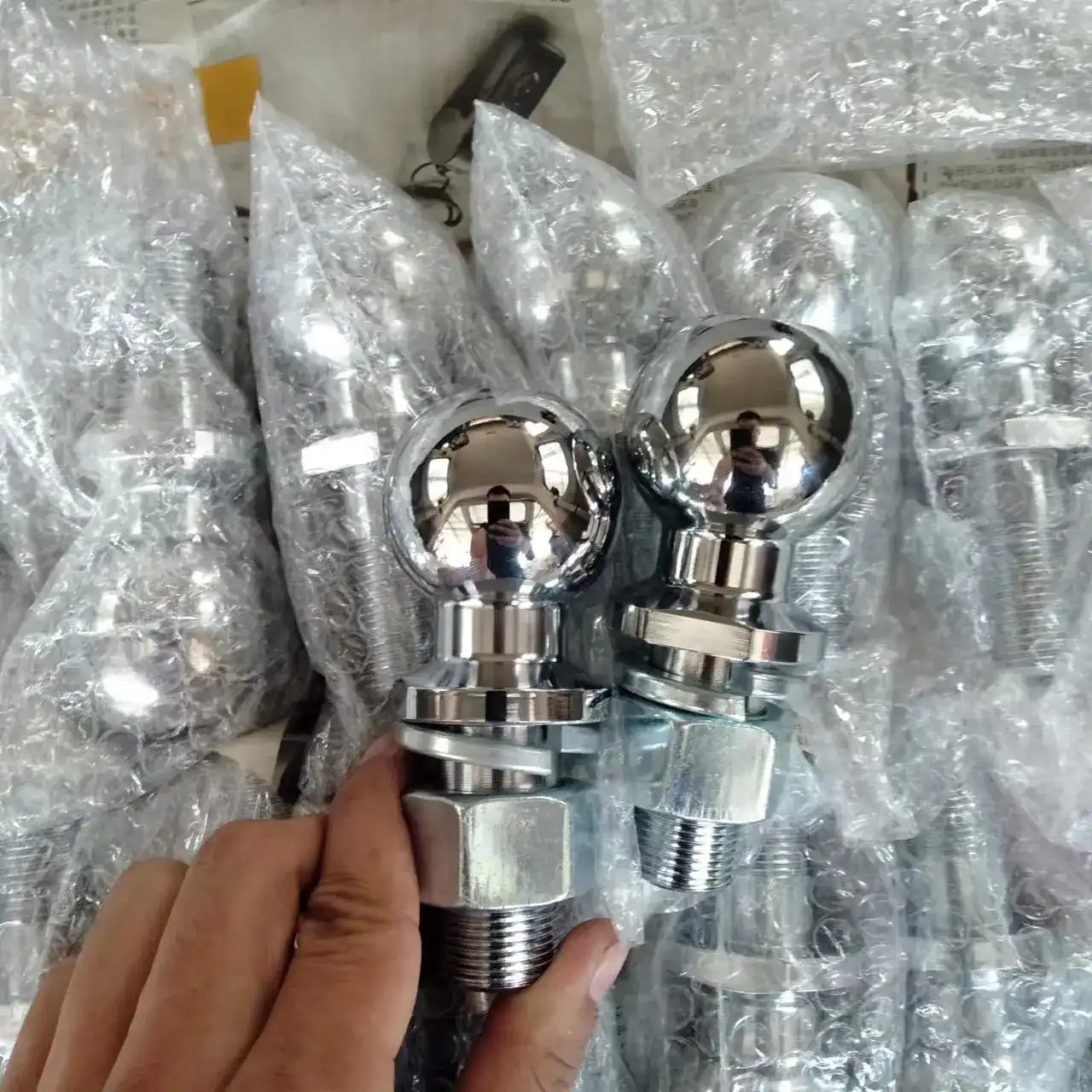
Procurement Considerations: Selecting, Buying, and Maintaining Trailer Balls
When you strategically source towing gear, you have to look at more than just the unit price when judging providers. Long-term value comes from more than just having the lowest purchase cost. It also comes from how reliable the product is, how quick the supplier is, and the total cost of ownership.
Supplier Evaluation and Brand Selection
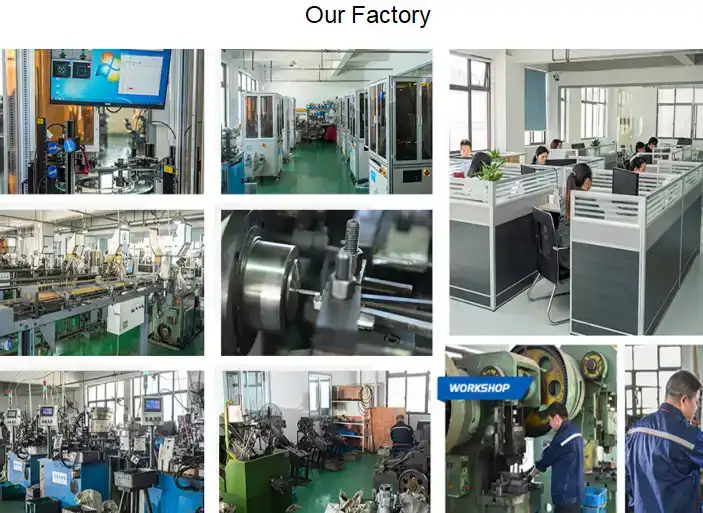
Well-known brands keep their quality high by following strict rules for making and testing their products. When looking at possible providers, you should think about their manufacturing skills, such as the forging tools, heat treatment facilities, and surface finishing methods they offer. If a supplier allows OEM customization, they can change the shank's size, thread pattern, or load grade to fit the needs of a fleet. This means that adapter gear or custom hitch fabrication is not needed. At RUIRUI, we can precisely customize tow parts to meet your exact needs using our progressive pressing and CNC cutting capabilities. This is true whether you need a lot of standard-sized parts or specialized shank configurations.
Value-Added Features and Accessories
Balls, including the trailer ball, can't be stolen from equipment that isn't being watched because of locking devices. This is a big problem for workers who store trailers at job sites. Integrated grease fittings make upkeep easier because they let you oil the shank threads and fastening hardware directly. Some more modern versions have wear indicators that show you visually when the ball surface wears down to the point where it needs to be replaced. While these features don't add much to the cost of procurement, they have big practical benefits in the form of lower theft losses, easier repair schedules, and the ability to plan for replacements ahead of time.
Bulk Purchasing and Logistics Optimization
Volume prices and steady supply deals are good for fleet operations and distributors. Talk about minimum order amounts, wait times for standard vs. custom configurations, and inventory management help when you're discussing contracts. Container-level exports are the most cost-effective per unit, but they need to be stored properly and demand must be predicted. Suppliers who have worked with foreign logistics before know how to handle customs paperwork, set up freight handling, and give shipped prices that make managing purchases easier. At RUIRUI, we handle exports to more than 80 countries by taking care of paperwork and shipping to make sure your parts get to you on time and are ready to be used in your operations.
Trailer Ball Safety, Maintenance, and Best Practices
Installing trailer balls correctly and keeping up with their care will make them last longer and keep the safety limits that were built into them. Setting up regular checking procedures stops fails and finds parts that need to be replaced before they get in the way of towing operations.
Installation Methods and Common Errors
Matching the shank width to the hitch mount opening is the first step to a proper fitting. If there is too much space between the two, the shank and hitch mount can move during towing, which wears out both parts quickly. To meet the manufacturer's requirements, the fixing nut must be torqued to a range of 100 to 250 foot-pounds, based on the size of the shank. When the torque is too low, the nut can crack or the threads can come off. When the torque is too high, the nut can break or the threads can come off. When you use the right washer setup, the binding force is spread out properly and stress doesn't build up in one place. Thread-locking compounds that are approved for high-vibration settings add extra security, but they should never be used instead of proper torque.
Inspection and Maintenance Schedules
Before each tow, a quick visual check of the trailer ball takes less than a minute and finds problems like mounting nuts that aren't tight enough, cracks that can be seen, or too much surface wear. During monthly thorough checks, the diameter of the trailer ball should be measured at several locations to look for uneven wear patterns. Differences of more than 1/16 inch mean that the trailer ball needs to be replaced. Dye penetrant tests can find cracks below the surface that can't be seen with the naked eye during yearly or high-mileage checks. By keeping track of these checks, compliance records are made that can be used in safety audits or lawsuit investigations.
Corrosion Prevention in Harsh Environments
Using coastal areas, being on roads that are salty in the winter, and transporting chemicals all speed up rust, which lowers load capacity and connection reliability. Cleaning often gets rid of contaminants before they can get through protected coatings, and using rust inhibitors makes coatings last longer. Many worries about rust are taken away by stainless steel balls, but they need compatible couplers to stop galvanic corrosion at the contact. Chrome plating doesn't protect as well as powder-coated or anodized finishes, especially when impact damage breaks through the covering. Among RUIRUI's surface treatment options are powder coating, plating, and anodizing, all of which offer customized corrosion protection based on your working conditions and performance needs.
Conclusion
For a complete buying strategy, choosing the right trailer ball includes checking the dimensions, the load limit, the material, and the dependability of the provider. Buying professionals can choose parts that meet practical needs and maximize long-term value by using the technical factors explained in this guide. Knowing how ball diameter, load capacity, and material qualities are related can help you avoid costly mistakes that could put safety at risk or speed up wear. Building partnerships with capable providers who offer customization, technical support, and reliable logistics makes ongoing buying easier and makes sure that parts are available. As towing operations get more complicated and government scrutiny grows, choosing the right coupling gear designed for your needs and backed by providers dedicated to your success is the first step to making sure your operations are safe and effective.
FAQ
1. What trailer ball size do I need for a 5,000-pound trailer?
A 2 inch diameter ball can be used on a 5,000-pound trailer as long as the GTW rating of the ball is at least 5,000 pounds and the Tongue Weight rating is between 500 and 750 pounds (10 to 15 percent of GTW). Always check both of the scores that are written on the ball.
2. Is it okay to use a chrome-plated ball instead of a stainless steel one?
Carbon steel that has been chrome-plated works well in most situations and is much cheaper than stainless steel. Keep stainless steel for places that are likely to rust, like the ocean, or chemically exposed areas where the higher cost is worth the longer life.
3. How often should trailer balls be replaced?
If you can see wear lines deeper than 1/16 inch, surface cracks, or a diameter loss of more than 1/16 inch at any measurement point, you should replace the balls. Even if there is no damage that can be seen, trailer balls used in commercial service should be changed as a preventative measure every three to five years, based on how often they are used and the conditions under which they are used.
Partner with RUIRUI for Reliable Trailer Ball Manufacturing
When your operations need tow parts that are precisely designed and backed by years of manufacturing experience, RUIRUI can make solutions that fit your needs. We can make unique trailer balls and tow accessories that meet exact load requirements and size tolerances thanks to our advanced manufacturing skills, which include progressive stamping, CNC machining, and laser cutting. With quality systems that are ISO 9001 certified and more than 15 years of production experience, we give B2B procurement professionals the dependability and stability that fleet operations and delivery businesses need. Our engineering team works with you to make sure that the specs are met and that production runs smoothly, whether you need standard configurations for stocking your goods or custom designs for specific uses. You can talk to an experienced trailer ball maker who knows how to meet the needs of industrial towing uses by emailing our team at kshdhardware@qdkshd.com. Check out our full list of metal manufacturing services at sheetmetalprocessingplant.com. Also, learn how RUIRUI's knowledge of trailer accessories for sale can help your supply chain and improve overall performance.
References
1. Society of Automotive Engineers (2018). "SAE J684: Trailer Couplings and Hitches - Automotive Type." SAE International Standards Collection.
2. American Society for Testing and Materials (2020). "ASTM A641/A641M: Standard Specification for Zinc-Coated (Galvanized) Carbon Steel Wire." ASTM International Material Standards.
3. National Highway Traffic Safety Administration (2019). "Federal Motor Vehicle Safety Standards: Trailer Hitch Systems and Towing Equipment." U.S. Department of Transportation Technical Report.
4. International Organization for Standardization (2017). "ISO 1103: Road Vehicles - Towing Coupling Balls - Dimensional and Mechanical Requirements." ISO Transportation Standards.
5. Trailer Safety Coalition (2021). "Commercial Fleet Towing Safety: Best Practices for Equipment Selection and Maintenance." Industry White Paper Series.
6. Materials Engineering Research Institute (2020). "Metallurgical Analysis of Towing Hardware: Load Capacity and Material Selection Criteria for Commercial Applications." Industrial Manufacturing Journal, Vol. 45, Issue 3.

Send Inquiry
You may like