
Secure Your Trailer Hitch with Locks
Protecting trucks from being stolen or detached without permission is very important for fleet managers and people who sell equipment. A hitch pin lock is an important security feature because it replaces standard pins with closing devices that stop tampering and removal without permission. These gadgets have built-in keyed or combination locks, and they're usually made of corrosion-resistant metals like stainless steel or coated carbon steel. Hitch pin locks protect important equipment investments in business and industrial uses by securing the connection between the trailer and the towing car. They also reduce asset loss and operational downtime.
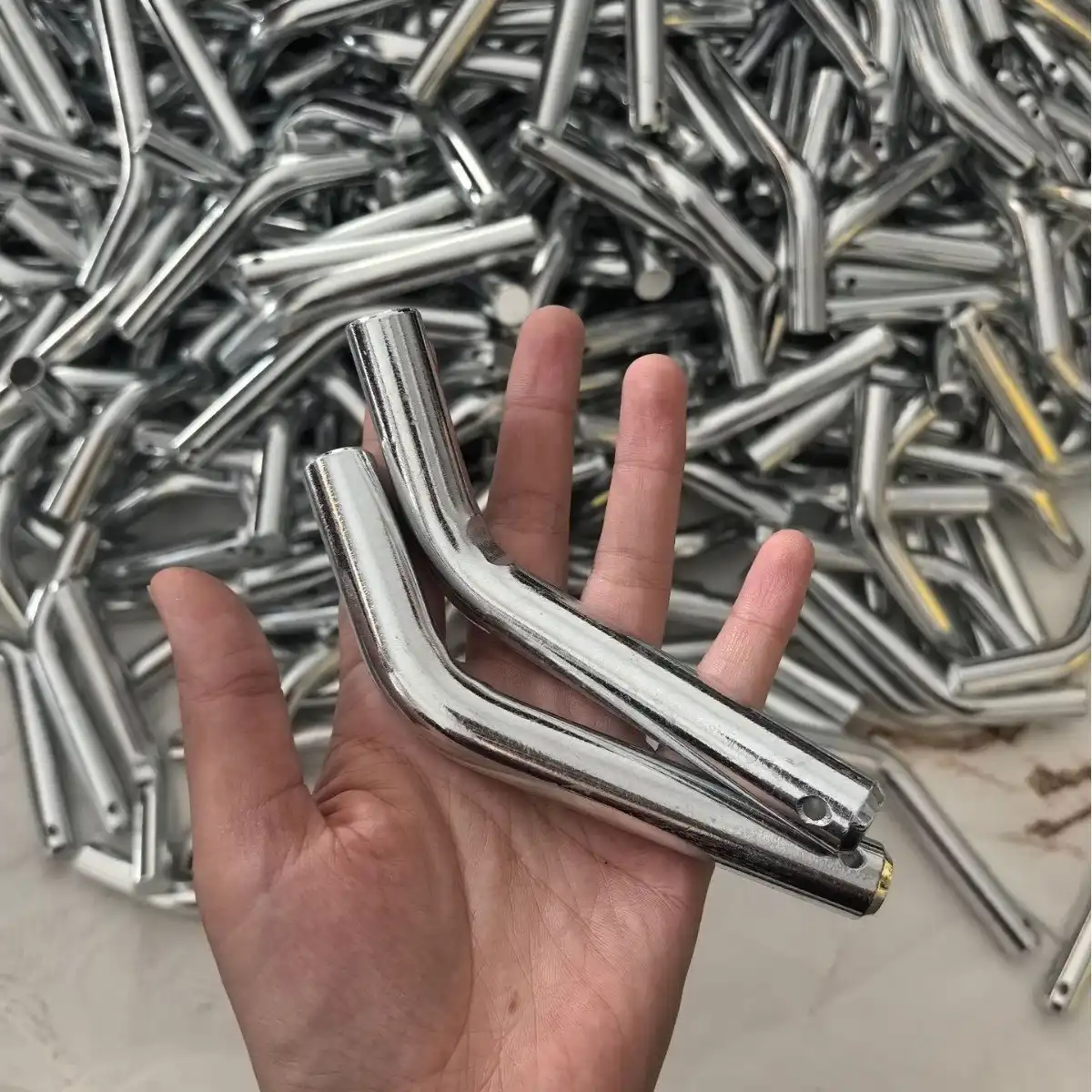
Understanding Hitch Pin Locks: What They Are and How They Work
Get to know what hitch pin locks are and how they work. Understanding how good locking systems work is the first step in keeping your trailer safe. The ball mount is held in place by traditional hitch pins, but they don't stop theft in any way. A standard pin is easy to take off, leaving your trailer open to damage.
The Core Function of Locking Mechanisms
A closing cylinder is built right into the design of a hitch pin lock, so you need a key or a combination to get the device out. The lock body usually goes around the pin shaft and stops it from being removed, even when force is used. Keyed versions have cylinder locks like those used in cars, while combination models are easier to use for fleets where multiple drivers need entry without having to handle keys.
Material Engineering for Durability
The choice of material decides how long something will last in difficult conditions. Grades of stainless steel, especially 304 and 316, are better at withstanding saltwater, which makes them perfect for use in sea environments and along the coast. Carbon steel that has been zinc-plated is a cheap way to protect against rust for everyday business use. The hitch pin lock’s pin shaft width ranges from 1/4 inch for coupler latches to 5/8 inch for receiver tube security. Tensile strengths are usually higher than 75,000 PSI to handle the stress of pulling.
Weatherproofing and Tamper Resistance
Good locks have rubber seals or protected caps that keep water, dust, and road debris out of the internal machinery. Designs that are hard to break into have hardened steel chains and drill-resistant lock cylinders that make it hard for thieves to get in. These engineering details make professional-grade goods different from consumer-level options, which has a direct effect on how reliable fleet operations are in the long run.
Types of Hitch Pin Locks and Their Applications
To choose the right lock type, you need to know what the practical needs and security goals are. Different styles fix different problems with trailer coupling methods.
Standard vs. Heavy-Duty Industrial Grades
Standard hitch pin locks work well on light-duty trucks and other utility vehicles where the risk of theft is low. These usually have pins with a width of 5/8 inches and simple locked cylinders. Heavy-duty versions have bigger pin shafts, stronger lock bodies, and pick-resistant features made for cargo trucks and equipment haulers that carry valuable items. Industrial types usually pass strict tests for resistance to vibration and corrosion, which makes them reliable in a wide range of temperatures and use conditions.
Specialized Variants: The 1/4 Hitch Pin Lock
The 1/4-inch diameter hitch pin lock fills in a security hole in the trailer connection. Unlike receiver locks, which secure the ball mount, these smaller devices lock the coupler latch mechanism itself, stopping it from being unhitched without permission. Marine workers use them a lot on boat trailer couplers, which need to be made of Grade 316 stainless steel because of the saltwater. Commercial gardening teams use them to keep latches from breaking when the ground is rough. This special app stops "unhitching theft," in which thieves just open the latch and move the trailer to their car without touching the receiver lock.
Keyed Systems vs. Combination Locks
Keyed systems are safer because they use unique key patterns and limited keyways that make it hard for people to copy the system without permission. Combination locks make it easier to keep track of keys in fleet settings where more than one person needs to get in. Some makers make keyed-alike sets, which let you use the same key to open multiple locks in a fleet. This is a big time-saver for buying in bulk.
Designs that are waterproof have sealed housings that keep working even after being submerged in water. This is important for boat trailers and other places where they will be wet a lot. Size categories include small models for setups with limited room and long models that can fit receivers that are too big or dual-hitch configurations.
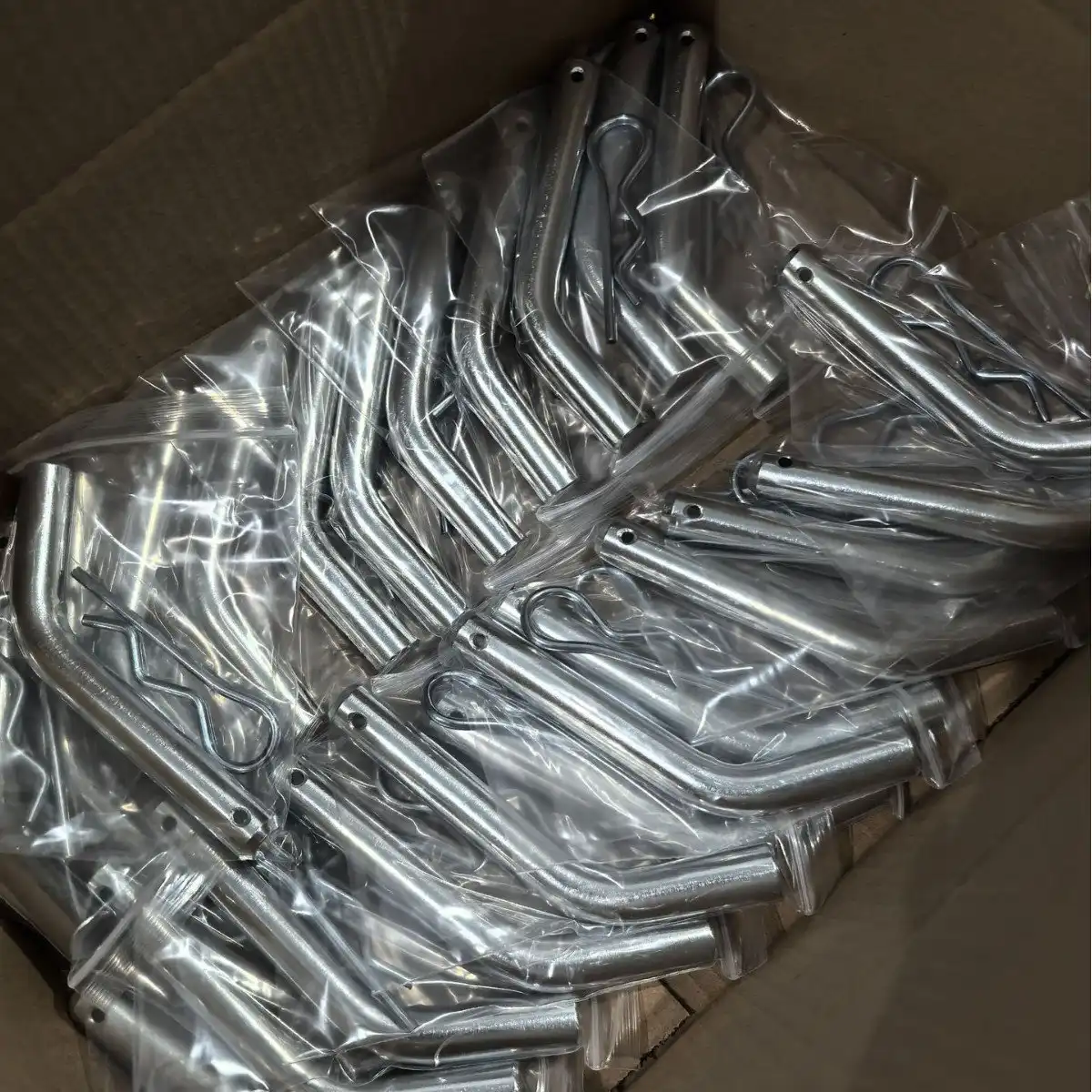
How to Install and Remove a Hitch Pin Lock: Step-by-Step Guide
Proper installation ensures security effectiveness and prevents operational failures that could compromise trailer safety.
Pre-Installation Compatibility Verification
Make sure the lock's diameter fits the hole in your receiver tube or coupler latch before you place it. Check the lock body's passage by measuring the distance from the pin hole to anything that might be in the way. Make sure that the length of the locking pin engages the threads well enough. Usually, the pin should stick out at least an inch past the far side of the receiver tube to ensure a firm hold.
Installation Best Practices
Clean the inside of the receiver tube to get rid of any dirt or dust that might be blocking the full pin entry. The hitch pin lock needs to be put through both receiver walls after the ball mount or extension is lined up. To make sure the fitting goes smoothly, turn the lock mechanism to the open position before inserting. Once it is fully entered, turn on the lock and make sure it can't be taken out without the key or the right combination. To make sure the connection is solid, apply a modest amount of upward force to test it.
Safe Removal and Troubleshooting
Before you try to remove it, make sure the mechanism is completely unlocked. Lack of grease or rust buildup can cause locks to seize. Put some penetrating oil around the lock barrel and wait a few minutes before you try to open it. When mechanisms get stuck, they might need to be fixed by a professional instead of being pushed out, which can damage both the lock and the receiver.
Maintenance Protocols for Long-Term Reliability
Regular repair makes things last a lot longer. Each month, clean areas that are out in the open to get rid of road salt and other dirt. Apply graphite grease to lock cylinders every three months. Do not use oil-based lubricants, as they attract dirt and make systems less effective. Every year, check for obvious rust, cracks, or deformation, and replace any units that show signs of structural damage. Set up repair plans that are in line with fleet service intervals to make sure that all cars follow the same rules.
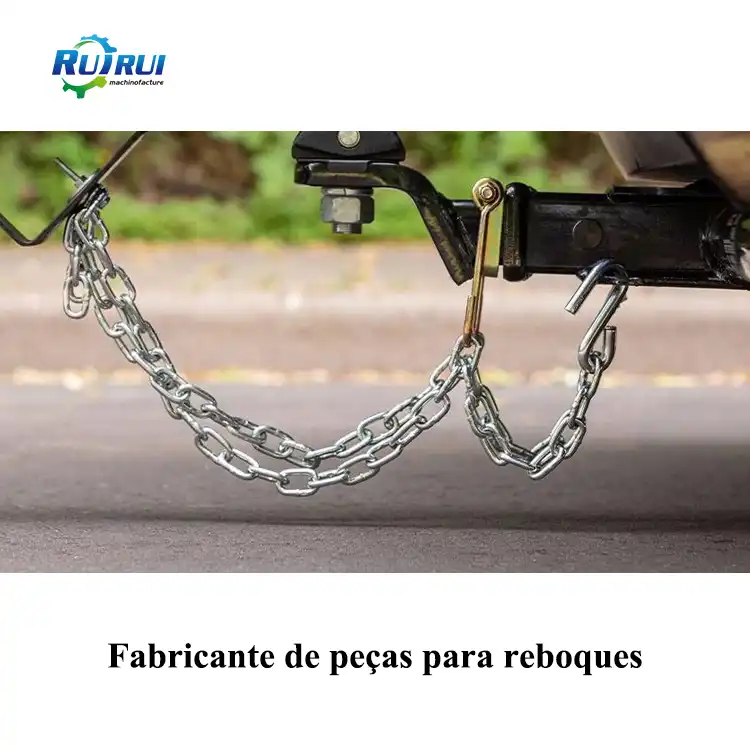
Comparing Hitch Pin Locks: Features, Benefits, and Procurement Considerations
Procurement decisions require systematic evaluation of performance characteristics against operational requirements and budget constraints.
Functionality and Security Level Analysis
hitch pin locks and locking hitch pins do the same general thing, but they are not all made the same way. Simple pin-tumbler locks on entry-level items keep thieves away, and they're good for low-risk areas. Premium models have parts made of sharpened steel, cylinders that can't be picked, and locks that are stronger and can't be cut or pryed through. When they are available, security scores help measure how well a system protects against common attack methods.
Material Selection: Stainless Steel vs. Zinc Plating
While stainless steel is better at resisting rust, it costs more—usually 40–60% more than zinc-plated options. Marine settings, chemical exposure, and activities along the coast make this investment worthwhile because the equipment will last longer and need to be replaced less often. For the hitch pin lock, zinc-plated carbon steel works well for business uses in the middle of nowhere, where road salt is the main thing that can cause rust. When buying in bulk, you should think about the total cost of ownership, which includes how often you have to replace things and how much it costs to have them broken down.
2024 Market Pricing and Procurement Frameworks
Standard keyed hitch pin locks cost between $8 and $15 per unit on the market right now for basic industrial grades. Heavy-duty stainless steel versions cost between $25 and $40 per unit, based on their features and certifications. Tiered discounts are usually available when you buy in bulk—orders over 100 units usually get 15–25% off. If a distributor wants to cut out middlemen and save money, they should focus on factory-direct buying. This is especially true for container-level exports where economies of scale can help.
When evaluating providers, look at their production potential to make sure they can reliably fill orders. Ask for proof that quality management systems are working that comes with ISO 9001 approval. Check out the engineering help available, especially for unique specs that call for non-standard sizes or materials. When organizing packages to other countries, having experience with international logistics is very important. This includes knowing how to handle customs paperwork, combining freight, and making sure that arrival dates are in line with project deadlines.
Top Hitch Pin Lock Brands and Solutions for Professional Buyers
Long-term procurement ties that work well are built on trust in the brand and the seller. Established makers bring engineering know-how and consistent quality that have a direct effect on how well operations run.
Industry-Leading Manufacturers
• BOLT specializes in coupler locks and receiver locks. Some of their products come with weather-resistant finishes, and some models come with a lifetime guarantee.
• Trimax makes high-end security products with pick-resistant cylinders and hardened steel construction that are popular with business fleet owners.
• Reese offers a wide range of towing devices, including hitch locks made for heavy-duty use, and their vast distribution networks make sure that parts are always available.
• CURT specializes in designed tow solutions, such as locking pins that are strong and durable enough to meet the standards of the car industry.
• Bulldog makes locking devices that are strong enough to handle high-cycle usage patterns for business and industrial markets.
• Master Lock's Pro Series has high-tech security features like dual locking systems and weather-sealed housings that make it appealing to people who want to keep their belongings safe from theft.
• Tekonsha and UFP both have special products for trailer makers who need OEM integration. These products come with private marking and custom keying choices to keep the brand's look and feel consistent.
Supplier Selection for B2B Procurement
Carefully look at warranty policies; covering for three to five years shows that the maker trusts the product to last. The level of after-sales service decides how quickly problems are fixed, keeping operations running as smoothly as possible. Lead times and freight prices are affected by shipping logistics, especially for foreign orders that need to combine containers. Customization choices let you match the specs to the needs of your particular fleet, from pin lengths that aren't standard to coatings that meet company standards, including a hitch pin lock. Minimum order numbers (MOQs) change a lot. Knowing what the MOQs are can help you make the best buying decisions and negotiate better terms.
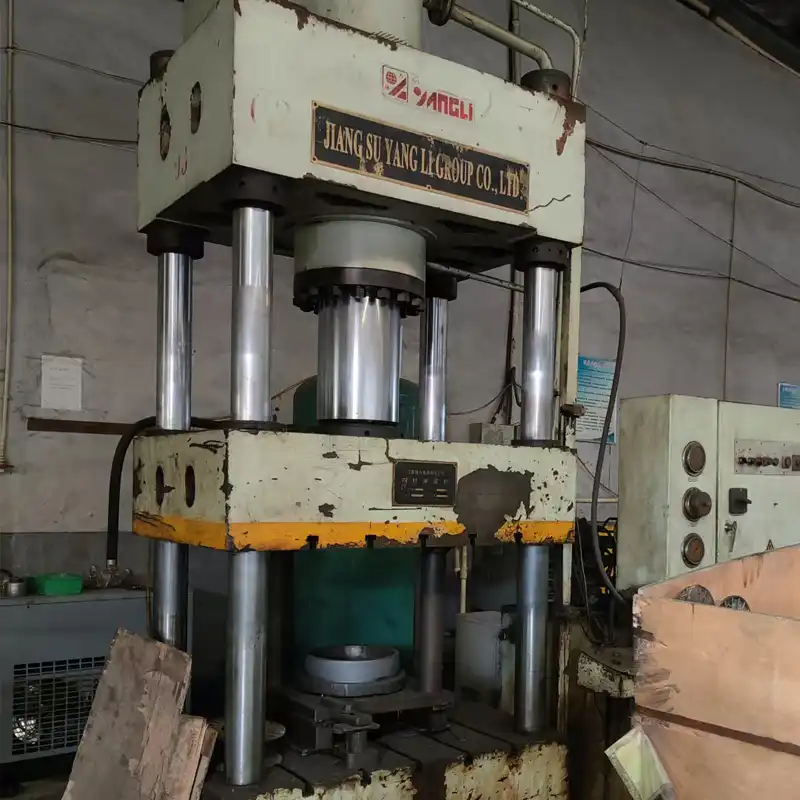
RUIRUI Machinery is a good example of a company that can make a lot of different things that procurement workers need. We've been in business since 2016 and have fully automated production lines that make 130,000 units a year. This makes sure that big fleets always have what they need. Laser cutting, CNC machining, and stamping are some of the metal manufacturing skills we offer. These are the main technologies used to make fine hitch pin lock parts. Secondary processes, such as powder painting, galvanization, and finishing with stainless steel, make it possible to change materials to fit different environmental needs. Certifications like ISO 9001, ISO 14001, and OHSAS 18001 show that quality management systems meet foreign standards. Our goods are sent to more than 80 countries in North America, Europe, and the Middle East, so we know the important processes and paperwork needed for foreign buying.
Conclusion
Businesses that take care of trailers need to invest in hitch pin locks as a basic security measure. The efficiency and dependability of theft protection are directly affected by the choice of materials, the quality of the lock mechanisms, and the correct installation. When reviewing a supplier's capabilities, such as customization options, quality certifications, and foreign shipping experience, procurement pros have to balance the need for security with the need to stay within budget. By knowing the technical differences between common and specialized lock types, like 1/4-inch coupler latch locks, buyers can choose solutions that are perfectly matched to the weaknesses of their fleet. Strategic relationships between suppliers and makers that offer technical support and uniform quality create long-term value that goes beyond unit price.
FAQ
1. How effective are hitch pin locks at preventing theft?
Hitch pin locks make it much harder for thieves to steal when they don't have to, but they work best as part of a multi-layered security system. Criminals who don't have special tools are less likely to break in if the locks are good, and models made of sharpened steel prevent cutting and prying attacks. When you pair receiver locks with coupler latch locks, you get double the safety, which stops both ball mount theft and illegal unhitching. For valuable items, GPS tracking and building protection go along with real locks.
2. What size hitch pin lock do I need for my trailer?
Get an exact measurement of the hole in your receiver tube or coupler latch. Pins with a width of 5/8 inches can be used in standard receiving tubes, but European standards may need 1/2-inch versions. Most coupler latch safety pin holes can fit 1/4-inch locks. Find out how thick the metal is all the way through to make sure the pin length is right—at least an inch past the far side for safe holding.
3. Should I choose keyed or combination locks for fleet operations?
Keyed systems are safer and harder to pick, but you have to keep track of keys for all of the cars. Combination locks stop people from sharing keys, but they may not be as secure against skilled trickery. Keyed-alike systems let you use the same key for all of your locks, which is both convenient and safer. Combination models work well in situations where drivers need to be changed often or where losing a key can stop operations.
Partner with RUIRUI for Premium Hitch Pin Lock Manufacturing
We make hitch pin locks and trailer security parts that are precisely designed to meet the needs of business fleets. Our advanced metal manufacturing skills, such as progressive stamping, laser cutting, and CNC machining, allow us to make parts that meet exact size requirements and high standards for sturdiness. As a hitch pin lock seller with a lot of experience, we can customize the material (stainless steel grades 304/316, galvanized steel, aluminum alloys), the surface treatment (powder coating, zinc plating, anodizing), and the dimensions to exactly meet your needs. ISO-certified quality systems and five-star supply chain management make sure that the quality of the products is the same for all sales of a container's worth. For technical advice, bulk prices, and fast prototyping services, email our engineering team at kshdhardware@qdkshd.com. Visit sheetmetalprocessingplant.com to learn more about how our wide range of production services can help you meet your buying goals.
References
1. American Society for Testing and Materials. (2023). ASTM A641/A641M Standard Specification for Zinc-Coated (Galvanized) Carbon Steel Wire. ASTM International.
2. National Highway Traffic Safety Administration. (2022). Trailer Coupling Devices and Safety Chains: Performance Requirements and Test Procedures. U.S. Department of Transportation.
3. Society of Automotive Engineers. (2023). SAE J684: Trailer Couplings and Hitches - Automotive Type. SAE International Standards.
4. International Organization for Standardization. (2021). ISO 9001:2015 Quality Management Systems - Requirements for Manufacturing Operations. ISO Publications.
5. Recreational Vehicle Industry Association. (2023). RVIA Standards for Trailer Hitches and Coupling Devices. RVIA Technical Committee.
6. Industrial Fasteners Institute. (2022). Security Fastener Design Guidelines for Transportation Applications. IFI Technical Standards Division.

Send Inquiry
You may like